Getting Around Guadalajara: Your Complete Transport Guide
Guadalajara has one of the most practical urban transport networks in Mexico. This guide breaks down every option — from the MiTren metro to MiBici bike-share — with real prices, route logic, and clear guidance on what to skip.
Plan and book this trip
Tools from our partner Travelpayouts help you compare flights and hotels. If you book through them, we may earn a commission at no extra cost to you.
Flights
Hotels map
TL;DR
- Getting around Guadalajara is straightforward without a car: the MiTren metro, MiMacro BRT, Uber, and DiDi cover most visitor needs at low cost.
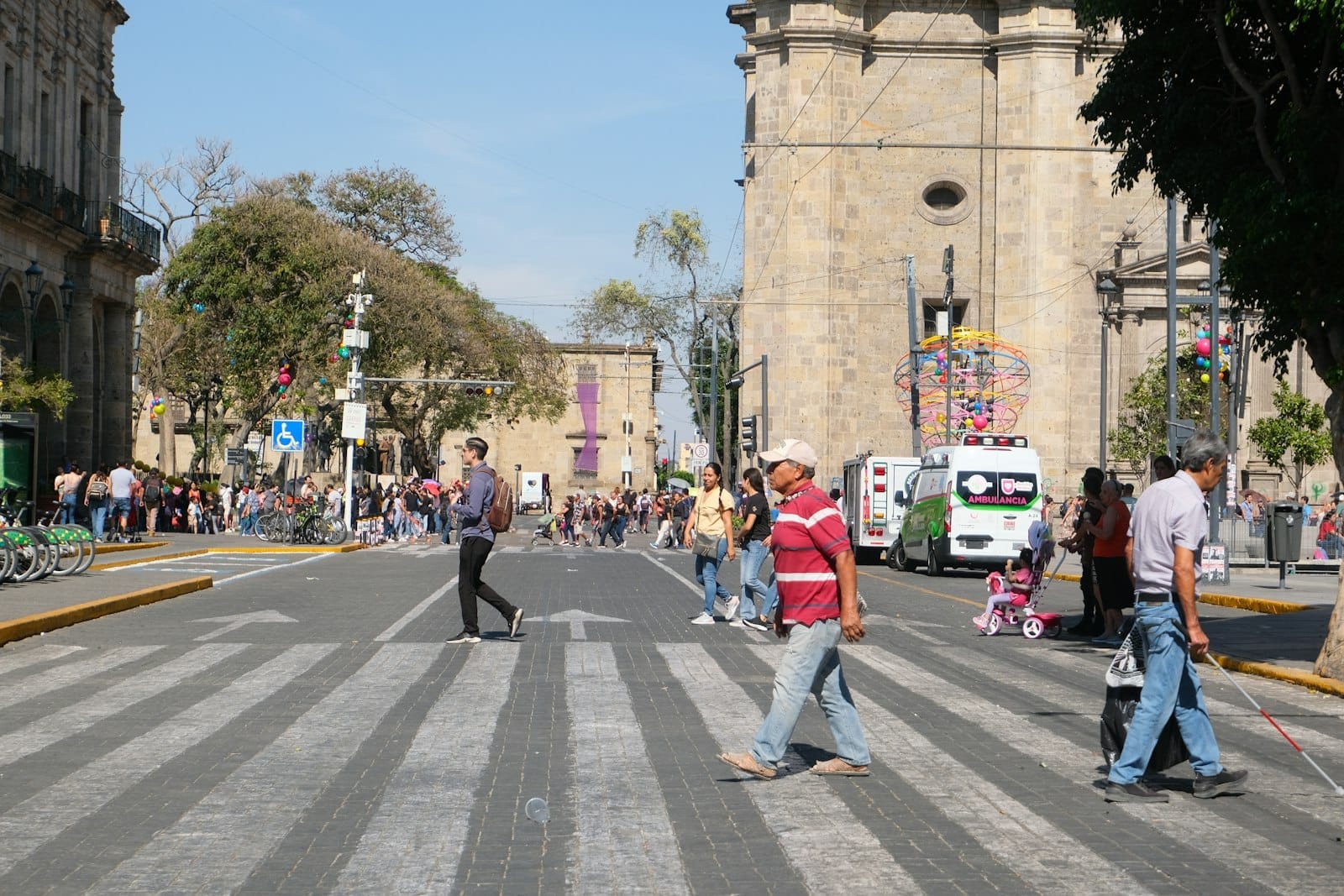
- The Centro Histórico and Colonia Americana are highly walkable — you can reach most landmarks on foot or by a short ride.
- From the airport (GDL), Uber and DiDi to the city center typically cost MXN 200–350; official airport taxis run slightly higher on fixed-zone fares.
- MiTren light rail fares are just a few pesos per ride — the cheapest way to move across the city quickly.
- Renting a car is generally unnecessary and can be more trouble than it's worth — see our budget travel guide for more cost-saving strategies.
From the Airport to the City: Your Options at GDL
Guadalajara is served by the Miguel Hidalgo y Costilla Guadalajara International Airport (IATA: GDL), located in Tlajomulco de Zúñiga, roughly 17–20 km south of the Centro Histórico. Off-peak, the drive takes about 25–40 minutes; during morning and evening rush hours on weekdays, budget up to an hour.
- Uber / DiDi (Recommended) Both apps operate from designated pickup zones at the airport. Fares to the historic center typically range from MXN 200–350 depending on traffic and surge pricing. Book inside the terminal and follow signage to the rideshare area.
- Official Airport Taxis (Autotransportaciones Aeropuerto) Fixed-zone fares sold at booths in the arrivals hall. Rates to downtown are generally in the MXN 300–400 range. These run 24 hours and are a reliable fallback if apps are surging.
- Public Bus The cheapest option by far — fares in the single-digit to low tens of MXN — but routes are slower, less frequent, and harder to navigate with luggage. Best suited for travelers who are already familiar with the city's bus network.
- Private Transfers / Hotel Shuttles Pre-booked transfers offer fixed pricing and door-to-door convenience. Useful for groups or late-night arrivals. Prices vary widely by company and vehicle class — confirm in advance.
⚠️ What to skip
Do not accept rides from unlicensed drivers approaching you in the arrivals hall. Only use official airport taxi booths or app-based rideshare services from the designated pickup zones. This is the single most common tourist pitfall at GDL.
The MiMovilidad System: Metro, BRT, and City Buses
Guadalajara's integrated public transport network is branded MiMovilidad and includes four main components: MiTren (light rail), MiMacro (BRT), MiBus (city buses), and MiBici (bike-share). For most visitors, MiTren and MiMacro will be the most useful. The system is coordinated by the state of Jalisco and operates under SITEUR (Sistema de Tren Eléctrico Urbano).
MiTren runs on three lines covering key north-south and east-west corridors through the city, connecting downtown Guadalajara with neighboring municipalities including Zapopan and Tlaquepaque. Fares are among the lowest in Mexico — around MXN 10 per ride — and the trains are generally clean and reliable. Line 3, the most recent addition, is the most modern and connects the northern suburb of Atemajac with the southern end near Tlaquepaque, passing through the city center.
MiMacro operates two main BRT corridors: Mi Macro Calzada (along Calzada Independencia) and Mi Macro Periférico (along the ring road). These articulated buses run in dedicated lanes and serve areas the metro doesn't reach. If you're heading to Tlaquepaque or exploring the eastern side of the city, MiMacro is often the fastest surface option.
MiBus covers the broader metropolitan area and feeds into rail and BRT hubs. Routes are extensive but can be confusing for first-time visitors, and buses get crowded during rush hours (roughly 7–9am and 6–8pm on weekdays). If you're just here for a few days, stick to MiTren and MiMacro for reliability.
💡 Local tip
Buy a rechargeable transit card rather than paying cash on each ride. The card, available at metro stations, speeds up boarding and is accepted across MiTren, MiMacro, and MiBus. Fares and card prices can change — check the official SITEUR or Mi Movilidad Jalisco websites before your trip for current rates.
Rideshare and Taxis: The Easiest Way to Fill the Gaps
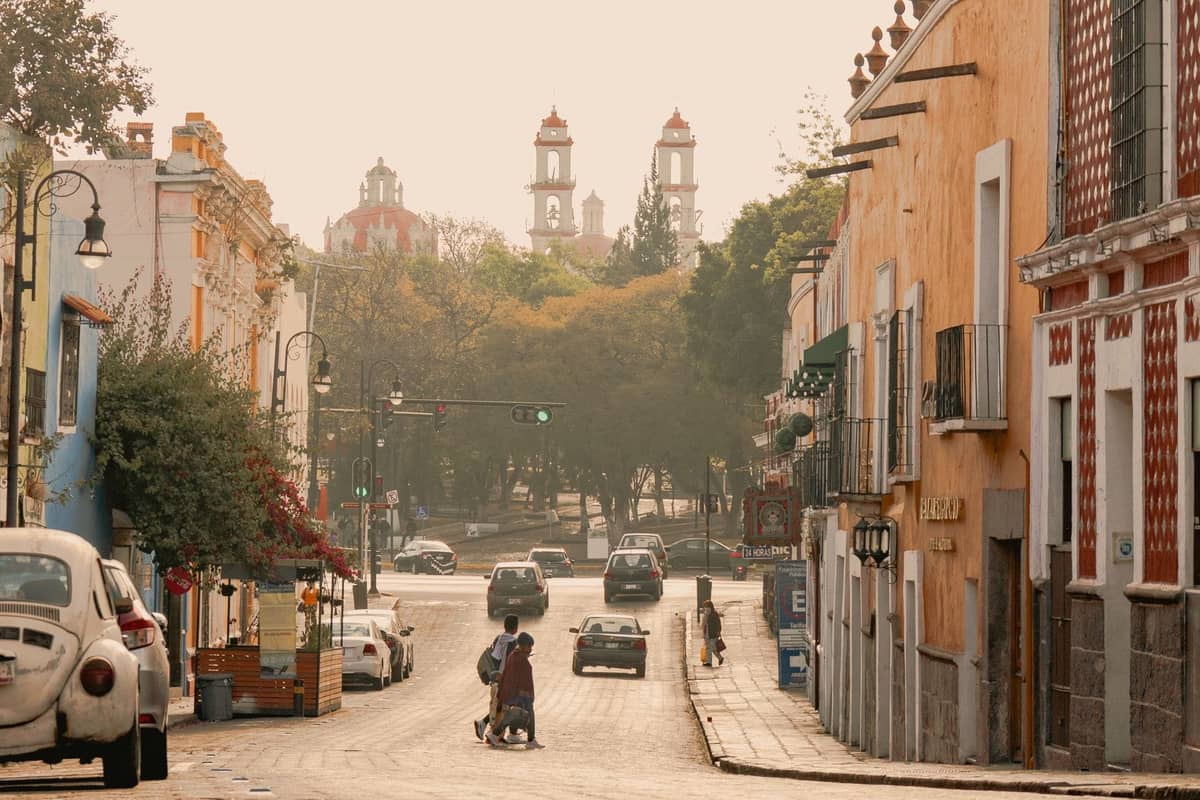
Uber and DiDi are the dominant rideshare platforms in Guadalajara and genuinely excellent value. A 30–35 minute ride across the city can cost the equivalent of USD 1.50–6, depending on distance and time of day. Both apps work reliably in the city center and most neighborhoods visitors frequent. Cabify has also operated in the metro area, though availability can vary.
Street taxis are widely available and legitimate — look for official green-and-white taxi cabs. However, for safety and price transparency, rideshare apps are the better choice for most situations. If you do take a street taxi, agree on a price before getting in or confirm the meter is running. For a deeper look at safety considerations, see the Guadalajara safety guide.
✨ Pro tip
DiDi is often slightly cheaper than Uber during peak hours in Guadalajara. Download both apps before you arrive and compare fares in real time. Both require a Mexican or international payment method linked to the account.
Cycling: MiBici and Guadalajara's Bike Infrastructure
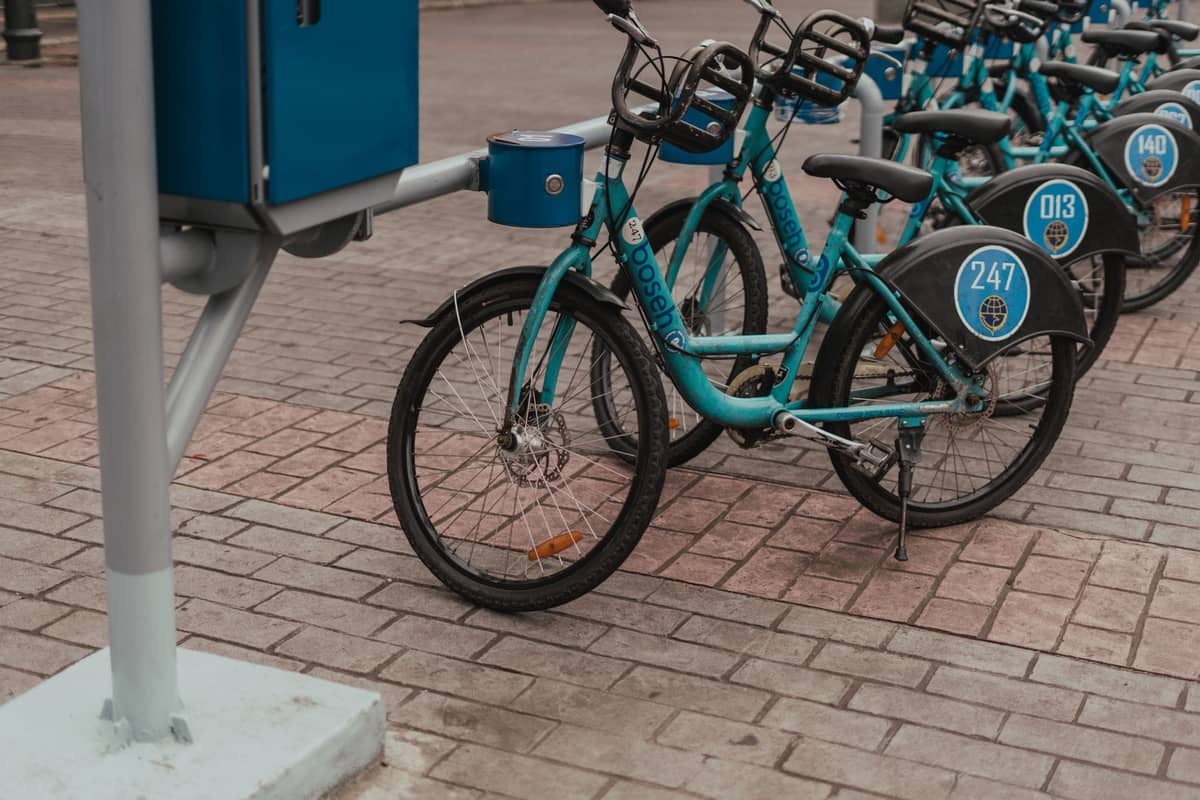
Guadalajara has invested significantly in cycling infrastructure over the past decade. The MiBici public bike-share system operates over 200 stations with roughly one bike per dock in the central districts, using solar-powered docks. Marked bike lanes run along several major avenues, making cycling a genuine option rather than an afterthought.
MiBici works well for short trips around the Centro Histórico, Colonia Americana, and the Chapultepec corridor. Passes and station maps are available on the official MiBici website. One important caveat: Guadalajara's streets can be chaotic outside designated lanes, and drivers don't always yield to cyclists. Stick to the bike lanes and avoid major arterials at rush hour.
Every Sunday, the city closes a major route to cars for the Via RecreActiva — a cycling and walking route that stretches through several neighborhoods. This is the single best day to explore the city by bike, especially with kids, and it's completely free.
Walking in Guadalajara: What's Reachable on Foot
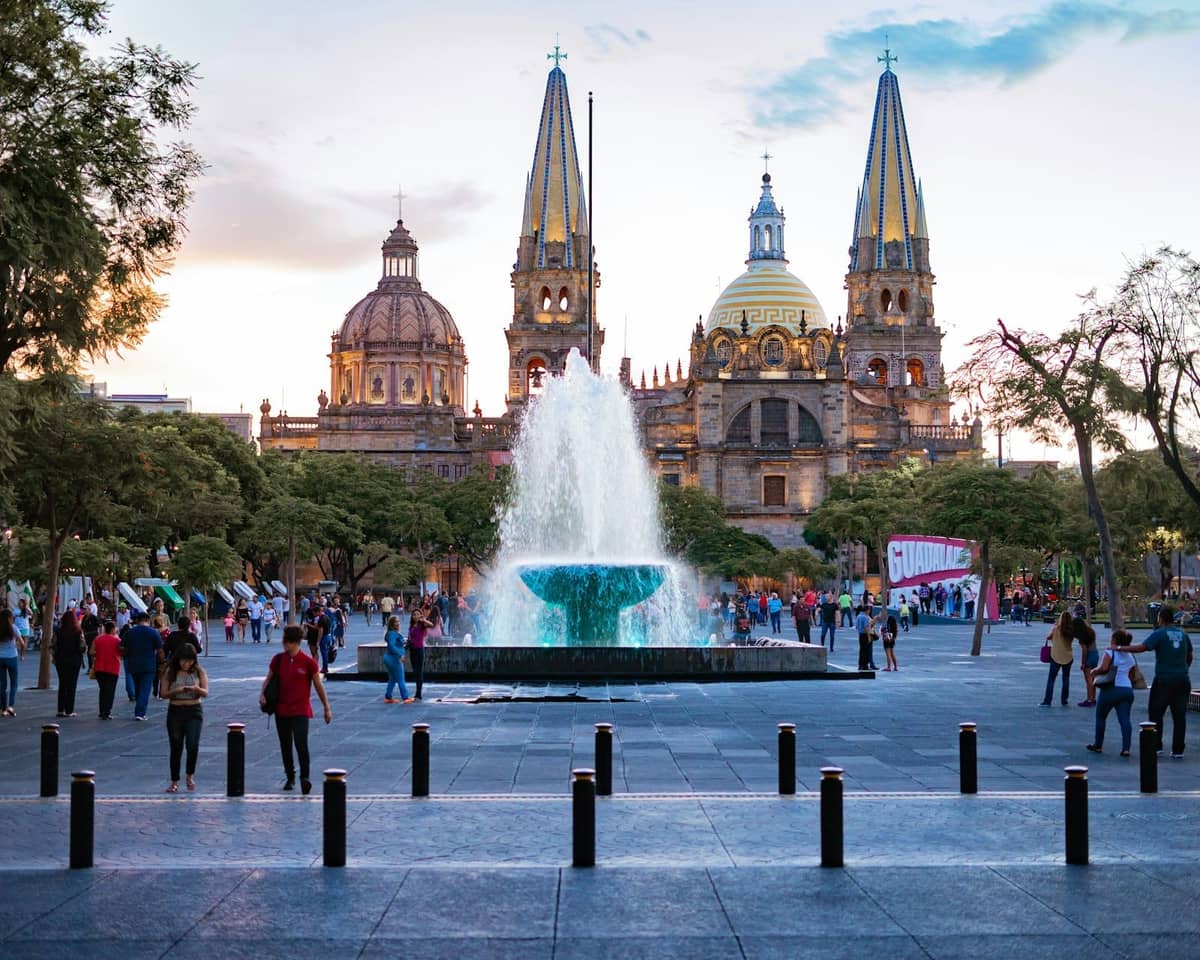
The historic center is the most walkable part of the city. From the Guadalajara Cathedral you can walk to the Hospicio Cabañas, Teatro Degollado, and the Mercado San Juan de Dios without any transport at all. The plazas are interconnected and largely pedestrian-friendly.
West of downtown, the Colonia Americana and Chapultepec area is another highly walkable zone. Avenida Chapultepec is lined with cafés, restaurants, and bars, and the neighborhood around it rewards slow exploration on foot. Most of the accommodation in this area puts major attractions within a 10–20 minute walk.
Where walking breaks down is between major districts. Getting from the Centro Histórico to Tlaquepaque, Tonalá, or Zapopan on foot is not practical — those require metro, BRT, or a rideshare. Guadalajara is a sprawling metropolitan area of about 5.3 million people across multiple municipalities, so managing expectations about walkability between districts matters.
ℹ️ Good to know
Guadalajara sits at around 1,550 meters (5,100 feet) above sea level. The altitude gives the city mild temperatures year-round — rarely above 32°C even in the warmest months — but afternoon thunderstorms are common from June through September. Carry a light rain layer if you're walking long stretches during rainy season.
Do You Need a Car in Guadalajara?
The short answer: no, most visitors do not need a rental car. The combination of MiTren, MiMacro, Uber, DiDi, and MiBici covers the vast majority of tourist itineraries. Car rental agencies are available at the airport and around the city, but several factors make driving in Guadalajara genuinely difficult: heavy congestion on main arterials, aggressive local driving habits, complex one-way street grids in the center, and limited and expensive parking near most attractions.
The one scenario where a car makes sense: day trips. If you're heading to the town of Tequila or Lake Chapala at your own pace, or exploring the Guachimontones pyramids, a rental or private driver gives you flexibility that public transport cannot. For those trips specifically, weigh the cost of a rental against the simplicity of a guided tour or private transfer.
- No car needed: Centro Histórico, Colonia Americana, Chapultepec, Zapopan city center, Tlaquepaque
- Car optional but not essential: Tonalá (MiMacro is adequate), Bosque Los Colomos, Parque Metropolitano
- Car or tour recommended: Tequila town, Lake Chapala/Ajijic, Guachimontones, Tapalpa, Mazamitla
- Car not recommended: Driving in the Centro Histórico — parking is a genuine headache and most streets are pedestrian priority
FAQ
How do I get from Guadalajara airport to the city center?
The easiest options are Uber or DiDi (MXN 200–350 to the historic center, 25–40 minutes off-peak) or official airport taxis with fixed zone pricing (slightly higher, available 24 hours at booths in arrivals). Public buses are much cheaper but slower and less convenient with luggage.
Is the Guadalajara metro (MiTren) safe and easy to use?
Yes. MiTren is generally considered safe, clean, and efficient. The main concern during peak hours is pickpocketing in crowded carriages — keep bags in front of you and be alert. Late-night travel on public transport is best avoided; use Uber or DiDi instead after around 10pm.
Can I walk between the main neighborhoods in Guadalajara?
Within the Centro Histórico and between Colonia Americana and Chapultepec, yes — these are compact and pedestrian-friendly. Between major districts like downtown and Tlaquepaque, Zapopan, or Tonalá, walking is not practical. Use MiTren or rideshare for cross-city travel.
Are Uber and DiDi reliable in Guadalajara?
Both operate reliably throughout the city and are the recommended way to fill gaps in the public transport network. Download both apps before arriving and compare prices in real time — DiDi is sometimes cheaper, especially during peak hours.
Does Guadalajara have intercity trains?
No. Guadalajara has no mainline intercity rail service. The MiTren system is purely urban and suburban light rail. For trips to other Mexican cities, the options are flying from GDL airport or long-distance buses from the city's bus terminals.