Colonia Americana sits just west of Guadalajara's historic core and revolves around Avenida Chapultepec, a pedestrian-friendly corridor lined with cafés, galleries, restaurants, and bars. Its early 20th-century residential streets, the Gothic spires of the Templo Expiatorio, and a creative, cosmopolitan energy make it one of the city's most compelling neighborhoods to explore or use as a base.
Colonia Americana is the neighborhood where Guadalajara loosens its collar. Centered on Avenida Chapultepec, it mixes ornate early 20th-century houses with sidewalk coffee shops, independent galleries, and a nightlife scene that draws locals from across the city. It is close enough to the historic center to walk there, yet distinct enough in character to feel like a different city entirely.
Orientation
Colonia Americana occupies a central-west position in the municipality of Guadalajara, Jalisco, Mexico. It sits roughly between Avenida Hidalgo to the north, Avenida Niños Héroes to the south, Avenida Calzada Federalismo to the east, and Avenida Enrique Díaz de León to the west. The neighborhood's spine is Avenida Chapultepec, which runs north-south through its heart and passes through the historic Lafayette area of the neighborhood.
From Colonia Americana, the Centro Histórico is about 1.5 kilometers to the east, a manageable walk or a short ride. The Glorieta Minerva, one of Guadalajara's most recognizable landmarks, sits less than a kilometer to the west along Avenida Vallarta, which forms a rough northern boundary between Colonia Americana and the Zona Minerva corridor. To the south, the neighborhood transitions into Colonia Moderna and eventually connects with Parque Agua Azul. Understanding these edges helps you navigate the city: Colonia Americana is not a place you end up in by accident, it is where people go deliberately.
If you are building a mental map of Guadalajara, think of Colonia Americana as the link between the formal colonial grandeur of the Centro Histórico and the more residential, upscale stretch that runs west toward Zapopan. It is compact enough to explore on foot but dense enough that each block rewards slowing down.
Character & Atmosphere
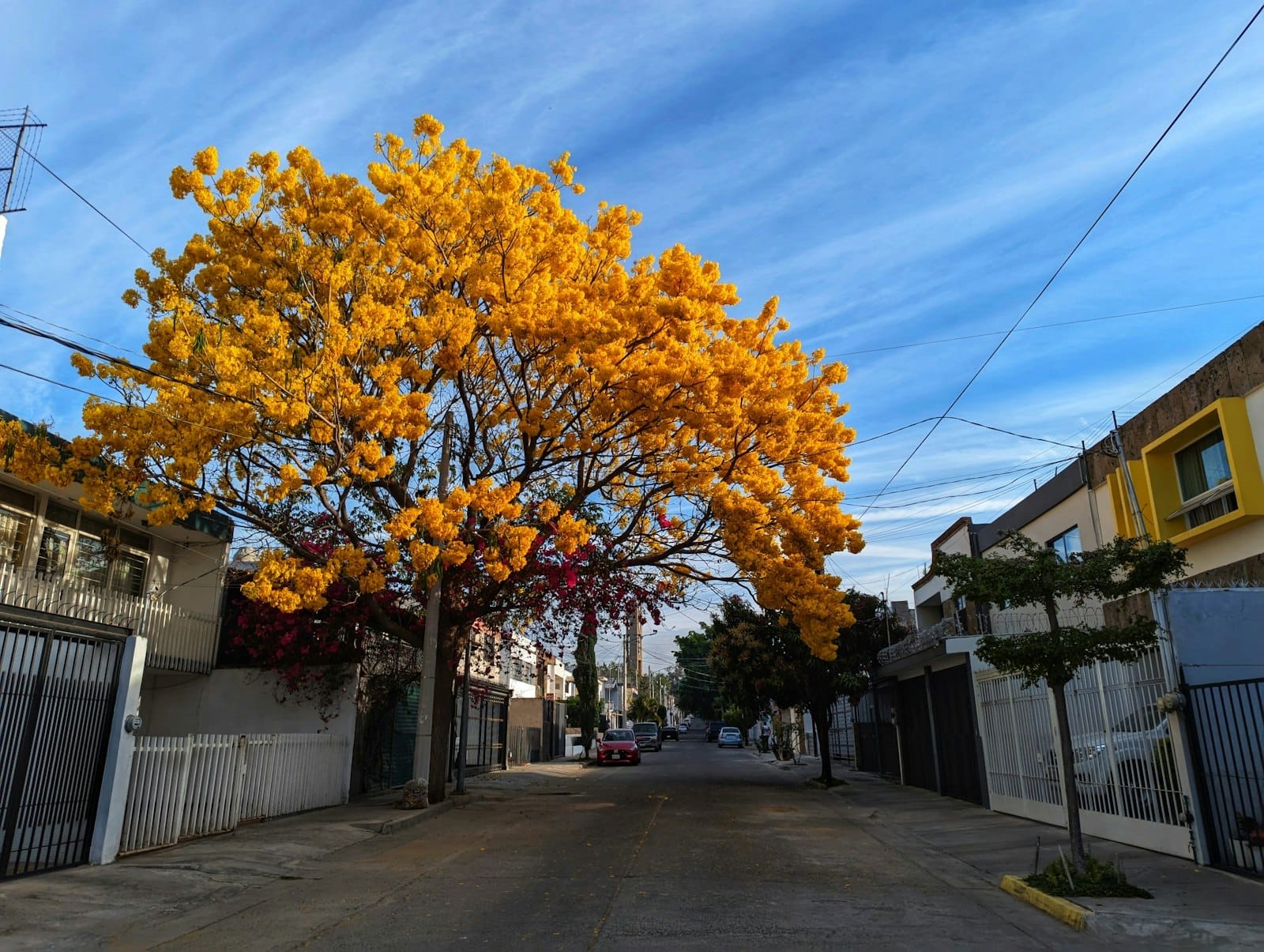
Morning in Colonia Americana has a particular quietness that belies what happens here after dark. On weekday mornings, the residential streets behind Chapultepec are almost sleepy: iron-grilled windows, bougainvillea spilling over stone walls, the sound of a radio from inside a kitchen. The architecture tells the neighborhood's story clearly. These are early 20th-century houses built by Guadalajara's upper-middle class, many still intact, with ornate facades, tiled courtyards, and proportions that no longer get built anywhere. A good number have been converted into restaurants, design studios, or boutique guesthouses without gutting their bones.
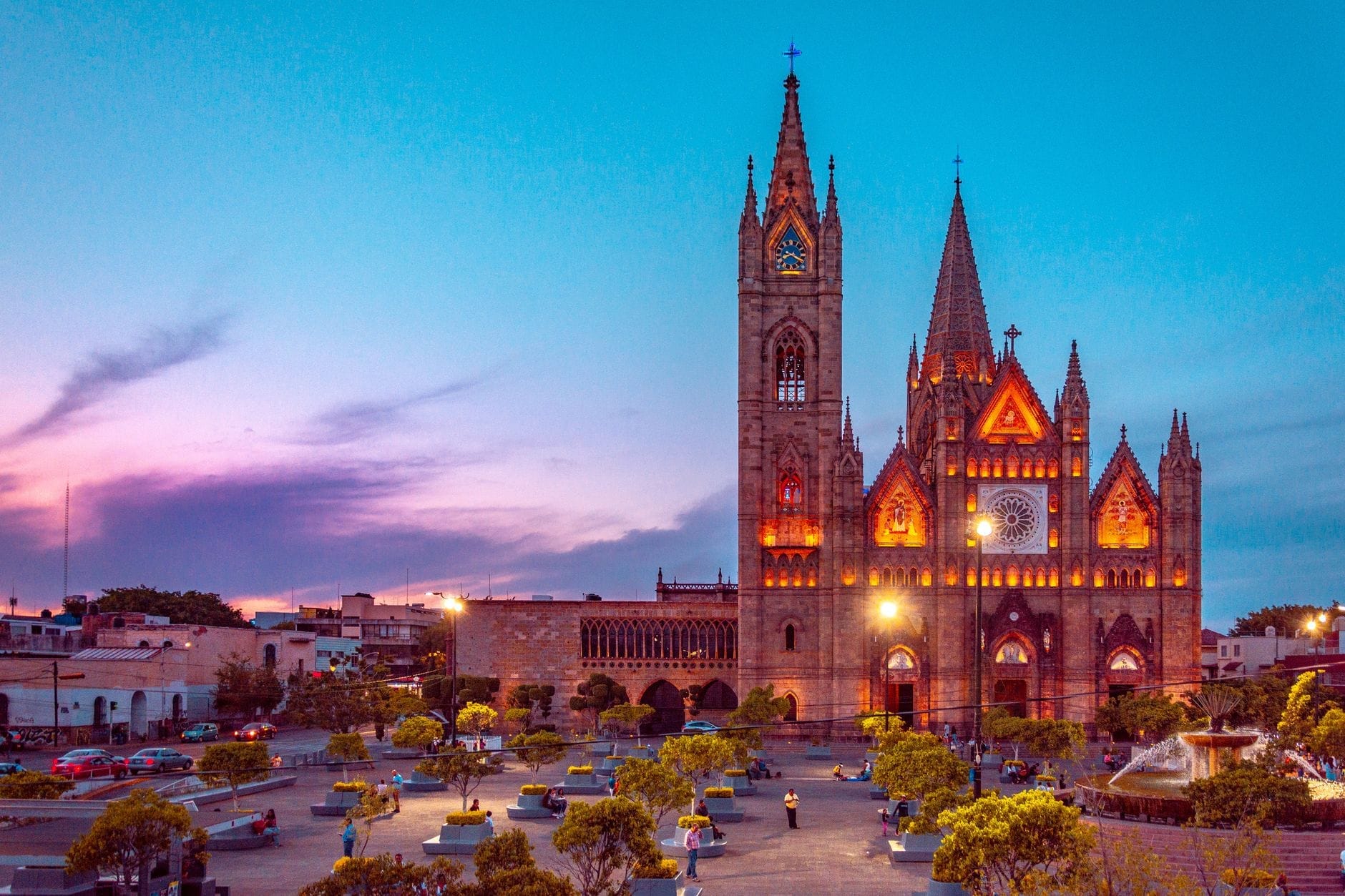
By mid-morning, the café terraces along Chapultepec fill up with a mix of university students, remote workers, and local professionals. The central median of the avenue functions as a wide pedestrian promenade, especially lively on weekends, which slows the pace and invites lingering. Afternoon light hits the stone facades at an angle that turns even ordinary blocks into something worth photographing. This is also when the Templo Expiatorio del Santísimo Sacramento becomes most striking: its Gothic revival spires catch the light, and the plaza in front of it functions as an informal gathering point where people sit, read, or just watch the city move.
After dark, Colonia Americana transforms more noticeably than almost any other neighborhood in Guadalajara. Chapultepec becomes louder and younger, with bars spilling onto the sidewalk and a steady crowd moving between venues. The energy peaks on Thursday, Friday, and Saturday nights, when the avenue fills with people in their twenties and thirties. A few blocks off Chapultepec, though, the residential streets are noticeably quieter. This split character is worth knowing before you book accommodation: a hotel or apartment on or immediately adjacent to Chapultepec will be convenient but noisy on weekends. Streets one or two blocks east or west offer significantly more quiet.
💡 Local tip
The pedestrian stretch of Avenida Chapultepec is best experienced on weekday mornings for café culture and on weekend evenings for the nightlife. If you want both, plan to visit the same street twice at different hours — it genuinely feels like two different places.
What to See & Do
The most architecturally significant landmark in Colonia Americana is the Templo Expiatorio del Santísimo Sacramento, a neo-Gothic church whose construction stretched across most of the 20th century. Its facade, with detailed stone carvings and tall pointed arches, is unlike anything else in Guadalajara's religious architecture, which tends toward baroque. The interior is worth entering for the stained glass alone. The square in front of the church hosts informal cultural events and is one of the neighborhood's best people-watching spots.
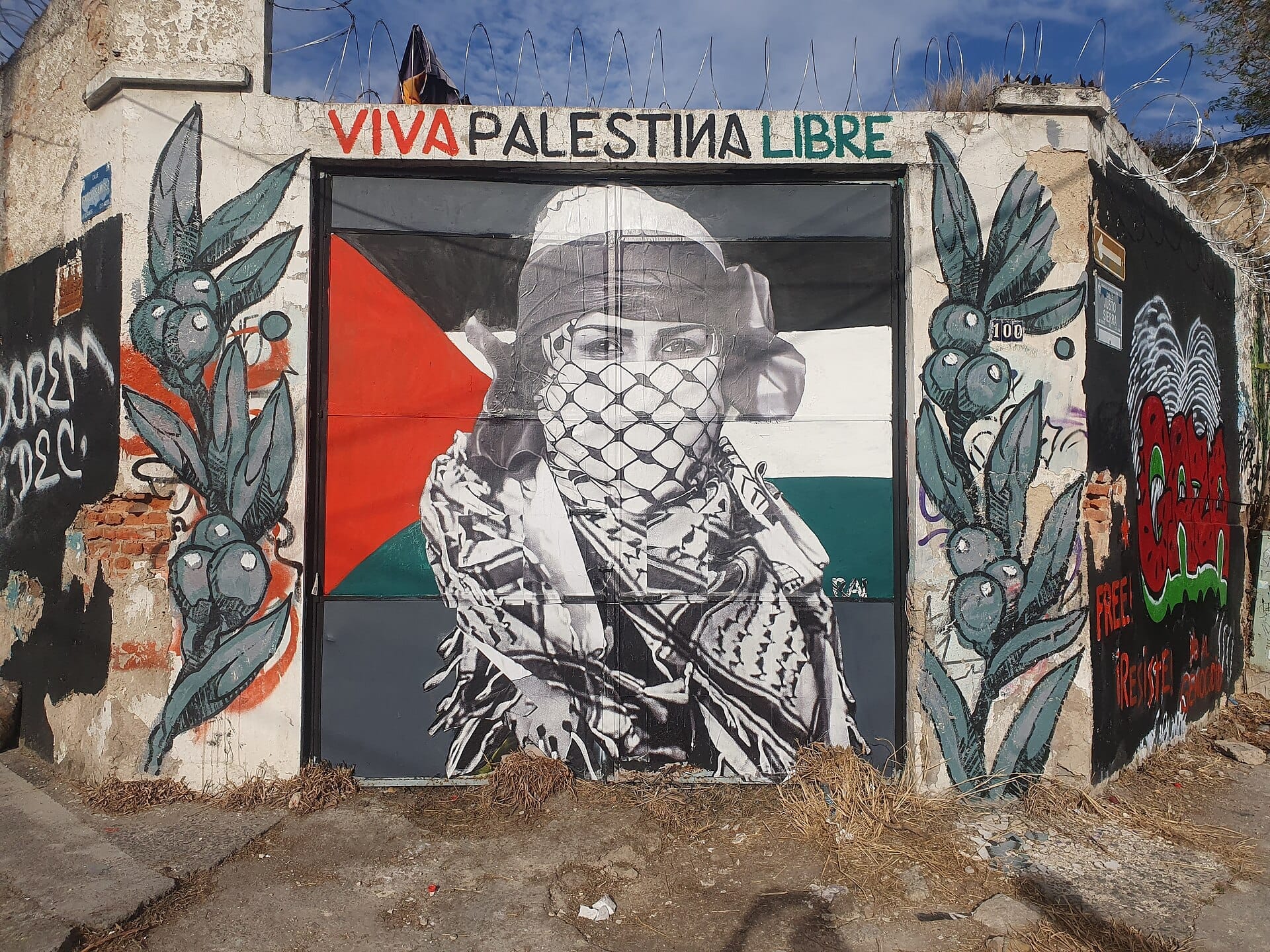
Avenida Chapultepec itself functions as a cultural corridor. Along its length and on the blocks immediately surrounding it, you will find independent art galleries, design shops, and occasional street installations. The neighborhood has developed a reputation as part of Guadalajara's creative scene, which UNESCO has recognized by designating the city as a Creative City of Media Arts. For a concentrated look at the street art that has spread through this area, Colonia Americana's street art includes murals that range from large-scale commissioned pieces to smaller interventions on residential walls.
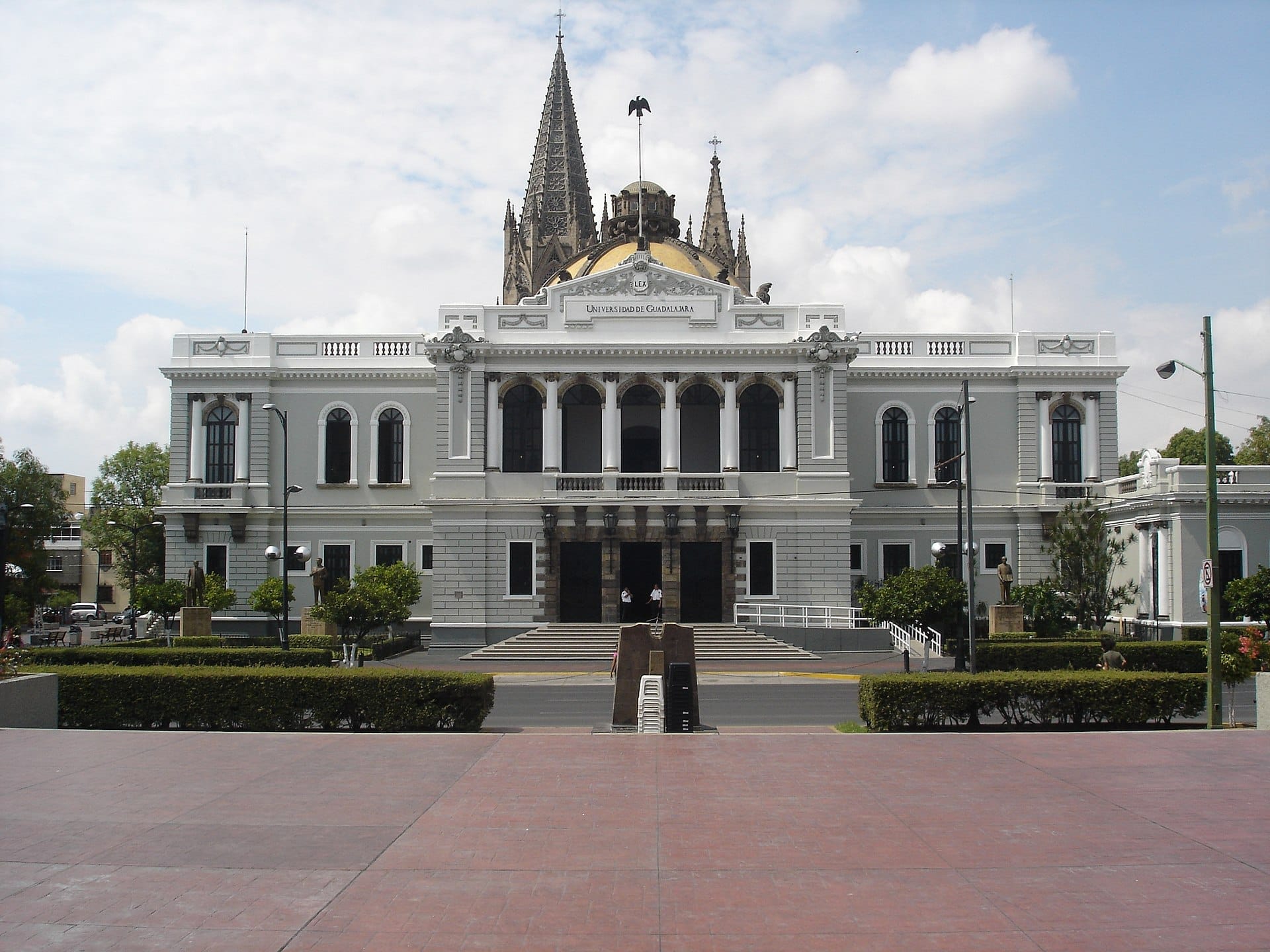
The neighborhood is also a good base for reaching other cultural institutions nearby. The MUSA Museo de las Artes of the Universidad de Guadalajara is within walking distance to the north, housed in a landmark building and holding one of the city's more serious collections of modern and contemporary Mexican art, including significant works by José Clemente Orozco.
Templo Expiatorio del Santísimo Sacramento: Gothic revival architecture, stained glass, and a lively plaza
Avenida Chapultepec pedestrian corridor: galleries, design shops, cafés, and street life
Colonia Americana street art: murals concentrated on side streets east and west of Chapultepec
MUSA Museo de las Artes: university art museum with Orozco works, short walk north
Parque Revolución: a local park on the northern edge of the neighborhood, popular with families and runners in the morning
If you are using Colonia Americana as a base for wider exploration, the Guadalajara walking tour routes through the Centro Histórico are easily reached on foot, and the craft neighborhoods of Tlaquepaque are accessible by metro or ride-hail in under 30 minutes.
Eating & Drinking
Colonia Americana has one of the most concentrated and varied food scenes in Guadalajara. The price range is broad: you can eat a birria taco from a street vendor for a few pesos, or sit down to a multi-course tasting menu in a converted mansion for several hundred. What the neighborhood does particularly well is the middle ground: independent restaurants in restored houses, with menus that range from traditional Jalisco cooking to contemporary Mexican cuisine and international influences.
Chapultepec Avenue is lined with café terraces that are serious about coffee, not just décor. Guadalajara has developed a strong specialty coffee culture, and Colonia Americana is where much of it lives. For breakfast, the neighborhood leans toward Mexican: chilaquiles, molletes, and fresh-pressed juice are standard morning offerings at most local spots. Street food is also present, particularly on the blocks east of Chapultepec, where you will find torta and taco stands that have served the same families for decades.
After dark, the drinking options range from mezcal bars with serious agave programs to craft beer spots and cocktail lounges. The nightlife along Chapultepec skews young and can get loud, particularly on weekends. If you prefer a quieter drink, look for bars on the side streets one or two blocks off the main avenue, where the atmosphere tends to be calmer and the service more attentive. Mezcal is the drink of choice at many of the neighborhood's more serious bars.
ℹ️ Good to know
Colonia Americana is one of the better neighborhoods in Guadalajara for travelers with dietary restrictions. Vegetarian and vegan options are more common here than in most other parts of the city, and several restaurants specifically cater to plant-based diets without treating it as an afterthought.
Getting There & Around
Colonia Americana is well connected to the rest of Guadalajara. The closest metro infrastructure is on its eastern boundary: Calzada del Federalismo is served by the Mi Macro Calzada BRT corridor, which connects the neighborhood northward toward the city center and southward toward other metro municipalities. For the light rail system, Line 1 runs roughly north-south between Zapopan and Tlaquepaque, and Line 3 runs roughly east-west connecting Zapopan, the Centro Histórico, and Tlaquepaque/Tonalá. Both are within a short walk or ride from Colonia Americana. For full details on navigating the city's transit network, the guide to getting around Guadalajara covers all options including metro, BRT, and ride-hailing apps.
From the airport, Miguel Hidalgo y Costilla Guadalajara International Airport (GDL) is approximately 20 kilometers from Colonia Americana by road. Ride-hailing apps including Uber and DiDi serve the airport and are the most straightforward option for reaching the neighborhood directly. Authorized taxi fares and ride-hail prices vary and should be verified at the time of travel. Allow 30 to 50 minutes depending on traffic, which can be significant during morning and evening rush hours on weekdays.
Within Colonia Americana itself, walking is the most practical way to get around. The neighborhood is compact and largely flat, and most of its restaurants, cafés, and cultural spots are within a 10 to 15 minute walk of each other. Chapultepec Avenue runs north-south and serves as the clearest orientation axis. For trips to other neighborhoods, Uber and DiDi work reliably here. The city's public bicycle share system also has stations in and around the neighborhood, which is a good option for reaching the Centro Histórico or Parque Agua Azul without dealing with traffic.
⚠️ What to skip
Traffic on and around Avenida Chapultepec can back up significantly on Friday and Saturday evenings as people arrive for the nightlife. If you are taking a ride-hail to or from the neighborhood on a weekend night, add extra time and expect surge pricing after midnight.
Where to Stay
Colonia Americana is one of the better neighborhoods in Guadalajara for accommodation, particularly for travelers who want to be close to restaurants and nightlife without staying in the Centro Histórico. The neighborhood has a growing number of boutique hotels and design guesthouses, many of them in converted early 20th-century houses that retain their original architectural features. For a broader comparison of where to stay across the city, the where to stay in Guadalajara guide breaks down each neighborhood's strengths and trade-offs.
The best location within Colonia Americana depends on what you prioritize. Staying on or within a block of Avenida Chapultepec puts you at the center of the food and café scene, but expect weekend noise until at least 2am from bars and the general street activity. If you want the convenience of the neighborhood without the nightlife soundtrack, look for properties on streets two or three blocks east or west of Chapultepec, particularly toward the quieter residential areas near Niños Héroes to the south.
The neighborhood suits travelers who are self-sufficient, sociable, and interested in food, culture, and nightlife. It is less ideal for families with young children or travelers who go to bed early and are sensitive to urban noise. Business travelers will find it convenient for meetings in central and western Guadalajara, and digital nomads in particular have made it one of their preferred bases in the city, given the density of reliable cafés and coworking spaces.
For travelers interested in the digital nomad angle specifically, Colonia Americana features prominently in the Guadalajara digital nomad guide, which covers coworking options, internet quality, and the neighborhoods best suited to remote work.
Drawbacks to Know
Colonia Americana is genuinely appealing, but it is worth being clear about its limitations. The nightlife, which is one of the neighborhood's draws, is also its most significant source of inconvenience. Avenida Chapultepec on a Saturday night is loud, crowded, and not particularly pleasant to navigate on foot if you are not part of the bar-going crowd. The noise can carry into surrounding streets, and it does not wind down early.
The neighborhood has also become increasingly popular with tourists and with Guadalajara's own upper-middle class, which means prices at some establishments have risen to match. You will find overpriced cocktails at places riding the neighborhood's reputation, and some restaurants have leaned into aesthetics over substance. It is worth asking locals for current recommendations rather than relying on lists that may be a few years old.
On the safety question, Colonia Americana is generally considered one of the more comfortable neighborhoods for walking in Guadalajara, including at night on the main avenue. The side streets are quieter and warrant the same awareness you would apply in any urban neighborhood after dark. For context on safety across the city more broadly, the Guadalajara safety guide covers the topic with current information and neighborhood-level detail.
TL;DR
Colonia Americana is Guadalajara's most energetic central neighborhood, built around Avenida Chapultepec and defined by early 20th-century architecture, cafés, independent restaurants, and a strong nightlife scene.
Best for: food lovers, nightlife seekers, digital nomads, design-conscious travelers, and anyone who wants walkable access to culture without staying in the historic center.
Not ideal for: travelers sensitive to noise at night, families with young children, or visitors looking for a quiet, residential experience.
The Templo Expiatorio and the street art scene are the neighborhood's most distinctive cultural draws; MUSA and the Centro Histórico are both within walking distance.
Stay on Chapultepec for maximum convenience and maximum noise; stay one or two blocks off it for a quieter version of the same neighborhood.
Three days is enough to cover Guadalajara's colonial core, its craft-focused suburbs, and a day trip to the town that gave tequila its name. This itinerary is structured around walking distance, public transport, and realistic timing — not nierealnych oczekiwań.
Guadalajara is a stronger museum city than many visitors expect. From the UNESCO-listed Hospicio Cabañas to free contemporary art at MUSA, here are the best museums in Guadalajara, organized by theme so you can plan your time well.
Guadalajara's climate divides cleanly into a dry season and a rainy season, but the best time to visit depends on what you're after. This guide breaks down weather, festivals, crowds, and pricing by season so you can plan with confidence.
Guadalajara sits at the center of one of Mexico's richest regions for day tripping. Within about two hours in any direction you'll find UNESCO World Heritage sites, mountain Pueblos Mágicos, Mexico's largest freshwater lake, and ancient circular pyramids unlike anything else in the country.
Guadalajara rewards budget travelers more generously than almost any city in Mexico. Its historic plazas, colonial churches, world-class murals, urban forests, and street markets are largely free to enter, making it possible to spend days here without opening your wallet.
Guadalajara has one of the most practical urban transport networks in Mexico. This guide breaks down every option — from the MiTren metro to MiBici bike-share — with real prices, route logic, and clear guidance on what to skip.
Miguel Hidalgo y Costilla International Airport (GDL) is Mexico's third-busiest airport, handling over 17 million passengers a year. This guide covers every transfer option from the airport to Guadalajara city center, terminal layouts, facilities, and practical arrival tips so you know exactly what to expect before you land.
Guadalajara's architectural story spans five centuries, from the towering twin spires of its Metropolitan Cathedral to the clean geometric lines of Luis Barragán's early modernist houses. This guide covers the landmark buildings worth your time, how to visit them, and the historical context that makes each one matter.
Day of the Dead in Guadalajara is a multi-week affair that blends pre-Hispanic tradition, Catholic observance, and the city's own Fiestas de Octubre into something far bigger than a single night. This guide covers the best altar displays, cultural events, practical logistics, and common misconceptions so you can experience it properly.
Guadalajara, Jalisco is quietly becoming one of Latin America's most practical bases for remote workers. This guide covers monthly costs, coworking spaces, the best neighborhoods, visa options, internet reliability, and everything else you need to decide if Mexico's second-largest city is right for your nomad setup.
Guadalajara, Jalisco, Mexico hosts some of Latin America's most significant cultural events — a world-class film festival, the largest Spanish-language book fair, October-long celebrations, and a mariachi gathering with deep roots in Jalisco identity. This guide breaks down the full annual calendar with practical detail on timing, crowds, and what actually deserves your attention.
Guadalajara, Jalisco is one of Mexico's most important food cities, home to torta ahogada, birria, carne en su jugo, and jericalla. This guide covers every essential dish, where to find the best versions, what to pay, and how to eat like a local from breakfast through late-night cantina.
Guadalajara, Jalisco's capital, rewards couples with colonial plazas, candlelit Tlaquepaque galleries, agave-field train rides, and one of Mexico's most walkable lake shores. This guide covers the most genuinely romantic experiences in the city, with honest timing advice, neighborhood breakdowns, and booking details.
October is one of Guadalajara's most eventful months, with the citywide Fiestas de Octubre, the lead-up to Día de los Muertos, and weather that finally starts to ease off the rainy season. This guide covers what to expect, what to pack, how to book smart, and which events are worth your time.
Guadalajara, Jalisco, is the cultural capital of mariachi music. This guide covers the best places to hear live performances, how to hire a band, what the International Mariachi Festival involves, and what to expect as a first-time visitor — including honest notes on pricing, crowds, and common misconceptions.
Guadalajara has one of Mexico's most dynamic nightlife scenes, built around world-class tequila bars, craft cocktail lounges, and clubs that run until dawn. This guide covers the best neighborhoods, top venues by category, what things actually cost, and how to navigate the scene like a local.
Guadalajara, Jalisco, Mexico is one of the most affordable major cities in North America for travelers. This guide breaks down real costs for transport, accommodation, food, and attractions, plus timing tips to stretch your pesos further.
Guadalajara and Mexico City are both world-class destinations, but they offer very different experiences. This guide breaks down the key differences in size, cost, climate, culture, and logistics so you can make an informed choice — or plan both.
Guadalajara's Centro Histórico is one of Mexico's most walkable downtown cores, with a chain of linked plazas connecting colonial churches, world-class murals, and a UNESCO World Heritage site within roughly 5 kilometres. This guide gives you a practical route, landmark-by-landmark breakdown, opening hours, and the practical tips you need to do it right.
Guadalajara, Jalisco, Mexico packs a remarkable range of kid-friendly attractions into a compact, navigable city. This guide covers the top family activities, practical logistics, seasonal advice, and honest rankings to help you plan a trip your kids will actually enjoy.
Guadalajara is one of Mexico's largest metropolitan areas and one of the country's most culturally significant cities. But is it worth your trip? This guide cuts through the hype with a clear-eyed look at what the city actually offers, who it suits best, and what to watch out for.
Guadalajara, Mexico is moderately safe for tourists who travel smart. This guide breaks down the real risks by neighborhood, time of day, and transport type, so you can plan your trip with accurate expectations rather than fear or false confidence.
Mexico's largest freshwater lake sits just one hour from Guadalajara, making it one of the most rewarding day trips in Jalisco. This guide covers how to get there independently or on a guided tour, what to do in Chapala and the Pueblo Mágico of Ajijic, honest seasonal advice, and what the tourism brochures tend to leave out.
Guadalajara holds the greatest concentration of José Clemente Orozco murals in the world, anchored by the UNESCO-listed Hospicio Cabañas and the Palacio de Gobierno. This guide covers every major site, what to look for in each fresco cycle, practical visiting logistics, and clear guidance on what to skip.
Guadalajara, Jalisco, Mexico offers one of Mexico's most diverse shopping landscapes — from one of the country's largest indoor markets to artisan towns, high-end malls, and a major shoe district. This guide breaks down where to go, what to buy, and how to avoid overpaying.
The town of Tequila is 60–70 km northwest of Guadalajara and one of the most rewarding day trips in all of Mexico. This guide covers every transport option, the best distillery tours, what the Jose Cuervo Express train actually delivers, and how to avoid the most common tourist mistakes.
Guadalajara, the capital of Jalisco, is one of Mexico's most rewarding cities for travelers who look beyond the obvious. This guide covers the best things to do in Guadalajara, from the UNESCO-listed Hospicio Cabañas to craft markets in Tlaquepaque, with practical details on timing, pricing, and what to skip.
Choosing where to stay in Guadalajara, Jalisco shapes your entire trip. This guide breaks down the city's top neighbourhoods by travel style, with straightforward assessments of what each area delivers, what it lacks, and who it suits best.