Is Guadalajara Worth Visiting? A Clear-Eyed Guide
Guadalajara is one of Mexico's largest metropolitan areas and one of the country's most culturally significant cities. But is it worth your trip? This guide cuts through the hype with a clear-eyed look at what the city actually offers, who it suits best, and what to watch out for.
Plan and book this trip
Tools from our partner Travelpayouts help you compare flights and hotels. If you book through them, we may earn a commission at no extra cost to you.
Flights
Hotels map
TL;DR
- Guadalajara is a large, modern metro of over 5.2 million people, not a quaint colonial town. Expect big-city logistics alongside historic architecture.
- The city rewards visitors who go beyond the Centro Histórico: neighborhoods like Colonia Americana and Tlaquepaque offer genuinely distinct experiences.
- October through March is the most comfortable window: dry, mild, and event-rich. July and August bring daily afternoon downpours.
- Day trips to Tequila and Lake Chapala significantly strengthen the case for a longer stay.
- Budget travelers will find Guadalajara generous. Midrange visitors get excellent value. Luxury seekers may find the offering thinner than Mexico City or Los Cabos.
What Kind of City Is Guadalajara, Really?
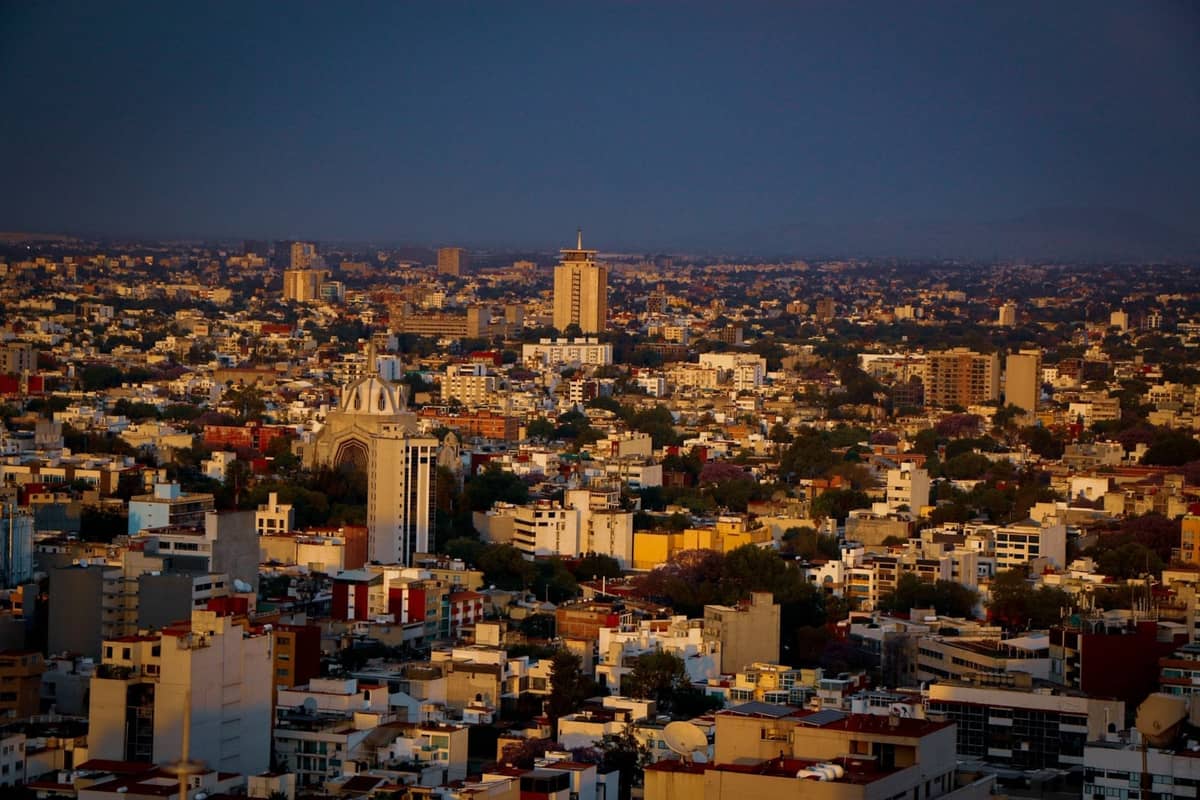
Let's correct the most common misconception first. Guadalajara is not a compact colonial showpiece you can absorb in a weekend. The municipality alone covers 151 square kilometers, and the broader metropolitan zone, officially the Zona Metropolitana de Guadalajara, held 5,268,642 people as of the 2020 census. It is the third-largest metro area in Mexico by population. You will encounter traffic, sprawl, and the full complexity of a major Latin American city.
At the same time, Guadalajara earns more international attention than its profile suggests. It sits at roughly 1,550 meters (5,100 feet) elevation in the Atemajac Valley, which gives it a noticeably pleasant climate compared to coastal or lower-altitude Mexican cities. The historic core is genuinely grand, the food scene is serious, and the cultural calendar is loaded year-round. UNESCO recognized Guadalajara as a Creative City of Media Arts in 2015, a designation tied to its innovation ecosystem and cultural institutions, not just folklore.
ℹ️ Good to know
Guadalajara is sometimes used interchangeably with the broader metro area. When researching accommodation or attractions, check whether listings are within the Guadalajara municipality, or in adjacent cities like Zapopan, Tlaquepaque, or Tonalá, which are separate municipalities but part of the same urban fabric.
The Honest Case For Visiting
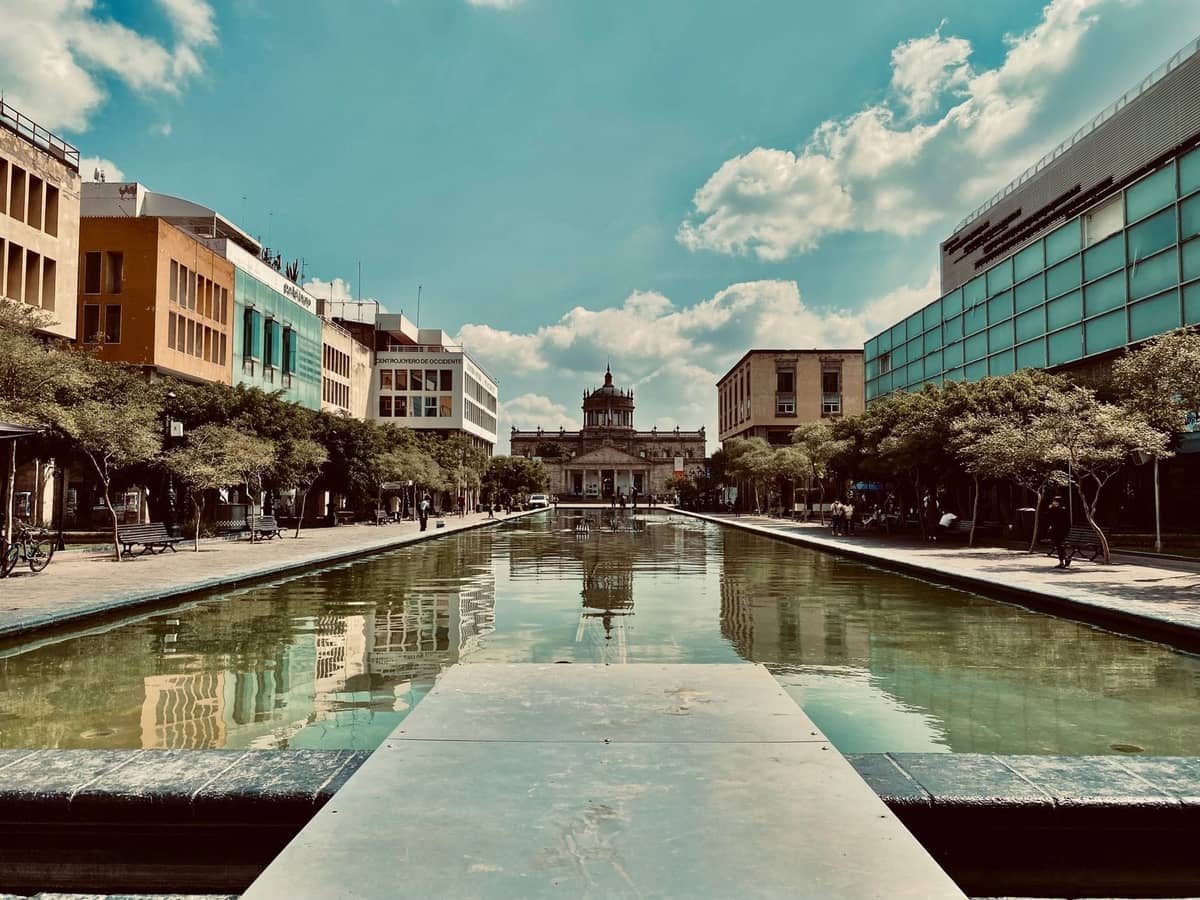
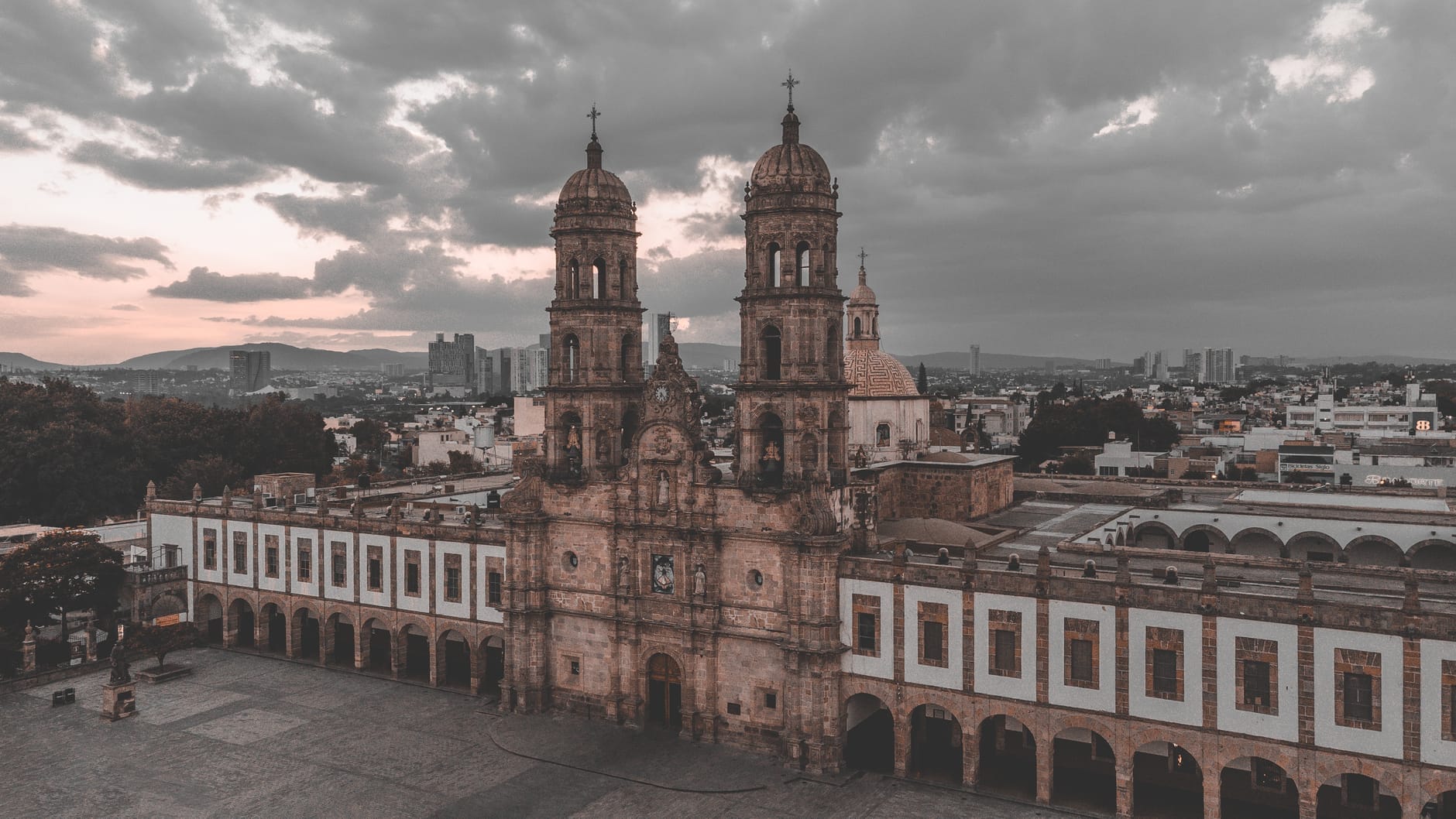
The Centro Histórico is legitimately impressive. The Guadalajara Cathedral, the Hospicio Cabañas (a UNESCO World Heritage Site housing José Clemente Orozco's monumental murals), and the sequence of plazas stretching from the Plaza Tapatía toward the Teatro Degollado form one of Mexico's most coherent and walkable historic cores. These aren't ruins or reconstructions. They are living civic spaces used daily by locals.
Beyond the historic center, Colonia Americana has emerged as the city's most compelling neighborhood for contemporary visitors. Early 20th-century architecture lines streets filled with independent cafes, mezcal bars, bookshops, and galleries. It is walkable, relatively safe during the day and evening, and feels like a neighborhood rather than a tourist zone. Tlaquepaque, a separate municipality within the metro area, offers a different register: pedestrian streets, artisan workshops, and traditional plazas where artisanship is taken seriously rather than performed.
- Cultural depth The Hospicio Cabañas, Museo Regional de Guadalajara, and Instituto Cultural Cabañas collectively cover pre-Hispanic history, colonial art, and contemporary culture. This isn't a one-museum city.
- Food and drink Guadalajara is the origin point for several dishes Mexicans consider national staples: birria, torta ahogada, and pozole jalisciense. Tequila and mezcal culture is embedded in daily life, not manufactured for tourists.
- Day trip access The town of Tequila is roughly 60 km northwest, accessible in under 90 minutes by road. Lake Chapala, Mexico's largest freshwater lake, is about 50 km south, a standard one-hour drive. Both dramatically extend what a trip to Guadalajara can offer.
- Affordability Midrange hotels in central neighborhoods typically run USD 60-150 per night. Street food and market meals cost MXN 60-150 (roughly USD 3-8). Guadalajara is substantially cheaper than Mexico City for comparable quality.
- Festival calendar The Guadalajara International Book Fair (FIL), typically held in late November, is the largest Spanish-language book fair in the world. The International Film Festival (FICG) runs around April. October brings Día de los Muertos events across the city.
Where Guadalajara Falls Short
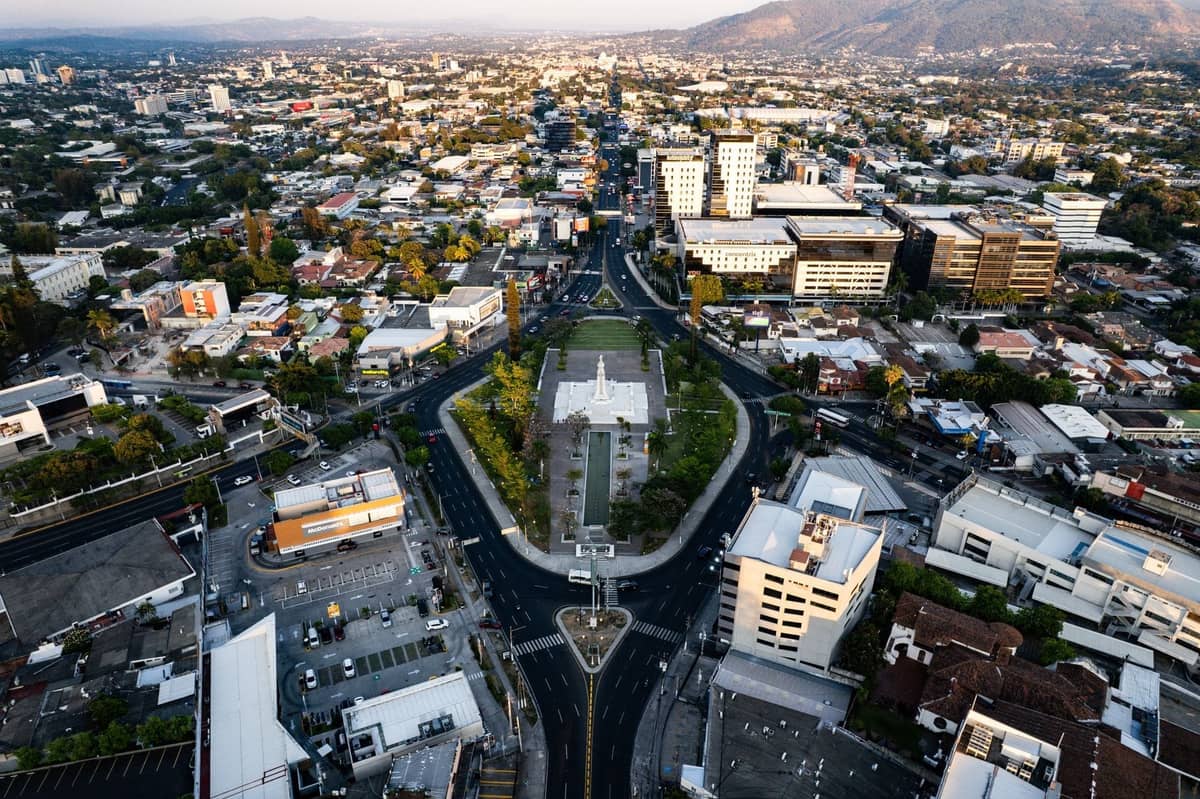
Guadalajara is not for everyone, and it's worth being specific about the friction points. The city's traffic can be genuinely brutal, particularly on weekday mornings and Friday afternoons. Getting from the Centro Histórico to Zapopan or Tonalá by car during peak hours can take 45-60 minutes for distances that would take 15 minutes off-peak. The metro system (SITEUR) covers key corridors but doesn't reach every neighborhood you'll want to visit. Plan your itinerary around the metro's Line 1, Line 2, and Line 3 routes, or budget for ride-hailing apps like Uber and DiDi.
The city's international tourism infrastructure is less developed than Mexico City or Oaxaca. English is spoken in upscale hotels, major museums, and tour offices, but not reliably in markets, local restaurants, or residential neighborhoods. If you don't speak Spanish, you can manage, but you will miss significant layers of the city. This is not a complaint; it reflects a city that caters primarily to domestic tourists and its own residents.
⚠️ What to skip
Safety varies significantly by zone. The Centro Histórico and major tourist neighborhoods are actively patrolled, but some peripheral areas require more caution after dark. Consult current travel advisories from your government and review recent traveler reports before venturing into unfamiliar parts of the metro. The emergency number throughout Mexico is 911.
Luxury travelers may find the high-end offering thinner than expected. There are quality boutique hotels and a handful of genuine fine-dining restaurants, but the five-star ecosystem found in Mexico City or Los Cabos doesn't exist here at the same scale. The craft cocktail and tasting-menu scene is growing in Colonia Americana and Providencia, but it's still emerging.
When to Visit and How Long to Stay
The climate data from Mexico's national meteorological service points clearly to November through March as the most comfortable window. December and January see average lows around 6-8°C (43-46°F) at night, with pleasant daytime highs of 24-25°C (75-77°F). May and June are the hottest months, with highs regularly reaching 30-32°C (86-90°F). The rainy season runs from roughly June through September, with July and August bringing the heaviest afternoon thunderstorms. These are typically short but intense, not all-day rain.
For a first visit, four to five days is a realistic minimum to cover the Centro Histórico, one or two additional neighborhoods, and one day trip. Three days is possible but rushed. If you're considering combining Guadalajara with Puerto Vallarta or Mexico City, read the comparison in our Guadalajara vs Mexico City breakdown to calibrate priorities. The best time to visit Guadalajara guide goes deeper on seasonal tradeoffs and festival scheduling.
✨ Pro tip
If your dates are flexible, aim for late October or early November. Temperatures are ideal, the Día de los Muertos celebrations are atmospheric and culturally genuine, and pre-FIL energy starts building in the city's literary and arts circles. It's a particularly good window for experiencing Guadalajara the way residents do.
Getting There and Getting Around
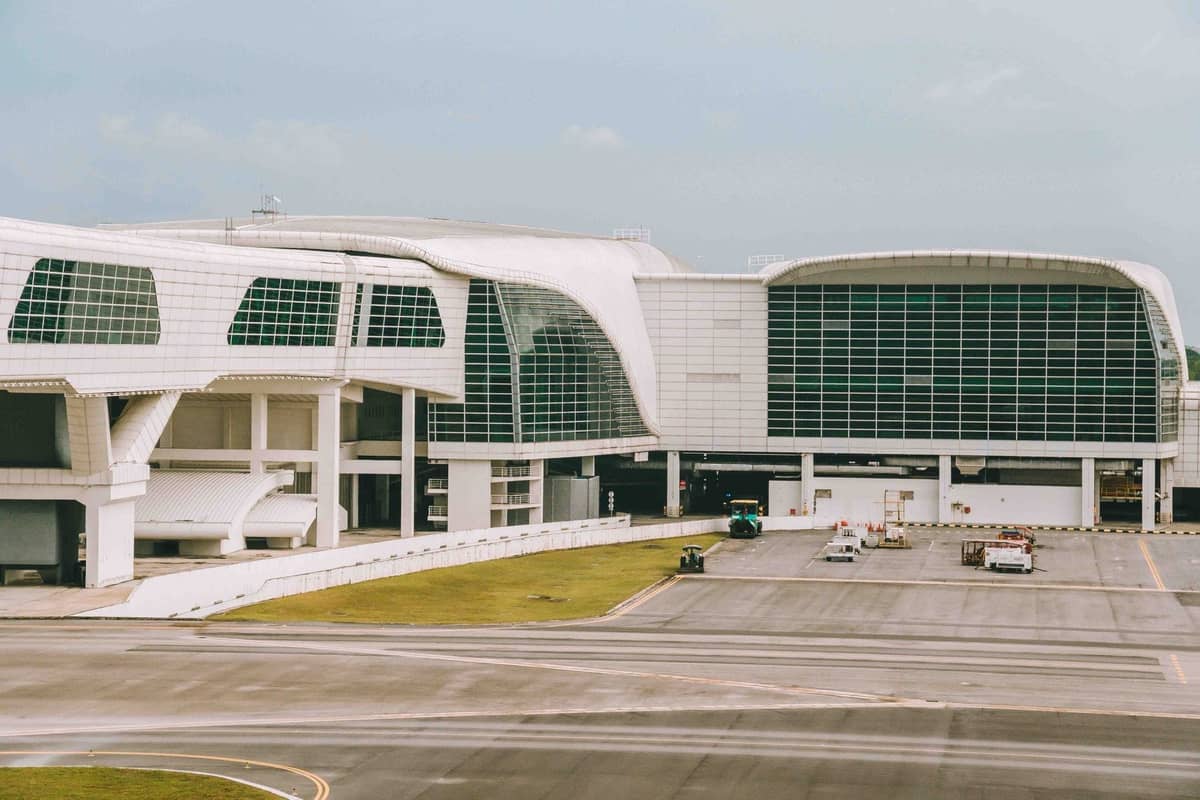
Guadalajara is served by the Miguel Hidalgo y Costilla International Airport (IATA: GDL), located in Tlajomulco de Zúñiga, approximately 17-20 km from the Centro Histórico depending on your route. It handles direct flights from major U.S. cities, Canadian hubs, and domestic Mexican routes. The Guadalajara airport guide covers transfers, terminal layout, and practical arrival details.
From the airport, authorized taxi fares to downtown are typically posted at zoned counters in the arrivals hall, historically in the MXN 300-400 range depending on destination zone. Uber and DiDi pickups are permitted at designated areas, with off-peak fares to the historic center frequently reported in the MXN 180-300 range, though dynamic pricing applies. Public buses connect the airport to city routes at significantly lower cost, but service is slower and less direct. Verify all fares before travel, as pricing changes periodically.
Within the city, the SITEUR metro system (Lines 1, 2, and 3) is the most reliable option for major corridors. The Mi Macro BRT routes extend coverage along Calzada Independencia and the Periférico ring road. For neighborhoods the metro doesn't serve, Uber and DiDi are efficient and reasonably priced. The complete guide to getting around Guadalajara breaks down routes, fares, and which transport mode works best for each part of the city.
Who Should Visit (and Who Might Want to Look Elsewhere)
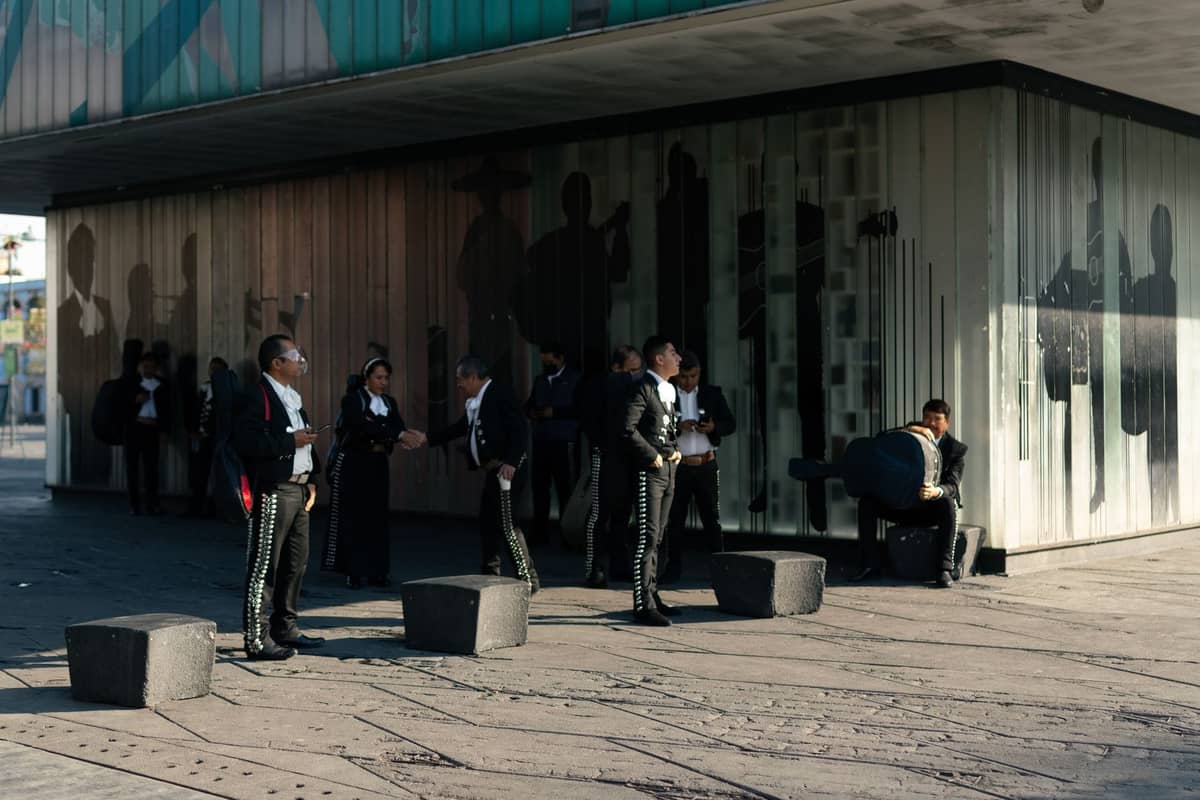
Guadalajara is a particularly strong choice for travelers interested in Mexican history and culture beyond the Aztec-and-Maya narrative. Jalisco's contribution to Mexico's national identity, from mariachi music (recognized by UNESCO as Intangible Cultural Heritage) to tequila (produced under a protected designation of origin centered on the region), is substantive and traceable here in ways that feel authentic rather than curated.
Food-focused travelers should consider Guadalajara seriously. The city's food scene, covered in depth in the Guadalajara food guide, ranges from market stalls serving tortas ahogadas (a bread roll submerged in spicy tomato sauce) to restaurants developing serious takes on Jaliscan cuisine. Craft beer, mezcal, and specialty coffee have all taken hold in the city's younger neighborhoods.
Travelers seeking beach relaxation or resort infrastructure should look elsewhere. Guadalajara is a landlocked city at altitude. Those expecting the colonial-village aesthetic of San Miguel de Allende or Oaxaca will find parts of Guadalajara deliver that, but packaged inside a sprawling modern metropolis. Architecture and atmosphere enthusiasts will find rewards, but you need to navigate around the mundane urban fabric to reach them.
- History and architecture travelers: strong yes. The colonial core and Orozco murals alone justify the trip.
- Food and drink tourists: strong yes. Birria, torta ahogada, tequila, and mezcal culture are all genuine here.
- Festival and events travelers: yes, especially October through December.
- Beach or resort seekers: no. Puerto Vallarta is a 4-5 hour drive; treat it as a separate trip.
- Budget backpackers: yes. Food, transport, and accommodation are all affordable relative to other Mexican cities of similar cultural weight.
- Luxury travelers: conditional. Quality boutique options exist, but the luxury infrastructure is limited compared to Mexico City.
Practical Basics Before You Go
Mexico grants visa-free entry for tourism to citizens of many countries, including the United States, Canada, European Union member states, the United Kingdom, and Japan, for stays typically up to 180 days. Travelers holding a valid multiple-entry U.S. visa may also be eligible to enter Mexico without a separate Mexican visa under specific conditions. Visa rules change: verify current requirements with the Secretaría de Relaciones Exteriores (SRE) or your nearest Mexican consulate before booking.
The currency is the Mexican peso (MXN). Electricity runs at 110-127V, 60Hz, using Type A and B plugs (standard U.S./Canada configuration). Drink bottled or purified water; tap water is not recommended for drinking. Tipping in restaurants is customary at around 10-15% for table service, unless a service charge is already included on the bill. The country and city dialing code combination for Guadalajara from abroad is +52 33 followed by the local number. Emergency services throughout Mexico are reached by dialing 911.
💡 Local tip
Most midrange and upscale establishments in Guadalajara accept credit cards, but smaller market stalls, street food vendors, and independent shops often prefer cash. Carry a mix of MXN in small denominations, especially when visiting Tonalá or Tlaquepaque markets, where card readers are inconsistent.
FAQ
Is Guadalajara worth visiting over Mexico City?
They serve different purposes. Mexico City offers more museums, international restaurants, and nightlife at larger scale. Guadalajara is more manageable, cheaper, and gives you better access to Jalisco's specific culture: tequila, mariachi, birria, and the colonial western-Mexican aesthetic. If you want depth over breadth, Guadalajara is often the better choice.
How many days do you need in Guadalajara?
A minimum of four days to cover the Centro Histórico, one additional neighborhood (Colonia Americana or Tlaquepaque), and one day trip. Five to six days allows you to add Tonalá, Zapopan, and a second excursion, such as Lake Chapala or the town of Tequila, without feeling rushed.
Is Guadalajara safe for tourists?
The main tourist zones, including the Centro Histórico, Colonia Americana, Providencia, and Tlaquepaque, are generally considered safe for visitors who take standard urban precautions. Safety conditions vary significantly by neighborhood and time of day. Check current government travel advisories before your trip, as conditions can change.
What is the best time of year to visit Guadalajara?
November through March offers the most consistently comfortable conditions: dry weather, mild temperatures, and a rich events calendar. Late October through early December is particularly strong, combining good weather with Día de los Muertos celebrations and the approach of the Guadalajara International Book Fair (FIL).
Is Guadalajara expensive compared to other Mexican cities?
Guadalajara is generally affordable. It is cheaper than Mexico City and resort destinations like Los Cabos for most categories of travel. Midrange hotels in central areas typically run USD 60-150 per night, and a full meal at a good local restaurant commonly costs MXN 150-350 per person. Budget travelers can eat well for significantly less at markets and street food spots.