Guadalajara vs Mexico City: Which Should You Visit?
Guadalajara and Mexico City are both world-class destinations, but they offer very different experiences. This guide breaks down the key differences in size, cost, climate, culture, and logistics so you can make an informed choice — or plan both.
Plan and book this trip
Tools from our partner Travelpayouts help you compare flights and hotels. If you book through them, we may earn a commission at no extra cost to you.
Flights
Hotels map
TL;DR
- Guadalajara's metro area has around 5.3 million people — Mexico's third-largest after Mexico City and Monterrey; Mexico City's metro tops 20 million, making it a fundamentally different scale of city.
- Guadalajara sits at 1,550 m elevation and runs milder and drier than Mexico City (2,240 m), which gets more rain and cooler evenings year-round.
- Guadalajara is consistently cheaper than Mexico City for accommodation, food, and daily transport — useful context if you're planning a budget-focused trip.
- Flights between the two cities take around 1 hour 20 minutes; buses take about 6-7 hours. Doing both cities on one trip is very practical.
- Choose Guadalajara if you want tequila culture, mariachi, colonial architecture, and a more relaxed pace. Choose Mexico City for sheer scale, world-class museums, and unmatched food diversity. Or, use our guide on whether Guadalajara is worth visiting to help decide.
Size, Scale, and What That Actually Means for Visitors
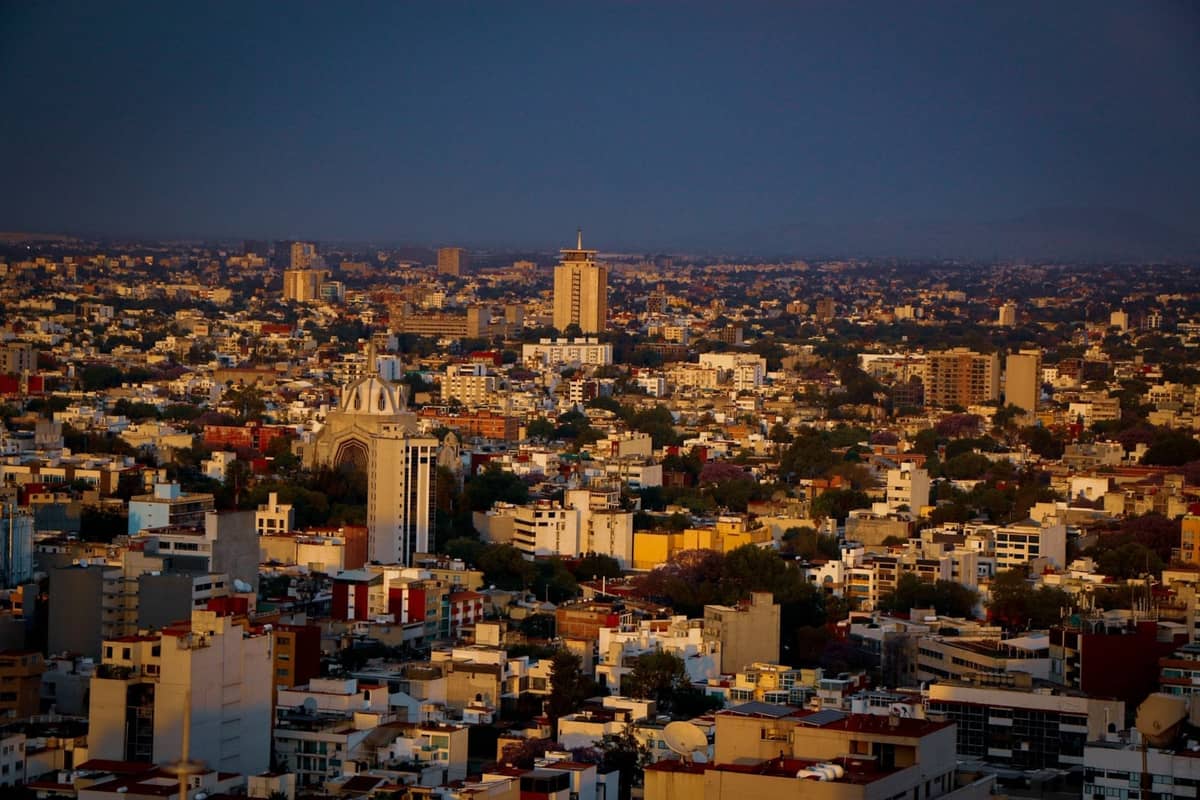
The population gap between these two cities is not a minor detail. Mexico City (CDMX) had roughly 9.2 million residents in the city proper in 2020, with a metro area exceeding 20 million. Guadalajara's municipality counted 1,385,629 people in 2020, with a metro area of about 5.3 million. That difference shapes everything from how long it takes to cross town to how overwhelmed you might feel on day one.
In practical terms, Mexico City is a megalopolis where neighborhoods can feel like distinct cities. Getting from Condesa to Coyoacán to Teotihuacan in a single day requires careful planning and significant transit time. Guadalajara, by contrast, is large enough to have serious cultural depth but compact enough that you can cover its historic core, artisan districts, and upscale neighborhoods within a few days without exhausting yourself. For first-time visitors to Mexico with limited time, this size difference often tips the scales.
ℹ️ Good to know
Guadalajara is sometimes described as Mexico's second-largest city, though this depends on the metric used. By metro population, the Zona Metropolitana de Guadalajara (around 5.3 million) is widely cited as Mexico's second or third largest. Mexico City's metro area, by comparison, is the largest in the country by a significant margin.
Climate and Elevation: A Bigger Difference Than Most Expect
Both cities sit at high altitude, but they are not the same. Guadalajara is at approximately 1,550 m (5,100 ft) above sea level in the Atemajac Valley. Mexico City sits higher, at around 2,250 m, and its elevation contributes to cooler temperatures, thinner air (noticeable for some visitors), and famously unpredictable afternoon rain showers during summer months.
Guadalajara has a humid subtropical climate (Köppen Cwa) with a distinct dry season from roughly November through April. Average annual temperatures hover around 20-21°C (68-70°F), with warm dry days in the low 30s during May-June and mild winters with lows dropping to around 6-8°C on cold December and January nights. The rainy season runs mainly June to September. If you want to avoid rain, November through March is the clearest window. For event-focused travel, late November brings the Guadalajara International Book Fair (FIL) and April hosts the Guadalajara International Film Festival (FICG). See the best time to visit Guadalajara for a month-by-month breakdown.
Mexico City's subtropical highland climate means afternoon thunderstorms are common from June through September, and evenings can turn genuinely cold year-round. The altitude also means some visitors feel mild altitude sickness for the first day or two. Neither city is extreme, but Guadalajara's weather is generally easier for visitors who prefer warmth and sunshine.
💡 Local tip
If you are traveling in July or August, expect afternoon rain in both cities. In Guadalajara, showers tend to be intense but brief, usually clearing by evening. Pack a light rain jacket rather than an umbrella for either destination.
Culture, Identity, and What Each City Does Best
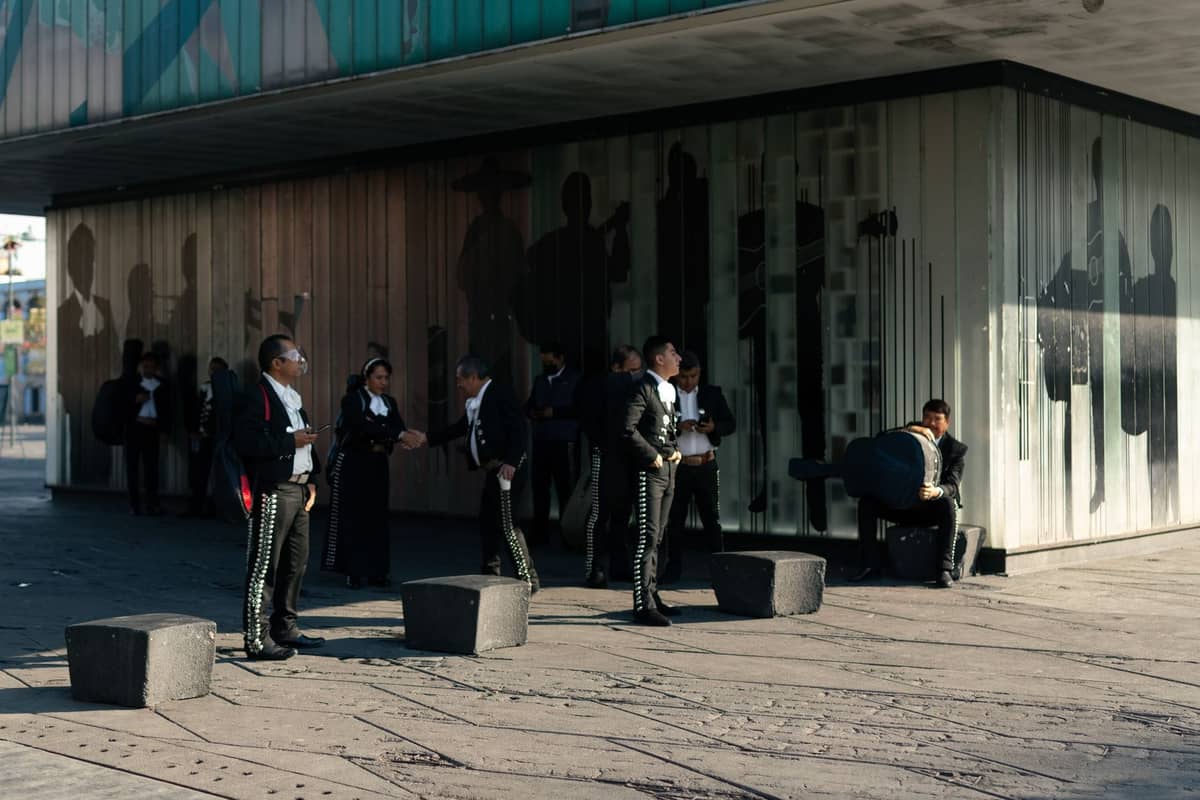
Mexico City is the cultural capital of the country in terms of raw volume: more world-class museums, more international cuisine, more street art, more nightlife venues, more everything. If your priority is density of experiences per square kilometer, CDMX wins. Guadalajara's cultural identity, by contrast, is more specific and arguably more cohesive. The city and its state of Jalisco are recognized as the birthplace of mariachi and tequila, both of which are woven into daily life here rather than performed for tourists. The mariachi scene in Guadalajara is the real thing — you will hear it in plazas and restaurants without having to seek it out.
Guadalajara's Centro Histórico holds some of Mexico's most significant colonial architecture, including the Guadalajara Cathedral, the Hospicio Cabañas (a UNESCO World Heritage Site with José Clemente Orozco's murals), and the Palacio de Gobierno. Mexico City has Aztec ruins, Diego Rivera murals, and the Museo Nacional de Antropología. The historic depth is different in character: Guadalajara is primarily colonial Spanish; Mexico City layers pre-Hispanic, colonial, and modern.
- Guadalajara does better Mariachi and tequila culture, colonial plaza architecture, artisan craft shopping in Tlaquepaque and Tonalá, day trips to the Tequila region, a more relaxed mid-size city rhythm.
- Mexico City does better Pre-Hispanic history and archaeology, sheer museum volume, international food scene, contemporary art, metropolitan nightlife, and access to destinations like Teotihuacan and Oaxaca.
- Roughly equivalent Street food quality, urban parks, football culture, colonial churches, and overall friendliness to international visitors.
Costs: Accommodation, Food, and Getting Around
Cost-of-living comparisons consistently place Guadalajara below Mexico City, particularly for rent and accommodation. For travelers, this translates to lower hotel prices for equivalent quality, cheaper sit-down meals in non-tourist neighborhoods, and lower ride-hailing fares due to shorter average distances. Neither city is expensive by international standards, but the difference is meaningful if you are planning a longer stay.
Public transport in both cities is inexpensive. Mexico City's Metro is one of the cheapest urban rail systems in the world at MXN $5 per trip on the Metro lines (CDMX 1–12), with a higher fare on the newer elevated Line 1 of the Cablebús and other separate systems. Guadalajara's SITEUR light rail (Lines 1, 2, and 3) costs MXN $9.50 per trip. Both systems are functional and cover major tourist corridors, though Mexico City's network is far more extensive. Ride-hailing apps including Uber and DiDi operate in both cities; fares from Guadalajara's Miguel Hidalgo y Costilla International Airport (GDL, code) to the city center typically run MXN $180-300 depending on time and demand.
⚠️ What to skip
Transport fares, taxi tariffs, and ride-hailing prices change regularly. The figures listed here are indicative ranges based on available data — verify current costs via the Uber or DiDi app, or at the official airport taxi counter at GDL, before you travel.
For a structured look at how to keep costs down in Guadalajara specifically, the Guadalajara budget travel guide covers everything from cheap eats to free cultural sites. Mexico City has its own budget travel ecosystem, but you will generally need a larger daily allowance for the same level of comfort.
Getting Between the Two Cities
Guadalajara and Mexico City are well-connected, which makes combining them on a single trip straightforward. Multiple airlines including Aeroméxico, Volaris, and Viva Aerobus run frequent nonstop flights between GDL and Mexico City's international airports. Flight time is approximately 1 hour 20 minutes. Fares vary significantly by airline, season, and how far in advance you book — budget carriers often offer routes well below MXN $1,000 each way on promotional pricing, though standard fares run higher.
If you prefer overland travel, major bus companies including ETN and Primera Plus run the Guadalajara to Mexico City route. Journey time is typically 6 to 7.5 hours depending on service class and traffic conditions. Premium bus services offer reclining seats and onboard meals, making this a reasonable overnight option. The bus is cheaper than flying when you factor in airport transfer time and costs, though significantly slower.
- Flight (GDL to MEX): approximately 1 hour 20 minutes; multiple daily departures on low-cost and full-service carriers.
- Bus (ETN, Primera Plus): 6-7.5 hours; departures throughout the day and overnight; more economical than flying when total costs are considered.
- Driving: approximately 5.5-6.5 hours by toll highway (around 540 km via the 15D); viable if you plan to make stops, but not the easiest option for first-time visitors.
- Both cities have their own metro systems and ride-hailing coverage, so you do not need a car once you arrive in either destination.
Safety, Practicalities, and What to Know Before You Go
Safety in both cities varies significantly by neighborhood and time of day, which is true of most major urban centers globally. Neither Mexico City nor Guadalajara is uniformly dangerous, and both are major tourist and business destinations with heavily visited zones that see millions of travelers annually. For Guadalajara specifically, the Guadalajara safety guide covers neighborhood-level context and practical precautions. Always check current travel advisories from your home country's foreign affairs ministry before traveling to either city.
Both cities use the Mexican peso (MXN) and follow the same national standards: tap water is generally not recommended for drinking (use bottled or filtered water), electricity runs at 110-127V with Type A and B plugs, the emergency number is 911 nationwide, and the country dialing code is +52 (area code 33 for Guadalajara). Tipping at restaurants with table service is customary at around 10-15% of the bill. Most citizens of the US, Canada, EU, UK, Japan, and many other countries can enter Mexico visa-free for tourism stays up to 180 days, though you should verify current visa rules with the Secretaría de Relaciones Exteriores before travel, as policies can change.
Guadalajara is a UNESCO Creative City of Media Arts and is recognized internationally for its cultural output beyond mariachi and tequila: it hosts one of Latin America's most important book fairs and a significant international film festival. The city's neighborhoods like Colonia Americana have a genuinely creative, local energy. Mexico City, for all its size, can sometimes feel more tourist-processed in its central neighborhoods. If authenticity and livability matter to you, Guadalajara delivers more than its international profile suggests.
FAQ
Is Guadalajara or Mexico City better for first-time visitors to Mexico?
It depends on what you want. Mexico City offers more sheer volume — museums, neighborhoods, food, history — and suits visitors who want to immerse themselves in Mexico's capital. Guadalajara is better for visitors who want a more manageable city, strong regional culture (mariachi, tequila, colonial architecture), and lower costs. If you only have one trip and want the most emblematic Mexico experience, many travelers start with Mexico City. But Guadalajara rewards visitors who want depth over breadth.
How far apart are Guadalajara and Mexico City?
They are approximately 540 km apart by road. By air, the flight takes about 1 hour 20 minutes. By premium bus (ETN or Primera Plus), expect 6 to 7.5 hours. The route is one of the most traveled in Mexico, so connections are frequent and affordable.
Is Guadalajara cheaper than Mexico City?
Generally, yes. Cost-of-living data consistently shows Guadalajara as less expensive than Mexico City for accommodation, dining, and daily expenses. The difference is most noticeable in hotel prices and rent, though both cities offer budget options. Neither is expensive by international standards.
Can I visit both Guadalajara and Mexico City on one trip?
Absolutely. With frequent flights (around 1 hour 20 minutes) and daily bus connections, combining both cities is practical even on a 7-10 day itinerary. A common structure is to fly into Mexico City, spend 3-4 days there, then fly or bus to Guadalajara for 2-3 days before departing from GDL.
What is the climate difference between Guadalajara and Mexico City?
Both cities experience rainy seasons roughly June through September. Mexico City sits higher (around 2,240 m versus Guadalajara's 1,550 m), which means cooler evenings year-round and occasionally more dramatic weather. Guadalajara has a drier, somewhat warmer climate overall, with a distinct dry season from November through April. Guadalajara's spring months (February to April) are particularly pleasant before the heat of May and June.