Mariachi in Guadalajara: Where to Hear Live Mariachi (Complete Guide)
Guadalajara, Jalisco, is the cultural capital of mariachi music. This guide covers the best places to hear live performances, how to hire a band, what the International Mariachi Festival involves, and what to expect as a first-time visitor — including honest notes on pricing, crowds, and common misconceptions.
Plan and book this trip
Tools from our partner Travelpayouts help you compare flights and hotels. If you book through them, we may earn a commission at no extra cost to you.
Flights
Hotels map
TL;DR
- Plaza de los Mariachis in Centro is the historic go-to spot for live mariachi, best visited on evenings and weekends.
- Bands can be hired on the spot, typically negotiated per song or per hour — no fixed official rate exists, so agree on price before they start playing.
- The International Mariachi & Charrería Festival runs late August into early September, with ticketed galas at Teatro Degollado and free performances across the city.
- Mariachi is not just bar music — it is a UNESCO-recognized art form performed at weddings, Catholic Masses, baptisms, and formal concerts.
- If you want context beyond the music, pair your visit with a Tequila day trip — both traditions trace their roots to the same Jalisco culture.
Why Guadalajara Is the Home of Mariachi
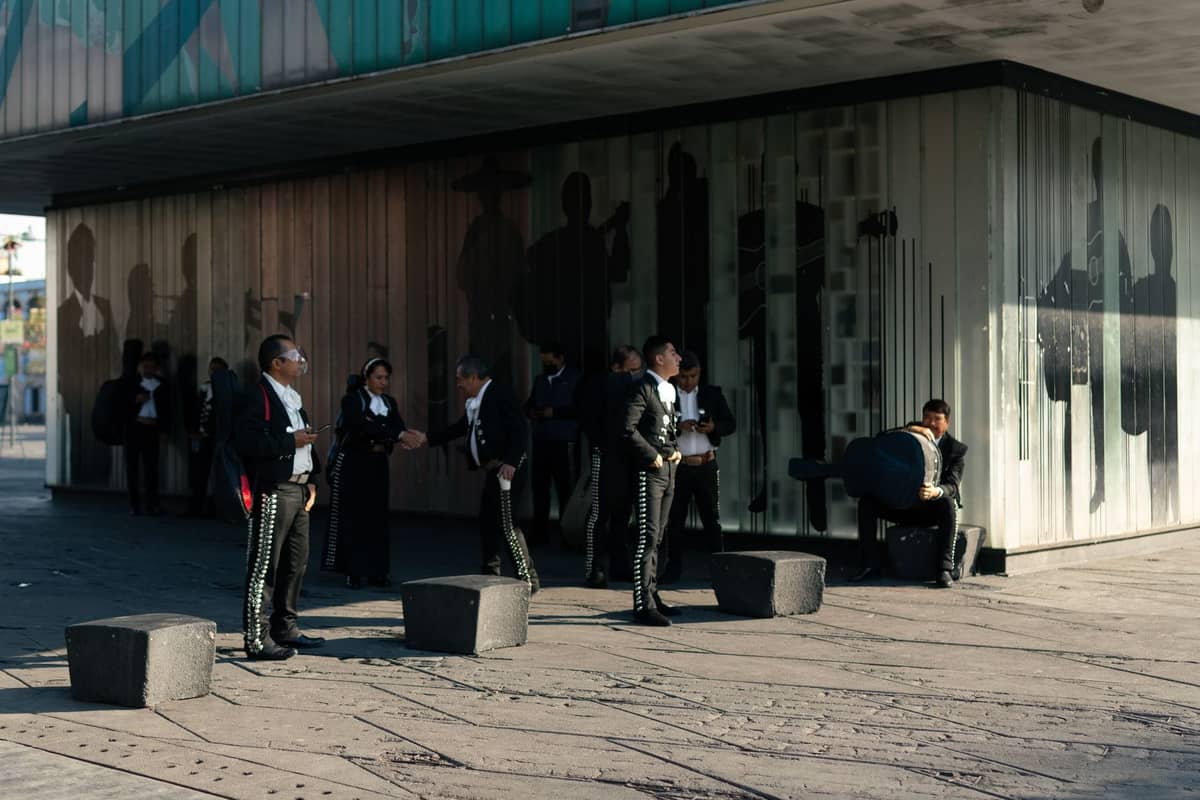
Mariachi in Guadalajara is not a tourist novelty bolted onto the city's identity — it is embedded in daily life, religious practice, and civic culture. The Jalisco government and the UNESCO Creative Cities Network both identify Guadalajara as a primary hub of mariachi tradition. The musical style itself evolved from son jalisciense in the 19th century, with origins commonly traced to nearby Cocula in the Jalisco region. By the time the style reached its modern form, Guadalajara had become the city where bands came to build reputations, recruit musicians, and perform for patrons.
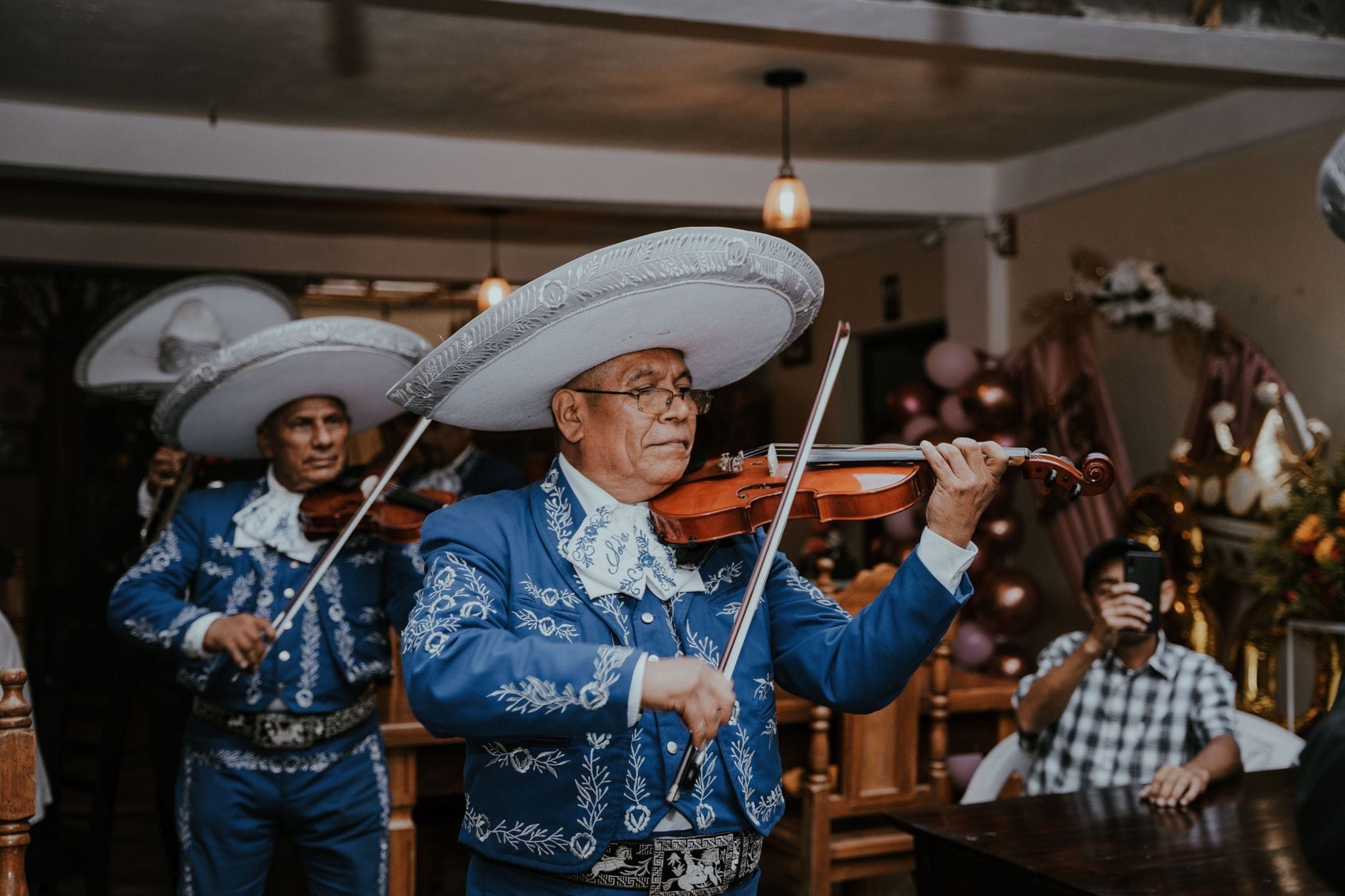
The standard ensemble you will hear in Guadalajara typically includes violins, trumpets, a guitar, a vihuela (a small, high-pitched round-backed guitar), and a guitarrón (a large bass guitar). Musicians wear traje de charro, the formal equestrian suit with elaborate embroidery. This is not optional ornamentation — it is part of the formal code that distinguishes a professional mariachi from an informal folk group. UNESCO inscribed mariachi on its Intangible Cultural Heritage list in 2011 as "Mariachi, string music, song and trumpet", a designation that carries real weight locally and shapes how the city presents the tradition to visitors.
ℹ️ Good to know
Mariachi is not confined to Guadalajara city limits. The tradition belongs to the broader Jalisco region and parts of western Mexico. Guadalajara functions as its commercial and performative center — the place where the most polished professional groups are based and where the largest organized events take place.
The Best Places to Hear Live Mariachi in Guadalajara
The single most important address for live mariachi is Plaza de los Mariachis, located at Calle Álvaro Obregón 23 in the Zona Centro. This is where bands gather in the evenings, dressed in full charro attire, and wait to be hired for songs or sets. The atmosphere is informal and the negotiation is direct: you approach a band, agree on a price per song, and they play for you at your table. The plaza became an important center for mariachi by the late 19th century and has long served this function, even if its formal name and level of activity have changed over time.
The broader Centro Histórico is a reliable zone for impromptu mariachi, particularly on weekend evenings. Groups circulate around Plaza de la Liberación and the streets near the cathedral, performing serenatas for couples or groups willing to pay. These encounters are unscheduled and informal — which is part of the appeal — but it means there is no guaranteed experience. If you want certainty, Plaza de los Mariachis is the place to start.
- Plaza de los Mariachis Historic plaza at C. Álvaro Obregón 23, Centro. Bands available most evenings; best atmosphere Friday and Saturday nights. Negotiate per-song or per-set pricing directly with the group.
- Teatro Degollado Guadalajara's grand 19th-century theater hosts formal mariachi concerts, especially during the International Mariachi Festival in late August and September. Requires advance tickets for main gala events.
- Tlaquepaque (El Parián) The covered market plaza in San Pedro Tlaquepaque regularly features mariachi groups in an open-air setting, particularly on weekend afternoons and during Jalisco's civic holidays.
- Churches and private events Many of Guadalajara's top-tier groups are booked year-round for Catholic Masses, weddings, baptisms, quinceañeras, and funeral serenatas. Attending a local Mass during Semana Santa or around the Día de la Virgen de Zapopan (October 12) often means encountering live mariachi in a deeply contextual setting.
- Hotels and restaurants in Zona Minerva Several upscale restaurants and hotel lobbies near Avenida Vallarta and Glorieta Minerva book resident mariachi groups for dinner service, typically Thursday through Sunday evenings.
⚠️ What to skip
Plaza de los Mariachis can be lively and loud after dark, and the surrounding streets warrant the same awareness you would apply anywhere in a busy urban center at night. Keep valuables secure, stay in well-lit areas, and consider arriving by Uber or DiDi rather than on foot from a distance. The plaza itself is a legitimate cultural venue — the caution is about the surrounding blocks, not the space itself.
How to Hire a Mariachi Band: Pricing and Practical Logistics
There is no fixed official pricing for mariachi in Guadalajara. Rates are negotiated in real time, which is part of the tradition. In plazas, you approach the band, establish whether you want one song, a few songs, or a full hour, and agree on a price before anything starts. Prices vary by group size, the prestige of the ensemble, and how busy the evening is. Traveler reports consistently place individual songs in the range of 100 to 300 MXN per song for typical plaza groups, with full-hour sets running considerably higher. Always confirm the price and number of songs before they begin playing.
For events like weddings or private dinners, mariachi groups are booked in advance through agencies or direct contact. Prices for private engagements are significantly higher than plaza rates and depend on travel distance, event duration, and the group's reputation. If you are planning a private event during the International Mariachi Festival period (late August to early September), book well in advance since the city's best groups are heavily committed during festival week.
✨ Pro tip
For a structured introduction to mariachi culture without navigating the plaza negotiation yourself, look for Guadalajara cultural tours that include a guided visit to Plaza de los Mariachis with a local expert. These tours typically bundle the mariachi experience with other Centro Histórico highlights and provide historical context that transforms a performance into a genuine cultural lesson.
The International Mariachi and Charrería Festival
Guadalajara's largest dedicated mariachi event runs roughly 10 to 12 days from late August into early September, though exact dates shift each year and should be verified before booking travel. The festival brings together mariachi groups from across Mexico and internationally, with competitions, galas, and open-air performances spread across the city including venues in Zapopan, Tlaquepaque, and Tonalá. It is one of the few events where you can hear dozens of distinct groups performing within a few days, ranging from rural Jalisco ensembles to urban orchestras with 20-plus musicians.
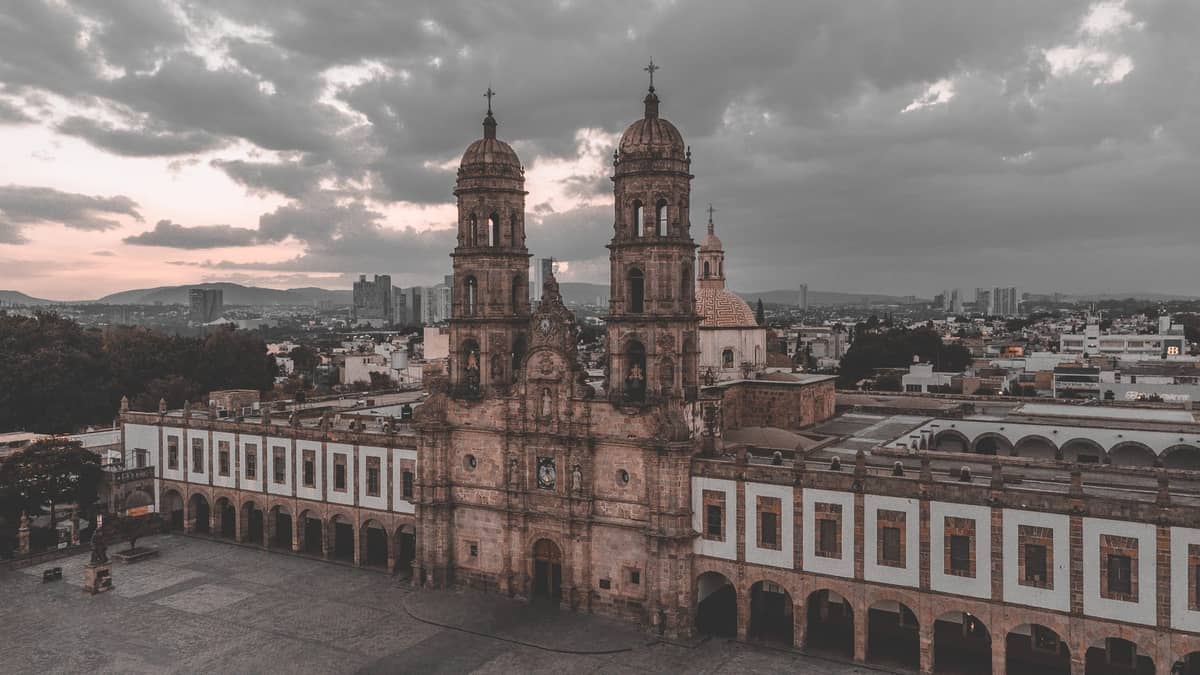
The flagship gala concerts take place at Teatro Degollado, Guadalajara's neo-classical theater, and require advance tickets. These are formal events — the equivalent of a classical music concert in terms of presentation — and seats in the prime sections sell out weeks ahead. However, many festival events are free and held outdoors, including performances at the Hospicio Cabañas courtyard and various public plazas. The free events are often the most atmospheric, with entire families attending in the warm late-summer evenings.
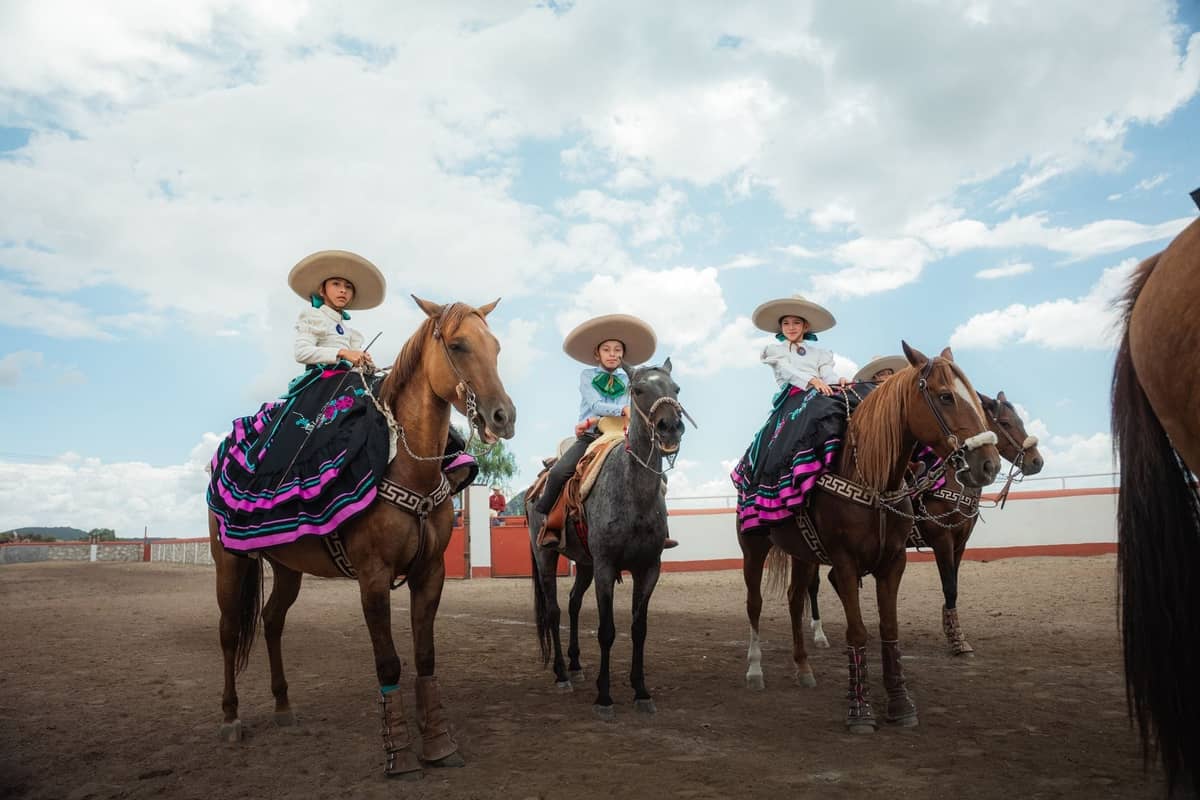
Charrería, the traditional Mexican equestrian sport that gives the festival its full name, runs alongside the mariachi program. Charreadas (rodeo-style competitions) are held at the Lienzo Charro de Jalisco and provide a chance to see another Jalisco cultural tradition that is as rarely experienced by international visitors as mariachi once was. The two traditions share the charro aesthetic — the formal horseman's suit that mariachi musicians also wear.
- Book Teatro Degollado tickets as soon as the official program is released — gala seats go quickly.
- Budget accommodation books up fast during festival week; consider staying in Colonia Americana or Zapopan if Centro options are full.
- Festival performances often run late into the night; plan for flexible early mornings if you are attending multiple events.
- Check the festival's official website each year for the confirmed program — lineups vary significantly from year to year.
- The festival coincides with Guadalajara's rainy season (late August), so light rain gear is useful for outdoor events.
Beyond the Plaza: Mariachi in Context
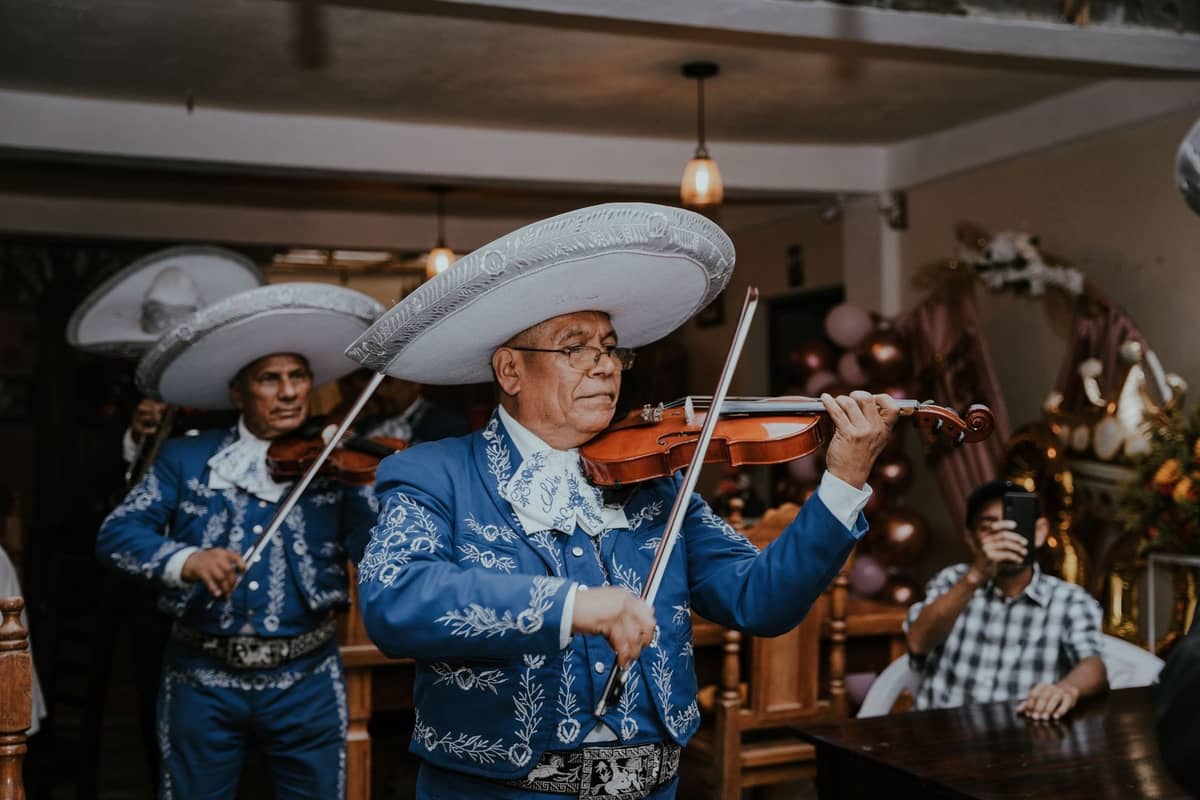
One of the most persistent misconceptions about mariachi is that it belongs primarily to bars and tourist plazas. In Guadalajara, live mariachi appears in Catholic churches during major feast days, at civil ceremonies, at breakfast celebrations, and at funerals. The serenata — where a mariachi group is hired to play outside someone's window in the early hours, typically for a birthday or romantic gesture — remains a genuine practice, not a theatrical recreation. If you are in Centro on a weekend morning and hear music at an unusual hour, this is likely why.
The Basílica de Zapopan, which draws enormous crowds on October 12 for the annual pilgrimage of the Virgen de Zapopan, often features mariachi as part of the processional and surrounding celebrations. It is one of the most immersive settings in which to hear the music because the performance is entirely functional rather than tourist-facing. If your travel dates allow, combine this with the broader Guadalajara festivals calendar to identify other civic and religious events where mariachi appears organically.
For visitors who want to understand the cultural roots before hearing a note, the Guadalajara walking tour through the Centro Histórico provides good grounding in the city's broader cultural geography. The neighborhoods, churches, and plazas you pass through are the same spaces where mariachi has been performed for generations — the history and the music are inseparable.
Practical Tips for First-Time Visitors
Guadalajara sits at about 1,550–1,600 meters above sea level in the Atemajac Valley, giving it a mild climate that makes evening outdoor events comfortable for most of the year. Late August and September, coinciding with the festival, fall in the rainy season — temperatures are warm (highs around 26-28°C) but afternoon and evening showers are common. The dry season from November through April is the most comfortable period for outdoor plaza visits. For a broader overview of timing, see the best time to visit Guadalajara guide.
Getting to Plaza de los Mariachis is straightforward. Uber and DiDi both operate in Guadalajara and are the most convenient options for evening travel. The SITEUR metro system (Lines 1, 2, and 3) covers much of the city, and the closest stations to Centro vary by line, but the walk from several stops is manageable. Avoid leaving valuables visibly in a car or at an outdoor table — standard urban precautions apply. Tipping mariachi musicians after a performance is customary and appreciated; 10-15% of the agreed rate is a reasonable gesture for a good set.
- Arrive at Plaza de los Mariachis between 8 PM and 10 PM on a Friday or Saturday for the most active atmosphere.
- Agree on the exact price and number of songs before a band begins — this is expected and not considered rude.
- Drinking at the plaza is normal; many visitors order food and drinks from nearby vendors or restaurants and have the band play at their table.
- Photography of mariachi musicians is generally welcomed, especially if you have hired them, but ask first as a matter of courtesy.
- If you are visiting during the International Mariachi Festival, check whether free outdoor performances are scheduled at Hospicio Cabañas or Plaza Tapatía — they require no tickets and are often the most memorable events.
FAQ
Where is the best place to hear mariachi in Guadalajara?
Plaza de los Mariachis at Calle Álvaro Obregón 23 in Centro is the most reliable and historically significant location. Bands are present most evenings and available for hire. For formal concert-style performances, Teatro Degollado hosts gala events during the International Mariachi Festival in late August and early September.
How much does it cost to hire a mariachi band in Guadalajara?
There is no fixed official rate. At plazas, individual songs typically run in the range of 100 to 300 MXN depending on the group and the evening. Full-hour sets for private events cost significantly more. Always agree on the price before the band begins playing — this is standard practice and expected.
When is the International Mariachi Festival in Guadalajara?
The festival typically runs for 10 to 12 days from late August into early September, though exact dates change each year. Verify the current year's dates on the official festival website before booking travel. The gala concerts at Teatro Degollado require advance tickets; many outdoor performances are free.
Is Plaza de los Mariachis safe for tourists?
The plaza itself is a functioning cultural venue with a long history of visitor activity. Standard urban precautions apply: keep valuables secure, use Uber or DiDi rather than walking long distances at night, and stay aware of your surroundings in the surrounding streets. Arriving during peak hours (Friday and Saturday evenings) when it is most active tends to mean more people around, which generally improves the atmosphere.
Can you hear mariachi in Guadalajara outside of the festival?
Yes. Mariachi is available year-round at Plaza de los Mariachis, in restaurants and hotels in Zona Minerva and Tlaquepaque, and at Catholic religious events throughout the calendar. The festival concentrates and elevates the experience, but the music is a constant presence in Guadalajara's cultural life, not a seasonal one.