Guadalajara on a Budget: How to Visit for Less
Guadalajara, Jalisco, Mexico is one of the most affordable major cities in North America for travelers. This guide breaks down real costs for transport, accommodation, food, and attractions, plus timing tips to stretch your pesos further.
Plan and book this trip
Tools from our partner Travelpayouts help you compare flights and hotels. If you book through them, we may earn a commission at no extra cost to you.
Flights
Hotels map
TL;DR
- Guadalajara is genuinely budget-friendly: street food runs 30-80 MXN, metro rides cost a few pesos, and many top cultural sites are free or free on Tuesdays.
- The rainy season (June-September) is the cheapest time to fly and book hotels; September typically offers the lowest fares into GDL airport.
- You do not need a rental car: SITEUR metro, BRT, and Uber/DiDi cover most of the city for well under 3 USD per trip. See our guide to getting around Guadalajara for the full breakdown.
- Always carry cash in Mexican pesos: markets, street stalls, and smaller restaurants are frequently cash-only.
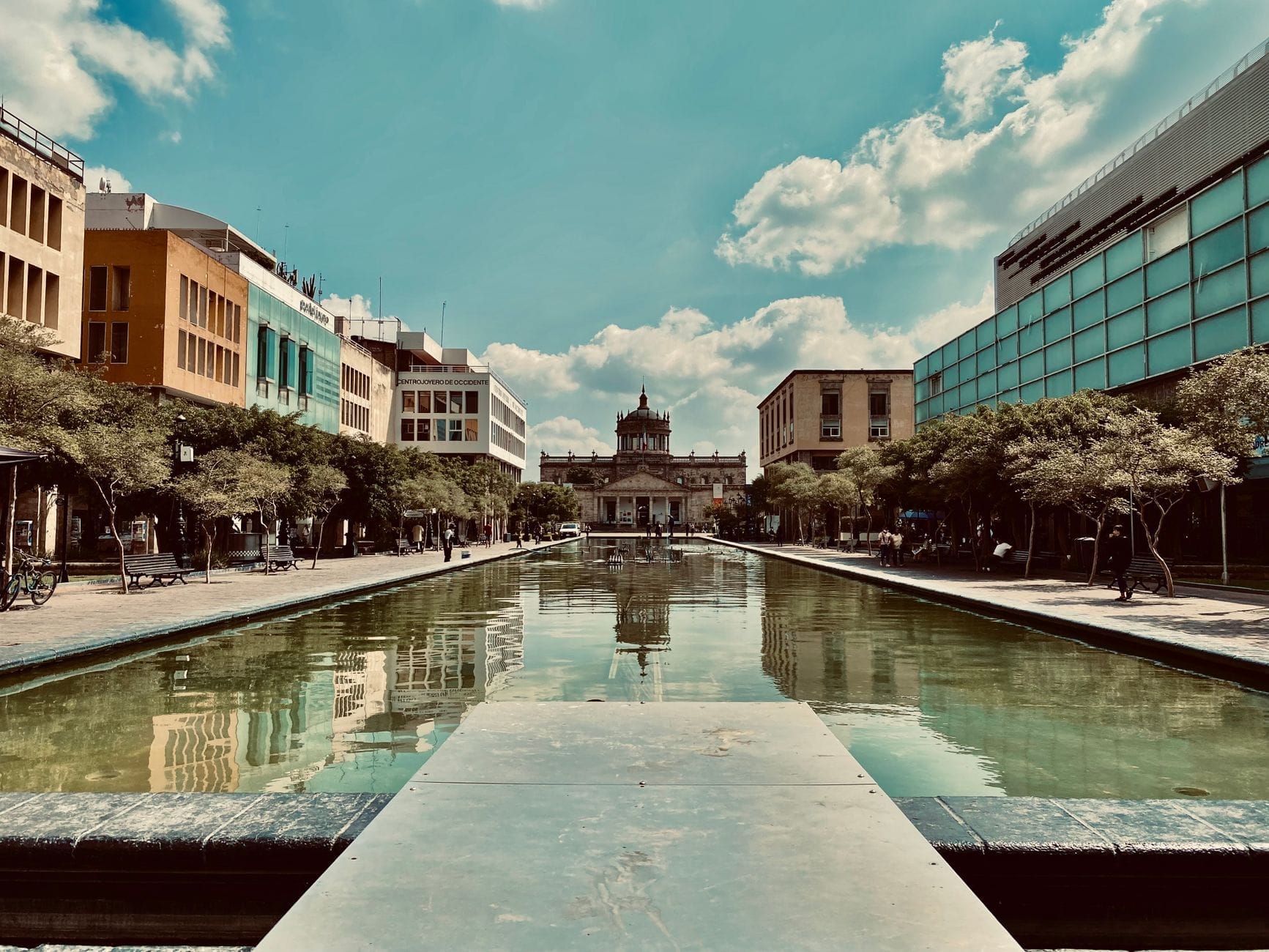
- Free attractions include the plazas and churches of the Centro Histórico, Tuesday admission at Hospicio Cabañas, and the ceramics museum in Tlaquepaque.
Why Guadalajara Is One of the Best-Value Cities in Mexico
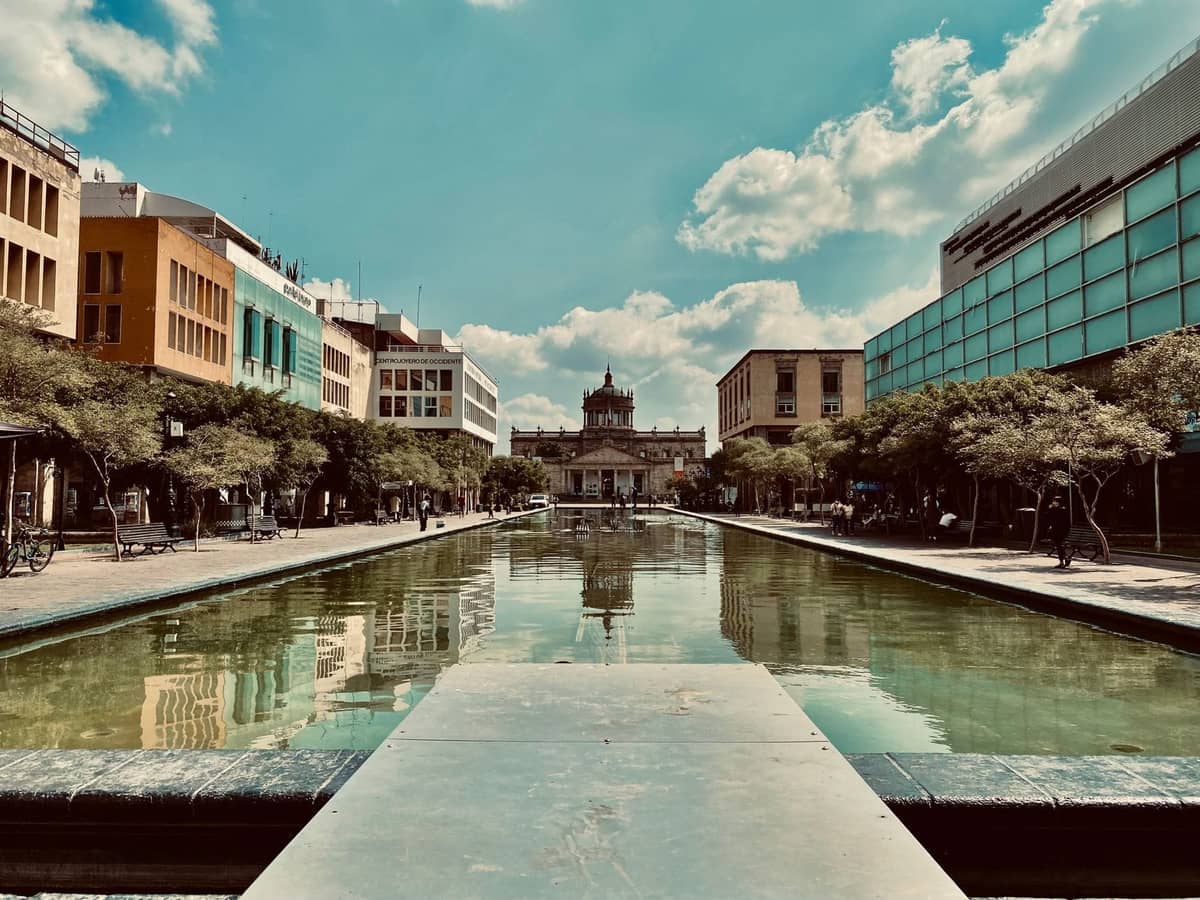
Guadalajara, Jalisco, Mexico is one of the country's largest metropolitan areas, with around 5.3 million people in the metro zone, yet it costs a fraction of what international travelers pay in comparable Latin American capitals. When stacked against Mexico City for overall visitor spending, Guadalajara generally comes out cheaper on accommodation and transport, while offering a comparable cultural calendar. For a detailed comparison, see Guadalajara vs Mexico City.
The city sits at roughly 1,550 meters above sea level in the Atemajac Valley, which keeps temperatures mild year-round: average highs of about 24°C (75°F) in winter and around 31-32°C (88-90°F) in the warmest months of May and June. That mild climate means you are not forced into a single expensive peak window. Budget travelers have genuine flexibility.
The honest case for Guadalajara on a budget comes down to three things: cheap and reliable public transport, street food that costs less than a coffee in most U.S. cities, and a dense concentration of free cultural attractions within walking distance of each other. The challenge is knowing which costs are fixed and which can be reduced with a little planning.
Getting There and Getting In: Airport Costs
Miguel Hidalgo y Costilla Guadalajara International Airport (IATA: GDL) sits in Tlajomulco de Zúñiga, roughly 18-20 km from the Centro Histórico depending on your route. The Guadalajara airport guide covers all transport options in detail, but here is what matters for budget travelers.
- Rideshare (Uber/DiDi) The most practical option for most travelers. Typical off-peak fares to the historic center run 180-300 MXN (roughly 10-17 USD). Pick up at the designated rideshare zones in arrivals.
- Authorized airport taxi Fares are zone-based and posted at official counters in arrivals. Expect 300-400 MXN to downtown. More than rideshare, but fixed pricing eliminates surge risk during busy periods.
- Public bus Routes connect the airport to central Guadalajara at a fraction of the cost of a taxi. Fares are in the single-digit to low-tens of MXN range. Slower, less frequent, and requires navigating the bus network, but it is the cheapest option by a wide margin. Verify current routes with Mi Movilidad before travel.
💡 Local tip
Book flights into Guadalajara in September if your dates are flexible. Trip data consistently shows September as the cheapest month to fly into GDL, coinciding with the rainy season when hotel rates are also lower. The rain is typically afternoon showers rather than all-day downpours.
Getting Around the City Without Spending Much
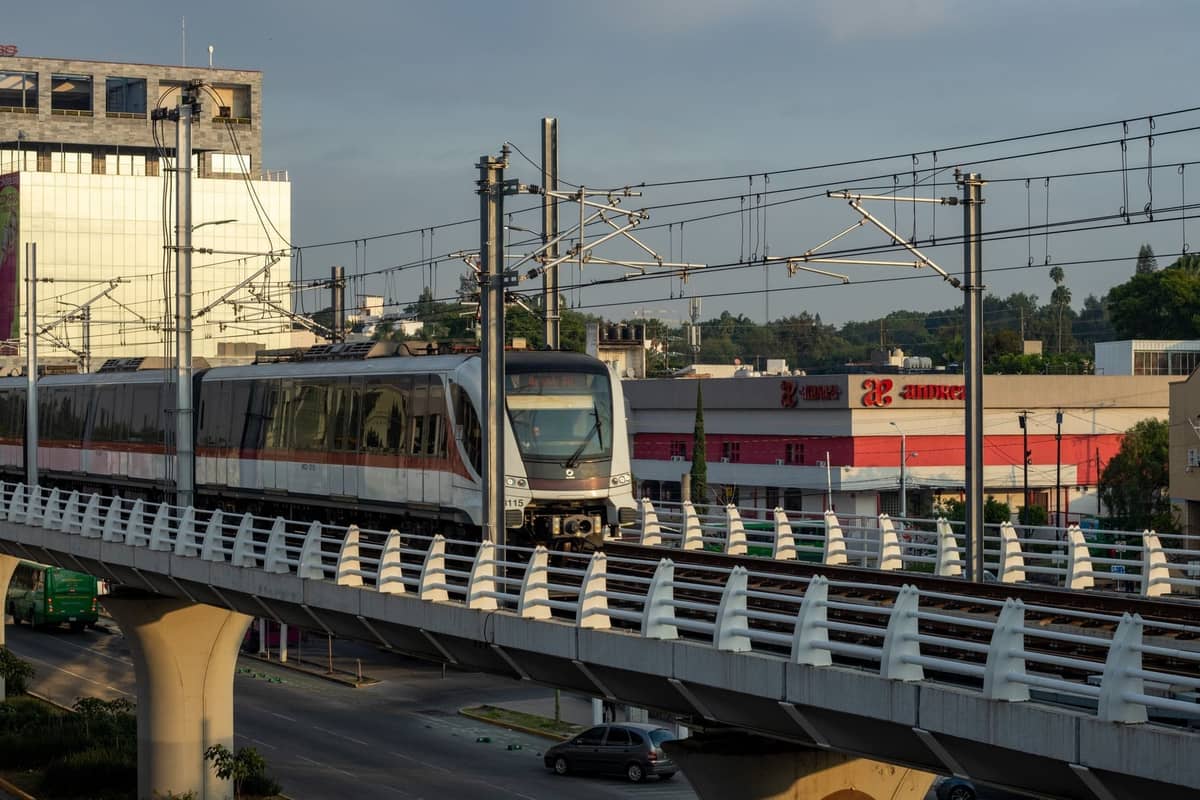
Guadalajara has one of the more functional urban transit networks among Mexican cities. The SITEUR system (Sistema de Tren Eléctrico Urbano) runs three metro lines covering north-south and east-west corridors, reaching downtown Guadalajara, Zapopan, and Tlaquepaque. A single metro ride currently costs around 10 MXN, making it the cheapest reliable way to cross the city. For most sightseeing in the historic center and neighboring districts, walking is entirely realistic.
BRT lines complement the metro: Mi Macro Calzada runs along Calzada Independencia, and Mi Macro Periférico covers the ring road. Both charge low flat fares. For longer trips within the metro area, Uber and DiDi short rides typically cost under 3 USD (around 50-60 MXN). This is important: the common assumption that you need a rental car in Guadalajara is simply wrong for most visitors. Car rental adds daily cost, parking fees, and the stress of driving in a large Mexican city. Skip it unless you are doing extensive day trips into rural Jalisco.
⚠️ What to skip
Avoid flagging down street taxis without a fixed price agreement. Use Uber, DiDi, or Cabify for predictable fares, or book authorized taxis from hotel desks. Unofficial taxis can charge tourists several times the standard rate.
Accommodation: What You Actually Pay
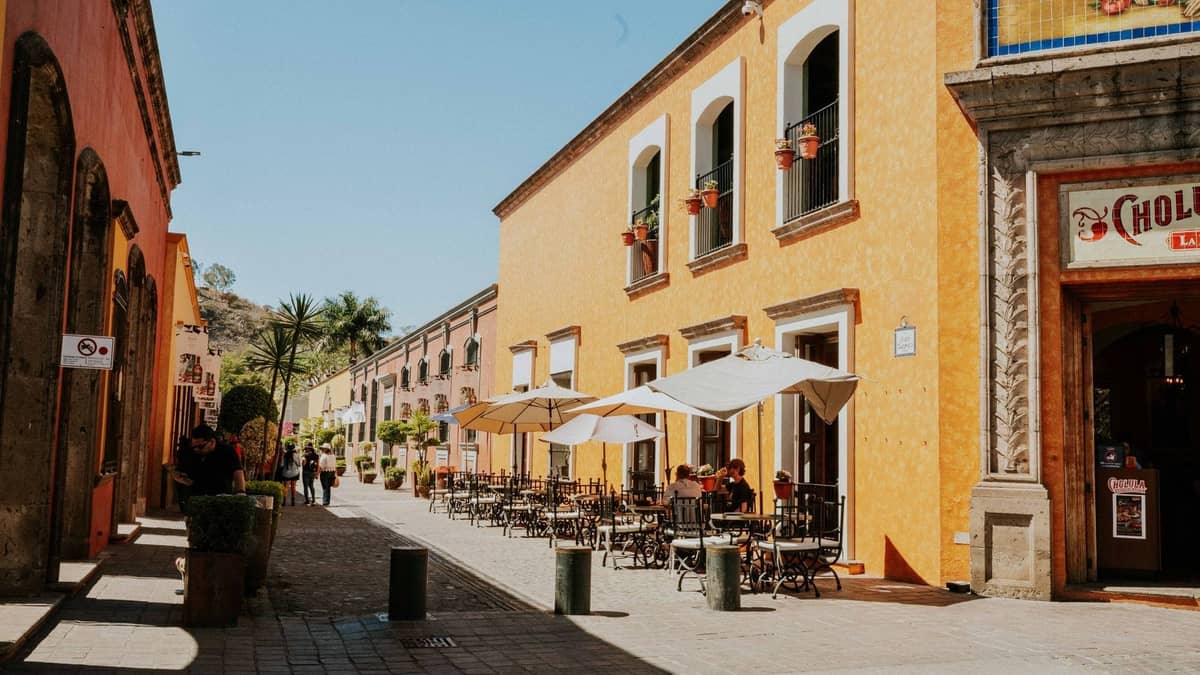
Where you stay in Guadalajara has a bigger impact on your budget than almost anything else. The where to stay in Guadalajara guide goes deep on neighborhood trade-offs, but for budget travelers the key zones are the Centro Histórico and Colonia Americana.
- Budget hotels (under 50 USD/night) Clean, central options exist in the Centro Histórico and around Colonia Americana for under 50 USD. Expect basic but adequate rooms, often with WiFi and private bathrooms. Book directly or via booking platforms and check recent reviews for cleanliness.
- Mid-range hotels (80-120 USD/night) Modern three-star and boutique properties in Colonia Americana and the Zona Minerva area. Good value by international standards, with amenities including rooftop terraces and on-site restaurants.
- Hostels Several well-reviewed hostels operate in the Centro Histórico and Colonia Americana with dorm beds in the 15-25 USD range. A good choice if you are traveling solo and want to meet other travelers.
- Apartments via short-term rental platforms For stays of a week or more, self-catering apartments in Colonia Americana or Providencia can be significantly cheaper per night than hotels, and the ability to cook cuts food costs further.
Stay in Colonia Americana or the Centro Histórico if you want to minimize transport costs. These neighborhoods put most of the major attractions within walking distance, which means fewer rideshare trips eating into your daily budget.
Food and Drink: Eating Well for Very Little
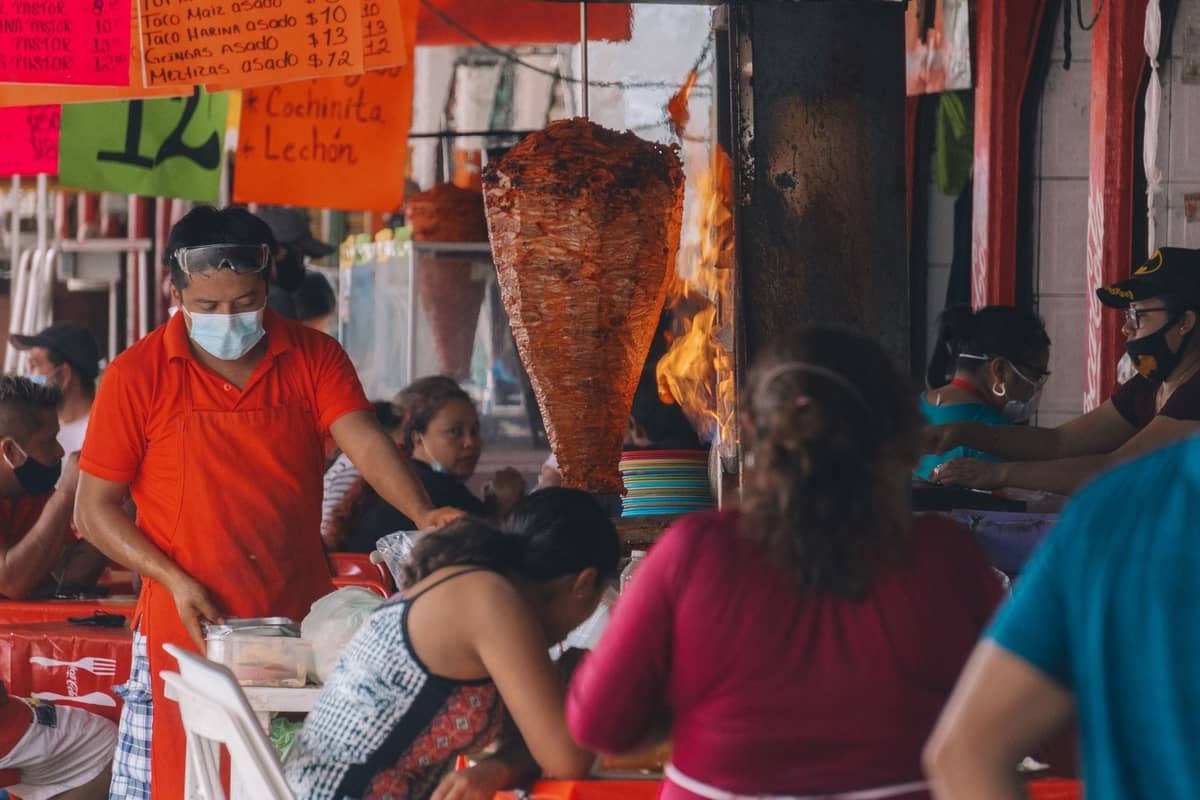
Food is where Guadalajara's budget credentials really show. A full street taco or torta ahogada (the city's signature sandwich, soaked in spicy tomato sauce) can cost about 30-60 MXN at a market stall. A proper sit-down comida corrida, the traditional Mexican set lunch of soup, rice, main course, and sometimes dessert, runs 80-120 MXN at a local restaurant. For context on what and where to eat, the Guadalajara food guide has neighborhood-by-neighborhood recommendations.
Markets are the budget traveler's best friend. Mercado San Juan de Dios in the Centro Histórico is one of Latin America's largest indoor markets and has an entire floor of food stalls serving full meals for well under 5 USD. Mercado Corona is smaller but worth knowing for quick, cheap lunches near the historic center.
✨ Pro tip
Always carry Mexican pesos in cash. Street stalls, market vendors, small taquerias, and craft shops in Tlaquepaque and Tonalá frequently do not accept cards. Withdrawing cash from bank ATMs (Banamex, BBVA, Santander) gives better rates than airport exchange counters. Avoid dynamic currency conversion if your card offers it.
Beer and local spirits are cheap by North American standards. A bottle of local cerveza at a neighborhood bar typically costs around 30-70 MXN. Tequila and mezcal at local cantinas start well below what tourists pay in hotel bars. The markup at tourist-facing restaurants in places like El Parián in Tlaquepaque is real: budget travelers should eat where locals eat and treat the tourist plazas as experiences rather than meal spots.
Free and Low-Cost Attractions
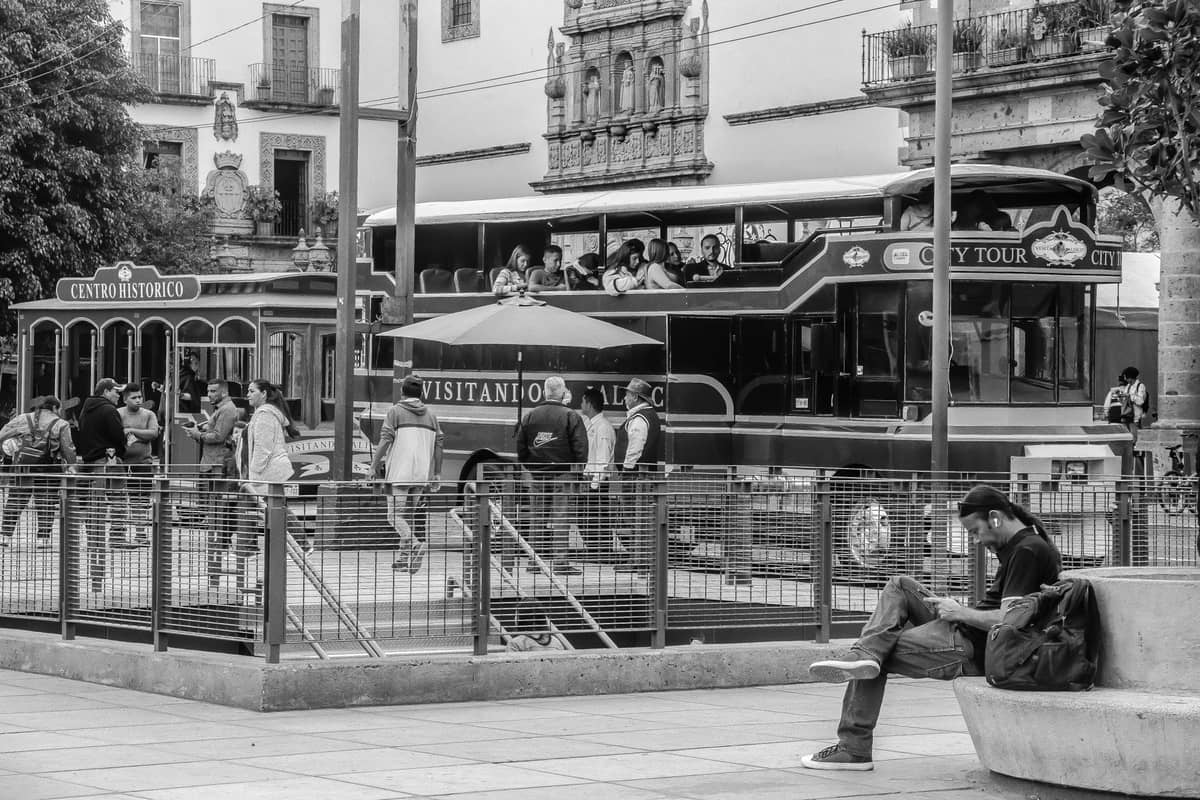
A significant share of Guadalajara's best cultural experiences cost nothing or close to nothing. The free things to do in Guadalajara guide covers the full list, but here are the headline options for budget-conscious visitors.
- Guadalajara Cathedral and surrounding plazas (Plaza de Armas, Plaza de la Liberación, Plaza Tapatía): free to enter, open daily.
- Palacio de Gobierno: free entry, home to José Clemente Orozco's famous murals on the staircase.
- Hospicio Cabañas (UNESCO World Heritage Site): modest entry fee around 90-100 MXN for adults, free every Tuesday. Home to Orozco's most celebrated ceiling murals.
- Museo Regional de Cerámica in Tlaquepaque: free admission.
- Bosque Los Colomos including the Japanese Garden: public park with a small entrance fee for some areas (such as the Japanese Garden), excellent for a morning visit.
- Templo Expiatorio, Templo de Santa Mónica, and other historic churches: free entry.
- Tianguis Cultural on Saturdays near Parque Revolución: free street market with crafts, vintage goods, and live music.
The Hospicio Cabañas deserves special mention. Even at full price it is exceptional value for a UNESCO World Heritage Site with murals of international significance. On Tuesdays it is free, which makes it the easiest scheduling call of your trip. Arrive when it opens to beat school groups.
Day trips to Guachimontones pyramids near Teuchitlán and the town of Tequila are affordable from Guadalajara. The Jose Cuervo Express train to Tequila is a popular option but carries a premium. The public bus to Tequila costs a fraction of the train fare and takes about 60-90 minutes. Check the Tequila day trip guide for both options.
When to Go for the Best Prices
Guadalajara's climate divides into a rainy season (roughly June to September) and a dry season (roughly November to May). The dry season aligns with Guadalajara's biggest festivals, including the International Book Fair (FIL) in late November and the International Film Festival (FICG) in April, which means higher hotel demand and elevated prices. If saving money is a priority, travel outside those windows. For more on the full festival calendar, see Guadalajara festivals and events.
The rainy season is underrated for budget travel. Afternoon showers are common but mornings are typically clear, so you can sightsee before lunch and shelter in a café or market during downpours. The city is greener, less crowded, and meaningfully cheaper. September is historically the cheapest month for flights into GDL. August and early January also tend to offer lower rates on hotel packages.
ℹ️ Good to know
October is a sweet spot: the rainy season is winding down, the city is still green, temperatures are pleasant, and prices have not yet spiked for the November FIL. It is also when Day of the Dead preparations build across Jalisco. See the dedicated guide to Guadalajara in October for timing details.
Budget Misconceptions Worth Correcting
Several persistent myths inflate visitors' perceived costs before they even arrive. Understanding them helps you avoid overspending on things that simply are not necessary.
- "I need a rental car to see everything." False for most itineraries. The metro, BRT, and rideshare apps cover the city and nearby municipalities like Tlaquepaque and Zapopan efficiently. Reserve car rental only for rural excursions like Mazamitla or Tapalpa.
- "Big city means big expenses." Guadalajara consistently appears in budget travel reports as one of the cheapest major cities in North America for day-to-day costs once you are on the ground. Flights are the main variable.
- "You need to tip in USD." Tipping in Mexican pesos is standard and preferred. Around 10-15% is customary for sit-down restaurant service. Check the bill for any added service charge before tipping additionally.
- "Cards work everywhere." They do not. Street markets, small taquerias, and artisan vendors in Tonalá and Tlaquepaque frequently require cash. Withdraw pesos from a bank ATM early in your trip.
FAQ
How much does a day in Guadalajara cost on a tight budget?
A realistic tight budget for a day in Guadalajara, Jalisco, Mexico is around 500-700 MXN (roughly 28-40 USD) covering hostel accommodation share, street food meals, metro and rideshare transport, and free or low-cost attractions. Staying in a dorm, eating at markets, and visiting free sites on Tuesdays keeps costs at the lower end of that range.
Is Guadalajara cheaper than Mexico City for tourists?
Generally yes, particularly for accommodation and transport. Colonia Roma and Condesa in Mexico City push hotel prices higher than comparable Guadalajara neighborhoods. Street food costs are similar in both cities. The main cost variable for either destination is your flight fare.
What is the cheapest way to get from Guadalajara airport to the city center?
Public buses connecting GDL airport to central Guadalajara charge fares in the single-digit to low-teens of MXN range, making them the cheapest option by far. Rideshare apps (Uber, DiDi) are the next most affordable at roughly 180-300 MXN depending on time of day. Official airport taxis run 300-400 MXN. Verify current public bus routes at mimovilidad.jalisco.gob.mx before travel.
Which days are museums free in Guadalajara?
Hospicio Cabañas, a UNESCO World Heritage Site with Orozco murals, offers free admission every Tuesday. The Museo Regional de Cerámica in Tlaquepaque is free every day. Several smaller municipal museums also have free or low-cost entry. Confirm current schedules directly with each institution before visiting, as policies can change.
Is it safe to use public transport in Guadalajara?
The SITEUR metro and BRT lines are used daily by millions of residents and are generally considered safe during daytime hours. As with any large city, stay aware of your surroundings, keep bags in front of you during peak hours, and avoid displaying expensive electronics. For specific current safety context, consult the dedicated guide on whether Guadalajara is safe.