What to Eat in Guadalajara: The Definitive Tapatío Food Guide
Guadalajara, Jalisco is one of Mexico's most important food cities, home to torta ahogada, birria, carne en su jugo, and jericalla. This guide covers every essential dish, where to find the best versions, what to pay, and how to eat like a local from breakfast through late-night cantina.
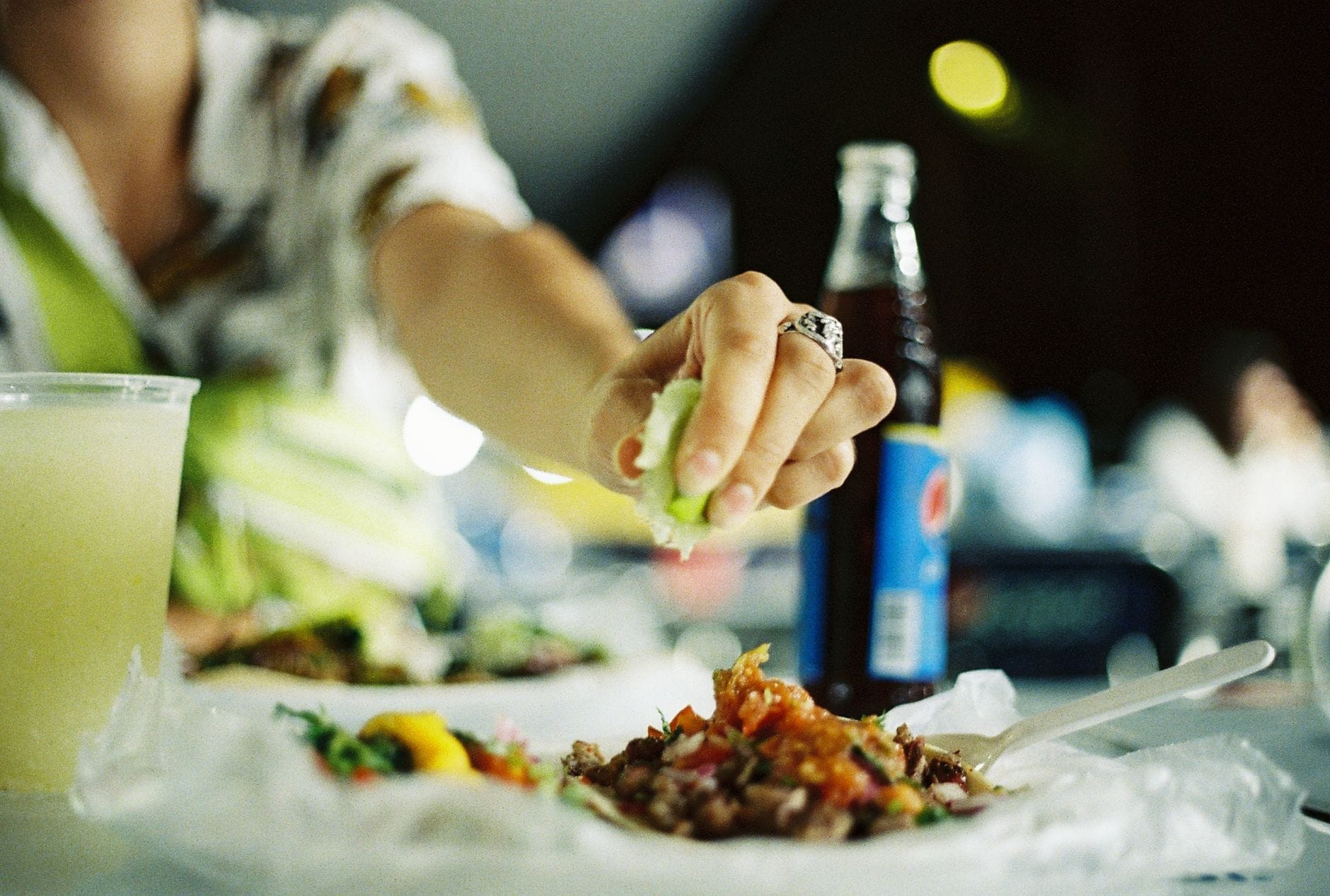
Plan and book this trip
Tools from our partner Travelpayouts help you compare flights and hotels. If you book through them, we may earn a commission at no extra cost to you.
Flights
Hotels map
TL;DR
- Guadalajara's four signature dishes are torta ahogada, birria, carne en su jugo, and jericalla — none of them should be skipped.
- The best street food and market eating is concentrated around Centro Histórico and the Mercado San Juan de Dios, with a more contemporary restaurant scene in Colonia Americana.
- Most birria and torta ahogada spots operate breakfast through early afternoon only — plan accordingly.
- Street tacos and tortas run well under US$5; even sit-down fondas rarely break US$15 per person for a full meal.
- Birria did not originate in Baja California despite its global social media fame — it is a Jalisco tradition, and Guadalajara has been serving it for generations.
Why Guadalajara Is a Serious Food City
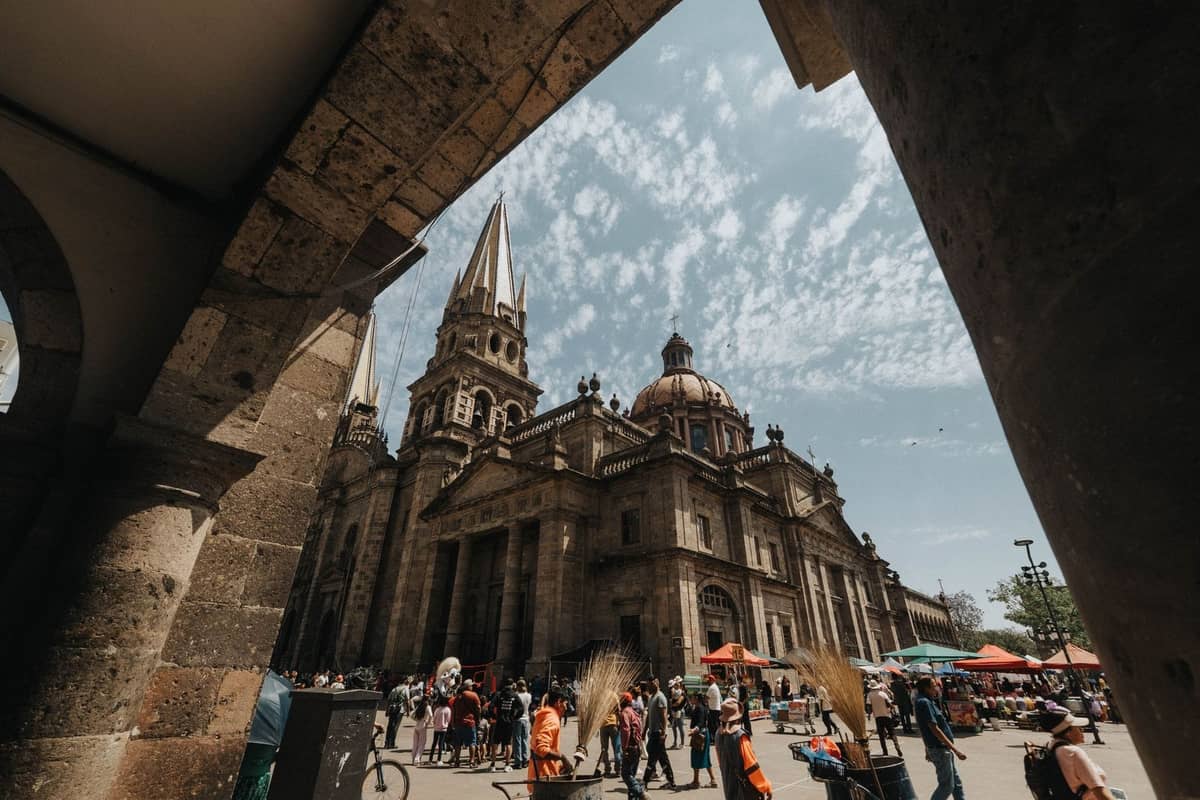
Mexico as a country has a culinary tradition recognized by UNESCO, and within that tradition Guadalajara carries significant weight. The city is the capital of Jalisco, a state that gave the world tequila, mariachi, and a suite of dishes that have spread across Mexico and beyond. What makes the food scene here distinct from Mexico City is its deep regional identity. Tapatíos (the demonym for people from Guadalajara) are proud of their food in a way that shapes daily life. Lunch is the main meal of the day, markets are central to the food supply chain, and certain dishes are so embedded in local culture that eating them is almost a civic ritual.
The city sits at roughly 1,550 meters above sea level in the Atemajac Valley, giving it a climate that is warm but not tropical. That elevation means hearty, protein-forward food makes sense here. The cooking is not delicate or minimalist by default. It is generous, chile-forward, and built around techniques like slow-braising, fermenting, and layering chiles with fruit acids. If you have only eaten Tex-Mex or generic Mexican chain food before arriving, the real thing will be a recalibration.
The Four Dishes You Must Eat
Every food destination has dishes that define it. Guadalajara has four that no first-time visitor should leave without trying. They are not interchangeable, and each represents a distinct cooking tradition.
- Torta Ahogada A crusty birote bread roll (unique to Guadalajara) filled with carnitas or pork, then literally drowned in a tomato-based sauce spiked with chile de árbol. You choose your heat level: 'medio' gets a blend of mild and spicy sauce, 'bien ahogada' is fully submerged in the hot version. Ahogadas Betos at C. Pedro Antonio Buzeta 757 in Ladrón de Guevara is one of the most consistently cited spots. Expect to pay around MXN 60–90 per torta.
- Birria Slow-cooked goat or beef in a deep red chile broth, served with onion, cilantro, lime, and tortillas. Despite its recent global trend as 'birria tacos' associated with Tijuana, the dish has deep roots in Jalisco. Birriería las 9 Esquinas at C. Colón 384 in Zona Centro is one of the city's classic addresses. It is traditionally a morning and midday dish — most quality spots close by early afternoon.
- Carne en Su Jugo Thinly sliced beef simmered in its own juices with crispy bacon, served alongside whole pinto beans, white onion, cilantro, and lime, with tortillas on the side. It sounds simple; it is not. The depth of flavor comes from the rendered fat and the quality of the beef. Kamilos 333 at José Clemente Orozco 333 in the Santa Teresita neighborhood is a well-regarded spot for this dish.
- Jericalla Guadalajara's own dessert: a baked egg custard that sits somewhere between crème brûlée and flan, with a slightly scorched top that distinguishes it from either. The origin story involves colonial-era nuns, though the details vary depending on who is telling it. La Jericallería at Herrera y Cairo 1397 in Santa Teresita is the most specialized address in the city.
⚠️ What to skip
Birria and torta ahogada spots in Guadalajara typically operate from around 8am to 2pm. If you arrive at 4pm expecting lunch, many of the best places will be closed or sold out. Adjust your schedule and eat these dishes in the morning or early afternoon.
Markets: Where Locals Actually Eat
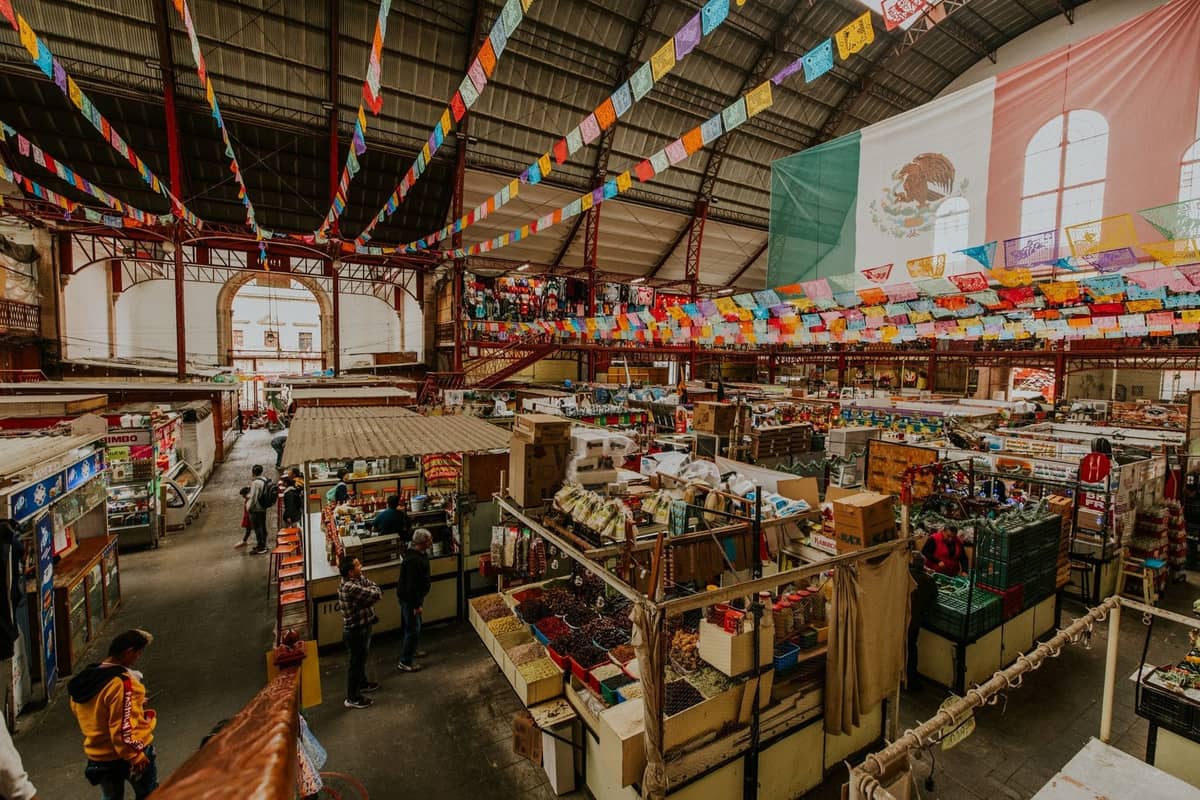
The most important market for food in Guadalajara is the Mercado San Juan de Dios, also known as Mercado Libertad. It is frequently described as the largest indoor market in Latin America, and an entire floor is dedicated to food stalls. You will find birria, pozole, tortas, and fresh fruit drinks at vendor after vendor. The quality varies, but the atmosphere and the sheer scale of the place are worth experiencing even if you eat cautiously. Go on a weekday morning for the best experience; weekends bring larger crowds and more tourist-facing pricing.
For a smaller, neighborhood-scale experience, the Mercado Corona near the historic center offers a similar mix of produce, street food, and lunch fondas in a less overwhelming setting. Both markets operate primarily in the morning through midday. If you are on a tight budget, a full market lunch with a drink at either location can cost less than MXN 100 (around US$5–6).
Beyond the big markets, the neighborhood of Nueve Esquinas — a small colonial square near the historic center — has a cluster of birria restaurants that operate from early morning and are popular with locals for weekend breakfast. The square has a relaxed pace and gives a clearer sense of neighborhood eating culture than the large markets do.
💡 Local tip
At Mercado San Juan de Dios, walk the full floor before sitting down at the first stall that calls out to you. Vendors compete aggressively for business, and a short scouting lap gives you a better sense of what each stall specializes in. Look for the stalls with the longest lines from local workers — that is usually the most reliable quality signal.
Colonia Americana and the Contemporary Food Scene
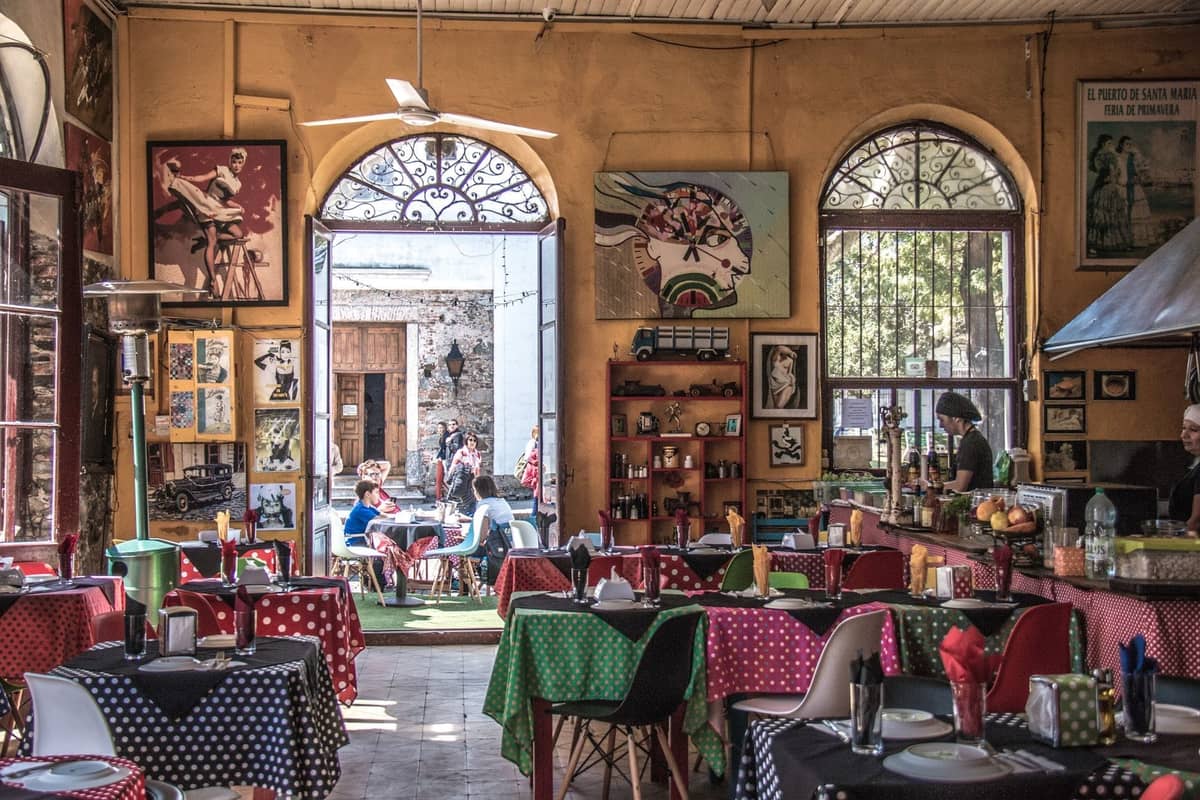
Guadalajara's most dynamic neighborhood for restaurants and cafés is Colonia Americana, a walkable district west of downtown with early 20th-century architecture and a dense concentration of independent food and drink venues. This is where the city's creative class eats, and the food ranges from serious contemporary Mexican to natural wine bars to specialty coffee.
Xokol at Ignacio Herrera y Cairo 1375 in Santa Teresita is the most talked-about address in this category. The restaurant works with heirloom corn varieties and indigenous ingredients from Jalisco and the broader region, presenting them in a format that is sophisticated without being inaccessible. Reservations are required and should be made through their official channels well in advance, particularly on weekends. This is one of the more expensive meals you can have in Guadalajara, but it is genuinely distinctive.
For more casual eating and drinking in the same zone, De La O Cantina at Calle Argentina 70 and Palreal at Lope de Vega 113 are frequently cited. Both maintain active social media accounts with current hours, which is important since schedules in the neighborhood can shift. The cantina tradition in Guadalajara is worth noting: a proper Mexican cantina serves food alongside drinks, and botanas (small free snacks) often accompany each round of beverages. It is a social format quite different from a restaurant, and it suits a long, slow afternoon meal well.
Street Food, Drinks, and What to Sip
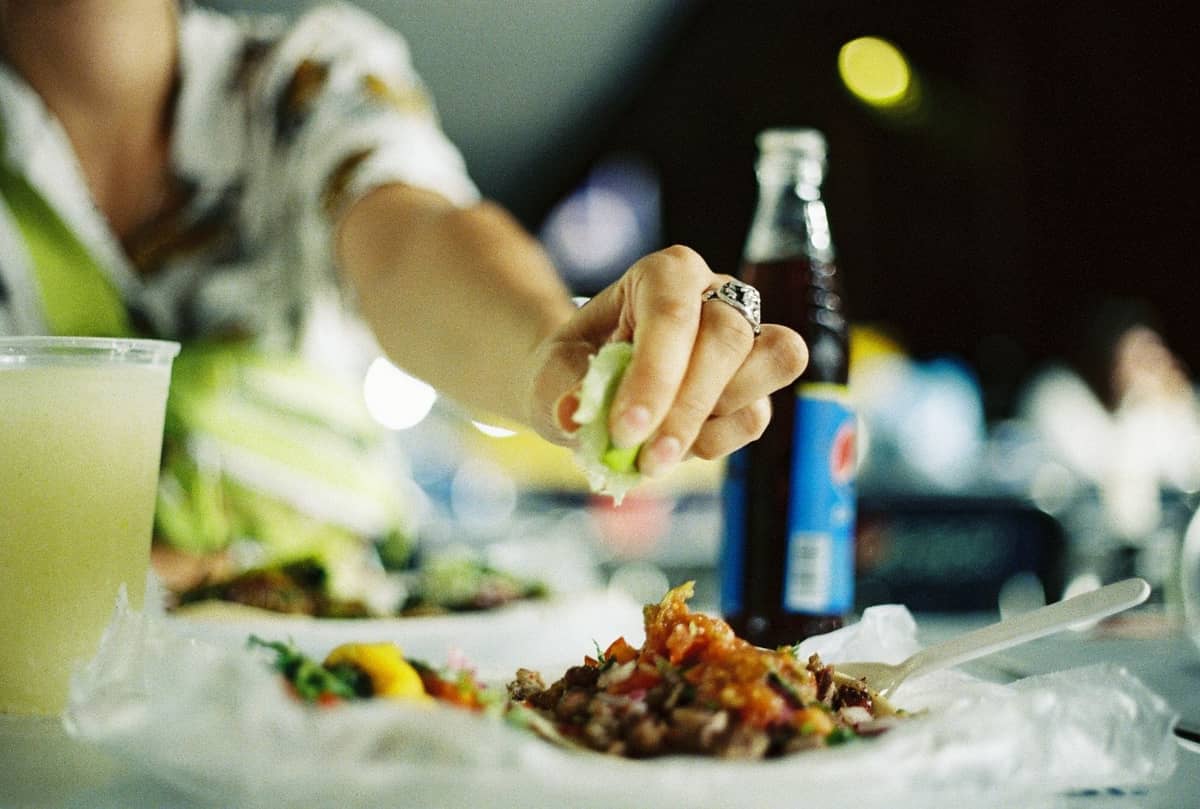
Guadalajara has a street food culture built around simplicity and repetition: the same vendors in the same spots, with menus that rarely change. Tacos de canasta (basket tacos filled with potato, bean, or chicharrón) appear early in the morning near bus stops and markets. Elotes and esquites (corn on the cob or corn kernels served with mayo, cheese, chile, and lime) show up in the afternoons. By evening, taco stands with al pastor and asada take over many sidewalks, particularly in Colonia Americana and around Chapultepec.
On the drinks side, tejuino is the most distinctly local non-alcoholic option: a lightly fermented masa-based drink served cold with lime juice and a pinch of salt. It is an acquired taste for some, but in the hot months leading into the rainy season (April through June, when temperatures can exceed 30°C), it makes sense as a street drink. You will find tejuino vendors near the central market areas and on Avenida Chapultepec.
For alcoholic drinks, the cantarito is the Guadalajara-specific cocktail to know: tequila mixed with fresh citrus juices (lime, grapefruit, orange) and served in a small clay cup. The clay vessel is not decorative; it subtly affects the temperature and flavor of the drink. You can find cantaritos at cantinas and at street stands during festivals and fairs. Given that Jalisco is the home state of tequila production, the local tequila selection at any decent bar or restaurant should be significantly better than what you encounter internationally.
- Tejuino: fermented corn drink with lime and salt, served cold — best in warmer months (April–June)
- Cantarito: tequila with fresh citrus in a clay cup — found at cantinas and festival stands
- Agua fresca: fresh fruit water in flavors like tamarind, hibiscus (jamaica), and horchata — ubiquitous at markets
- Pozole: hominy corn soup with pork or chicken, particularly popular around Mexican Independence Day on September 16
- Tejate: less common in Guadalajara than in Oaxaca, but occasionally found at specialty market stalls — a pre-Hispanic chocolate-corn drink worth trying if you encounter it
Practical Notes: Budgeting, Timing, and Avoiding Tourist Traps
Food in Guadalajara is genuinely affordable by international standards, and even by Mexico City standards. Street-level eating is cheap across the board. A torta ahogada or a plate of birria at a market stall or neighborhood spot will cost MXN 60–180 (roughly US$3–9). A full lunch at a fonda (a family-run lunch restaurant) including soup, main course, and a drink is often MXN 120–200. Sit-down restaurants in Colonia Americana or around Chapultepec run MXN 200–600 per person depending on whether you are ordering drinks. Xokol and similar fine-dining operations are MXN 600–1,500+ per person. For a full breakdown of eating on a budget, see our guide to Guadalajara on a budget.
Restaurant hours follow a Mexican rhythm that confuses many foreign visitors. Breakfast runs roughly 8am–11am. The main meal — comida — is served between 1:30pm and 4pm, and this is when fondas and traditional restaurants are most active. Dinner is lighter and later, typically from 8pm onward. Many traditional spots do not serve in the evening at all. Bars and contemporary restaurants in Colonia Americana are the exception and often keep European-adjacent hours.
Tourist traps in Guadalajara's food scene tend to cluster around the most photographed plazas and in Tlaquepaque's main pedestrian corridor. Restaurants with laminated photo menus in English and staff standing outside to recruit passersby are not where locals eat. The food is rarely bad, but it is priced for tourists and optimized for convenience rather than quality. A short walk off the main tourist corridors will almost always find you a better meal at a lower price.
✨ Pro tip
Tipping etiquette in Guadalajara: at sit-down restaurants, 10–15% is standard unless a service charge is already included on the bill (check before tipping). At market stalls and street food stands, tipping is not expected but small rounding-up is appreciated. Water: do not drink from the tap. Bottled or purified water is the standard, and every restaurant and hotel will provide it.
FAQ
What is the most famous food in Guadalajara?
The torta ahogada is most commonly cited as Guadalajara's signature dish — a pork sandwich in a crusty birote roll, drowned in a spiced tomato-chile sauce. Birria (slow-cooked goat or beef in chile broth) is equally iconic and predates the dish's recent global popularity by decades.
Where can I find the best birria in Guadalajara?
Birriería las 9 Esquinas at C. Colón 384 in Zona Centro is one of the most consistently recommended traditional spots. The Nueve Esquinas neighborhood square also has several birria restaurants popular with locals for weekend breakfast. Most quality birria spots open early (around 8am) and close by early afternoon.
Is Guadalajara food spicy?
Not uniformly. Dishes like torta ahogada give you a choice of sauce heat level, and you can request milder versions. Birria and carne en su jugo are not aggressively spicy by default. That said, many condiment salsas on the table can be quite hot — taste before pouring. Spice tolerance is personal, but you are unlikely to be ambushed by heat you did not choose.
What are the best food markets in Guadalajara?
Mercado San Juan de Dios (Mercado Libertad) is the largest and most varied, with an entire floor dedicated to prepared food. Mercado Corona near the historic center is smaller and less touristy. For a more neighborhood experience, the market stalls around Nueve Esquinas specialize in birria and traditional breakfast foods.
How much does food cost in Guadalajara?
Street food and market meals run MXN 60–180 (approximately US$3–9) for a full plate with a drink. Mid-range restaurants in Colonia Americana cost roughly MXN 200–500 per person. High-end or contemporary restaurants like Xokol can reach MXN 600–1,200+ per person. Guadalajara is consistently cheaper for food than Mexico City at equivalent quality levels.