Lago de Chapala and Chapala Town: Mexico's Largest Freshwater Lake
Lago de Chapala stretches roughly 80 km along the Jalisco highlands, forming Mexico's largest freshwater lake and a natural counterweight to the noise of Guadalajara. The lakeside town of Chapala offers a remodeled malecón, open-air restaurants, and a pace that slows the moment you step off the bus.
Quick Facts
- Location
- Chapala, Jalisco, Mexico — approx. 45–50 km south-southeast of Guadalajara
- Getting There
- Buses from Guadalajara's Antigua Central Camionera; ride-hail apps also serve the route
- Time Needed
- Half day (4–5 hours) to full day with lunch and a lakeside walk
- Cost
- No admission fee for the lake or malecón; boat rides and restaurants are extra
- Best for
- Scenic escapes, nature lovers, expat community atmosphere, lakeside dining
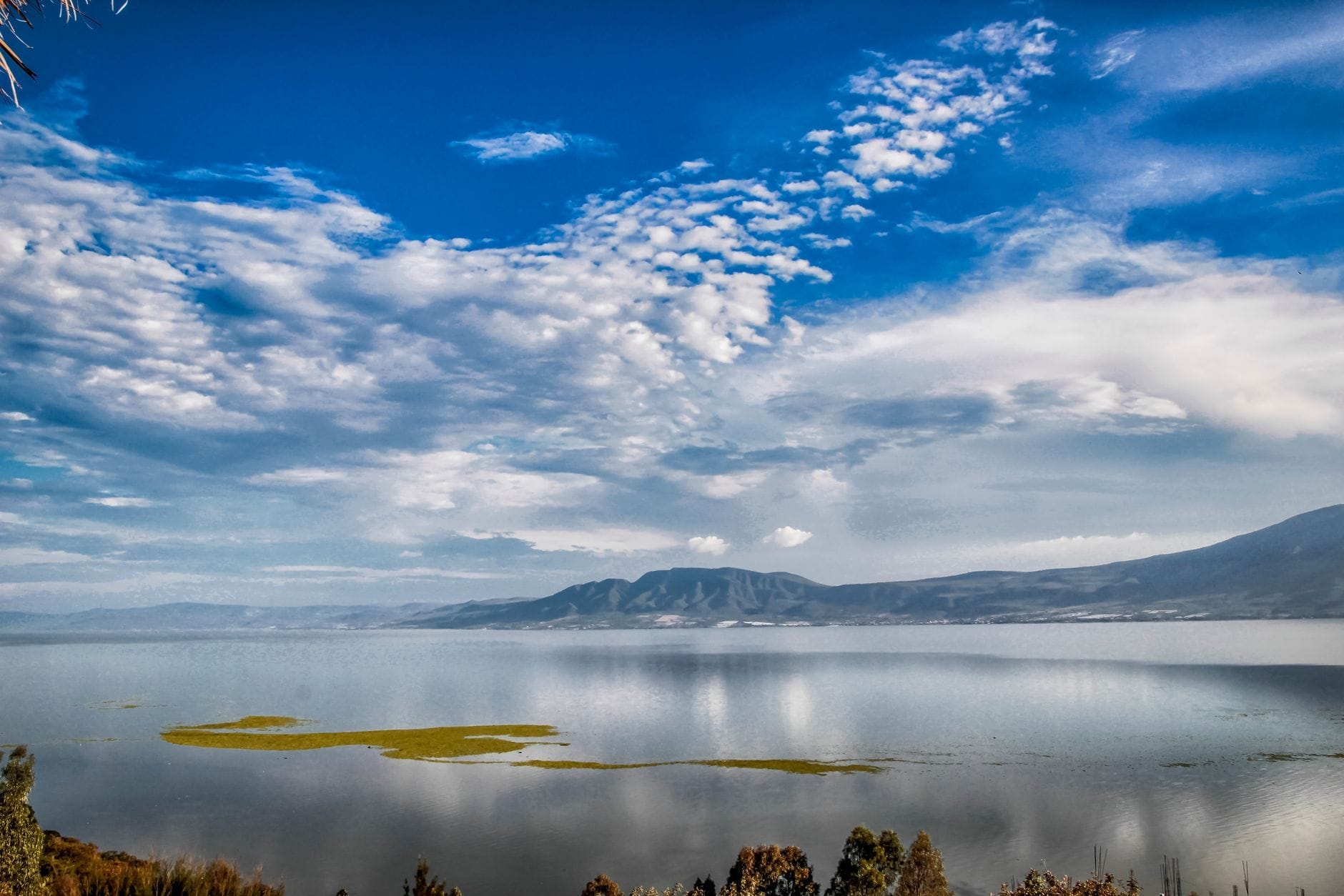
What Lago de Chapala Actually Is
Lago de Chapala is Mexico's largest freshwater lake, covering approximately 1,080 km² and stretching about 77–80 km from west to east along the southern edge of the Jalisco highlands. The lake sits at roughly 1,500–1,800 meters above sea level, which keeps temperatures several degrees cooler than the lowland tropics. It was designated a Ramsar Wetland of International Importance in February 2009, recognizing its significance as habitat for migratory and resident waterbirds.
The town of Chapala, Jalisco sits on the lake's northern shore. It is the administrative seat of the Chapala municipality and the most visited point of access for travelers coming from Guadalajara. The waterfront address most visitors gravitate toward is the Paseo Ramón Corona, the main boulevard that runs along the malecón (boardwalk). From here, the lake opens wide in front of you, with the Sierra de Chapala ridge visible across the water on clear days.
ℹ️ Good to know
Lago de Chapala is a freely accessible natural area and municipality. There is no entrance fee or ticket to visit the lake, the malecón, or the town itself.
The Malecón: What to Expect When You Arrive
The malecón is the spine of any visit to Chapala. After recent remodeling, the boardwalk is paved and wide enough for strolling without feeling crowded on weekday mornings. Vendors sell fried fish, ceviche, and corn snacks from small carts near the water. The smell of lake water and frying oil is the defining sensory note of arriving here, and the sound of pelicans and egrets calling over the chop provides a backdrop that is genuinely different from anything in central Guadalajara.
On weekends and public holidays, the malecón fills with families from Guadalajara who drive down specifically for fish lunch. The pedestrian promenade then takes on a different character: children on paddleboats, cumbia playing from speaker systems outside restaurants, and boat operators calling out to passersby offering lake tours. If you prefer the quieter version, a Tuesday or Wednesday morning visit delivers a calmer scene with shorter waits at restaurants and more room to walk.
Small boats offer short excursions onto the lake from the pier area near the malecón. Pricing is negotiated directly with operators and is not fixed; confirm the duration and route before boarding. The lake's surface is calm in the early morning and can become choppy in the afternoon when winds pick up, so morning is better for any boat activity.
💡 Local tip
Arrive before 11 AM on weekends to secure a lakefront restaurant table without a long wait. Most restaurants along the malecón open around 9–10 AM.
Tickets & tours
Hand-picked options from our booking partner. Prices are indicative; availability and final rates are confirmed when you complete your booking.
Lake Chapala and Ajijic guided tour from Guadalajara
From 68 €Instant confirmationFree cancellationGuadalajara and Tlaquepaque guided tour
From 73 €Instant confirmationFree cancellation
History and Cultural Context
The lake and its surroundings have been inhabited since pre-Hispanic times by indigenous communities including the Coca people. Spanish colonizers arrived in the 16th century and established the town of Chapala. By the late 19th and early 20th centuries, the lake attracted Mexico's elite as a weekend retreat, and Chapala's Victorian-era architecture, visible in several buildings along and near the malecón, reflects this period of relative prosperity.
D.H. Lawrence wrote parts of 'The Plumed Serpent' while staying near Lake Chapala in 1923, and the lakeside villages gained a reputation among foreign writers and artists that persisted through the 20th century. Today the area around Chapala and particularly the village of Ajijic, a short drive west along the lakeshore, hosts one of Latin America's largest concentrations of North American retirees and long-term expats. This gives the area a distinctive dual identity: deeply Mexican in its markets, street food, and calendar of Catholic festivals, yet also stocked with English-language bookshops, international cuisine, and community theater in the smaller villages.
Ajijic itself merits its own visit if you have the full day. The Ajijic village sits about 8 km west of Chapala along Carretera Chapala–Jocotepec and has a cobblestone centro, art galleries, and unobstructed lake views from its smaller malecón.
Getting There from Guadalajara
The most economical option is the bus from Guadalajara's Antigua Central Camionera (also called the Old Bus Terminal), located on Avenida Dr. R. Michel in central Guadalajara. Autotransportes Guadalajara-Chapala operates this route with frequent departures throughout the day. Journey time is approximately 45–60 minutes depending on traffic; the route passes through the southern periphery of the city before descending to the lakeshore. Verify current fares and schedules at the terminal before travel, as pricing changes periodically.
Ride-hailing apps including Uber and DiDi serve the Guadalajara-to-Chapala route, though costs are higher than the bus. For groups of three or four splitting the fare, this can be competitive on convenience. Driving independently is straightforward via the toll road (autopista) to Chapala, and paid parking is available near the malecón.
If you are planning multiple excursions from the city, the day trips from Guadalajara guide outlines transport logistics for Chapala alongside other destinations like Tequila and Tapalpa.
⚠️ What to skip
Traffic on the Guadalajara–Chapala highway can be slow on Sunday afternoons as day-trippers return to the city. If you drive, plan to leave Chapala by 4 PM or be prepared for a longer return.
The Lake's Ecology and What You Can See
As a Ramsar-designated wetland, Lago de Chapala supports a substantial range of birdlife. White pelicans, great egrets, neotropical cormorants, and various duck species are commonly observed from the malecón and the piers. Early mornings, particularly from October through March, tend to bring the most visible bird activity as migratory species arrive and feed along the shallow northern shore.
The lake has faced documented environmental pressures including water level fluctuations, agricultural runoff, and industrial discharge from the Lerma-Santiago river system that feeds it. Water clarity and level have improved in some periods and declined in others over recent decades. Visitors should not expect the clarity of a mountain lake; the water has a characteristic greenish-brown tint, and swimming from the Chapala town side is not recommended and not commonly practiced here.
Sunset from the malecón turns the lake's surface deep orange and pink, with the Sierra de Chapala silhouette darkening against the sky. This is the most photographed scene at the lake. A tripod is not necessary but positioning matters: the western end of the malecón offers the best unobstructed westward sightlines.
What to Eat and Do Beyond the Water
Lake-caught whitefish (pescado blanco) and charales (tiny dried fish eaten whole, often fried) are the regional specialties and appear on virtually every menu along the malecón. Caldo michi, a spicy broth made with catfish or carp, is another local preparation worth ordering. Most lakefront restaurants are informal, with open facades facing the water and plastic furniture. Do not expect fine dining; do expect generous portions and consistent quality on the fish dishes.
The town itself, a few blocks back from the water, has a central plaza, a 16th-century parish church, and some local craft and souvenir shops. A walk inland from the malecón takes about 20 minutes to cover the main streets; the town is compact and navigable on foot. The market area behind the main streets has produce stalls and typical street food that serves the local population rather than tourists.
Chapala also makes a natural base for exploring the lakeshore further. The Lake Chapala day trip guide covers the full stretch including Jocotepec to the west and the villages in between, useful if you want to see more of the lakeshore than just the town of Chapala.
Practical Notes: Weather, Timing, and What to Bring
Lake Chapala follows a similar climate pattern to Guadalajara: a rainy season from June through September and a dry season from roughly November through May. November through March offers the most reliable clear skies and comfortable temperatures, with daytime highs in the low-to-mid 20s Celsius. The light on the lake on clear winter mornings is exceptionally sharp, making this the best period for photography.
During the rainy season, afternoon downpours are common, and the lake can appear dramatic under storm clouds, but getting caught in a tropical downpour on an open boardwalk is unpleasant. If you visit in July or August, arrive early and plan to be back inland before 3 PM.
Sun protection is essential at this altitude and latitude. The combination of high elevation and open water reflection means UV exposure is stronger than it feels on cooler days. Bring sunscreen, a hat, and sunglasses regardless of season. Comfortable flat shoes are adequate for the malecón and town; none of the main sights require hiking footwear.
💡 Local tip
Tap water throughout Mexico, including Chapala, is not generally recommended for drinking. Bottled water is widely available along the malecón and in town. Carry a supply if you plan to spend more than a couple of hours walking around.
Who Might Want to Skip This
Travelers expecting a pristine alpine lake or Caribbean-quality water clarity will be disappointed. Lago de Chapala's environmental history means the water is not visually dramatic up close, and the experience is primarily about the breadth of the landscape, the birdlife, and the lakeside town atmosphere rather than the water itself. If your primary interest is nightlife, contemporary art, or urban architecture, Chapala is not the right day trip and the city itself has more to offer on those fronts.
For those whose interest is urban architecture and cultural sites within the city, the Guadalajara architecture guide and attractions like the Hospicio Cabañas offer a completely different but equally worthwhile day.
Insider Tips
- The western end of the malecón, past most of the main restaurant clusters, is quieter and offers better sunset sightlines. Walk the full length before settling at a table.
- Charales (tiny fried fish) are sold as snacks at lakeside carts for a few pesos and are more authentically local than the sit-down restaurant menus that cater to Guadalajara day-trippers.
- Colectivo taxis running between Chapala and Ajijic depart from near the Chapala bus station throughout the day, making it easy to combine both villages in one trip without a private car.
- October through December brings migratory white pelicans to the lake in visible numbers. Bring binoculars if birdwatching is part of your interest; the early morning is when they feed closest to the northern shore.
- Weekday visits between November and March give you the best combination of good weather, low crowds, and clear light. The difference between a weekend in July and a Tuesday in February is substantial.
Who Is Lago de Chapala & Chapala Town For?
- Travelers wanting a relaxed half-day escape from Guadalajara's urban density
- Nature and birdwatching enthusiasts, especially during winter migration months
- Food-focused visitors interested in lake fish dishes and regional Jalisco cuisine
- Couples and slow travelers who enjoy lakeside walks and an unhurried lunch
- Anyone curious about the expat communities of the lakeshore, particularly in combination with a visit to Ajijic
Nearby Attractions
Combine your visit with:
- Ajijic (Lake Chapala Village)
Ajijic sits on the north shore of Lake Chapala, about an hour south of Guadalajara. With pre-conquest roots, cobblestone streets lined with art galleries, and one of Mexico's largest expat communities, it offers a completely different pace from the city. There is no admission fee to visit, and the town is accessible year-round.
- Bosque de La Primavera
Just 12 km west of Guadalajara, Bosque de La Primavera is a 30,500-hectare protected forest area offering hiking, birdwatching, hot springs, and rare ecological zones. It is one of the few places near a major Mexican city where you can genuinely disconnect from urban noise within 30 minutes.
- Bosque Los Colomos
Spanning roughly 92 hectares in northwestern Guadalajara, Bosque Los Colomos is a protected urban forest with ponds, pine-scented trails, and a Japanese garden donated by the city of Kyoto. Admission is free, and the park draws everyone from pre-dawn joggers to Sunday families.
- Japanese Garden — Bosque Los Colomos
Tucked inside the 93-hectare urban forest of Bosque Los Colomos, the Jardín Japonés is a formal Japanese-style garden donated by the people of Kyoto in 1994. It offers koi ponds, stone lanterns, arched bridges, and the kind of deliberate stillness that is genuinely hard to find in a city of over 1.5 million people.