Lake Chapala Day Trip from Guadalajara: The Complete Chapala & Ajijic Guide
Mexico's largest freshwater lake sits just one hour from Guadalajara, making it one of the most rewarding day trips in Jalisco. This guide covers how to get there independently or on a guided tour, what to do in Chapala and the Pueblo Mágico of Ajijic, honest seasonal advice, and what the tourism brochures tend to leave out.
Plan and book this trip
Tools from our partner Travelpayouts help you compare flights and hotels. If you book through them, we may earn a commission at no extra cost to you.
Flights
Hotels map
TL;DR
- Lake Chapala is roughly 45 km southeast of Guadalajara, about 1 hour by road. It is Mexico's largest freshwater lake.
- A full day covers two towns: the larger, more traditional Chapala and the colorful Pueblo Mágico of Ajijic, each with its own malecón and plaza.
- Guided group tours start around US$44 per person and last roughly 8 hours including hotel pickup. Driving or taking a direct bus is cheaper and gives more flexibility.
- The dry season (November to April) is the most comfortable time to visit. The rainy season still works but afternoon storms can affect boat trips.
- The lake is shallow and has a documented history of pollution. Swim or take boat rides with realistic expectations, not postcard ones.
Why Lake Chapala Works So Well as a Day Trip
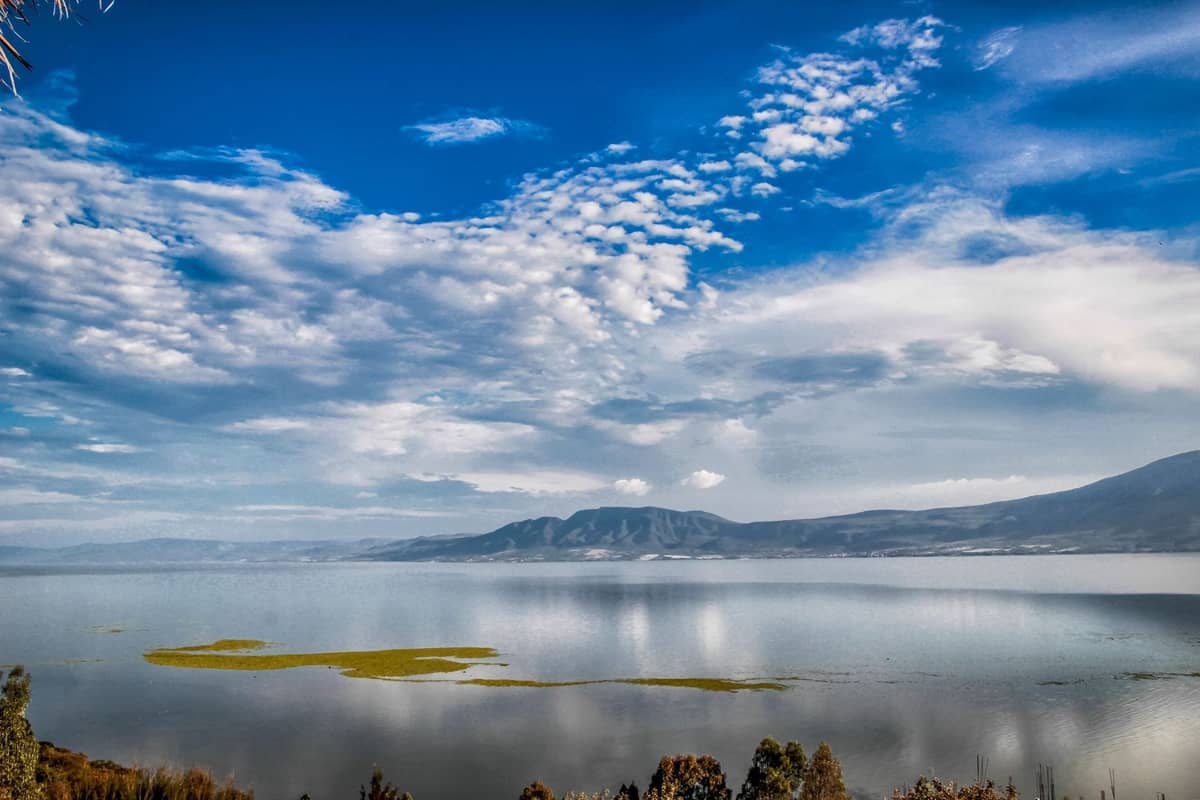
At roughly 45 km from Guadalajara's city center, Lake Chapala clears the first hurdle for a day trip: it is genuinely close. The drive via the Libramiento Sur takes around 50 to 60 minutes in normal traffic, which means you can leave after breakfast and be back for dinner. Few day trips from Guadalajara offer this combination of distance, scenery, and cultural substance.
The lake itself is Mexico's largest freshwater body, covering approximately 1,100 km², roughly 80 km long and 12.5 km wide, sitting at an elevation of about 1,524 metres above sea level. That altitude keeps temperatures mild year-round, which partly explains why the lakeside towns have attracted a large community of North American and European retirees and expats. The infrastructure for visitors, restaurants in English, well-maintained malecóns, art galleries, and organized boat rides, reflects that long-term international presence.
The day trip naturally splits between two towns. Chapala is the larger municipal seat with a traditional Mexican feel, a lively waterfront, and the ornate Parroquia de San Francisco. Ajijic, about 8 km west along the lake, is the Pueblo Mágico designation holder: narrower cobblestone streets, murals on nearly every block, a slower pace, and a concentration of galleries and craft shops. Most guided tours cover both in a single day, and it is entirely manageable independently.
Getting There: Bus, Car, or Guided Tour
You have three realistic options for getting to Lake Chapala from Guadalajara, and each suits a different type of traveler.
- Direct bus from the old bus terminal (Central Camionera Antigua) Transportes Guadalajara-Chapala runs frequent departures from the old bus terminal near Mercado San Juan de Dios. Journey time is roughly 1 hour and tickets cost around MXN 60-80 each way. This is the cheapest independent option and drops you directly on the Chapala waterfront. From Chapala, local combis (shared minivans) run to Ajijic for a few pesos. Verify current fares and schedules at the terminal before departure.
- Driving yourself Take the Guadalajara-Chapala highway (carretera libre or the cuota toll road) southeast from the city. Toll road is faster and costs around MXN 50-60 each way. Parking in Chapala and Ajijic is available near the malecón, though it fills up on weekends and during festivals. Driving gives the most flexibility to linger in Ajijic or add Jocotepec to the itinerary.
- Guided group tour Full-day group tours from Guadalajara typically include hotel pickup, stops in both Chapala and Ajijic, and sometimes a tequila tasting. Tours run roughly 09:00 to 17:00 and cost from around US$44 per person on platforms like GetYourGuide and Viator. Some itineraries add a boat ride on the lake. Food, tips, and souvenirs are almost always extra. This is the easiest option if you want context and commentary without navigating transport yourself.
💡 Local tip
If you are traveling on a weekend, leave Guadalajara before 09:00. Traffic on the Chapala highway backs up significantly on Saturday and Sunday mornings, and the Chapala malecón gets crowded by midday. Weekday visits are noticeably quieter.
What to Do in Chapala Town
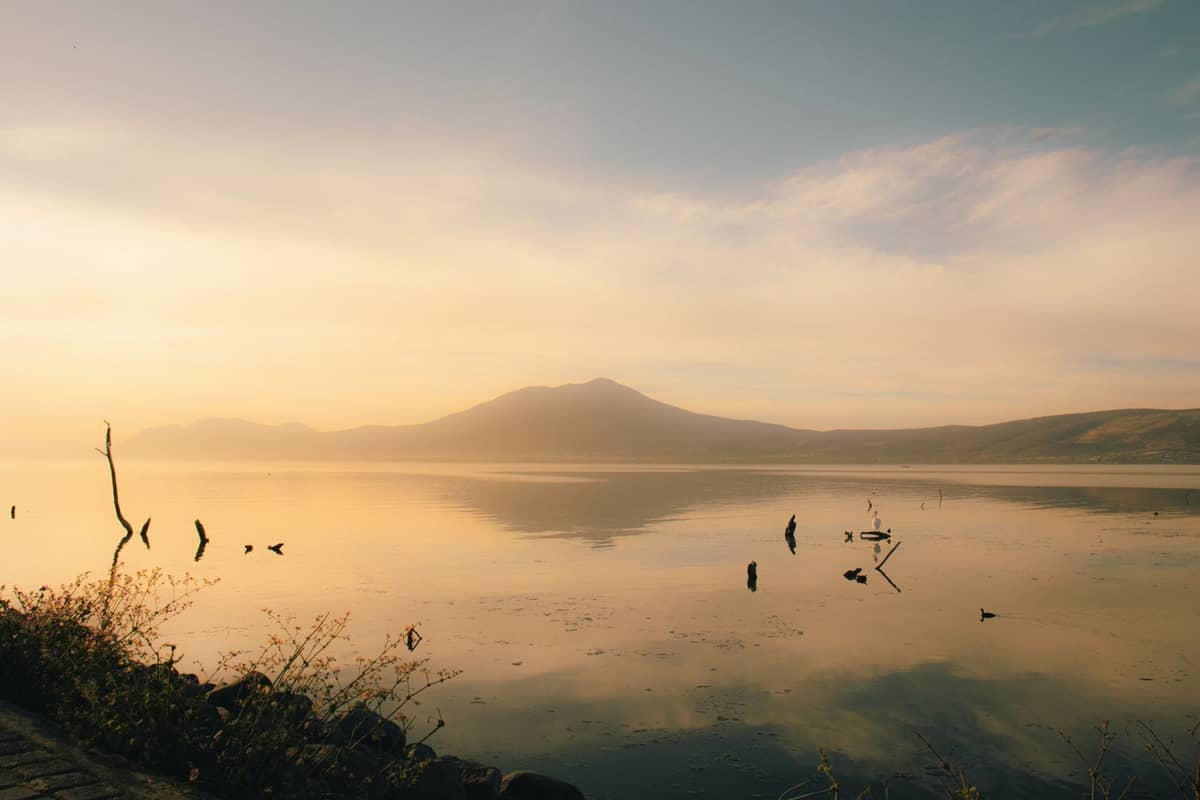
Chapala is the entry point for most visitors and the more functional of the two towns. The Malecón de Chapala stretches along the waterfront and is the social core of the town: vendors sell fresh fruit, local snacks like tejuino and tostilocos, and artisan crafts. It is a good place to orient yourself and get your first view across the lake toward the Sierra Madre mountains on the opposite shore.
A short walk inland brings you to the Plaza Principal and the Parroquia de San Francisco, a 19th-century church that anchors the town's historic center. From the malecón you can walk east toward the Faro de Chapala (the lighthouse), a small but photogenic structure at the edge of a pier. If you are lucky with timing, the Danza de los Voladores, the traditional Totonac pole ceremony, is sometimes performed on the waterfront, though it is not on a fixed daily schedule.
Boat rides to Isla de los Alacranes (Scorpion Island), a small island in the lake, are offered from the malecón and take around 20 to 30 minutes each way. Prices are negotiated directly with the lancheros (boat operators) and typically run MXN 100-200 per person depending on group size. The island has a small restaurant and lake views but is not a major attraction in itself. It is worth doing if the weather is clear.
⚠️ What to skip
Lake Chapala is shallow, with a maximum depth of only about 10.5 metres, and has faced long-standing challenges with agricultural runoff, water hyacinth overgrowth, and pollution from surrounding municipalities. The water is not recommended for swimming. Enjoy the lake visually, from boats and malecóns, rather than expecting a pristine swimming destination.
What to Do in Ajijic: The Pueblo Mágico
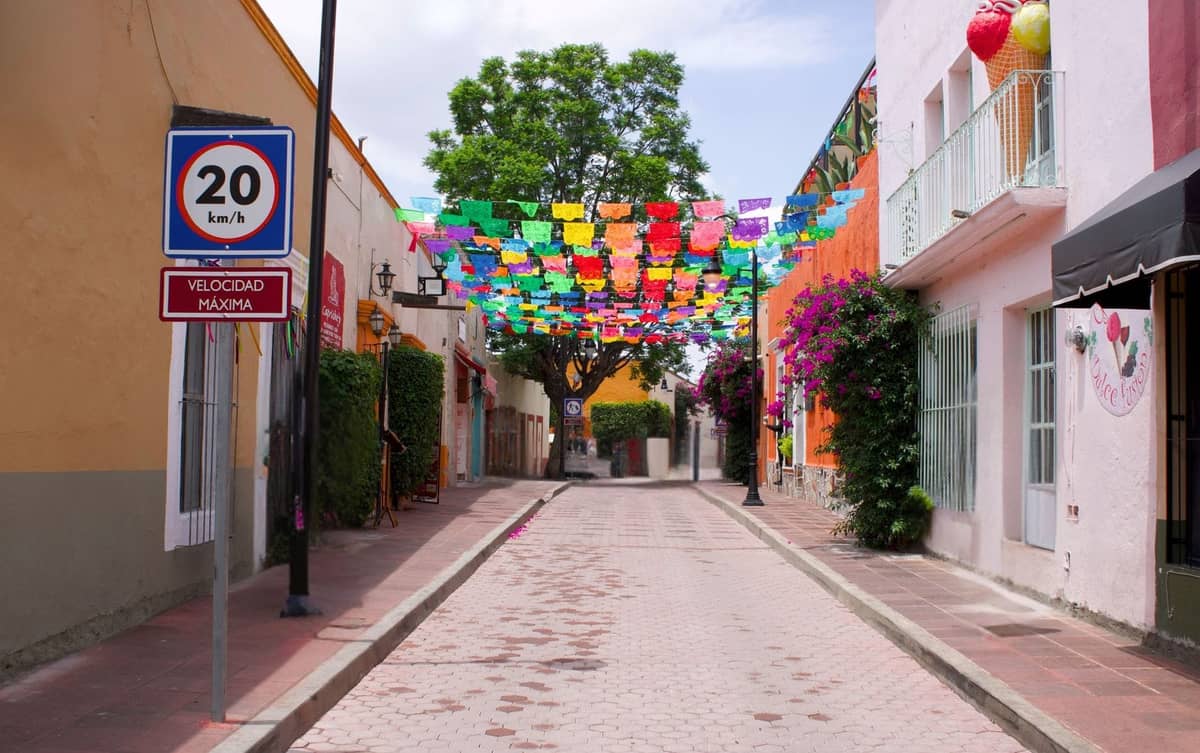
Ajijic sits about 8 km west of Chapala along the lake's northern shore and has earned a reputation as the more photogenic of the two towns. Its Pueblo Mágico designation reflects genuine character: the streets are cobblestoned, the buildings are painted in saturated blues, pinks, and oranges, and murals cover entire building facades. The town is smaller and slower than Chapala, which is most of the appeal. For a broader look at what makes Ajijic worth visiting, the details go deeper than the average day trip brochure suggests.
The Malecón de Ajijic is shorter and quieter than Chapala's, with a small pier and lake views that are particularly good in the afternoon light. A few blocks north, the Plaza Principal is flanked by the Parroquia de San Andrés Apóstol, a church that has been reconstructed several times over the centuries and remains the town's architectural focal point. The plaza itself fills with locals in the evening and has the relaxed atmosphere of a town that is comfortable with visitors without being defined by them.
The gallery and craft scene in Ajijic is genuine. Several studios and galleries along Calle Morelos and the surrounding streets sell work by local and resident artists. This is not the mass-production handicraft market you find in Tonalá; pieces here tend toward fine art, ceramics, and textiles with a higher price point and more individual character. If you are interested in buying original art, Ajijic is worth more time than a rushed group tour allows.
How to Structure Your Day
A full day at Lake Chapala does not need to feel rushed if you plan the sequence correctly. The most logical approach is to start in Chapala, where transport arrives most frequently, spend the morning on the malecón and in the town center, then take a combi or taxi to Ajijic for the afternoon. If you are driving, you can reverse this and end in Chapala for the easier highway return.
- Morning (09:00-12:30): Arrive in Chapala, walk the malecón, visit the Parroquia de San Francisco and the lighthouse area, consider a short boat ride to the island if the weather is clear.
- Late morning to early afternoon (12:30-14:30): Lunch in Chapala along the waterfront. Pescado blanco, a small native whitefish historically caught in the lake and still considered a local specialty, is served in several restaurants on the malecón, often sourced from outside the lake today due to conservation and stock decline. Prices for a main course run around MXN 150-250.
- Afternoon (14:30-18:00): Head to Ajijic by combi (a few pesos) or taxi (around MXN 80-120). Walk the cobblestone streets, visit the plaza and church, browse the galleries on Calle Morelos.
- Optional extension: Add Jocotepec, a smaller town at the lake's western end, for a sunset view from its malecón. This adds roughly 30 minutes each way and suits those who have driven rather than taken the bus.
✨ Pro tip
If you are on a guided group tour, ask in advance whether lunch is included or if there is free time to eat independently. Many tours allocate only 30-45 minutes for lunch, which is tight for a sit-down meal. Knowing this in advance lets you eat a substantial breakfast before departure.
Best Time to Visit and Seasonal Realities
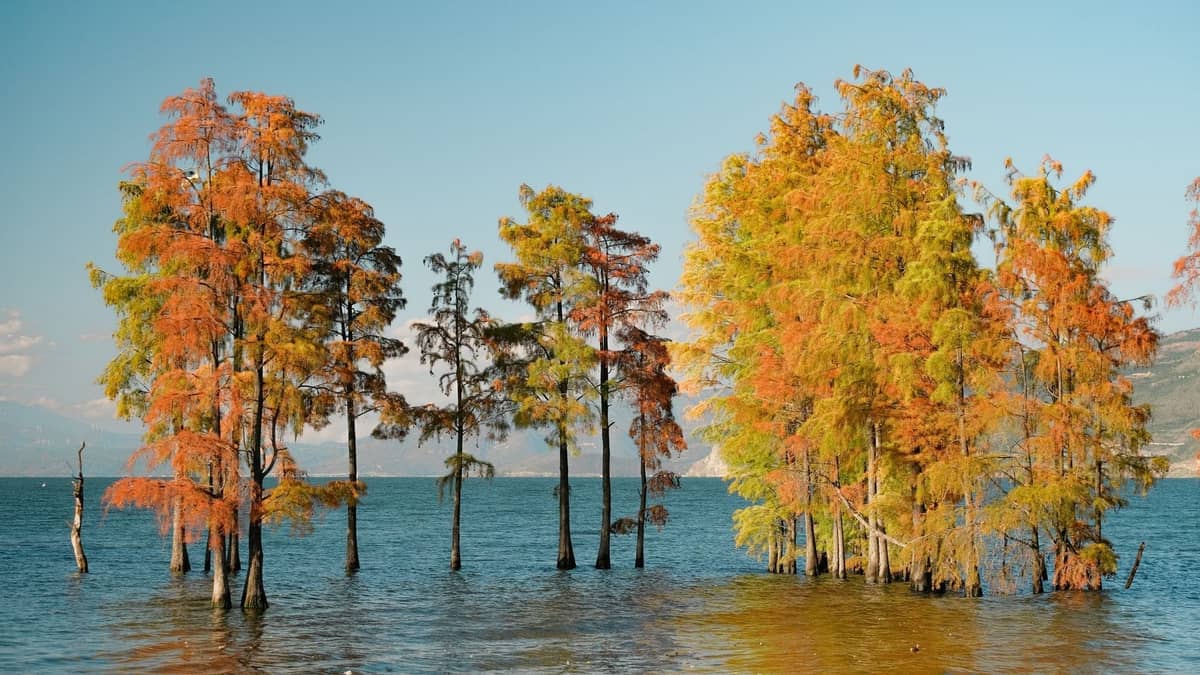
The Lake Chapala area is often described as having a spring-like climate year-round, and this is largely accurate. At 1,524 metres elevation, temperatures rarely hit extremes in either direction. That said, there are meaningful seasonal differences worth knowing before you book. The best time to visit Guadalajara broadly aligns with the best conditions for a lake day trip.
The dry season runs from approximately November through April. This is when you get the clearest skies, the most comfortable walking temperatures, and the lowest chance of afternoon storms disrupting a boat ride. Weekend crowds peak in December and around Mexican national holidays, so if you can visit on a weekday during the dry season, you will find a noticeably quieter experience.
The rainy season from roughly June through October brings afternoon showers, typically starting between 14:00 and 16:00. Morning visits are usually fine and the landscape turns greener, which can make Ajijic's streets more photogenic. However, the lake surface gets choppy during storms, and boat operators may cancel rides. If you are visiting during the rainy season, structure your day to be outdoors in the morning and plan indoor activities like galleries and restaurants for the afternoon.
October is a particularly interesting time to be in the Guadalajara region given the lead-up to Día de Muertos celebrations throughout Jalisco. For more on what the city itself looks like during this period, the Guadalajara in October guide covers the cultural calendar in detail.
FAQ
How far is Lake Chapala from Guadalajara?
Lake Chapala is approximately 45 km southeast of central Guadalajara. By car or direct bus, the journey takes roughly 50 to 60 minutes depending on traffic. It is one of the closest major day trip destinations from the city.
Can you visit Lake Chapala without a tour?
Yes. Direct buses run from Guadalajara's old bus terminal (Central Camionera Antigua, near Mercado San Juan de Dios) to Chapala town for around MXN 60-80 each way. From Chapala, shared combis connect to Ajijic. Driving is also straightforward. A guided tour is convenient but not necessary.
How much does a Lake Chapala day trip tour cost?
Group guided tours from Guadalajara start at around US$44 per person on platforms like GetYourGuide and Viator. These typically include hotel pickup, transportation, and guided stops in Chapala and Ajijic over roughly 8 hours. Food, drinks, and tips are usually extra. Private tours cost significantly more.
Is it worth visiting both Chapala and Ajijic in one day?
Yes, and most itineraries do exactly this. Chapala is best for the waterfront market atmosphere, traditional food, and boat rides. Ajijic offers the more photogenic streets, art galleries, and the Pueblo Mágico character. They are about 8 km apart and easily connected by cheap shared transport.
Can you swim in Lake Chapala?
Swimming in Lake Chapala is not recommended. The lake is very shallow (maximum depth around 10.5 metres) and has documented water quality issues from agricultural runoff and urban pollution. It is best enjoyed from the malecón, on a boat ride, or over a meal of locally caught pescado blanco.