Ajijic: The Lakeside Village Worth the Drive from Guadalajara
Ajijic sits on the north shore of Lake Chapala, about an hour south of Guadalajara. With pre-conquest roots, cobblestone streets lined with art galleries, and one of Mexico's largest expat communities, it offers a completely different pace from the city. There is no admission fee to visit, and the town is accessible year-round.
Quick Facts
- Location
- Ajijic, Municipio de Chapala, Jalisco — about 5 km west of Chapala town, on the north shore of Lake Chapala
- Getting There
- Buses from Guadalajara's Antigua Central Camionera (old bus terminal) run to Chapala; from there, local transport heads west to Ajijic. By car or rideshare, roughly 1 hour from central Guadalajara via the Carretera Guadalajara–Chapala
- Time Needed
- 3–5 hours for a comfortable day trip; overnight possible for those wanting to explore at leisure
- Cost
- Free to enter the town and walk its streets. Individual restaurants, galleries, and tour operators set their own prices
- Best for
- Lakeside scenery, art and craft browsing, slow-travel day trips from Guadalajara, photography
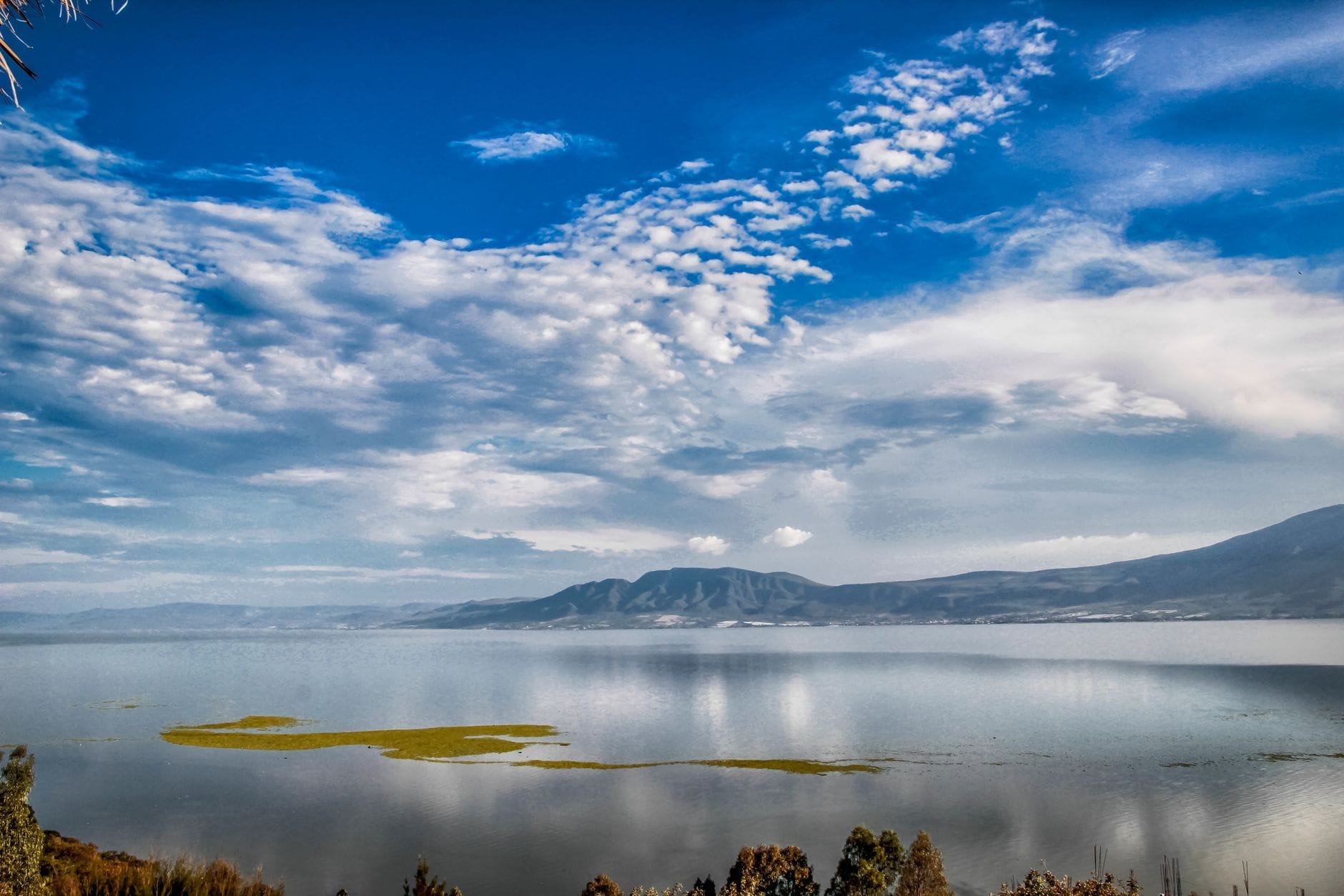
What Ajijic Actually Is
Ajijic is a small colonial town of around 11,400 people (2020 census) that sits on the north shore of Lake Chapala, Mexico's largest lake. It sits within the Municipio de Chapala in Jalisco, about 5 km west of Chapala and about an hour south of Guadalajara.
The name derives from Nahuatl and is commonly translated as 'place where water springs forth,' a reference to the natural springs and lake access that made this shoreline attractive to Nahua peoples long before Spanish colonizers arrived. Ajijic was founded around 1531, giving it nearly five centuries of layered history that shows in everything from the street grid to the churchyard.
Today Ajijic is probably best known internationally for its large expatriate community, one of the largest concentrations of foreign residents in the Lake Chapala region, drawn primarily from the United States and Canada. That demographic has shaped the town's character in ways that are immediately noticeable: English is spoken widely in cafes and shops, and the restaurant scene leans toward international cuisine alongside traditional Mexican cooking. Whether that context adds to your visit or detracts from it depends entirely on what you came looking for. For the full picture of what the Lake Chapala region offers, the Lake Chapala attraction guide covers the broader lake and its towns.
The Malecón and the Lakeshore: Where the Visit Usually Starts
Most visitors orient themselves first at the malecón, the pedestrian promenade running along the lakeshore. From here, the scale of Lake Chapala becomes apparent in a way that photographs rarely convey. The lake stretches roughly 85 km from east to west, and on a clear morning the far shore is barely visible. The light on the water changes dramatically through the day: flat and silver before 9am, blue-green and sharp by late morning, hazy gold in the late afternoon when the mountains on the opposite shore soften into silhouette.
The malecón itself is modest in length but well-maintained, with benches, a few small food stalls, and boat operators who offer short lake excursions. Early mornings are quiet, with local walkers and fishermen. By late morning on weekends, Mexican day-trippers from Guadalajara arrive in numbers, and the waterfront gets noisy and social in a way that is genuinely festive rather than overwhelming. If you want calm and reflective, arrive before 10am or come on a weekday.
💡 Local tip
The lake's water level and shoreline distance from the malecón have fluctuated significantly in recent decades due to drought and agricultural extraction. In lower-water periods, the actual water's edge can be some distance from the promenade. Check recent photos before expecting to step straight from the walkway into the lake.
Tickets & tours
Hand-picked options from our booking partner. Prices are indicative; availability and final rates are confirmed when you complete your booking.
Lake Chapala and Ajijic guided tour from Guadalajara
From 68 €Instant confirmationFree cancellationGuadalajara and Tlaquepaque guided tour
From 73 €Instant confirmationFree cancellation
Walking the Streets: Cobblestones, Color, and the Art Scene
Ajijic's street grid is compact enough to explore on foot in an afternoon. The central area around the plaza and the main streets running perpendicular to the lake, including Calle Morelos and Calle Colón, hold the highest concentration of galleries, craft shops, and restaurants. Building facades are painted in the bold pinks, ochres, and deep blues typical of Jalisco's smaller towns, and bougainvillea spills over courtyard walls in colors that are almost aggressive in midday sun.
The art scene here is more serious than the typical tourist-town gallery circuit. Ajijic has attracted working painters and sculptors since at least the mid-20th century, when the combination of light quality, low cost of living, and the expat community created conditions for a genuine creative community. Many galleries show original oil and acrylic work rather than reproductions, and prices reflect that. You are not obligated to buy anything, and browsing is generally welcomed without pressure.
The parish church on the main plaza, is worth a few minutes regardless of whether you have any interest in religious architecture. The facade is painted white with terracotta trim, and the plaza in front functions as the social hub of the town in the evenings, when local families gather and food vendors set up carts. The plaza's rhythm is nothing like the grand ceremonial plazas of Guadalajara's historic center — it feels like a neighborhood square rather than a monument.
⚠️ What to skip
Cobblestone streets are characteristic of Ajijic but genuinely difficult to navigate in wheels or with limited mobility. Uneven stone surfaces, narrow sidewalks, and occasional gaps make the town challenging for wheelchair users, strollers, and those who use walking aids. Flat, paved areas near the malecón are more manageable, but expect most of the town center to present obstacles.
Getting There from Guadalajara
The most straightforward independent route is by bus from Guadalajara's Antigua Central Camionera (the old bus terminal on Avenida Dr. R. Michel in the Mercado Libertad area). From there, buses run to Chapala town. Once in Chapala, local transport — taxis or small buses — covers the 5 km west to Ajijic. Total travel time by bus is typically about 90 minutes including the connection, longer during peak traffic.
By car or rideshare, the Carretera Guadalajara–Chapala (Federal Highway 23) takes approximately one hour from central Guadalajara in normal traffic conditions. Traffic heading back toward Guadalajara on Sunday evenings can be heavy, as this is a popular weekend destination for tapatíos (Guadalajara residents). If driving, note that parking near the malecón fills quickly on weekends.
If you are combining Ajijic with the broader Lake Chapala area as a day trip from the city, the Lake Chapala day trip guide covers logistics for visiting multiple lakeside towns in one outing, including how to sequence stops efficiently.
When to Visit: Seasons, Light, and Crowds
Ajijic sits at roughly 1,525 meters above sea level, the same elevation band as the Lake Chapala shoreline, which gives it a climate slightly milder than Guadalajara's city center. Temperatures are generally comfortable year-round, with warm dry months from November through May and a rainy season from June through September. The rainy season brings afternoon downpours but also transforms the surrounding hillsides from brown to deep green, which improves the scenery considerably.
For photography, the dry season months of November through March offer cleaner air, clearer views across the lake, and consistent light. The early morning hours just after sunrise produce low-angle light that catches the texture of cobblestones and whitewashed walls with particular clarity. Midday sun in summer bleaches out the colors and makes the walk less pleasant.
Weekdays in the low tourist season — roughly May through early November — are the quietest periods. Weekend visits from October through April coincide with higher numbers of both Mexican day-trippers and foreign visitors. If your priority is experiencing the town at a slow pace rather than as part of a crowd, a Tuesday or Wednesday morning in the shoulder season delivers the most relaxed version of Ajijic.
ℹ️ Good to know
Ajijic hosts regular art fairs and cultural events, particularly during the high season (November to April) when the expat community is at its fullest. Check local listings closer to your visit, as dates and formats change annually.
Eating, Drinking, and What to Budget
The restaurant scene in Ajijic skews international, which reflects the expat demographics. You will find brunch spots serving eggs Benedict alongside taquerías selling birria and pozole. Quality varies significantly by establishment. The most reliable indicators are tables occupied by locals mid-week, which remains a better guide than any online review.
Prices in Ajijic are higher than comparable small Mexican towns, partly because the expat market supports a premium tier of restaurants and shops. Budget accordingly: a sit-down lunch for two with drinks typically runs higher than you might expect from a town this size. The lakefront food stalls offer more affordable options for snacks and drinks while staying close to the water.
If you are building a longer itinerary around the Guadalajara region, Ajijic pairs naturally with a visit to Chapala town itself and can be combined with exploration of other lake communities. The day trips from Guadalajara guide covers how Ajijic fits alongside other excursion options like Tequila and Tapalpa.
Honest Assessment: Who This Town Is For and Who Should Skip It
Ajijic is genuinely worth the trip for visitors who want lake scenery combined with a walkable, visually appealing town center and a serious art gallery circuit. The combination is rare in western Mexico and the setting is legitimately beautiful on a clear day.
However, the town's heavy expat character means it does not deliver a primarily Mexican cultural experience in the way that, say, Tonalá or the historic core of Guadalajara does. If you are specifically looking to engage with traditional Jalisco culture, artisan markets, or historic architecture at scale, other day trips may better serve that interest. Similarly, travelers with mobility limitations should weigh the cobblestone terrain carefully before committing to a long walk-focused visit.
For travelers interested in seeing a wider range of Jalisco's cultural output, the things to do in Guadalajara guide and the Tlaquepaque neighborhood guide offer city-based alternatives that require less travel time.
Insider Tips
- Arrive at the malecón before 9am on a weekday to get the lake almost to yourself. The light is better for photography and the food stall operators are often more willing to chat without crowds pressing in.
- The Thursday open-air market draws vendors from across the lakeside municipalities and tends to have more authentic craft items at lower prices than the permanent gallery shops on the main streets. Confirm current dates locally, as markets can shift.
- If you are driving back to Guadalajara on a Sunday, leave Ajijic before 4pm. Traffic on the Carretera Guadalajara-Chapala during Sunday evening return hours can double or triple your travel time.
- The hills directly above Ajijic offer views looking back down over the town and lake that most day-trippers never see. A short uphill walk on Calle 16 de Septiembre heading north gets you above the roofline within 10 minutes.
- Many of the better galleries are inside colonial courtyard buildings whose interiors are not visible from the street. Doors marked abierto (open) are genuinely open for browsing — push them.
Who Is Ajijic (Lake Chapala Village) For?
- Travelers who want a low-effort half-day escape from Guadalajara's urban intensity
- Photography-focused visitors seeking colonial architecture set against lake and mountain scenery
- Art buyers and gallery browsers looking for original work from resident artists
- Couples and slow travelers who want a lakeside lunch without a rigid itinerary
- Those already visiting Lake Chapala who want to extend their exploration west from Chapala town
Nearby Attractions
Combine your visit with:
- Bosque de La Primavera
Just 12 km west of Guadalajara, Bosque de La Primavera is a 30,500-hectare protected forest area offering hiking, birdwatching, hot springs, and rare ecological zones. It is one of the few places near a major Mexican city where you can genuinely disconnect from urban noise within 30 minutes.
- Bosque Los Colomos
Spanning roughly 92 hectares in northwestern Guadalajara, Bosque Los Colomos is a protected urban forest with ponds, pine-scented trails, and a Japanese garden donated by the city of Kyoto. Admission is free, and the park draws everyone from pre-dawn joggers to Sunday families.
- Japanese Garden — Bosque Los Colomos
Tucked inside the 93-hectare urban forest of Bosque Los Colomos, the Jardín Japonés is a formal Japanese-style garden donated by the people of Kyoto in 1994. It offers koi ponds, stone lanterns, arched bridges, and the kind of deliberate stillness that is genuinely hard to find in a city of over 1.5 million people.
- Agave Fields of Tequila (UNESCO Landscape)
The Agave Landscape and Ancient Industrial Facilities of Tequila is one of Mexico's most significant UNESCO World Heritage Sites, covering 34,658 hectares of blue agave fields, volcanic foothills, pre-Columbian terraces, and historic distilleries in Jalisco. Located roughly 67 km (about 42 km as the crow flies) northwest of Guadalajara, it is both a working agricultural landscape and a layered record of 2,000 years of human culture.