Japanese Garden at Bosque Los Colomos: Guadalajara's Quiet Escape
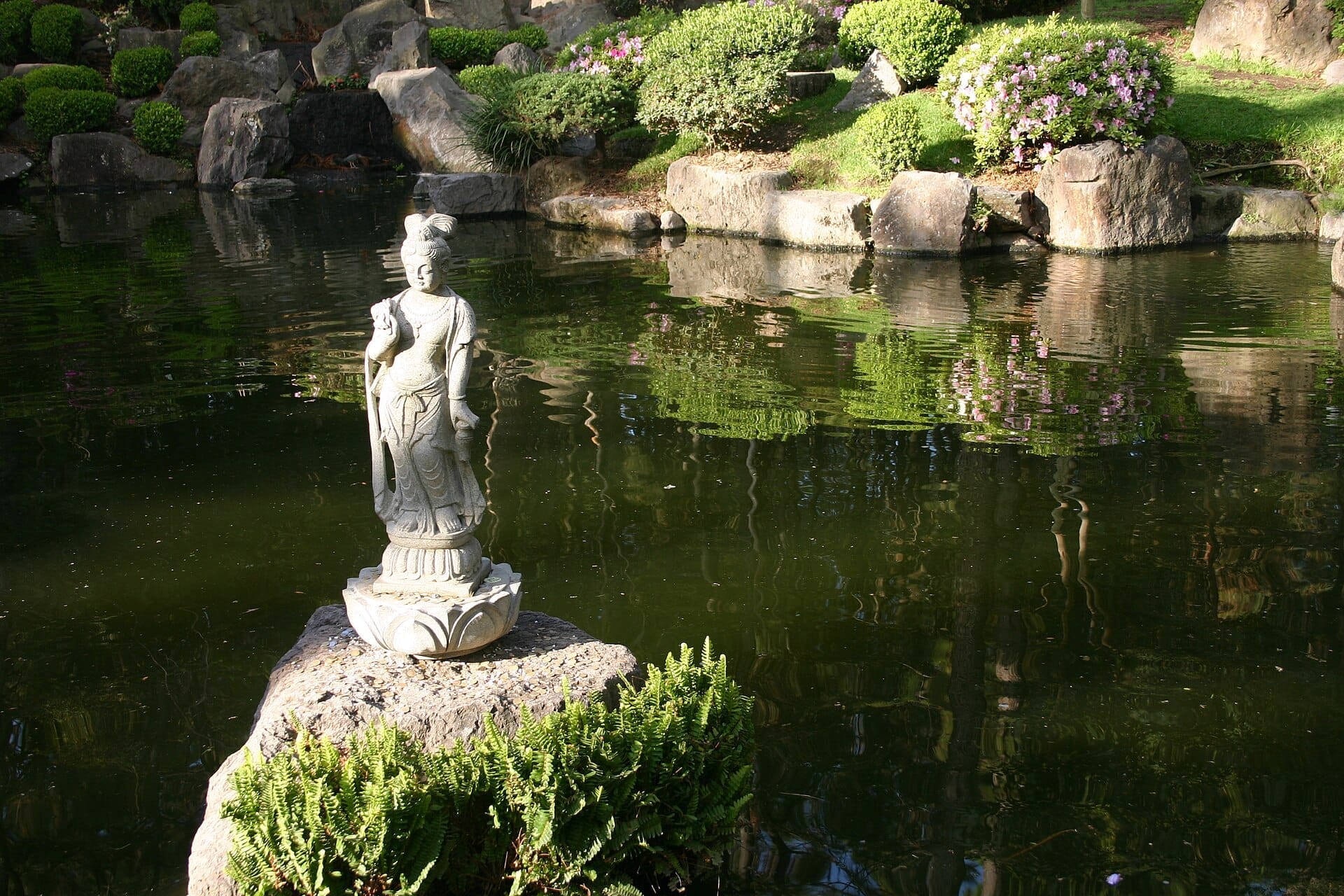
Tucked inside the 93-hectare urban forest of Bosque Los Colomos, the Jardín Japonés is a formal Japanese-style garden donated by the people of Kyoto in 1994. It offers koi ponds, stone lanterns, arched bridges, and the kind of deliberate stillness that is genuinely hard to find in a city of over 1.5 million people.
Quick Facts
- Location
- C. El Chaco 3200, Guadalajara, Jalisco 44630, Mexico
- Getting There
- Plaza Patria light-rail station on the SITEUR Line 3 (approx. 30‑min walk west along Av. Patria)
- Time Needed
- 45–90 min for the Japanese Garden; 2–3 hrs to explore Bosque Los Colomos fully
- Cost
- Free or very low-cost entry to the park; confirm current fees on arrival or at bosquecolomos.org.mx
- Best for
- Peaceful morning walks, photography, families, nature lovers
- Official website
- http://www.bosquecolomos.org.mx
What the Jardín Japonés Actually Is
The Japanese Garden at Bosque Los Colomos, officially the Jardín Japonés del Bosque Los Colomos, is a formal garden built in the Japanese aesthetic tradition and donated to Guadalajara by the people of Kyoto in 1994. It exists as a symbol of the friendship between the two cities, and the design reflects that intent: the layout is deliberate, the plantings are carefully shaped, and every element from the stone lanterns to the arched footbridges communicates a philosophy of balance. It is not a theme park recreation of Japan. It is a genuine exercise in Japanese garden design principles applied to a Mexican highland setting.
The garden sits within Bosque Los Colomos, a protected urban forest covering roughly 92–93 hectares on the northwestern edge of Guadalajara, near the Providencia area and the border with Zapopan. The forest itself contains walking and cycling trails, open lawns, and a small equestrian area. The Japanese Garden occupies a compact but clearly defined portion of the park and feels noticeably different from the rest of the forest: the vegetation is groomed, the ground surfaces change from dirt paths to stone, and the ambient noise drops further. Even on weekends when the wider park draws families with children and cyclists, the garden tends to stay comparatively calm.
💡 Local tip
The park is generally open from 7:00 AM to 7:30 PM daily, though hours can occasionally change for maintenance or events. Check bosquecolomos.org.mx or call ahead before planning an early morning or evening visit.
The Experience: What You See and Feel Inside
Entering the Japanese Garden, the first thing that registers is the sound — or the relative absence of it. Traffic noise from the surrounding Providencia streets fades behind the tree canopy. The air is noticeably cooler than the surrounding city streets, especially in the morning, when mist can settle low between the plants and the surface of the koi pond reflects the sky without interruption.
The koi pond is the garden's visual anchor. The fish are large, unhurried, and accustomed to visitors pausing at the water's edge. Stone lanterns are placed at intervals along the path, and a traditional arched bridge crosses part of the pond. The bridge is narrow enough that visitors pass one at a time, which naturally slows movement through the space. Moss-covered stones and carefully maintained shrubs line the paths, and several mature trees provide dense shade during the warmer months.
The garden's footpaths include steps and uneven stone surfaces, which gives the space texture but also means it is not comfortably navigable for visitors with limited mobility. There are no published accessibility provisions such as ramps or adapted routes. If mobility is a concern, it is worth contacting park administration in advance through the official website.
Tickets & tours
Hand-picked options from our booking partner. Prices are indicative; availability and final rates are confirmed when you complete your booking.
Lake Chapala and Ajijic guided tour from Guadalajara
From 68 €Instant confirmationFree cancellationGuadalajara and Tlaquepaque guided tour
From 73 €Instant confirmationFree cancellation
How the Experience Changes by Time of Day
Early morning, between 7:30 and 9:00 AM, is when the Japanese Garden is at its most photogenic and its quietest. The light filters low and directional through the canopy, the koi are active near the surface, and almost no one else is there. Joggers and dog walkers pass through the wider forest at this hour but rarely linger in the garden itself. This is the window that rewards an early alarm.
Midday brings more visitors, particularly on weekends. Families with small children often stop at the pond, and the garden can feel more social than contemplative between roughly 11:00 AM and 2:00 PM. On weekdays, midday is still relatively quiet. Late afternoon, around 4:00 to 6:00 PM, offers a second window of softer light and fewer crowds, though the garden begins to feel more shadowed as the sun descends behind the forest canopy.
ℹ️ Good to know
During Guadalajara's rainy season (roughly June to September), the garden is especially lush but paths can become slippery. Wear closed-toe shoes with grip. A light rain jacket is useful for afternoon visits when brief downpours are common.
Historical and Cultural Context
The 1994 gift from Kyoto was not an isolated gesture. Guadalajara has cultivated international cultural relationships through its status as a recognized creative city and as western Mexico's primary metropolitan center. Understanding the garden requires knowing something about the host forest: Bosque Los Colomos developed as an urban forest around historic water infrastructure used to supply Guadalajara and has long functioned as a protected green space for the city. The forest as a public park has existed for decades, and the Japanese Garden was integrated into this mature landscape rather than built from scratch on bare ground. This is why the trees surrounding the garden have the scale and density they do. For more on how Guadalajara's public spaces fit together, the Bosque Los Colomos main attraction page covers the broader forest experience in detail.
Guadalajara and Kyoto are both designated UNESCO Creative Cities (Guadalajara for Media Arts and Kyoto for Crafts and Folk Art). The Japanese Garden serves as a physical expression of that cultural alignment. The design follows principles found in traditional Japanese stroll gardens (kaiyū-shiki teien), where movement through the space reveals changing compositions: the pond viewed from the bridge looks different from the pond viewed from the far bank, and neither perspective is more correct than the other. The garden invites slow movement, which is something most visitors in a city park are not initially inclined toward.
Practical Walkthrough: Getting There and Getting Around
Bosque Los Colomos is located at C. El Chaco 3200 in Colonia Providencia, a northern residential neighborhood in Guadalajara. The nearest light-rail station on the SITEUR network is Plaza Patria, which is approximately a 30-minute walk west along Avenida Patria. Ride-hailing apps including Uber and DiDi operate in Guadalajara and provide a direct, lower-cost alternative to taxis. Driving is possible and parking is available near the park entrance, though spaces fill quickly on weekend mornings. For context on getting around the city by public transport, the guide to getting around Guadalajara covers SITEUR routes, BRT lines, and ride-hailing options in detail.
Once inside the park, the Japanese Garden is clearly signposted. The path from the main entrance takes roughly 10–15 minutes on foot through the forest. The terrain between the entrance and the garden is mostly flat and packed dirt. Bring water, especially during warmer months (April to June sees average highs around 30–32°C). Sunscreen matters on the open forest paths even when the garden itself is shaded.
The park has restroom facilities, and there are typically vendors near the entrance selling snacks and drinks. If you plan to explore the wider forest after the garden, the full loop of the Bosque takes around 90 minutes at a comfortable walking pace. The park also contains areas suitable for picnicking. For ideas on combining this visit with others nearby, see the things to do in Guadalajara overview.
Photography Notes
The koi pond is the primary subject and most rewarding in early morning light or during overcast conditions, when the water surface is calm and the reflections are cleanest. Midday sun creates harsh shadows under the stone lanterns and washes out the green tones of the moss and shrubs. A polarizing filter, if you shoot with a camera that accepts one, significantly improves water surface shots by reducing glare.
The arched bridge frames well when photographed from the bank at water level. Getting low requires crouching on stone steps, so knee-level flexibility helps. During the rainy season, wet stone and droplets on leaves add texture that photographs particularly well in diffuse post-rain light. Smartphone cameras handle the garden adequately in good light but struggle with the dynamic range between shaded paths and bright sky openings.
Who Will Enjoy This — and Who Might Not
The Japanese Garden suits visitors who are willing to slow down. It rewards patience and observation in a way that high-intensity attractions do not. Visitors primarily motivated by dramatic architecture, major historical monuments, or interactive exhibits may find the garden underwhelming. Guadalajara's Hospicio Cabañas and the Guadalajara Cathedral offer the kind of scale and historical weight that the garden deliberately does not attempt.
Visitors with limited mobility should approach with realistic expectations. The garden's stone steps and uneven paths are part of its character but present real obstacles. Visitors traveling with strollers will find certain sections difficult. The wider forest paths in Bosque Los Colomos are more accessible for wheeled mobility, but the garden interior is not.
For families with children who have energy to burn, the garden works best as part of a longer Bosque Los Colomos visit where kids can run along the open forest paths before or after. The koi pond genuinely delights younger children. Guadalajara has dedicated family attractions worth considering alongside this, including the Guadalajara Zoo and the Trompo Mágico interactive museum.
Insider Tips
- Visit on a Tuesday or Wednesday morning to experience the garden at its emptiest. Weekend mornings draw the most visitors to the wider park, even if the garden stays calmer than the open lawns.
- The koi in the pond are accustomed to people. If you stand still at the water's edge for a minute or two rather than approaching quickly, they will gather near the surface and the photographs are noticeably better.
- Bring a light jacket even in warm months. The forest canopy combined with the water features creates a microclimate several degrees cooler than the surrounding Providencia streets, and it can feel cold in the shade after exercise.
- The park is surrounded by the Providencia neighborhood, which has good cafés and restaurants along nearby streets. Plan a coffee stop after your visit rather than before — the return walk works well as an appetite opener.
- During the rainy season (June–September), afternoon thunderstorms typically arrive quickly after 3:00 PM. If you arrive at midday and the sky is building clouds to the east, finish the garden before 2:30 PM or wait out the rain in the park's covered areas near the entrance.
Who Is Japanese Garden — Bosque Los Colomos For?
- Photographers looking for reflective water, shaped greenery, and morning light in a low-traffic setting
- Visitors who want a genuine break from urban noise mid-trip without leaving the city
- Families with young children who respond to koi ponds and shaded walking paths
- Travelers interested in the cultural relationship between Guadalajara and Kyoto
- Anyone building a budget itinerary who wants a high-quality natural space without admission cost
Nearby Attractions
Combine your visit with:
- Ajijic (Lake Chapala Village)
Ajijic sits on the north shore of Lake Chapala, about an hour south of Guadalajara. With pre-conquest roots, cobblestone streets lined with art galleries, and one of Mexico's largest expat communities, it offers a completely different pace from the city. There is no admission fee to visit, and the town is accessible year-round.
- Bosque de La Primavera
Just 12 km west of Guadalajara, Bosque de La Primavera is a 30,500-hectare protected forest area offering hiking, birdwatching, hot springs, and rare ecological zones. It is one of the few places near a major Mexican city where you can genuinely disconnect from urban noise within 30 minutes.
- Bosque Los Colomos
Spanning roughly 92 hectares in northwestern Guadalajara, Bosque Los Colomos is a protected urban forest with ponds, pine-scented trails, and a Japanese garden donated by the city of Kyoto. Admission is free, and the park draws everyone from pre-dawn joggers to Sunday families.
- Agave Fields of Tequila (UNESCO Landscape)
The Agave Landscape and Ancient Industrial Facilities of Tequila is one of Mexico's most significant UNESCO World Heritage Sites, covering 34,658 hectares of blue agave fields, volcanic foothills, pre-Columbian terraces, and historic distilleries in Jalisco. Located roughly 67 km (about 42 km as the crow flies) northwest of Guadalajara, it is both a working agricultural landscape and a layered record of 2,000 years of human culture.