Zoológico Guadalajara: What to Know Before You Visit
Opened in March 1988 and spread across 50 developed hectares above the Barranca de Huentitán, Zoológico Guadalajara is one of Latin America's larger urban zoos. With 392 species, a roughly 70-meter elevation drop through the grounds, and a 280-hectare ecological reserve next door, it rewards more than a quick afternoon visit.
Quick Facts
- Location
- Av. Paseo del Zoológico 600, Colonia Huentitán el Alto, Guadalajara, Jalisco
- Getting There
- Macrobús (BRT) toward 'Mirador' – alight at 'Zoológico' station on Calzada Independencia Norte
- Time Needed
- 3–5 hours; a full day if you explore the ecological reserve trails
- Cost
- Children under 2 free; child (ages 3–11) and adult rates apply. Verify current MXN prices at zooguadalajara.com.mx before visiting
- Best for
- Families, wildlife enthusiasts, and anyone wanting a half-day escape from the city center
- Official website
- zooguadalajara.com.mx
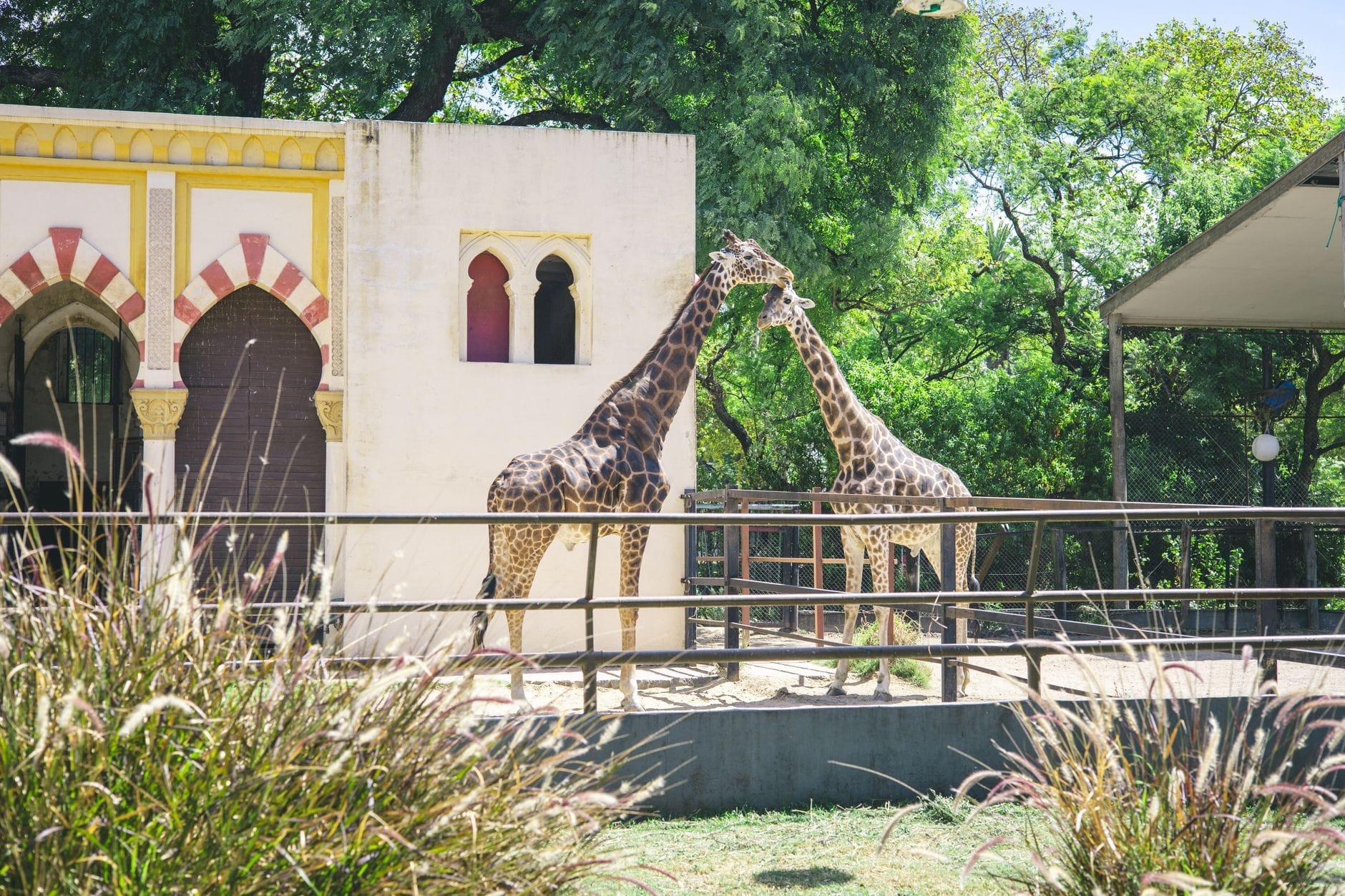
What Zoológico Guadalajara Actually Is
Zoológico Guadalajara is the official municipal zoo of Guadalajara, Jalisco, Mexico, operated as a decentralized public body of the city's government. It was inaugurated on 10 March 1988 by President Miguel de la Madrid and opened to the paying public on 25 March of the same year. In the decades since, it has grown into one of the most significant zoological collections in western Mexico, housing 3,885 individual animals from 392 species, including mammals, birds, reptiles, amphibians, and fish in significant numbers.
The zoo occupies 50 developed hectares within Parque Natural Huentitán, in the northern reaches of the city. What makes its footprint unusual is the landscape: the grounds are not flat. A 70-meter elevation difference separates the main entrance from the far end of the park, meaning a visit here involves real walking across terrain shaped by the canyon edge of the Barranca de Huentitán. Beyond the zoo's developed hectares, the institution is associated with about 280 hectares of ecological reserve in that same barranca. For context, that canyon is one of the most dramatic natural features in the Guadalajara metro area.
ℹ️ Good to know
The zoo is generally closed on Mondays. Standard hours are Tuesday through Sunday, 10:00–18:00, but you should verify any seasonal or holiday variations on the official site before visiting. Plan to arrive no later than 13:00 if you want to cover the full grounds before closing.
Getting There: Transit, Driving, and the Two Entrances
The zoo sits where Calzada Independencia Norte meets Periférico Norte Manuel Gómez Morin, at the northern edge of the city. By car, take Calzada Independencia Norte in the direction of Mirador Huentitán, cross the Periférico Norte, then turn right onto Paseo del Zoológico to reach the main vehicle entrance. Paid parking is available on site.
By public transport, board the Macrobús BRT line in the direction of 'Mirador' on Calzada Independencia Norte and alight at the 'Zoológico' stop. The zoo's official site lists the Macrobús fare as $9.50 MXN per person as a reference, though transit fares are subject to change and you should verify the current rate with SITEUR before travel. From the stop, a pedestrian entrance at Calzada Independencia Norte 4510 provides direct access to the grounds, as indicated on the zoo’s official directions page. This entrance was added in the mid-1990s specifically to serve visitors arriving by public transport and is the most practical option if you are coming without a car.
Ride-hailing apps including Uber and DiDi operate throughout Guadalajara and can drop you at the main entrance. For visitors staying in Centro Histórico or Colonia Americana, the drive typically takes 20–30 minutes depending on traffic on Calzada Independencia. Avoid midday on Sundays, when Calzada Independencia Norte fills with families heading to the same area.
Tickets & tours
Hand-picked options from our booking partner. Prices are indicative; availability and final rates are confirmed when you complete your booking.
Lake Chapala and Ajijic guided tour from Guadalajara
From 68 €Instant confirmationFree cancellationGuadalajara and Tlaquepaque guided tour
From 73 €Instant confirmationFree cancellation
What the Visit Feels Like: Ground-Level Reality
Walk through the main gate before 11:00 on a weekday and the zoo is quiet enough that you can hear bird calls from the aviaries before you see them. The air carries the scent of damp earth and cut grass, amplified by the shade of mature trees that line many of the internal paths. By 12:30 on weekends, the atmosphere shifts entirely: school groups, strollers, and extended families crowd the main walkways, and the food stands near the central area fill up. If the crowd is not part of your ideal experience, Tuesday through Thursday mornings give you the most space.
The 70-meter elevation change is not incidental. You descend gradually from the main entrance toward the lower sections of the park, and the climb back is noticeable, particularly in the afternoon heat. Guadalajara's warmest months typically run from May into early June, when midday temperatures often reach around 30–32°C (86–90°F). Wear shoes with grip, carry water, and if you are visiting with young children or anyone with mobility challenges, factor the terrain into your pacing. There are rest areas along the route, but the path is not uniformly flat or paved.
⚠️ What to skip
The zoo's official rules prohibit flash photography in the aquarium, the penguin area, and the reptile house. Non-flash photography is allowed. Confirm any current restrictions at the entrance on the day of your visit.
The animal collection covers significant geographic range. African savannas, tropical rainforest species, cold-climate birds, and one of the more extensive reptile collections you will find in the region are all represented. The aquarium section holds 131 fish species, which is a meaningful collection by regional standards. The penguin habitat typically draws one of the larger concentrations of visitors, particularly with children.
The Barranca de Huentitán: Why Location Matters
The zoo's position at the lip of the Barranca de Huentitán is not just a geographic coincidence. The barranca is a deep canyon carved by the Río Santiago, and it represents one of the most significant ecological corridors near Guadalajara. Roughly 280 hectares of ecological reserve associated with the zoo extend into this canyon, creating a buffer between the developed zoo grounds and the wild canyon walls below.
For visitors with more than a casual interest in the barranca itself, the Barranca de Huentitán offers separate hiking trails that descend into the canyon. The viewpoint at the mirador above gives a sense of the canyon's scale: walls dropping on the order of 500–600 meters to the river below. The zoo and the barranca together make Huentitán one of the few parts of Guadalajara where the city's urban fabric meets genuinely wild terrain within the same afternoon.
Practical Details: Weather, Crowds, and What to Bring
Guadalajara's rainy season runs from June through September, with July and August typically the wettest months. Rain usually arrives in the afternoon as short, heavy showers. If you are visiting during this period, arrive early and plan to finish by early afternoon, or bring a lightweight rain layer. The zoo's canopy coverage provides some shelter, but lower-lying paths can get muddy after heavy rain.
Outside rainy season, November through March offers some of the most comfortable visiting temperatures, with typical lows around 6–8°C overnight and afternoon highs near 24–25°C. Morning starts can feel cool, so a light layer for the first hour is useful in winter months. December and January are dry and clear, making them among the most pleasant months for extended outdoor time in the park.
Ticket pricing is tiered by age, with children under 2 entering free, children aged 3–11 paying a child rate, and adult tickets applying from age 12. Exact current prices in MXN are published on the official site and should be verified before your visit, as they are updated periodically. For families looking to stretch their budget across multiple Guadalajara attractions, the zoo pairs well with a visit to the nearby mirador and barranca trails, both of which carry no entrance fee. More context on managing costs across the city can be found in a dedicated Guadalajara on a budget guide.
Who This Attraction Is Best For (and Who Might Skip It)
Zoológico Guadalajara works well for families with children who want more than an afternoon in a plaza. The combination of scale, variety of species, and physical terrain gives it staying power for kids from toddler age through early teens. Wildlife enthusiasts who travel with specific taxonomic interests will find the reptile and fish collections worth the visit, even allowing for the reality that this is a municipal zoo, not a specialist research institution.
Visitors whose primary interest is Guadalajara's cultural and architectural heritage may find the zoo a lower priority against sites like Hospicio Cabañas or the Museo Regional de Guadalajara. If you have two or three days in the city and are focused on history, art, and urban exploration, the zoo competes with a lot. But if you are traveling with children, have an extra day, or want to connect the zoo visit with the barranca hike, the logistics make sense.
Visitors with significant mobility limitations should approach with realistic expectations. The terrain is steep in sections, the paths are long, and not all areas of the 50-hectare grounds are easily navigable with wheelchairs or strollers on difficult surfaces. Confirm current accessibility facilities directly with the zoo before your visit.
Solo travelers or couples without children looking for compact cultural experiences will likely find the zoo less central to a 3-day Guadalajara itinerary unless wildlife is a specific draw. The time investment of 3–5 hours is real, and the northern location means a dedicated trip rather than a quick add-on to a downtown afternoon.
Insider Tips
- Arrive at opening time (10:00) on a Tuesday or Wednesday morning for the quietest conditions. Weekend afternoons bring dense family crowds, especially near the penguin and primate areas.
- The pedestrian entrance on Calzada Independencia Norte 4510 is faster for Macrobús users than walking from the main gate on Paseo del Zoológico. Use it to save 10 minutes of road-side walking.
- The elevation drop from entrance to the zoo's lower sections is gradual going down but noticeable returning up. Pace yourself and save energy for the climb back, especially if visiting in warm months.
- Combine your visit with the Barranca de Huentitán mirador and trails, which are accessible from the same general area. The barranca trails add a completely different dimension to the day without additional admission cost.
- Internal food options exist within the zoo, but quality and variety are limited. Bringing snacks and sufficient water is practical, especially for full-day visits with children during warmer months.
Who Is Zoológico Guadalajara For?
- Families with children aged 3–12 looking for a full half-day or full-day activity
- Wildlife and reptile enthusiasts wanting to survey a large, diverse regional collection
- Visitors combining a zoo trip with the Barranca de Huentitán trails for a full nature day
- Travelers visiting in winter (November–February) when conditions are dry and temperatures are comfortable for long outdoor walks
- Anyone seeking a destination that gets them out of the historic center and into Guadalajara's northern natural landscape
Nearby Attractions
Other things to see while in Huentitán & Barranca de Oblatos:
- Acuario Michin Guadalajara
Acuario Michin Guadalajara is the city's main aquarium, home to nearly 10,000 live organisms across multiple themed exhibits. Located near Parque Alcalde in central Guadalajara (Mezquitán / Zona Centro), it opened in 2017 after a construction investment of close to 300 million Mexican pesos and draws a wide range of visitors, from families with young children to marine-life enthusiasts.
- Barranca de Huentitán (Barranca de Oblatos)
Barranca de Huentitán (officially Barranca de Oblatos) is a protected 1,136-hectare canyon on Guadalajara's northeastern edge, carved by the Río Grande de Santiago to a depth of roughly 500–600 meters at its deepest points. Access is free, the hiking is demanding, and the scale of the landscape is unlike anything else within the city limits.
- Parque Mirador Independencia
Perched at the northern terminus of Calzada Independencia Norte, Parque Mirador Independencia sits at the dramatic rim of the Barranca de Huentitán. The park offers open-air viewpoints, shaded walking paths, and a genuine sense of escape from the city grid, all for free.