Best Things to Do in Guadalajara: The Definitive 2026 Guide
Guadalajara, the capital of Jalisco, is one of Mexico's most rewarding cities for travelers who look beyond the obvious. This guide covers the best things to do in Guadalajara, from the UNESCO-listed Hospicio Cabañas to craft markets in Tlaquepaque, with practical details on timing, pricing, and what to skip.
Plan and book this trip
Tools from our partner Travelpayouts help you compare flights and hotels. If you book through them, we may earn a commission at no extra cost to you.
Flights
Hotels map
TL;DR
- Start in the Centro Histórico where the cathedral, Palacio de Gobierno, and Hospicio Cabañas are all within walking distance of each other.
- Hospicio Cabañas admission is 80 MXN, with free entry every Tuesday — the single best-value cultural experience in the city.
- A day trip to Tequila town or the craft markets of Tlaquepaque are essential if you have more than one full day.
- Visit between November and April for dry, mild weather. Rainy season (June to September) brings daily afternoon showers but fewer crowds and lower prices.
- Check our 3-day Guadalajara itinerary if you want a ready-made schedule that covers the highlights efficiently.
Why Guadalajara Deserves More Than a Weekend
Guadalajara is the capital of Jalisco state and the third-largest metropolitan area in Mexico, with over 5.2 million people across the metro zone. Most travelers arrive expecting colonial architecture and leave surprised by a city that also has a serious contemporary art scene, one of Latin America's most important book fairs, a growing food culture, and neighborhoods like Colonia Americana that feel closer to Buenos Aires than to the Mexico of tourist brochures.
Jalisco is officially recognized as the origin of mariachi music, and tequila production is legally tied to specific regions within the state. These aren't marketing claims — they're protected designations backed by Mexican law and acknowledged by UNESCO, which inscribed mariachi on its Intangible Cultural Heritage list in 2011. That cultural foundation runs through almost everything worth doing here, from the murals in government buildings to the distillery tours about an hour northwest of the city.
ℹ️ Good to know
Guadalajara sits at roughly 1,566 meters (5,140 feet) elevation, so the climate is milder than you'd expect for a Mexican city at 20°N latitude. Average annual temperatures hover around 20-21°C (68-70°F), making outdoor exploration comfortable for most of the year.
The Historic Center: Where to Start and What Not to Miss
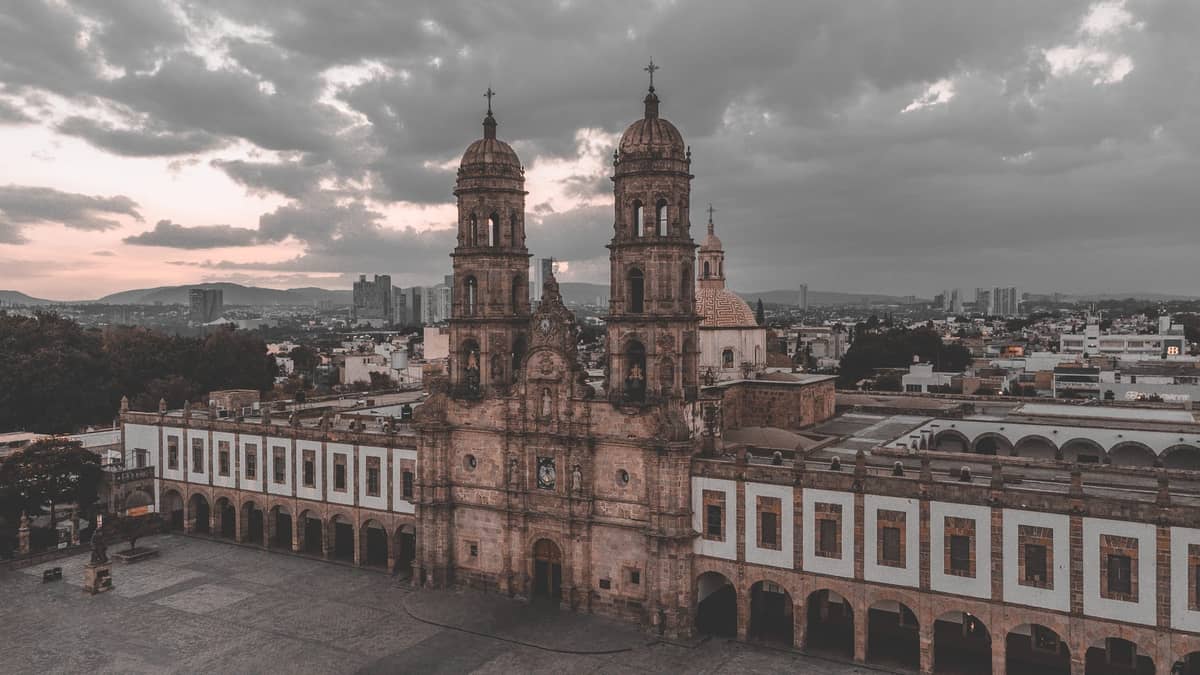
The Centro Histórico is compact enough to cover on foot in a single day, but it rewards slower exploration. The logical starting point is the Guadalajara Cathedral, whose twin yellow towers have become the city's most recognizable image. Construction began in 1558 and the building has been modified and rebuilt repeatedly since — the current Neo-Gothic towers date from after an 1818 earthquake. Entry is free.
A short walk east brings you to the Palacio de Gobierno, home to two of José Clemente Orozco's most powerful murals, including his monumental depiction of Miguel Hidalgo holding a torch above a crowd. These murals are free to view during government building hours and rank among the finest examples of Mexican muralism outside Mexico City. From there, continue east across Plaza Tapatía toward the Hospicio Cabañas.
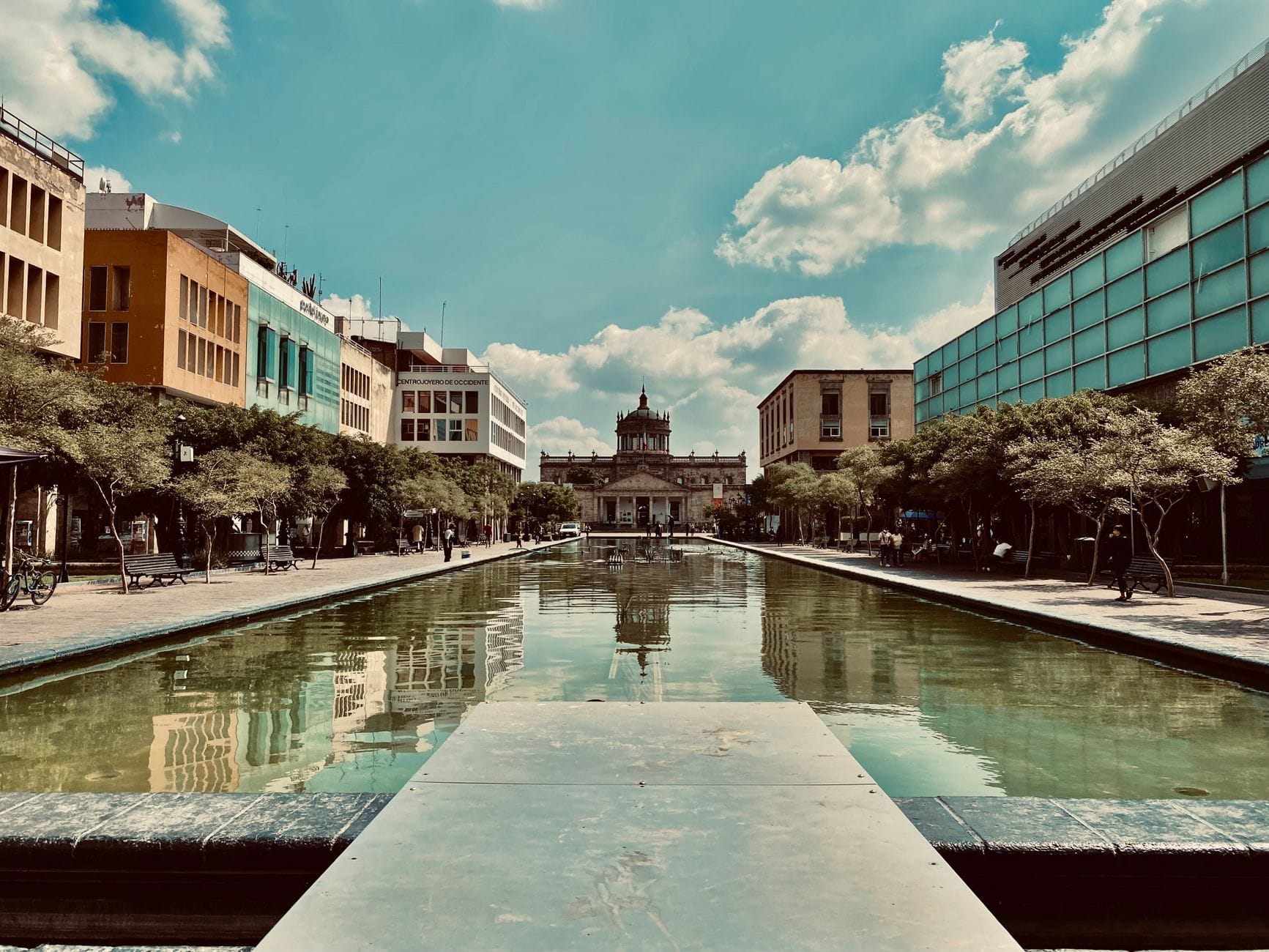
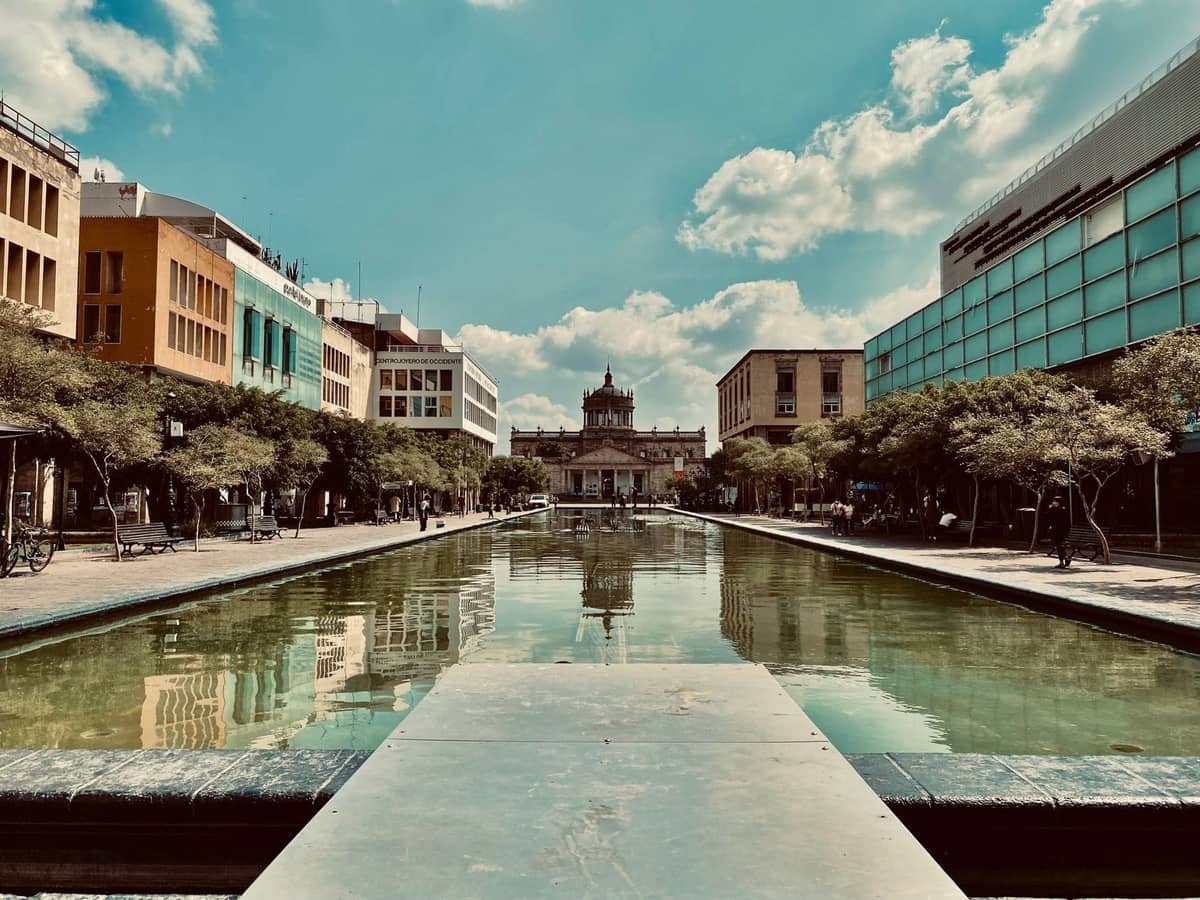
The Hospicio Cabañas is the crown jewel of the Centro and a UNESCO World Heritage Site. Built as a hospice in the early 19th century, it houses Orozco's most ambitious work: 57 murals covering the walls and ceiling of the main chapel. The central dome painting, 'El Hombre de Fuego' (The Man of Fire), is one of the defining images of 20th-century Latin American art. Admission is around 80 MXN; entry is free every Tuesday. Open Tuesday through Sunday, approximately 10:00 to 18:00.
- Guadalajara Cathedral Free entry. The twin towers and main nave are open to visitors during non-service hours. Arrive early or after 16:00 to avoid tour groups.
- Palacio de Gobierno Free entry. Orozco's murals are on the main staircase and in the congress chamber. Open on weekdays during office hours.
- Hospicio Cabañas Around 80 MXN general admission; free on Tuesdays. Budget at least 90 minutes here — the ceiling murals require time to process.
- Teatro Degollado Exterior viewing is free. Performance tickets vary by event; check the Secretaría de Cultura Jalisco website for the current schedule.
- Rotonda de los Jaliscienses Ilustres Free. The circular monument surrounded by columns sits directly north of the cathedral and is a good orientation landmark.
💡 Local tip
Tuesday is the best day to visit Hospicio Cabañas if you're watching your budget — free entry applies to all visitors, not just locals. The site is rarely overcrowded on weekday mornings, and the light inside the chapel is best before noon.
Neighborhoods Worth Exploring Beyond the Tourist Core
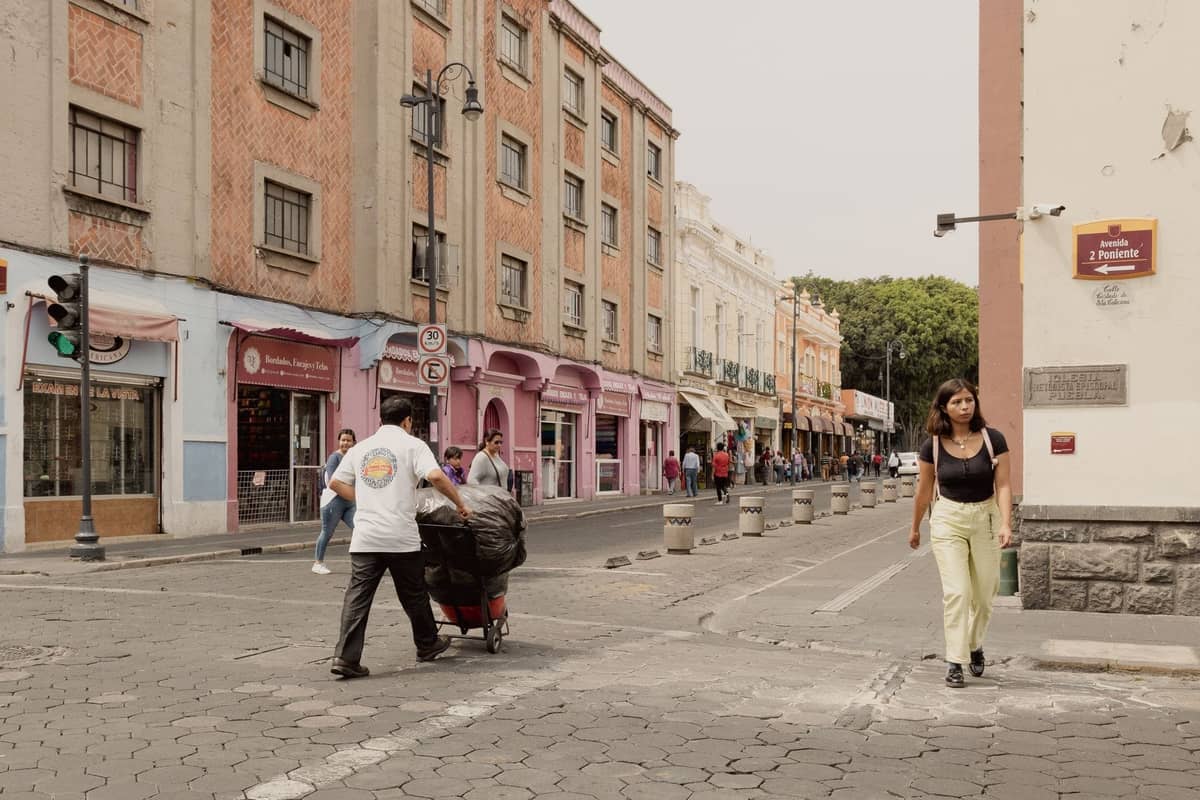
Once you've covered the Centro, the most rewarding next step is Colonia Americana, roughly 2 km west of the cathedral. The neighborhood has a concentration of independent restaurants, coffee shops, bookstores, and bars along streets lined with early 20th-century architecture. Avenida Chapultepec is the main artery, and on Sunday mornings it hosts a pedestrian market stretching several blocks. It's the kind of neighborhood that rewards wandering without an agenda.
North of Colonia Americana, the Chapultepec area transitions into Providencia and eventually Zapopan, where the Basílica de Zapopan draws large crowds during the October pilgrimage season. The basilica itself dates from the 18th century and houses the image of Our Lady of Zapopan, which is paraded through the city every October 12th in one of Guadalajara's major annual events.
For green space, Bosque Los Colomos is a large urban park in the northwest of the city with walking paths, a Japanese garden, and a small botanical area. It's where many tapatíos (Guadalajara residents) spend weekend mornings, and it offers a useful contrast to the dense, noisy city center. Entry is free.
Tlaquepaque, Tonalá, and the Craft Market Scene
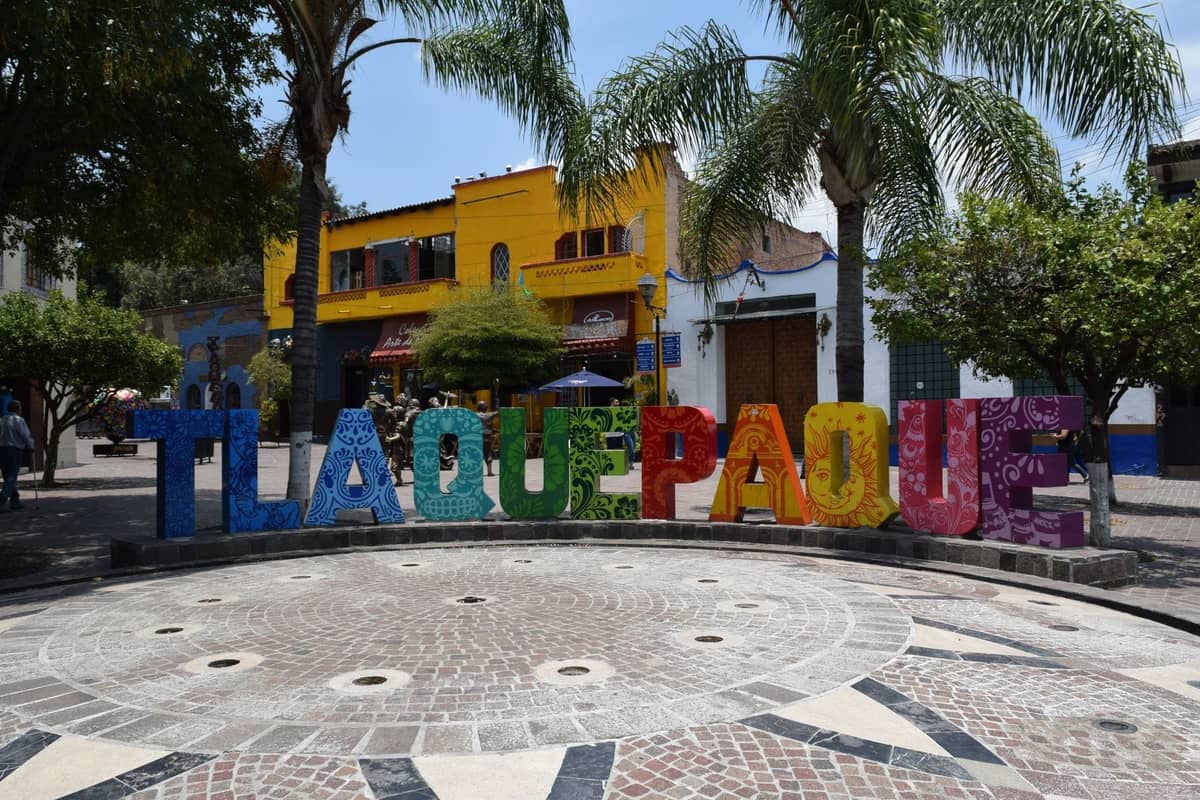
San Pedro Tlaquepaque is technically a separate municipality within the metro area, about 11 km southeast of central Guadalajara. It's designated a Pueblo Mágico and is the best place in the region to buy high-quality Mexican crafts, ceramics, blown glass, and textiles. The pedestrian zone around Independencia and El Parián — a covered market courtyard with restaurants and mariachi performances — is the focal point for most visitors.
Tlaquepaque is worth at least half a day. The Regional Ceramics Museum is free and offers context for what you'll see in the galleries. Quality varies significantly between shops — the best galleries are on and near Calle Independencia, while shops around the main plaza tend to sell mass-produced goods at inflated prices. Learn to tell the difference before you spend money.
Tonalá is about 7–8 km further east and operates on a different rhythm. It's more of a wholesale and production town, with workshops and warehouse-style stores selling furniture, papier-mâché, and talavera ceramics at lower prices than Tlaquepaque. The Thursday and Sunday street markets are the best times to visit, when vendors spread across the main streets for several blocks. It's less polished than Tlaquepaque but better for serious buyers.
⚠️ What to skip
Tlaquepaque's pedestrian zone can feel overwhelmed with tour groups on weekend afternoons between 12:00 and 15:00. If you want to browse without pressure, arrive before 11:00 or after 15:30. Most galleries close around 19:00 or 20:00.
Day Trips: Tequila Town, Lake Chapala, and Beyond
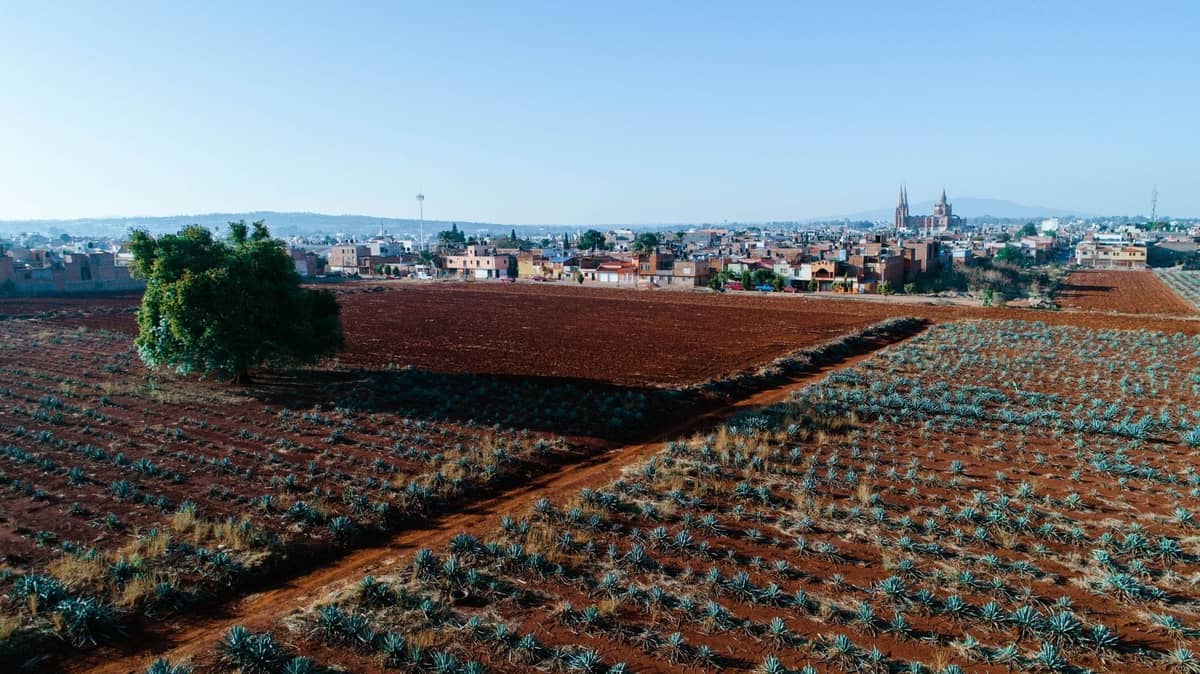
The town of Tequila, about 60 km northwest of Guadalajara, is the most popular day trip from the city and genuinely worth the time. The surrounding landscape of blue agave fields is recognized as a UNESCO World Heritage Site in its own right. Most visitors take a tour that includes distillery visits (Cuervo, Herradura, and Sauza all offer public tours), tasting sessions, and transport. The Jose Cuervo Express is a tourist train that runs on weekends and includes drinks and entertainment — it's festive and social, if not the most educational option.
Lake Chapala is Mexico's largest freshwater lake and sits about 50 km south of Guadalajara. The lakeside town of Chapala and the artist colony of Ajijic are accessible in about an hour by car or bus. The area has a large expat community and a laid-back atmosphere quite different from the city. It's a good option if you want scenery and a slow afternoon rather than culture and history.
For something more unusual, the Guachimontones archaeological site near Teuchitlán, about 55 km west of the city, features circular pre-Columbian pyramids that are unlike anything else in Mexico. The site receives far fewer visitors than it deserves and is easily combined with a stop in Tequila town on the same day.
Food, Markets, and the Local Eating Culture
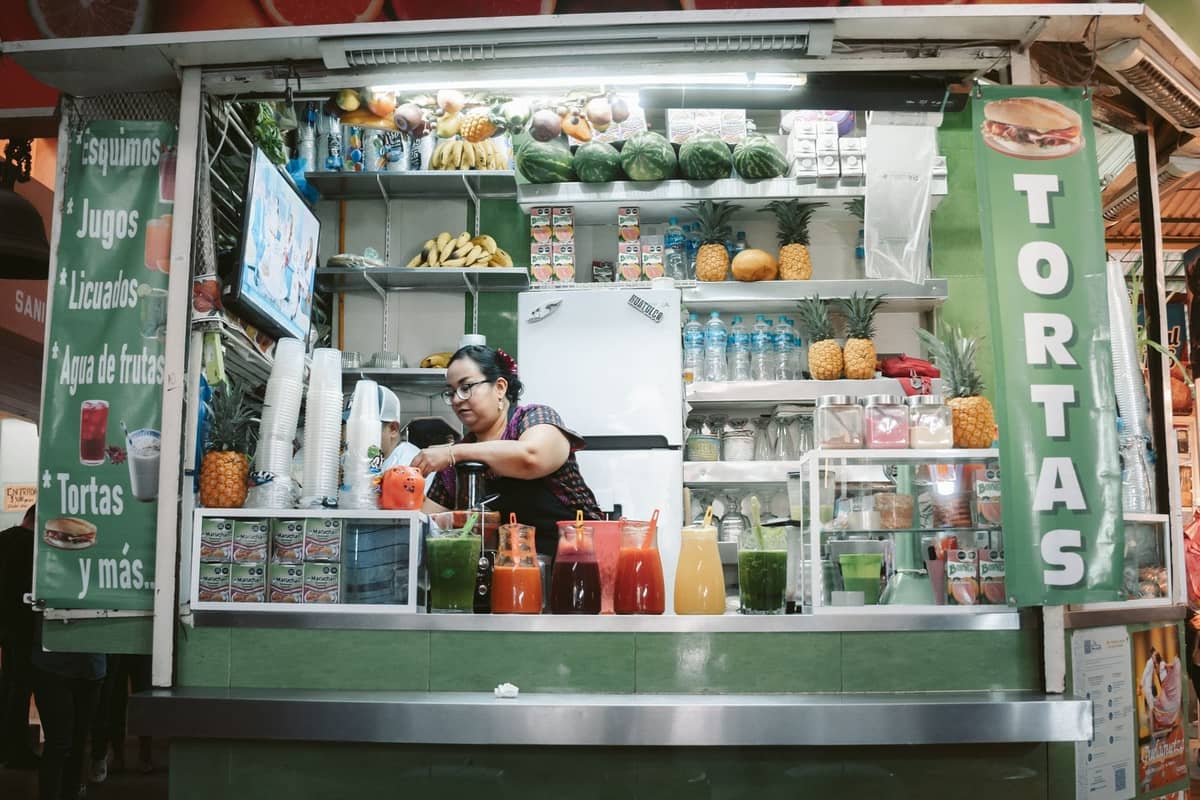
Guadalajara has its own culinary identity that goes beyond generic Mexican food. Birria (slow-braised goat or beef in a chile broth) is the city's signature dish and is served at taquerías throughout the city, especially on weekends. Torta ahogada — a pork sandwich drowned in spicy tomato sauce — is another local staple that visitors either love immediately or find too intense. Both are best eaten at street level, not in tourist restaurants. For an introduction to the Guadalajara food scene, start at a traditional market rather than a restaurant.
The Mercado San Juan de Dios (officially Mercado Libertad) is one of the largest indoor markets in Latin America, with three floors of food stalls, clothing, crafts, and household goods. The ground floor food section is where tapatíos eat birria and pozole for breakfast. It's loud, crowded, and completely authentic — exactly what it should be. Watch your bags in the busier sections.
- Birria: order at a traditional taquería, not a restaurant with English menus. Expect to pay 80-150 MXN for a full serving with consommé.
- Torta ahogada: the original versions come from stands near Mercado Corona and in the Analco neighborhood. Ask for 'media ahogada' if you want only half the sauce.
- Tejuino: a cold fermented corn drink sold by street vendors, often with lime sorbet. Try it once — it's an acquired taste, but it's genuinely local.
- Tequila and mezcal: Colonia Americana has the best selection of craft spirits bars. Skip the airport shops for bottles — downtown liquor stores have better prices and selection.
Practical Logistics: Getting Around and Timing Your Visit
Guadalajara's public transport system covers the main tourist areas reasonably well. The light rail (SITEUR) has three lines and connects the Centro with Zapopan and nearby municipalities, though it does not yet reach central Tlaquepaque. Single fares are low (verify current pricing at the station, as fares are periodically adjusted). For most visitors, a combination of metro and ride-hailing apps covers the city efficiently. Uber and DiDi both operate here; fares to most central destinations run approximately 50-120 MXN depending on distance and time of day. For full details on routes and options, see our guide to getting around Guadalajara.
From Miguel Hidalgo y Costilla International Airport (IATA: GDL), located about 17-20 km from the Centro in Tlajomulco de Zúñiga, authorized airport taxis charge around 350-450 MXN to downtown depending on zone. Uber and DiDi pickups are available at designated areas and typically run 200-320 MXN off-peak. For full airport logistics, the Guadalajara airport guide covers every option in detail.
Peak tourism season runs November through April, when the weather is dry and temperatures are comfortable (average highs around 24-27°C). The rainy season from June to September brings afternoon showers most days, but mornings are usually clear and attractions are less crowded. Late November and early December are when the Feria Internacional del Libro (FIL) takes over the city — one of the largest book fairs in the world — which is worth planning around but also means hotel prices rise. For a detailed seasonal breakdown, see the guide on the best time to visit Guadalajara.
✨ Pro tip
If your budget is tight, Tuesday is the best day of the week in Guadalajara: Hospicio Cabañas is free, most other public museums offer reduced or free admission, and the city's cultural institutions tend to schedule free programming. Pair this with the free Orozco murals at the Palacio de Gobierno and Instituto Cultural for a full day of world-class art at zero cost.
FAQ
How many days do you need in Guadalajara?
Three full days is enough to cover the Centro Histórico, Tlaquepaque, and one day trip (Tequila or Lake Chapala). Five days allows you to add Tonalá, explore neighborhoods like Colonia Americana at a slower pace, and catch an evening at the Teatro Degollado. A single day is possible but leaves you rushed and skipping too much.
Is Guadalajara safe for tourists?
The central tourist areas — Centro Histórico, Colonia Americana, Tlaquepaque, Zapopan — are generally considered safe for travelers exercising normal urban precautions. Avoid displaying expensive electronics openly, use ride-hailing apps rather than hailing taxis on the street late at night, and check current travel advisories from your government's official source before visiting. As with any large city, conditions vary by neighborhood.
What is the best day trip from Guadalajara?
Tequila town is the most popular and easiest to organize, with tours bookable through GetYourGuide or directly with distilleries. The Jose Cuervo Express train runs on Saturdays. Lake Chapala and Ajijic are better for a relaxed afternoon. The Guachimontones pyramids are the best option for those interested in pre-Columbian history and are undervisited enough to feel like a genuine discovery.
When is Hospicio Cabañas free?
Entry to the Hospicio Cabañas (Instituto Cultural Cabañas) is free every Tuesday for all visitors, regardless of nationality. On other days, general admission is 80 MXN. The site is open Tuesday through Sunday, approximately 10:00 to 18:00, and closed Mondays. Verify hours on the official Jalisco government culture portal before visiting, as they may change.
What is Guadalajara most famous for?
Guadalajara is the capital of Jalisco, the state officially recognized as the origin of mariachi music and the primary tequila-producing region in Mexico. The city is also known for the Hospicio Cabañas (a UNESCO World Heritage Site), the Guadalajara International Book Fair (one of the largest in the world), its craft market towns of Tlaquepaque and Tonalá, and a growing reputation as a technology and creative industry hub.