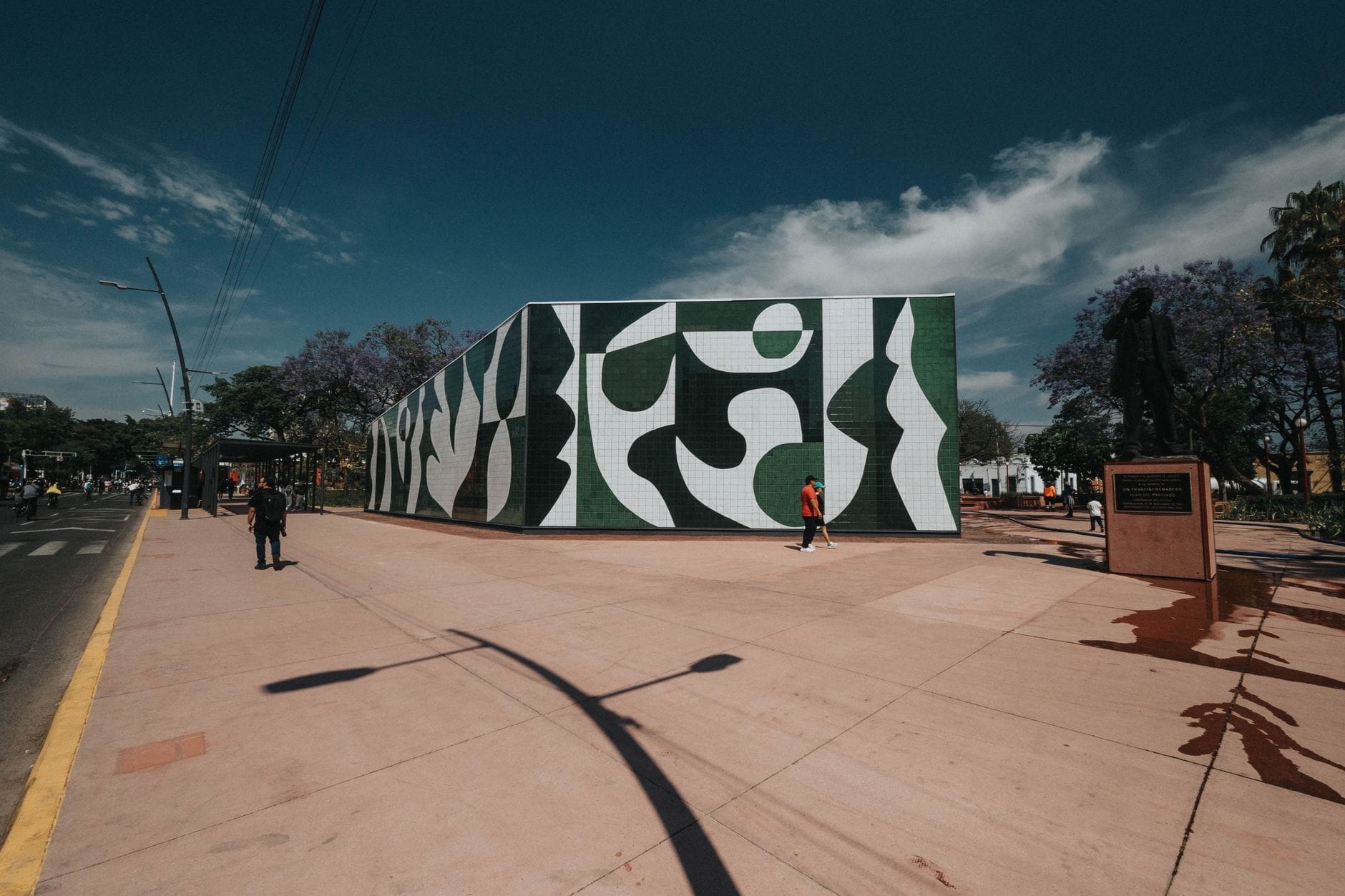
Avenida Chapultepec is one of Guadalajara's most sociable stretches of pavement, a tree-lined north-south corridor where terrace cafés, rooftop bars, artisan weekend markets, and live music venues crowd both sides of the street. Straddling the neighborhoods of Colonia Americana and Lafayette, it functions as the city's informal living room, drawing students, professionals, and visitors into the same few blocks at any hour of the day.
Avenida Chapultepec is the axis around which Guadalajara's modern social life turns: a wide, tree-shaded promenade flanked by cafés, bars, galleries, and restaurants that shift from slow morning cortados to late-night rooftop crowds without ever fully going quiet. It sits in the city's west-central zone, between the architecturally rich Colonia Americana and the residential streets of Lafayette, close enough to downtown to feel connected but distinct enough in character to feel like a different city entirely.
Orientation
Avenida Chapultepec runs north to south for roughly 14 blocks, from Avenida México at its northern end down to Avenida Agustín Yáñez in the south. Its most active section sits around the crossing with Avenida Vallarta, roughly at the midpoint of the avenue. That intersection is the effective heart of the corridor: the point where the pedestrian median widens, the café terraces multiply, and the foot traffic thickens noticeably. To the east lies Colonia Americana, one of Guadalajara's most architecturally textured neighborhoods. To the west are the quieter, more residential streets of Lafayette.
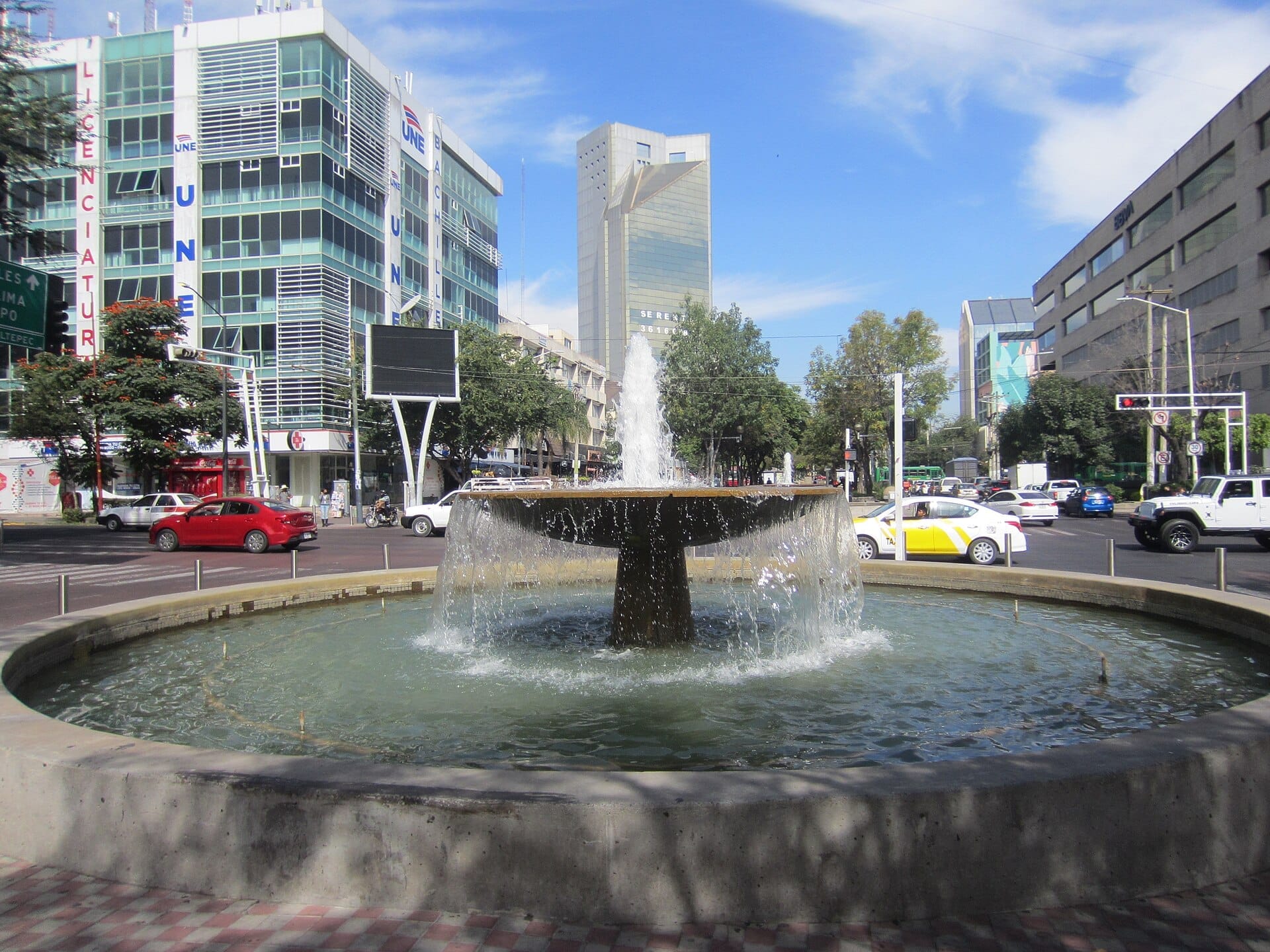
The avenue itself is a north-south arterial, but the neighborhood it anchors bleeds outward in all directions. Side streets running east off Chapultepec toward Avenida Américas contain a secondary layer of restaurants and smaller bars, while the blocks south toward Avenida Niños Héroes take on a calmer, more residential tone. The 92-meter Torre Chapultepec, a high-rise from the 1980s, rises above the rooftops and serves as an easy visual reference point when navigating the area from a distance.
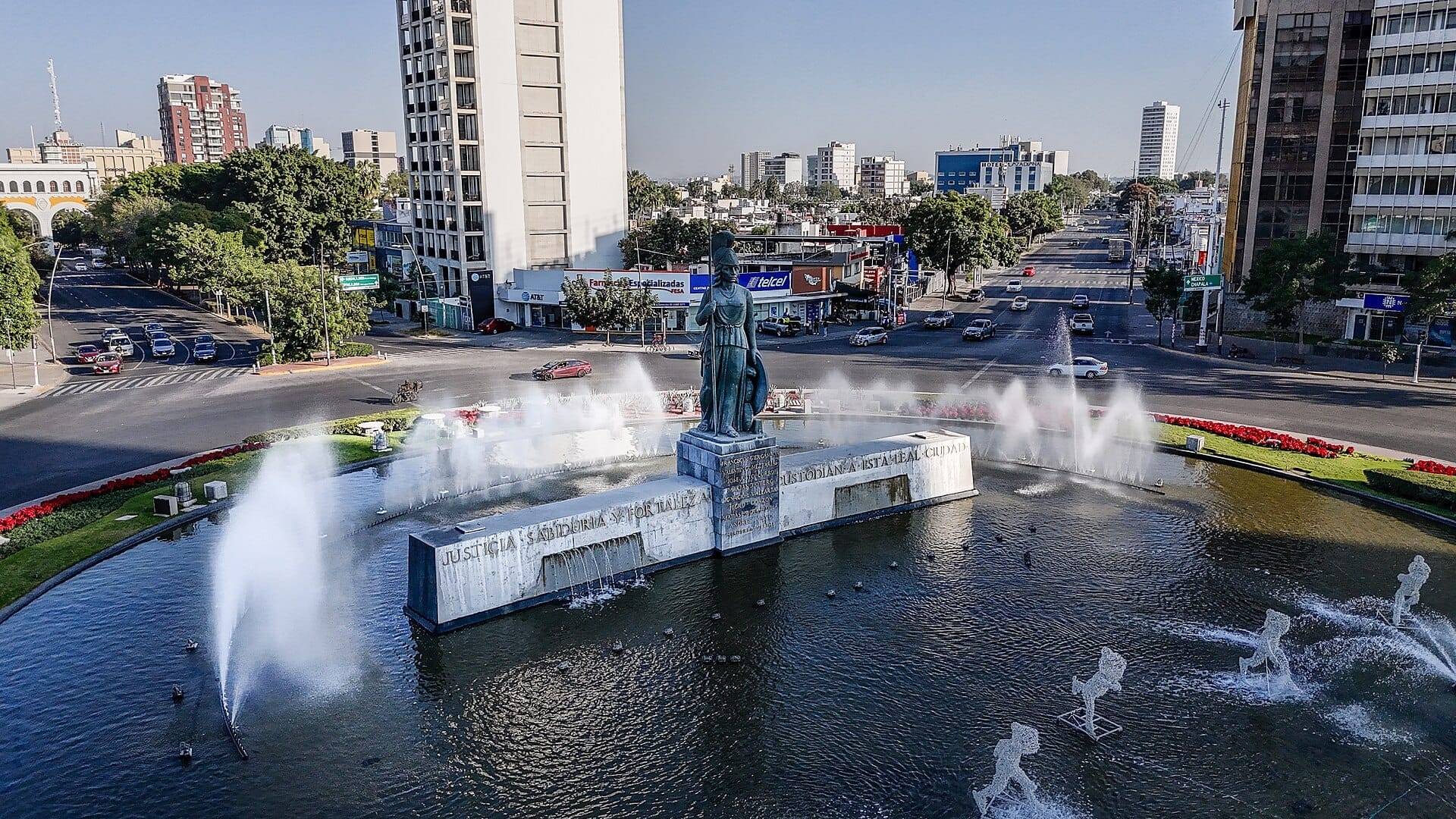
In relation to the wider city, Chapultepec sits roughly two kilometers west of the Centro Histórico, making it a short taxi or bus ride from the Guadalajara Cathedral and the historic plazas. The Glorieta Minerva, the city's most recognizable modern landmark, is located about one kilometer further west along Avenida Vallarta. This positions Chapultepec neatly on the corridor between the colonial core and Guadalajara's contemporary commercial spine.
Character & Atmosphere
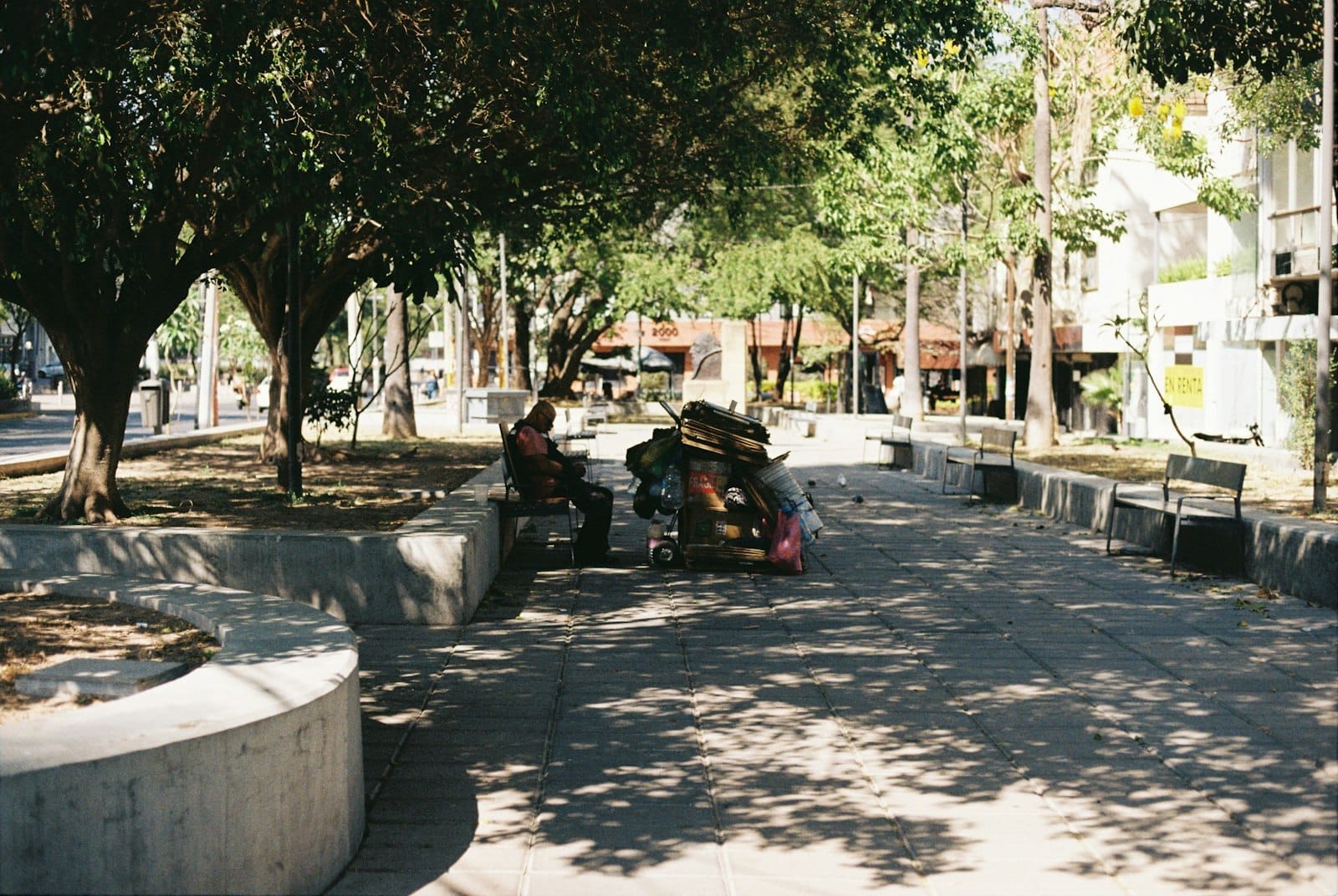
The rhythm of Chapultepec shifts through the day in ways that make it worth visiting at more than one hour. In the morning, the tree-lined central median is largely the domain of dog walkers, joggers, and people cutting through on foot between bus stops. The cafés open early and fill with laptop workers and students from the nearby university faculties, the kind of crowd that stays for two hours over a single order. There is ambient noise from passing traffic on Vallarta, but the thick canopy of the median softens it considerably.
By midday the terrace tables fill with lunchers, and the side streets carry the smell of whatever is grilling nearest the street. The afternoon light filters through the trees at a low angle that makes the whole avenue look better than it has any right to, and the pace slows as the heat peaks around three in the afternoon. This is when the street art and murals on the surrounding buildings get the most attention from pedestrians who are not in a rush.
After dark, especially on Thursday through Saturday evenings, the character changes again. The rooftop bars fill from around nine onwards, music spills from open doorways, and the sidewalk crowds thicken around the Vallarta crossing. This is not a quiet neighborhood at night. The area draws a young, mostly local crowd, and the noise from bars and street performers carries well past midnight on weekends. Travelers who want to observe Guadalajara's social life in its most natural setting will find it here. Travelers who want quiet sleep should look elsewhere.
⚠️ What to skip
Weekend nights around the Chapultepec-Vallarta crossing can get very crowded. Petty theft targeting phones and bags in dense street crowds has been reported in entertainment corridors across Guadalajara. Keep valuables secure and use ride-hailing apps rather than flagging unmarked taxis late at night.
The street art component is worth noting. The blocks around Chapultepec, extending east into Colonia Americana, contain some of the densest concentrations of muralism in the city outside the historic center. Some pieces are large-scale commissions; others are informal additions to building facades and utility boxes. For more on where to find them, the Colonia Americana street art scene extends the route naturally eastward.
What to See & Do
The promenade itself is the main attraction. The central pedestrian median of Avenida Chapultepec is designed for lingering: benches, shade trees, and enough width to accommodate small weekend markets and occasional open-air art installations without feeling cramped. On Saturday and Sunday mornings, artisan vendors set up along the median, selling jewelry, ceramics, leather goods, and handmade clothing. The market atmosphere is informal and the quality varies, but it reflects the creative, independent character of the neighborhood far better than any shopping mall. For a deeper dive into Guadalajara's artisan shopping culture, shopping in Guadalajara covers the full range from Chapultepec to Tonalá.
The gallery scene is small but active. Several independent art spaces operate along and just off Chapultepec, rotating exhibitions of local and regional contemporary work. None of them require advance booking; many are free to enter. A short walk east brings you to MUSA Museo de las Artes at the University of Guadalajara, one of the most significant modern art institutions in western Mexico, housed in a building worth visiting for its architecture alone.
Walk the full length of the median from Avenida México south to Niños Héroes to understand the spectrum from residential calm to nightlife density
Visit on a Saturday or Sunday morning for the artisan market on the central promenade
Look for large-format murals on the building facades on side streets east of the avenue
Check what is showing at independent gallery spaces along the corridor
Catch live music at one of the bars near the Vallarta crossing on a weekday evening when crowds are thinner
The neighborhood also connects easily to wider cultural circuits. Heading east on Avenida Vallarta toward downtown leads to the Templo Expiatorio, the city's Gothic-revival landmark, in about fifteen minutes on foot. Heading north from the Chapultepec-Vallarta intersection reaches the green spaces of Parque Revolución, a neighborhood park popular with students from nearby faculties.
Eating & Drinking
Chapultepec's food scene is one of the most consistently good in Guadalajara, not because it is particularly specialized, but because the density of options means mediocre places do not survive long. The main avenue and its side streets hold everything from taco stands to multi-floor restaurant-bars with wine lists. For broader context on what and where to eat across the city, the Guadalajara food guide covers regional specialties and markets in detail.
Coffee culture is particularly strong here. Independent cafés with single-origin roasts and serious espresso equipment outnumber chain outlets, which is relatively unusual in Guadalajara's western districts. Most open early and stay busy through the late afternoon, functioning as co-working spaces as much as cafés. If you are working remotely from Guadalajara, this neighborhood and its surroundings are among the better places to be based.
The restaurant range along and just off the avenue leans international, though Jalisco classics are well represented. Birria, the slow-cooked meat stew that defines Guadalajara's culinary identity, appears on menus throughout the area, as do tortas ahogadas, the city's signature drowned sandwich. Prices are moderate by Mexican standards: a full meal with a drink at a sit-down restaurant typically runs between MXN 150 and MXN 350 per person depending on the establishment. Street food from carts on the median runs considerably less.
The bar and nightlife density is highest in the two blocks north and south of the Chapultepec-Vallarta intersection. Rooftop bars with city views are a particular feature of this stretch. Many operate from around 4pm onwards and serve food as well as drinks, making them workable for early evening as well as late night. Mezcal and craft beer have both established strong footholds here alongside the mainstream beer-and-spirits offering.
💡 Local tip
For the best combination of atmosphere and manageable noise levels, aim for the terraces between 6pm and 9pm on weeknights. After 10pm on weekends, the area around the Vallarta crossing is loud enough that conversation requires effort.
Getting There & Around
The most practical way to reach Chapultepec from downtown Guadalajara is by metro to Juárez station on Line 1, which sits a short walk east along Avenida Vallarta. From there, the Chapultepec-Vallarta intersection is roughly a five-minute walk west. The city's SITEUR metro system is reliable and inexpensive, making it preferable to road transport during peak hours when Vallarta carries heavy traffic. For a full breakdown of transit options across the city, see the guide to getting around Guadalajara.
Multiple city bus routes cross the area along Avenida Vallarta and Avenida Niños Héroes, including Mi Macro Calzada buses. Bus fares are low and the network is frequent, but routes can be confusing for first-time visitors without a transit app. Ride-hailing via Uber or DiDi is straightforward and widely used: the Chapultepec-Vallarta junction is a well-recognized pickup point that drivers locate without issue.
The area is walkable from Colonia Americana to the east and from the Parque Revolución area to the north. The Glorieta Minerva to the west is about a fifteen-minute walk along Vallarta, and the distance feels comfortable in the cooler parts of the day. During Guadalajara's warm pre-rainy season months of April to June, midday walking on exposed stretches of Vallarta can be uncomfortable; the shaded median on Chapultepec itself is noticeably cooler.
ℹ️ Good to know
The SITEUR metro fare is low and fixed regardless of distance. Keep coins or a transit card handy. The Juárez station on Line 1 is the most practical entry point for the Chapultepec corridor; verify current fares and hours via the SITEUR website before travel as these change periodically.
Where to Stay
Chapultepec and its immediate surroundings make a strong base for travelers who want to be close to the city's social and cultural life without staying in the historic center. The corridor between Chapultepec and the Glorieta Minerva holds a concentration of mid-range and upper-mid hotels, many of which are quieter than the avenue itself because they sit on side streets. For a wider view of accommodation across the city and how this area compares, the guide to where to stay in Guadalajara covers all the main options by neighborhood.
The best blocks for accommodation are those immediately north of the Vallarta crossing, where you are close to the action but can still find buildings set back from the main noise sources. Boutique hotels and apartment rentals have grown in number in this area over the past decade, partly driven by demand from digital nomads and extended-stay visitors. The neighborhood suits travelers who plan to be out exploring most of the day and want good restaurant and bar access in the evenings.
Travelers looking for a quieter base with access to the same food and cultural scene might consider the residential streets of Lafayette, immediately west of the avenue, or the calmer southern end of Chapultepec near Niños Héroes. Those prioritizing proximity to historic monuments and major museums may prefer to stay in or near the Centro Histórico and visit Chapultepec in the evening.
Drawbacks to Know
Chapultepec is not the right base for every traveler. The noise on weekend nights is significant and extends late, which is worth knowing before booking accommodation directly on or within a block of the avenue. The area is also one of the more expensive parts of Guadalajara for both accommodation and food, with prices reflecting the demand from an affluent local clientele as well as visitors.
The corridor itself is relatively short. After a full afternoon of walking and eating, you will likely have covered most of what the avenue has to offer. The real value of the location is in how it connects to the surrounding neighborhoods: Colonia Americana to the east for architecture and art, Lafayette for quieter residential streets, and the Zona Minerva to the west for a different scale of commercial activity. Travelers who want depth of historic content, major museums, or colonial architecture will need to travel east to the center, which is easy enough but requires planning.
As with any entertainment corridor in a large Mexican city, standard urban caution applies at night. The area is well-traveled and well-lit along the main avenue, but side streets with fewer people warrant more awareness after dark. The guide to safety in Guadalajara provides broader context for navigating the city responsibly.
Summary
TL;DR
Avenida Chapultepec is Guadalajara's most active social corridor: a tree-lined promenade flanked by cafés, bars, restaurants, and galleries that draws a predominantly local crowd across all hours of the day.
Best for travelers who prioritize food, nightlife, street culture, and a central-west location with easy metro access to the historic center.
Weekend nights are loud and crowded around the Chapultepec-Vallarta junction; not suitable for travelers seeking quiet evenings or early sleep.
Walking distance from Colonia Americana, the Templo Expiatorio, and the Glorieta Minerva, making it a practical base for exploring the city's west-central zone.
Weekend morning artisan markets on the promenade median and a dense concentration of independent cafés make daytime visits equally rewarding.
Three days is enough to cover Guadalajara's colonial core, its craft-focused suburbs, and a day trip to the town that gave tequila its name. This itinerary is structured around walking distance, public transport, and realistic timing — not nierealnych oczekiwań.
Guadalajara is a stronger museum city than many visitors expect. From the UNESCO-listed Hospicio Cabañas to free contemporary art at MUSA, here are the best museums in Guadalajara, organized by theme so you can plan your time well.
Guadalajara's climate divides cleanly into a dry season and a rainy season, but the best time to visit depends on what you're after. This guide breaks down weather, festivals, crowds, and pricing by season so you can plan with confidence.
Guadalajara sits at the center of one of Mexico's richest regions for day tripping. Within about two hours in any direction you'll find UNESCO World Heritage sites, mountain Pueblos Mágicos, Mexico's largest freshwater lake, and ancient circular pyramids unlike anything else in the country.
Guadalajara rewards budget travelers more generously than almost any city in Mexico. Its historic plazas, colonial churches, world-class murals, urban forests, and street markets are largely free to enter, making it possible to spend days here without opening your wallet.
Guadalajara has one of the most practical urban transport networks in Mexico. This guide breaks down every option — from the MiTren metro to MiBici bike-share — with real prices, route logic, and clear guidance on what to skip.
Miguel Hidalgo y Costilla International Airport (GDL) is Mexico's third-busiest airport, handling over 17 million passengers a year. This guide covers every transfer option from the airport to Guadalajara city center, terminal layouts, facilities, and practical arrival tips so you know exactly what to expect before you land.
Guadalajara's architectural story spans five centuries, from the towering twin spires of its Metropolitan Cathedral to the clean geometric lines of Luis Barragán's early modernist houses. This guide covers the landmark buildings worth your time, how to visit them, and the historical context that makes each one matter.
Day of the Dead in Guadalajara is a multi-week affair that blends pre-Hispanic tradition, Catholic observance, and the city's own Fiestas de Octubre into something far bigger than a single night. This guide covers the best altar displays, cultural events, practical logistics, and common misconceptions so you can experience it properly.
Guadalajara, Jalisco is quietly becoming one of Latin America's most practical bases for remote workers. This guide covers monthly costs, coworking spaces, the best neighborhoods, visa options, internet reliability, and everything else you need to decide if Mexico's second-largest city is right for your nomad setup.
Guadalajara, Jalisco, Mexico hosts some of Latin America's most significant cultural events — a world-class film festival, the largest Spanish-language book fair, October-long celebrations, and a mariachi gathering with deep roots in Jalisco identity. This guide breaks down the full annual calendar with practical detail on timing, crowds, and what actually deserves your attention.
Guadalajara, Jalisco is one of Mexico's most important food cities, home to torta ahogada, birria, carne en su jugo, and jericalla. This guide covers every essential dish, where to find the best versions, what to pay, and how to eat like a local from breakfast through late-night cantina.
Guadalajara, Jalisco's capital, rewards couples with colonial plazas, candlelit Tlaquepaque galleries, agave-field train rides, and one of Mexico's most walkable lake shores. This guide covers the most genuinely romantic experiences in the city, with honest timing advice, neighborhood breakdowns, and booking details.
October is one of Guadalajara's most eventful months, with the citywide Fiestas de Octubre, the lead-up to Día de los Muertos, and weather that finally starts to ease off the rainy season. This guide covers what to expect, what to pack, how to book smart, and which events are worth your time.
Guadalajara, Jalisco, is the cultural capital of mariachi music. This guide covers the best places to hear live performances, how to hire a band, what the International Mariachi Festival involves, and what to expect as a first-time visitor — including honest notes on pricing, crowds, and common misconceptions.
Guadalajara has one of Mexico's most dynamic nightlife scenes, built around world-class tequila bars, craft cocktail lounges, and clubs that run until dawn. This guide covers the best neighborhoods, top venues by category, what things actually cost, and how to navigate the scene like a local.
Guadalajara, Jalisco, Mexico is one of the most affordable major cities in North America for travelers. This guide breaks down real costs for transport, accommodation, food, and attractions, plus timing tips to stretch your pesos further.
Guadalajara and Mexico City are both world-class destinations, but they offer very different experiences. This guide breaks down the key differences in size, cost, climate, culture, and logistics so you can make an informed choice — or plan both.
Guadalajara's Centro Histórico is one of Mexico's most walkable downtown cores, with a chain of linked plazas connecting colonial churches, world-class murals, and a UNESCO World Heritage site within roughly 5 kilometres. This guide gives you a practical route, landmark-by-landmark breakdown, opening hours, and the practical tips you need to do it right.
Guadalajara, Jalisco, Mexico packs a remarkable range of kid-friendly attractions into a compact, navigable city. This guide covers the top family activities, practical logistics, seasonal advice, and honest rankings to help you plan a trip your kids will actually enjoy.
Guadalajara is one of Mexico's largest metropolitan areas and one of the country's most culturally significant cities. But is it worth your trip? This guide cuts through the hype with a clear-eyed look at what the city actually offers, who it suits best, and what to watch out for.
Guadalajara, Mexico is moderately safe for tourists who travel smart. This guide breaks down the real risks by neighborhood, time of day, and transport type, so you can plan your trip with accurate expectations rather than fear or false confidence.
Mexico's largest freshwater lake sits just one hour from Guadalajara, making it one of the most rewarding day trips in Jalisco. This guide covers how to get there independently or on a guided tour, what to do in Chapala and the Pueblo Mágico of Ajijic, honest seasonal advice, and what the tourism brochures tend to leave out.
Guadalajara holds the greatest concentration of José Clemente Orozco murals in the world, anchored by the UNESCO-listed Hospicio Cabañas and the Palacio de Gobierno. This guide covers every major site, what to look for in each fresco cycle, practical visiting logistics, and clear guidance on what to skip.
Guadalajara, Jalisco, Mexico offers one of Mexico's most diverse shopping landscapes — from one of the country's largest indoor markets to artisan towns, high-end malls, and a major shoe district. This guide breaks down where to go, what to buy, and how to avoid overpaying.
The town of Tequila is 60–70 km northwest of Guadalajara and one of the most rewarding day trips in all of Mexico. This guide covers every transport option, the best distillery tours, what the Jose Cuervo Express train actually delivers, and how to avoid the most common tourist mistakes.
Guadalajara, the capital of Jalisco, is one of Mexico's most rewarding cities for travelers who look beyond the obvious. This guide covers the best things to do in Guadalajara, from the UNESCO-listed Hospicio Cabañas to craft markets in Tlaquepaque, with practical details on timing, pricing, and what to skip.
Choosing where to stay in Guadalajara, Jalisco shapes your entire trip. This guide breaks down the city's top neighbourhoods by travel style, with straightforward assessments of what each area delivers, what it lacks, and who it suits best.