El Parián de Tlaquepaque: The Historic Plaza Where Mariachi Fills the Air
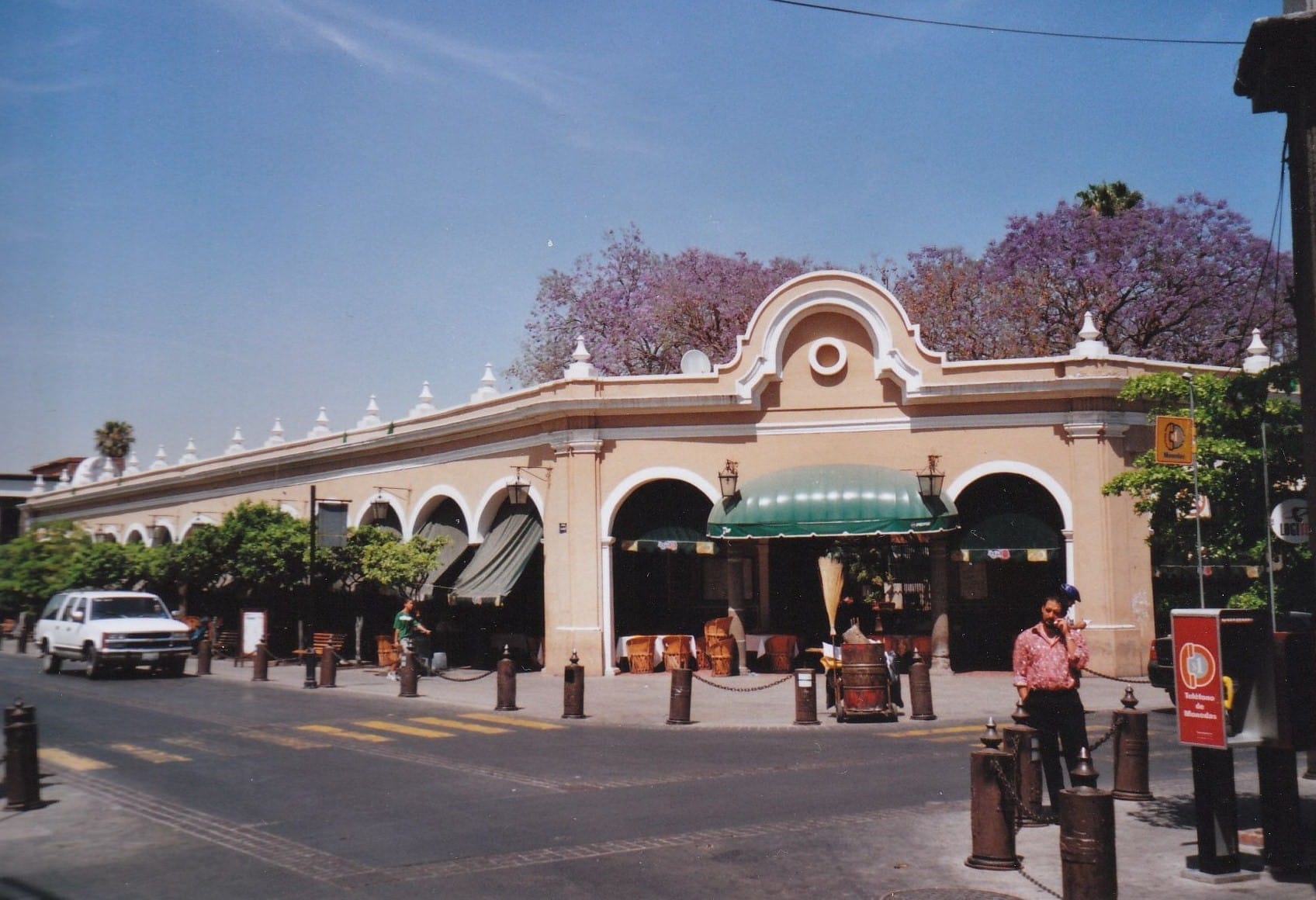
Built in 1878 on the former main square of Tlaquepaque, El Parián de Tlaquepaque is a colonnaded market complex that has reinvented itself as the social heart of one of Guadalajara's most craft-focused neighborhoods. Around 18–19 bars and restaurants wrap around a central kiosk and garden, where mariachi groups perform most evenings. Entry is free.
Quick Facts
- Location
- Juárez 68, Centro, San Pedro Tlaquepaque, Jalisco, Mexico
- Getting There
- Taxi or rideshare from central Guadalajara (approx. 20–30 min); walk a few blocks from Tlaquepaque's pedestrian center
- Time Needed
- 1.5–3 hours; longer if you stay for evening performances
- Cost
- Free entry; pay only for food and drinks at individual venues
- Best for
- Couples, culture lovers, anyone wanting live mariachi in a historic setting
- Official website
- pariandetlaquepaque.com
What El Parián Is — and What It Isn't
El Parián de Tlaquepaque is not a museum, not a shopping mall, and not simply a restaurant. It is a 19th-century colonnaded plaza complex where around 18–19 bars and restaurants share a shared courtyard built around a central kiosk and garden. You walk in from Calle Juárez, find a table at one of the surrounding establishments, order a drink, and let the evening organize itself around you.
The confusion for first-time visitors is that El Parián looks, from the outside, like a single grand building. Inside, it operates as a loose confederation of individually owned venues, each with its own menu, staff, and pricing. What unites them is the shared courtyard where, on most evenings, mariachi groups cycle through in rotation.
This is one of those places that works better when you understand its context. Tlaquepaque, classified as a Pueblo Mágico within the Guadalajara metropolitan area, draws visitors primarily for its artisan craft shops and ceramics. El Parián sits at the cultural center of that experience. If you are already planning a day of shopping along the pedestrian streets of Tlaquepaque, El Parián is the natural place to end the afternoon.
💡 Local tip
Opening hours: Sunday–Thursday 10:00–23:00, Friday–Saturday 10:00–01:00 (complex-wide). Individual venues may vary slightly. Entry is free at all times.
A Brief History: From Tianguis to Tourist Landmark
Construction of El Parián began on 22 July 1878, during the administration of Jacobo Gálvez, on the site of what had been Tlaquepaque's main square. Before the building went up, an informal tianguis, an open-air indigenous market, occupied this ground. The architectural intention was to formalize that commercial activity under covered arcades, a common 19th-century Mexican approach to urban market design.
The word parián itself has roots in colonial Mexico, originally describing commercial market buildings often associated with specific trades. Tlaquepaque's version gradually evolved away from everyday commerce and toward tourism and entertainment over the 20th century, as the neighborhood's reputation for ceramics, glass blowing, and hand-painted furniture attracted buyers from across Mexico and abroad.
Today the building retains its original arcade structure, with arched colonnades framing the open central space. The kiosk at the courtyard's center and the surrounding garden give it the feel of a plaza that happens to have tables and bar service, rather than a restaurant that happens to have a courtyard.
Tickets & tours
Hand-picked options from our booking partner. Prices are indicative; availability and final rates are confirmed when you complete your booking.
Guadalajara and Tlaquepaque guided tour
From 73 €Instant confirmationFree cancellationLake Chapala and Ajijic guided tour from Guadalajara
From 68 €Instant confirmationFree cancellation
The Experience by Time of Day
Morning and Early Afternoon
El Parián opens at 10:00 daily according to its official hours, but arriving before noon makes little practical sense for most visitors. The courtyard is quiet, some venues are still setting up, and the mariachi groups that define the atmosphere haven't started their rounds. If you do come early, the architecture is easier to appreciate without crowds. The stone paving, the painted tile details, and the proportions of the colonnade are genuinely worth a slow look.
Late Afternoon: The Sweet Spot
From around 15:00 onward, the complex starts to feel like itself. Tables fill gradually, the smell of grilled meat and tequila drifts across the courtyard, and the first mariachi groups appear. The light at this hour comes in low through the arched openings on the Juárez side, casting long shadows across the garden. This is arguably the best time to visit: lively enough to feel the energy, but not so crowded that getting a good table requires planning.
Weekend afternoons bring families with children alongside tourists and local couples. The noise level is high but not overwhelming. Conversation is possible. By contrast, Friday and Saturday evenings from 20:00 onward can become genuinely loud, particularly near the kiosk where multiple groups may be performing simultaneously for different tables.
Evening and Night
This is where El Parián earns its reputation. By 20:00 on a weekend, the courtyard is dense with people, the competing sounds of different mariachi groups overlap in a way that is either exhilarating or chaotic depending on your tolerance. Guitarrón bass lines, trumpet calls, and the occasional grito, the sharp vocal exclamation central to mariachi performance, cut across the space. The air carries a mix of wood smoke, grilled corn, and spilled beer.
Mariachi culture in Jalisco runs deep. The state is widely credited by cultural and tourism authorities, including the Jalisco state government and the UNESCO Creative Cities Network, as the birthplace of the mariachi tradition. Spending an evening at El Parián is one way to encounter that tradition outside of a formal performance context. For more background, see our guide to mariachi in Guadalajara.
ℹ️ Good to know
Mariachi groups at El Parián typically perform for tables on request. Tipping the musicians is standard practice after a song or set. Groups rotate between tables throughout the evening.
Navigating the Restaurants and Bars
The 18 establishments share the courtyard but operate independently. Each has its own tables that extend into the shared space, marked loosely by the placement of chairs and signage. Staff will seat you within their zone when you arrive. The menus lean heavily on Jaliscan food: birria, tortas ahogadas, pozole, grilled meats, and a thorough selection of tequila and mezcal.
Prices vary between venues. Establishments closer to the main entrance on Juárez tend to be more tourist-facing in their pricing. Wandering slightly further into the interior of the complex sometimes yields better value. That said, nowhere here is particularly cheap by Tlaquepaque standards. Budget accordingly if you plan to spend several hours.
Vegetarian options exist but are limited. The cuisine is firmly meat-centric, and plant-based visitors will likely be working around the menu rather than with it. If that matters to your group, check menus before committing to a table.
⚠️ What to skip
On busy Friday and Saturday nights, popular tables near the central kiosk fill by 19:00. If a specific spot matters to you, arrive before 18:30 or be prepared to wait.
Getting There and Getting Around
El Parián sits at Juárez 68 in the historic center of San Pedro Tlaquepaque. From central Guadalajara, the most straightforward approach is by taxi or rideshare app (Uber and DiDi both operate in the metro area). The drive takes roughly 20–30 minutes depending on traffic; the route runs south from the city center through streets that tend to clog on weekend evenings.
Local buses also connect Guadalajara with Tlaquepaque, though routes require some research before you go. The public transport network is detailed in our guide to getting around Guadalajara. Once in Tlaquepaque, El Parián is easily walkable from the main pedestrian streets.
Parking exists in the surrounding blocks, but driving on weekend evenings and trying to park near El Parián is frustrating. Rideshare drop-off and pickup directly on Juárez is practical and saves significant time.
Accessibility
At least one establishment within the complex lists disabled access as a feature. However, the courtyard paving is historic and uneven in sections, as is typical of 19th-century Mexican plazas. Visitors using wheelchairs or mobility aids should expect some surface irregularity. No comprehensive official accessibility statement covers the entire complex.
Fitting El Parián Into a Tlaquepaque Day
El Parián works best as the final stop in a longer Tlaquepaque itinerary rather than the only reason to make the trip. The Andador Independencia pedestrian street runs close by and is lined with craft galleries, ceramics shops, and independent boutiques. Spending the morning or early afternoon there before landing at El Parián for drinks and live music is a well-paced approach to the neighborhood.
For a deeper look at what the wider region offers in terms of crafts and markets, Tonalá's craft market is a half-hour east and worth combining into a full-day excursion if your focus is artisan goods.
If you are building a multi-day itinerary that includes Tlaquepaque, our 3-day Guadalajara itinerary places El Parián in context with the rest of the metropolitan area.
Photography and Practical Notes
The architecture photographs well in the late afternoon when directional light catches the colonnade arches. By evening, the courtyard lighting is warm and low, which creates atmosphere but challenges anyone shooting without dedicated equipment. Phone cameras in night mode handle the interior reasonably well; the tiled facade and arched exterior on Juárez are better captured before dusk.
The courtyard can feel cool after dark, particularly in the dry season months of November through March when Guadalajara's elevation, around 1,560 meters above sea level, makes evenings noticeably chilly. A light layer is worth carrying if you plan to stay past 21:00 in winter months.
Who might not enjoy El Parián: visitors seeking a quiet dinner will find the evening energy disruptive rather than charming. Those with strong sensitivity to noise should visit early in the day or on a weekday. If your priority is Tlaquepaque's craft scene rather than its nightlife, El Parián is worth a walk-through for the architecture alone, but it need not be a long stop.
Insider Tips
- Arrive between 15:00 and 17:00 on a weekend to claim a courtyard table before peak hours — you'll get the best seating and catch the early mariachi rotation without the full evening crush.
- Mariachi groups at El Parián are available for dedicated songs or sets at your table. Agreeing on a song and price before they start avoids any post-performance awkwardness.
- The venues on the inner periphery of the courtyard, away from the Juárez entrance, tend to have more attentive service during busy periods because foot traffic is lighter there.
- Weekday visits (Monday–Thursday) offer a noticeably calmer atmosphere. The music is still present but the volume and crowd density are both lower, making conversation easier.
- Combine your visit with a loop through the surrounding blocks before entering: the streets immediately adjacent to El Parián on the Tlaquepaque pedestrian circuit have several ceramic studios and glass workshops that close by 18:00 and are easy to miss if you come straight for the evening.
Who Is El Parián de Tlaquepaque For?
- Couples looking for a lively evening with live mariachi and Jaliscan food
- First-time visitors to Tlaquepaque wanting to experience its cultural atmosphere after a day of craft shopping
- Groups of friends who want a social, open-air setting with a wide drink selection
- Architecture enthusiasts interested in 19th-century Mexican market building design
- Anyone building a broader Guadalajara itinerary who wants to understand the regional connection to mariachi culture
Nearby Attractions
Other things to see while in San Pedro Tlaquepaque:
- Andador Independencia (Tlaquepaque)
Andador Independencia is the pedestrian spine of San Pedro Tlaquepaque, a street where 18th-century summer houses have become galleries, craft shops, and open-air restaurants. Free to walk, endlessly browsable, and most alive on weekend afternoons when mariachi floats between the tables.
- Museo Regional de la Cerámica de Tlaquepaque
Housed in a colonial casona dating to around 1780, the Museo Regional de la Cerámica de Tlaquepaque offers free entry and a focused look at the ceramic traditions that made this corner of Jalisco famous. It sits at the heart of Tlaquepaque's pedestrian corridor, making it a natural anchor for any craft-focused visit.