Museo Regional de la Cerámica de Tlaquepaque: Jalisco's Pottery Heritage in a Colonial Casona
Housed in a colonial casona dating to around 1780, the Museo Regional de la Cerámica de Tlaquepaque offers free entry and a focused look at the ceramic traditions that made this corner of Jalisco famous. It sits at the heart of Tlaquepaque's pedestrian corridor, making it a natural anchor for any craft-focused visit.
Quick Facts
- Location
- Independencia 237, Centro, San Pedro Tlaquepaque, Jalisco, Mexico
- Getting There
- Bus routes 647 and 275 B stop nearby; approx. 20–30 min by taxi or ride-hail from Guadalajara's Centro Histórico
- Time Needed
- 45 minutes to 1.5 hours
- Cost
- Free admission (entrada libre)
- Best for
- Craft lovers, design researchers, travelers curious about Mexican folk art traditions
- Official website
- sic.cultura.gob.mx/ficha.php?table=museo&table_id=250
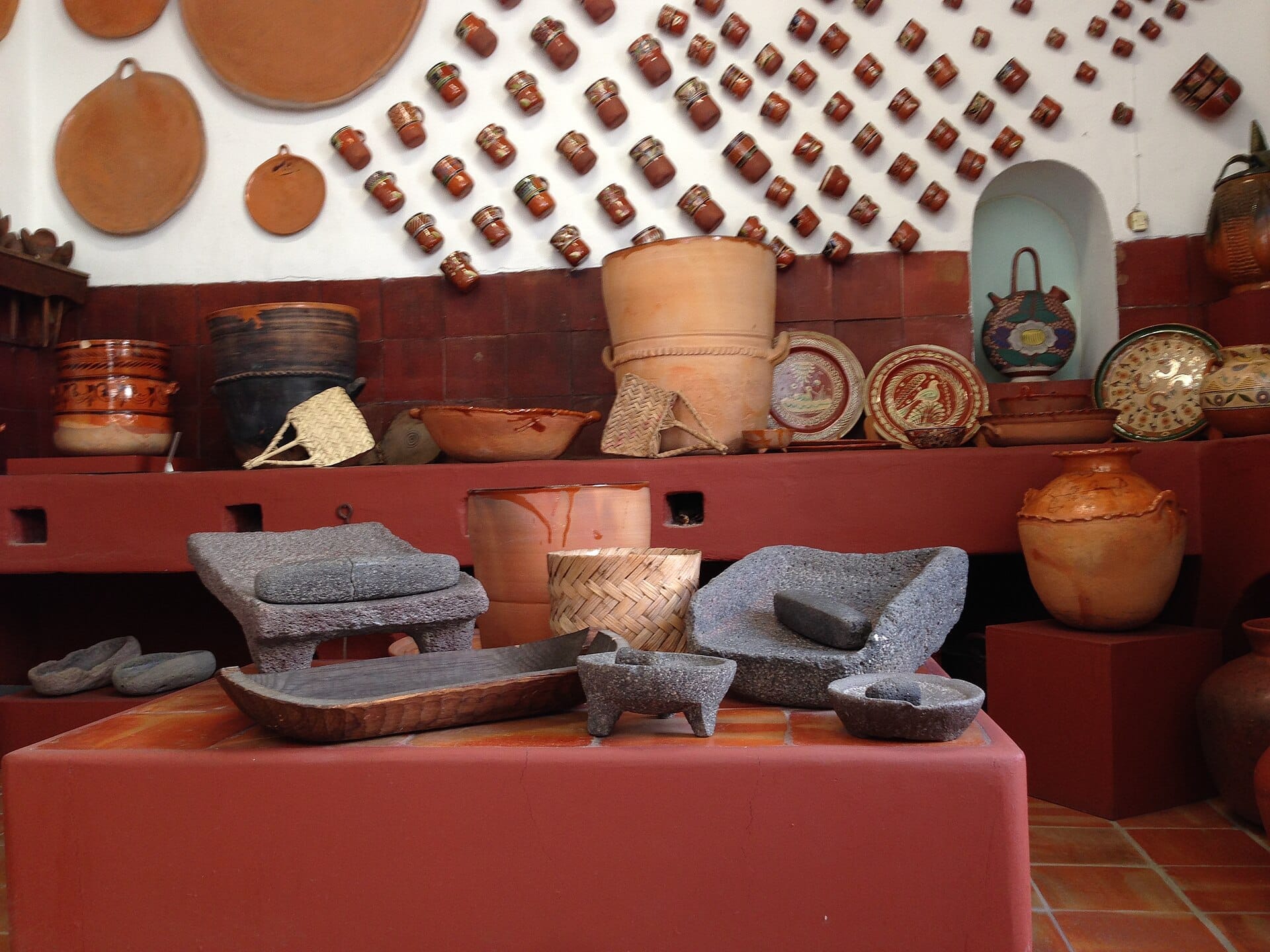
What the Museo Regional de la Cerámica Actually Is
The Museo Regional de la Cerámica de Tlaquepaque is a state-administered cultural museum dedicated entirely to the ceramic traditions of Jalisco and the surrounding region. Inaugurated in 1954, it occupies a colonial casona on Calle Independencia, the main pedestrian artery running through Tlaquepaque's historic center. The building itself is often described as a colonial-era residence dating to the late 18th century, and its courtyards, thick adobe walls, and tiled floors set the tone before you see a single exhibit.
The collection covers the full arc of Jalisco's pottery heritage: pre-Hispanic techniques, colonial-era glazing methods, the distinctive Talavera-influenced majolica work, and the hand-painted tableware that made Tlaquepaque a destination for collectors throughout the 20th century. There are no interactive screens or theatrical installations here. The museum is quiet, focused, and curatorial in approach, which suits some visitors and disappoints others expecting spectacle.
ℹ️ Good to know
Opening hours: Tuesday to Sunday, 11:00–17:00. Closed Mondays.
The Building: A Casona Worth Noticing
Even if ceramics are not your primary interest, the colonial house housing the museum deserves attention on its own terms. The structure follows the classic Jalisco casona layout: an entrance portal leading to a primary interior courtyard, flanked by arched colonnades and covered corridors. The courtyard garden, with its potted plants and fountain, creates a stillness that contrasts sharply with the souvenir shops and foot traffic on Independencia just outside the front door.
The walls retain original plasterwork in places, and the floor transitions between worn stone flagging and older tile. Light entering through the open courtyard shifts throughout the morning, hitting the ceramic displays in the corridor galleries at different angles depending on the hour. If you arrive around 11:00 when the museum opens, the eastern corridors catch direct morning light; by early afternoon, the interior is more evenly lit and slightly cooler, making mid-morning or noon the most comfortable and photogenic window.
The architecture fits naturally into the broader streetscape of Tlaquepaque's center, described in more detail in the Andador Independencia guide. The museum sits close to the andador's main stretch, and the two are easily combined in a single morning walk.
Tickets & tours
Hand-picked options from our booking partner. Prices are indicative; availability and final rates are confirmed when you complete your booking.
Guadalajara and Tlaquepaque guided tour
From 73 €Instant confirmationFree cancellationLake Chapala and Ajijic guided tour from Guadalajara
From 68 €Instant confirmationFree cancellation
The Collection: What You Will Actually See
The permanent collection is organized to trace ceramic production from its pre-Hispanic origins through to 20th-century artisan workshops. Display cases hold pieces ranging from unglazed earthenware vessels with geometric incising to the vividly colored hand-painted tableware associated with the Jalisco and Michoacán traditions. Labels are predominantly in Spanish, so if your Spanish is limited, give yourself extra time or consider requesting a guided visit, which the museum offers.
Several display pieces highlight the technical transition introduced by Spanish colonizers: the shift from low-fire earthenware to tin-glazed faience, and the adoption of cobalt blues and ochre yellows into local motifs. The result was a hybrid aesthetic that is distinctly neither pre-Hispanic nor purely European. You can trace this synthesis across adjacent cases in a way that feels genuinely instructive rather than arbitrary.
The collection also gives context to what you will find for sale throughout Tlaquepaque's shops. Understanding the historical lineage of the pieces on display makes it easier to evaluate quality and provenance when browsing markets afterward. In that sense, the museum functions as useful preparation for shopping, not just passive sightseeing.
💡 Local tip
The museum offers guided visits, art courses, and popular-art workshops. If you are traveling with students, researchers, or children with an interest in craft, ask at the entrance about scheduled programming. Workshop availability changes seasonally.
When to Visit and What to Expect at Different Hours
Tlaquepaque draws significant weekend crowds, particularly on Saturdays when day-trippers arrive from Guadalajara and the broader metro area. The museum itself rarely fills to uncomfortable capacity, but the surrounding streets can feel very congested by early afternoon on weekends. Arriving at opening time on a Tuesday through Thursday gives you the casona almost entirely to yourself, with only the ambient sounds of birds in the courtyard and distant street life filtering through.
On weekday mornings, school groups occasionally visit; these tend to arrive in the late morning. If a guided school tour is in progress, the interior corridors can feel crowded temporarily. By 14:00 on most days, foot traffic inside the museum drops noticeably as visitors break for lunch at nearby restaurants.
Tlaquepaque's climate follows Guadalajara's general pattern: dry and mild from November to April, wet from June through September. The museum's interior is not air-conditioned, but the thick casona walls and shaded courtyard keep it comfortable even in warmer months. If you are visiting during the rainy season, the courtyard can smell faintly of damp earth after afternoon showers, which is not unpleasant. For a broader sense of when to plan your trip, the best time to visit Guadalajara guide covers seasonal tradeoffs in detail.
Getting There and Getting Around Tlaquepaque
The museum's address is Independencia 237, Centro, San Pedro Tlaquepaque. Bus routes 647 and 275 B connect Tlaquepaque to central Guadalajara, though the routes are slower and less direct than ride-hailing. From the historic center of Guadalajara, a taxi or Uber typically takes 20 to 30 minutes depending on traffic; the trip is longer during weekday rush hours and Sunday afternoon when families return from Tlaquepaque.
Parking exists on side streets around the pedestrian zone, but the area immediately around Independencia is restricted to foot traffic. If arriving by car, allow extra time to find street parking. Most visitors find it easier to arrive by ride-hail and walk out rather than manage parking in a neighborhood where the streets narrow and one-way restrictions are frequent.
Tlaquepaque's center is compact and very walkable. From the museum, the main craft shops and the El Parian are within a few minutes on foot. The neighborhood functions best as a half-day or full-day outing rather than a quick stop, especially if you intend to browse the surrounding galleries and workshops.
Photography and Practical Notes
Photography is generally permitted inside the museum for personal use, though this should be confirmed at the entrance as policies can change. The courtyard is the most photographically interesting space: the colonnade arches, hanging plants, and tile details make for clean compositions, particularly in the softer morning light before noon. Interior gallery lighting is modest and supplemented by natural light from the courtyard, so a phone camera with a decent low-light mode or a small mirrorless camera will handle the conditions without flash.
The ceramic pieces themselves are displayed in glass cases, which can produce reflections depending on your angle. Shooting from slightly above the horizontal centerline of the case reduces glare from the case front. The aged surfaces of unglazed earthenware pieces absorb light rather than reflect it, making them easier to capture than the brightly glazed modern pieces.
⚠️ What to skip
Accessibility: No wheelchair-accessibility statement appears in official listings for this museum. The colonial building includes threshold steps and uneven tile flooring typical of 18th-century construction. Visitors with mobility needs should contact the museum directly before visiting to understand the layout.
Honest Assessment: Who Will Enjoy This and Who Might Not
The Museo Regional de la Cerámica rewards visitors who approach it with some patience and genuine curiosity about craft traditions. It is not an immersive experience designed for passive consumption. The displays are traditional in format, the labels require reading, and the collection, while genuinely interesting, is not vast. If you have 45 minutes and an interest in how Tlaquepaque became synonymous with pottery and folk art, the museum delivers real substance at no cost.
Visitors looking for hands-on activity, large-scale installations, or family entertainment with children under ten will likely find the experience too quiet and text-heavy. The museum also lacks a shop or cafe, so there is no secondary draw beyond the collection itself. That said, the surrounding neighborhood compensates immediately once you step back onto Independencia.
For travelers whose primary goal is understanding Jalisco's broader craft and design culture, the museum pairs well with a visit to Tonalá, the neighboring municipality known for its ceramics wholesale markets and artisan studios. The two offer different registers of the same tradition: the museum provides historical and artistic context, while Tonalá shows the living production side.
Insider Tips
- Request a guided visit at the entrance even if you have not pre-booked. Staff-led tours are listed as an available service and the guides typically provide context about specific pieces that the case labels do not cover.
- The museum's courtyard is open to the interior courtyard garden, which is rarely photographed by visitors who move quickly through the galleries. Pause here: the architectural details of the arched colonnades and the tile work on the fountain base are among the most intact original features of the casona.
- Combine the museum with a walk east along Independencia toward El Parian in the late morning, before the lunch crowds arrive. The ceramics context from the museum makes the quality differences in the shops easier to read when you get there.
- If workshops or art courses are running during your visit, they may be open to same-day participation. Ask specifically about taller de arte popular (popular-art workshop) availability when you enter.
- Tlaquepaque's streets around the pedestrian zone are significantly quieter on Tuesday and Wednesday mornings compared to weekends. If you have flexibility, a midweek morning visit gives you both the museum and the shopping corridor at their least congested.
Who Is Museo Regional de la Cerámica de Tlaquepaque For?
- Craft and design enthusiasts researching Jalisco's ceramic heritage before buying
- Architecture and history travelers interested in 18th-century colonial domestic buildings
- Visitors combining a full day in Tlaquepaque with gallery browsing and shopping
- Travelers on a tight budget who want substantive cultural content without an admission fee
- Researchers and students of Mexican folk art and pre-Hispanic ceramic techniques
Nearby Attractions
Other things to see while in San Pedro Tlaquepaque:
- Andador Independencia (Tlaquepaque)
Andador Independencia is the pedestrian spine of San Pedro Tlaquepaque, a street where 18th-century summer houses have become galleries, craft shops, and open-air restaurants. Free to walk, endlessly browsable, and most alive on weekend afternoons when mariachi floats between the tables.
- El Parián de Tlaquepaque
Built in 1878 on the former main square of Tlaquepaque, El Parián de Tlaquepaque is a colonnaded market complex that has reinvented itself as the social heart of one of Guadalajara's most craft-focused neighborhoods. Around 18–19 bars and restaurants wrap around a central kiosk and garden, where mariachi groups perform most evenings. Entry is free.