Parque Metropolitano de Guadalajara: The City's Green Lung in Zapopan
Spanning 113 hectares in the municipality of Zapopan, Parque Metropolitano de Guadalajara is the metropolitan area's most significant urban park. Open daily from 6am to 9pm with free admission, it draws joggers at dawn, families on weekends, and anyone needing distance from the city's traffic and noise.
Quick Facts
- Location
- Av. Beethoven 5800, Col. La Estancia, Zapopan, Jalisco
- Getting There
- City buses and rideshare (Uber, DiDi) from central Guadalajara; no direct light rail line
- Time Needed
- 1.5 to 3 hours depending on activity
- Cost
- Free admission; some events may charge separately
- Best for
- Morning runs, weekend family outings, cycling, and escaping urban density
What Parque Metropolitano Actually Is
Parque Metropolitano de Guadalajara was inaugurated on 14 February 1997 and covers approximately 113 hectares in the western municipality of Zapopan. To put that scale in context: it is significantly larger than most urban parks in Mexican cities, designed from the outset not as a decorative plaza but as a functional green corridor for a metro area that, by 2020, held over five million people.
The park sits on Avenida Ludwig van Beethoven and is identifiable from the street by two distinct entrance plazas: Plaza Torres Rojas and Plaza Torres Amarillas, each marked by towers and flagpoles that make them easy landmarks for orientation. These twin entry points sit at opposite ends of the main axis, and first-time visitors should note which one they enter through if they have plans to return to a specific bus stop or parking area.
The park is managed under the metropolitan urban forests network (Bosques AMG) and forms part of a broader effort to maintain green infrastructure across the Zona Metropolitana de Guadalajara. It belongs to the same administrative conversation as Bosque Los Colomos to the east, though the two parks differ considerably in atmosphere and terrain.
💡 Local tip
Enter through Plaza Torres Rojas for the most direct access to the main walking circuit. If arriving by rideshare, share this landmark name with your driver rather than just the address — local drivers recognize it immediately.
How the Park Changes Through the Day
The park opens at 6am, and that first hour belongs almost entirely to serious runners and early-morning dog walkers. The air at this elevation (Guadalajara sits at around 1,560 meters above sea level) carries a coolness that disappears quickly once the sun clears the tree line. The paths are quiet enough to hear birds in the canopy overhead, and the light falls at low angles across the open esplanades, making this the most photogenic window of the day.
By mid-morning on weekdays, the park settles into a steady but unhurried rhythm: cyclists, older adults on their constitutionals, mothers with strollers. Vendors appear near the main entrances selling water and snacks. Weekday afternoons tend toward the quietest period of all, especially from roughly 2pm to 4pm, when much of the city observes an unofficial midday slowdown.
Weekend mornings are a different proposition entirely. From roughly 8am to noon on Saturdays and Sundays, the park fills with families, amateur football matches, skaters, and group fitness classes. The noise level rises noticeably, and finding an unoccupied stretch of path takes more effort. If crowd density bothers you, arrive before 8am or after 5pm on weekends. If you enjoy the energy of a city using its public space, mid-morning Saturday is when the park is most alive.
Tickets & tours
Hand-picked options from our booking partner. Prices are indicative; availability and final rates are confirmed when you complete your booking.
Lake Chapala and Ajijic guided tour from Guadalajara
From 68 €Instant confirmationFree cancellationGuadalajara and Tlaquepaque guided tour
From 73 €Instant confirmationFree cancellation
What to Do Inside: Activities and Layout
The terrain is largely flat with paved and semi-paved circuits, making it one of the more accessible large parks in the metropolitan area for people with limited mobility. The main loop is long enough for a proper run and varied enough to hold interest. Cyclists use dedicated sections, though the park is not purely segregated between pedestrians and bikes in the way that a purpose-built velodrome would be, so stay alert on shared stretches.
Beyond the circuits, the park contains open grassy areas suitable for picnics, a small lake, areas with fitness equipment, and zones used for cultural events and concerts. The lake, in particular, tends to attract visitors who simply want to sit rather than exercise, and its perimeter is one of the more genuinely restful spots in western Guadalajara.
The park occasionally hosts larger public events, particularly around national holidays and civic celebrations. For context on how Guadalajara uses its public spaces during festivals, the Guadalajara festivals and events guide covers the main calendar entries worth planning around.
- Running and walking circuits on flat, maintained paths
- Cycling on shared and semi-dedicated lanes
- Open esplanades for picnics, football, and informal sports
- Outdoor fitness stations distributed along the main loop
- A small lake with seating areas along its perimeter
- Periodic cultural events, markets, and concerts (schedules vary)
Getting There from Central Guadalajara
The park has no direct Metro connection. The SITEUR light rail network (Lines 1, 2, and 3) covers much of the metropolitan core but does not run directly to this section of Zapopan; the closest Line 3 stations are several kilometers away. City buses from the Mi Transporte network do serve the area, though routes and stop locations change; verify current options through the Gobierno de Jalisco mobility portal or ask at your accommodation before setting out.
Rideshare is the most straightforward option for visitors unfamiliar with the bus network. Both Uber and DiDi operate throughout the metropolitan area; fares from central Guadalajara to the park are generally modest, though pricing is dynamic. Taxis are also available. The journey from the historic center takes roughly 20 to 35 minutes depending on traffic, which is heavier during weekday rush hours (7–9am and 6–8pm).
Visitors staying in or near Zapopan will find the park more conveniently located than those based in the Centro Histórico. If you are planning several days in Guadalajara and want to allocate time efficiently, the park pairs well with a visit to the Basilica de Zapopan on the same day, as both are within the same municipality.
ℹ️ Good to know
Driving: Street parking exists near the main entrances, but spaces fill quickly on weekend mornings. If you plan to arrive by car between 9am and noon on a Saturday or Sunday, allow extra time to find a spot.
Seasonal Conditions and What to Bring
Guadalajara's climate divides into a dry season (roughly November through April) and a rainy season (June through September). The park is fully exposed during rain, and the unpaved sections can become muddy. If you visit between July and August, the wettest months, bring a light rain layer and wear shoes that can handle damp ground. The main paved circuits drain reasonably well, but grass areas will be soft.
From November through February, mornings can be genuinely cool, with lows in the 6–8°C range. A light jacket is worth carrying for early starts, though it will come off within an hour once you are moving. The dry-season months of February, March, November, and December offer the most comfortable conditions for extended outdoor activity: clear skies, manageable temperatures, and no mud.
Regardless of season, bring water. The vendors near the main entrances may or may not be present on any given day, and tap water in Mexico is generally not recommended for drinking without filtration. Sun protection matters year-round at this altitude, especially on open sections of the park where shade is intermittent.
⚠️ What to skip
Rainy season afternoons (June–September) can bring intense, fast-moving thunderstorms with little warning. If the sky darkens rapidly, move toward covered structures near the main entrances rather than sheltering under isolated trees.
Photography and What the Park Actually Looks Like
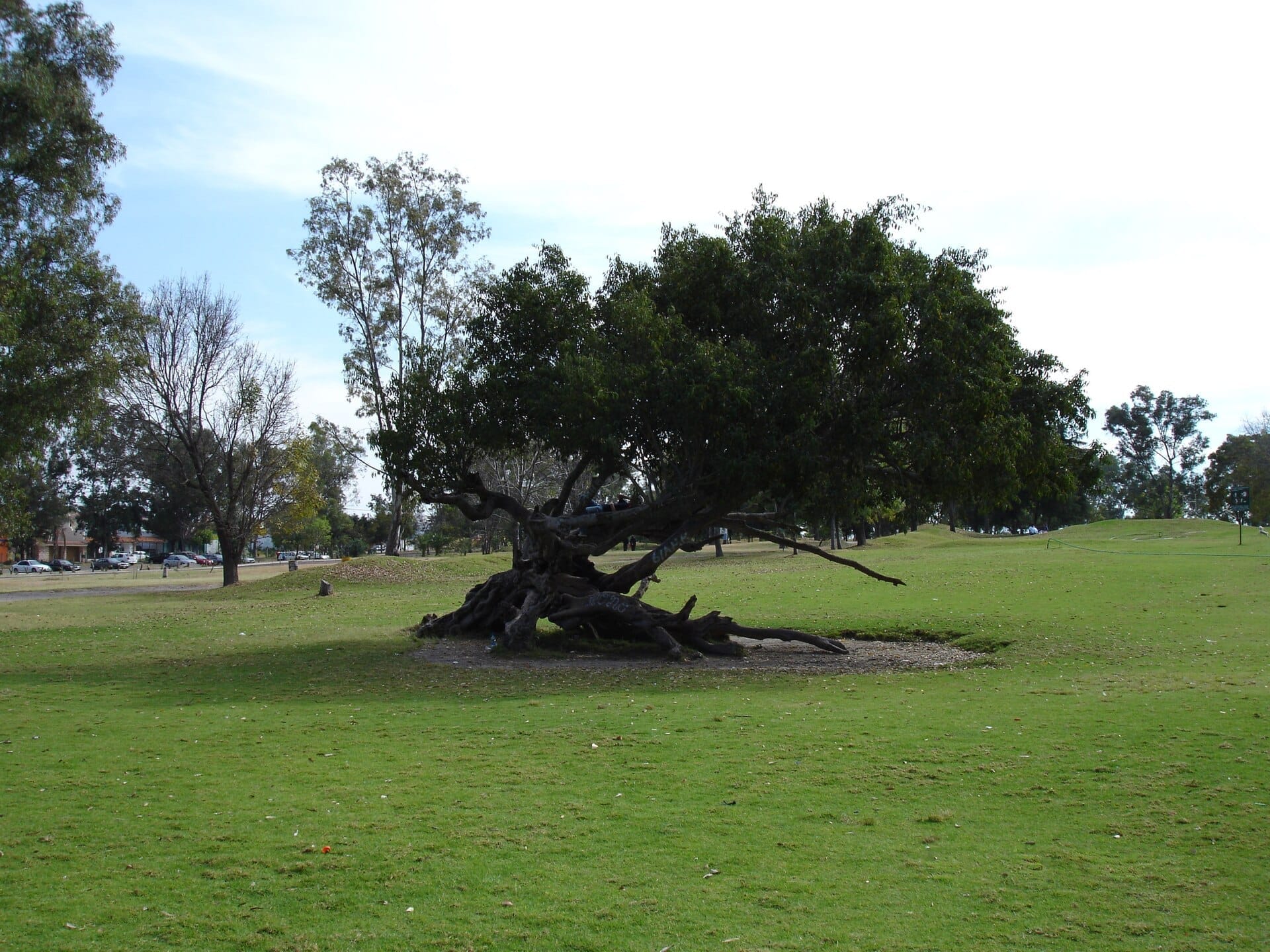
Parque Metropolitano does not offer a single dramatic viewpoint or iconic architectural feature. What it offers instead is scale and texture: long corridors of mature trees, open lawns catching low morning light, the occasional mural or sculpture along the main esplanade, and the lake reflecting whatever sky sits above it. The most visually interesting photography windows are early morning (6–8am) for light quality and weekend mid-morning for candid street-style images of city life.
Drone photography is subject to Mexican aviation regulations (AFAC) and requires authorization; do not assume a large open park is unrestricted airspace. Ground-level photography of other visitors in public spaces is generally permitted but use common sense around children and families.
An Honest Assessment: Who This Park Is For
If you are traveling to Guadalajara with limited days and a list of cultural sites to cover, Parque Metropolitano is probably not a priority. It is not a museum, not a historic district, and not the kind of place that generates the photographs you take home. For that kind of urban nature experience in Guadalajara, the Japanese Garden at Bosque Los Colomos offers more concentrated visual interest in a smaller space.
Where Parque Metropolitano earns its place is as the city's most functional outdoor space at scale. Runners training for a race, families spending a Sunday without spending money, cyclists wanting a safe circuit, or anyone who has been indoors for too long will find exactly what they need here. It is also one of the few genuinely free full-morning activities in the metro area, which matters if you are traveling on a budget.
For travelers building a longer itinerary, the free things to do in Guadalajara guide places the park in the context of other no-cost options across the city.
Insider Tips
- The park's small lake is often overlooked in favor of the main running circuit. Walk past the lake perimeter on a quiet weekday morning and you will find some of the calmest, least-crowded green space in all of western Guadalajara.
- If you are a serious runner, the main loop combined with peripheral paths can add up to a substantial distance. Download an offline map before you go, as GPS signal under heavy tree cover can be inconsistent near the interior sections.
- Weekend mornings occasionally bring informal tianguis (street markets) near the main entrances selling food and crafts. These are not officially scheduled events, so their presence is not guaranteed, but they add to the atmosphere when they appear.
- The park's fitness stations along the main loop are free to use and reasonably maintained. They are popular with older residents in the early morning, but largely free by 9am on weekdays.
- If you are visiting during Guadalajara's rainy season, the park is at its greenest and most photogenic in the hour after rainfall, when the light is diffuse and the colors are saturated. Just watch your footing on unpaved sections.
Who Is Parque Metropolitano de Guadalajara For?
- Runners and cyclists looking for a flat, maintained circuit with room to move
- Families wanting a free, open-air Sunday outing without cultural obligations
- Travelers based in Zapopan needing a daily outdoor routine
- Budget travelers seeking a full morning of activity at zero cost
- Anyone decompressing between intensive sightseeing days in the historic center
Nearby Attractions
Other things to see while in Zapopan:
- Andares Shopping Mall
Plaza Andares in Zapopan is far more than a shopping center. Opened in 2008, this sprawling mixed-use complex combines over 200 stores, open-air plazas, manicured gardens, residential towers, and office buildings as part of one of the largest mixed-use retail developments in Latin America. For visitors to Guadalajara, it offers a window into how the city's affluent northwest lives, shops, and spends an afternoon.
- Basílica de Zapopan
The Basílica de Zapopan is one of the most significant religious and architectural landmarks in the Guadalajara metropolitan area. Built by Franciscans in the late 17th century, it shelters a small but deeply venerated 16th-century corn-paste image of the Virgin and draws pilgrims and visitors year-round to its Plateresque façade and wide ceremonial plaza.
- Estadio Akron
Estadio Akron in Zapopan is one of Mexico's most architecturally striking football stadiums and the passionate home of Club Deportivo Guadalajara, better known as Chivas. Whether you're catching a Liga MX match, taking a behind-the-scenes stadium tour, or planning your visit for the 2026 FIFA World Cup, this guide covers everything you need to make the most of the experience.
- Museo de Arte de Zapopan (MAZ)
The Museo de Arte de Zapopan, known as MAZ, is a free public contemporary art museum which opened in 2002 in Zapopan's historic center, steps from the Basilica of Our Lady of Zapopan. Three rotating exhibition halls named after major Mexican cultural figures anchor a clean, modernist building designed for serious engagement with current art.