Museo de Paleontología de Guadalajara: Fossils, Free Entry, and Deep Time
Tucked inside Parque Agua Azul, the Museo de Paleontología de Guadalajara 'Federico A. Solórzano Barreto' holds one of the most significant Pleistocene fossil collections in western Mexico. Admission is free, parking is free, and the exhibits span from 100-million-year-old specimens to remains associated with Jalisco's earliest human presence.
Quick Facts
- Location
- Calz. Dr. R. Michel 520, inside Parque Agua Azul, Guadalajara, Jalisco
- Getting There
- City buses and the Mi Macro Calzada BRT (Macrobús) serve the Parque Agua Azul corridor, with a station named "Parque Agua Azul" on the BRT line
- Time Needed
- 1 to 2 hours
- Cost
- Free admission; free on-site parking
- Best for
- Families with children, science and history enthusiasts, budget travelers
What Is the Museo de Paleontología de Guadalajara?
The Museo de Paleontología de Guadalajara 'Federico A. Solórzano Barreto' is a publicly funded natural history museum dedicated to the ancient life of the state of Jalisco. It opened on 14 February 2000, inaugurated by the Ayuntamiento de Guadalajara, with the Instituto Nacional de Antropología e Historia (INAH) collaborating on the scientific and museographic script. The collection it houses was assembled over decades by QFB Federico A. Solórzano Barreto, the pharmacobiologist whose name the museum carries, and includes fossil specimens from nearly every municipality in Jalisco.
The scope of the collection is genuinely impressive by any regional standard. Some specimens date to roughly 100 million years ago, while remains associated with early human presence in Jalisco are dated to around 10,000 years before the present. The museum's Pleistocene holdings in particular are recognized as among the largest and most complete from this region of western Mexico, covering the epoch when megafauna roamed the high-altitude valleys that now form the Guadalajara metropolitan area.
ℹ️ Good to know
Hours (verify before visiting): Tuesday–Friday 09:30–16:45, Saturday 10:00–16:45, Sunday 10:30–15:30. Closed Monday. Source: official museum Instagram (@museodepaleontologia, latest posted hours).
Getting There: Inside Parque Agua Azul
The museum sits within Parque Agua Azul, a large urban park located south of Guadalajara's historic center, off Calzada Doctor R. Michel at number 520. This placement is both its best logistical feature and a mild source of confusion for first-time visitors: the museum has its own entrance within the park grounds, and you should not assume you need to pay Parque Agua Azul's general entry fee to reach the paleontology museum. Confirm the current access arrangement at the park gate.
By public transit, the Mi Macro Calzada BRT (Macrobús) line runs along Calzada Independencia and stops at the Parque Agua Azul station, a short walk from the park's main entrances. City buses serving the Calzada Independencia corridor also stop nearby. Ride-hailing apps including Uber and DiDi operate actively in Guadalajara and are the most practical option if you are coming from the historic center or a hotel in Colonia Americana, both of which are under 15 minutes away by car in normal traffic. Free parking is available on site if you are driving.
💡 Local tip
If you are combining the museum with a morning walk through Parque Agua Azul, arrive before 11:00 on a weekday. The park is noticeably quieter then, and the museum's galleries are rarely crowded before midday.
Tickets & tours
Hand-picked options from our booking partner. Prices are indicative; availability and final rates are confirmed when you complete your booking.
Lake Chapala and Ajijic guided tour from Guadalajara
From 68 €Instant confirmationFree cancellationGuadalajara and Tlaquepaque guided tour
From 73 €Instant confirmationFree cancellation
The Collection: What You Actually See
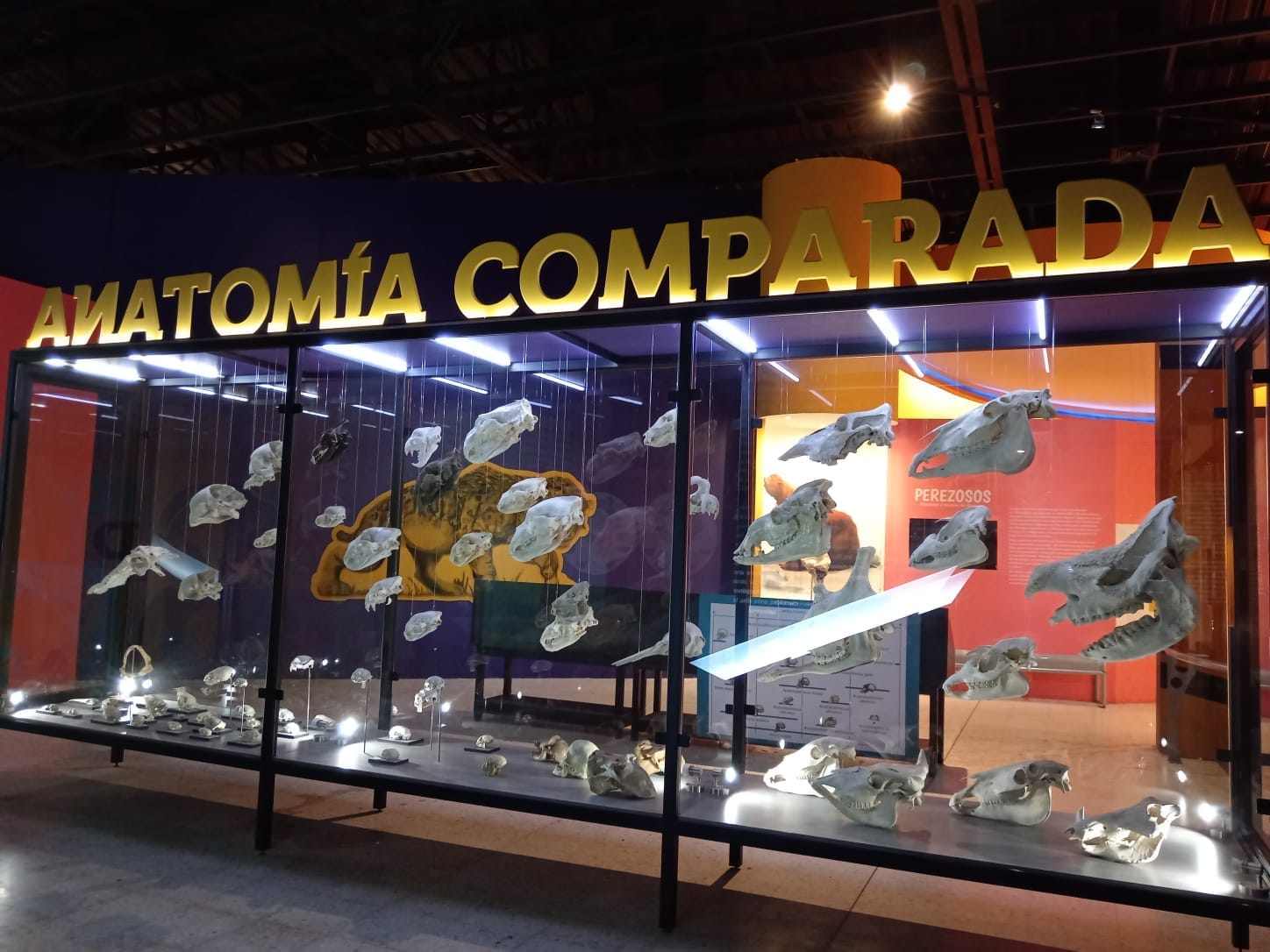
The heart of the museum is its Pleistocene fossil assemblage. Jalisco's highlands were home during the Pleistocene epoch to species that most visitors associate with very different geographies: mammoths, mastodons, glyptodonts (large armored relatives of today's armadillos), giant ground sloths, and early horses. The fossils on display are not casts or replicas in the way many traveling exhibits rely on. A significant number are actual specimens recovered from Jalisco's soil, which gives the collection a local specificity that distinguishes it from more generalist natural history exhibits.
The older material, reaching back approximately 100 million years into the Cretaceous, represents a different kind of spectacle. These specimens document marine and terrestrial life from a period when the geography of western Mexico looked nothing like it does today. For visitors without a paleontology background, informational panels contextualize each section, though it is worth noting that much of the signage is primarily in Spanish. If you do not read Spanish, you will still grasp the visual scale of the skeletons and specimens, but some of the deeper ecological context will require a translation app or prior research.
One section addresses Jalisco's earliest human inhabitants, with remains and associated artifacts dated to at least 10,000 years before the present. This portion of the museum bridges paleontology and archaeology, showing how the region's megafauna co-existed with and eventually disappeared alongside the arrival of human populations.
The Experience at Different Times of Day
Tuesday through Friday mornings tend to be the quietest visiting periods. School groups arrive most often in mid-morning slots, typically between 10:00 and 12:00, which means the galleries can fill briefly with children and teachers before clearing again by early afternoon. If you prefer a calmer atmosphere where you can read panels at your own pace and photograph displays without crowds in the frame, arriving at opening time or after 13:00 on a weekday is the better strategy.
Saturday mornings attract families, and the energy is different: higher noise levels, children responding audibly to the mammoth skeletons, and a more social atmosphere. Sunday hours are shorter, closing at 15:30, so plan accordingly if visiting on a weekend. The interior lighting in fossil museums tends toward the dramatic and dim in specimen areas, which can make hand-held photography challenging. A phone with a competent night mode or a small camera with good low-light performance will serve you better than flash, which often flattens the texture of bones and minerals.
Historical and Cultural Context
The museum's creation in 2000 reflected a broader institutional effort to anchor Guadalajara's identity not just in its colonial and post-colonial heritage, but in deep geological time. The Hospicio Cabañas and the Museo Regional de Guadalajara had long dominated the cultural museum landscape in the historic center. The paleontology museum carved out different ground: pre-human, pre-colonial, geological. INAH's involvement in the museographic design brought scientific credibility to an institution that might otherwise have remained a regional curiosity.
Federico A. Solórzano Barreto, the collector whose life work underpins the entire institution, represents a particular tradition of citizen-scientist natural history collection that shaped many of Latin America's regional museums. His systematic approach to gathering specimens from across all of Jalisco's municipalities means the collection has geographical breadth unusual for a single collector's bequest. The museum's full official name honors that contribution directly.
For visitors interested in how this fits into Guadalajara's broader cultural landscape, the best museums in Guadalajara guide provides useful context for planning a multi-museum day that balances colonial history, contemporary art, and natural history.
Practical Walkthrough: What to Expect on Arrival
The museum building sits on paved grounds within Parque Agua Azul. Outdoor access to the entrance appears step-free based on the park's infrastructure, which features paved vehicle and pedestrian pathways. That said, the museum's official channels do not publish detailed accessibility information covering wheelchair-accessible restrooms, elevator access within the building, or tactile aids. Visitors who need specific accommodations should contact the museum directly before visiting, as conditions can vary.
There is no entry fee and no ticket window to navigate, as admission is free and managed without formal ticketing. You arrive, you enter. Budget around 60 to 90 minutes for a thorough visit if you are reading panels, or about 45 minutes if you are moving at a lighter pace with children who are more interested in the large skeletons than the text. The museum is compact enough that you will not feel rushed, but substantial enough that a quick pass-through misses meaningful exhibits.
Bring water. The park has vendors, but the museum itself does not operate a café or gift shop of note based on available information. In the dry season months from November to April, the outdoor walk through Parque Agua Azul to and from the museum is pleasant. During July and August, Guadalajara's peak rainy season, afternoon downpours are common, so either visit in the morning or carry a compact umbrella.
Who Will Enjoy This Museum, and Who Might Not
The museum works especially well for families with children aged roughly 6 and older. The physical scale of mammoth and mastodon remains produces the kind of visceral reaction that no screen-based exhibit replicates. Budget travelers benefit from the free admission and free parking, making this one of the better no-cost cultural stops in the city alongside a range of other free things to do in Guadalajara.
Visitors with a serious interest in paleontology or natural history will find the collection genuinely interesting, particularly the Pleistocene holdings and the Cretaceous specimens. The institution is not at the scale of Mexico City's Museo Nacional de Antropología, and it is not trying to be. Its strength is regional specificity: this is the Jalisco story told through fossil evidence.
Those who read only English and prefer fully bilingual signage may find the experience less immersive. The exhibits are primarily labeled in Spanish, and while the visual impact of the specimens carries across any language barrier, the contextual and scientific depth of the collection is best accessed with at least basic Spanish reading ability or a reliable translation tool. Visitors primarily seeking art, architecture, or contemporary culture will likely find more to engage with at other downtown institutions.
⚠️ What to skip
The museum is closed on Mondays. Sunday hours end at 15:30, which is earlier than other days. Always check the official Instagram (@museodepaleontologia) before visiting, as hours may be updated for public holidays or special events.
Insider Tips
- Pair the museum with a walk through Parque Agua Azul immediately before or after. The park's butterfly pavilion and open lawns extend a museum visit into a full half-day outing without any additional cost.
- Signage is in Spanish. Download Google Translate or a Spanish dictionary app before arrival and use your phone camera's live translation feature on information panels to get the scientific and ecological context the exhibits offer.
- School group visits concentrate on weekday mornings between 10:00 and noon. If you want the gallery largely to yourself, arrive at opening time or visit after 13:00 on a Tuesday, Wednesday, or Thursday.
- Photography is atmospheric rather than straightforward here. Low lighting in the specimen areas rewards patience. Use your phone's portrait or night mode rather than flash, which tends to wash out bone texture and produce flat images.
- The museum is managed under the Secretaría de Cultura del Estado de Jalisco. If you visit during a Guadalajara cultural festival period, check whether the museum has extended hours or special programming, as state-funded museums sometimes adjust their schedules during major city events.
Who Is Museo de Paleontología de Guadalajara For?
- Families with school-age children looking for a free, educational, and visually striking experience
- Travelers interested in natural history, geology, or pre-Columbian ecological history of western Mexico
- Budget-conscious visitors wanting substantive cultural content at no cost
- Those combining a Parque Agua Azul visit with a nearby museum stop
- Science educators or students researching Pleistocene megafauna of the Mexican highlands
Nearby Attractions
Other things to see while in Centro Histórico:
- Calandrias (Horse-Drawn Carriage Rides)
Calandrias are Guadalajara's traditional horse-drawn carriages, operating through the colonial streets of the Centro Histórico since the early 20th century. A slow, unhurried circuit past cathedral facades, plazas, and pedestrian corridors, they offer a different pace from the city's foot traffic. This guide covers what to expect, when to go, and whether it's worth your time.
- Guadalajara Cathedral (Catedral de Guadalajara)
The Catedral Basílica de la Asunción de María Santísima anchors Guadalajara's historic center, surrounded by four plazas and centuries of layered history. Its twin neo-Gothic spires are the city's most recognized silhouette, and entry is free. Here is everything you need to know before you go.
- Instituto Cultural Cabañas (Hospicio Cabañas)
A UNESCO World Heritage Site at the heart of Guadalajara's Centro Histórico, Hospicio Cabañas houses José Clemente Orozco's most celebrated murals inside a neoclassical complex of staggering scale. This is the single most significant cultural site in western Mexico, and one of the most important in all of Latin America.
- Lienzo Charro de Jalisco
The Lienzo Charro Charros de Jalisco, on Av. R. Michel near Parque Agua Azul, is one of Mexico's most storied charro arenas. Home to one of Mexico's oldest charro associations, this is where Jalisco's equestrian traditions are kept alive through competitive charreadas, pageantry, and music.