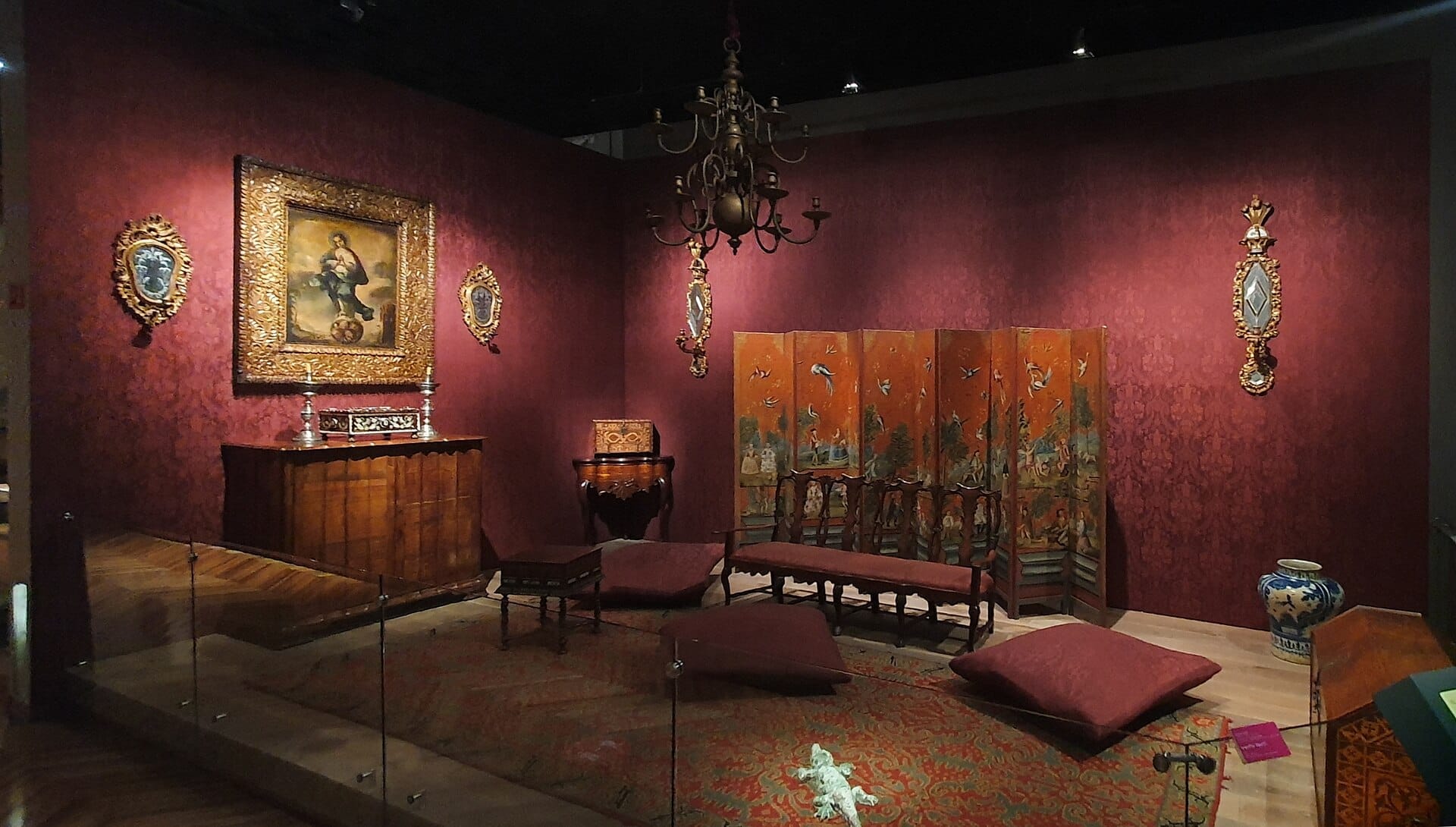
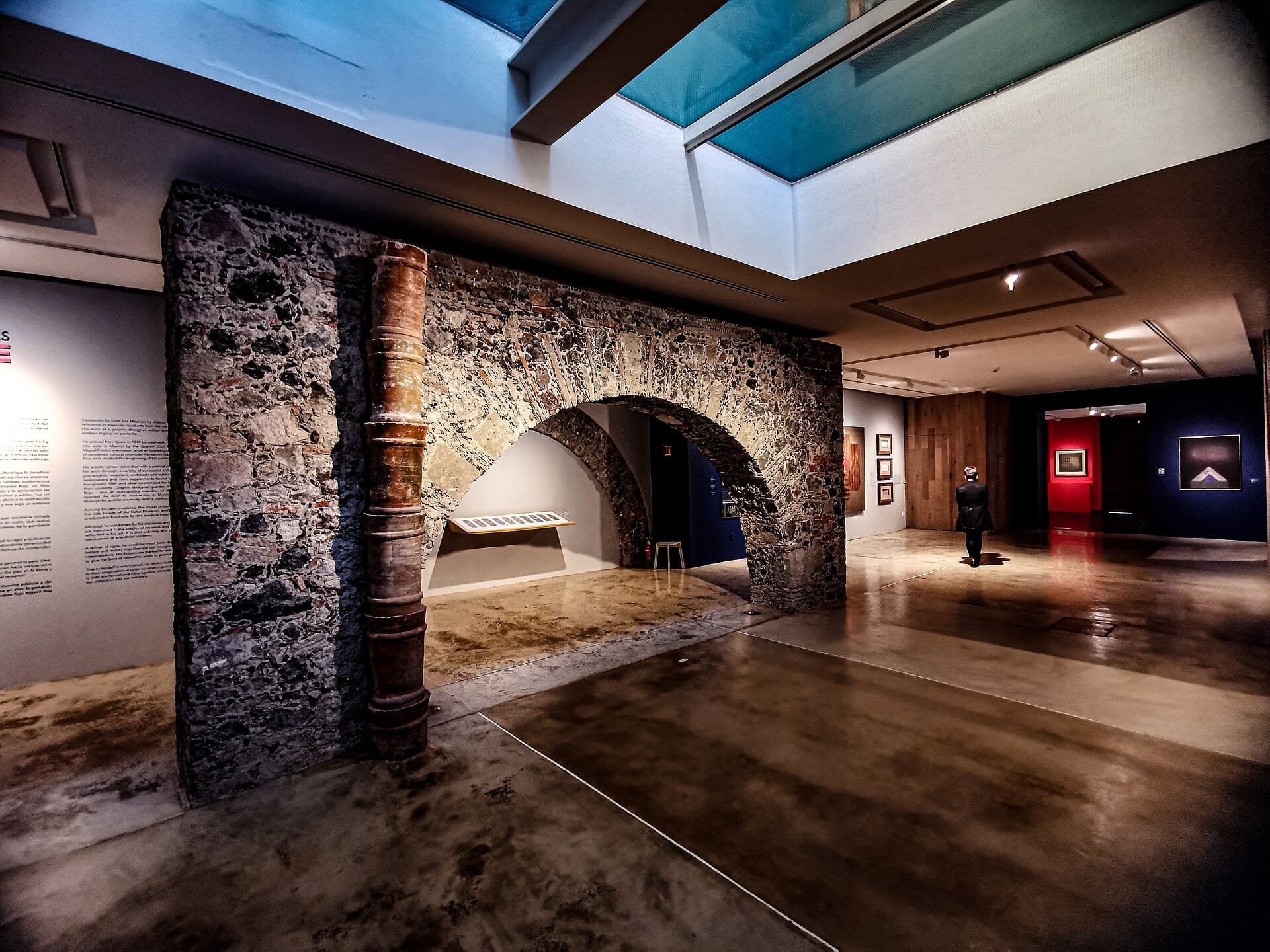
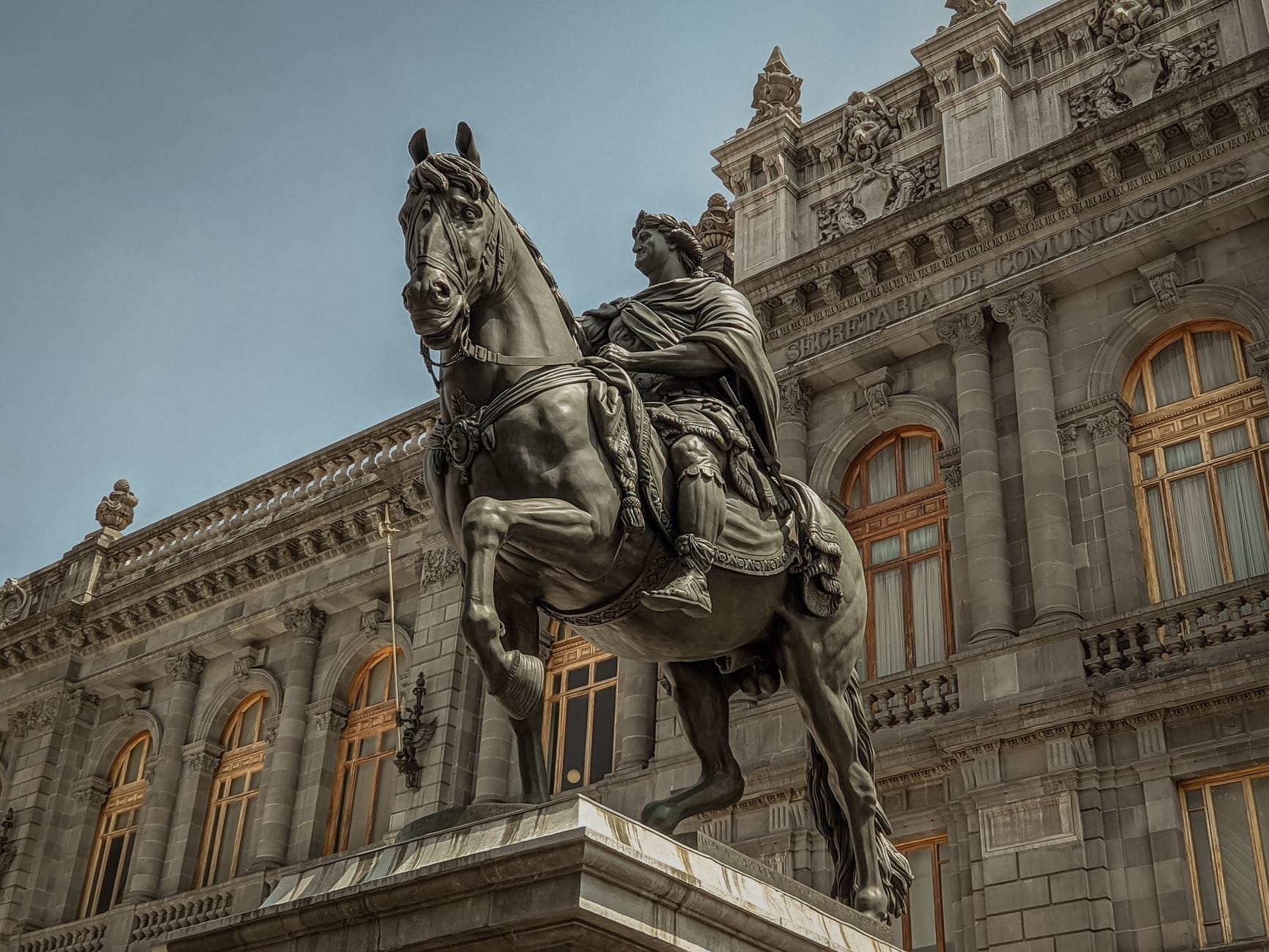
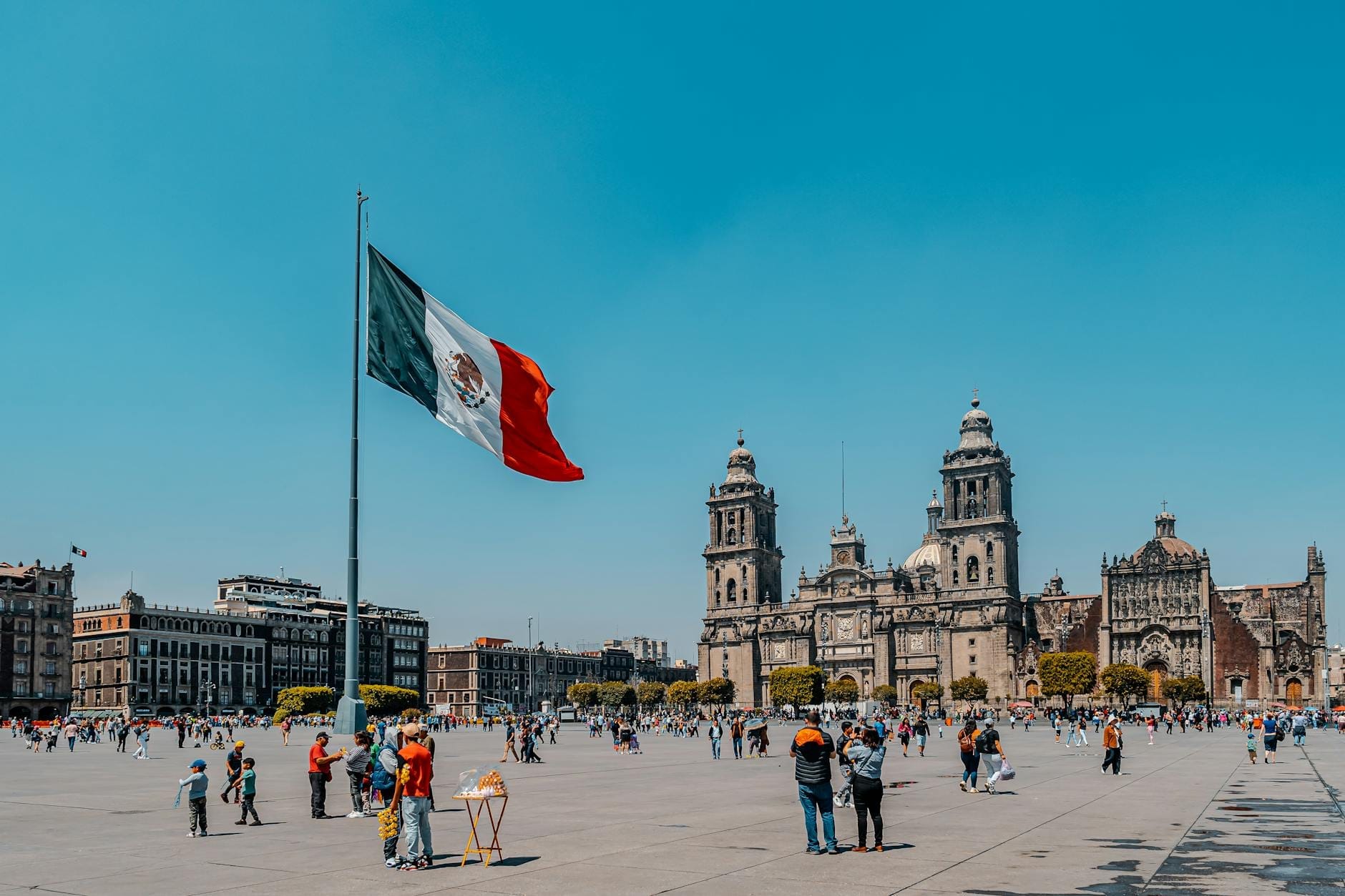
Centro Histórico is the ancient core of Mexico City, a UNESCO World Heritage zone where Aztec ruins sit beneath colonial cathedrals, and government palaces face the largest public square in the Americas. It is the most historically dense neighborhood in the city, and the logical starting point for any serious visit.
Centro Histórico is where Mexico City began, and where it still makes its grandest statements. Built on the ruins of Tenochtitlan, the Aztec capital that Spanish conquistadors dismantled stone by stone, this district packs about 1,550 heritage buildings into 668 city blocks, ranging from pre-Hispanic archaeological sites to baroque cathedrals to art deco palaces. No other neighborhood in CDMX compresses this much history into walking distance.
Orientation
Centro Histórico sits at the geographic and political heart of Mexico City, inside the Cuauhtémoc borough. The officially delimited historic zone covers just over 9 km² and is bounded to the north by República de Honduras, to the south by José María Izazaga, to the east by the Anillo de Circunvalación ring road, and to the west by Paseo de la Reforma. Within those boundaries, the urban grid is dense and largely pedestrian-friendly on the main corridors.
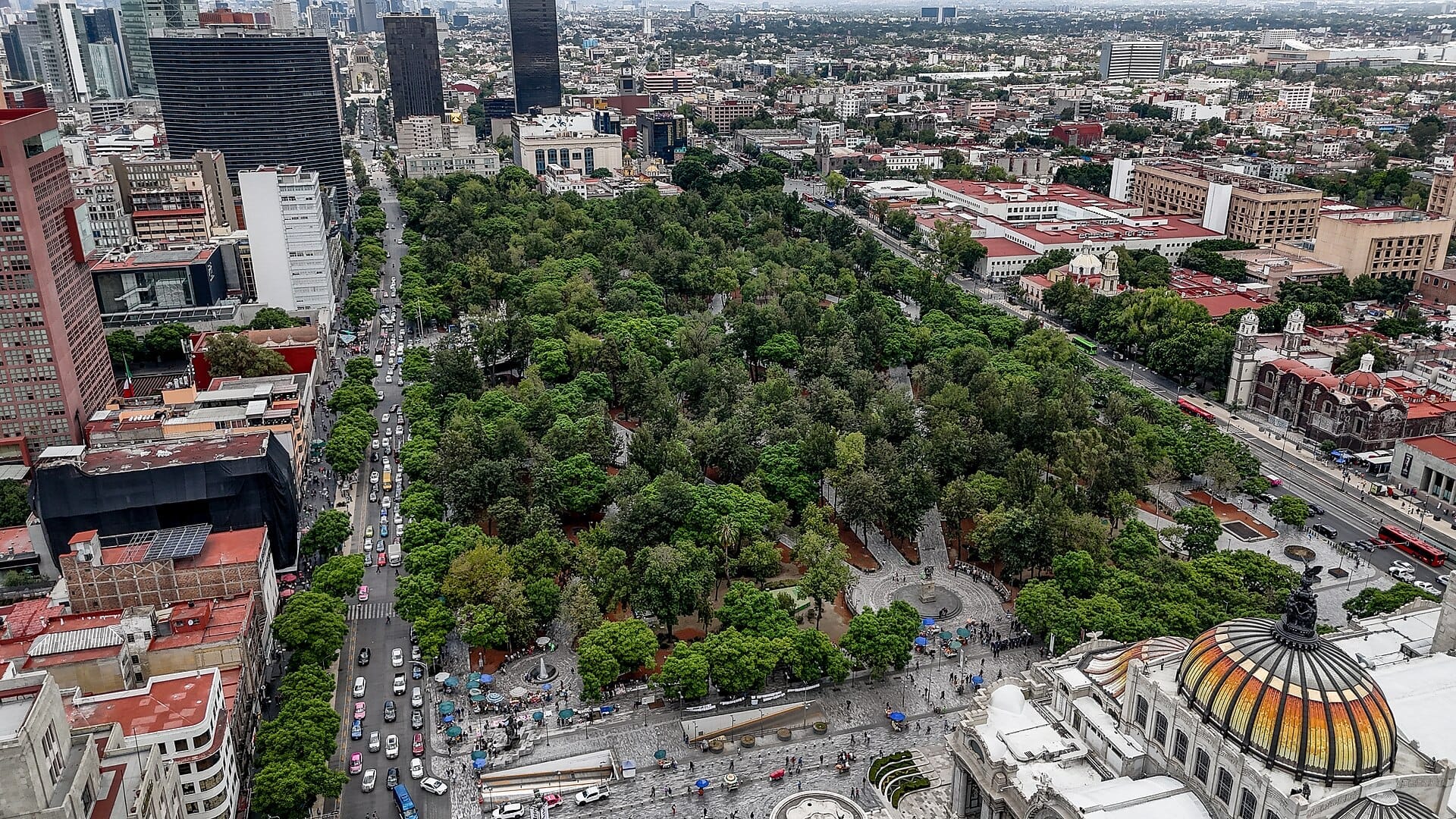
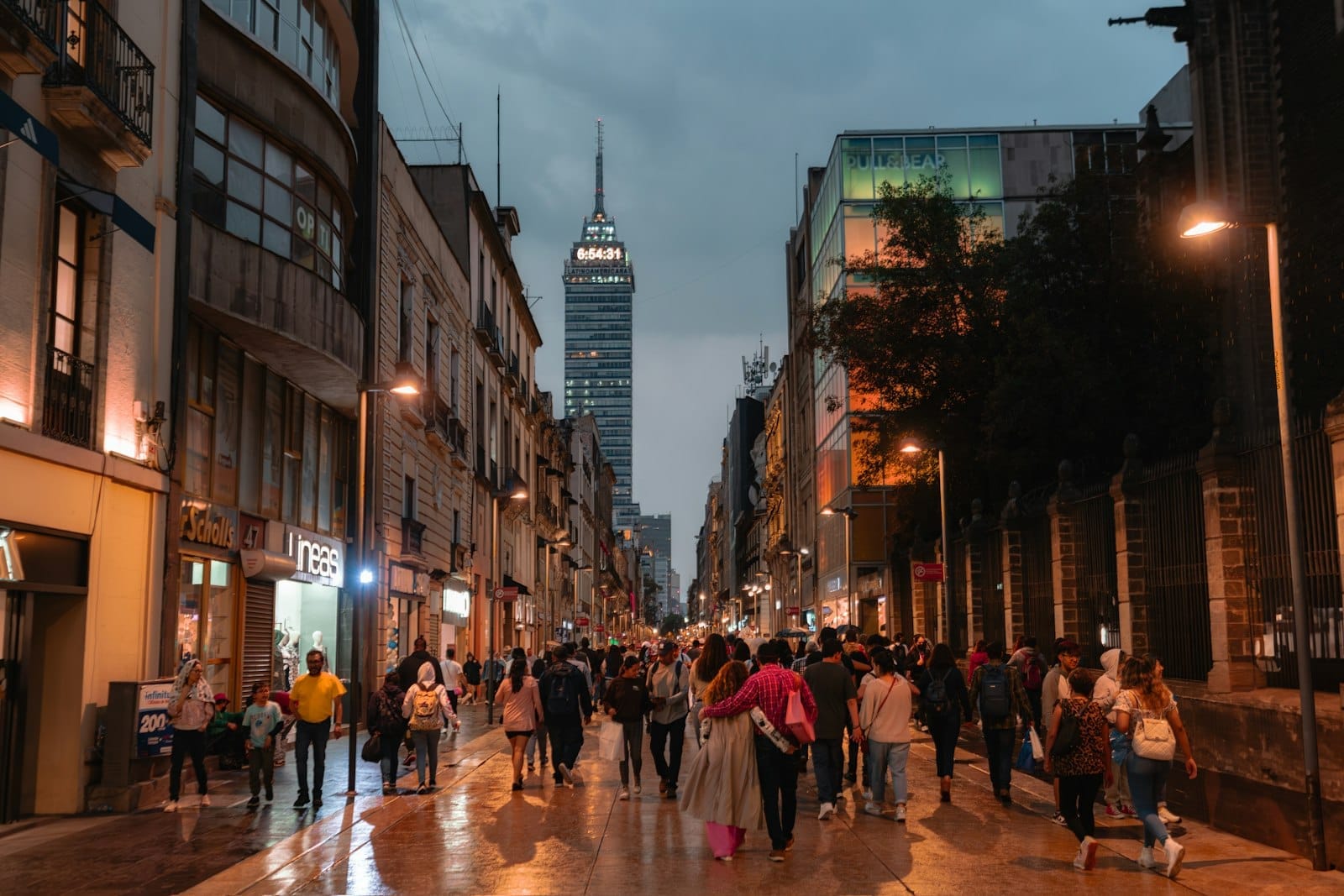
The Plaza de la Constitución, known universally as the Zócalo, is the gravitational center of the entire district. Almost everything worth seeing is within a 15-minute walk of it. To the west, Calle Madero runs as a pedestrian street from the Zócalo all the way to the Palacio de Bellas Artes and the Alameda Central park. To the north, the streets around Santo Domingo Square and La Lagunilla form the older, grittier northern flank of the historic core.
The neighborhood connects directly to several important areas of the city. Walking west along Paseo de la Reforma leads toward Colonia Juárez and eventually Chapultepec. Heading south brings you toward the quieter residential streets of Colonia Doctores. Plaza Garibaldi, famous for its mariachi musicians, sits just north of the official boundary, a short walk up Eje Central Lázaro Cárdenas. Understanding this layout helps: Centro Histórico is not just a single square but a layered urban zone with distinct micro-neighborhoods within it.
Character & Atmosphere
Early mornings in Centro Histórico belong to delivery trucks, street sweepers, and vendors setting up along Calle Madero and the streets around the Mercado de San Juan. By 7am, the smell of fresh bread from corner panaderías competes with the exhaust of the first city buses. The light at this hour is extraordinary: the low sun catches the carved stone facades of the colonial buildings on the west side of the Zócalo, turning the pale cantera stone almost golden.
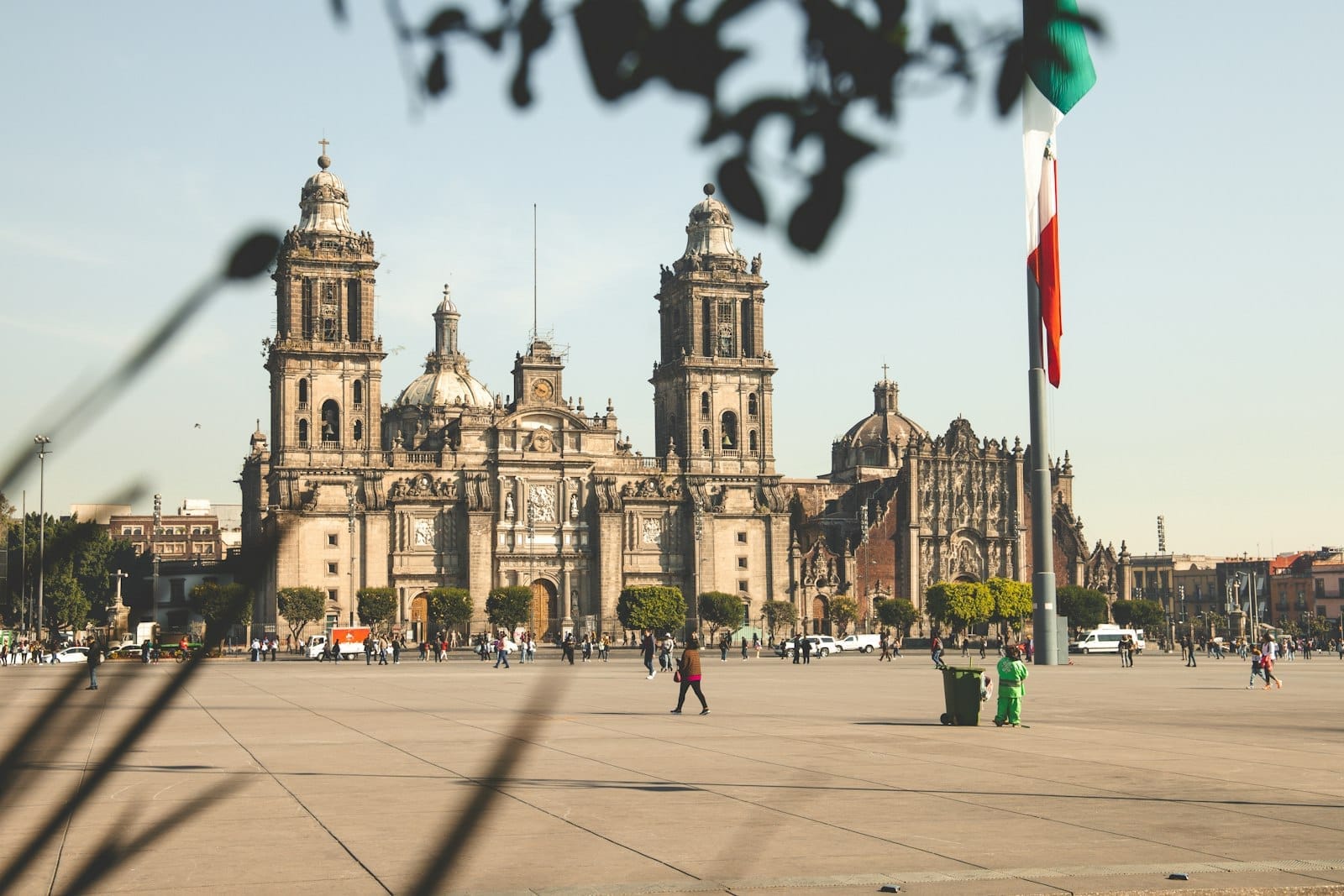
By mid-morning, the district transforms into one of the most intensely populated urban spaces in the Americas. Office workers, schoolchildren, tourists, ambulant vendors, and government employees all occupy the same sidewalks. Calle Madero becomes a slow-moving river of people. Around the Zócalo, enormous Mexican flags snap in the wind above a space large enough to feel truly monumental. This is not a quiet heritage district: it is a living, working neighborhood that happens to contain some of the most significant architecture on the continent.
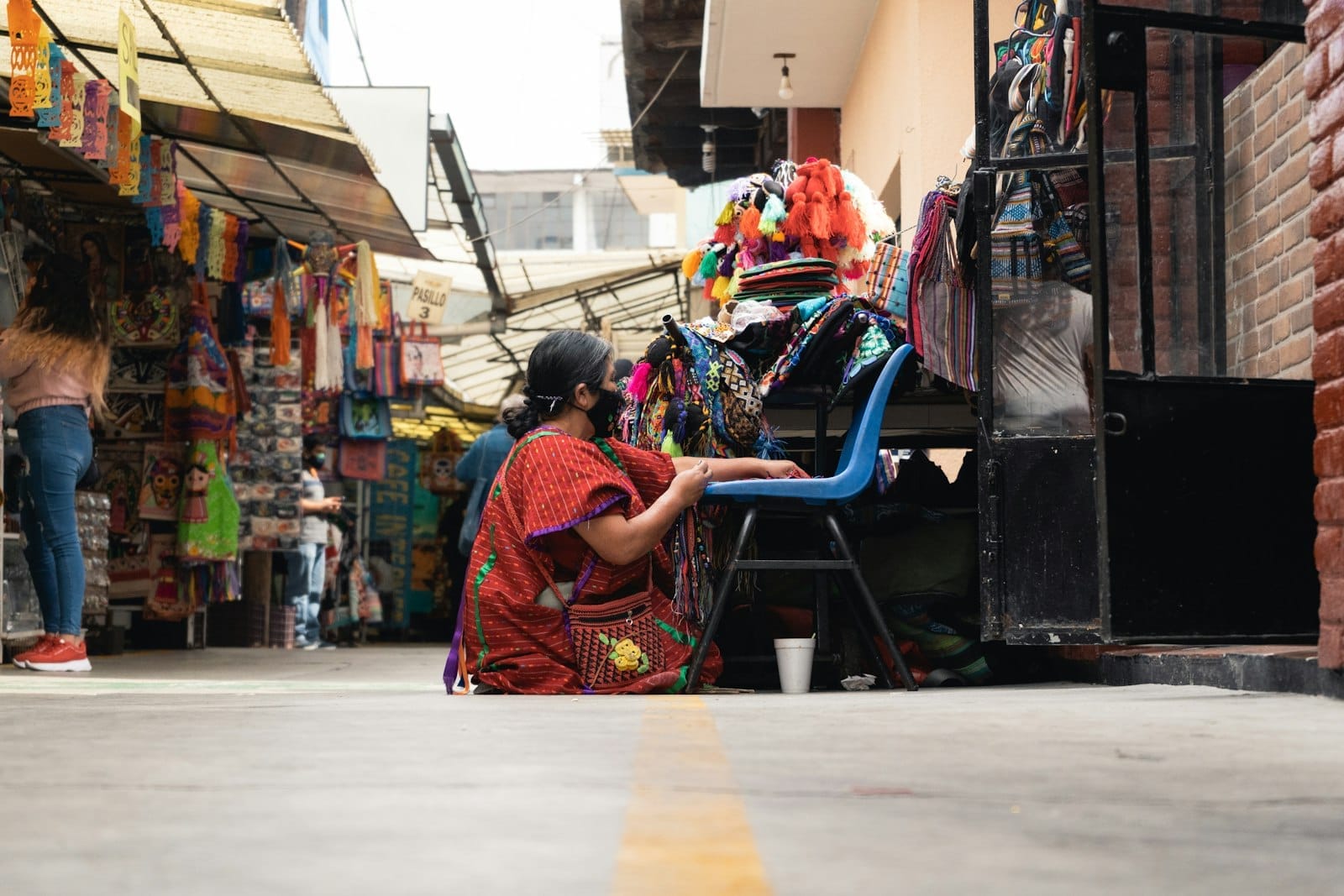
The streets north of the Zócalo, toward Santo Domingo and La Lagunilla, feel different from the polished tourist corridor of Madero. Here the sidewalks narrow, the buildings are less restored, and daily commerce dominates: printing shops, hardware stores, wholesale textile merchants. This northern section gives you a clearer picture of how the Centro functions as a working-class commercial district, not just a heritage showcase.
After dark, the character shifts again. The main plazas remain active, particularly around Calle Madero and the Zócalo, which often hosts cultural events and free concerts on weekends. However, some of the smaller side streets toward the eastern boundary, near Anillo de Circunvalación, become quieter and warrant more caution at night. The neighborhood is not uniformly safe after dark, and the quality of lighting and foot traffic varies significantly block by block.
⚠️ What to skip
Pickpocketing is a real risk in Centro Histórico, especially on crowded pedestrian streets like Calle Madero and inside the Metro at peak hours. Use a front-pocket wallet, keep your phone out of sight on busy streets, and be alert in large crowds around the Zócalo during events.
What to See & Do
Centro Histórico contains the single highest concentration of museums and monuments in Mexico City. The challenge is not finding things to do but deciding what to prioritize, because trying to see everything in a day will leave you exhausted and under-informed about all of it.
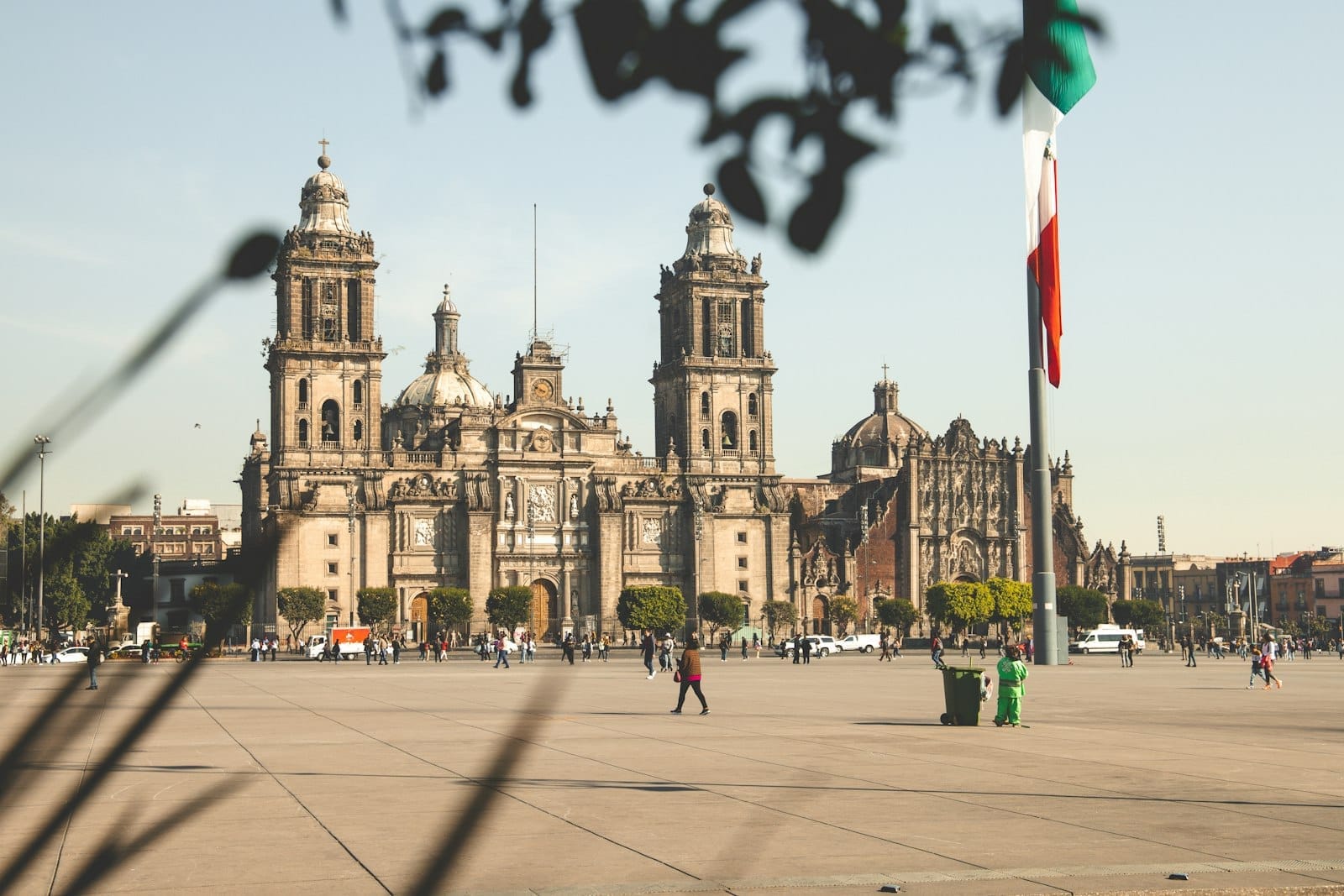
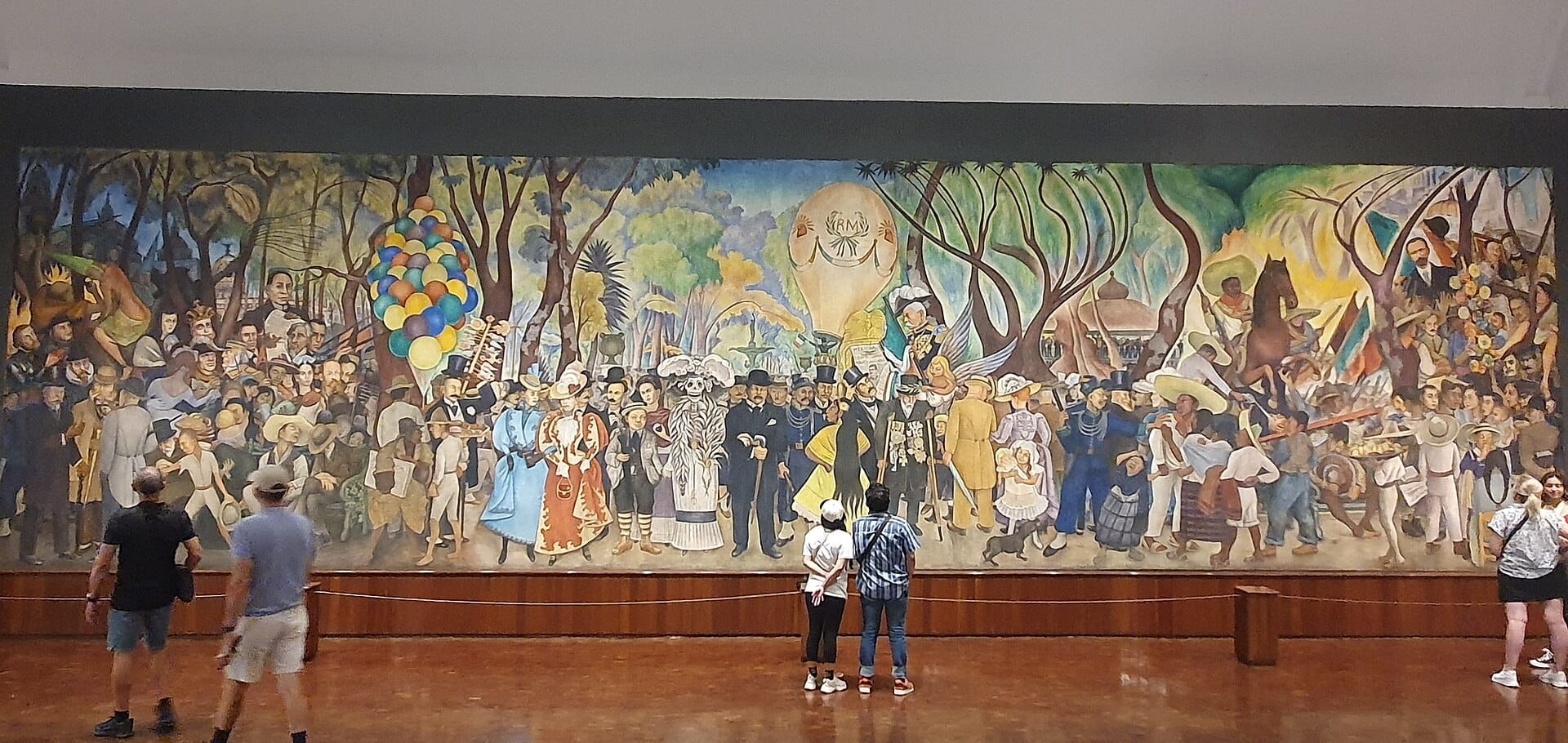
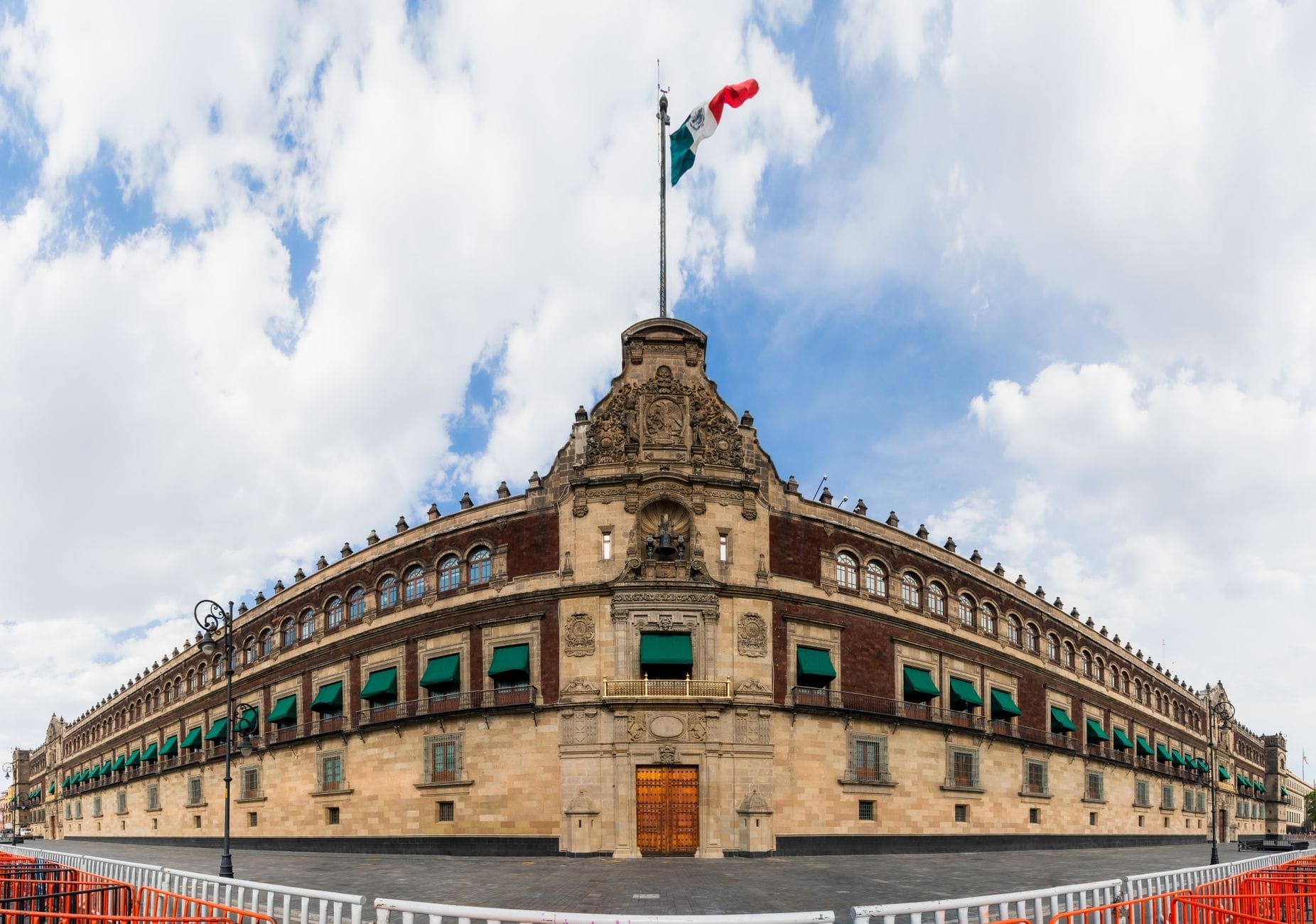
The Zócalo anchors the district. On its north side stands the Metropolitan Cathedral, the largest cathedral in Latin America, built over nearly three centuries, whose uneven sinking into the soft lakebed soil has given it an almost imperceptible tilt visible from certain angles. On the east side of the plaza, the National Palace houses Diego Rivera's famous murals depicting the history of Mexico, spread across the main staircase and the upper gallery. Admission is free, but you should bring your passport and expect airport-style security at the entrance.
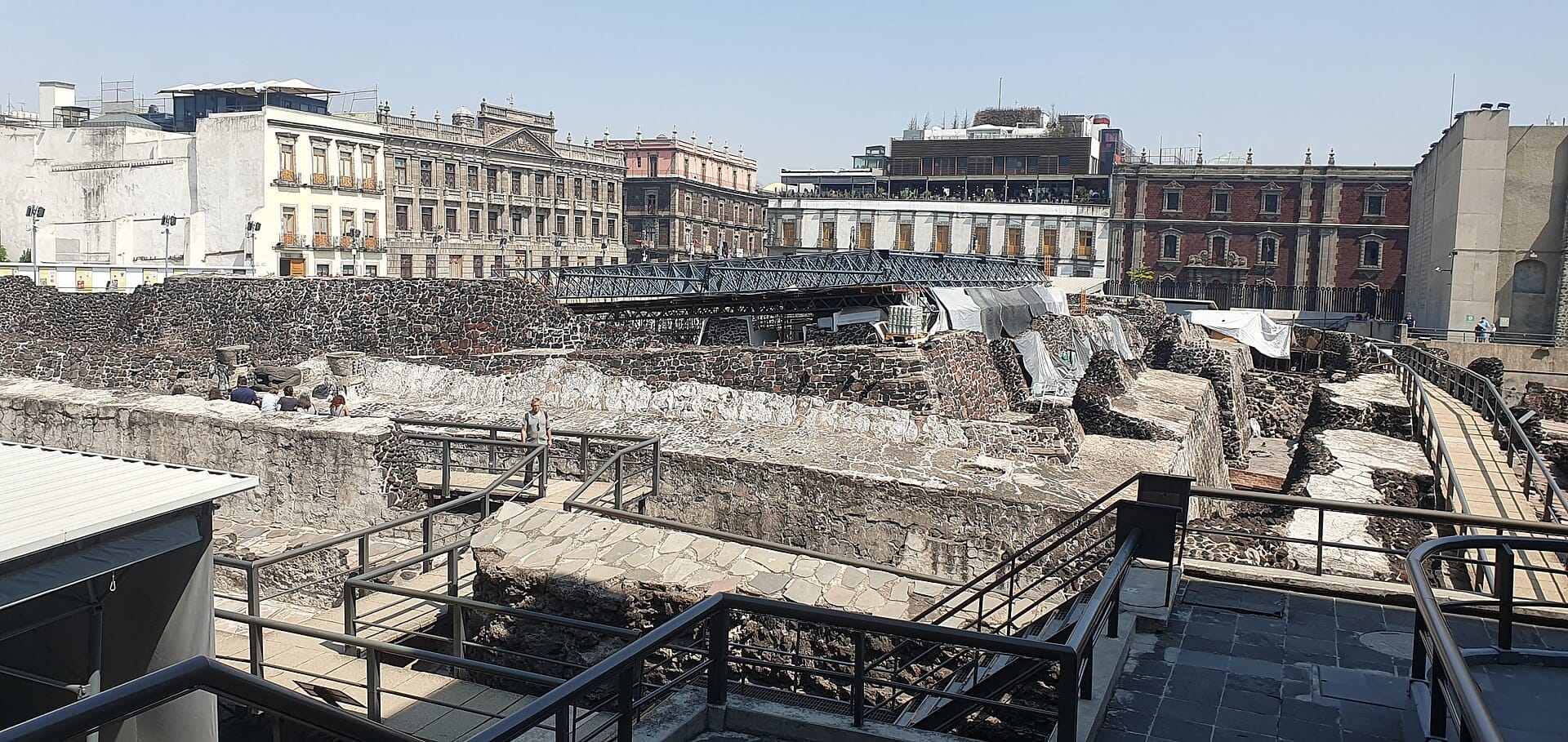
Directly northeast of the cathedral, the Templo Mayor archaeological site is the single most important pre-Hispanic monument within the city center. What you see today is the excavated remains of the great pyramid of Tenochtitlan, dismantled by the Spanish and discovered by accident during electrical works in 1978. The adjacent museum displays Aztec stone carvings, offering essential context for understanding what this site meant before the conquest.
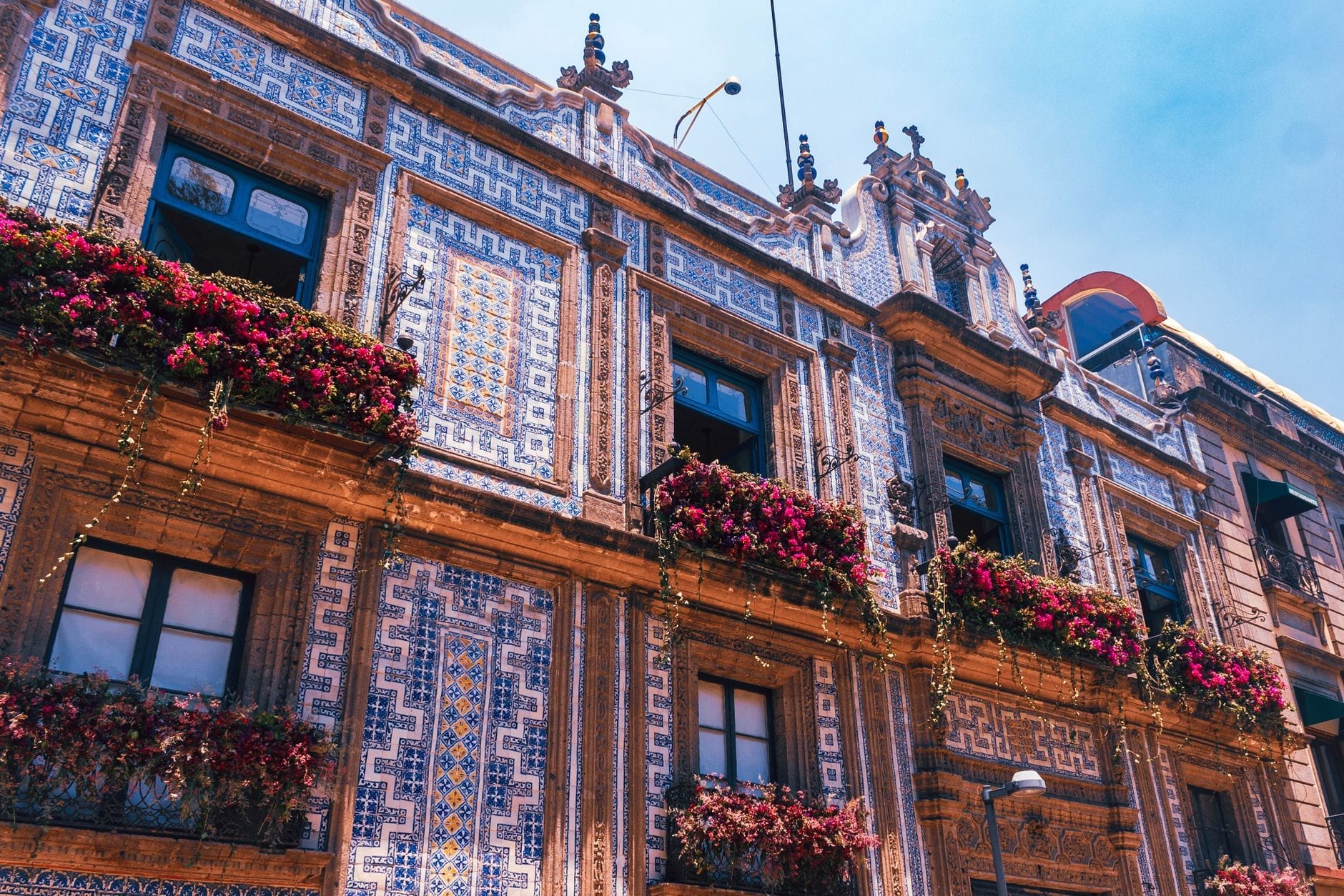
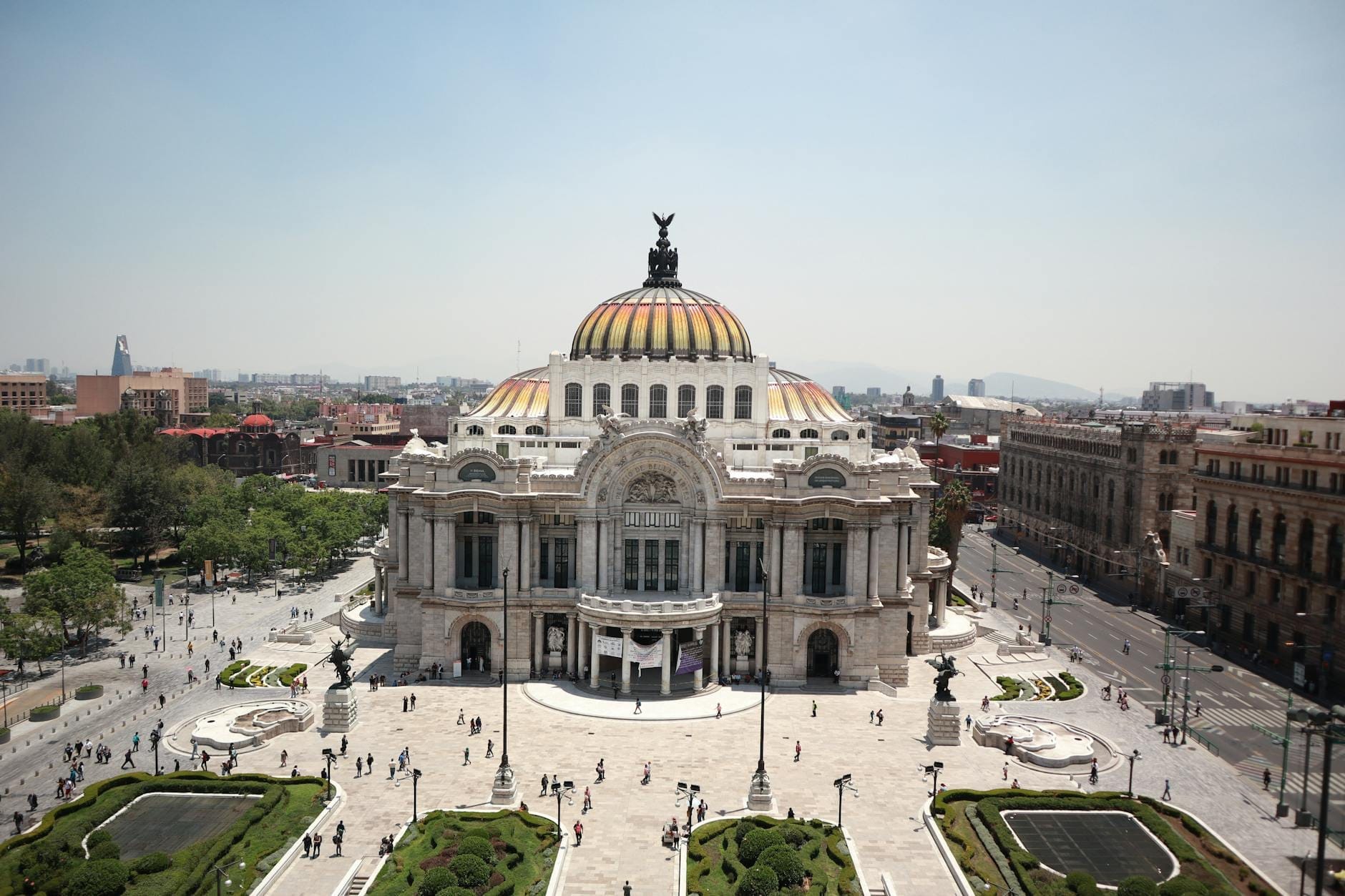
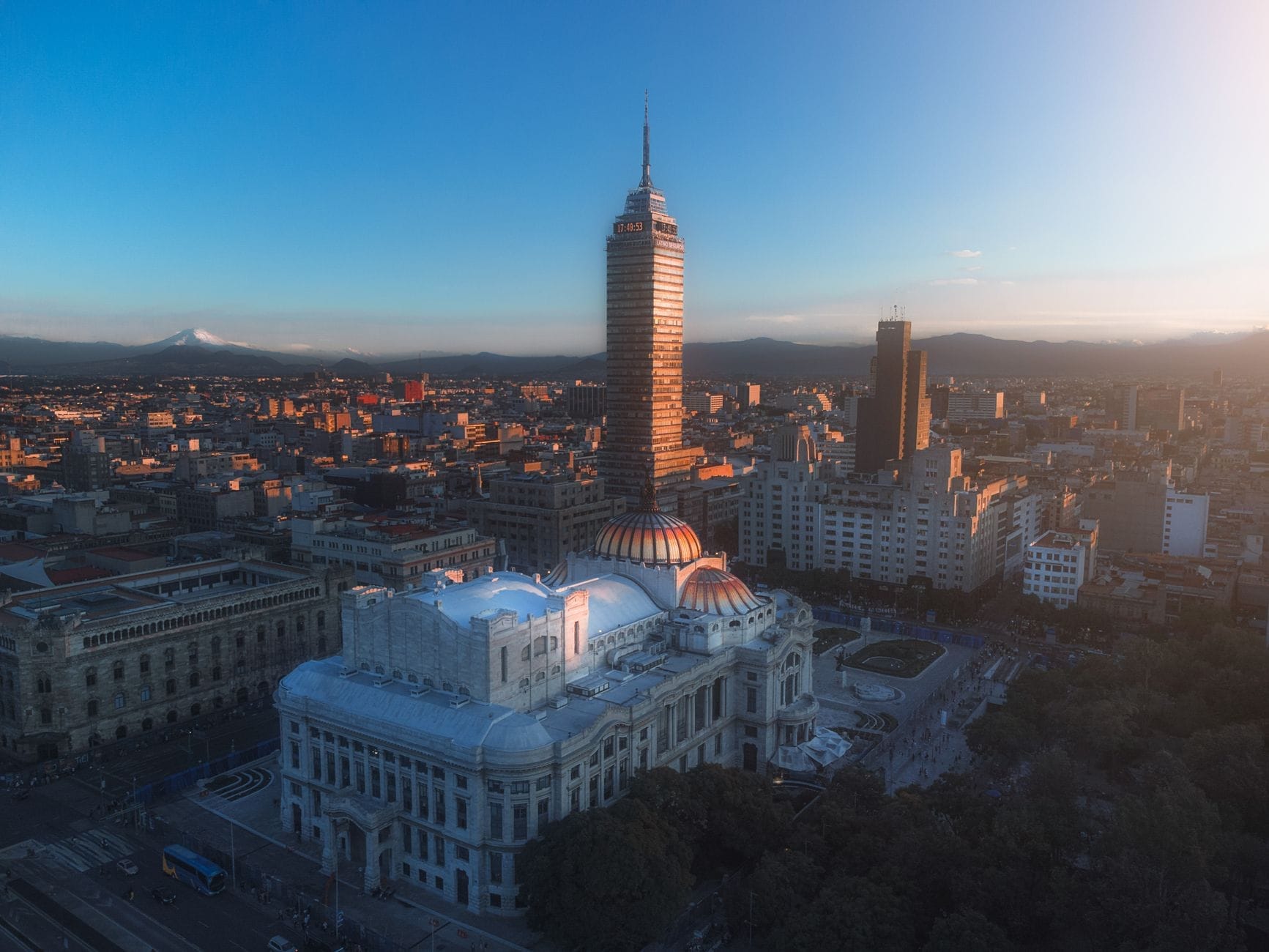
Walking west along Calle Madero, you pass the Casa de los Azulejos, an 18th-century palace covered in blue and white Talavera tile that now operates as a restaurant and café. Continuing west, you reach the Palacio de Bellas Artes, probably the most architecturally dramatic building in the city: a white marble art nouveau exterior, a spectacular art deco interior, and a stage curtain made of Tiffany glass depicting the Valley of Mexico volcanoes. The Alameda Central park stretches west from here, offering shade, benches, and a calmer pace than the surrounding streets.
Zócalo (Plaza de la Constitución): the political and symbolic heart of Mexico
Metropolitan Cathedral: three centuries of construction visible in one building
National Palace: Diego Rivera murals, free entry with ID
Templo Mayor and museum: Aztec ruins beneath the colonial city
Palacio de Bellas Artes: art nouveau exterior, art deco interior, murals inside
Alameda Central: the oldest public park in the Americas
Casa de los Azulejos: Talavera-tiled 16th-century palace on Calle Madero
Museo Franz Mayer: decorative arts in a former hospital off the Alameda
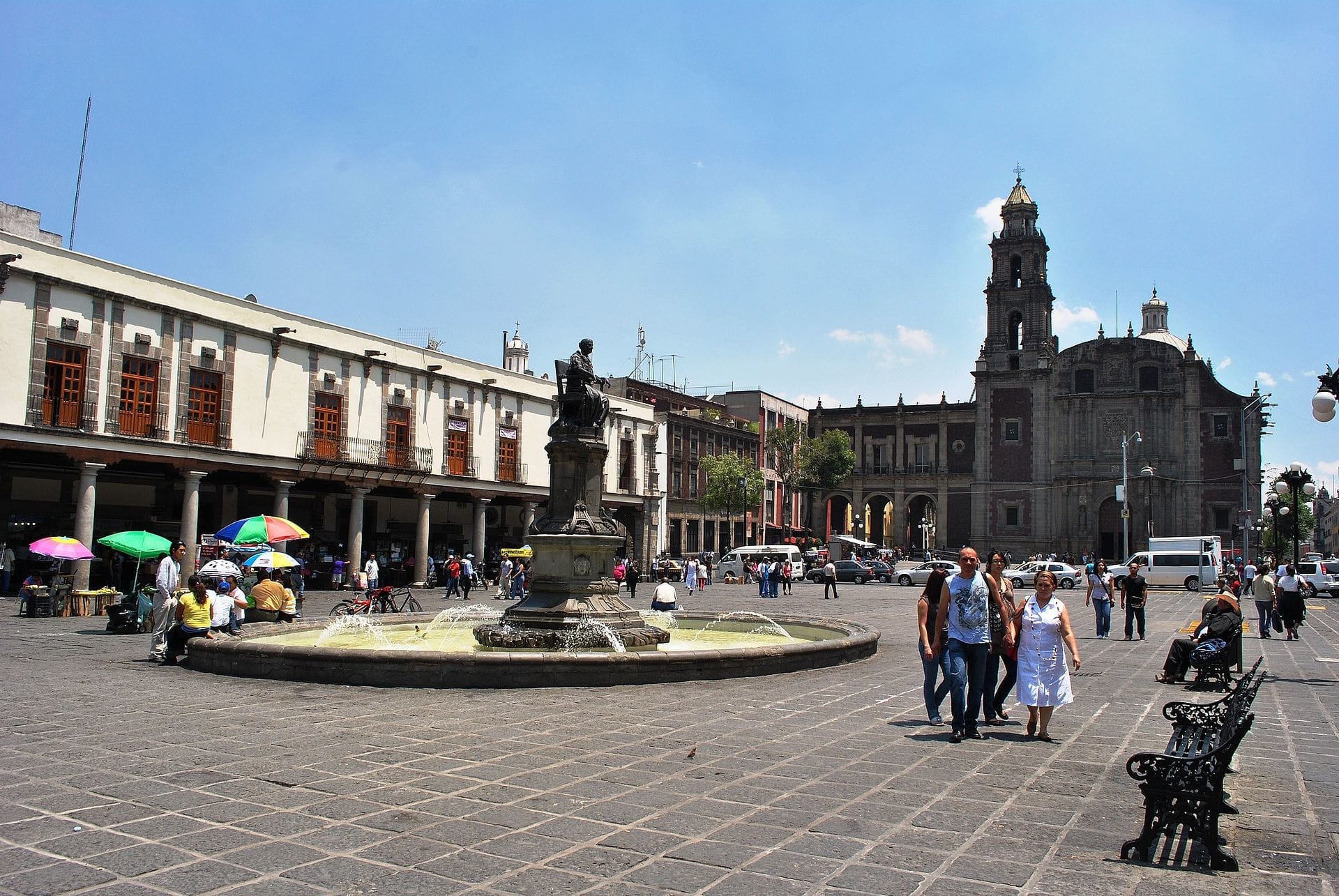
Santo Domingo Square: printers' market and colonial convent
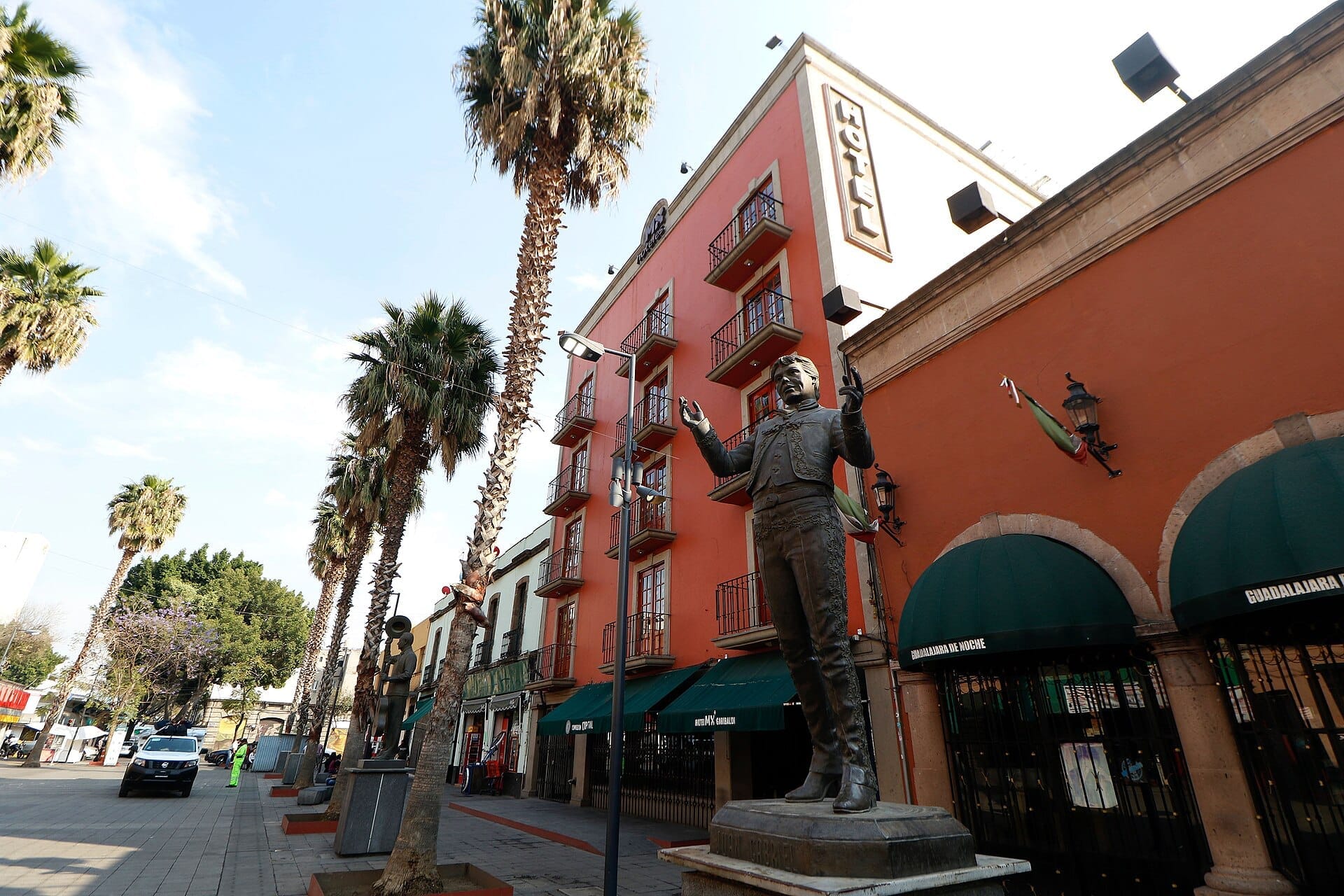
Plaza Garibaldi: mariachi bands, just north of the historic boundary
💡 Local tip
The Palacio de Bellas Artes hosts ballet folklórico performances on certain evenings and weekend mornings. Tickets sell out quickly for weekend shows. Check the official schedule and book in advance if this is a priority.
Eating & Drinking
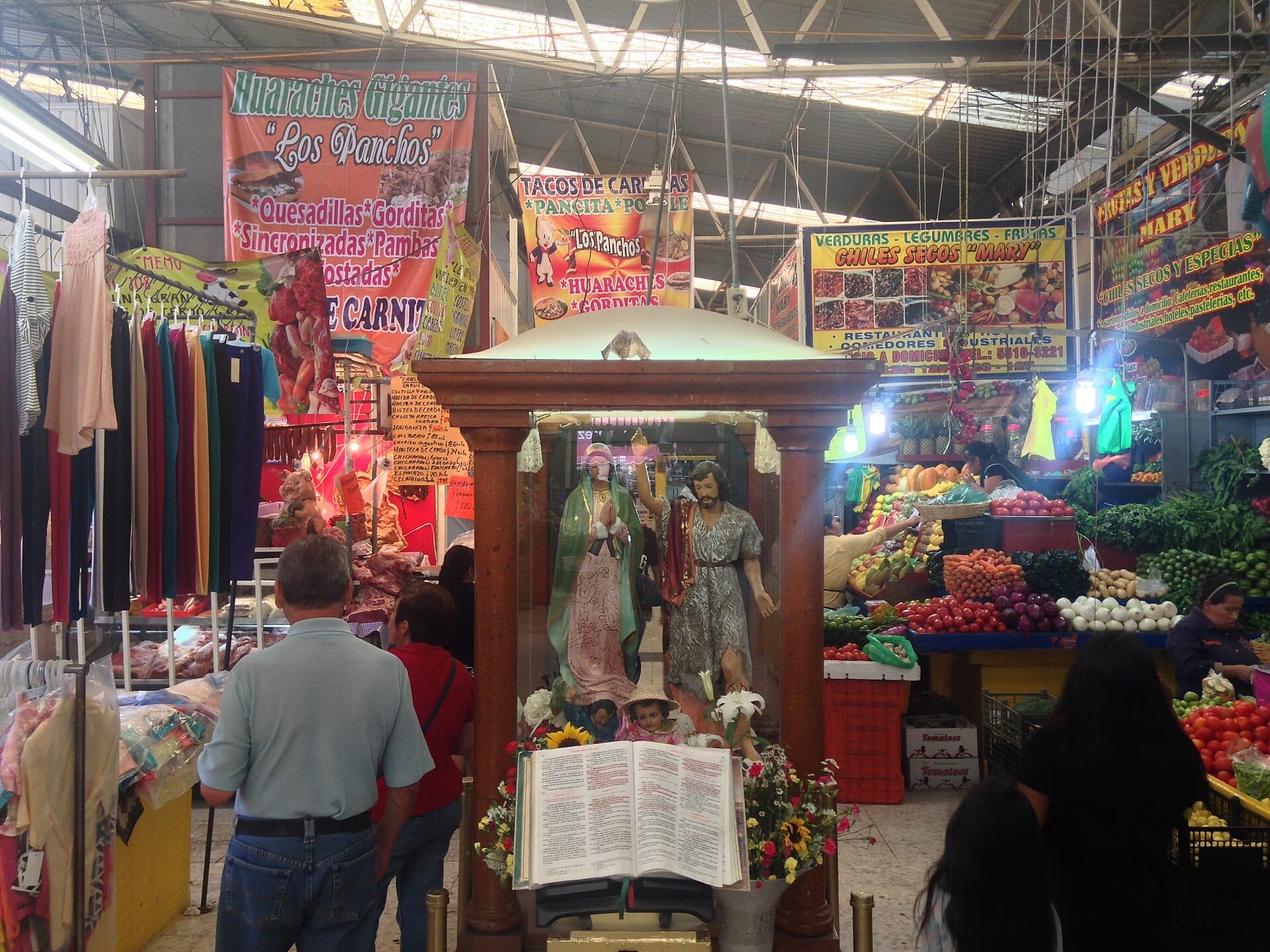
The food scene in Centro Histórico covers an enormous range, from street tacos to century-old cantinas to upscale restaurants in restored colonial buildings. For everyday eating, the streets around the Zócalo and the markets off Eje Central are where locals eat. The Mercado de San Juan, a few blocks southwest of the Alameda, is one of the city's best covered markets, with a strong international food section, excellent cheeses, charcuterie, and cooked-to-order Mexican dishes. It attracts both local shoppers and informed visitors.
Traditional cantinas are a genuine institution in this part of the city. These old-school establishments, some of which have been operating since the early 20th century, serve beer and mezcal alongside free botanas (small plates) and hearty lunch menus. They open at midday and typically close by early evening. The lunch hour, roughly 2pm to 4pm, is when the city eats its main meal, and the set-menu comida corrida, available at countless small restaurants throughout the district, represents extraordinary value: soup, rice, a main dish, and often a drink, all for a modest price.
The tourist corridor along Calle Madero has a predictable collection of higher-priced restaurants targeting visitors, though the Casa de los Azulejos branch of Sanborns is worth visiting for the building alone. For better value and a more local experience, walk a block or two off the main pedestrian axis. The streets around Mesones, Uruguay, and República de El Salvador contain taco stands, lunch counters, and small fondas that charge a fraction of the prices on the main drag.
For mezcal and craft spirits, the Centro has seen a wave of new bars in recent years, particularly in restored buildings near the Zócalo and around the República de Uruguay street. If you want a deeper understanding of Mexico's spirits culture, the Mexico City mezcal guide covers the best bars and what to order. The Centro is also one of the better areas to find traditional pulque bars, serving the ancient fermented agave drink that predates both beer and mezcal in Mexican culture.
Getting There & Around
Centro Histórico is one of the best-served neighborhoods in the city for public transit. Metro Line 2 stops directly at the Zócalo (station name: Zócalo/Tenochtitlan), putting the main plaza seconds from the platform exit. Metro Bellas Artes, shared by Lines 2 and 8, serves the western edge of the district near the Palacio de Bellas Artes and Alameda Central. Metro San Juan de Letrán on Line 8 provides access from the south, close to the Eje Central axis.
From Mexico City International Airport (MEX), which sits roughly 8 km east of the Zócalo, the most direct public transit option is Metro Line 5 to Terminal Aérea station, then transfer to Line 1 toward the centre. Ride-hailing apps including Uber, Didi, and Cabify all operate airport pickups. For a full breakdown of transport options across the city, the getting around Mexico City guide explains the metro system, Metrobús routes, and ride-hailing logistics in detail.
Within the district, walking is the primary and most effective mode of travel. Calle Madero and several surrounding streets are fully pedestrianized. The main sights between the Zócalo and the Alameda Central span approximately 1.3 km and are entirely flat, making this one of the most walkable cultural corridors in any Latin American capital. The streets around Templo Mayor, Santo Domingo, and La Ciudadela market are also easily reached on foot from the Zócalo without needing transit.
ℹ️ Good to know
The Metro is extremely affordable and reliable for reaching Centro Histórico, but avoid the Zócalo and Bellas Artes stations during weekday rush hours (approximately 7:30-9:30am and 6-8pm), when platforms and carriages become dangerously crowded and pickpocket risk increases significantly.
Where to Stay
Staying in Centro Histórico puts you inside the most historically significant neighborhood in Mexico, within walking distance of the Zócalo, Templo Mayor, and Bellas Artes. Several of the best hotels occupy restored colonial buildings, and waking up to views of 16th-century facades from your room is a markedly different experience from staying in Roma or Polanco. The trade-off is noise and atmosphere: the streets around the Zócalo are active early and late, and traffic on Eje Central never fully stops.
The best accommodation options are concentrated on and around Calle Madero, the streets between the Zócalo and Alameda Central, and in the quieter blocks south of Uruguay. Travelers who prioritize museum access, walking to monuments, and early-morning visits to the archaeological sites before the crowds arrive will find the location ideal. Those sensitive to urban noise, or who prefer the café culture of Roma and Condesa, may find Centro Histórico a better day-trip destination than a home base.
For a broader view of where to base yourself across the city, including comparisons between Centro Histórico, Polanco, and Roma-Condesa, the where to stay in Mexico City guide breaks down each neighborhood's character and practical trade-offs.
Practical Information
Centro Histórico sits at roughly 2,240 meters above sea level, the same elevation as the rest of central Mexico City. Visitors arriving from lower altitudes should plan for altitude adjustment during their first one to two days, which can mean reduced energy and mild headaches. Staying hydrated helps. Do not drink tap water anywhere in Centro Histórico or elsewhere in Mexico City: bottled or purified water is universally available and inexpensive.
The district is enormously rewarding for anyone interested in Mexican history, pre-Hispanic cultures, colonial architecture, muralism, or street food. It is loud, crowded during peak hours, and uneven in terms of street quality and safety after dark. But there is nowhere else in the city where the full sweep of Mexican history is as physically present. For itinerary planning, the 3-day Mexico City itinerary dedicates a full day to Centro Histórico, which represents the minimum needed to cover the major sights without rushing.
Admission to many of the most important sites, including the National Palace and several government buildings, is free. The Templo Mayor charges a small entry fee. The Palacio de Bellas Artes has a modest charge for access to the upper galleries. For a broader list of free experiences in the city, see the free things to do in Mexico City guide. Fees and opening hours change seasonally, so verify directly before visiting.
TL;DR
Centro Histórico is the UNESCO-listed historic core of Mexico City: 668 city blocks, about 1,550 heritage buildings, and the highest density of museums and monuments in the country.
The Zócalo, Metropolitan Cathedral, National Palace, Templo Mayor, and Palacio de Bellas Artes are all within a 15-minute walk of each other on flat, largely pedestrianized streets.
Metro Line 2 (Zócalo/Tenochtitlan station) provides direct access; the district is also reachable by Metrobús and ride-hailing apps.
Best for: history and culture seekers, architecture enthusiasts, first-time visitors to Mexico City who want maximum sightseeing in a compact area.
Worth knowing: the district is crowded, noisy, and uneven in quality after dark; some eastern and northern blocks require more caution at night than the main tourist corridor.
Mexico City ranks among the top museum cities on earth, with over 150 institutions spanning pre-Columbian archaeology, muralism, folk art, contemporary art, and colonial history. This guide cuts through the noise and tells you exactly which museums are worth your time, where they are, and what makes each one well worth the trip.
Mexico City is a genuine year-round destination, but timing your visit around weather patterns, local festivals, and price cycles makes a real difference. This guide breaks down every season so you can decide when to go based on what actually matters to you.
Mexico City transforms every late October and early November into one of the world's great cultural spectacles. This guide covers the grand parade, neighborhood celebrations, ofrenda traditions, and everything practical you need to experience Día de Muertos properly.
Mexico City sits at the centre of one of the most rewarding regions in the Americas for day trips. Whether you want ancient pyramids, colonial cities, forested national parks, or floating gardens, each of these excursions can be done in a single day from CDMX and back.
Mexico City is one of the world's great bargain destinations. From world-class museums with no entry fee to sprawling parks, ancient ruins, and monumental public art, you can fill days of extraordinary sightseeing without spending a single peso on admission.
Mexico City's transport network is one of the largest in the world, covering 12 Metro lines, 7 Metrobús corridors, bike share, and rideshare apps. This guide breaks down every option with real costs, practical routes, and practical warnings so you can move through CDMX efficiently and safely.
Mexico City carries an outsized reputation for danger that doesn't match the reality most tourists experience. This guide breaks down official advisories, neighborhood safety, common crime patterns, and practical precautions so you can make an informed decision about visiting CDMX.
Lucha libre is one of the most electric live experiences in Mexico City. This guide covers the two main venues, weekly schedules, ticket prices, how to buy safely, and what to expect inside the arena so you can skip the guesswork and enjoy the spectacle.
Mexico City International Airport (IATA: MEX) is one of the busiest airports in Latin America and your gateway to one of the world's great cities. This guide covers terminals, ground transport, airlines, facilities, and practical tips to make your arrival or departure as smooth as possible.
At 2,240 metres (7,350 feet) above sea level, Mexico City is one of the highest major capitals in the world. This guide covers altitude sickness symptoms, acclimatisation strategies, climate effects, and common misconceptions so you can plan your trip with confidence.
Mexico City has become one of Latin America's top remote work destinations, combining fast fiber internet, affordable living costs, and a rich urban culture. This guide covers everything from the best neighborhoods for nomads to visa logistics, coworking costs, and daily life practicalities.
Mexico City rewards those who look beyond the obvious. This guide reveals the museums, markets, archaeological sites, and neighbourhoods that locals love but most visitors miss, from a volcanic-stone pyramid in the south to a 19th-century Moorish kiosk that once travelled to New Orleans.
Three days in Mexico City covers the highlights, but only if you plan smart. This guide breaks down exactly where to go, in what order, and what to skip — with logistics, pricing, and local context built in.
Mexico City (CDMX) rivals much larger capitals in the luxury travel market. This guide covers where to stay, where to eat, and what to do at the high end, with clear advice on pricing, neighborhoods, and how to avoid wasting money on the wrong choices.
Mexico City is the best place outside Oaxaca to explore mezcal seriously. This guide covers the top mezcalerías in Roma, Polanco, and Centro, where to buy quality bottles to take home, and the essential knowledge to taste confidently without getting burned by tourist-trap pours.
Mexico City's nightlife runs deep and late, spanning cantinas, cocktail bars, electronic clubs, live mariachi, and lucha libre events across a dozen distinct neighborhoods. This guide breaks down where to go, what to expect, and how to do it safely across CDMX's best after-dark districts.
Mexico City (CDMX) is one of the best-value major cities in North America. This guide breaks down realistic daily budgets, the cheapest ways to get around, free and low-cost attractions, and where to eat well without overspending — whether you have 3 days or 3 weeks.
Mexico City sits atop one of the ancient world's great civilizations. This guide covers every pyramid and archaeological site worth your time, from the colossal monuments at Teotihuacán to the Aztec ruins buried beneath the modern city center.
Mexico City is one of Latin America's great shopping destinations, with a range that stretches from centuries-old craft markets to high-end international boutiques. This guide breaks down the best areas by shopping style, with practical notes on prices, hours, and where the tourist traps hide.
Solo travel in Mexico City (CDMX) is more straightforward than most people expect. This guide covers the best neighborhoods to base yourself, how to get around on a budget, which attractions to prioritize, and straightforward safety advice so you can make the most of one of the world's great capitals.
Mexico City is one of the world's great street food capitals, with thousands of stands serving everything from tacos al pastor to tamales and tlacoyos at prices that rarely exceed MXN 100 for a full meal. This guide covers the essential dishes, neighborhood-by-neighborhood breakdown, timing, pricing, food safety, and how to get the most out of eating on the streets of CDMX.
Mexico City rewards those who look up, down, and out. This guide covers the best places to see the city from above, from the classic observation deck of Torre Latinoamericana to the hilltop drama of Chapultepec Castle and the wide valley views at Teotihuacán.
Mexico City rewards walkers like few capitals on earth. From Aztec ruins and colonial palaces to Art Deco parks and bohemian barrios, these are the routes and guided tours worth lacing up your shoes for.
Mexico City is one of Latin America's most rewarding family destinations, with a free world-class zoo, hands-on children's museums, canal boat rides, and ancient pyramids. This guide covers the best kid-friendly attractions, practical logistics, and straightforward tips to help families make the most of CDMX.
Teotihuacán is one of the great ancient cities of the world, and it sits just 50 km northeast of Mexico City. This guide covers every practical detail: how to get there independently, whether a guided tour is worth it, when to arrive, what the ticket situation actually looks like, and the climbing ban that catches many visitors off guard.
Mexico City (CDMX) packs pre-Hispanic ruins, landmark museums, colonial architecture, and one of the world's great food scenes into a metro area of over 21 million people. This guide covers the top things to do in Mexico City by category, with practical timing advice and logistics to help you plan a smarter trip.
Mexico City (CDMX) is a metropolis of over 21 million people, and choosing the right neighborhood to stay in makes a genuine difference to your trip. This guide breaks down the best areas by budget, travel style, and transit access — with straightforward assessments of what each zone actually delivers.