Mexico City Mezcal Guide: Where to Drink, Buy, and Learn About Agave
Mexico City is the best place outside Oaxaca to explore mezcal seriously. This guide covers the top mezcalerías in Roma, Polanco, and Centro, where to buy quality bottles to take home, and the essential knowledge to taste confidently without getting burned by tourist-trap pours.
Tickets & tours
Live prices and dates from our booking partner. If you book, we may earn a commission at no extra cost to you.
TL;DR
- Mezcal is a protected-origin agave spirit made in 10 Mexican states; it is not just smoky tequila, and understanding the difference will transform how you drink it.
- The best mezcal bars in CDMX are concentrated in Roma Norte, Polanco, and Centro Histórico, each with a different vibe and price point.
- Salon de Agave (Casa Prunes) requires advance booking; Bósforo in Centro does not, but expect a crowd on weekends.
- For buying bottles, specialist shops beat supermarkets for quality; La Ciudadela market has a dedicated mezcal shop worth visiting.
- Skip the worm, ignore the artificially smoky entry-level bottles, and read this guide before you order. For the full nightlife picture, see the Mexico City nightlife guide.
What Mezcal Is (And Why It Matters Here)
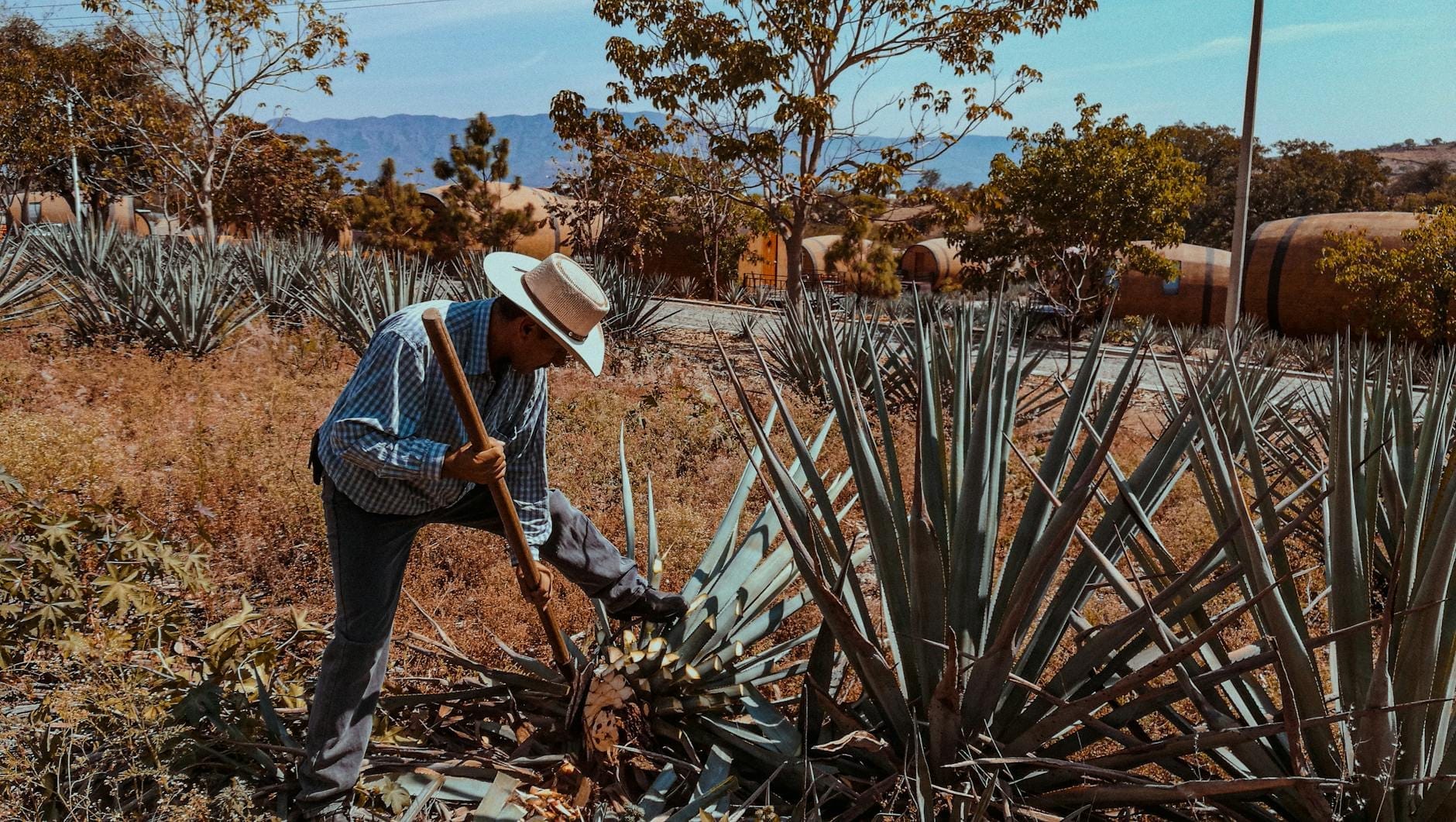
The word mezcal comes from the Nahuatl mexcalli, meaning cooked agave. In its simplest definition, mezcal is any spirit distilled from agave, which technically makes tequila a sub-category of mezcal. In practice, mezcal and tequila are distinct products with different rules, regions, and production methods. Tequila can only be made from blue agave (Agave tequilana) in a handful of states; mezcal can be produced from more than 30 agave varieties across 9 legally designated states including Oaxaca, Durango, Guerrero, Guanajuato, Michoacán, Puebla, San Luis Potosí, Tamaulipas, and Zacatecas.
Production matters more in mezcal than almost any other spirit category. The agave plant, depending on species, takes between 7 and 30 years to mature before it can be harvested. The piñas (the core of the plant) are slow-roasted in earthen pits lined with hot rocks, which is where the characteristic smokiness comes from. They are then fermented in open-air wooden vats using wild yeasts, and distilled in clay, wood, or copper stills in small rural distilleries called palenques. This process is not standardized in the way industrial tequila production is, which is why no two mezcals taste identical.
ℹ️ Good to know
Certified mezcal is classified by production method: artesanal and ancestral categories use more traditional equipment and are often associated with more traditional production. Look for these designations on the label when buying or ordering. The basic 'Mezcal' category allows more industrial methods and is common in supermarket brands.
Mexico City is not a production region, but it is arguably the best place to discover mezcal as a category. The capital draws producers, importers, and enthusiasts from all 10 authorized states, and the concentration of serious mezcalerías here rivals anything you will find outside the producing regions themselves. Bars in Roma Norte and Polanco carry selections that would be hard to assemble even in Oaxaca.
The Best Mezcal Bars in Mexico City
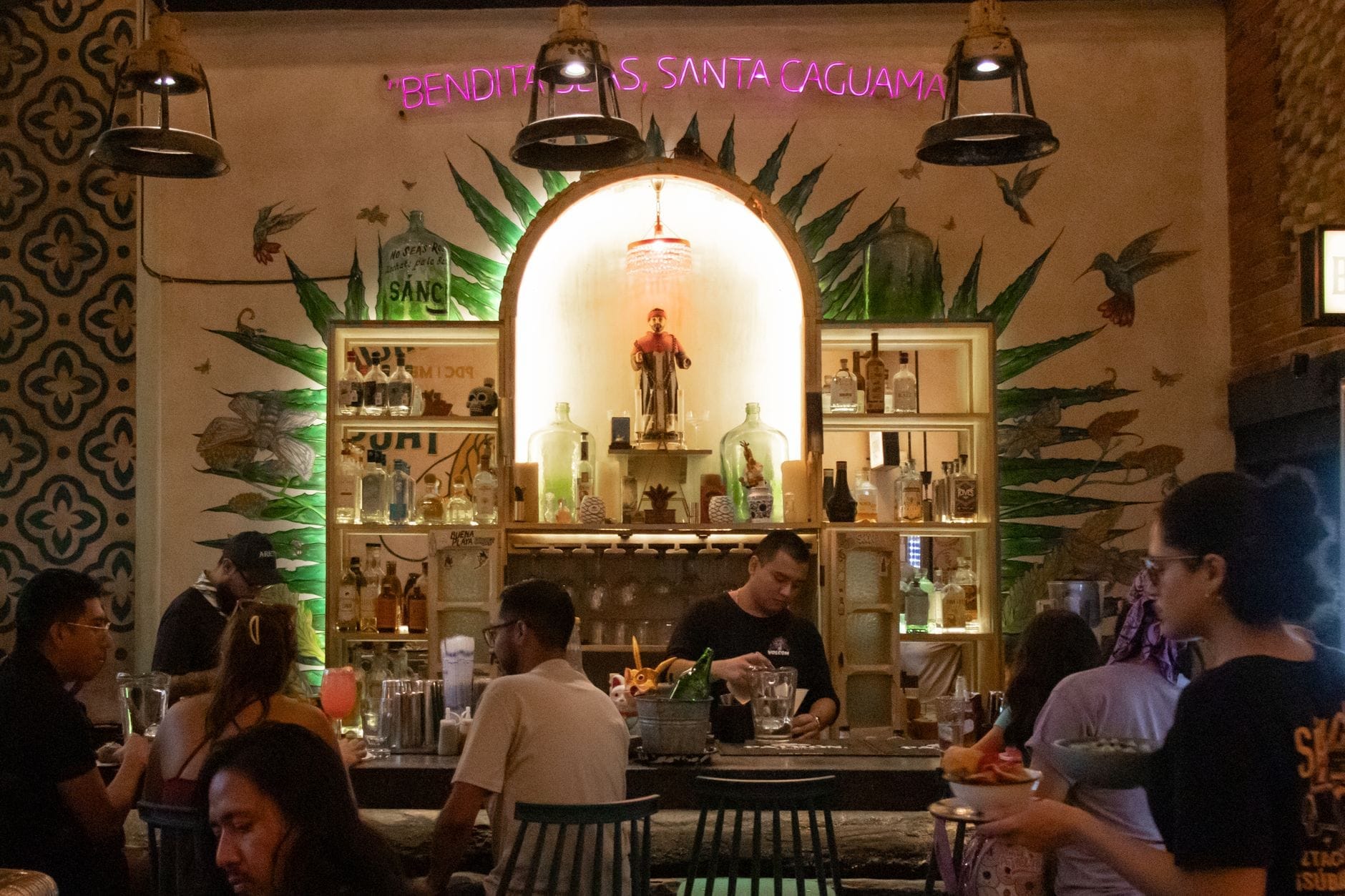
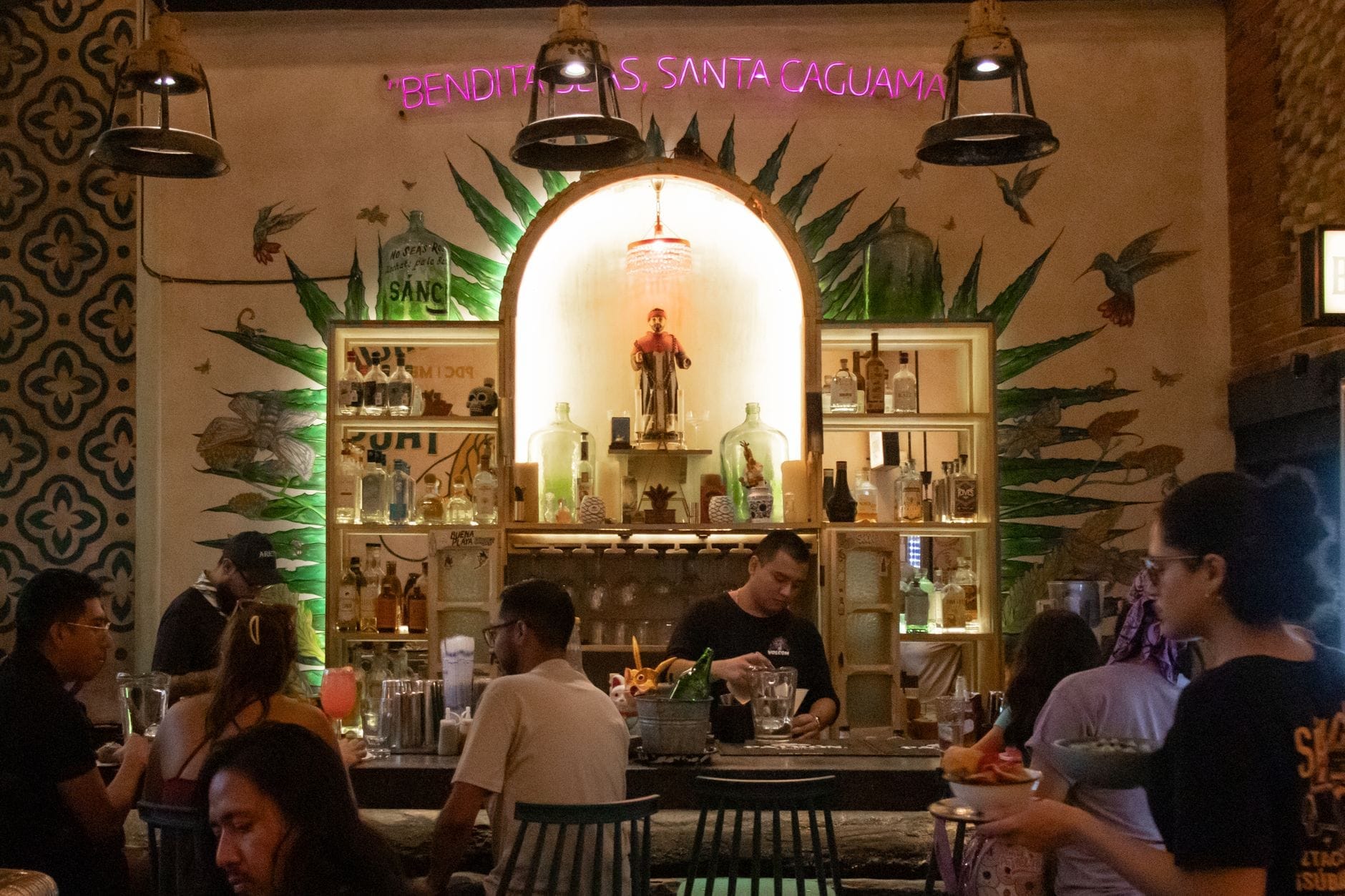
Most of CDMX's serious mezcal spots are in three neighborhoods: Roma-Condesa, Polanco, and Centro Histórico. Each area has a distinct character. Centro is gritty and casual; Roma is the contemporary bar-scene sweet spot; Polanco is polished and pricier.
- Bósforo (Centro Histórico) Luis Moya 31, just off Alameda Central. One of the city's original serious mezcal bars, Bósforo built its reputation on a deep, rotating selection of agave spirits from across Mexico. The space is small, the music is loud on weekends, and there are no reservations. Go on a Tuesday or Wednesday evening for a more manageable crowd. Prices are fair by CDMX bar standards.
- Tlecan Mezcalería (Roma Norte) Álvaro Obregón 228. A well-edited bar with both straight mezcal pours and cocktail service. Their mezcal Negroni and mezcal Martini are good versions that do not mask the spirit. Good entry point if you are with a mixed group of mezcal-curious and cocktail-only drinkers.
- Mis Mezcales (Roma Norte) Coahuila 138. Primarily a retail shop with 50-plus Mexican spirits, but the private tasting room upstairs makes it one of the better structured-learning experiences in the city. Staff can walk you through agave varieties and production regions in a way that contextualizes what you are tasting. Book the tasting room in advance.
- Ticuchi (Polanco) Petrarca 254. Backed by chef Enrique Olvera of Pujol fame, Ticuchi is the most design-forward mezcal bar in the city. The selection is excellent and the Wednesday 'Tropicuchi' nights add a vinyl music dimension that draws a younger Polanco crowd. Reservations are recommended, especially Thursday through Saturday.
- Salon de Agave at Casa Prunes (Roma) Chihuahua 78. The most educational option on this list. Casa Prunes offers guided tastings that move across agave spirits beyond mezcal: raicilla, bacanora, and tequila are included, with context for each. Advance booking is mandatory and sessions fill up, so plan at least a week ahead if visiting during high season.
⚠️ What to skip
Avoid any bar or restaurant that hands you a shot glass of mezcal unprompted and charges 200-300 MXN without telling you what you are drinking. Tourist-facing spots near Zona Rosa and some Centro Histórico restaurants use low-quality, heavily smoked commercial mezcal as a default pour. If the bottle has no producer information on the label, that is a red flag.
How to Order and Taste Mezcal Like a Local
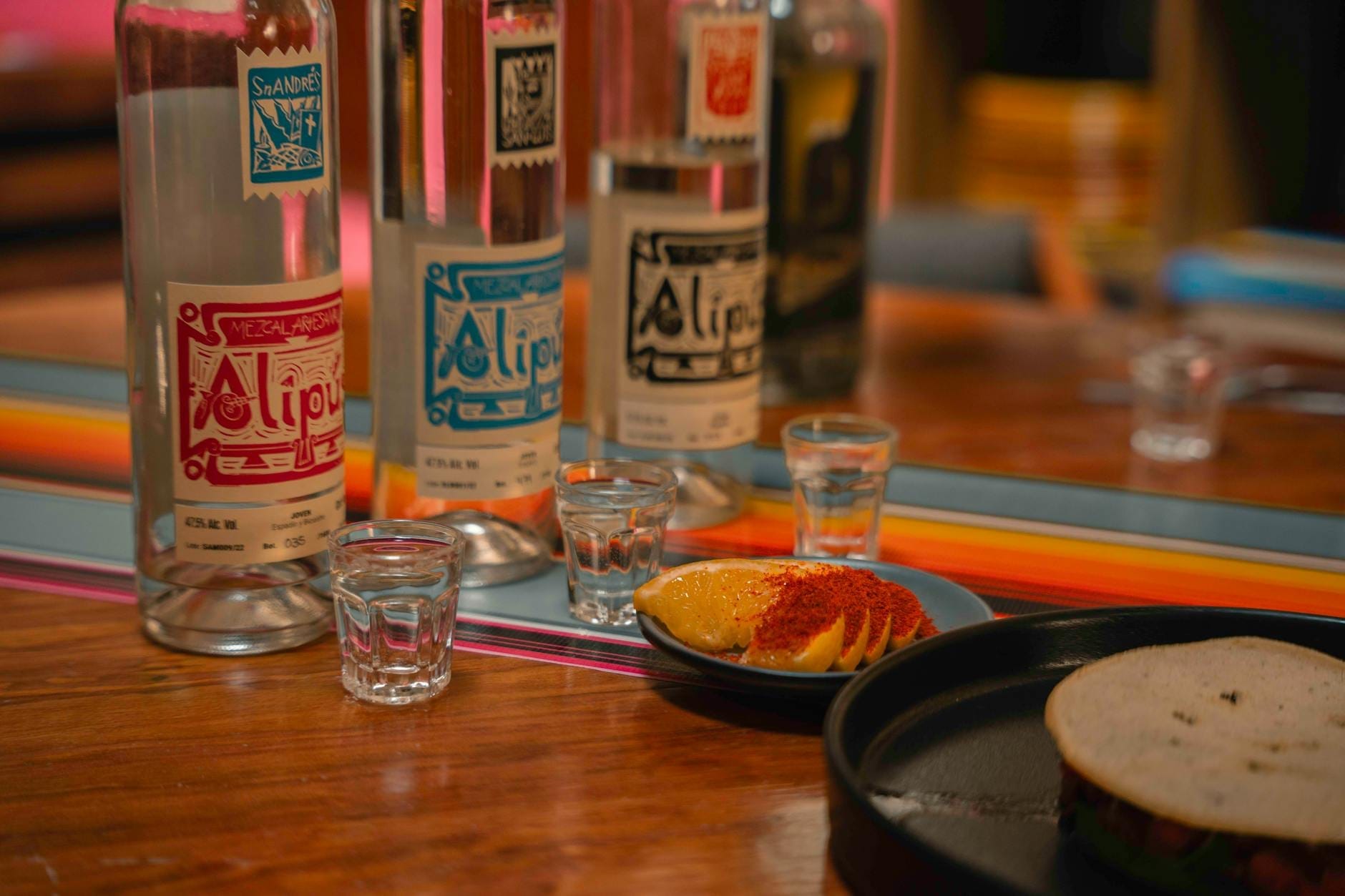
Mezcal is not a shot drink in the way it is sometimes presented to tourists. At a proper mezcalería, it arrives in a small clay cup called a copita or a veladora (a small glass), at room temperature, without ice. You sip it slowly. A slice of orange dusted with chili-and-salt called sal de gusano (worm salt, despite the name it rarely contains actual worm) is a traditional pairing, as are small bites of chapulines (roasted grasshoppers). None of this is theater: the salt and citrus reset your palate between sips.
When ordering, ask for the agave variety and production state if it is not on the menu. Espadin (Agave angustifolia) is the most common variety and usually the most affordable; it is a reliable entry point. Tobalá, Tepeztate, and Madre Cuishe are wilder agave varieties with more complex, sometimes polarizing flavor profiles and higher prices. Arroqueño, grown mostly in Oaxaca, is one of the most age-intensive (up to 25 years to mature) and expensive options. Starting with espadin and moving to wild agaves makes the differences more legible.
✨ Pro tip
Ask the bartender for a 'comparativo': a side-by-side pour of two different agave varieties from the same producer or region. Most serious mezcalerías will accommodate this, and it is the fastest way to understand how agave species shapes flavor more than smokiness or ABV.
- Espadin: Most common, generally affordable (80-180 MXN per pour at decent bars), good starting point
- Tobalá: Wild agave, higher cost (150-300+ MXN), floral and earthy, smaller yield per plant
- Tepeztate: Extremely slow-growing (15-30 years), intense herbaceous flavor, limited production
- Arroqueño: Large Oaxacan agave, rich and complex, among the priciest pours you will find
- Cuishe/Madre Cuishe: Lean and mineral, pairs well with food, increasingly available in CDMX bars
Where to Buy Bottles in Mexico City
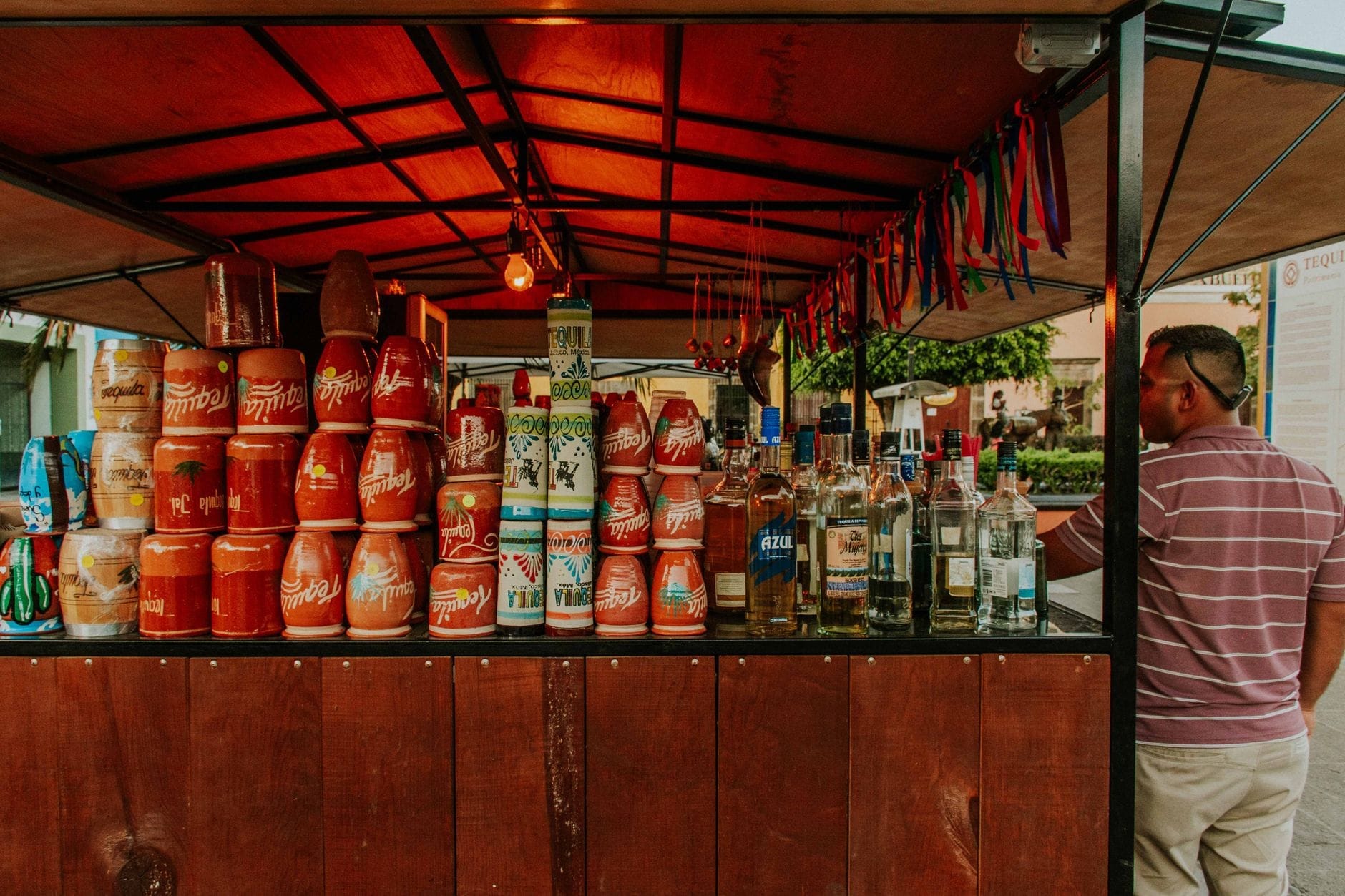
If you want to take mezcal home or stock a hotel room, the options range from specialist shops to supermarkets. For anything above entry-level, skip the supermarket. Large chains like Walmart do carry national brands such as Amarás, Montelobos, and 400 Conejos, which are decent but widely available outside Mexico. The interesting bottles require a specialist. Inside La Ciudadela market in Centro Histórico, a shop called Ocelotl stocks a focused mezcal selection alongside the handicrafts stalls. It is not the largest selection in the city, but the context of buying inside a traditional market adds something.
For serious bottle shopping, La Europea and Bodegas Alianza are the main specialist liquor chains, with multiple branches including several in the Polanco area. Both carry a much broader selection than supermarkets, including smaller-batch producers and regional rarities. Staff knowledge varies by location, but the Polanco branches of La Europea tend to have knowledgeable floor staff. Mis Mezcales in Roma Norte (listed above as a bar) also sells retail and is one of the best single-destination shops for agave spirits specifically.
On pricing: in a specialty shop, expect to pay 400-800 MXN for a respectable espadin from a known producer, and 900-2,500 MXN or more for wild-agave bottles or small-batch ancestral mezcals. Bottles priced below 300 MXN in a supermarket are almost certainly commercial grade. When flying home, note that mezcal bottles should go in checked luggage; the standard airline allowance for alcohol in checked bags is 5 liters and the ABV rules vary by airline, so check before you pack.
Mezcal and Mexico City's Wider Drinking Culture
Mezcal sits alongside a broader agave-spirit culture that includes tequila, raicilla (from Jalisco), bacanora (from Sonora), and sotol (from Chihuahua, Coahuila, and Durango, technically not agave but often grouped in the category). Mexico City bars increasingly stock all of these. If you want to explore the full agave landscape in a single sitting, Casa Prunes' guided tastings are designed for exactly that. The city's cocktail bars have also embraced mezcal seriously, and the CDMX cocktail scene uses it in ways that range from simple mezcal-and-tonic highballs to more elaborate preparations.
Timing your visits matters more than most guides acknowledge. Weekday evenings before 10 PM are the sweet spot at most mezcalerías: bartenders have time to talk through the selection, seats are available, and the experience is closer to what these places are designed to offer. On Friday and Saturday nights from 11 PM onward, the more popular spots like Bósforo become quite difficult to navigate. During festival periods such as Day of the Dead (late October to early November), the city is at peak capacity and bars in Roma and Centro will be packed every night of the week.
If mezcal culture is a central reason for your trip rather than a side interest, pairing a CDMX visit with a day trip to explore the broader context can be worthwhile. Alternatively, Roma Norte and Condesa have enough specialist bars to fill several evenings. For a broader picture of how to structure your time, the 3-day Mexico City itinerary gives a framework you can build mezcal experiences around.
Common Myths and Honest Warnings
The worm thing: certified, quality mezcal does not contain a worm. The gusano in a bottle is a marketing trope associated with commercial brands targeting foreign buyers unfamiliar with the spirit. Some sal de gusano condiments do contain dried larva as part of the salt mix, but that is a flavoring agent, not a product of the distillation. If a bar is using the worm as a selling point for a mezcal shot, that tells you something about the quality of the pour.
The smoke thing: not all mezcal is heavily smoked, and over-emphasizing smoke is a sign that a producer is compensating for lower agave quality. Some espadin mezcals from certain regions have almost no perceptible smokiness. Wild agave varieties tend to produce more herbal, mineral, or floral notes than smoky ones. If the only thing you notice is smoke, either the mezcal is commercial grade or you need to try more varieties.
The regulation thing: mezcal is regulated by a Denominación de Origen (similar to champagne or cognac in Europe) and must comply with rules set by the Consejo Regulador del Mezcal (CRM). Legitimate certified mezcal carries a hologram and batch number on the bottle traceable to the CRM registry. This is not a guarantee of quality but it is a guarantee of legal compliance and agave-only production. Spirits labeled 'destilado de agave' that lack CRM certification are a separate, unregulated category, which is not inherently bad but means different legal standards apply.
💡 Local tip
Mexico City sits at about 2,240–2,250 meters above sea level. Alcohol affects you faster at altitude than at sea level. If you are newly arrived, pace yourself more carefully than you would at home, especially in your first 24-48 hours. Drink water between pours. This applies doubly if you are doing a multi-bar mezcal evening.
FAQ
What is the difference between mezcal and tequila?
Tequila is a legally defined agave spirit made exclusively from blue agave (Agave tequilana) in a designated region spanning parts of five Mexican states. Mezcal is broader: it can be made from 30-plus agave varieties across 10 states, uses more traditional production methods (earthen pit roasting, open fermentation), and tends to have more diverse and complex flavor profiles. Think of tequila as one specific type within the wider mezcal family.
How much does mezcal cost in Mexico City bars?
At a quality mezcalería, a pour of espadin mezcal typically costs between 80 and 180 MXN. Wild agave varieties (tobalá, tepeztate, arroqueño) run 150 to 300-plus MXN per pour depending on the producer and rarity. Higher-end spots like Ticuchi in Polanco price at the top of these ranges. Budget spots and markets will be cheaper but the quality trade-off is real.
What mezcal bars in Mexico City are best for beginners?
Tlecan Mezcalería in Roma Norte is a good entry point because it offers both straight pours and cocktails, making it accessible for mixed groups. Mis Mezcales in Roma Norte offers tasting room sessions that are specifically structured for people learning the category. Salon de Agave at Casa Prunes is the most educational option but requires advance booking and is better suited to people who want a guided, structured experience rather than a casual bar evening.
Can I bring mezcal bottles home as luggage?
Yes, in checked baggage. Most airlines allow up to 5 liters of alcohol in checked bags, provided the ABV is under 70%. Mezcal typically ranges from 40% to 55% ABV, so it qualifies. Wrap bottles well; dedicated bottle carriers or clothing padding is recommended. Do not pack mezcal in carry-on luggage as liquids over 100ml are not permitted through security.
When is the best time to visit mezcal bars in Mexico City?
Weekday evenings between 7 PM and 10 PM give you the best experience: staff have time to talk, bars are not yet crowded, and you can actually hear the recommendations being made. Weekend nights from 10 PM onward at popular spots like Bósforo become very crowded. During Day of the Dead (late October to early November) and major holiday weekends, reservations become essential at any bar that accepts them.
Tickets & tours
Live prices and dates from our booking partner. If you book, we may earn a commission at no extra cost to you.
Planning a trip? Discover personalized activities with the Nomado app.