Mexico City Nightlife Guide: Neighborhoods, Venues & Practical Tips
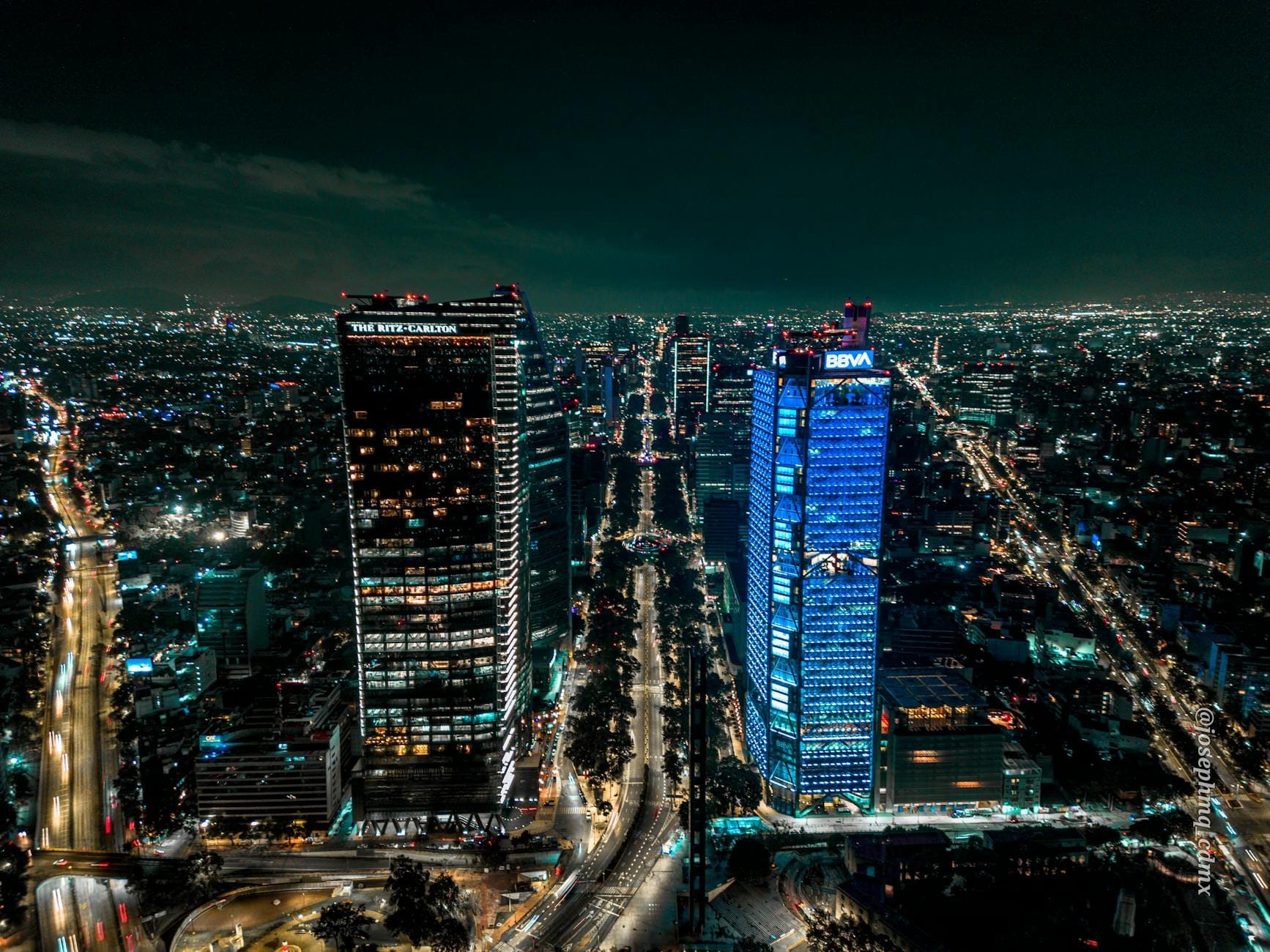
Mexico City's nightlife runs deep and late, spanning cantinas, cocktail bars, electronic clubs, live mariachi, and lucha libre events across a dozen distinct neighborhoods. This guide breaks down where to go, what to expect, and how to do it safely across CDMX's best after-dark districts.
Tickets & tours
Live prices and dates from our booking partner. If you book, we may earn a commission at no extra cost to you.
TL;DR
- Roma and Condesa are the go-to neighborhoods for craft cocktails, mid-range bars, and electronic music clubs open until 02:00–03:00.
- Plaza Garibaldi in Centro Histórico is the city's mariachi heartbeat, with bands playing until dawn most nights of the week.
- Zona Rosa and Colonia Juárez pack the highest density of LGBTQ+ bars and late-night clubs between Av. Chapultepec and Paseo de la Reforma.
- Mexico City sits at 2,240 m above sea level — alcohol hits harder here than at sea level, so pace yourself accordingly.
- Use the Mexico City safety guide alongside this one: pickpocketing is the main risk in crowded nightlife zones.
How Mexico City Nightlife Actually Works
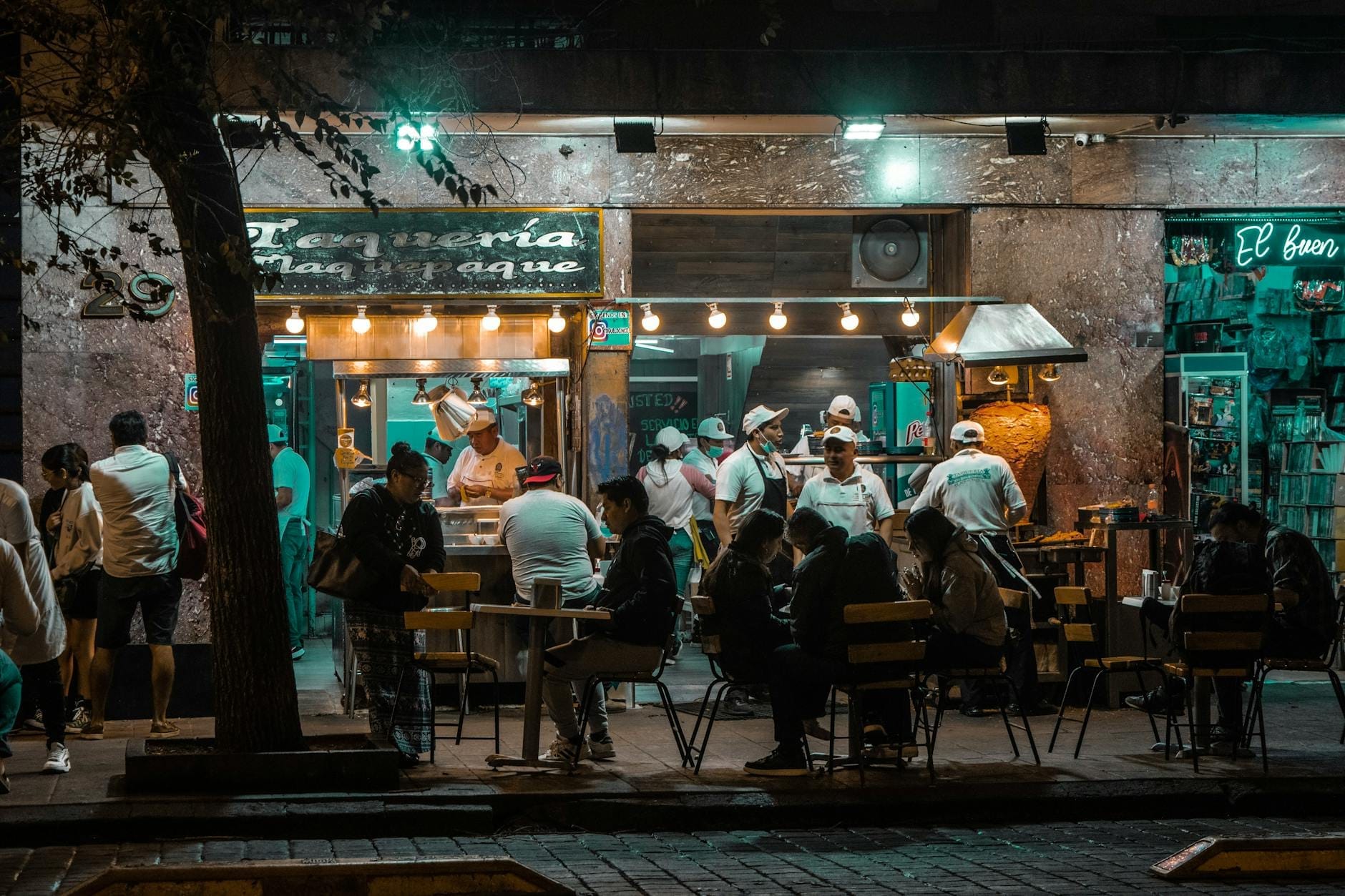
Mexico City (CDMX) operates on a late schedule. Dinner rarely starts before 21:00. Bars fill up around 22:00. Clubs rarely hit capacity before midnight, and many don't close until 03:00 or later on weekends. If you show up to a club at 22:00, you'll be the only person there. Plan accordingly, or use that early window to eat well first.
The nightlife scene is spread across several distinct neighborhoods, each with its own character. Roma and Condesa attract a mix of locals, expats, and travelers. Centro Histórico draws those after traditional experiences like mariachi and cantinas. Polanco, in the Miguel Hidalgo borough just northwest of Chapultepec Park, skews upscale. Coyoacán is slower-paced and more neighborhood-oriented. Understanding the personality of each zone before you go saves a lot of time.
⚠️ What to skip
Mexico City's altitude is 2,240 m (7,350 ft). Alcohol dehydrates you faster at elevation, and the reduced oxygen can amplify its effects significantly. A common local saying holds that one drink in CDMX equals two at sea level. Drink water between rounds, especially in your first few days in the city.
Neighborhood by Neighborhood: Where to Go
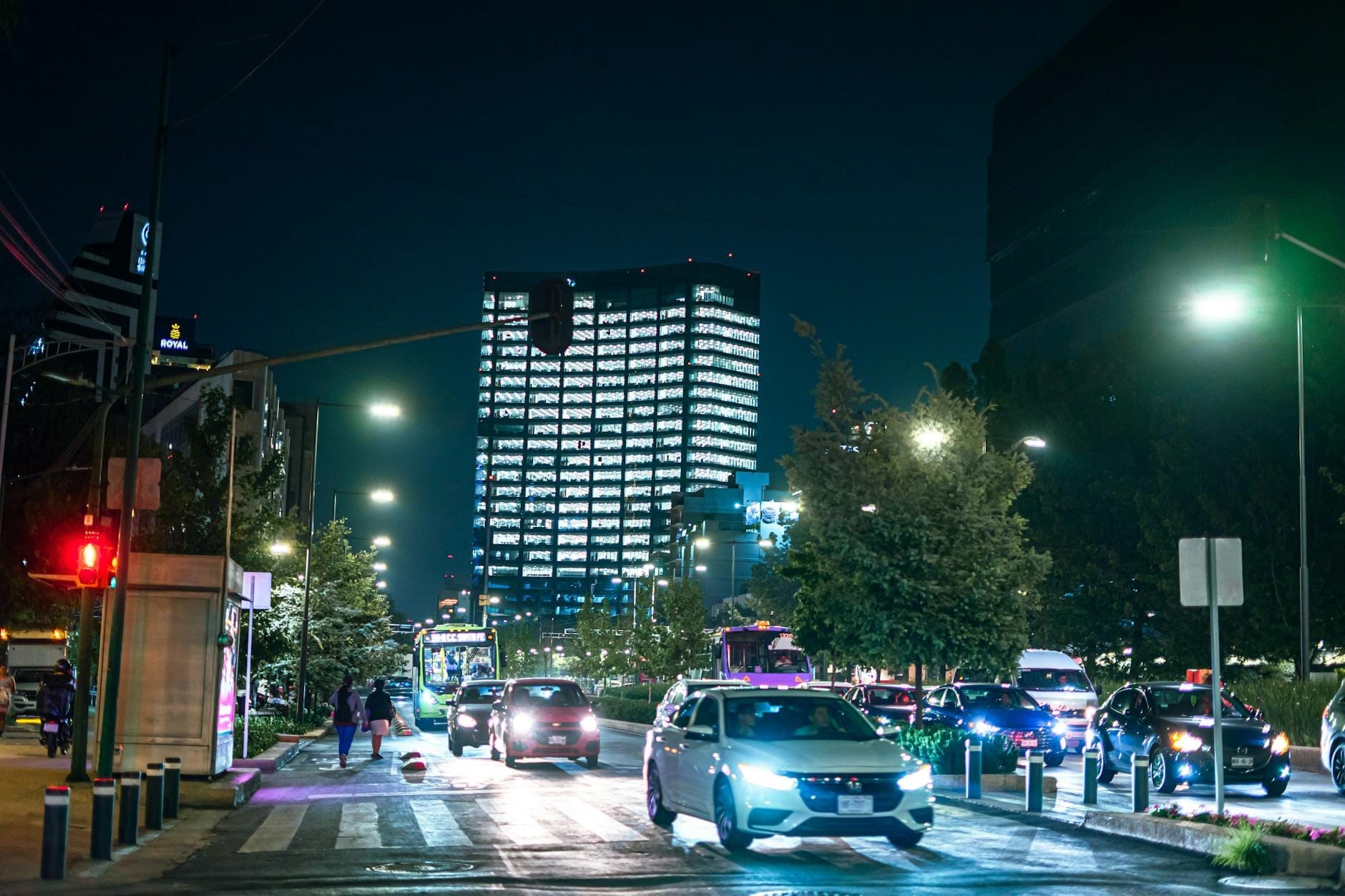
Roma Norte and Condesa form the densest cluster of bars and nightlife venues in the city. Avenida Álvaro Obregón in Roma is lined with terrace bars. In Condesa, Avenida Nuevo León and the streets around Parque México host everything from low-key mezcal bars to proper electronic music clubs. Baltra Bar on Iztaccíhuatl 36D in Condesa is one of the city's most respected cocktail destinations, with a rotating seasonal menu and serious bar talent behind the counter. AM Local (Av. Nuevo León 67) runs house and techno nights and stays packed on weekends.
Colonia Juárez and Zona Rosa sit adjacent to each other and collectively offer the city's highest concentration of LGBTQ+ friendly bars and clubs. The area between Avenida Chapultepec and Paseo de la Reforma, particularly along Amberes and Londres streets, packs a large number of venues into a walkable corridor. The Beer Box on Londres 216 is a solid stop for craft beer before moving on. Mono, an electronic music venue on Versalles 64, is one of the better club options in this zone.
Centro Histórico nightlife centers on Plaza Garibaldi, which functions less like a bar district and more like an open-air mariachi stage. Dozens of competing bands play simultaneously in the square, and the noise is extraordinary. Salón Tenampa on Plaza Garibaldi 12 is the most historic venue here, operating since 1925, and offers a proper sit-down mariachi experience with food and drinks. Most nights the activity continues until 04:00 or 05:00.
Coyoacán has a quieter, more local nightlife scene centered around the neighborhood's colonial plazas and side streets. La Coyoacana on Higuera 14 is a classic cantina-style bar where you'll find mezcal, beer, and a relaxed crowd rather than thumping music. It suits people who want an authentic neighborhood bar experience rather than a club night. For context on the broader area, the Coyoacán neighborhood guide covers daytime and evening options together.
Polanco skews toward upscale hotel bars, wine-heavy wine lists, and restaurants that double as late-night social scenes. It's less about dancing and more about being seen. If you want clubs with international DJs, Polanco is not the right neighborhood. If you want a high-quality cocktail in a sleek environment and don't mind paying for it, it delivers.
- Roma Norte / Condesa Best for craft cocktails, mezcal bars, mid-range clubs, and electronic music. Most active Thursday through Saturday from 22:00 onwards.
- Juárez / Zona Rosa Best for LGBTQ+ bars, high-density venue clusters, and late-night crowds. Walking distance from Paseo de la Reforma.
- Centro Histórico / Plaza Garibaldi Best for mariachi, cantinas, and traditional Mexico City nightlife. Continues until dawn most weekends.
- Coyoacán Best for relaxed neighborhood bars and cantinas. Earlier crowd, lower energy, more local feel.
- Polanco Best for upscale hotel bars and fine dining that extends into the night. Higher price points across the board.
Beyond Bars: Clubs, Lucha Libre, and Live Music
Electronic music has a serious following in CDMX, with venues across Roma, Condesa, and Juárez hosting both local and international DJs. AM Local and Mono are consistently mentioned as reliable club options, but the scene changes seasonally, and pop-up events at warehouse venues in less central neighborhoods are common. Time Out Mexico City and Tiempo Libre (published every Thursday) are the most reliable sources for current listings.
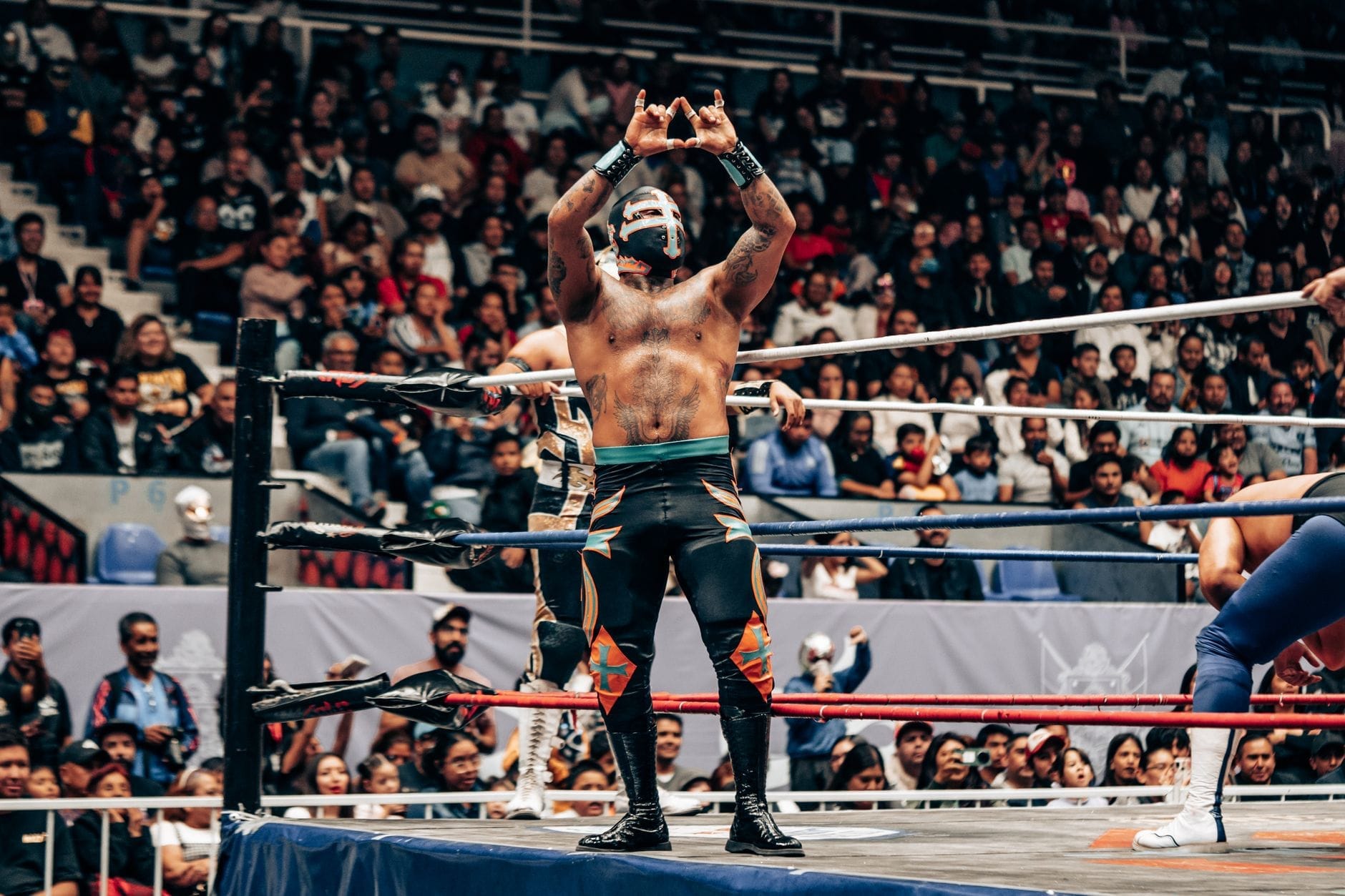
Lucha libre deserves a mention in any Mexico City nightlife guide because evening bouts at Arena México are one of the best night-out experiences in the city. Fights typically run on Tuesday, Friday, and some Saturdays, with matches starting around 20:30. The atmosphere is loud, theatrical, and festive. Combine a lucha libre bout with dinner in Roma or a late drink in Condesa afterward for a complete night. The lucha libre Mexico City guide has everything you need to know about attending.
For live music beyond mariachi, check the Palacio de Bellas Artes schedule for evening concerts and performances. The venue hosts everything from folk to classical. Smaller live music venues are scattered throughout Roma and Condesa. Major international concerts typically come through Foro Sol or the Palacio de los Deportes, with tickets sold through Ticketmaster México.
Mezcal, Craft Beer, and Cocktail Culture
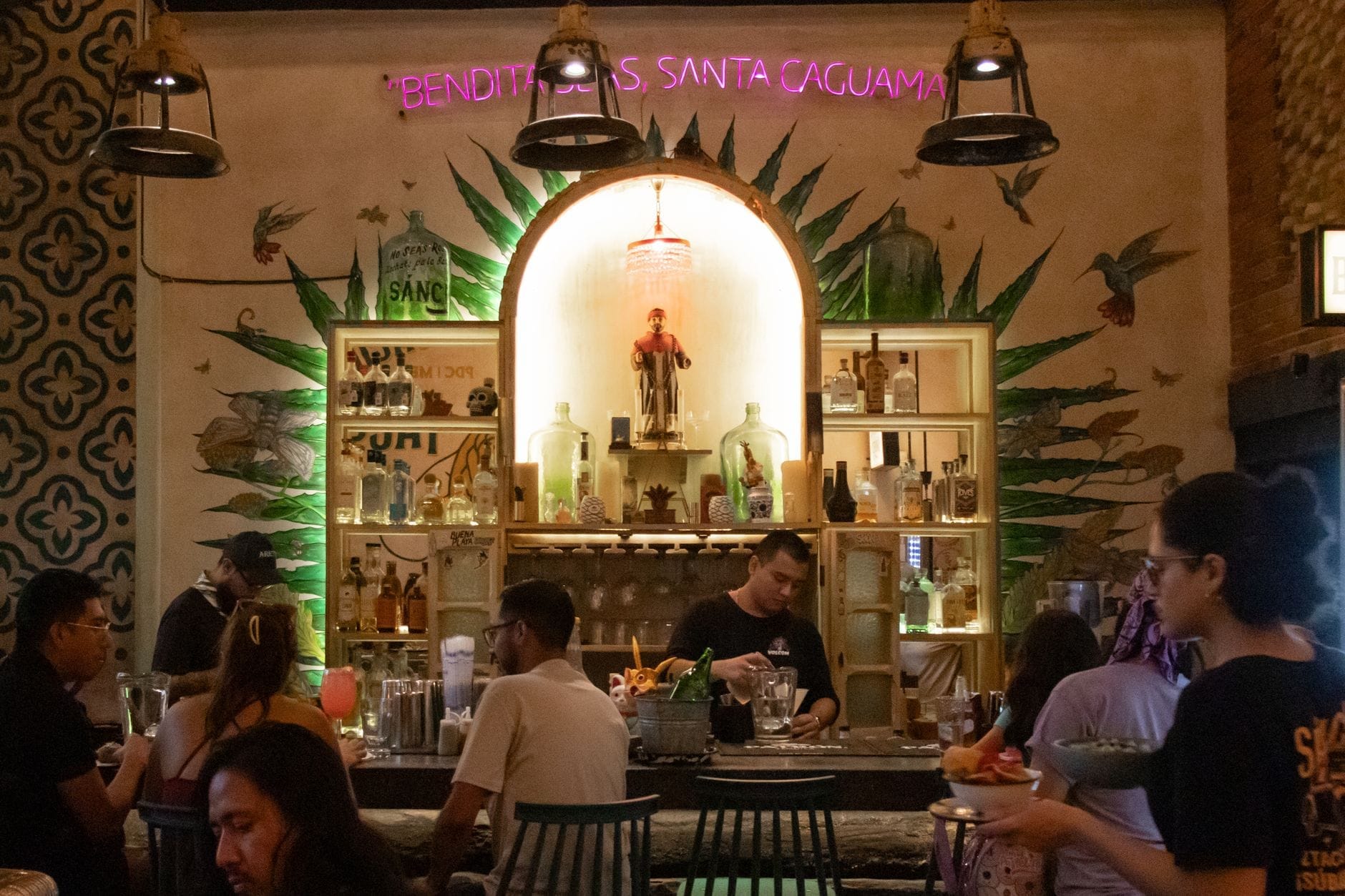
Mezcal is the defining spirit of Mexico City's bar culture right now. Even beer-focused bars stock a serious mezcal list. If you're new to it, look for a bar with knowledgeable staff who will walk you through different production regions and agave varieties. The Mexico City mezcal guide is worth reading before your first night out, especially if you want to avoid the tourist-trap mezcal shots at overpriced tourist bars.
Craft beer arrived seriously in CDMX in the early 2010s and has matured considerably. The Beer Box in Juárez operates as a craft beer shop and bar hybrid with rotating taps. Roma and Condesa have several dedicated craft beer bars. Prices for craft beer typically run 90–160 MXN per pint at dedicated venues, compared to 50–80 MXN for domestic beer (Corona, Modelo, Indio) at a regular bar or cantina.
✨ Pro tip
Cantinas are one of Mexico City's most underrated nightlife options. Traditional cantinas serve free botanas (small snacks) with every drink ordered. The older ones in Centro Histórico have been operating for decades with the same tile floors, wooden bars, and card tables. They close earlier than clubs, usually by midnight, but deliver an experience you won't find anywhere else.
Practical Logistics: Getting Around at Night
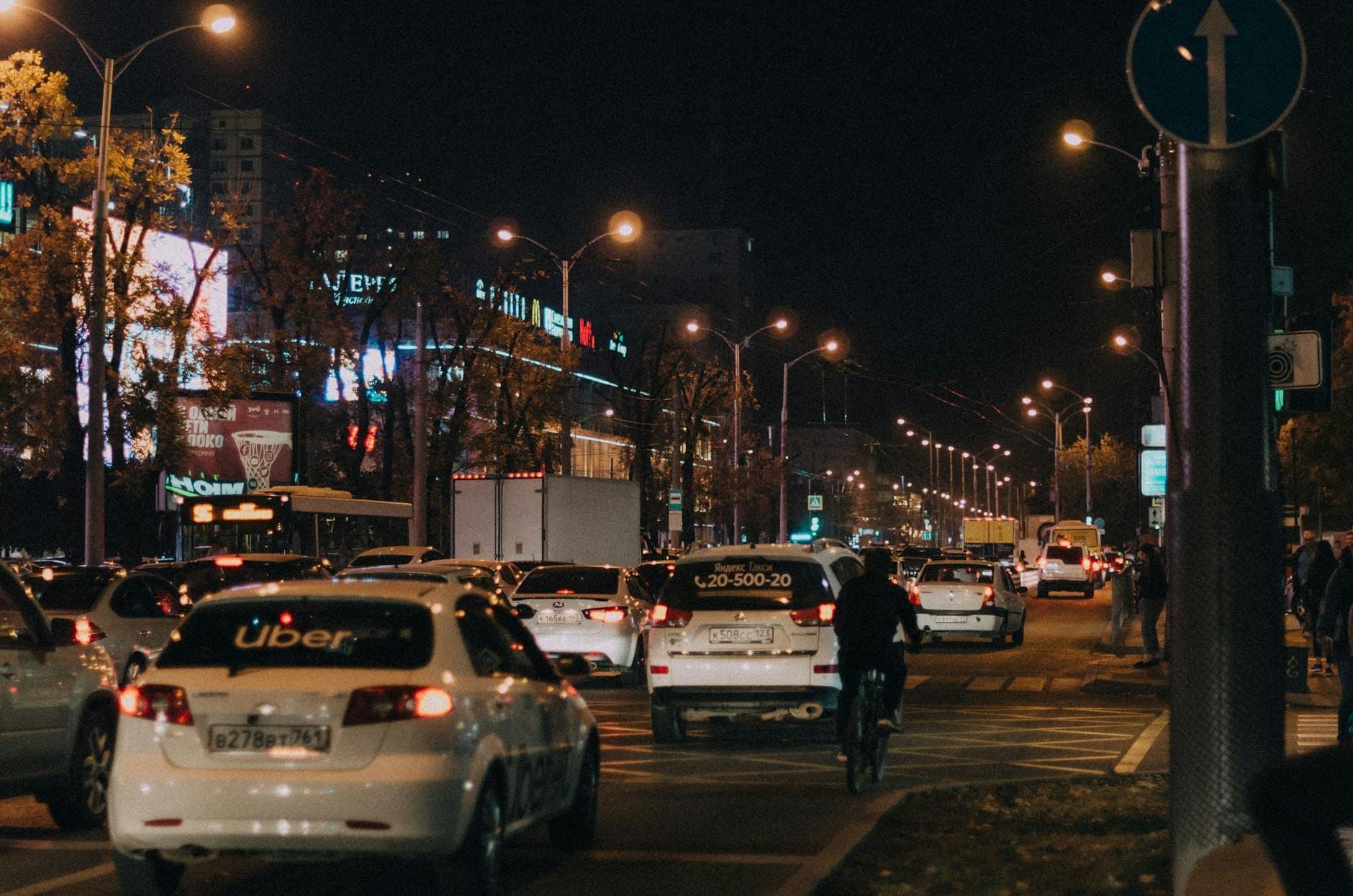
The Metro closes around midnight on most nights, which means it's useful for getting to nightlife early but not for getting home. After midnight, ride-hailing apps are the practical option. Uber, Didi, and Cabify all operate in CDMX and are generally considered safer than hailing street taxis at night. Always request from inside your venue or a clearly defined location, and confirm the driver's plate before getting in. For a full breakdown of transport options, the getting around Mexico City guide covers all modes in detail.
Walking between bars in Roma and Condesa is common and generally fine on main streets. The neighborhoods are well-lit and populated late into the night. The same applies to Juárez and Zona Rosa. Centro Histórico is a different story: it quiets down considerably after midnight outside of Plaza Garibaldi, and solo walking in unfamiliar streets after 01:00 is not advisable. Stay near the square if you're out late in Centro.
- Never hail unlicensed street taxis at night. Use Uber, Didi, or Cabify.
- Keep one card separate from your wallet in case of pickpocketing.
- Share your ride-hailing trip details with someone you trust when traveling alone.
- Avoid displaying expensive phones or cameras while walking between venues.
- Know your hotel address in Spanish before heading out — it speeds up ride-hailing pickups.
💡 Local tip
If you're staying in Roma, Condesa, or Juárez, you can cover multiple bars in a single night without any transport at all. These three neighborhoods are all walkable from each other. Save the ride-hailing app for the trip home after 02:00.
Seasonal Patterns and When to Go
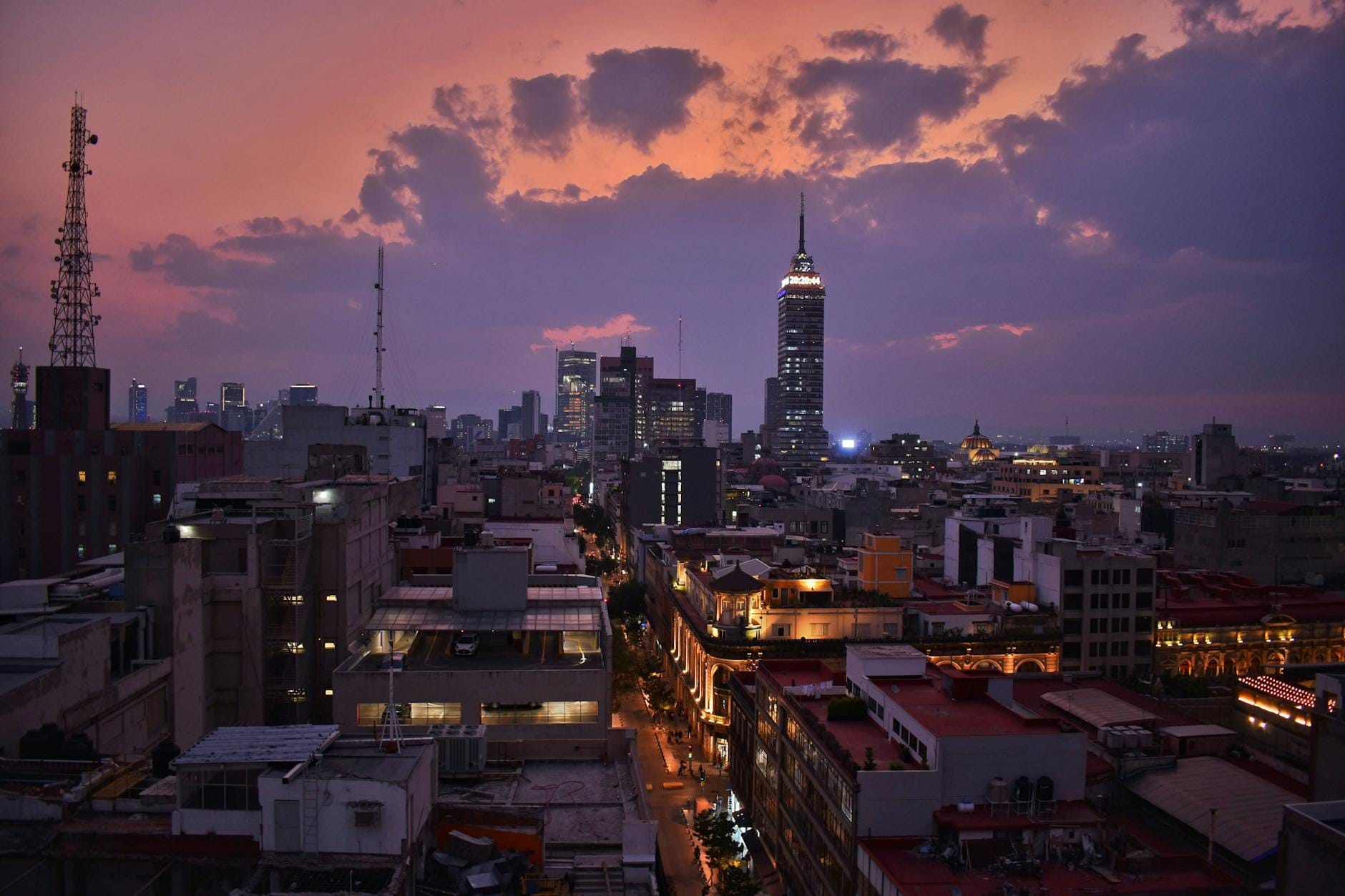
Mexico City nightlife runs year-round without major seasonal closures. That said, outdoor terraces are considerably more pleasant during the dry season, roughly November through April, when evenings are cool and clear. During the rainy season (May through October), afternoon and evening thunderstorms are common and can clear out terrace areas quickly. Covered bars and clubs are unaffected, but restaurant-bar hybrids with outdoor seating will see more cancellations.
Special nightlife periods worth planning around include Día de los Muertos in late October and early November, when the city is at its most festive and many venues host themed events. Semana Santa (Holy Week, typically March or April) sees a spike in domestic tourism, meaning popular bars get more crowded than usual. For timing a visit around broader city events, the best time to visit Mexico City guide covers annual patterns in detail.
FAQ
What time do clubs close in Mexico City?
Most bars close between 02:00 and 03:00. Some clubs in Roma, Condesa, and Juárez stay open until 04:00 or later on Friday and Saturday nights. Plaza Garibaldi mariachi activity often continues until 05:00 on weekends.
Is Mexico City nightlife safe for tourists?
The main nightlife neighborhoods (Roma, Condesa, Juárez, Polanco) are generally active and reasonably safe at night on main streets. The main risk is opportunistic pickpocketing in crowded areas. Use ride-hailing apps rather than street taxis after midnight, stay on well-lit streets, and avoid unfamiliar side streets in Centro Histórico after 01:00.
What is the best neighborhood for nightlife in Mexico City?
Roma Norte and Condesa together form the best all-around nightlife district for most visitors: good density of bars and clubs, walkable, safe on main streets, and spanning a range from mezcal cantinas to electronic music clubs. Juárez and Zona Rosa are better if LGBTQ+ venues or a specific club scene is the priority.
Does Mexico City have a gay nightlife scene?
Yes. Zona Rosa and Colonia Juárez make up the traditional LGBTQ+ nightlife hub, with multiple gay bars and clubs concentrated along Amberes and Londres. The area has been the center of LGBTQ+ life in CDMX for decades and remains active and welcoming.
How does altitude affect drinking in Mexico City?
Mexico City sits at approximately 2,240 m (7,350 ft) above sea level. Alcohol dehydrates you faster at altitude, and your body processes it differently than at sea level. Many travelers report feeling more intoxicated than usual on the same number of drinks. Drink water regularly throughout the night, especially in your first two or three days in the city.
Tickets & tours
Live prices and dates from our booking partner. If you book, we may earn a commission at no extra cost to you.
Planning a trip? Discover personalized activities with the Nomado app.