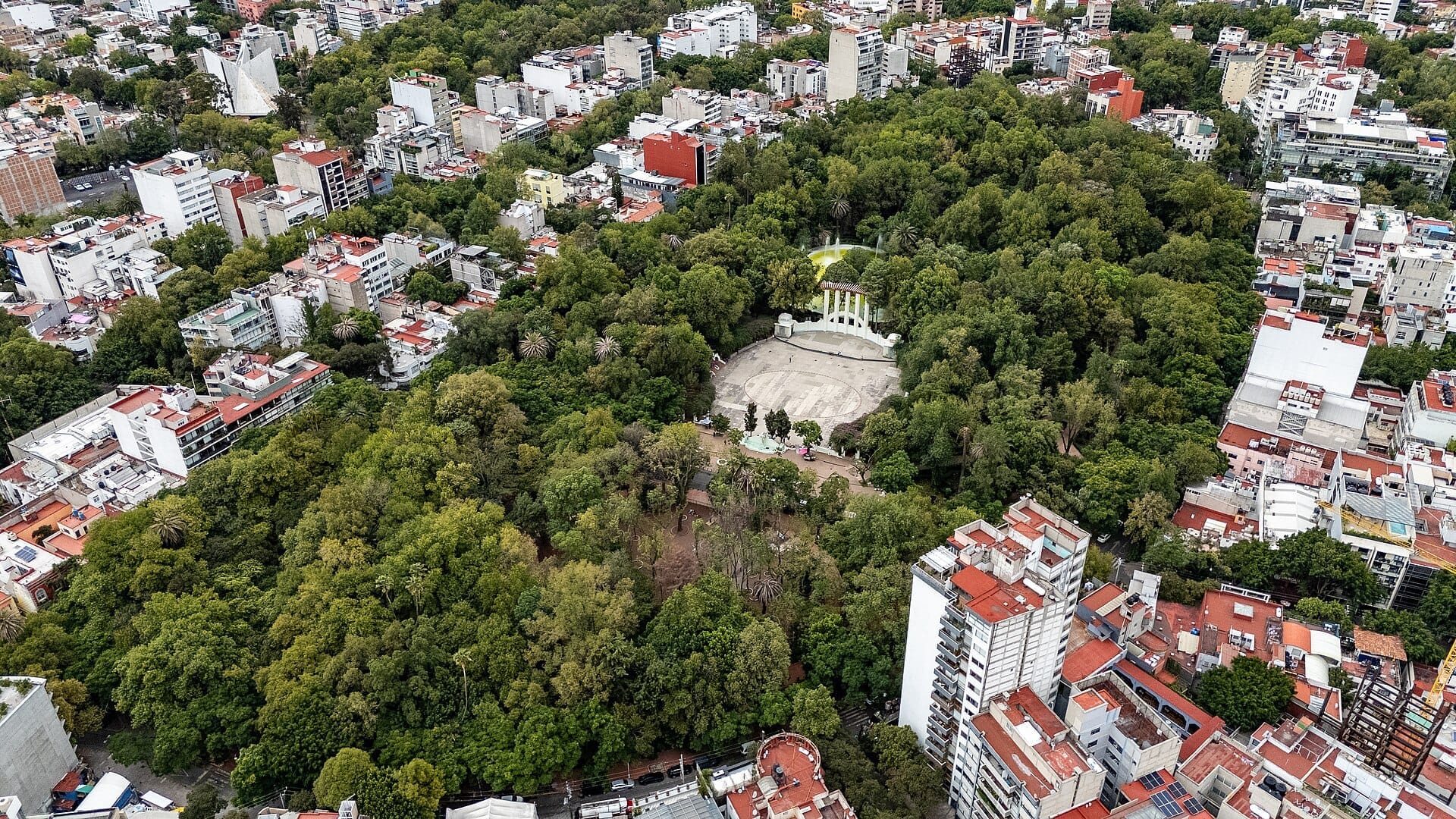
Roma and Condesa are two adjacent colonias in central Mexico City that together form the city's most walkable and culinarily rich district. Defined by Art Deco architecture, tree-lined boulevards, and an exceptional concentration of restaurants and cafés, they attract long-term expats, digital nomads, and travelers who want to experience the city at a slower, more residential pace.
Roma and Condesa are the colonias that make Mexico City feel like a place people actually live in and love. Split by Avenida Insurgentes but connected by shared character, they offer Art Deco apartment buildings, serious food, neighborhood parks where locals walk their dogs on Sunday mornings, and a café scene that rivals any capital in Latin America.
Orientation
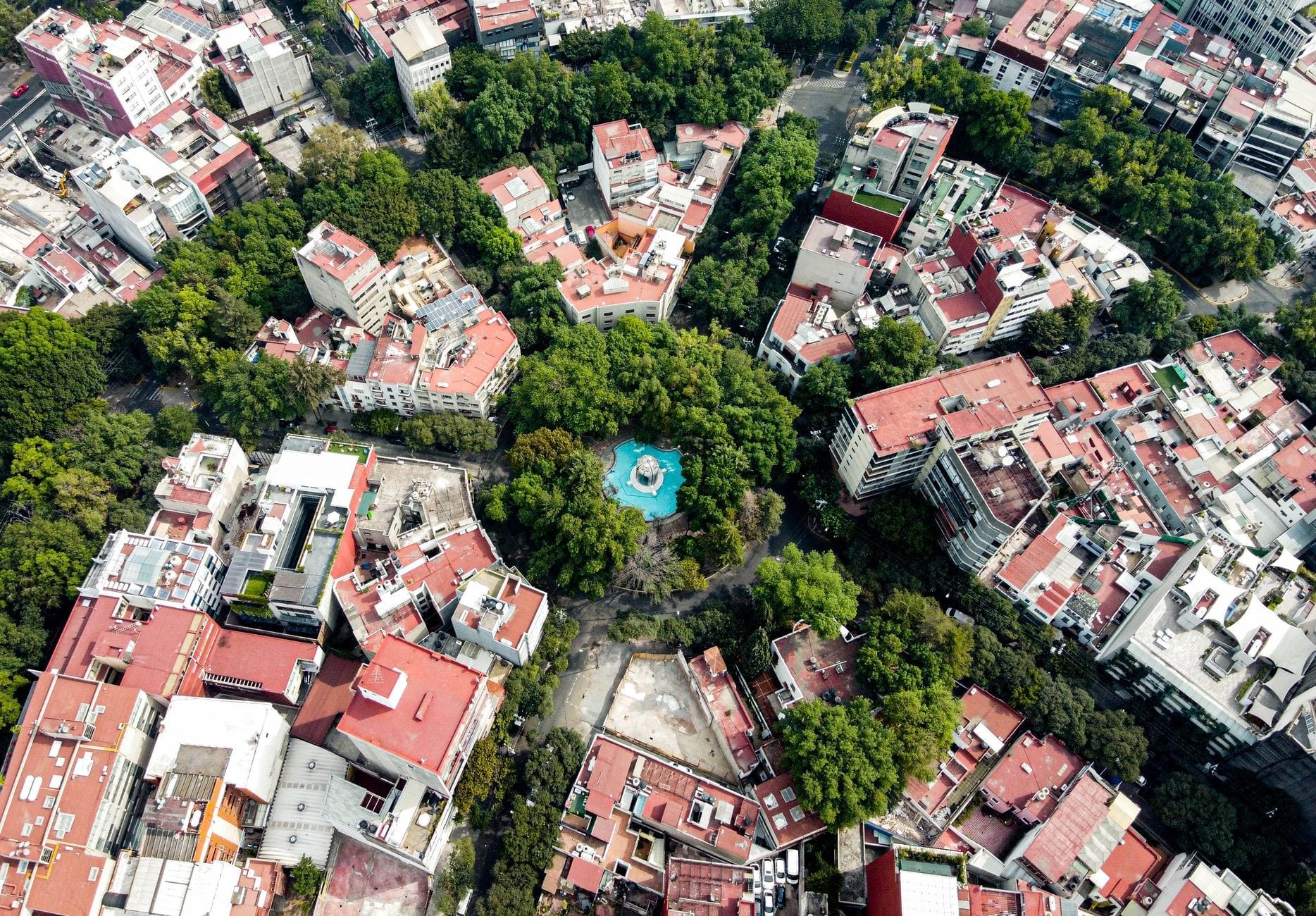
Roma and Condesa sit in the Cuauhtémoc borough, just west of Mexico City's historic center. The two colonias share a border along Avenida Insurgentes, one of the city's major north-south arteries: Condesa lies to the west of Insurgentes, Roma to the east. The combined district extends from Avenida Chapultepec in the north down to Viaducto Miguel Alemán in the south, a span of roughly three kilometers.
Roma itself is officially divided into Roma Norte and Roma Sur, with Avenida Álvaro Obregón serving as the informal boundary between the two. Roma Norte is denser with restaurants and galleries; Roma Sur is quieter and more residential, with pockets of authentic neighborhood life that the northern section is gradually losing to gentrification. Condesa, meanwhile, clusters around two oval parks: Parque México and Parque España, both within easy walking distance of each other.
The district's position in the city is convenient. Bosque de Chapultepec is a 10-15 minute walk west from the heart of Condesa, making it easy to combine a morning in the park with an afternoon back in the neighborhood. To the north, Centro Histórico is about 25-30 minutes by metro or Metrobús, and Polanco is roughly the same distance to the northwest.
Character & Atmosphere
The first thing you notice walking through Condesa is the scale. The streets are wide enough that the canopy of ash and fig trees forms a proper tunnel of shade, and the sidewalks are broad enough for café terraces, dog walkers, and pedestrians to coexist without much friction. The architecture is largely Art Deco from the 1930s and 1940s, when the neighborhood was developed for Mexico City's upper-middle class: curved facades, geometric ironwork balconies, and apartment buildings arranged around small interior courtyards.
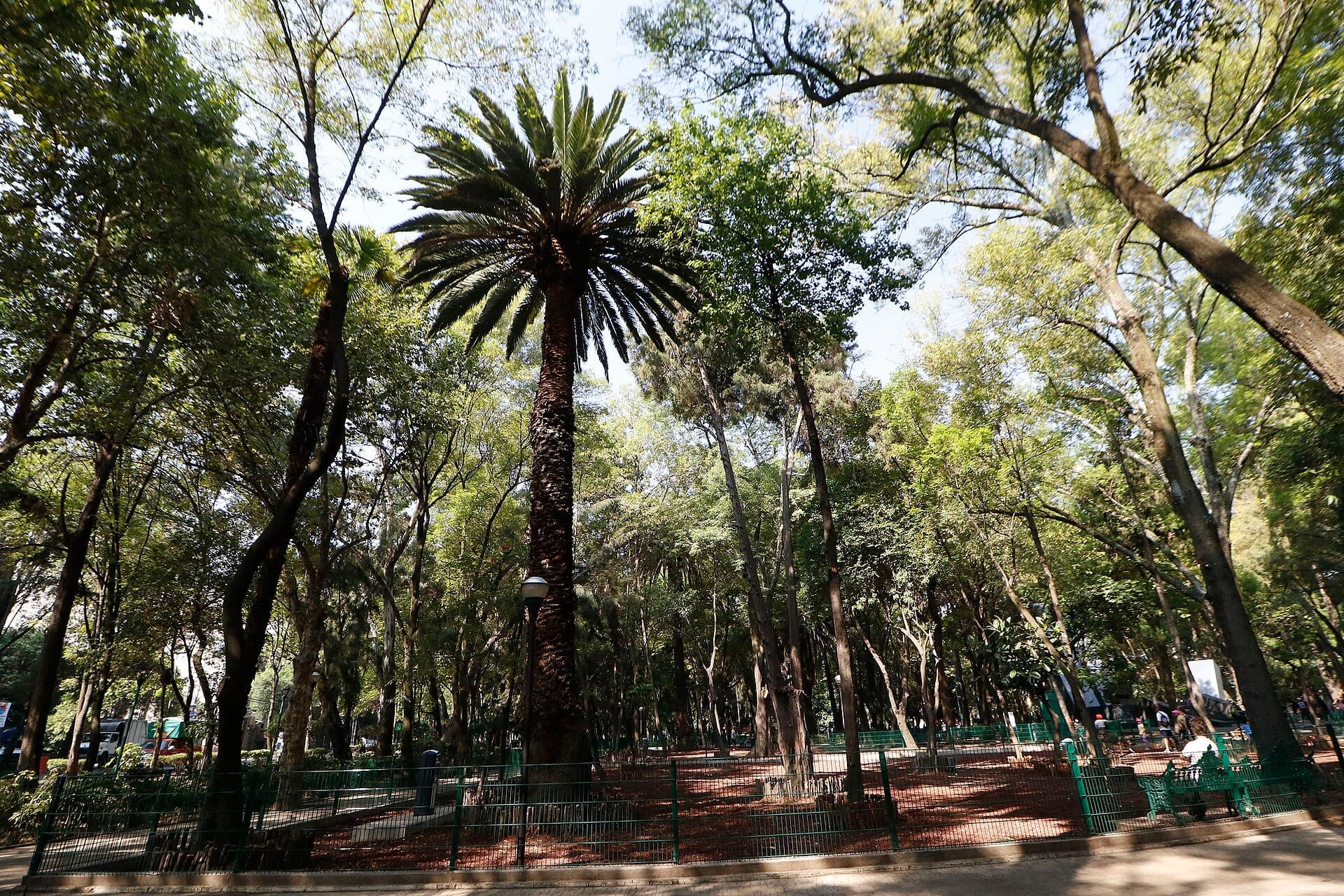
Mornings in Condesa and Roma Norte feel calm and domestic. The juice stands on side streets do brisk business before 9am. Locals walk to corner tiendas for pan dulce. The cafés fill up around 9:30 with a mix of remote workers, writers, and professionals. By noon, Parque México has its full complement of people: elderly residents on benches, couples with children, runners on the oval path, and vendors selling paletas near the Art Deco fountain and forum.
Afternoons shift the energy slightly. The restaurant terraces fill up from 2pm onward for the long Mexican comida, and the light in late afternoon falls gold through the tree canopy in a way that makes the whole neighborhood look like it was designed for photography. By early evening, the streets in Roma Norte around Álvaro Obregón and Orizaba get busy with pre-dinner crowds moving between mezcal bars, wine shops, and taco stands.
On weekends, the character changes noticeably. Parque España in Condesa hosts a small organic market on Saturdays. The restaurant strips along Avenida Ámsterdam and Tamaulipas in Condesa, and Álvaro Obregón and Colima in Roma Norte, get often crowded. If you are coming from a quieter city or want a peaceful experience, Saturday and Sunday afternoons here require patience. Lines form outside the most popular restaurants, and the noise on the outdoor terraces can make conversation difficult.
💡 Local tip
Avenida Ámsterdam in Condesa is a unique oval boulevard that circles Parque México. Its central pedestrian mall functions as a running and cycling path flanked by cafés and restaurants, while a one-way traffic lane for cars runs outside the mall. Walking its full loop takes about 15 minutes and gives a good overview of Condesa's residential architecture.
History & Context
Parts of what is now Condesa were developed in the early 20th century on and around the grounds of a former horse-racing track called the Hipódromo de la Condesa, which helps explain why many of its streets follow curved, elliptical patterns around its parks rather than the standard grid found elsewhere in the city. The neighborhood attracted middle and upper-middle class families during the 1920s and 1930s, and the architectural style of the period, Art Deco with strong European influences, is still visible in the apartment buildings that line its main streets.
Roma was developed slightly earlier and over a longer period, which gives it a more eclectic architectural character: you find Porfiriato-era mansions from the early 1900s alongside Art Nouveau apartment buildings and mid-century modernist structures. The neighborhood declined economically in the second half of the 20th century, and many of its large houses were subdivided or converted into small businesses. The 1985 earthquake caused serious damage across both colonias, and the recovery and reconstruction that followed began a long process of reinvestment that eventually produced the restaurant and cultural scene the area is known for today.
Mexico City designated the broader Roma-Condesa area as a Barrio Mágico in 2011, recognizing its historical character and cultural importance. The designation is both a point of pride and a source of tension: it has helped preserve architectural heritage while also accelerating gentrification and driving up rents in a way that has displaced long-term residents and local businesses.
What to See & Do
The two parks at Condesa's center deserve more than a passing glance. Parque México, the larger of the two, is especially beautiful: its oval paths pass through a variety of garden styles, past an outdoor amphitheater, a small pond with ducks, and mature trees that were planted when the neighborhood was first developed. Parque España, a few blocks north, is smaller and more informal, with a weekend market and a children's playground that makes it a neighborhood gathering point.
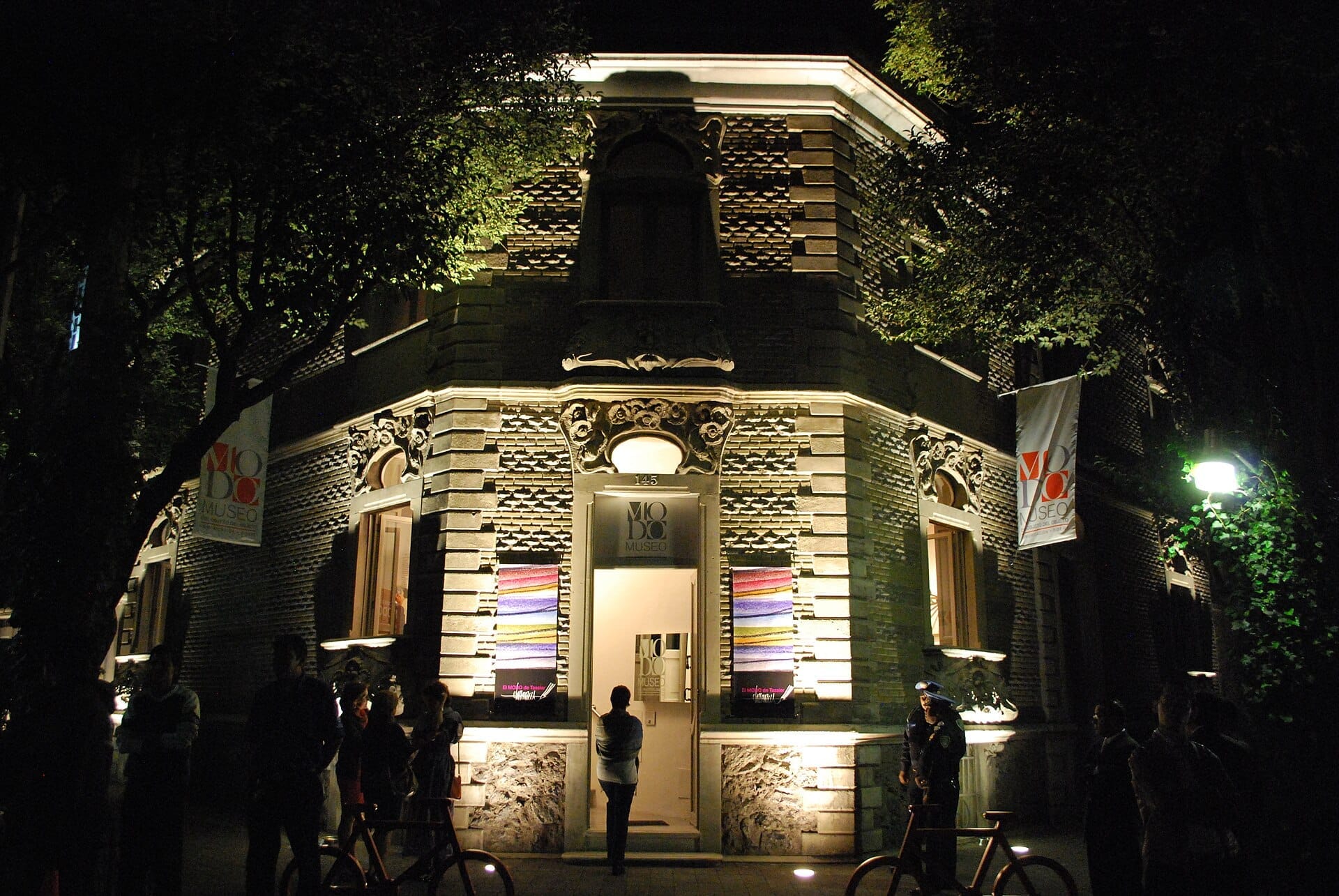
Roma Norte has a strong gallery and design culture. The streets around Plaza Río de Janeiro and Calle Orizaba are worth exploring on foot for independent bookshops, concept stores, and small contemporary art spaces. The Museo del Objeto del Objeto (MODO) on Colima is a small but especially interesting museum dedicated to everyday objects and consumer culture, and it gives insight into how Mexico City thinks about design and memory.
From either colonia, Chapultepec Park is walkable in about 15 minutes heading west along Avenida Sonora or through the residential streets of Condesa. The park contains the Museo Nacional de Antropología, the Chapultepec Castle, and the Museo Tamayo, making it a full day's destination accessible directly from your hotel in Condesa.
Walk the oval Avenida Ámsterdam loop around Parque México
Browse independent galleries and concept stores on Calle Colima and Orizaba in Roma Norte
Visit Plaza Río de Janeiro, a small square with a replica of Michelangelo's David that serves as a neighborhood landmark
Explore the weekend organic market at Parque España on Saturdays
Walk west to Chapultepec Park for world-class museums without changing neighborhoods
ℹ️ Good to know
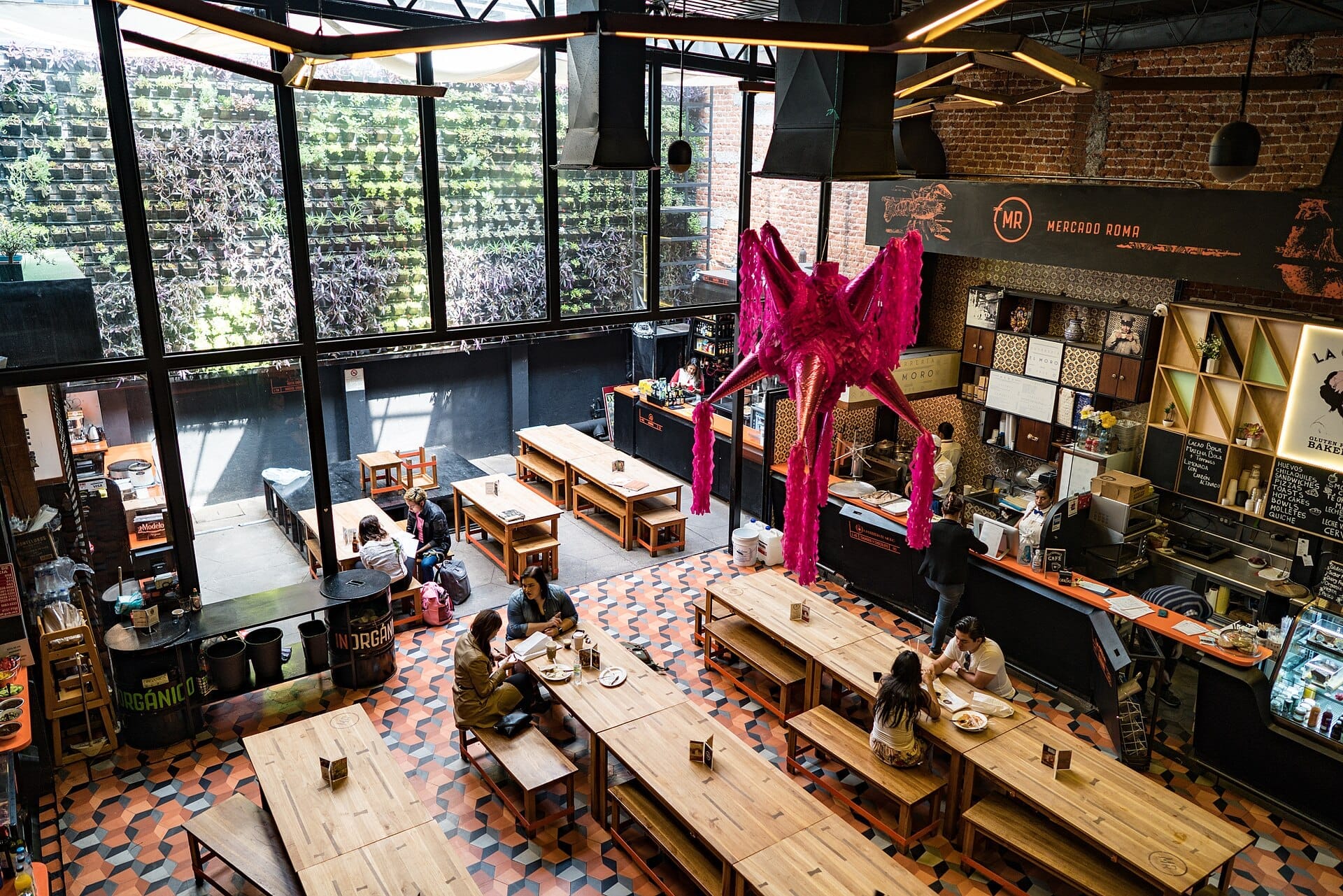
The Mercado Roma on Calle Querétaro is a two-story artisan food market with stalls selling everything from craft beer to high-end tacos to natural wines. It is primarily aimed at visitors and tends to be expensive, but it is a useful and comfortable introduction to the variety of Mexican ingredients and preparations.
Eating & Drinking
Roma-Condesa is, without serious competition, the most culinarily dense area of Mexico City. The restaurant and bar scene here has driven much of the city's reputation as a global food destination over the past two decades. The range runs from street taco stands that have been operating at the same corner for 30 years to internationally recognized tasting-menu restaurants. For an overview of the street food landscape, the Mexico City street food guide covers the broader city context, but this neighborhood is a strong base for experiencing it.
The morning café scene in Roma Norte is strong enough to compete with any neighborhood in Latin America. The streets around Calle Sonora, Álvaro Obregón, and Mérida are lined with specialty coffee shops that take their sourcing and preparation seriously. Many double as all-day workspaces, and the quality of both coffee and food at these places is consistently high. Expect to pay prices comparable to a mid-range café in a European capital.
For mezcal, Roma Norte is where to start. The area around Calle Orizaba has a concentration of mezcalerías ranging from casual to encyclopedic. The Mexico City mezcal guide provides more context, but the neighborhood offers enough variety to spend several evenings exploring the category without going elsewhere. Beer and natural wine bars have also proliferated significantly in the last five years.
Condesa's restaurant scene clusters along Tamaulipas and the streets surrounding Parque España and Parque México. The neighborhood has a higher concentration of international cuisine (Japanese, Italian, Lebanese, Korean) reflecting both the expat community and the international travel experience of many of its residents. Prices in Condesa tend to run slightly higher than Roma Norte, and the weekend crowd means reservations are strongly advised at most of the better-known spots.
Roma Sur, the southern portion below Álvaro Obregón, offers a noticeably more local eating experience. The market on Calle Mérida and the taco stands on side streets operate at Mexican prices for Mexican customers, and the neighborhood's cantinas, which serve basic food alongside beer and spirits in the traditional style, are among the most authentic places to eat in the district.
⚠️ What to skip
Weekend lunch (roughly 2pm to 5pm) at the most popular restaurants in Roma Norte and Condesa can involve waits of 30-60 minutes even with reservations. If you are visiting between Friday and Sunday, book ahead for any sit-down restaurant you particularly want to try. Many of the best taco stands, however, do not take reservations and operate on a first-come basis.
Getting There & Around
The most useful transit option for this area is Metrobús Line 1, which runs along Avenida Insurgentes and stops at stations including Insurgentes, Álvaro Obregón, Sonora, and Campeche, all within or immediately bordering the Roma-Condesa footprint. The Metrobús is fast, reliable, and inexpensive. For metro access, the Juanacatlán station on Line 1 sits about a 7-minute walk from the center of Condesa. For general context on navigating the city's transit network, the getting around Mexico City guide covers the full system in detail.
Ride-hailing apps including Uber, DiDi, and Cabify all operate actively in this area and are the most convenient option for arriving with luggage or traveling at night. Fares within the neighborhood or to nearby areas like Polanco or Centro Histórico are generally reasonable, though surge pricing during evening rush hour and weekend nights can increase costs significantly.
Within the neighborhood itself, walking is by far the best option. The streets are flat, the blocks are manageable in size, and the sidewalks between Parque México and Plaza Río de Janeiro are pleasant enough that the 20-minute walk between the two parks is itself worthwhile. Cycling is practical here in a way it is not in most of Mexico City: the neighborhood has dedicated bike lanes on several streets, and the Ecobici public bike-share system has multiple docking stations throughout Roma and Condesa.
From Mexico City International Airport (MEX), the most straightforward route is by ride-hailing app directly to the neighborhood, a journey of roughly 30-45 minutes depending on traffic. The metro route via Line 5 to Pantitlán, then Line 1 toward Observatorio to reach stations such as Sevilla or Chapultepec near Roma-Condesa, is possible but involves two transfers and is more practical if you are traveling light.
Where to Stay
Roma-Condesa is one of the best areas to base yourself for a first visit to Mexico City, and it makes consistent appearances in any clear answer to the question of where to stay in Mexico City. It is particularly well-suited to travelers who prioritize walkability, food and drink, and a residential neighborhood feel over proximity to major monuments.
Condesa is better for travelers who want a quieter street environment and proximity to the parks. Accommodation here skews toward boutique hotels in converted Art Deco buildings and mid-range to upscale guesthouses. Roma Norte has a higher concentration of hostels and independent hotels across a wider price range, making it more accessible for budget travelers, though the area around Álvaro Obregón can be noisy on Thursday through Saturday nights.
The area is particularly well-suited to digital nomads and remote workers who want a reliable base with strong café infrastructure, reasonable safety, and good transport links. For more on that context, the Mexico City digital nomad guide covers practical considerations including coworking spaces and long-stay accommodation options.
One caveat: accommodation in Roma-Condesa is not cheap relative to the rest of Mexico City. The area's popularity with international visitors and long-term expats has pushed rental and hotel prices upward steadily. If budget is a primary concern, staying here and eating out regularly will cost noticeably more than basing yourself in neighborhoods like Doctores or Santa María la Ribera.
TL;DR
Roma and Condesa together form the most walkable, food-forward, and livable district in Mexico City, with Art Deco architecture, tree-lined streets, and a café and restaurant scene that draws visitors from across the city.
Best for: food lovers, digital nomads, first-time visitors to Mexico City who want a comfortable and manageable base, and anyone who wants to experience the city as a resident rather than a tourist.
Not ideal for: travelers on a tight budget (accommodation and restaurant prices are high), those wanting close proximity to major historical monuments, or anyone who needs quiet evenings (the Roma Norte bar strip runs late on weekends).
Transit is straightforward: Metrobús Line 1 along Insurgentes, the Juanacatlán metro station, and active ride-hailing coverage make it easy to reach any part of the city from here.
Safety is comparatively good by Mexico City standards, though standard urban precautions apply, particularly after dark on quieter side streets and when using street ATMs.
Mexico City ranks among the top museum cities on earth, with over 150 institutions spanning pre-Columbian archaeology, muralism, folk art, contemporary art, and colonial history. This guide cuts through the noise and tells you exactly which museums are worth your time, where they are, and what makes each one well worth the trip.
Mexico City is a genuine year-round destination, but timing your visit around weather patterns, local festivals, and price cycles makes a real difference. This guide breaks down every season so you can decide when to go based on what actually matters to you.
Mexico City transforms every late October and early November into one of the world's great cultural spectacles. This guide covers the grand parade, neighborhood celebrations, ofrenda traditions, and everything practical you need to experience Día de Muertos properly.
Mexico City sits at the centre of one of the most rewarding regions in the Americas for day trips. Whether you want ancient pyramids, colonial cities, forested national parks, or floating gardens, each of these excursions can be done in a single day from CDMX and back.
Mexico City is one of the world's great bargain destinations. From world-class museums with no entry fee to sprawling parks, ancient ruins, and monumental public art, you can fill days of extraordinary sightseeing without spending a single peso on admission.
Mexico City's transport network is one of the largest in the world, covering 12 Metro lines, 7 Metrobús corridors, bike share, and rideshare apps. This guide breaks down every option with real costs, practical routes, and practical warnings so you can move through CDMX efficiently and safely.
Mexico City carries an outsized reputation for danger that doesn't match the reality most tourists experience. This guide breaks down official advisories, neighborhood safety, common crime patterns, and practical precautions so you can make an informed decision about visiting CDMX.
Lucha libre is one of the most electric live experiences in Mexico City. This guide covers the two main venues, weekly schedules, ticket prices, how to buy safely, and what to expect inside the arena so you can skip the guesswork and enjoy the spectacle.
Mexico City International Airport (IATA: MEX) is one of the busiest airports in Latin America and your gateway to one of the world's great cities. This guide covers terminals, ground transport, airlines, facilities, and practical tips to make your arrival or departure as smooth as possible.
At 2,240 metres (7,350 feet) above sea level, Mexico City is one of the highest major capitals in the world. This guide covers altitude sickness symptoms, acclimatisation strategies, climate effects, and common misconceptions so you can plan your trip with confidence.
Mexico City has become one of Latin America's top remote work destinations, combining fast fiber internet, affordable living costs, and a rich urban culture. This guide covers everything from the best neighborhoods for nomads to visa logistics, coworking costs, and daily life practicalities.
Mexico City rewards those who look beyond the obvious. This guide reveals the museums, markets, archaeological sites, and neighbourhoods that locals love but most visitors miss, from a volcanic-stone pyramid in the south to a 19th-century Moorish kiosk that once travelled to New Orleans.
Three days in Mexico City covers the highlights, but only if you plan smart. This guide breaks down exactly where to go, in what order, and what to skip — with logistics, pricing, and local context built in.
Mexico City (CDMX) rivals much larger capitals in the luxury travel market. This guide covers where to stay, where to eat, and what to do at the high end, with clear advice on pricing, neighborhoods, and how to avoid wasting money on the wrong choices.
Mexico City is the best place outside Oaxaca to explore mezcal seriously. This guide covers the top mezcalerías in Roma, Polanco, and Centro, where to buy quality bottles to take home, and the essential knowledge to taste confidently without getting burned by tourist-trap pours.
Mexico City's nightlife runs deep and late, spanning cantinas, cocktail bars, electronic clubs, live mariachi, and lucha libre events across a dozen distinct neighborhoods. This guide breaks down where to go, what to expect, and how to do it safely across CDMX's best after-dark districts.
Mexico City (CDMX) is one of the best-value major cities in North America. This guide breaks down realistic daily budgets, the cheapest ways to get around, free and low-cost attractions, and where to eat well without overspending — whether you have 3 days or 3 weeks.
Mexico City sits atop one of the ancient world's great civilizations. This guide covers every pyramid and archaeological site worth your time, from the colossal monuments at Teotihuacán to the Aztec ruins buried beneath the modern city center.
Mexico City is one of Latin America's great shopping destinations, with a range that stretches from centuries-old craft markets to high-end international boutiques. This guide breaks down the best areas by shopping style, with practical notes on prices, hours, and where the tourist traps hide.
Solo travel in Mexico City (CDMX) is more straightforward than most people expect. This guide covers the best neighborhoods to base yourself, how to get around on a budget, which attractions to prioritize, and straightforward safety advice so you can make the most of one of the world's great capitals.
Mexico City is one of the world's great street food capitals, with thousands of stands serving everything from tacos al pastor to tamales and tlacoyos at prices that rarely exceed MXN 100 for a full meal. This guide covers the essential dishes, neighborhood-by-neighborhood breakdown, timing, pricing, food safety, and how to get the most out of eating on the streets of CDMX.
Mexico City rewards those who look up, down, and out. This guide covers the best places to see the city from above, from the classic observation deck of Torre Latinoamericana to the hilltop drama of Chapultepec Castle and the wide valley views at Teotihuacán.
Mexico City rewards walkers like few capitals on earth. From Aztec ruins and colonial palaces to Art Deco parks and bohemian barrios, these are the routes and guided tours worth lacing up your shoes for.
Mexico City is one of Latin America's most rewarding family destinations, with a free world-class zoo, hands-on children's museums, canal boat rides, and ancient pyramids. This guide covers the best kid-friendly attractions, practical logistics, and straightforward tips to help families make the most of CDMX.
Teotihuacán is one of the great ancient cities of the world, and it sits just 50 km northeast of Mexico City. This guide covers every practical detail: how to get there independently, whether a guided tour is worth it, when to arrive, what the ticket situation actually looks like, and the climbing ban that catches many visitors off guard.
Mexico City (CDMX) packs pre-Hispanic ruins, landmark museums, colonial architecture, and one of the world's great food scenes into a metro area of over 21 million people. This guide covers the top things to do in Mexico City by category, with practical timing advice and logistics to help you plan a smarter trip.
Mexico City (CDMX) is a metropolis of over 21 million people, and choosing the right neighborhood to stay in makes a genuine difference to your trip. This guide breaks down the best areas by budget, travel style, and transit access — with straightforward assessments of what each zone actually delivers.