Mexico City on a Budget: Your Complete Cost Guide
Mexico City (CDMX) is one of the best-value major cities in North America. This guide breaks down realistic daily budgets, the cheapest ways to get around, free and low-cost attractions, and where to eat well without overspending — whether you have 3 days or 3 weeks.
Tickets & tours
Live prices and dates from our booking partner. If you book, we may earn a commission at no extra cost to you.
TL;DR
- Budget travelers can manage comfortably on US$40-60 per day including a dorm bed, street food, and public transit.
- The Metro (STC) costs around MXN $5-6 per ride — one of the cheapest subway fares of any major city globally. See our full guide to getting around Mexico City for route tips.
- Most major national museums are free on Sundays; several are free every day.
- Eating tacos and market comida corrida (set lunches) keeps food costs under US$10/day. The street food scene is where budget travelers eat best.
- Avoid Christmas/New Year and Semana Santa if watching accommodation costs — prices spike significantly during those windows.
What Does Mexico City Actually Cost Per Day?
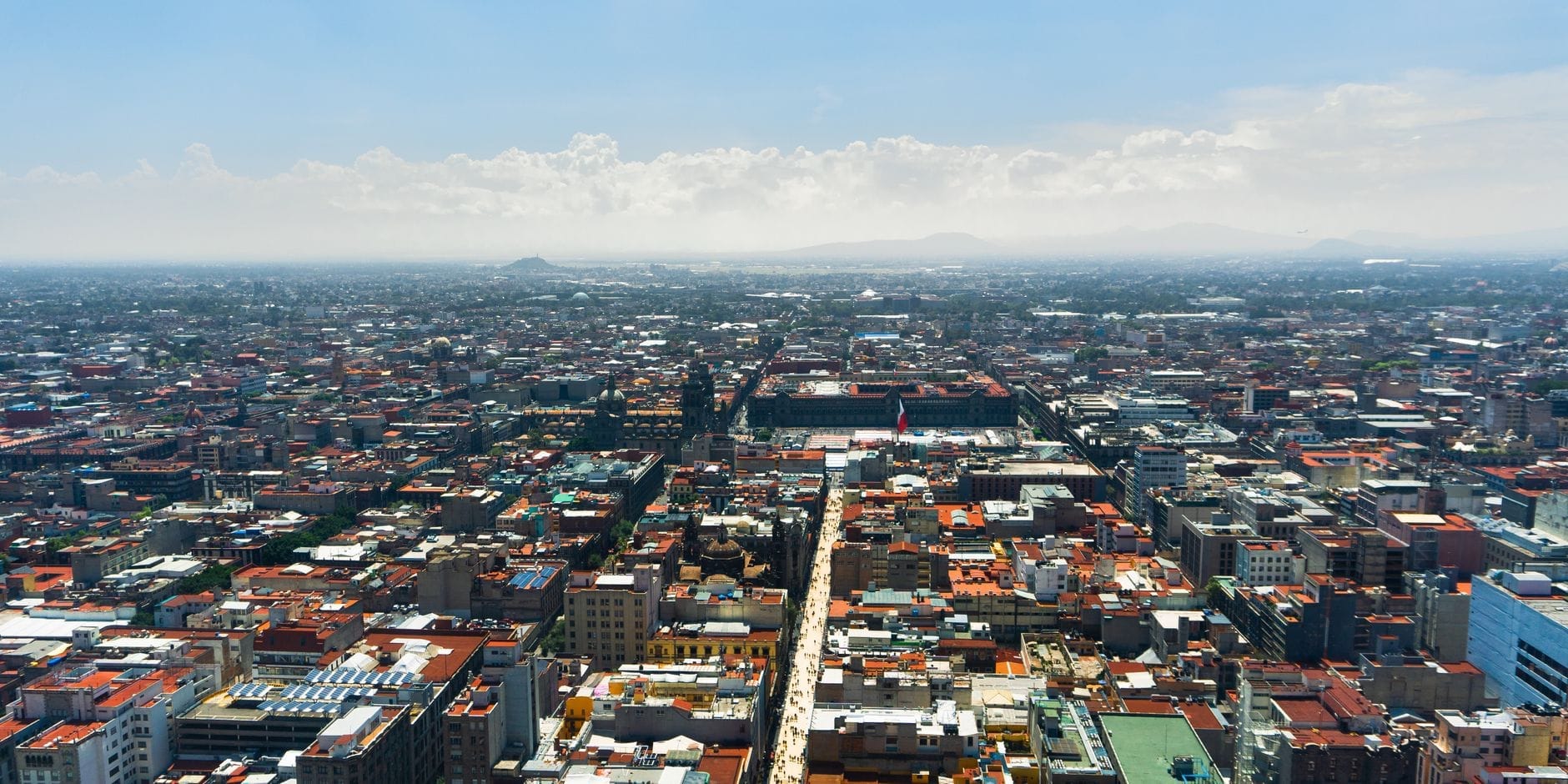
Mexico City on a budget is achievable at a level that surprises most first-time visitors. The city sits at roughly 2,240 m (7,350 ft) elevation in the Valley of Mexico, covers 1,495 km², and has a metropolitan population of over 21 million — yet its cost of living remains far below comparable cities in the US, Canada, or Western Europe. For budget travelers, the daily math works out well: a dorm bed runs around US$18-25 in a central neighborhood, street food and market meals cost US$8-12, and public transit adds less than US$2.
- Bare-bones budget (US$35-45/day) Dorm bed, tacos and market lunches, metro and Metrobús only, free museum Sundays and parks.
- Comfortable budget (US$50-70/day) Private room in a budget guesthouse, mix of sit-down meals and street food, occasional Uber or taxi, paid museum entries.
- Mid-range (US$80-120/day) Boutique hostel or 3-star hotel, restaurant dinners in Roma or Condesa, day trips, cultural events.
ℹ️ Good to know
All prices in this guide are estimates in US dollars or Mexican pesos (MXN). Exchange rates fluctuate, and prices at specific venues change over time. Verify current metro fares at metro.cdmx.gob.mx and museum admission on each institution's official site before your trip.
Getting Around Without Spending Much
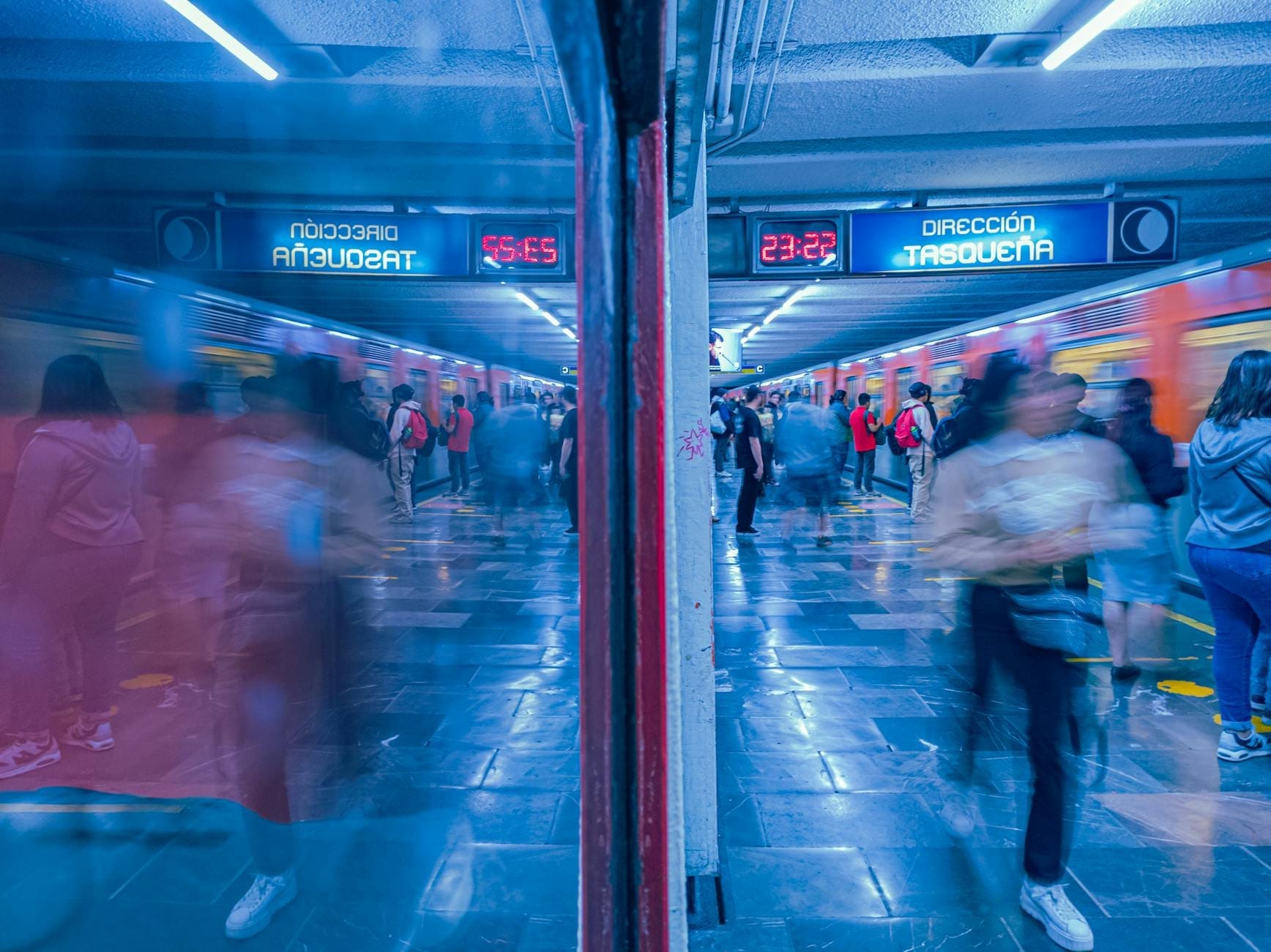
The Sistema de Transporte Colectivo (STC) Metro is the backbone of budget travel in CDMX. With 12 lines and 195 stations, it connects the airport, the historic center, Chapultepec, Coyoacán, Xochimilco, and most neighborhoods you'll visit. Fares are MXN $5 per ride — flat rate regardless of distance — making it one of the cheapest metro systems anywhere. There is no day pass or weekly pass for regular riders, so you simply pay per trip. The Roma-Condesa area and the Centro Histórico are both well-served by multiple lines.
The Metrobús BRT (bus rapid transit) network fills in routes the metro doesn't cover, including key corridors along Insurgentes and Reforma. Fares are similar to the Metro. For longer stretches or late-night travel, Uber and Didi operate throughout the city and remain cheaper than their equivalents in US or European cities, though they are more expensive than transit and should be a secondary tool for budget travelers. Avoid airport taxis booked by touts — use the official pre-paid taxi booths inside the terminals or a ride-hailing app from the designated pickup area.
💡 Local tip
Buy a rechargeable transit card (Tarjeta de Movilidad Integrada) to use across Metro, Metrobús, Tren Ligero, and RTP buses. It saves fumbling for exact change and works on all official public transit networks in the city.
Free and Low-Cost Attractions
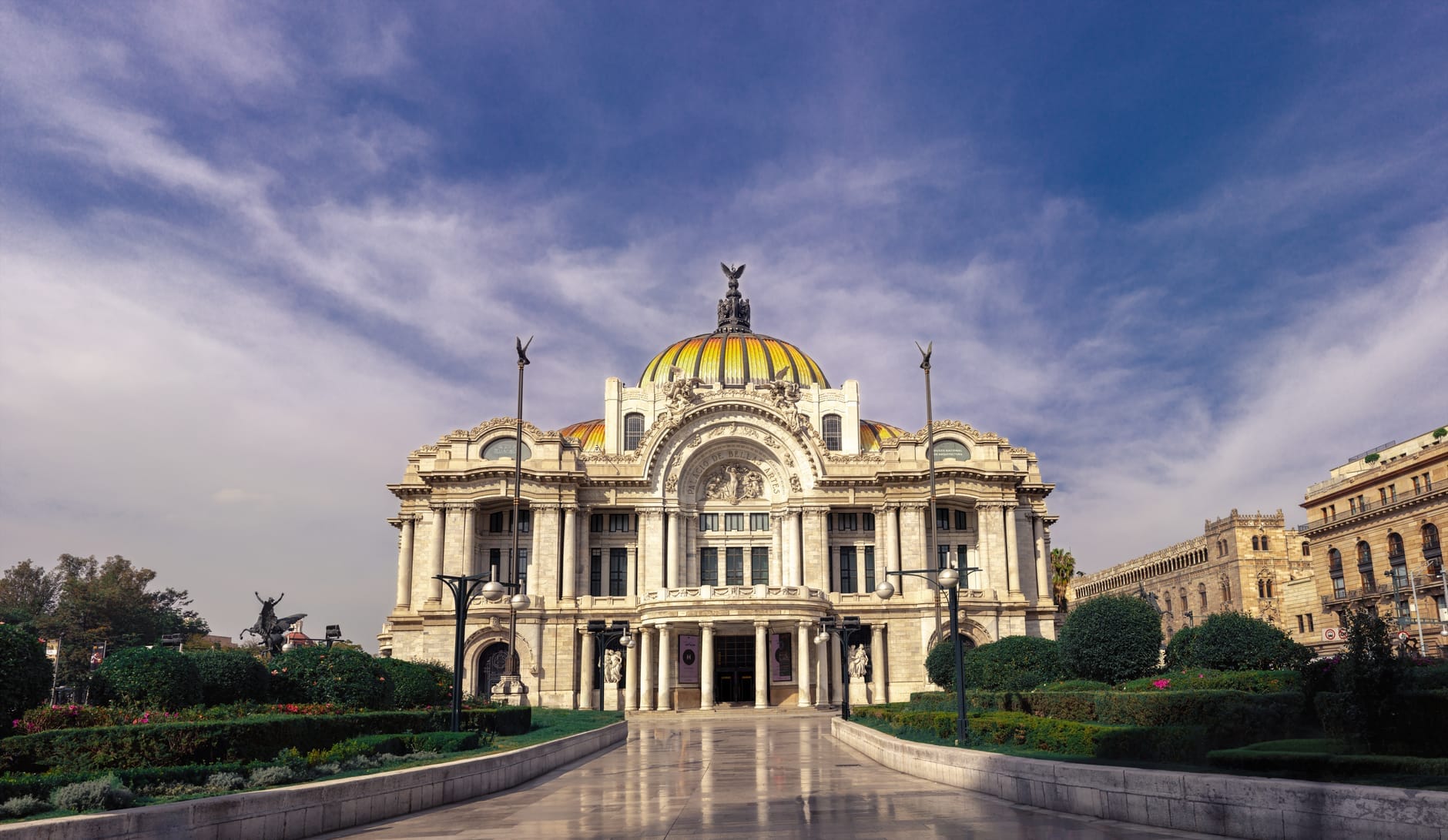
Mexico City's cultural infrastructure is enormous and disproportionately affordable. The headline fact: most INBA (Instituto Nacional de Bellas Artes) and INAH (Instituto Nacional de Antropología e Historia) museums are free for Mexican citizens and residents every day, and offer free entry for everyone on Sundays. That includes the Palacio de Bellas Artes, the Museo Nacional de Arte, and the world-class Museo Nacional de Antropología in Chapultepec. On non-free days, admission at most national museums runs around MXN $90-120 (roughly US$5-7), which is still exceptionally cheap by international standards.
Chapultepec Park itself is free to enter and covers over 680 hectares — one of the largest urban parks in the Americas. The Chapultepec Zoo is free every day and houses over 250 species. The park also contains Chapultepec Castle (ticketed, but low-cost), three major museums, lakes, and jogging paths. You can spend a full day here without spending more than the cost of a snack. For those interested in free things to do in Mexico City, the park alone justifies multiple visits.
- Zócalo (main plaza): free, with regular public events, concerts, and installations throughout the year
- Templo Mayor archaeological site: small admission fee but includes the adjacent museum
- Plaza Garibaldi: free to wander and watch mariachi bands perform — just don't feel obligated to tip unless you request a song
- Alameda Central: renovated public park in the center, free and walkable
- UNAM campus: free to explore the murals, botanical garden, and open spaces of one of Latin America's most architecturally significant universities
- Parque México and Parque España in Condesa: free neighborhood parks ideal for Sunday mornings
- Coyoacán town square and market area: no entry fee, great for free people-watching and cheap antojitos
⚠️ What to skip
Sunday free museum entry means Sunday is also the busiest day. The Museo Nacional de Antropología draws large crowds on Sundays, especially mid-morning. Arrive before 10am or visit after 3pm to avoid the worst queues.
Where and What to Eat on a Budget
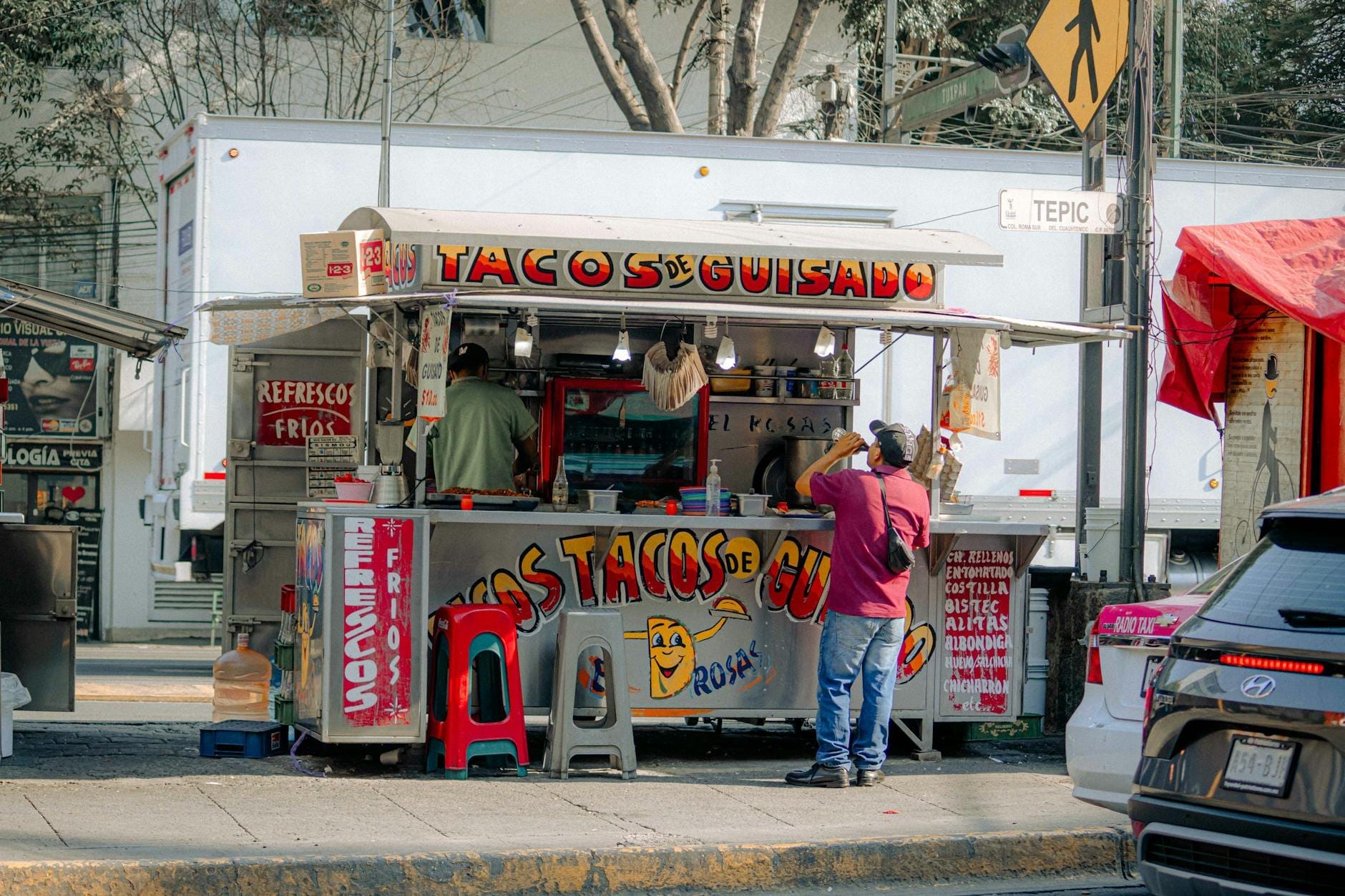
Food is where Mexico City on a budget shines. A plate of three tacos de canasta from a street cart typically costs MXN $20-35. A full comida corrida — the traditional set lunch of soup, main course, and sometimes dessert — at a neighborhood fondita (informal restaurant) runs MXN $70-120. If you eat breakfast and lunch this way and keep dinner light, US$8-12 per day for food is realistic. The key is eating like locals eat: at markets, fonditas, and taquerías, not at tourist-facing restaurants near the Zócalo or in Polanco.
The best market for a food crawl on a budget is not the upscale Mercado Roma (which is aimed squarely at tourists and expats) but the neighborhood markets: Mercado de Coyoacán for tlayudas and juices, Mercado de Medellín in Roma Sur for breakfast, and Mercado Jamaica for fresh fruit at wholesale prices. The Mercado de Coyoacán in particular is one of the most affordable and atmospheric food markets in the city — carnitas, quesadillas, and agua frescas at prices that haven't been inflated by foot traffic from tour groups.
One area to watch: the restaurant strips in Roma Norte and Condesa have gotten noticeably more expensive over the last few years as the neighborhoods have gentrified and attracted expat and digital nomad spending power. You can still eat cheaply there — taquerías and torta shops exist on side streets — but sitting down at a full-service restaurant in either neighborhood now costs noticeably more than it did. For reference, expect MXN $200-350 for a meal with drinks in a mid-range Roma Norte restaurant, which is still reasonable by North American standards but no longer qualifies as budget eating.
Budget Accommodation: Where to Stay and What to Expect
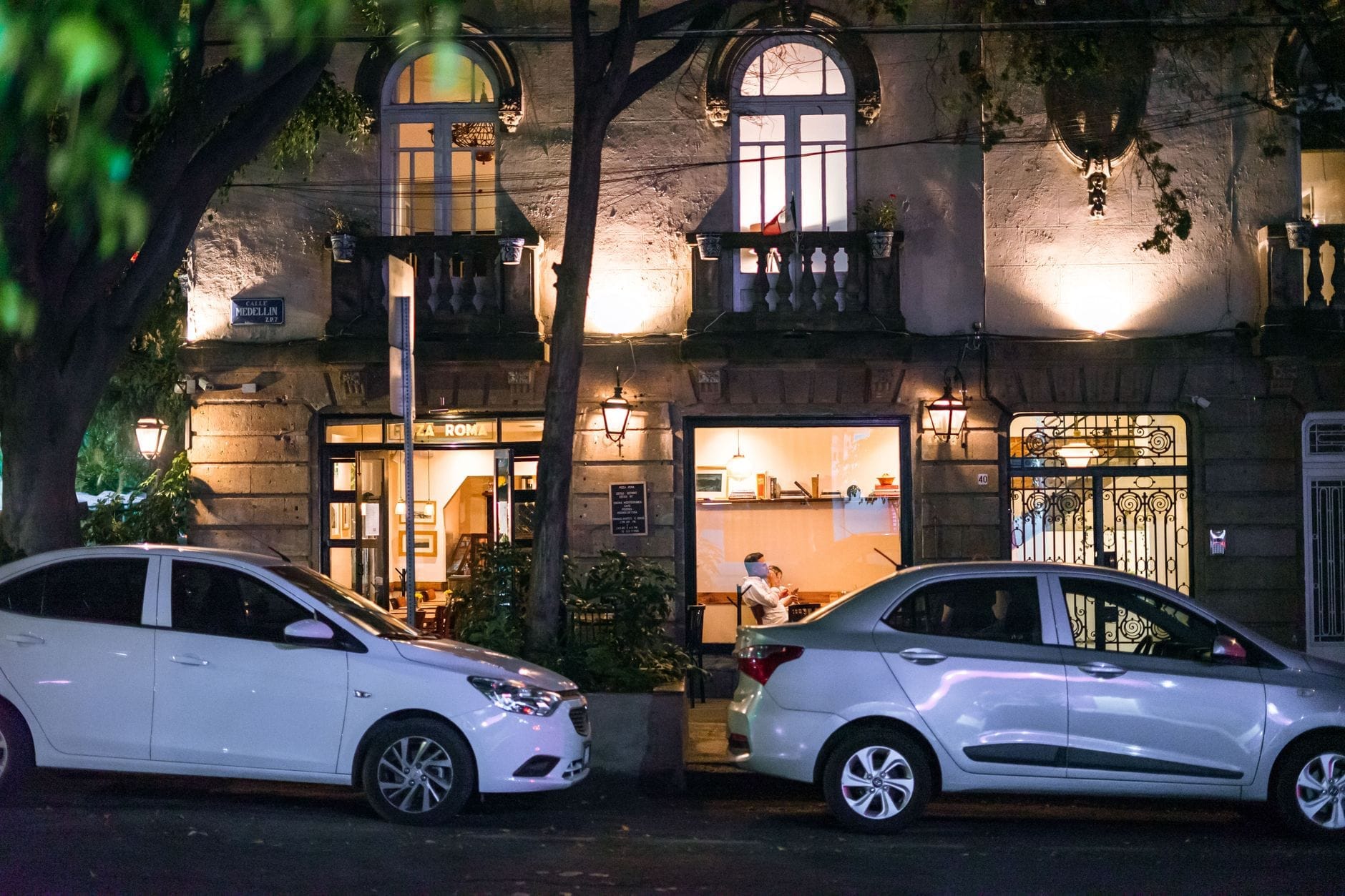
Hostels in central neighborhoods run around US$18-25 for a dorm bed, with the best-value options concentrated in Roma Norte, Condesa, and around the Centro Histórico. Private rooms in budget guesthouses and small hotels start at around US$35-50. Location matters more than the property itself for budget travelers: staying in Roma or Condesa puts you within walking distance of parks, cheap taquerías, and multiple metro stations, which reduces your daily transport spending. Staying near the Zócalo in the Centro Histórico gives direct access to free attractions but can feel less comfortable at night — not dangerous for experienced travelers, but noisier and less polished than Roma.
The two major price spikes to plan around are Christmas/New Year week and Semana Santa (Holy Week, usually March or April). Both periods see accommodation prices jump significantly across all categories, and availability tightens in popular areas. If your trip dates are flexible, the shoulder months of January-February and October-November offer the best combination of reasonable prices and manageable weather. The rainy season (May-October) doesn't deter most budget travelers — afternoon thunderstorms are heavy but usually short, and you can plan outdoor activities for mornings.
Money, Payments, and Practical Budget Tips
Mexico's currency is the Mexican peso (MXN). ATMs are widely available across the city, but use machines attached to banks rather than standalone ATMs in convenience stores or tourist areas, which tend to charge higher withdrawal fees and sometimes use unfavorable exchange rates with dynamic currency conversion. Paying in pesos is almost always better than paying in US dollars even when a vendor accepts both — the offered exchange rate at the point of sale is rarely competitive.
Cash remains essential in Mexico City, particularly for street food, market purchases, metro rides (if buying single-use tickets), and small neighborhood businesses. Larger restaurants, chain stores, and most hotels take cards, but a wallet with MXN $200-300 in small bills will get you through a full day of budget eating and transit. Tipping is customary in restaurants (around 10-15% is standard), and small tips are appreciated at taco stands and market food stalls, though not obligatory. Don't drink tap water: bottled and purified water is the norm throughout the city, and large 20-liter garrafones (jugs) are very cheap if you're in one place for a few days.
- Use bank ATMs, not standalone machines in tourist zones — check for foreign transaction fees before you travel
- Always pay in pesos, not dollars, even when offered the option
- Keep small bills (MXN $20, $50) for street food and market stalls — vendors rarely have change for large notes
- A single transit card covers Metro, Metrobús, Tren Ligero, RTP buses, and other systems in the Integrated Mobility network
- Eat the comida corrida (set lunch) between 1-4pm — it's the best value meal format in the city
- Mexico City's altitude (2,240m) can cause fatigue for the first day or two — don't over-schedule your first full day
- Standard electricity is 127V / 60Hz with Type A/B sockets (same as US/Canada) — no adaptor needed for North American devices
FAQ
How much money do I need per day in Mexico City?
Budget travelers can manage on US$40-60 per day covering a hostel dorm, street food and market meals, and getting around by metro and Metrobús. A slightly more comfortable budget of US$60-80 allows for a private room, the occasional restaurant meal, and museum entry fees. These figures assume you're eating at local fonditas and taquerías rather than tourist restaurants.
Is the Mexico City Metro safe to use as a tourist?
The Metro is used by millions of people daily and is the standard way to get around the city. Like any large urban metro system, pickpocketing can occur in crowded carriages — keep phones and wallets in front pockets or a zipped bag, especially on busy central lines during rush hour (7-9am and 6-8pm). Women-only carriages are available at the front of trains on all lines. Overall, budget travelers rely heavily on the Metro without significant issues.
Which museums in Mexico City are free?
Most national museums operated by INBA or INAH are free on Sundays for all visitors. This includes the Museo Nacional de Antropología, Palacio de Bellas Artes, Museo Nacional de Arte, Templo Mayor, and Chapultepec Castle, among others. The Chapultepec Zoo is free every day of the week. On other days, admission typically runs MXN $90-120 (around US$5-7), still very affordable.
What is the cheapest way to get from the airport to the city center?
The cheapest option is the Metro: Line 5 serves Terminal Aérea station near Terminal 1 at the standard per-ride fare. From there, you can transfer to other lines to reach most central neighborhoods. The trade-off is luggage handling on busy carriages. Ride-hailing apps (Uber, Didi, Cabify) offer a middle ground — more comfortable than the Metro, substantially cheaper than pre-paid airport taxis, and bookable from designated pickup zones at both terminals.
When is the cheapest time to visit Mexico City?
January-February and October-November generally offer the best value for accommodation, with fewer crowds and no major holiday price spikes. The rainy season (May-October) doesn't significantly raise or lower prices, but the dry season (November-April) is more comfortable for outdoor sightseeing. Avoid Christmas/New Year week and Semana Santa (Holy Week in March or April) if minimizing accommodation costs is a priority.
Tickets & tours
Live prices and dates from our booking partner. If you book, we may earn a commission at no extra cost to you.
Planning a trip? Discover personalized activities with the Nomado app.