Chapultepec Zoo: The Free Zoo Inside Mexico City's Biggest Park
The Zoológico de Chapultepec sits inside Bosque de Chapultepec and admits visitors free of charge Tuesday through Sunday. With roughly 2,000 animals across 250-plus species, it draws large local crowds on weekends and offers a well worthwhile morning for families and curious travelers alike.
Quick Facts
- Location
- Bosque de Chapultepec, 1a Sección, Mexico City
- Getting There
- Metro Line 1, Chapultepec station (10–15 min walk into the park)
- Time Needed
- 2–3 hours for a thorough visit
- Cost
- Free general admission; special exhibits approx. 55 MXN each (verify locally)
- Best for
- Families with children, budget travelers, wildlife enthusiasts
- Official website
- http://data.sedema.cdmx.gob.mx/zoo_chapultepec
What the Zoológico de Chapultepec Is
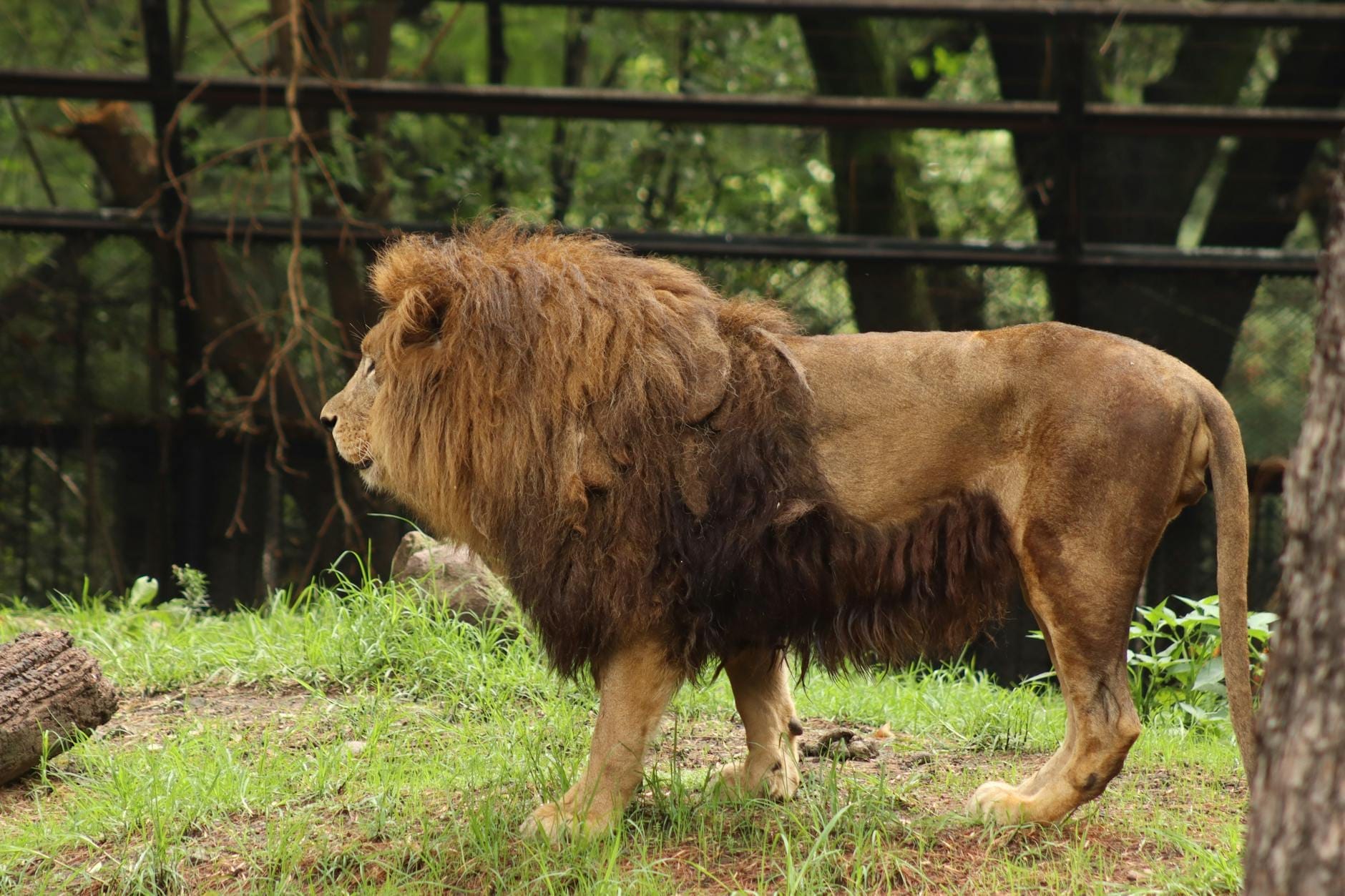
The Zoológico de Chapultepec, known in English as Chapultepec Zoo, is one of the oldest public zoos in Latin America and one of the few in the world that charges no admission whatsoever. Spread across 13.5 hectares (33 acres) of flat parkland inside Bosque de Chapultepec, it houses around 2,000 animals representing roughly 250 to 280 species, from giant pandas to Mexican gray wolves to hippopotamuses.
That combination of free entry and significant animal diversity makes it among the most-visited attractions in Mexico City, drawing an estimated 5 million people per year, the majority of them local families. Understanding what you're walking into, crowds and all, will shape whether your visit feels delightful or exhausting.
💡 Local tip
Arrive at opening (around 09:00) on a weekday to walk the main paths with minimal crowds. By 11:00 on weekends, the zoo fills rapidly and stroller navigation near popular enclosures becomes quite difficult.
A Brief History: From an Aztec Game Reserve to a Modern Zoo
The land under your feet has hosted animals far longer than most visitors realize. Long before the Spanish conquest, the hill of Chapultepec served as a royal retreat for Aztec rulers, and the surrounding forests functioned as game reserves where exotic animals were kept for the sovereign's observation. Moctezuma II, who ruled in the early 16th century, reportedly maintained large menageries of birds and mammals in this area.
The modern institution traces its formal origins to 1924, when scientist Alfonso L. Herrera led the project that resulted in the zoo's official opening in 1926. The grounds underwent a comprehensive remodel between 1992 and 1994, shifting from older cage-style enclosures toward more naturalistic habitat displays. The version visitors see today reflects that 1990s redesign, though individual exhibits have been updated since.
Tickets & tours
Live prices and dates from our booking partner. If you book, we may earn a commission at no extra cost to you.
Chapultepec Castle and Anthropology Museum guided tour
From 72 €Instant confirmationFree cancellationMexico City tour with Anthropology Museum and Chapultepec Castle visit
From 68 €Instant confirmationFree cancellationChapultepec and Anthropology Museum private tour
From 221 €Instant confirmationFree cancellationChapultepec Castle guided tour after closing
From 40 €Instant confirmationFree cancellation
The Giant Pandas: The Headline Exhibit
Chapultepec Zoo holds a distinctive place in giant panda conservation history. Mexico City received its first giant pandas from China in 1975, and the zoo achieved one of the first captive panda births outside China in 1980. The panda enclosure remains a popular section of the zoo, and for good reason: the habitat is spacious, well-shaded, and positioned so that visitors can observe the animals at close range from a raised viewing platform.
Early morning is the best window for panda activity. By mid-morning, the animals tend to settle into long resting periods, and the viewing platform fills with visitors jostling for photographs. If pandas are a priority, head there first, within the first 30 minutes of your visit.
ℹ️ Good to know
The panda section is outdoors and subject to temporary closures for animal welfare reasons. If panda viewing is your main reason for visiting, check the zoo's official social media or call ahead, as closures can happen without advance notice on the website.
What You'll See: The Animal Collection and Layout
The zoo is organized into broad geographic and thematic zones. African savanna species, including white rhinos and giraffes, occupy a central section. A dedicated Mexican fauna zone highlights native species: the Mexican gray wolf, axolotl (the critically endangered salamander native to Mexico City's lake system), and various native reptiles. This section carries real ecological weight, as several of the Mexican species on display are part of active conservation and reintroduction programs.
Special exhibits, including a butterfly and insect house, a herpetarium, and a shark tank, require separate tickets at around 55 to 99 MXN per exhibit (visitor-reported prices; verify on arrival). These spaces are climate-controlled indoors and offer a noticeable change of pace from the outdoor paths, which becomes significant during rainy season afternoon downpours.
The terrain throughout the main zoo is largely flat and paved, which makes navigation with strollers or wheelchairs manageable, though some secondary paths near the periphery are less even. Signage throughout the zoo is primarily in Spanish, with limited English translation on exhibit panels.
How the Visit Changes by Time of Day and Season
The sensory experience of Chapultepec Zoo shifts considerably across the day. In the first hour after opening, the park air carries the cool dampness of the surrounding forest, and the sound landscape is dominated by birds rather than crowd noise. The smell of fresh vegetation and morning dew is noticeable before food vendors and kitchen activity add their own layer to the atmosphere. Animals tend to be most active in this window.
By noon on weekends or public holidays, the experience transforms. The scent of popcorn, corn on the cob, and roasted nuts from vendor carts mixes with the general warmth of the afternoon. Families spread out on the grassy areas, children run between enclosures, and popular exhibits like the pandas and giraffes draw clusters of visitors four or five people deep. It's lively and fun if you're in that mode; it's overwhelming if you were hoping for quiet contemplation.
Mexico City's rainy season runs from approximately May through October, with afternoon thunderstorms most frequent in June through September. The zoo has limited covered shelter, so an unexpected downpour can compress every visitor into the few indoor exhibits and covered walkways simultaneously. A compact rain poncho is worth packing.
⚠️ What to skip
The zoo is closed every Monday. Arriving on a Monday is a common visitor mistake noted in online reviews. Double-check before building an itinerary around it.
Getting There and Practical Logistics
The most straightforward route from central Mexico City is the Metro Line 1 (pink line) to the Chapultepec station. From the station exit, you walk into the first section of Bosque de Chapultepec; the zoo entrance is approximately a 10 to 15 minute walk through the park. The route passes through the park, so the walk itself is pleasant. For a broader overview of navigating the city's transit network, the guide to getting around Mexico City covers Metro, Metrobús, and ride-hailing options in detail.
If you're arriving by ride-hailing app, the closest drop-off point is typically along Paseo de la Reforma near the park's main entrances. Drivers cannot enter the park itself. Wear comfortable, flat shoes: even though the zoo's internal terrain is flat, the surrounding park paths can be uneven on the approach.
Food and drink vendors are plentiful both inside the park and near the zoo entrance. There is also a cafeteria-style restaurant inside the zoo grounds. Water, juice, and snacks are readily available, though prices are slightly above what you'd pay in neighborhood shops. Bringing a filled water bottle is sensible given Mexico City's altitude of roughly 2,240 meters, which makes dehydration and sun fatigue a faster concern than many visitors anticipate.
If you're visiting as part of a broader Chapultepec day, note that the Chapultepec Castle and the Museo Nacional de Antropología are both within the same park and walkable from the zoo, making a logical combined itinerary for a full day.
Photography and Accessibility Notes
Photography with personal cameras and smartphones is permitted throughout the zoo. The panda enclosure and the large open-air savanna section offer the clearest sight lines. Glass panels on some enclosures create glare in direct afternoon sunlight, so morning shooting positions tend to produce cleaner images. Wide-angle lenses work well for habitat context; a zoom or telephoto lens (or a phone with a capable zoom) helps for closer animal detail from viewing distances.
For visitors with mobility considerations, the main zoo paths are paved and relatively level, which is a practical advantage over many other attractions in the Chapultepec area. The castle, by contrast, requires significant uphill walking. Strollers are common throughout the zoo. Dedicated accessible restroom facilities are present, though their full scope is not extensively documented in public-facing sources.
Worth Your Time?: Is It Worth Your Time?
For a free attraction, the Zoológico de Chapultepec delivers genuine value. The animal collection is substantial, the panda exhibit has real historical significance in conservation terms, and the setting inside Bosque de Chapultepec adds natural beauty that purpose-built zoo facilities rarely match. It pairs naturally with a half-day in the park that also includes Museo de Arte Moderno or a walk along the park's shaded lake paths.
That said, the zoo is not a world-class facility by international comparison. Some enclosures are dated, and the overall conservation messaging, while present, is less prominent than in zoos that have built their entire identity around education and species preservation. Visitors expecting the immersive habitat experiences of major North American or European zoos may find the infrastructure uneven.
Travelers who should consider skipping it: those traveling without children who have limited time in Mexico City and are prioritizing cultural and historical depth. A morning at Templo Mayor, the National Palace, and the surrounding historic center offers a denser return on time. But if you have children in tow, or if you're spending multiple days in the city and want a low-pressure outdoor morning, the zoo earns its place on the list.
For travelers planning their first day or two in the city, the 3-day Mexico City itinerary suggests how to sequence the zoo with other Chapultepec attractions without losing time to backtracking.
Insider Tips
- The zoo's least-visited hours are Tuesday and Wednesday mornings between 09:00 and 11:00. If your schedule is flexible, these windows offer a noticeably calmer experience compared to any weekend slot.
- The Mexican fauna section near the axolotl tanks is often overlooked by international visitors heading straight for the pandas and African mammals. The axolotl exhibit in particular is ecologically significant: this salamander species is native to the lake system that Mexico City was built on and is critically endangered in the wild.
- Special exhibit tickets are sold individually at each exhibit entrance, not at the main gate. You don't need to pre-decide which paid exhibits to enter; you can buy as you go.
- The zoo is inside the park's first section (Primera Sección). The park itself has a second and third section with additional attractions. If you plan to visit Chapultepec Castle or the anthropology museum on the same day, map your route before entering to avoid unnecessary backtracking across the park.
- On weekends, street food vendors outside the park gates on Paseo de la Reforma offer elotes (grilled corn), tamales, and fresh juice at lower prices than the vendors inside. Stock up before entering if you're watching your budget.
Who Is Chapultepec Zoo For?
- Families with young children looking for a full morning of outdoor activity at no entry cost
- Budget-conscious travelers who want a substantial attraction without spending on tickets
- Wildlife and conservation enthusiasts interested in Mexico's native species, particularly the axolotl and Mexican gray wolf programs
- Travelers combining a full Chapultepec Park day, pairing the zoo with the castle or the Museo Nacional de Antropología
- First-time visitors to Mexico City who want an accessible, low-stress introduction to the Chapultepec area
Nearby Attractions
Other things to see while in Chapultepec & Polanco:
- Avenida Presidente Masaryk
Avenida Presidente Masaryk is Polanco's main commercial artery, a roughly 2.8-kilometer stretch of luxury flagships, design showrooms, and terrace restaurants. Free to walk, open around the clock, and easily reached by Metro Line 7.
- Chapultepec Castle
Chapultepec Castle sits atop Cerro del Chapulín, the only royal castle in continental North America still standing in its original location. Once home to emperors and presidents, it now houses the Museo Nacional de Historia, with sweeping views over Mexico City and rooms preserved from the era of Maximilian I.
- Bosque de Chapultepec
Covering roughly 686 hectares in the heart of Mexico City, Bosque de Chapultepec is far more than a city park. It holds world-class museums, a hilltop castle dating to 1785, a free zoo, and lakes where families rent rowboats on weekends. Entry to the park itself is free, and the depth of what's inside rewards as many hours as you can give it.
- Museo de Arte Moderno
The Museo de Arte Moderno (MAM) occupies two striking circular buildings inside Chapultepec Park, housing some of the finest 20th-century Mexican painting and sculpture in the country. With free admission on Sundays and a sculpture garden connecting the two structures, it rewards both art lovers and casual visitors who happen to be exploring the park.
Planning a trip? Discover personalized activities with the Nomado app.