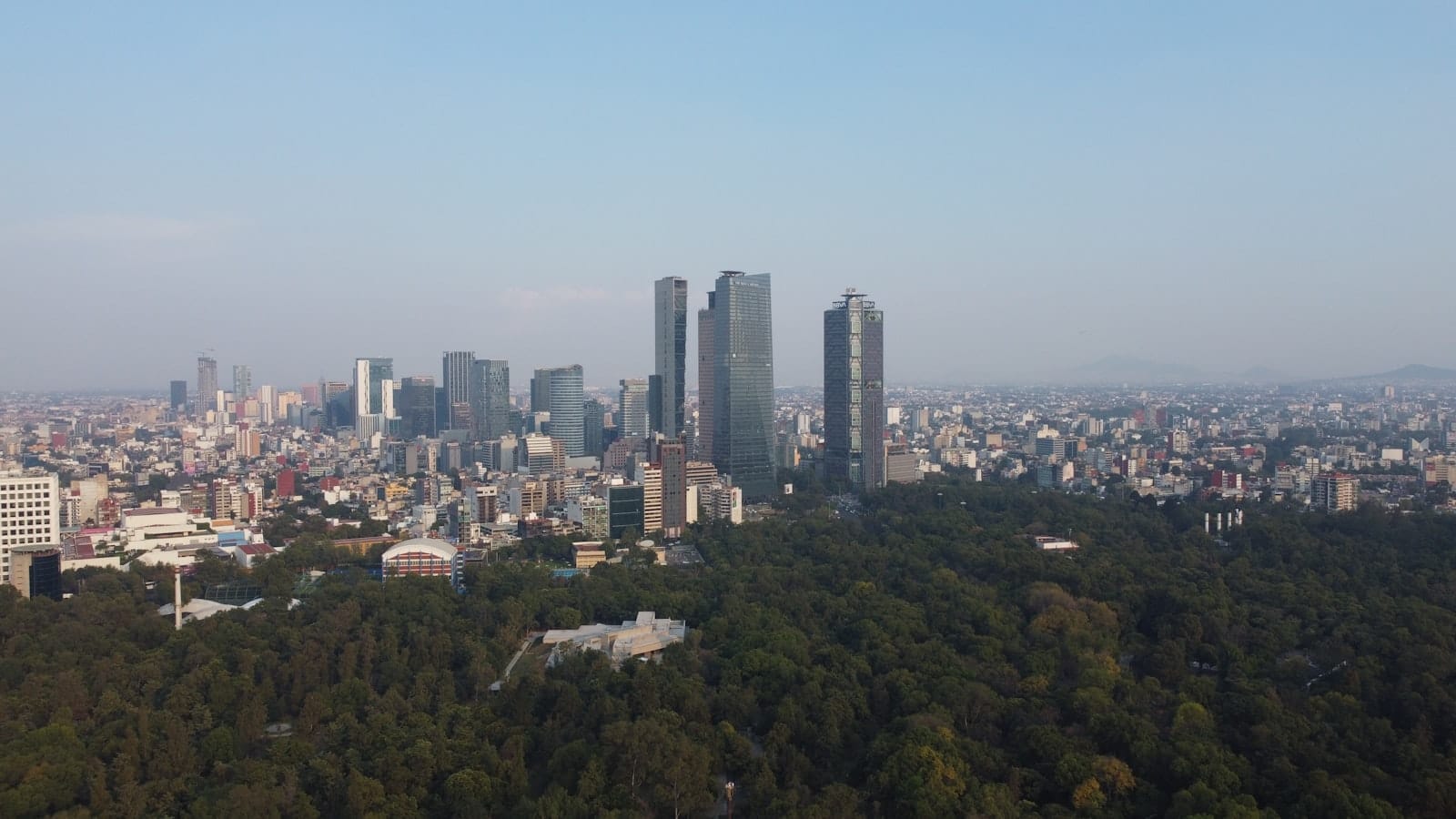
Chapultepec and Polanco form Mexico City's most culturally rich corridor, pairing the vast urban forest of Bosque de Chapultepec and its landmark museums with Polanco's upscale restaurants, high-end boutiques, and embassy row. Together they offer a side of the city that is both deeply Mexican and decidedly cosmopolitan.
Chapultepec and Polanco occupy a stretch of west-central Mexico City where one of the largest urban parks on the planet sits directly beside one of Latin America's wealthiest neighborhoods. The contrast is the point: ancient ahuehuete cypress trees and pre-Hispanic artifacts share a zip code with Michelin-recognized restaurants and flagship luxury stores, making this area unlike anywhere else in the city.
Orientation
The Chapultepec and Polanco area sits in the Miguel Hidalgo borough, roughly 4 kilometers west of the Centro Histórico along Paseo de la Reforma. The two zones are distinct in character but physically adjacent, which is why most visitors treat them as a single destination.
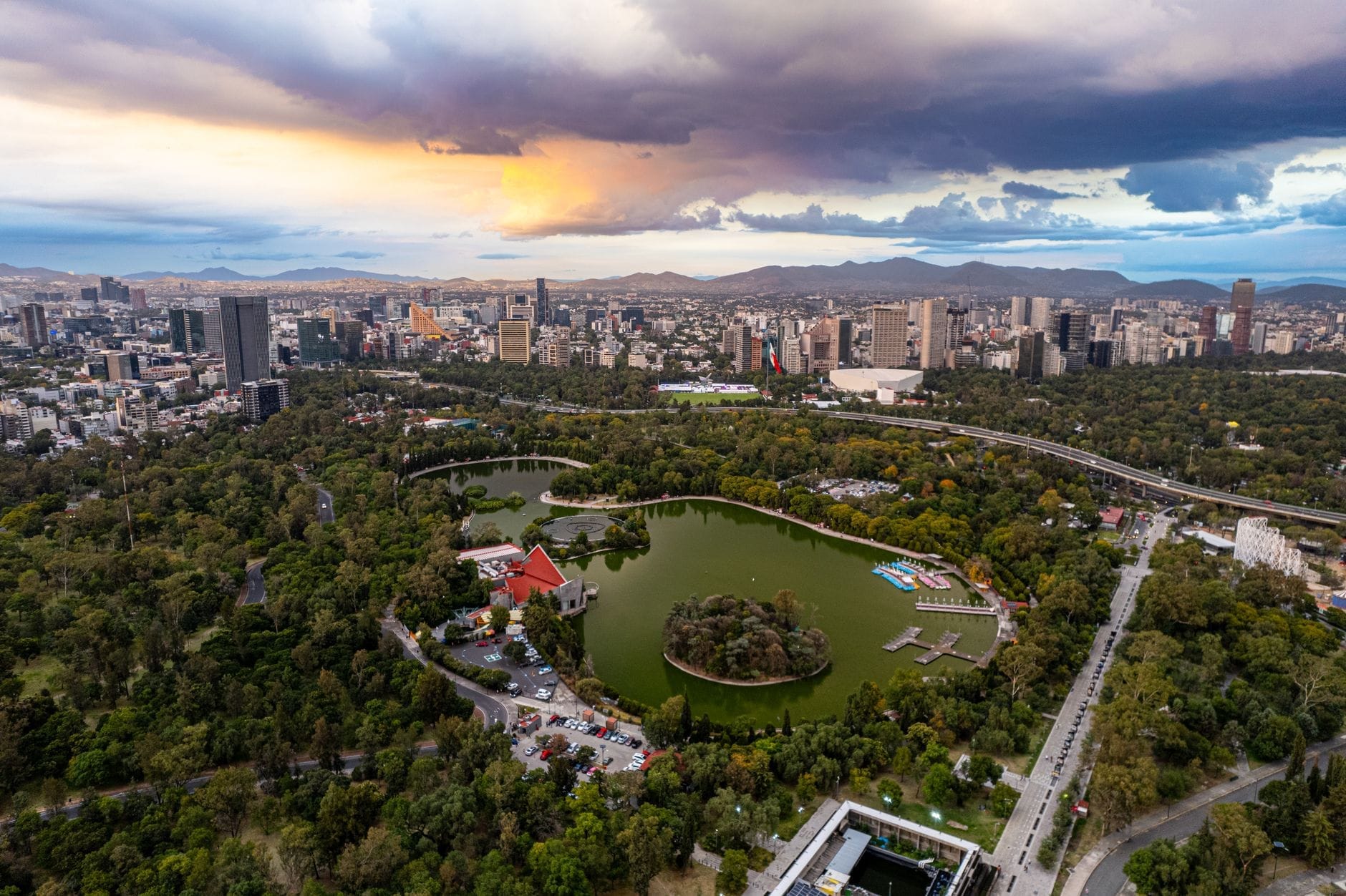
Bosque de Chapultepec, the forested park that anchors this entire corridor, is divided into three sections. The First Section, closest to Reforma, is where you'll find the main museums, the castle hill, and the lake. The Second and Third Sections extend further west and are less visited, shading gradually into residential and commercial areas near Periférico.
Polanco sits immediately north of the park's First Section. Its boundaries are roughly Paseo de la Reforma to the south, Ejército Nacional to the north, Mariano Escobedo to the east, and Boulevard Manuel Ávila Camacho to the west. The colonia is compact enough to walk in its entirety, but it rewards time spent going block by block rather than rushing between landmarks.
To the east, Polanco transitions into the Reforma corridor and then into Colonia Cuauhtémoc. To the south, crossing Reforma puts you inside the park. The Roma and Condesa neighborhoods are about 3 kilometers southeast, reachable by Metro or a longer walk along Reforma.
Character & Atmosphere
Early mornings in Chapultepec belong to Mexico City residents. By 7am on weekdays, joggers are circling the lake paths, families are walking dogs through the forest, and food carts are setting up near the main entrances. The park operates on a different rhythm than the tourist-facing city: it is used, daily, by people who live within walking distance.
By mid-morning, the museum crowds begin to arrive. The Museo Nacional de Antropología draws long lines at opening time, particularly on weekends and holidays. The light in the park around 10am, filtering through the canopy of ancient ahuehuete trees, is one of the more atmospheric experiences Mexico City offers at no cost.
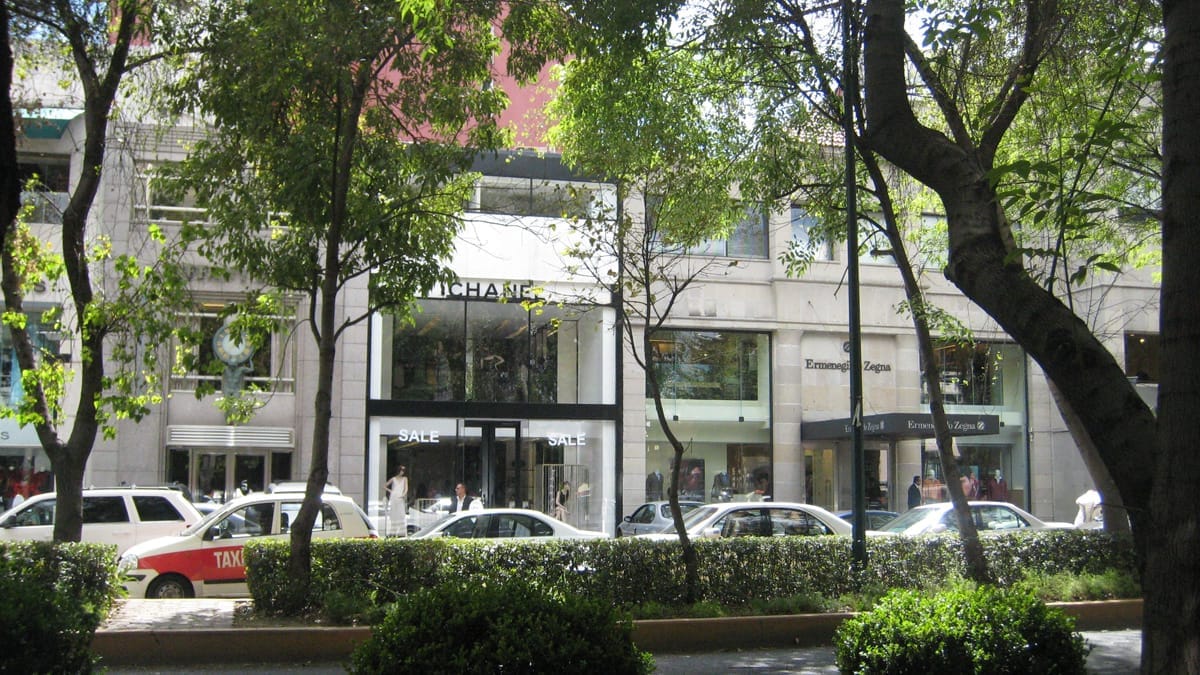
Polanco operates on a distinctly different schedule. Avenida Presidente Masaryk, the neighborhood's main commercial spine, comes alive around 10am when boutiques open and sidewalk café seating fills with a mix of business professionals, expats, and tourists. Lunch is serious business here: from around 2pm to 4pm, the best restaurant tables are full and the streets take on a relaxed, prosperous energy that feels closer to a European capital than to most of Mexico City.
After dark, Polanco is safe and active. Restaurant terraces stay busy until 11pm, and the bar scene around Julio Verne and the surrounding streets picks up late. The area is well lit, heavily patrolled, and has a visible private security presence outside the larger hotels and embassies. That said, the nightlife here skews toward expensive cocktail bars and upscale dining rather than the grassroots late-night culture you find in Roma or Condesa.
ℹ️ Good to know
Bosque de Chapultepec is free to enter and open Tuesday through Sunday, with the park generally open from early morning until around 5–6pm depending on the section and time of year. The museums within the park charge separate admission fees, which vary by institution. Sundays are free at most national museums but also the busiest day by far.
What to See & Do
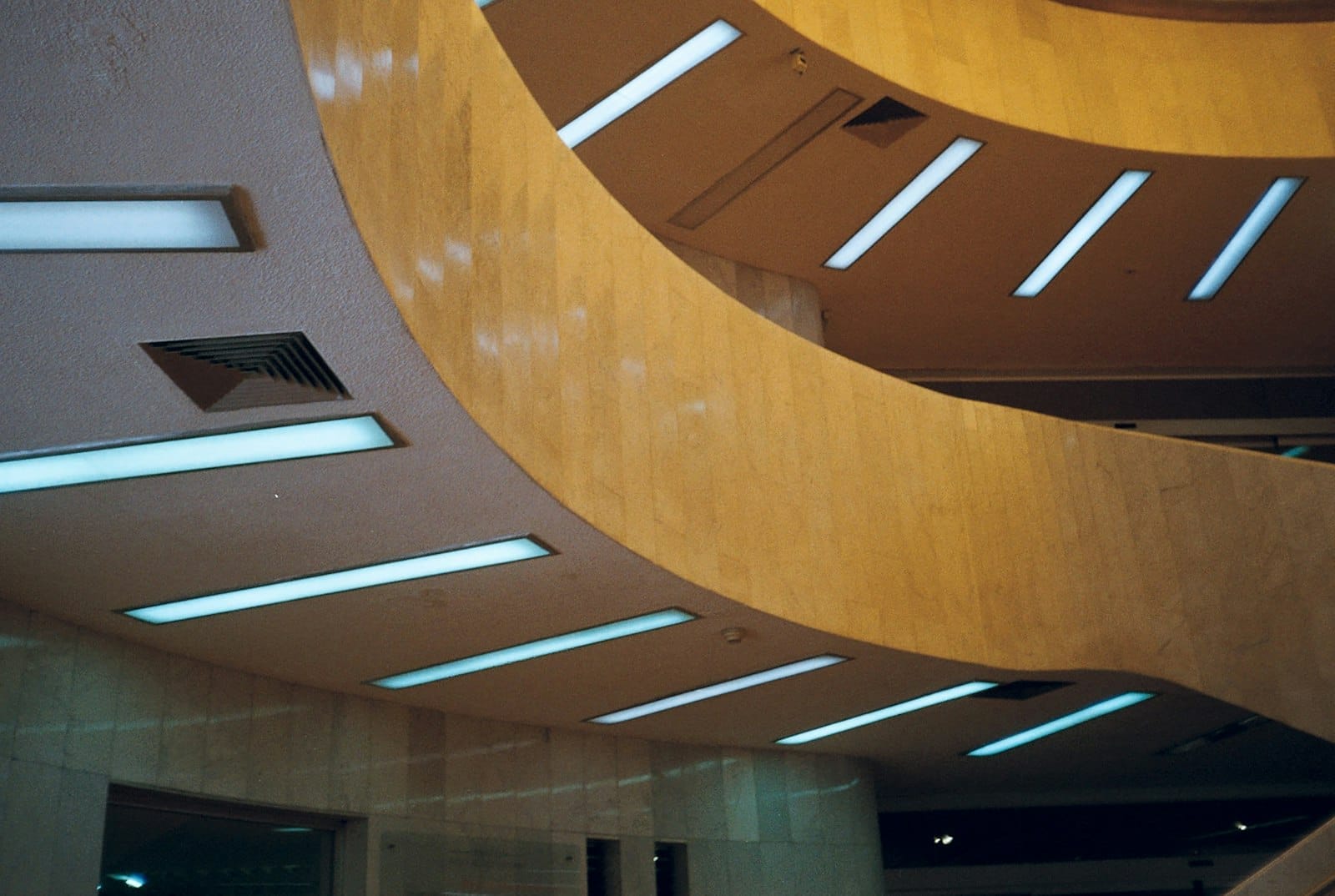
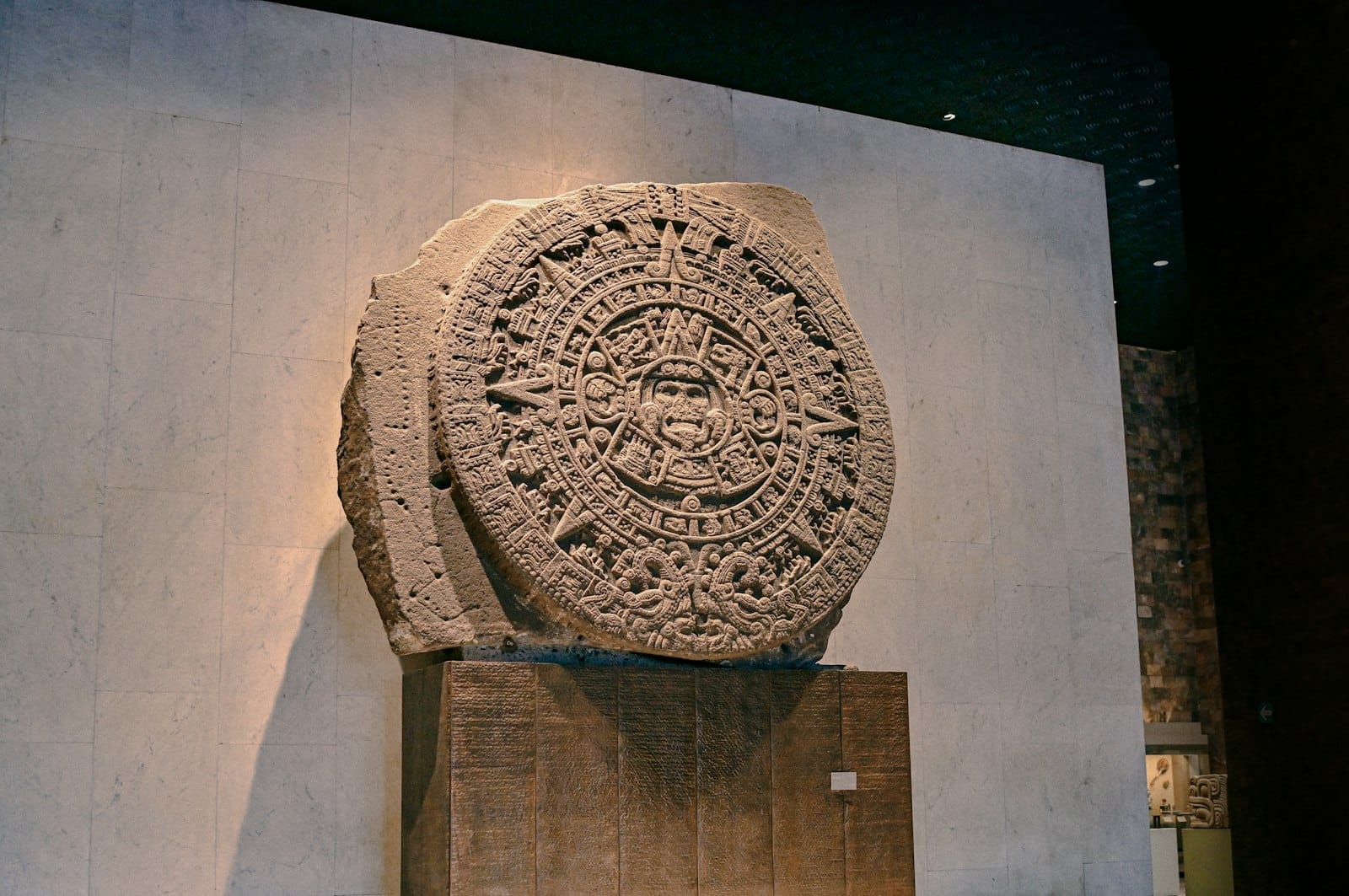
The centerpiece of any visit is the Museo Nacional de Antropología, widely considered one of the great anthropology museums in the world. The building itself, designed by Pedro Ramírez Vázquez and inaugurated in 1964, is architecturally striking: a vast courtyard shaded by a single concrete canopy supported by one central pillar. Inside, the collection spans Mesoamerican cultures from the Olmec to the Aztec, with the Aztec Sun Stone as its most iconic piece. Budget a minimum of two hours, ideally three.
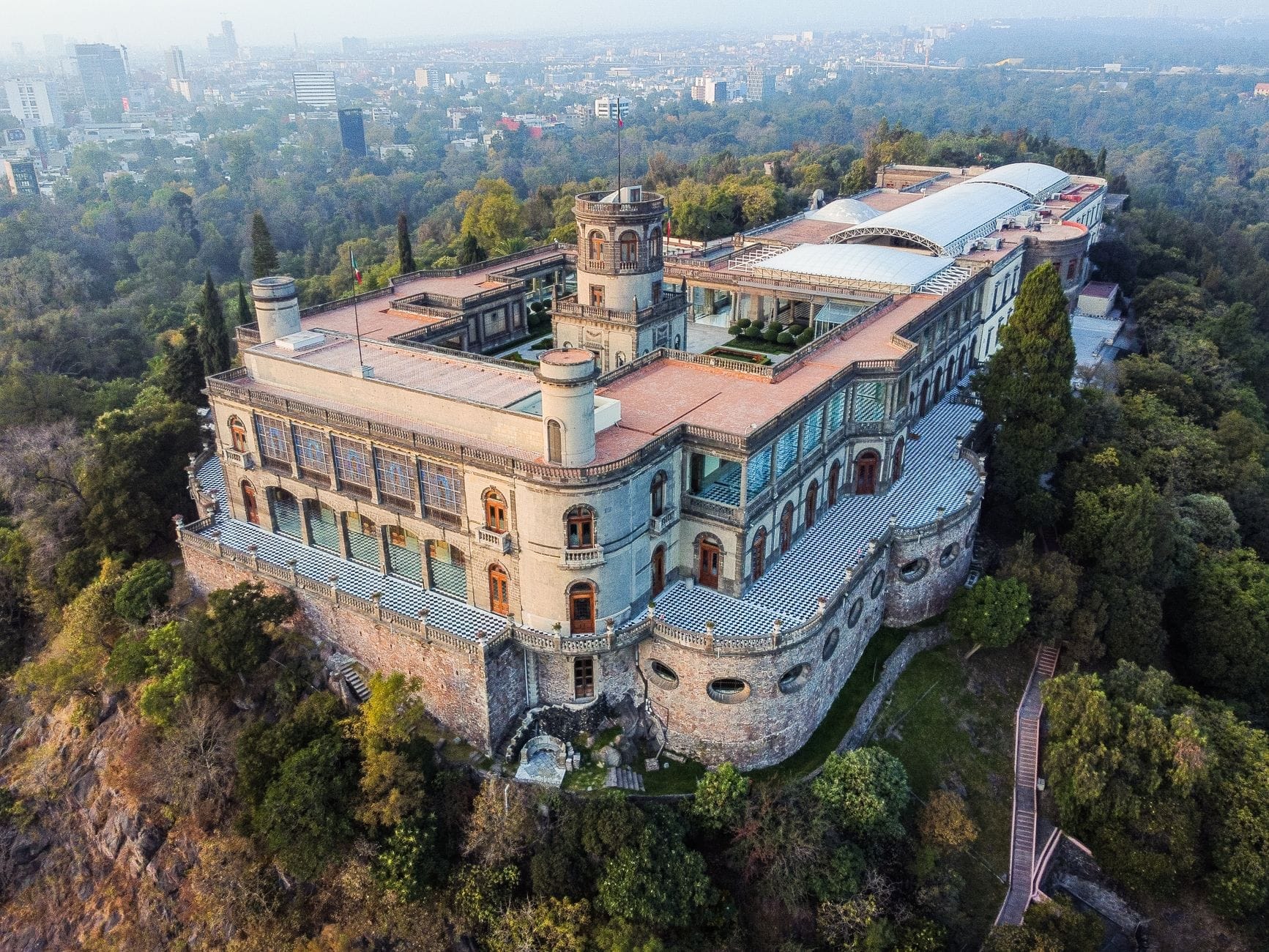
Up the hill from the main park entrance, Chapultepec Castle is the only royal castle in the Americas that actually housed monarchs, serving as home to Emperor Maximilian I and Empress Carlota in the 1860s before becoming the official presidential residence and eventually a national history museum. The views from the castle terrace over Paseo de la Reforma and the city skyline are among the best in Mexico City at low elevation.
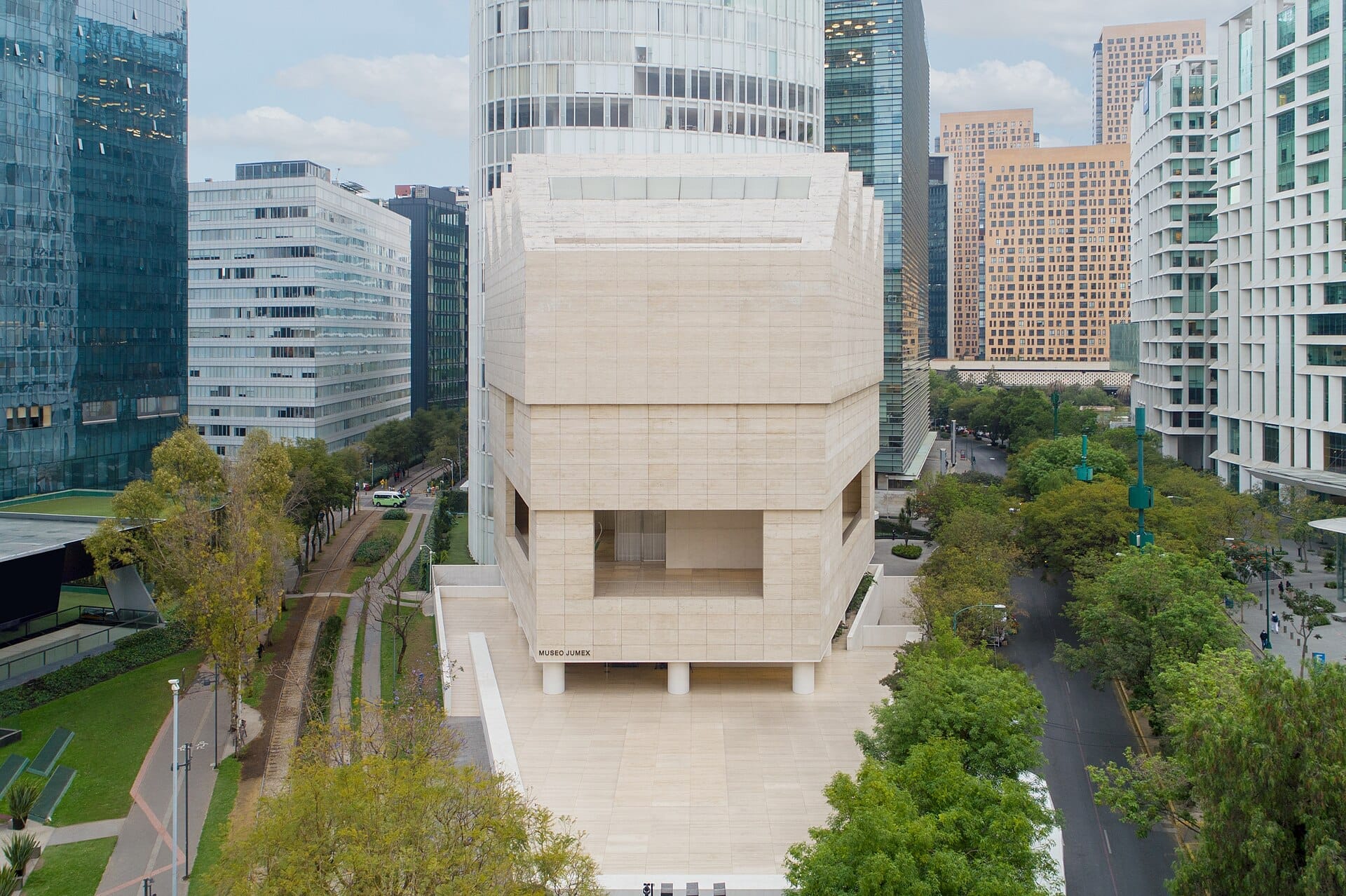
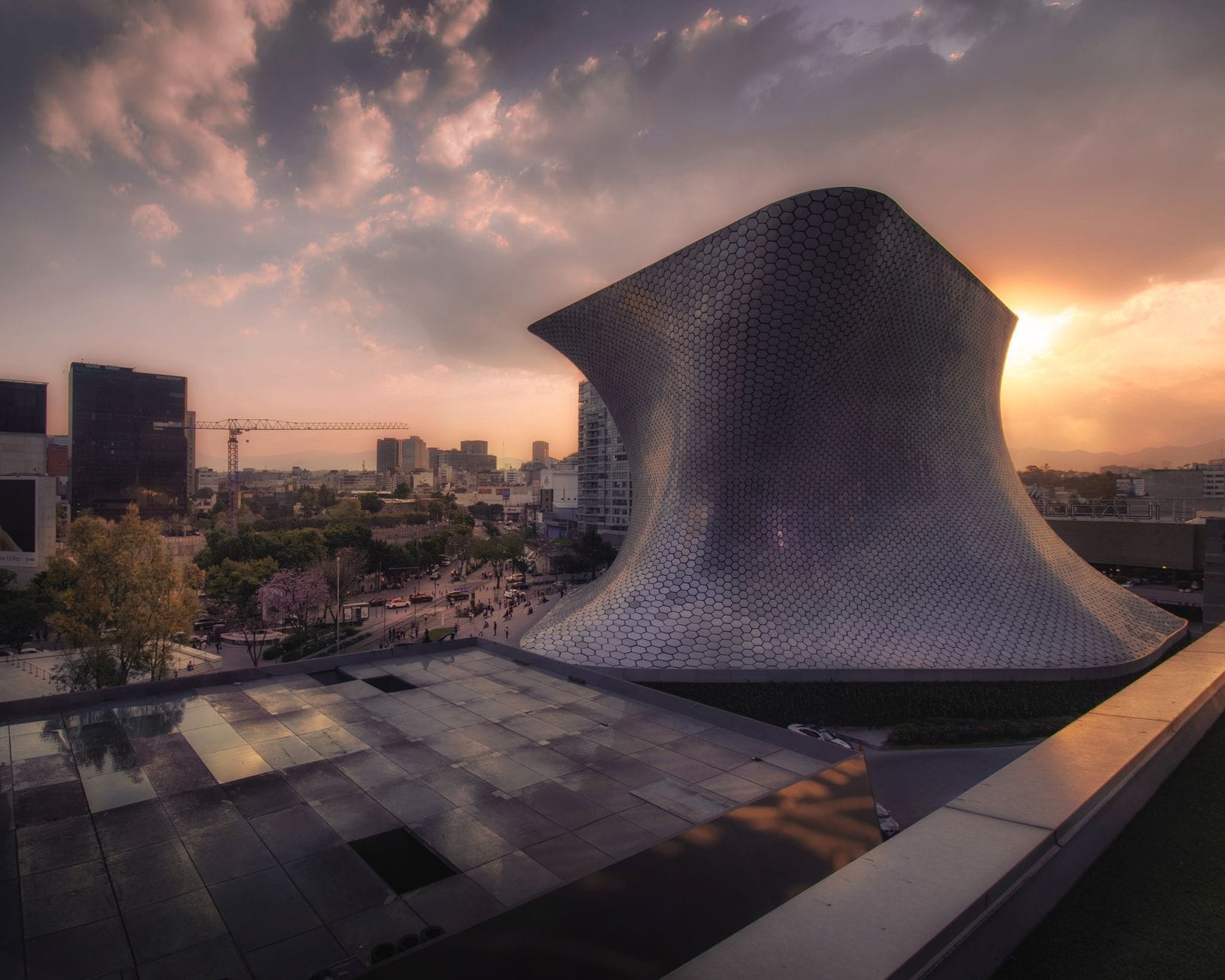
In Polanco itself, two private museums on Avenida Presidente Masaryk are worth your time. Museo Soumaya is the aluminum-clad building that has become a neighborhood landmark, housing Carlos Slim's art collection across six floors with free admission. Just across the plaza, Museo Jumex presents some of the strongest contemporary art programming in Latin America in a more focused, professionally curated space.
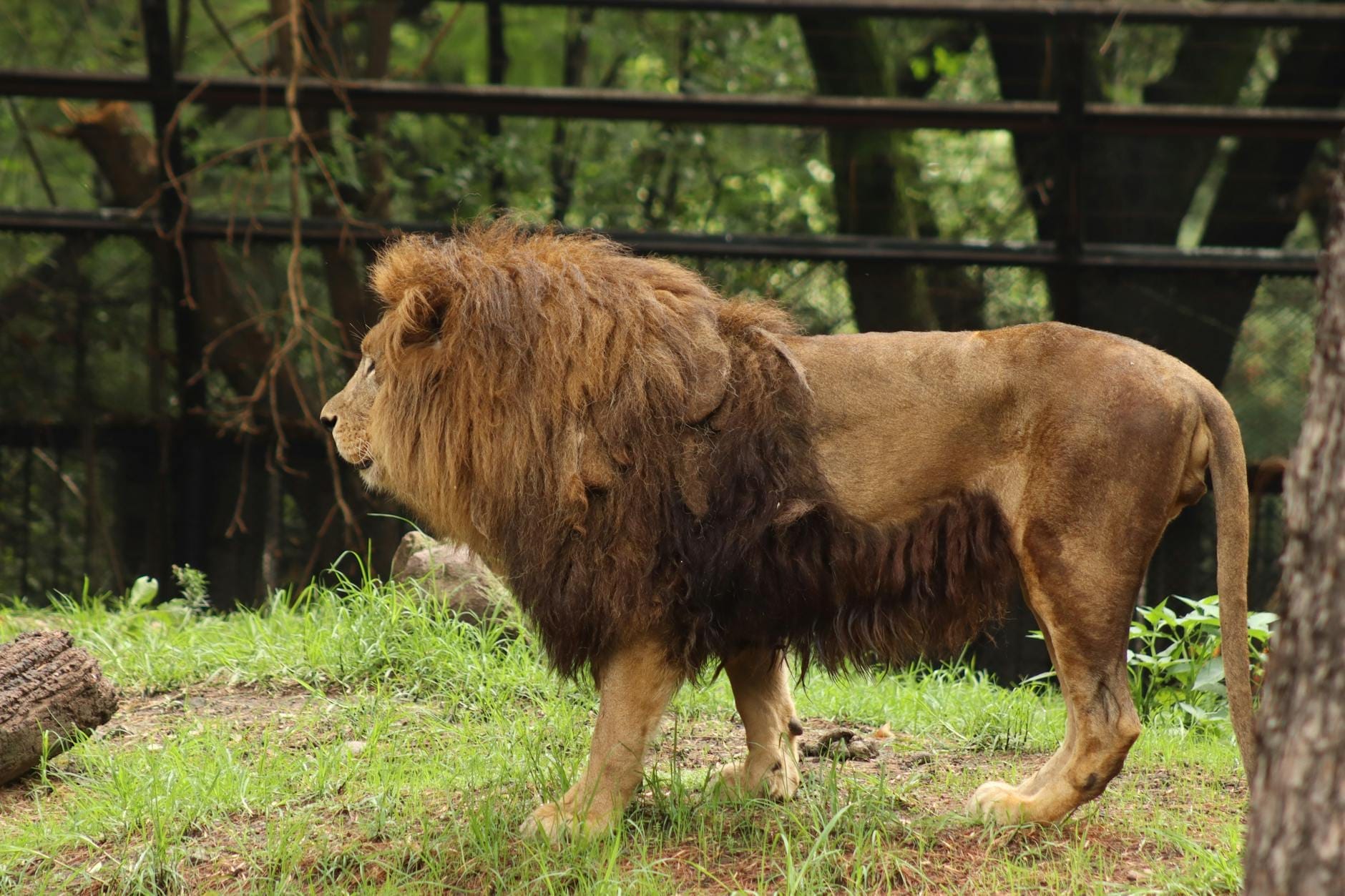
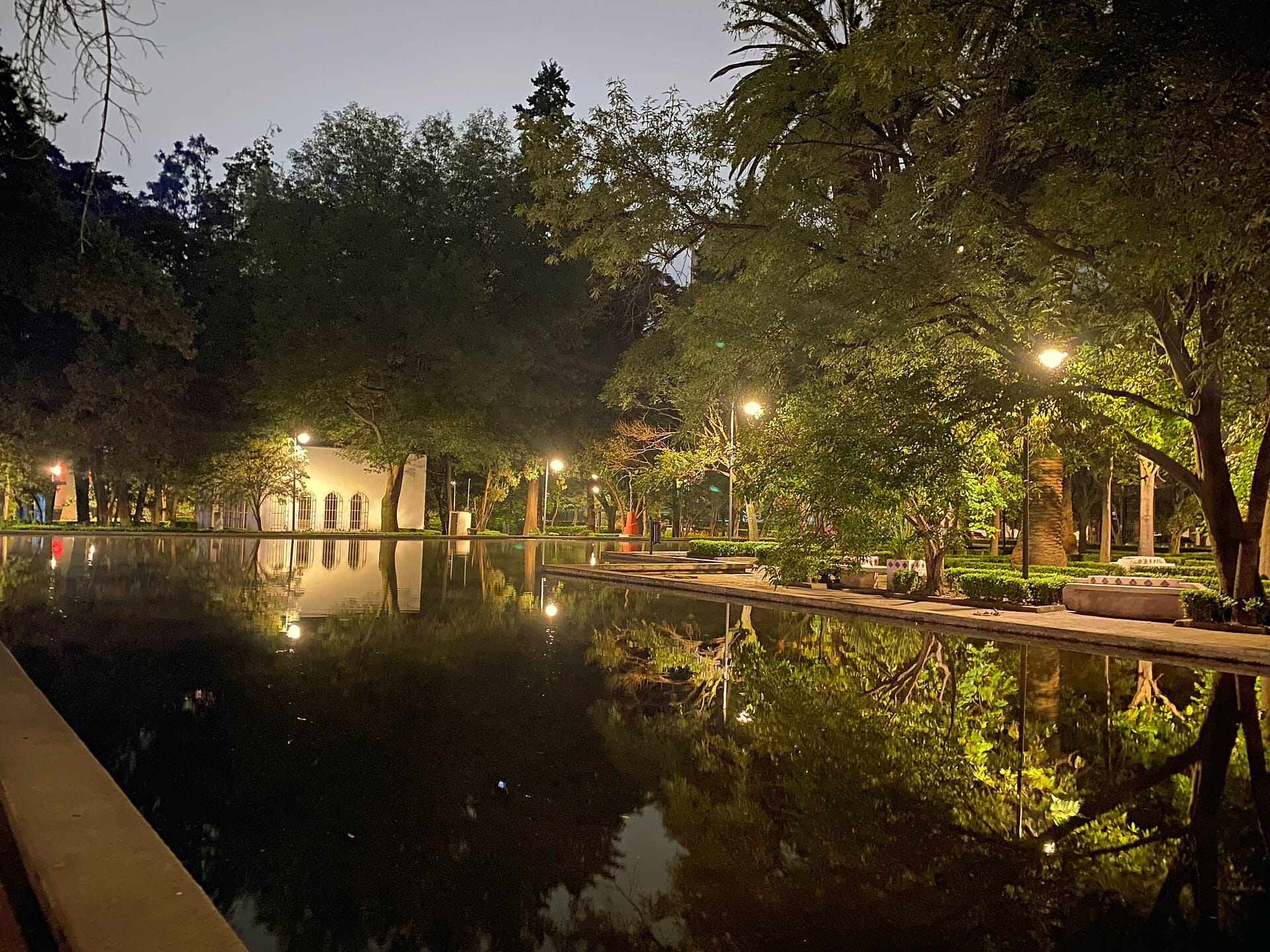
The Chapultepec Zoo sits within the First Section of the park and is free on most days. It is a legitimate destination, not just a family afterthought, and is home to giant pandas. The Parque Lincoln in the center of Polanco offers a quieter counterpoint: a well-maintained neighborhood park with a small open-air theater and weekend food stalls that attract a local rather than tourist crowd.
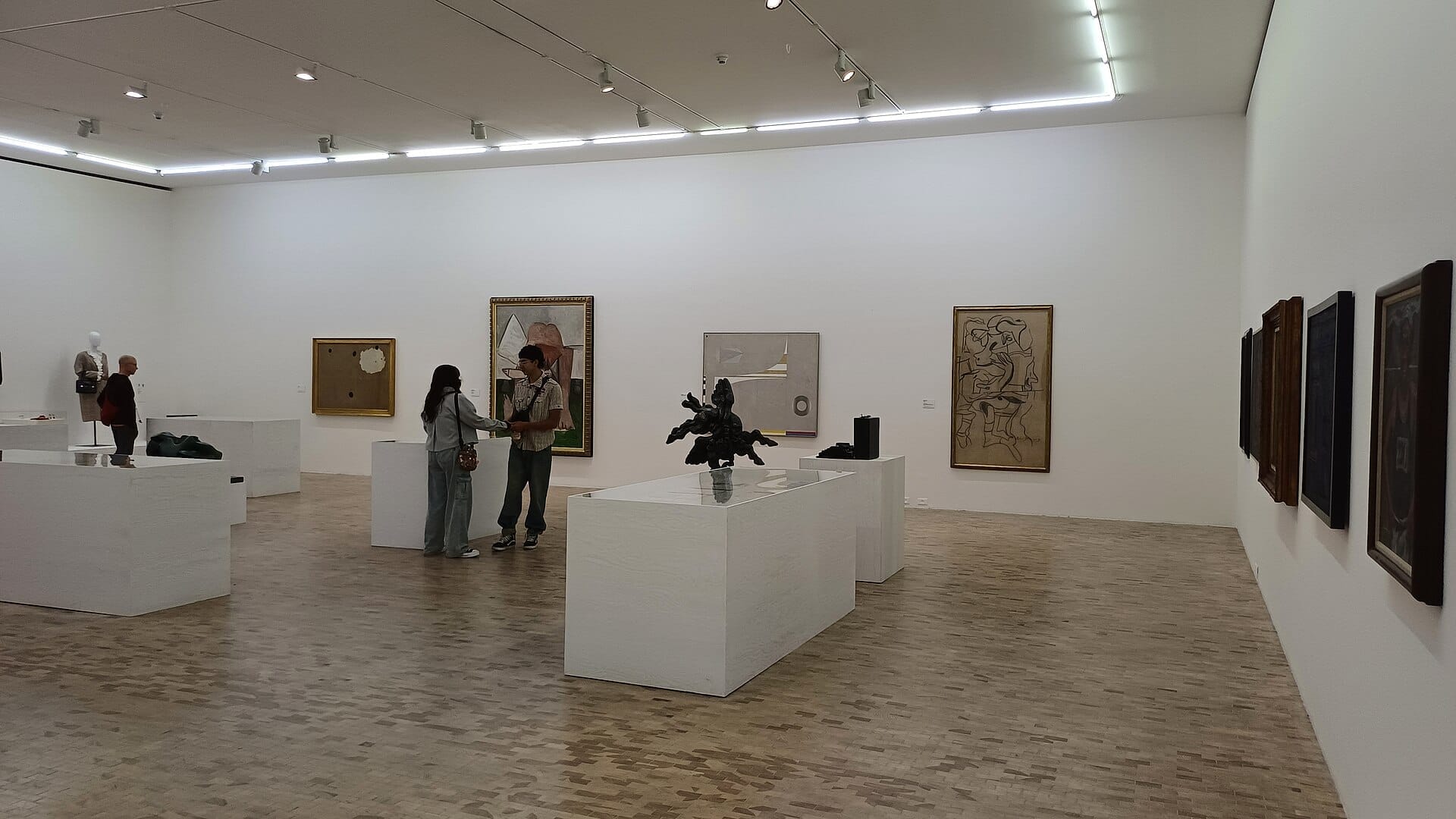
Museo de Arte Moderno: Mexico's main modern art museum, inside the park near the Anthropology Museum
Museo Tamayo: focuses on international contemporary art in a striking brutalist building within the park
Lago de Chapultepec: rowboats available to rent on the main lake, popular on weekend afternoons
Avenida Presidente Masaryk: the main shopping boulevard, best explored on foot between Julio Verne and Molière
Antara Fashion Hall: an open-air shopping and dining complex at the northern edge of Polanco on Ejército Nacional
💡 Local tip
If you're planning to visit multiple Chapultepec museums in one day, start with the Museo Nacional de Antropología first thing in the morning when it opens, then move to Chapultepec Castle before the midday heat peaks. The walk between them through the park takes about 15 minutes and passes through some of the oldest tree cover in the city.
Eating & Drinking
Polanco has a higher concentration of celebrated restaurants than almost any other neighborhood in Mexico City, and prices reflect that. Avenida Presidente Masaryk and its cross streets are lined with options ranging from Japanese and Italian to sophisticated Mexican tasting menus. Several restaurants here have appeared on Latin America's 50 Best Restaurants lists, so reservations for dinner are necessary on weekends.
Mexican cuisine at the higher end of the market is a particular strength. A number of chefs have made their names in Polanco specifically by reinterpreting regional Mexican cooking with fine-dining techniques: expect ingredients sourced from small producers across Oaxaca, Veracruz, and the Yucatán appearing in tasting menus priced anywhere from 800 to 2,500 pesos per person without wine.
Budget eating exists but requires knowing where to look. The streets just east of Mariano Escobedo, toward Colonia Anáhuac, have taquerías and comida corrida spots that serve office workers at lunch for a fraction of Masaryk prices. Inside the park, vendors sell corn, fruit, and snacks near the main lake, and there is a cluster of casual restaurants near the Chapultepec Metro entrance on Reforma.
For coffee and midday breaks, Polanco has a strong café culture concentrated around Parque Lincoln. Several specialty coffee shops have opened in the neighborhood over the past decade, drawing a mix of remote workers and local residents. Most cafés here serve food, making them a reasonable lunch option at the 150 to 300 peso range.
The bar scene centers on the streets between Parque Lincoln and Masaryk. Mezcal bars, cocktail lounges, and wine bars share blocks with hotel bars that draw a mix of business travelers and affluent locals. The drinking culture here starts late, with most bars not hitting capacity until 10pm or later.
⚠️ What to skip
Restaurant prices in Polanco can be significantly higher than elsewhere in Mexico City. A mid-range dinner on Masaryk easily runs 600 to 900 pesos per person with drinks. If your budget is tight, plan to eat breakfast or lunch in the neighborhood and save dinner for Roma or Condesa.
Getting There & Around
The Metro is the most practical way to reach this area from other parts of the city. Line 7 runs through Polanco, with the Polanco station on Ejercito Nacional and the Auditorio station near the Auditorio Nacional concert venue on the southern edge of the park. From the Centro Histórico, you can take Line 2 to Hidalgo and transfer to Line 7, or take Line 1 to Insurgentes and transfer. The journey takes roughly 25 to 35 minutes depending on connections.
The Chapultepec Metro station on Line 1 sits directly at the main park entrance on Paseo de la Reforma, making it the most convenient option for visiting the museums in the First Section of the park. From there, the walk to the Museo Nacional de Antropología is about 15 minutes through the forest. For more detail on navigating the city's transit network, see the guide to getting around Mexico City.
Within Polanco, walking is efficient. The neighborhood is flat, sidewalks are well maintained, and the most interesting blocks are concentrated in a roughly 1 by 1.5 kilometer area between Parque Lincoln, Masaryk, and the streets running north toward Ejército Nacional. The walk from Polanco Metro station to Parque Lincoln takes about 8 minutes.
Ride-hailing apps including Uber, Didi, and Cabify all operate reliably in this part of the city. Polanco's many large hotels and corporate offices mean there is generally strong driver supply in the area throughout the day and evening. From Roma Norte or Condesa, a ride to Polanco typically takes 15 to 25 minutes and costs in the range of 80 to 150 pesos depending on time of day and traffic.
Paseo de la Reforma runs as a continuous axis connecting Chapultepec to the Centro Histórico, passing through Zona Rosa and Colonia Juárez along the way. The Metrobús Line 7 also serves Reforma, providing another surface transit option. Cycling is possible along dedicated Reforma lanes but the park internal paths are better suited to pedestrian traffic.
Where to Stay
Polanco is Mexico City's luxury hotel district in the most literal sense. Several major international chains have flagship properties here, and independent boutique hotels occupy some of the colonia's most architecturally interesting buildings. Staying in Polanco positions you within walking distance of the park museums and on easy Metro access to the rest of the city. For a broader look at options across all neighborhoods, the where to stay in Mexico City guide covers comparative pricing and location trade-offs.
The streets between Masaryk and the park, particularly around Julio Verne, Anatole France, and Oscar Wilde, are the most desirable addresses in the neighborhood for hotels. They offer walkability to both the restaurant strip and the Chapultepec park entrance without being directly on the noisier commercial streets.
Mid-range accommodation is limited in Polanco proper. Travelers on moderate budgets often base themselves in Roma or Condesa and make day trips to Chapultepec and Polanco, which works well given the Metro connection. For visitors whose primary reason for visiting Mexico City is the Chapultepec museums or the Anthropology Museum, paying the premium to stay in Polanco makes logistical sense. For those with a broader itinerary, the value calculation is less clear.
The area also suits travelers interested in the luxury side of Mexico City: high-end spas, concierge services, fine dining within walking distance, and easy access to Masaryk's designer boutiques. Digital nomads and long-stay visitors may find Polanco expensive for the value compared to Roma Norte, though the neighborhood has grown its specialty coffee and coworking options in recent years.
Practical Notes
The Chapultepec and Polanco area generally has a lower-stress atmosphere compared to higher-density parts of Mexico City, but standard urban precautions apply. Keep belongings secured in the park, particularly near the more crowded lake and zoo sections on weekends. For a broader context on navigating Mexico City safely, the Mexico City safety guide provides useful orientation without overstating or understating the risks.
Remember that Mexico City sits at around 2,240 meters above sea level. If you're arriving from lower elevations, the altitude affects energy levels and can cause mild headaches for the first day or two, especially if you're trying to walk several kilometers through the park. The Mexico City altitude guide covers how to acclimatize without losing sightseeing time.
Museum opening hours and admission prices in Chapultepec change periodically, and several museums operate different schedules on public holidays. Check directly with each institution before visiting, particularly if you are building a tight itinerary around specific collections. Most national museums are closed on Mondays.
TL;DR
Best for: museum-focused travelers, luxury hotel seekers, first-time Mexico City visitors wanting a manageable, walkable introduction to the city's cultural highlights.
Chapultepec park is enormous: budget a full day if you want to combine multiple museums with time in the park itself.
Polanco dining is among the best in the city but also the most expensive: reserve ahead for dinner at well-known restaurants, especially on Fridays and Saturdays.
Metro Line 7 (Polanco and Auditorio stations) and Line 1 (Chapultepec station) give fast, affordable access to this area from most of the city.
Not ideal for: travelers on tight budgets looking for street-level local life — for that energy, Roma Norte and Condesa are better choices and are easily combined with a Chapultepec day trip.
Mexico City ranks among the top museum cities on earth, with over 150 institutions spanning pre-Columbian archaeology, muralism, folk art, contemporary art, and colonial history. This guide cuts through the noise and tells you exactly which museums are worth your time, where they are, and what makes each one well worth the trip.
Mexico City is a genuine year-round destination, but timing your visit around weather patterns, local festivals, and price cycles makes a real difference. This guide breaks down every season so you can decide when to go based on what actually matters to you.
Mexico City transforms every late October and early November into one of the world's great cultural spectacles. This guide covers the grand parade, neighborhood celebrations, ofrenda traditions, and everything practical you need to experience Día de Muertos properly.
Mexico City sits at the centre of one of the most rewarding regions in the Americas for day trips. Whether you want ancient pyramids, colonial cities, forested national parks, or floating gardens, each of these excursions can be done in a single day from CDMX and back.
Mexico City is one of the world's great bargain destinations. From world-class museums with no entry fee to sprawling parks, ancient ruins, and monumental public art, you can fill days of extraordinary sightseeing without spending a single peso on admission.
Mexico City's transport network is one of the largest in the world, covering 12 Metro lines, 7 Metrobús corridors, bike share, and rideshare apps. This guide breaks down every option with real costs, practical routes, and practical warnings so you can move through CDMX efficiently and safely.
Mexico City carries an outsized reputation for danger that doesn't match the reality most tourists experience. This guide breaks down official advisories, neighborhood safety, common crime patterns, and practical precautions so you can make an informed decision about visiting CDMX.
Lucha libre is one of the most electric live experiences in Mexico City. This guide covers the two main venues, weekly schedules, ticket prices, how to buy safely, and what to expect inside the arena so you can skip the guesswork and enjoy the spectacle.
Mexico City International Airport (IATA: MEX) is one of the busiest airports in Latin America and your gateway to one of the world's great cities. This guide covers terminals, ground transport, airlines, facilities, and practical tips to make your arrival or departure as smooth as possible.
At 2,240 metres (7,350 feet) above sea level, Mexico City is one of the highest major capitals in the world. This guide covers altitude sickness symptoms, acclimatisation strategies, climate effects, and common misconceptions so you can plan your trip with confidence.
Mexico City has become one of Latin America's top remote work destinations, combining fast fiber internet, affordable living costs, and a rich urban culture. This guide covers everything from the best neighborhoods for nomads to visa logistics, coworking costs, and daily life practicalities.
Mexico City rewards those who look beyond the obvious. This guide reveals the museums, markets, archaeological sites, and neighbourhoods that locals love but most visitors miss, from a volcanic-stone pyramid in the south to a 19th-century Moorish kiosk that once travelled to New Orleans.
Three days in Mexico City covers the highlights, but only if you plan smart. This guide breaks down exactly where to go, in what order, and what to skip — with logistics, pricing, and local context built in.
Mexico City (CDMX) rivals much larger capitals in the luxury travel market. This guide covers where to stay, where to eat, and what to do at the high end, with clear advice on pricing, neighborhoods, and how to avoid wasting money on the wrong choices.
Mexico City is the best place outside Oaxaca to explore mezcal seriously. This guide covers the top mezcalerías in Roma, Polanco, and Centro, where to buy quality bottles to take home, and the essential knowledge to taste confidently without getting burned by tourist-trap pours.
Mexico City's nightlife runs deep and late, spanning cantinas, cocktail bars, electronic clubs, live mariachi, and lucha libre events across a dozen distinct neighborhoods. This guide breaks down where to go, what to expect, and how to do it safely across CDMX's best after-dark districts.
Mexico City (CDMX) is one of the best-value major cities in North America. This guide breaks down realistic daily budgets, the cheapest ways to get around, free and low-cost attractions, and where to eat well without overspending — whether you have 3 days or 3 weeks.
Mexico City sits atop one of the ancient world's great civilizations. This guide covers every pyramid and archaeological site worth your time, from the colossal monuments at Teotihuacán to the Aztec ruins buried beneath the modern city center.
Mexico City is one of Latin America's great shopping destinations, with a range that stretches from centuries-old craft markets to high-end international boutiques. This guide breaks down the best areas by shopping style, with practical notes on prices, hours, and where the tourist traps hide.
Solo travel in Mexico City (CDMX) is more straightforward than most people expect. This guide covers the best neighborhoods to base yourself, how to get around on a budget, which attractions to prioritize, and straightforward safety advice so you can make the most of one of the world's great capitals.
Mexico City is one of the world's great street food capitals, with thousands of stands serving everything from tacos al pastor to tamales and tlacoyos at prices that rarely exceed MXN 100 for a full meal. This guide covers the essential dishes, neighborhood-by-neighborhood breakdown, timing, pricing, food safety, and how to get the most out of eating on the streets of CDMX.
Mexico City rewards those who look up, down, and out. This guide covers the best places to see the city from above, from the classic observation deck of Torre Latinoamericana to the hilltop drama of Chapultepec Castle and the wide valley views at Teotihuacán.
Mexico City rewards walkers like few capitals on earth. From Aztec ruins and colonial palaces to Art Deco parks and bohemian barrios, these are the routes and guided tours worth lacing up your shoes for.
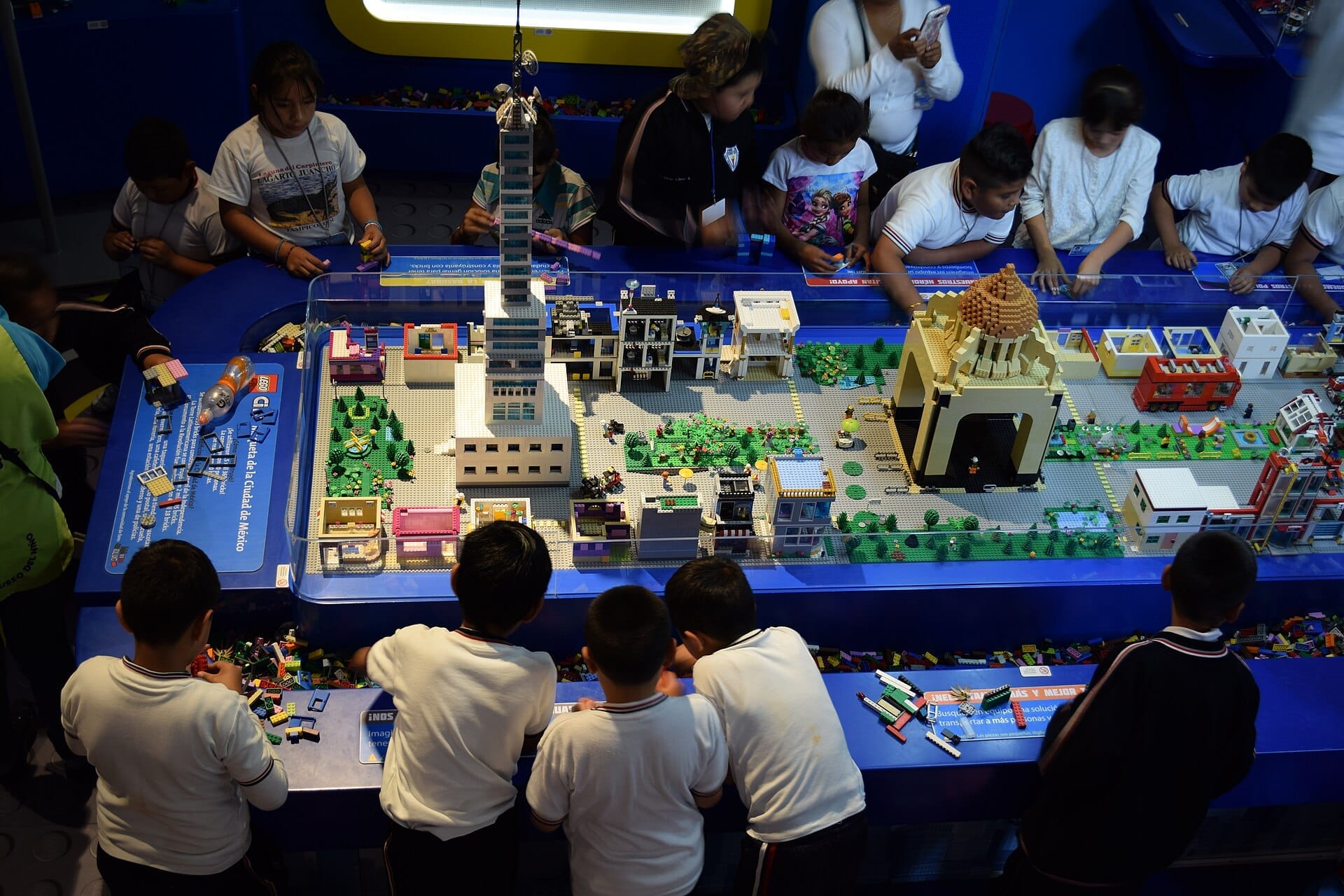
Mexico City is one of Latin America's most rewarding family destinations, with a free world-class zoo, hands-on children's museums, canal boat rides, and ancient pyramids. This guide covers the best kid-friendly attractions, practical logistics, and straightforward tips to help families make the most of CDMX.
Teotihuacán is one of the great ancient cities of the world, and it sits just 50 km northeast of Mexico City. This guide covers every practical detail: how to get there independently, whether a guided tour is worth it, when to arrive, what the ticket situation actually looks like, and the climbing ban that catches many visitors off guard.
Mexico City (CDMX) packs pre-Hispanic ruins, landmark museums, colonial architecture, and one of the world's great food scenes into a metro area of over 21 million people. This guide covers the top things to do in Mexico City by category, with practical timing advice and logistics to help you plan a smarter trip.
Mexico City (CDMX) is a metropolis of over 21 million people, and choosing the right neighborhood to stay in makes a genuine difference to your trip. This guide breaks down the best areas by budget, travel style, and transit access — with straightforward assessments of what each zone actually delivers.