Best Things to Do in Mexico City: The Definitive Guide
Mexico City (CDMX) packs pre-Hispanic ruins, landmark museums, colonial architecture, and one of the world's great food scenes into a metro area of over 21 million people. This guide covers the top things to do in Mexico City by category, with practical timing advice and logistics to help you plan a smarter trip.
Tickets & tours
Live prices and dates from our booking partner. If you book, we may earn a commission at no extra cost to you.
TL;DR
- Mexico City sits at 2,240 m (7,350 ft above sea level) elevation in the Valley of Mexico — altitude affects some visitors, so pace yourself on day one.
- The Metro covers most tourist areas cheaply and efficiently — read our full guide to getting around Mexico City before you arrive.
- Most national museums close on Mondays — plan indoor days for Tuesday through Sunday.
- The dry season (November to April) is better for outdoor sites like Teotihuacán and Xochimilco; the rainy season (May to October) brings afternoon downpours but fewer crowds at many sights.
- For Frida Kahlo Museum, book timed tickets online weeks in advance — walk-ins are rarely available. See our 3-day Mexico City itinerary for a structured plan.
Pre-Hispanic Sites and Museums: Where History Is Unavoidable
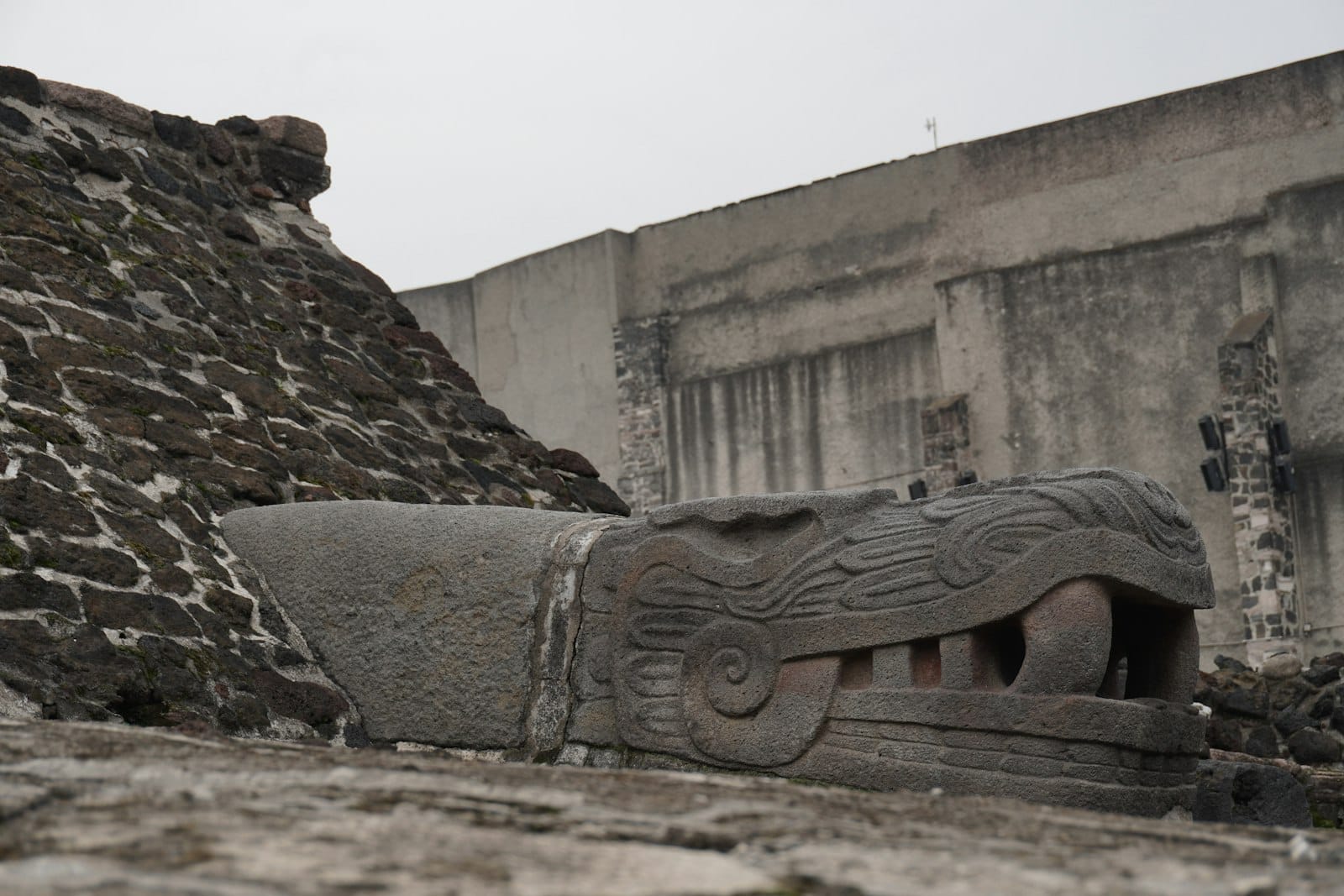
No other capital city in the Americas sits on top of a major ancient civilization quite like Mexico City does. The Aztec capital Tenochtitlán was built on a lake island where the Zócalo now stands, and the colonial city was built quite literally on top of it. That layering of history is something you can see and walk through, not just read about.
The Templo Mayor is the single most revealing archaeological site in the city center. Located just off the northeastern corner of the Zócalo, it exposes the foundations of the Great Temple of Tenochtitlán alongside an excellent on-site museum. The combination of outdoor ruins and indoor artifacts makes it more rewarding than many visitors expect — budget at least an hour and a half to two hours. Admission is collected by INAH; check their current schedule as national holidays affect opening.
The Museo Nacional de Antropología in Chapultepec Park is legitimately one of the great museums on the planet. The Aztec Sun Stone, the Mayan jade mask from Palenque, and the reconstructed tomb of Pakal are all here. The building itself, designed by architect Pedro Ramírez Vázquez and inaugurated in 1964, is worth studying. A serious visit takes three to four hours; a rushed one misses most of it. The museum is closed on Mondays and charges a modest admission fee for foreign visitors — verify the current price on the INAH site before visiting.
💡 Local tip
Sunday admission to all INAH-administered federal museums and archaeological zones is free for Mexican citizens and residents. Foreign visitors still pay the regular fee. This means Sundays are significantly more crowded at Templo Mayor, the Anthropology Museum, and Teotihuacán — go early or choose a weekday if possible.
For Teotihuacán, the massive pre-Aztec city about 50 km northeast of CDMX, a full day is the right allocation. The Pyramid of the Sun is one of the largest pyramids in the world; visitors can walk around its base but cannot climb the stairways (access has been closed since 2021). Most visitors do Teotihuacán as a half-day or full-day trip from the city. See the dedicated Teotihuacán day trip guide for transport options, timing, and what to skip.
Chapultepec Park and the Polanco Museum Belt
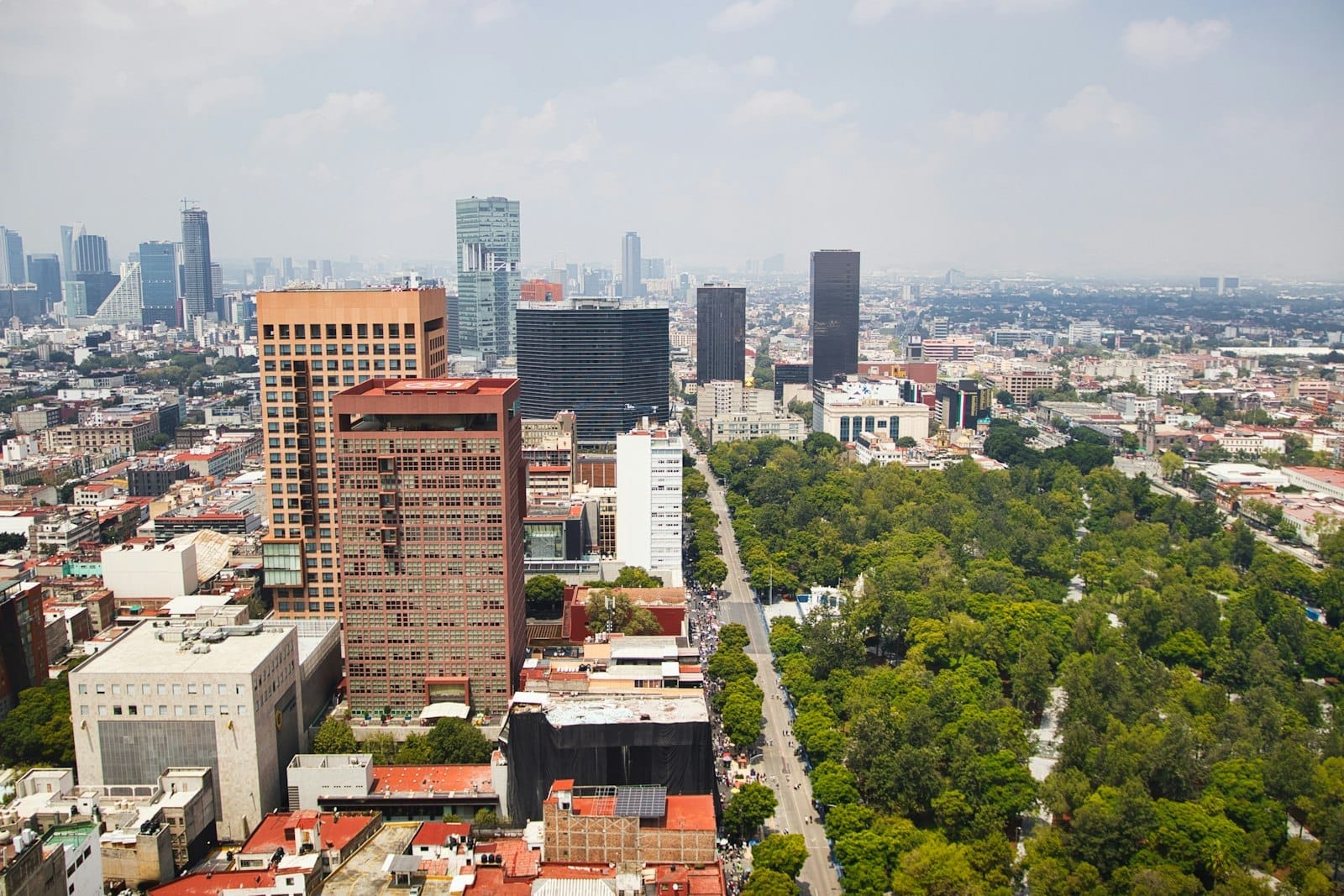
Bosque de Chapultepec covers roughly 678 hectares across three sections, making it one of the largest urban parks in Latin America. Within its boundaries you'll find the Anthropology Museum, the Chapultepec Castle (which served as the imperial residence of Maximilian I and later as the National Military Academy), the Museo de Arte Moderno, the Museo Tamayo, a zoo, and a children's museum. You could spend two full days here without repeating yourself.
The castle deserves its own visit. Perched on a hill in the center of the park, it offers some of the better panoramic views of the city skyline and contains well-curated exhibits on Mexican history from independence to the revolution. The murals inside by artists including David Alfaro Siqueiros are often overlooked by visitors rushing to the roof terrace for photos. Admission is separate from the park; INAH manages the site.
Just north of the park, in the Polanco neighborhood, two privately-funded museums anchor what has become a serious contemporary art district. Museo Soumaya is free to enter and holds Carlos Slim's collection — spanning Rodin sculptures, Old Masters, and Mexican modernism — across six floors of a dramatically curved aluminum-clad building. Museo Jumex sits directly across the plaza and focuses on contemporary art with a rotation of international exhibitions. Together they make for a half-day that costs very little.
⚠️ What to skip
Chapultepec Park on Sunday afternoons is exceptionally crowded with local families. The park itself is great to see in full swing, but if you're planning to visit the Anthropology Museum or the castle, Sunday midday is the worst time. Arrive before 10:00 or save those for a Tuesday or Wednesday.
The Historic Center: Colonial Architecture and Aztec Foundations
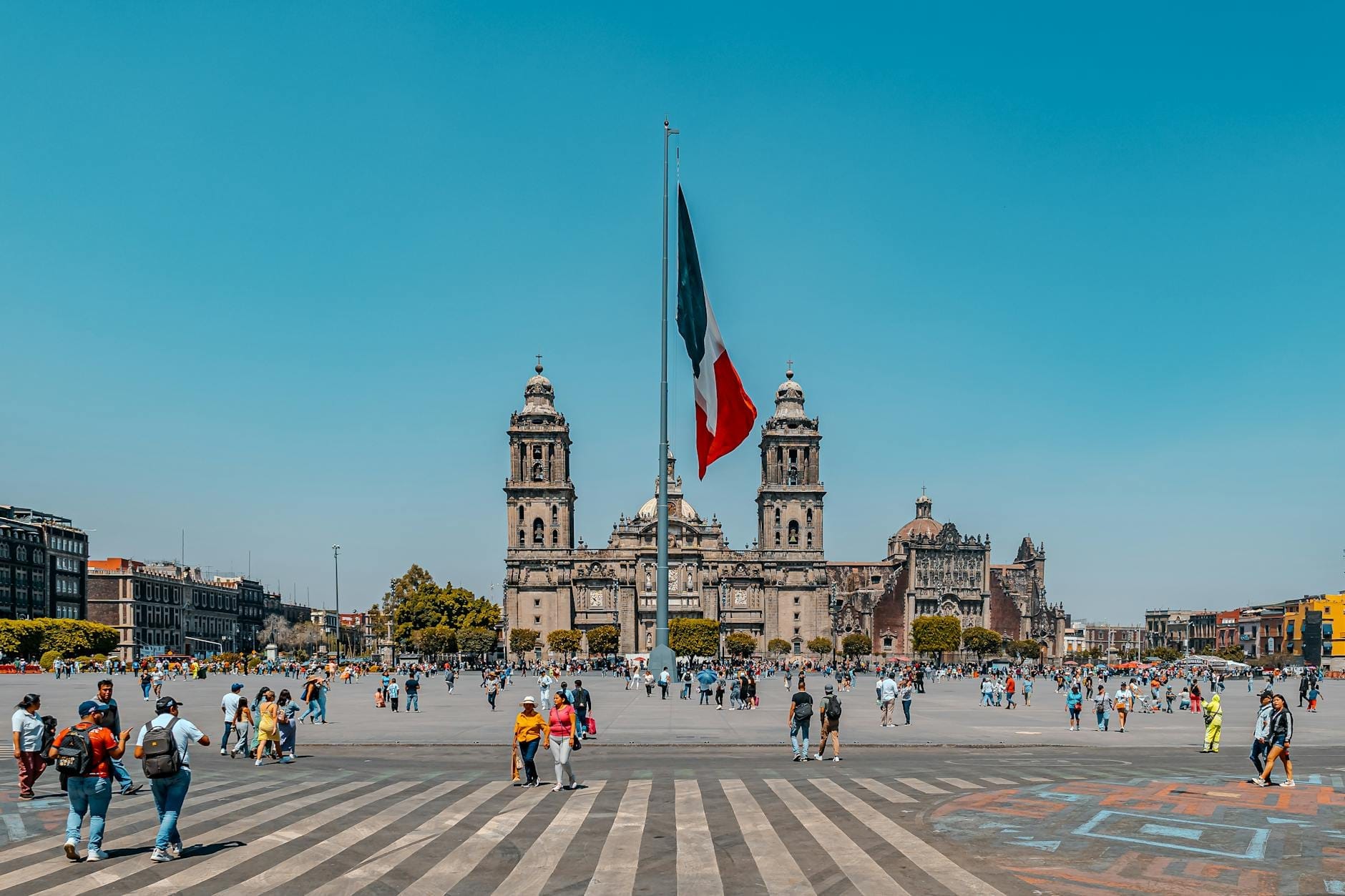
The Centro Histórico is where Mexico City began and where its historical density is highest. The Zócalo, officially the Plaza de la Constitución, is among the largest public squares in the world and is framed by the National Palace, the Metropolitan Cathedral, and the offices of the city government. Diego Rivera's famous murals inside the National Palace trace Mexican history from the Aztec empire to the 20th century — admission is free and often skipped by people who don't know they're there.
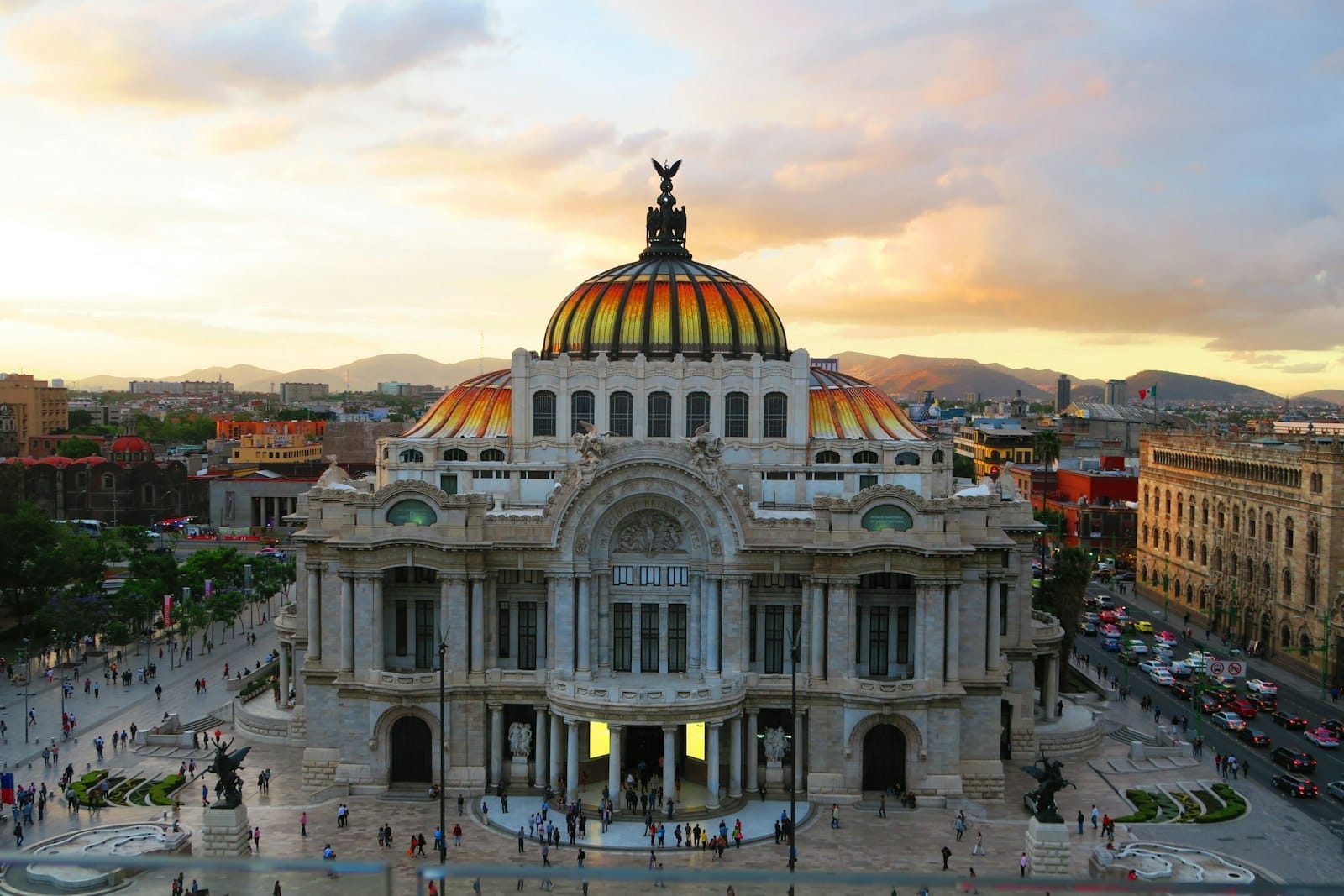
A few blocks west, the Palacio de Bellas Artes is the city's primary cultural venue and one of its most photographed buildings. The exterior mixes Art Nouveau and Art Deco across a marble facade; inside, murals by Rivera, Orozco, Siqueiros, and Tamayo line the upper floors. The building houses a theater, galleries, and a museum. Check the current program — live performances range from ballet folklórico to opera. The museum floors are open most days for a modest fee.
- Calle Madero The pedestrianized street connecting the Zócalo to the Alameda is lined with colonial palaces, the Casa de los Azulejos (a 16th-century mansion tiled in blue Talavera, now a Sanborns restaurant worth seeing), and the Torre Latinoamericana, which offers an observation deck with city views.
- Santo Domingo Square Two blocks north of the Zócalo, this square has been occupied by scribes and printers on its portals for centuries. The portal scribes (evangelistas) still operate on typewriters, drafting official letters for locals who need documents prepared.
- Mercado de San Juan A covered market in the center known for imported ingredients, international cheeses, cured meats, and fresh seafood. Less touristic than most, and a good lunch stop for food-focused visitors.
- La Ciudadela Market The best dedicated crafts market in the city center, covering a full block with stalls selling ceramics, textiles, silver, and folk art from across Mexico. Prices are negotiable and quality is higher than most souvenir shops.
Coyoacán, Xochimilco, and the Southern Boroughs
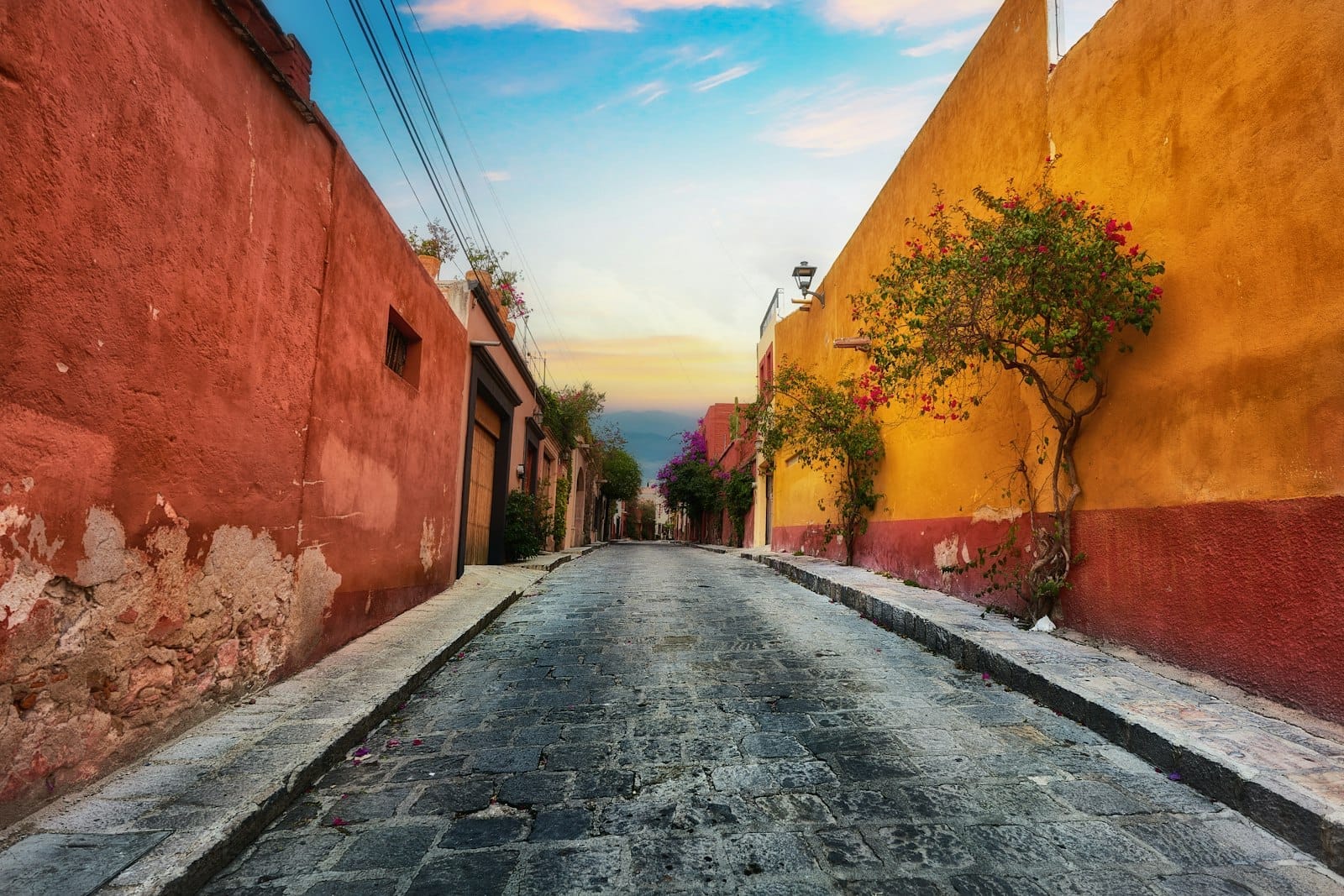
The southern part of the city operates at a different pace from the center. Coyoacán was a separate town before it was absorbed by urban expansion, and it still feels like one. The cobblestone streets around the central plazas, the market, and the tree-lined residential blocks make it one of the most pleasant areas in the city to spend a morning on foot.
The Frida Kahlo Museum, known as the Casa Azul (Blue House), is the main draw in Coyoacán and one of the most visited museums in Mexico City. It is well worth the attention: the house is preserved as Kahlo lived in it, filled with her paintings, personal objects, traditional clothing, and the studio where she worked. Timed entry tickets sell out days or weeks in advance during peak periods — buy them directly through the museum's official website. Do not buy from third parties; scalped tickets exist and are unreliable.
About 25–30 minutes south of Coyoacán by Tren Ligero and connecting transport, Xochimilco preserves a network of ancient canals built on the chinampas (artificial agricultural islands) that once fed Tenochtitlán. Renting a trajinera (flat-bottomed wooden boat) and spending a few hours on the canals is one of the distinctive experiences the city offers. On weekends, food vendors, flower sellers, and mariachi boats drift alongside; on weekdays it is quieter and more atmospheric. The Xochimilco trajineras are best booked via official embarcaderos at the main piers — negotiate the hourly rate before boarding.
✨ Pro tip
For Xochimilco, go on a Saturday morning rather than Sunday afternoon. Sunday is when Mexico City residents fill the canals, which creates a festive atmosphere but also significant congestion. Saturday morning gives you the canals without the wall-to-wall traffic, and food vendors are still operating.
Roma, Condesa, and the Food and Nightlife Districts
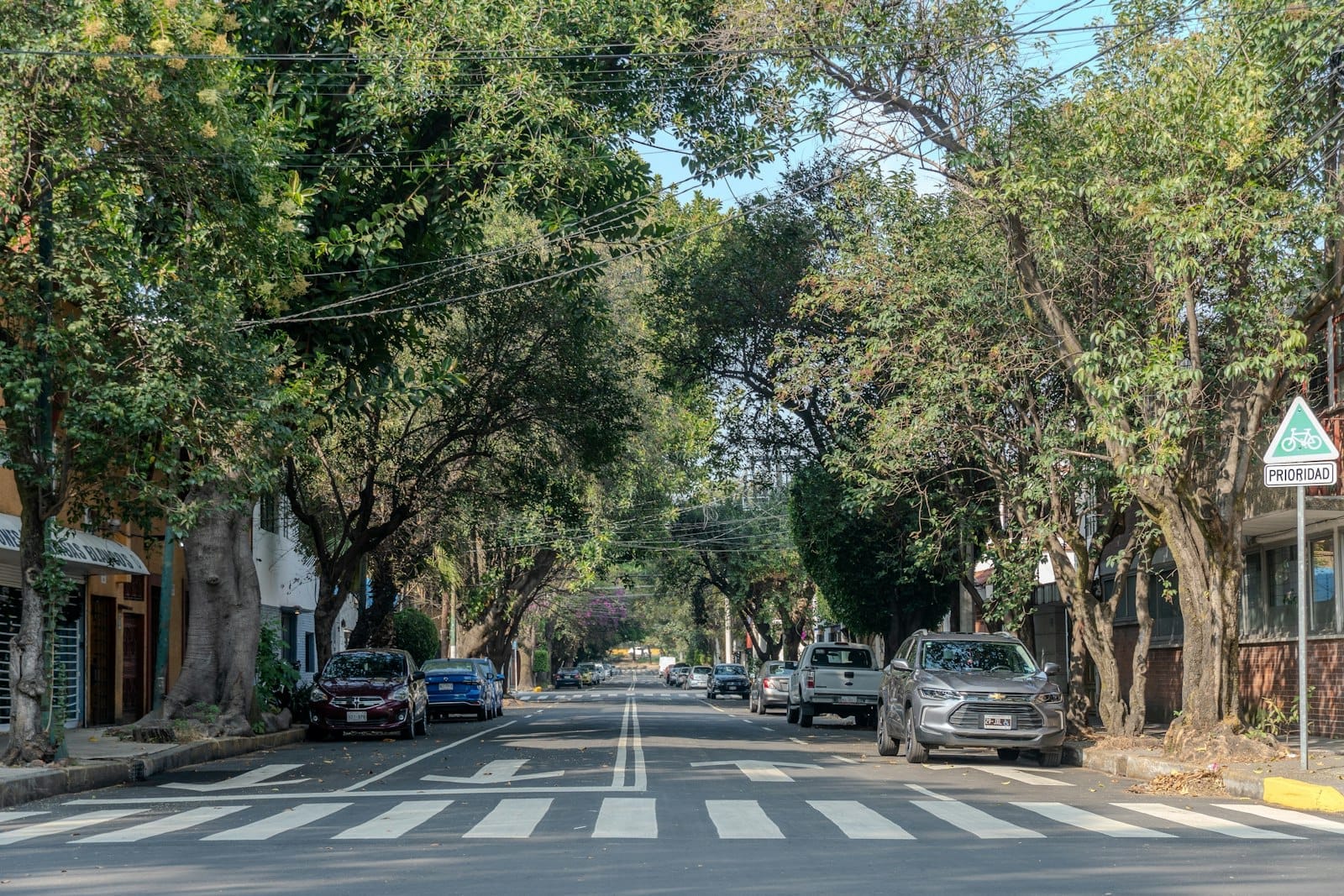
The adjacent neighborhoods of Roma and Condesa are where much of the city's restaurant and bar scene is concentrated. Both neighborhoods were developed in the early 20th century and feature Art Nouveau and Art Deco architecture alongside parks, tree-lined streets, and an unusually high density of good restaurants. This is where many visitors end up spending more time than planned.
Parque México in Condesa is one of the more pleasant urban parks in the city — an oval Art Deco park ringed by apartments and cafes, with a small amphitheater at its center. Parque España, a few blocks over, is smaller but popular with dog walkers and weekend picnickers. Neither requires a full morning; they work well as transitions between other activities.
The street food scene across Roma and Condesa is a serious reason to spend time here. Tacos de canasta, quesadillas, elotes, and tlayudas appear at street stalls from mid-morning onward. For a deeper introduction to the city's food culture, a structured Mexico City street food tour covers the vocabulary of what you're eating and steers you toward the better stalls. The neighborhood also has good mezcal bars — see the Mexico City mezcal guide for specifics.
- Mercado Roma, on Calle Querétaro in Roma Norte, is a upscale food hall with vendors selling everything from craft beer to tlayudas — it functions more as a food court than a traditional market, and prices reflect that.
- Lucha libre at Arena México (near Centro) runs most Fridays and some Sundays, with occasional Tuesday shows depending on the season. It is theatrical, loud, and especially entertaining even without context. Tickets are cheap and available at the door most nights.
- The Paseo de la Reforma boulevard connects Chapultepec to the Centro and is closed to traffic on most Sunday mornings for cyclists and pedestrians — a good time to walk or rent a bike along the full length.
- Zona Rosa, northeast of Condesa, is the city's established LGBTQ+ neighborhood and has a dense concentration of bars and clubs that operate Thursday through Sunday.
Practical Logistics: Getting Around, Costs, and Timing
Mexico City's Metro (Sistema de Transporte Colectivo) has 12 lines and 195 stations. It is cheap, frequent, and covers most tourist areas. The low flat per-ride fare on most lines makes it the most cost-effective way to move around the city. The Metro is crowded during rush hours (roughly 7:30-9:30 and 18:00-20:00), and women-only cars are available at the front of trains during those periods. Avoid traveling with large luggage during peak hours.
Ride-hailing via Uber, DiDi, and Cabify is widely available and generally reliable. Prices are higher than the Metro but reasonable by international standards. For airport transfers, Uber and DiDi operate from designated pickup zones. Official licensed airport taxis are also available at prepaid booths inside the terminals — they charge fixed zone fares which are posted at the counters. Avoid accepting rides from unlicensed drivers who approach you in the arrivals hall.
Altitude is a real factor at about 2,240 meters above sea level. Some visitors experience headaches, fatigue, or shortness of breath on the first day or two. Hydrate more than usual, reduce alcohol on day one, and avoid immediately filling your schedule with strenuous activities like climbing pyramids. See the Mexico City altitude guide for more detail on acclimatization.
Currency is the Mexican peso (MXN). ATMs are widely available in tourist areas; using a bank ATM inside a bank branch is safer than freestanding machines. Many restaurants and shops in Roma, Condesa, and Polanco accept credit cards, but street food, markets, and smaller local businesses are cash-only. Carry small bills — change for 500-peso notes can be difficult at food stalls.
- Tap water is generally not considered safe to drink in Mexico City. Use bottled or purified water for drinking and brushing teeth. Hotels provide purified water; ask for a reusable bottle refill rather than buying plastic every time.
- Electricity is 127V/60Hz with Type A and B plugs — standard North American. European visitors need an adapter.
- Emergency number is 911 (police, fire, ambulance). Country dialing code is +52.
- Tipping is customary: roughly 10-15% at restaurants, 10-20 MXN per bag for hotel porters, and 10-15% for tour guides. Street food vendors do not typically expect tips.
FAQ
How many days do you need in Mexico City?
Three days is enough for the major highlights: the Historic Center, Chapultepec and the Anthropology Museum, Coyoacán and the Frida Kahlo Museum, and a night in Roma or Condesa. Five to seven days allows you to add Xochimilco, Teotihuacán, Polanco, and a slower pace in neighborhoods you actually enjoy. A week is not too long if you have strong interests in food, art, or history.
Is Mexico City safe for tourists?
The main tourist areas — Centro Histórico, Roma, Condesa, Coyoacán, Polanco, and Chapultepec — have significant police presence and are well-traveled by international visitors. Like any large city, petty theft and opportunistic crime exist, and some outer neighborhoods require more caution. Use common sense: avoid displaying expensive jewelry, use official taxis or ride-hailing apps rather than hailing cabs on the street, and stay aware of your surroundings at night. Check current government travel advisories for the most up-to-date safety assessment.
What is the best time of year to visit Mexico City?
November through April (the dry season) is generally more reliable for outdoor activities. February through April offers warm temperatures and low rainfall, making it ideal for Teotihuacán and Xochimilco. The rainy season (May to October) brings afternoon thunderstorms, usually lasting one to two hours, but mornings are often clear and visitor numbers are lower at many sites. December and January see cooler evenings (lows around 6-7°C) and occasional air quality issues due to thermal inversions.
Do I need to speak Spanish to visit Mexico City?
Spanish is the language of daily life, and outside Polanco, Condesa, and major tourist sites, English is not widely spoken. A basic vocabulary of Spanish phrases goes a long way — numbers, food terms, and polite greetings are worth learning before you arrive. Most museums have bilingual signage, and many tour guides in popular areas speak English. Google Translate's camera function works well for menus and signs.
How do I get from Mexico City airport to the city center?
The main airport (MEX, Benito Juárez International) is about 10–12 km east of the Zócalo. The cheapest option is Metro Line 5 (Terminal Aérea station near Terminal 1), connecting to the rest of the network with a transfer. Ride-hailing apps (Uber, DiDi, Cabify) operate from designated pickup zones and are generally reliable. Official prepaid airport taxis are available at booths inside the terminals with fixed zone fares — verify current rates at the airport counter. Avoid unsolicited offers from drivers inside the arrivals hall.
Tickets & tours
Live prices and dates from our booking partner. If you book, we may earn a commission at no extra cost to you.
Planning a trip? Discover personalized activities with the Nomado app.