Mexico City Itinerary: 3 Days — A Practical, Day-by-Day Guide
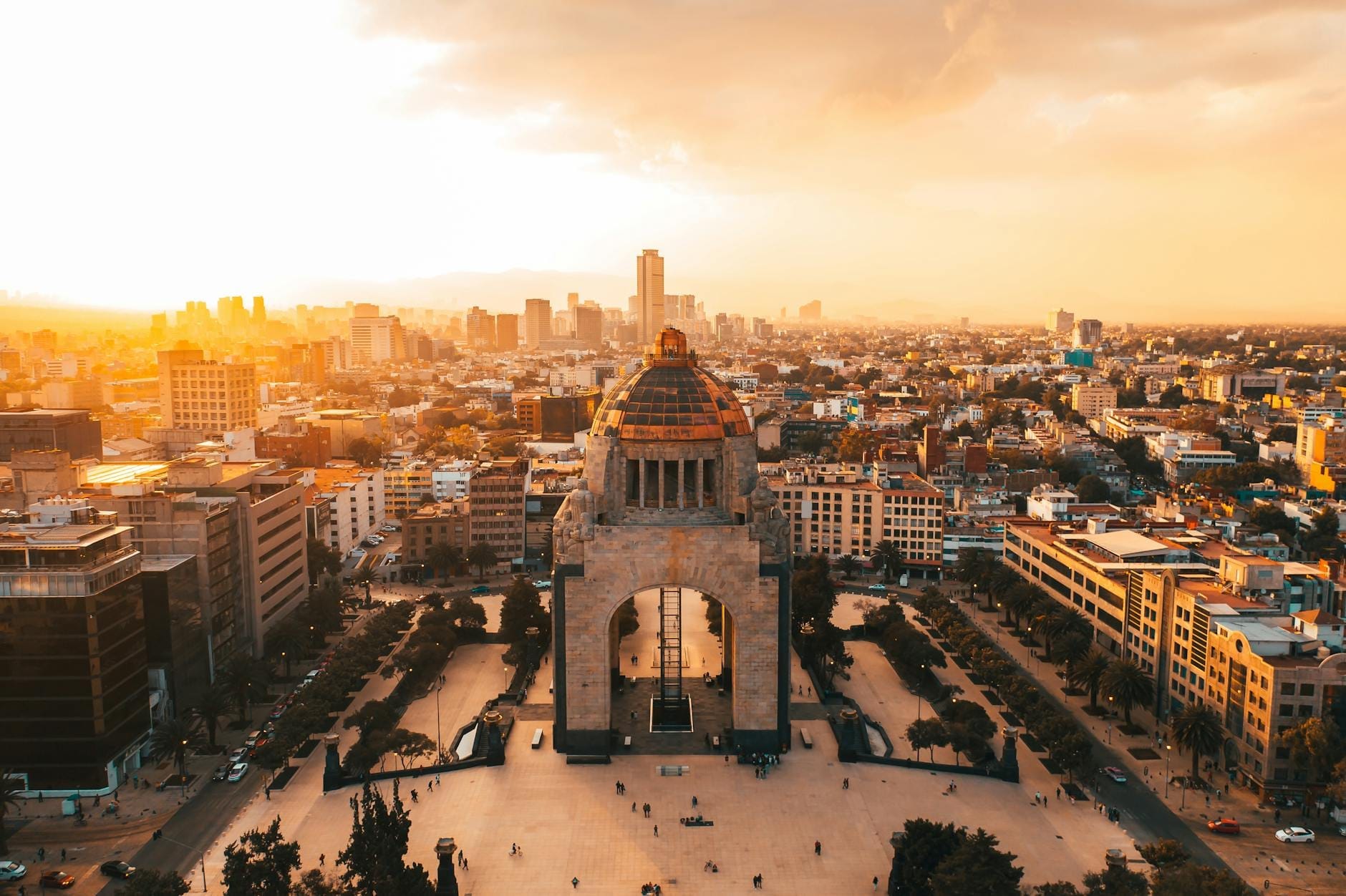
Three days in Mexico City covers the highlights, but only if you plan smart. This guide breaks down exactly where to go, in what order, and what to skip — with logistics, pricing, and local context built in.
Tickets & tours
Live prices and dates from our booking partner. If you book, we may earn a commission at no extra cost to you.
TL;DR
- Three days is enough for Centro Histórico, Chapultepec Park, Coyoacán, and one or two neighborhoods — not the whole city.
- Book the Frida Kahlo Museum timed tickets well in advance — walk-ins are rarely possible.
- The Metro is fast, cheap, and covers most key areas; Uber fills in the gaps. Traffic in CDMX is brutal, so always allow extra time between neighborhoods.
- Mexico City sits at 2,240 m (7,350 ft) — altitude affects some travelers, especially on day one. Hydrate, eat light, and don't sprint anywhere.
- For context on safety, transport, and where to sleep, pair this guide with where to stay in Mexico City and getting around Mexico City.
Before You Go: Logistics That Shape the Whole Trip
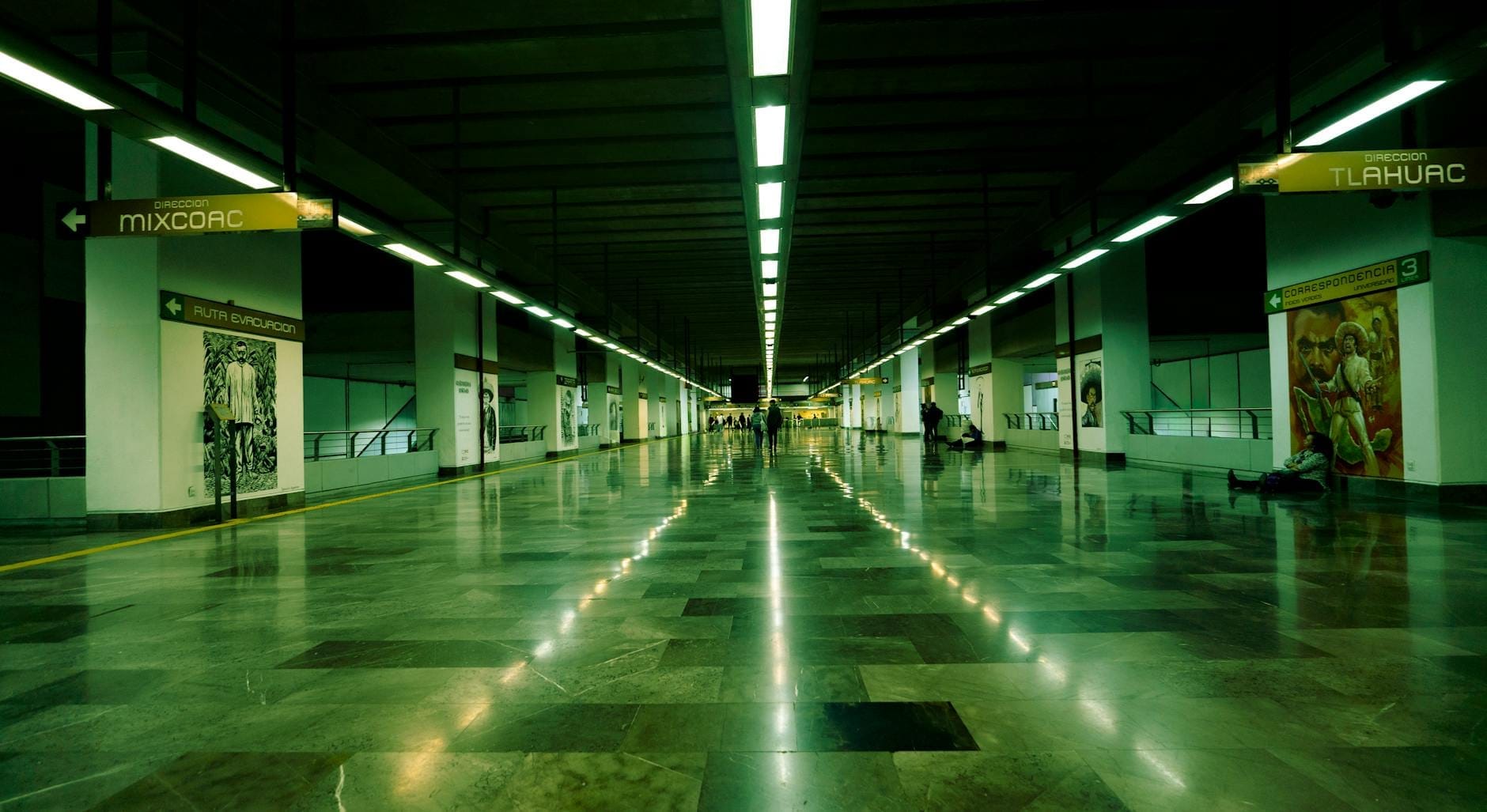
A Mexico City itinerary lives or dies on logistics. The metropolitan area holds over 21 million people, spread across roughly 1,500 km². Getting from Coyoacán to Polanco without a plan can eat 90 minutes you don't have. The good news: the city's 12-line Metro system covers most of the places on a three-day circuit, fares are among the cheapest of any major world city (verify current prices at metro.cdmx.gob.mx before you go), and Uber, DiDi, and Cabify all operate reliably as backups.
Altitude is the first practical reality. At about 2,240 m above sea level, Mexico City is higher than most visitors expect. Headaches, fatigue, and shortness of breath on day one are common — especially if you're flying in from sea level. Read up on this before arrival with the Mexico City altitude guide. The practical fix: drink water constantly, avoid heavy alcohol on night one, and don't schedule your most demanding day for the moment you land.
⚠️ What to skip
Most national museums — including the Museo Nacional de Antropología and Chapultepec Castle — are closed on Mondays. If your trip includes a Monday, restructure your itinerary around neighborhoods, markets, and restaurants instead.
The best months to visit for outdoor plans are February through April: the dry season is winding down, temperatures peak around 26-27°C in the afternoon, and afternoon rain is rare. From June to October, expect rain most afternoons — not a dealbreaker, but Xochimilco and Teotihuacán become significantly less enjoyable when wet. December and January are cool (lows near 6-7°C), clear, and popular with domestic travelers around the holidays.
💡 Local tip
For the Frida Kahlo Museum, book timed-entry tickets online at museofridakahlo.org.mx as soon as you know your dates. Tickets sell out days or even weeks ahead during peak season. Don't build your itinerary around it without a confirmed reservation.
Day 1: Centro Histórico — The City's Ancient Core
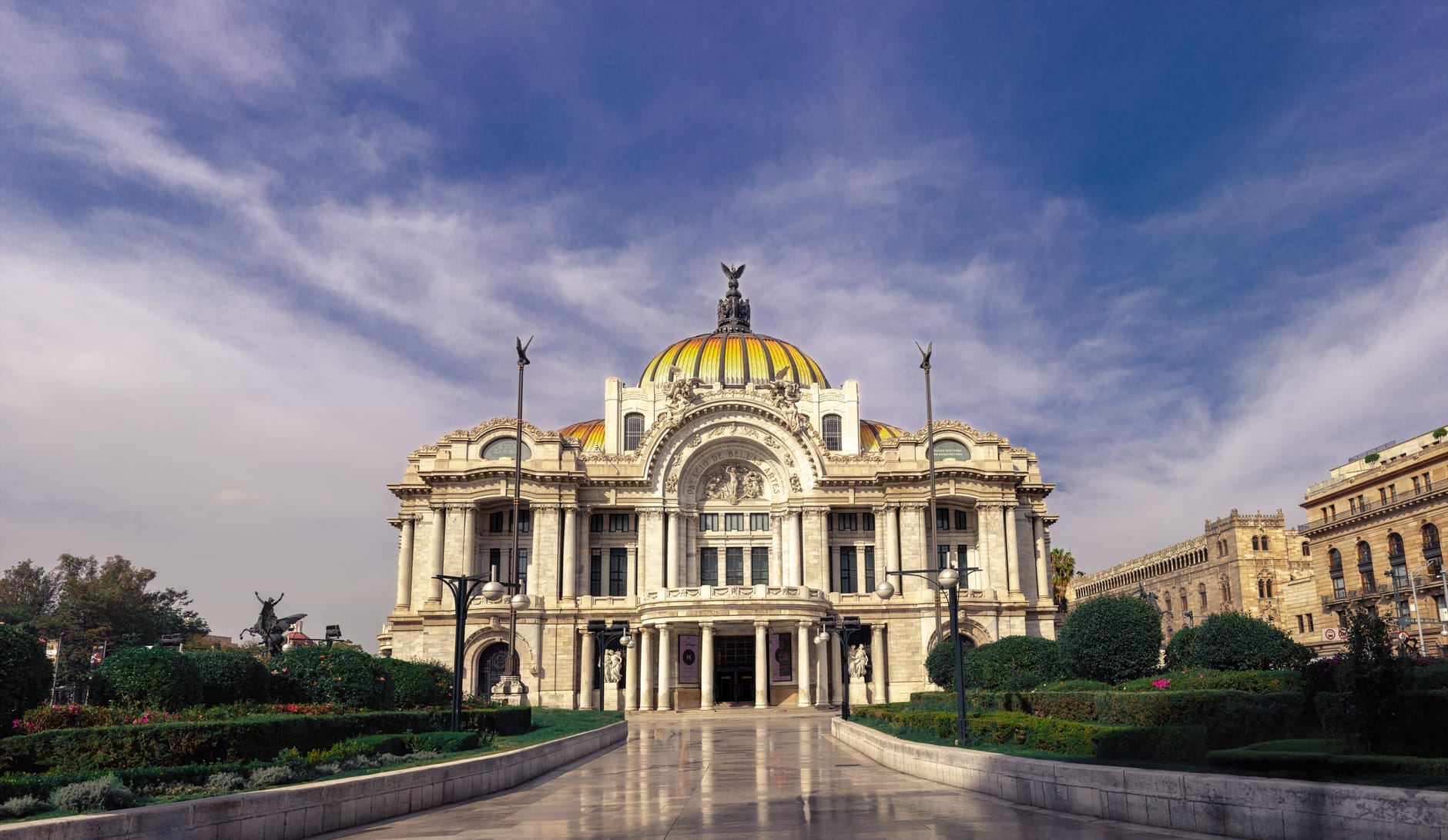
Start where the city started. The Centro Histórico is Mexico City's oldest and most concentrated district — a UNESCO World Heritage site where Aztec ruins sit directly beneath colonial-era buildings, and where Diego Rivera's murals cover the walls of government palaces. Give this area a full morning and early afternoon.
Begin at the Zócalo, one of the largest public squares in the world. It functions simultaneously as a civic plaza, political stage, and gathering point — there's almost always something happening, from cultural exhibitions to protest encampments. Walk the perimeter before going inside the buildings. The Metropolitan Cathedral on the north side is free to enter and worth 20-30 minutes inside. Entry to the National Palace is also free, and Diego Rivera's epic mural spanning Mexican history across the main staircase is the real reason to go. Arrive before 10am to avoid school groups and tour buses.
From the Zócalo, walk northeast to the Templo Mayor — the excavated ruins of the main Aztec temple, discovered in 1978 when electrical workers accidentally uncovered a massive carved stone disk. The on-site museum holds some of the finest Aztec artifacts in existence. Admission is modest (verify current pricing at inah.gob.mx), and it's closed Mondays. Budget 1.5 to 2 hours.
- Morning priority Zócalo and National Palace before 10am — murals without crowds.
- Late morning Templo Mayor ruins and museum — allow 1.5 hours minimum.
- Midday Walk Calle Madero west from the Zócalo — colonial facades, the Casa de los Azulejos (tiled building), and a pedestrian energy that's good for a slow lunch.
- Afternoon Torre Latinoamericana for city views, or Palacio de Bellas Artes for art nouveau architecture and Diego Rivera's Rockefeller mural inside.
- Evening Dinner in Roma Norte — 20-30 minutes by Metro or Uber from Centro.
For dinner, Roma Norte is the practical choice on night one. It's walkable, restaurant-dense, and gives you a feel for the neighborhood you might use as a base. Skip the tourist-facing menus on the main drags and look for spots with handwritten daily specials — that's the signal that ingredients are fresh and the menu rotates.
Day 2: Chapultepec, Polanco, and the Anthropology Museum
Day two is dense with world-class culture. Chapultepec Park covers roughly 686 hectares in the middle of the city — larger than New York’s Central Park — and contains two major museums, a castle, a zoo, and multiple lakes. You won't see all of it in a day. The strategic move: go directly to the Museo Nacional de Antropología when it opens at 9am, spend three to four hours inside, then walk to Chapultepec Castle after lunch.
The Museo Nacional de Antropología is Mexico's most-visited museum and one of the finest anthropological collections in the world. The Aztec Sun Stone (often misnamed the 'Aztec calendar') anchors the Mexico hall, but the Maya, Oaxacan, and Teotihuacan galleries are equally impressive. A rushed visit takes two hours; a good one takes four. The museum is open Tuesday through Sunday, 9:00 to 18:00. Admission is around US$5-6 equivalent (verify current MXN pricing at mna.inah.gob.mx).
After the museum, walk uphill through the park to Chapultepec Castle. The building served as the official residence of Emperor Maximilian I in the 1860s and later as a presidential home. The panoramic views over Paseo de la Reforma and the city skyline justify the climb alone. Open Tuesday through Sunday, 9:00 to 17:00; admission is a modest fee (around 95 MXN, subject to change) (verify at mnh.inah.gob.mx).
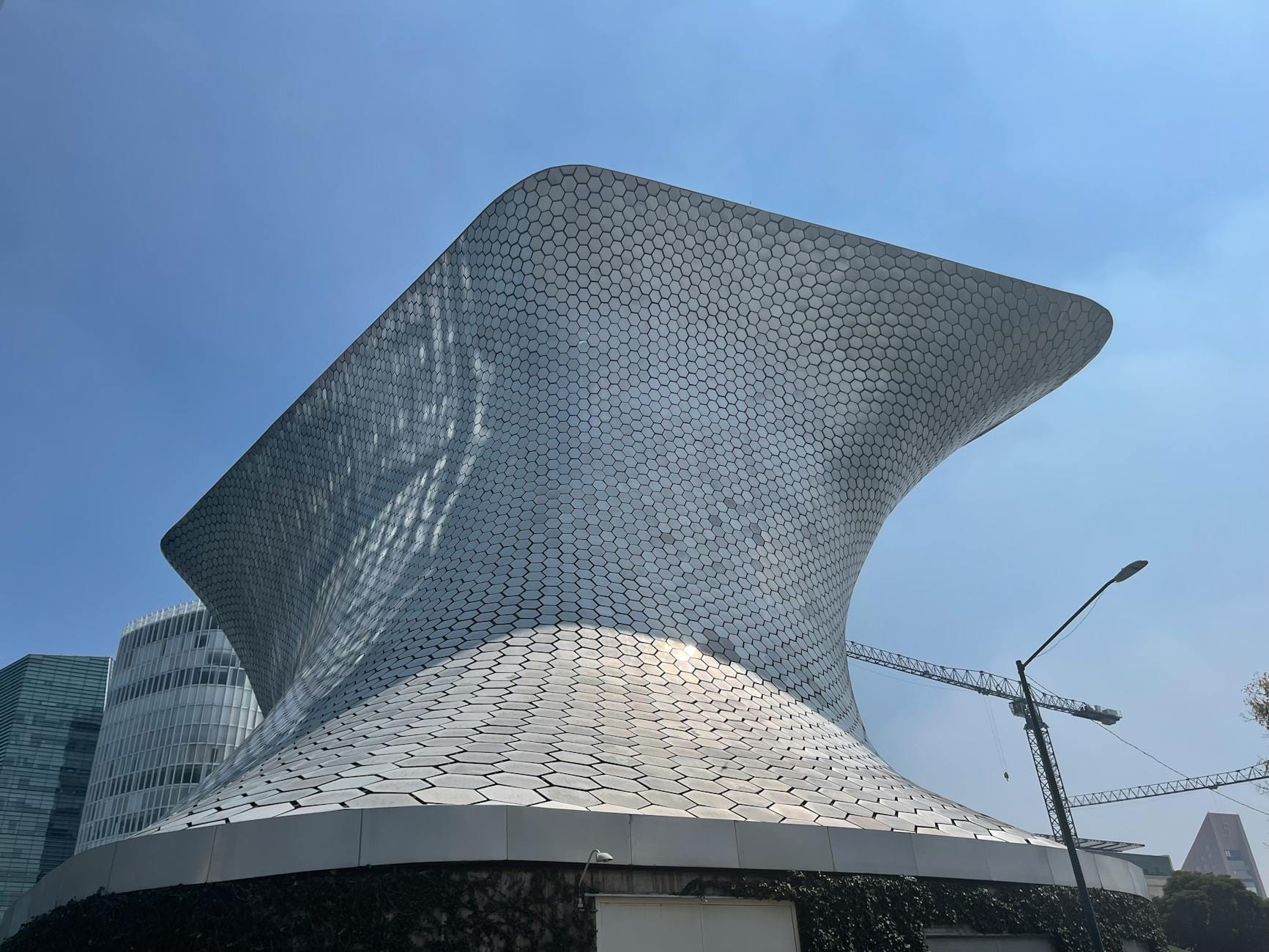
From the castle, it's a short walk or Uber ride to Polanco for the evening. This is Mexico City's wealthiest neighborhood — think Avenida Presidente Masaryk lined with Cartier and Louis Vuitton boutiques — but it also contains two excellent free museums. The Museo Soumaya (free entry) holds one of the largest private art collections in Latin America, and the Museo Jumex next door covers contemporary art with rotating international shows. Both are worth an hour combined.
✨ Pro tip
If you want to add a Teotihuacán day trip to this itinerary, it works best as a day-two or day-three morning. Buses depart from Terminal de Autobuses del Norte — look for the Autobuses Teotihuacán kiosks marked with pyramid imagery inside the station. The journey takes roughly 60–75 minutes each way. Budget a full morning and early afternoon; the site is large and sun exposure is intense.
Day 3: Coyoacán, Frida Kahlo, and Xochimilco
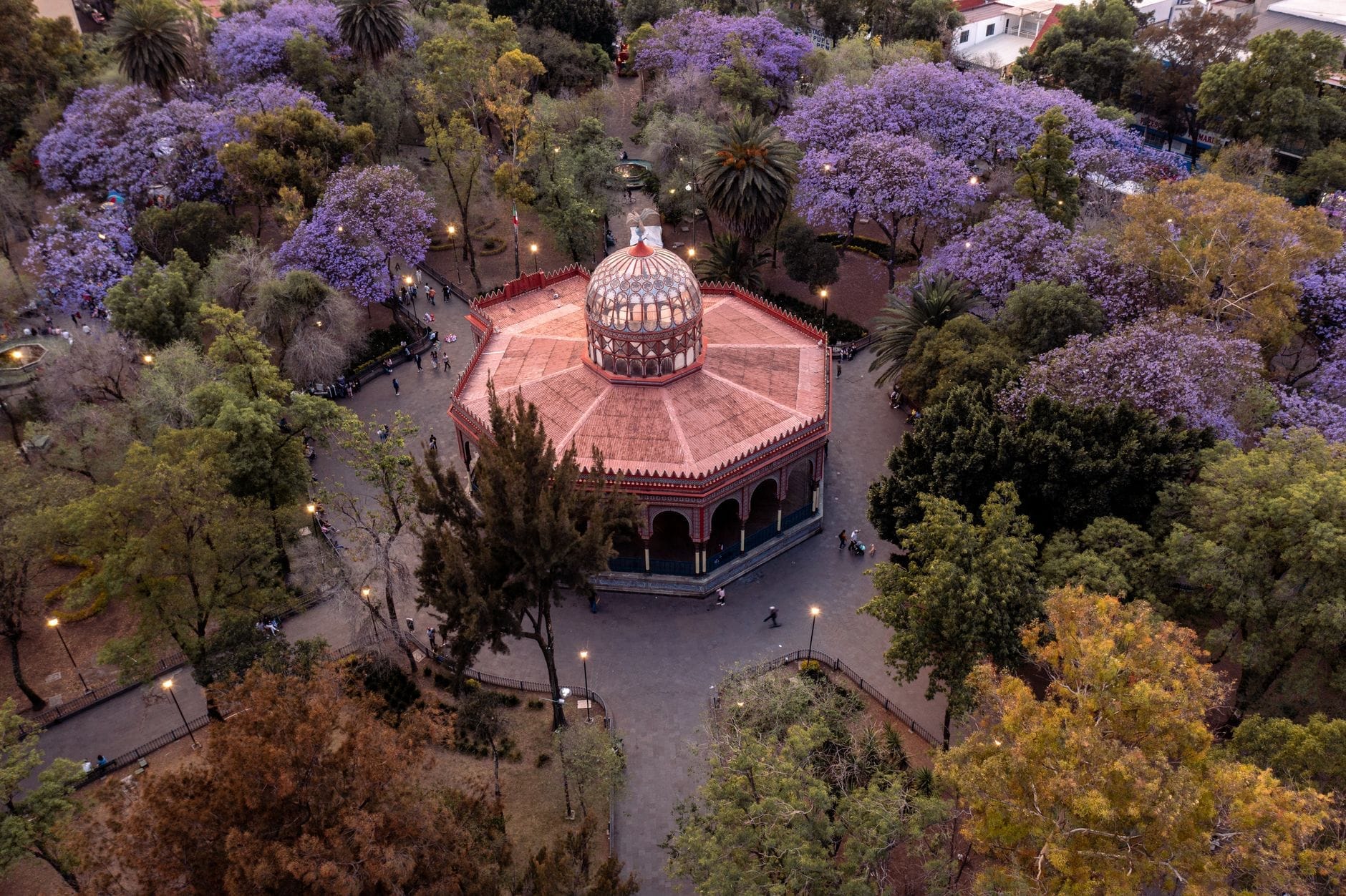
Day three moves south. Coyoacán has a completely different character from Centro or Polanco — a colonial neighborhood with cobblestone streets, plazas full of weekend vendors, and a pace that invites lingering. It was also home to Frida Kahlo, Diego Rivera, and Leon Trotsky, all within a few blocks of each other.
The Museo Frida Kahlo (the Casa Azul, or Blue House) is moving — her studio, wheelchair, and personal objects are preserved in the house where she was born and died. Timed-entry tickets must be purchased in advance online at museofridakahlo.org.mx. This is not optional advice: walk-ins are almost never available on busy weekends. After the museum, walk to the Jardín Centenario and Plaza Hidalgo, Coyoacán's twin central plazas, for coffee and people-watching.
In the afternoon, head to Xochimilco's trajineras — the brightly painted flat-bottomed boats that navigate the ancient canal system. This is one of those experiences that sounds cheesy in description and delivers in person. Boats can be rented by the hour, and vendors in smaller boats will pull alongside to sell food, drinks, and flowers. Go on a weekend afternoon for the full social atmosphere, or on a weekday morning for something quieter. The area is listed as a UNESCO World Heritage site together with the historic centre of Mexico City, as one combined inscription. From Coyoacán, it's roughly 20-30 minutes by Uber.
- Book Frida Kahlo Museum tickets the moment you confirm your travel dates — not the week before.
- Coyoacán's Mercado de Coyoacán has excellent tostadas and tlayudas for a cheap lunch between museums.
- The Trotsky Museum (Museo Casa de León Trotsky) is two blocks from Casa Azul and requires no advance booking — worth an hour if you have interest in 20th-century history.
- Xochimilco trajineras are priced per boat per hour (rates vary — confirm locally); sharing a boat with a group makes it far more economical.
- Return to Roma or Condesa for a final dinner — both neighborhoods have some of the city's best restaurants at every price point.
Neighborhood Bases: Where to Stay for a 3-Day Visit
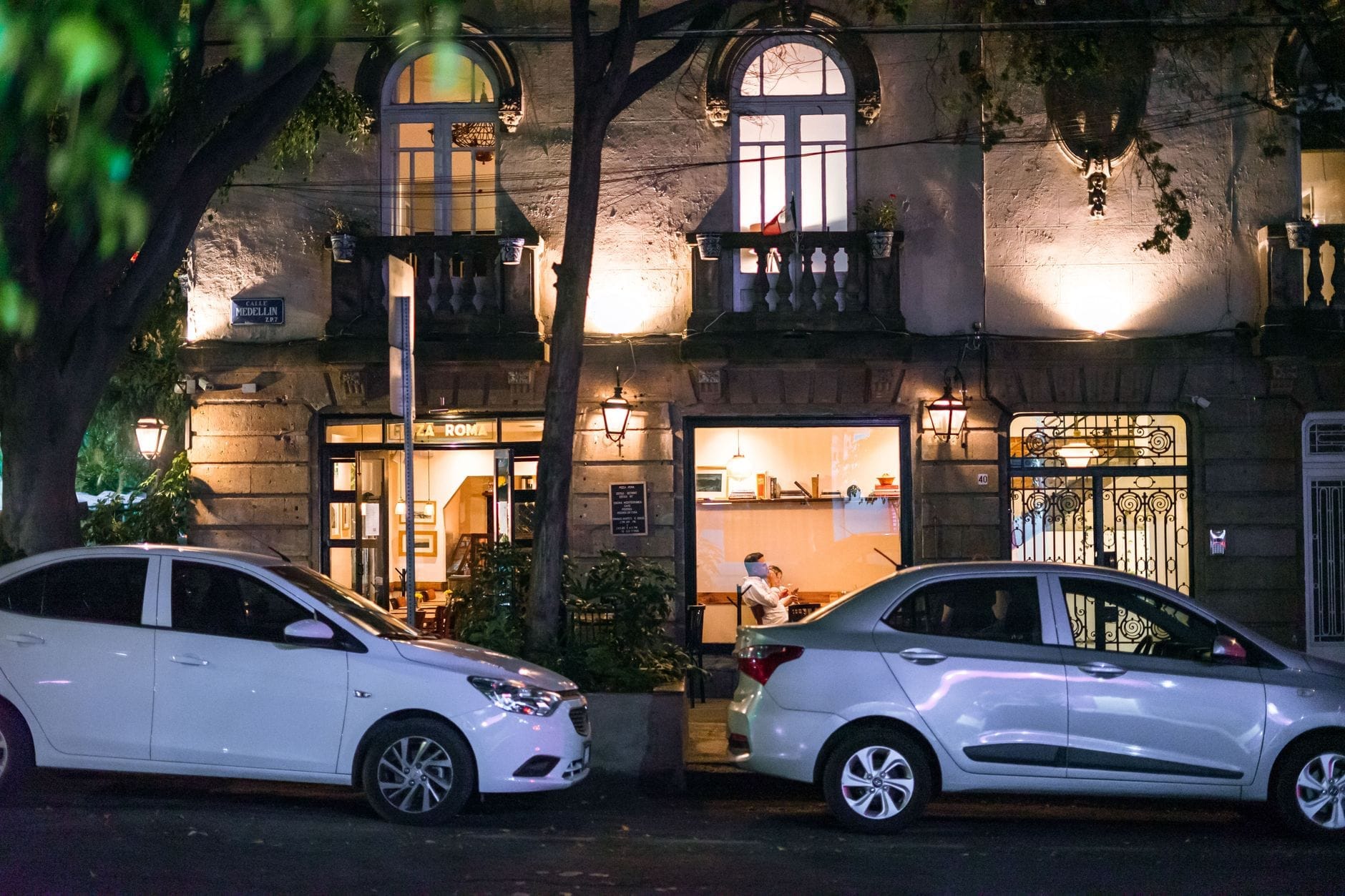
Where you sleep shapes how well the rest of the itinerary flows. The Roma-Condesa corridor is the most practical base for most travelers: well-connected by Metro and Uber, walkable within the neighborhood, and packed with restaurants and cafés at every price point. Roma Norte, specifically, puts you within about 20 minutes of Centro by Metro and roughly 25–30 minutes from Chapultepec by foot or a short ride.
Polanco is the luxury option — quieter streets, better air quality relative to Centro, and proximity to Chapultepec Park. Prices for hotels run noticeably higher here. Centro Histórico has seen significant hotel development in recent years; staying here gives you immediate access to Day 1's sights but requires more transit time to reach Coyoacán and Chapultepec. Budget travelers and those spending extended time in the city often prefer Roma or Condesa for their walkability and neighborhood feel.
Practical Trade-offs: What You'll Miss and What to Prioritize
Three days in Mexico City covers the highlights and gives you a genuine sense of the city's scale and character. It does not cover everything — not even close. The Museo del Templo Mayor deserves more time than most people give it. San Ángel's Saturday market is one of the best craft markets in the country but requires a weekend visit. Teotihuacán is a half-day minimum from the city and is difficult to combine with a full day in Centro without feeling rushed.
The city rewards repeat visits precisely because it's too large and layered for any single trip to exhaust. If three days is what you have, use this itinerary as written and resist the urge to overload each day. Mexico City has serious traffic at rush hours (roughly 7-9am and 6-9pm), and a single detour can cascade into losing two hours. Check out things to do in Mexico City for the full range of what you're choosing between, and Mexico City on a budget if cost is a primary constraint.
FAQ
Is 3 days enough for Mexico City?
Three days covers the main highlights: Centro Histórico, Chapultepec Park and the Anthropology Museum, Coyoacán, and Xochimilco. You won't see everything — the city is one of the largest in the world — but a well-planned 3-day itinerary gives you a meaningful cross-section of history, culture, and neighborhoods. Budget extra time if you want to add Teotihuacán or San Ángel.
What is the best way to get around Mexico City for a 3-day itinerary?
The Metro is the fastest and cheapest option for most cross-city journeys — 12 lines connect most major areas, fares are very low (verify current pricing at metro.cdmx.gob.mx), and trains run frequently. Use Uber, DiDi, or Cabify for late nights, neighborhoods not on Metro lines (like Coyoacán), or when you have luggage. Avoid taxis hailed from the street; use authorized platforms or the airport's official taxi booths instead.
Do I need to book anything in advance for a 3-day Mexico City trip?
Yes — specifically the Frida Kahlo Museum (Casa Azul), which requires timed-entry tickets purchased online at museofridakahlo.org.mx. These sell out days or weeks ahead during peak periods. Popular food tours, hot-air balloon flights over Teotihuacán, and some high-demand restaurants also benefit from advance booking. Most major museums, including the Anthropology Museum and Chapultepec Castle, can be visited without advance tickets.
How does Mexico City's altitude affect a short visit?
Mexico City sits at approximately 2,240 m (7,350 ft) above sea level. Many visitors feel mild altitude symptoms on day one: fatigue, headache, or slight shortness of breath. The practical adjustment is simple: drink water consistently, eat lighter than usual on day one, skip heavy alcohol the first night, and pace yourself. Most people feel normal by day two. If you're arriving from sea level and have a history of altitude sensitivity, talk to a doctor before traveling.
Is it safe to use the Metro and walk between attractions in Mexico City?
The Metro and main tourist neighborhoods — Centro Histórico, Roma, Condesa, Coyoacán, Polanco, and the Chapultepec area — are regularly used by thousands of visitors and locals daily. Standard city precautions apply: keep phones out of sight in crowded stations, use a bag that closes securely, and avoid being visibly distracted. The Metro can be extremely crowded during rush hours. For the most current safety information, check travel advisories from your country's foreign affairs department before you go.
Tickets & tours
Live prices and dates from our booking partner. If you book, we may earn a commission at no extra cost to you.
Planning a trip? Discover personalized activities with the Nomado app.