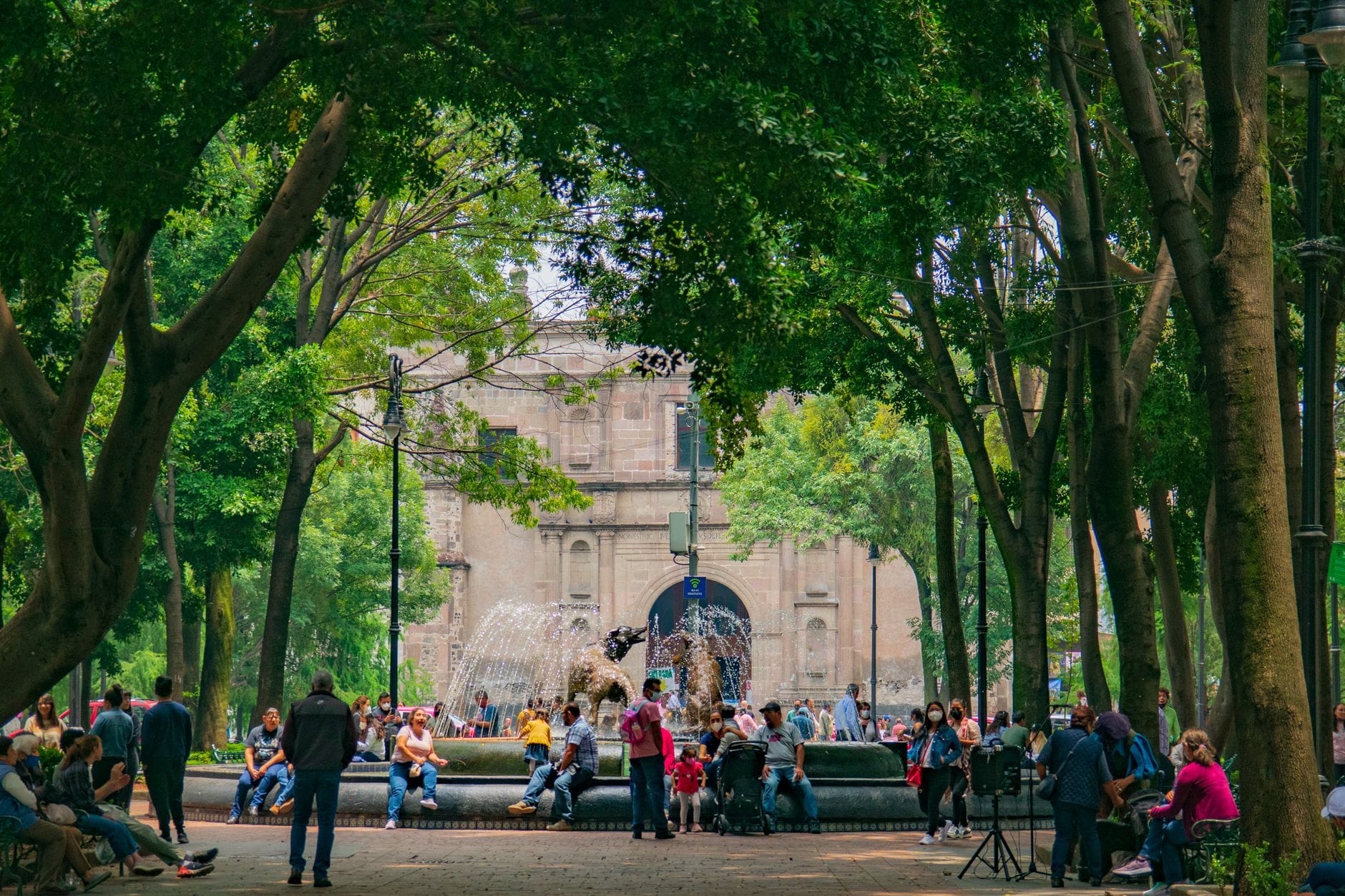
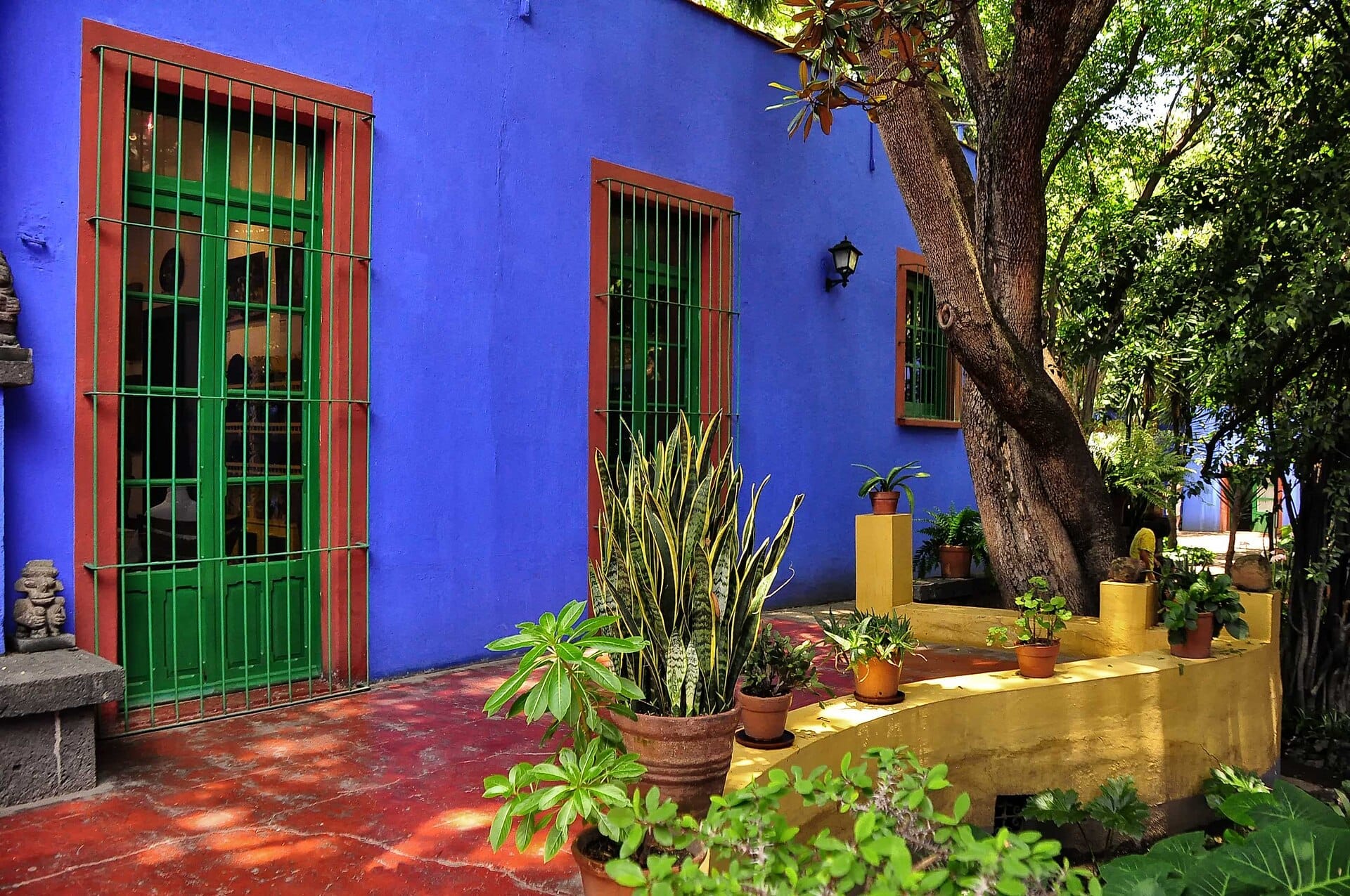
Coyoacán is Mexico City's most storied colonial neighborhood, a former Aztec town and the first capital of New Spain, now best known for its twin plazas, the Frida Kahlo Museum, and a café-filled street life shaped by students from nearby UNAM. Its cobblestone lanes and low-rise architecture feel like a different city entirely from the high-rises of Reforma or Polanco.
Coyoacán sits in the southern part of Mexico City like a village that never quite got absorbed by the metropolis around it. Its cobblestone streets, centuries-old plazas, and persistent bohemian identity draw everyone from art pilgrims visiting the Casa Azul to Mexico City families spending Sunday afternoons under the jacaranda trees. It rewards the traveler who slows down.
Orientation
Coyoacán occupies the southern reaches of Mexico City, roughly 12 kilometers from the Zócalo by road. Administratively it is both a borough (alcaldía) and the historic neighborhood at its heart. When most visitors say Coyoacán, they mean the historic center: a compact area of around ten walkable blocks radiating outward from Plaza Hidalgo and Jardín Centenario, the twin squares at its core.
The rough boundaries of the tourist-facing area run from Avenida Miguel Ángel de Quevedo to the north, where the neighborhood transitions toward Colonia del Valle and the Roma-Condesa axis. To the east, Avenida México-Coyoacán and Calzada de Tlalpan mark the edge of the old town. To the south and west, traditional barrios including La Concepción, Santa Catarina, Colonia del Carmen, and Churubusco extend the colonial fabric before giving way to residential streets. The whole historic center is flat and walkable, which matters at Mexico City's altitude of around 2,240 meters above sea level.
The wider borough borders six other alcaldías: Benito Juárez, Iztapalapa, Xochimilco, Tlalpan, Álvaro Obregón, and Magdalena Contreras. For travelers, the key nearby points are Xochimilco's canals to the south, easily combined with a Coyoacán visit, and the UNAM campus (Ciudad Universitaria) immediately to the southwest, a UNESCO World Heritage Site in its own right. Coyoacán is also the natural southern anchor of a day that starts in Roma or Condesa and moves progressively toward the colonial south.
Character & Atmosphere
The difference between Coyoacán and the rest of Mexico City announces itself before you even reach the plazas. The streets narrow, the pavement turns to irregular cobblestones, the buildings drop to one and two stories, and the noise of traffic gives way to something slower. On weekday mornings, the neighborhood belongs to its residents: retirees reading newspapers on benches in Jardín Centenario, street vendors setting up around the fountain, and UNAM students cutting through on their way to class.
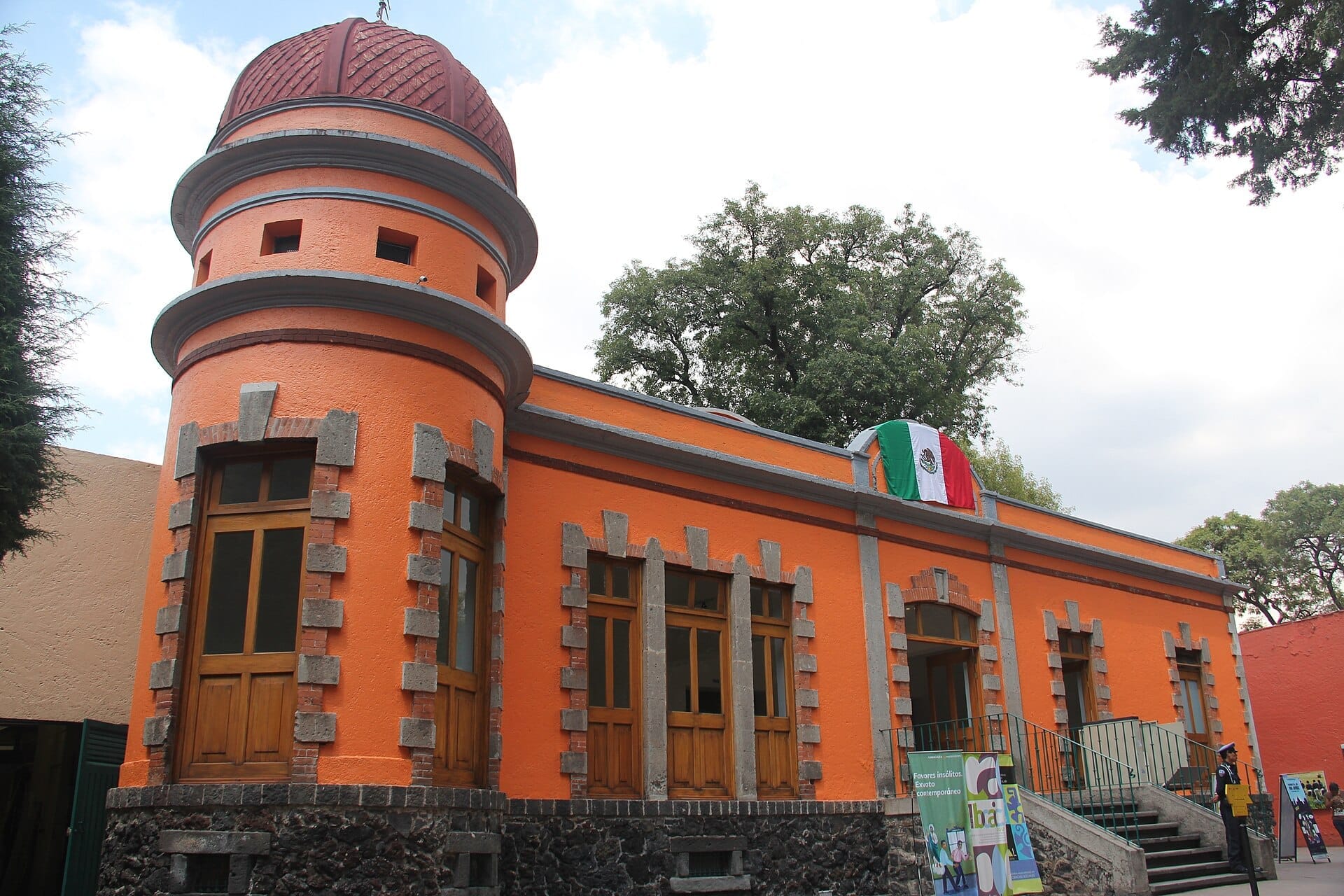
By midday, the light flattens into a warm gold across the mustard and terracotta facades of the colonial buildings lining Francisco Sosa, one of the most handsome pedestrian-friendly streets in the city. The afternoon brings the neighborhood's most characteristic ritual: the Sunday market and street performance scene around the two main plazas. Artisan stalls fill the walkways, musicians compete for attention, clowns perform for children, and the whole space becomes an unofficial town fair. On other days of the week the same space is quieter, but the cafés and street food stalls remain open, and the rhythm is pleasant.
After dark, Coyoacán is not a nightlife destination in the way Roma Norte or the Zona Rosa are. The area around the plazas stays lively until late on weekends, with bars and restaurants keeping their tables full, but there is no club circuit to speak of. The atmosphere tips toward candlelit tables, mezcal, and conversation rather than dancefloors. The cobblestone streets are generally well-lit around the center, though it pays to stay in the main pedestrian zones after midnight.
Coyoacán carries a long-standing bohemian reputation, earned rather than marketed. Frida Kahlo and Diego Rivera both lived here. Leon Trotsky spent his final years of exile here. The neighborhood's association with artists, writers, and political exiles goes back a century, and the presence of UNAM nearby sustains a bookshop, gallery, and café culture that is noticeably thicker than in more commercial parts of the city. That said, the plazas on weekends attract enormous crowds and tourist commerce, and the area around the Frida Kahlo Museum can feel like a queue more than a neighborhood.
💡 Local tip
Visit the Frida Kahlo Museum on a Tuesday or Wednesday morning to avoid the weekend crowds. Tickets often sell out days in advance; book online before your trip.
History
Coyoacán's name comes from the Nahuatl for 'place of coyotes,' a reference visible today in the Fuente de los Coyotes, the fountain at the center of Jardín Centenario. The neighborhood was an important Tepanec and later Aztec settlement long before the Spanish arrived. In 1521, Hernán Cortés used Coyoacán as the provisional capital of New Spain while the former Aztec capital of Tenochtitlán was being demolished and rebuilt as Mexico City. That brief but consequential role left Coyoacán with some of the oldest colonial buildings in the entire country.
The Parroquia de San Juan Bautista, standing on the north side of Plaza Hidalgo, dates to the 16th century and is one of the oldest churches in Mexico City. The surrounding convents, the grid of colonial streets, and the scale of the plazas all reflect that early Spanish-colonial urban design, preserved partly by the neighborhood's geographic distance from the city center and partly by the sustained political will to protect it.
In the 20th century, Coyoacán became synonymous with Mexico's cultural left. The Casa Azul, where Frida Kahlo was born, lived most of her life, and died, sits a few blocks east of the plazas on Londres. Diego Rivera's studio, the Anahuacalli Museum he built to house his pre-Columbian art collection, and the house where Leon Trotsky sought refuge from Stalin's assassins in 1937 are all within the neighborhood. This density of 20th-century history in one walkable area is unusual even by Mexico City standards.
What to See & Do
The Frida Kahlo Museum (Casa Azul) is the neighborhood's biggest draw and justifiably so. The vivid blue house on Londres is preserved much as Kahlo left it, with her studio, her retablos, her Tehuana clothing, her medical corsets, and the four-poster bed above which Rivera had a mirror installed so she could paint while bedridden. The collection is intimate and deeply personal in a way that larger national museums cannot be. Timed entry tickets are required; book at least a week ahead during high season.
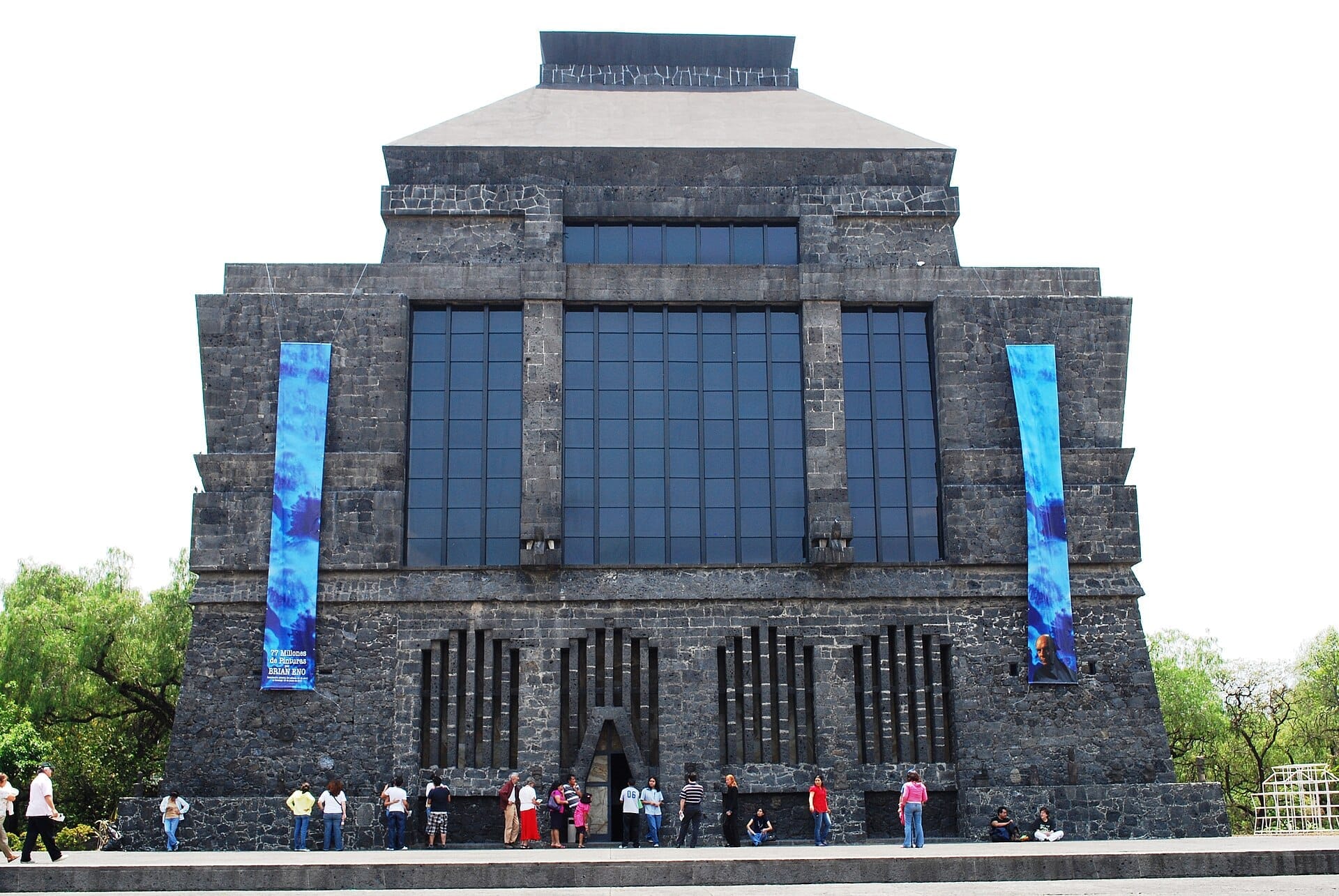
A short walk from the Casa Azul, the Leon Trotsky Museum occupies the house where the exiled Russian revolutionary lived from 1939 until his assassination in August 1940. The building remains almost unchanged since that day: the bullet-scarred walls from an earlier assassination attempt, the study, the reinforced guard towers, and the simple grave in the garden. It is one of the more unusual historic sites in Mexico City. Further south, the Museo Anahuacalli is Diego Rivera's lava-stone pyramid built to house his collection of more than 50,000 pre-Columbian objects. The architecture alone is worth the trip.
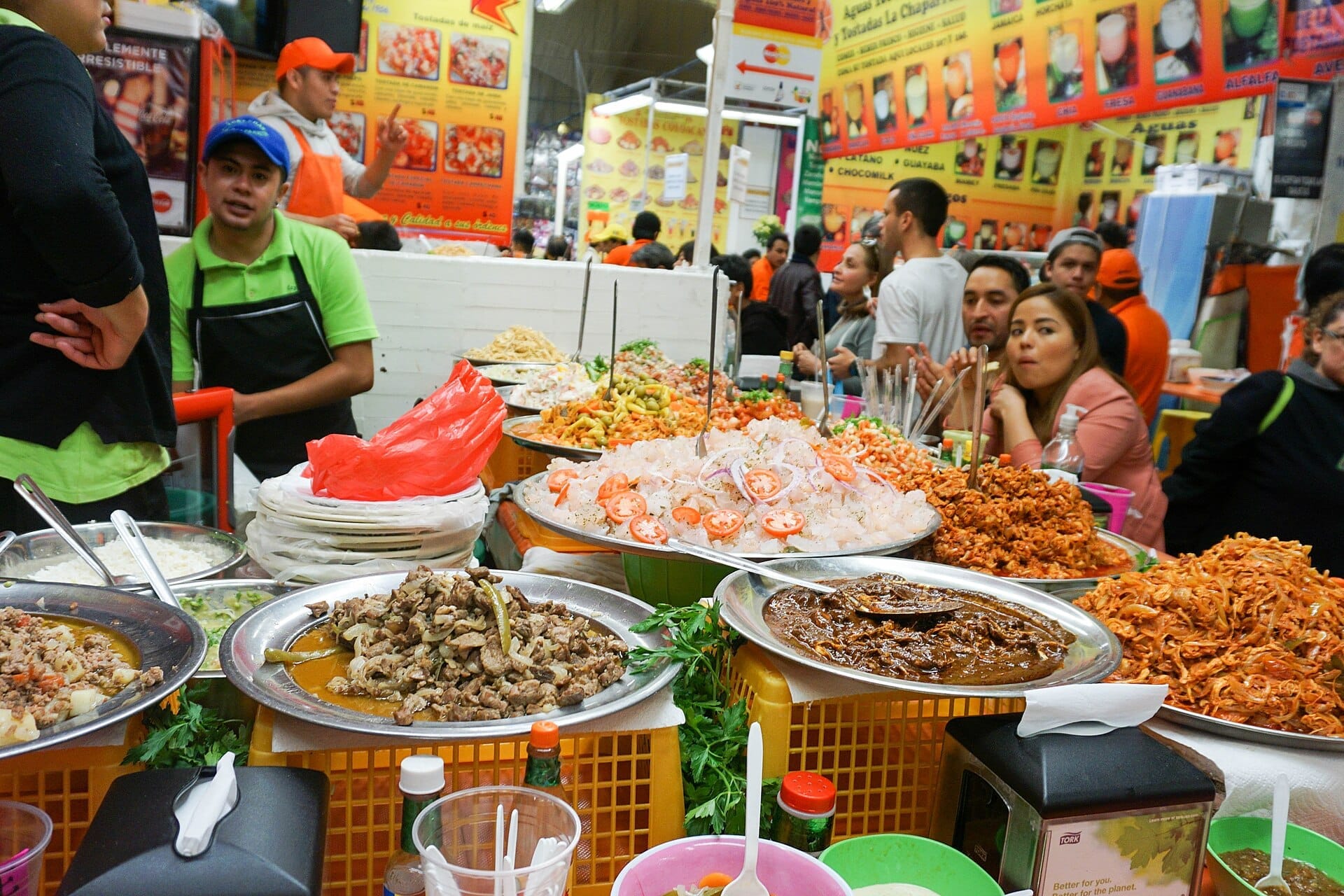
The Mercado de Coyoacán on Ignacio Allende is the neighborhood's main municipal market, a covered hall with stalls selling everything from fresh produce to handicrafts to tostadas. The tostada stalls, where vendors pile fried tortillas with shrimp, ceviche, or tinga, are a Coyoacán specialty worth seeking out. Walk a few minutes north from the market and you reach Viveros de Coyoacán, a large public arboretum that functions as both a working plant nursery and the neighborhood's main park. Early mornings here, with joggers, dog walkers, and the smell of eucalyptus, feel entirely removed from any tourist circuit.
Plaza Hidalgo and Jardín Centenario: the two linked main squares, best on Sunday when street performers and artisan stalls take over
Parroquia de San Juan Bautista: 16th-century colonial church on Plaza Hidalgo, free entry
Frida Kahlo Museum (Casa Azul): advance booking essential, closed Mondays
Leon Trotsky Museum: small, powerful, and rarely crowded
Museo Anahuacalli: Diego Rivera's pre-Columbian pyramid-museum, about 2 km south of the plazas
Mercado de Coyoacán: for tostadas, produce, and market atmosphere
Viveros de Coyoacán: the neighborhood's arboretum-park, ideal early morning
Calle Francisco Sosa: one of the most architecturally consistent colonial streets in Mexico City, ideal for a slow walk
If your schedule allows, pairing Coyoacán with a morning at Xochimilco works well logistically. The trajineras (gondola-style boats) on the canals are about 20 minutes south by taxi or ride-hailing app, and the combination captures two very different facets of pre-colonial and colonial Mexico City history in a single day. The Museo Casa Estudio Diego Rivera in neighboring San Ángel, a short taxi or Metrobús ride west, is worth adding for anyone interested in the muralist movement.
Eating & Drinking
Coyoacán's food scene divides neatly between the tourist-facing café and restaurant strip around the main plazas and the more local eating around the Mercado de Coyoacán and the surrounding streets. For a thorough breakdown of Mexico City's street food culture, the Mexico City street food guide covers what to order and where. In Coyoacán specifically, the tostadas at the market are the standout: piled with shrimp, chicken tinga, or ceviche, they are cheap, freshly made, and popular with locals and visitors alike.
The streets immediately around Jardín Centenario are lined with cafés and restaurants of variable quality. The tourist markup is real here: a coffee on the plaza terrace costs noticeably more than the same drink two blocks away. The better-value eating is along the side streets running off the main squares, where smaller fondas and taco spots cater to the UNAM student crowd and to residents. Tlayudas, enchiladas, and caldos are common on menus at the neighborhood's more traditional restaurants.
For drinks, the bar scene around the plazas is casual and approachable rather than scene-driven. Mezcal is ubiquitous, and a number of small bars and cantinas have a loyal local following. The cantina format, with free botanas (small snacks) served alongside drinks, is alive here in a way it has faded elsewhere in the city. On weekend evenings, getting a table at a popular spot can require patience.
ℹ️ Good to know
The Sunday market around the plazas brings additional food stalls selling churros, roasted corn, fresh-cut fruit with chili and lime, and artisan chocolate. It is more expensive and more crowded than the municipal market but makes for a good browse if you are already in the area for the atmosphere.
Getting There & Around
The most straightforward Metro connection is via Line 3 (the olive-green line). Metro Viveros/Derechos Humanos station puts you on the northern edge of the neighborhood, with a pleasant 15-minute walk south along Avenida México through the Viveros park before reaching the historic center. Metro Coyoacán station, also on Line 3, is slightly further north on Avenida México-Coyoacán and drops you into a more commercial stretch before the colonial core begins.
Multiple bus and trolebús routes run along Avenida Miguel Ángel de Quevedo and Avenida División del Norte, connecting Coyoacán to the Roma-Condesa corridor and the broader city. Ride-hailing apps (Uber, DiDi, Cabify) are widely available and reliable for the journey from central neighborhoods; the trip from Roma Norte typically takes 20 to 35 minutes depending on traffic, which is heavier in the late afternoon. For a full overview of how to move around the city, see the getting around Mexico City guide.
Once inside the historic center, Coyoacán is best navigated on foot. The cobblestones make cycling uncomfortable and the streets are narrow enough that cars slow to walking pace anyway. A tourist trolley does operate within the historic center for those who want a guided overview. From the main plazas, the Frida Kahlo Museum is a 10-minute walk east along Londres. The Leon Trotsky Museum is another 5 minutes north from there. The Mercado de Coyoacán is two blocks east of Jardín Centenario on Allende.
⚠️ What to skip
Sunday is simultaneously the best and most chaotic day to visit. The plazas fill with crowds, vendors, and street performers, and traffic around the historic center backs up considerably. If you are arriving by car or taxi, plan extra time or walk from the metro. Weekday mornings offer the most relaxed experience.
Where to Stay
Coyoacán is not a major hotel district by Mexico City standards. Accommodation options lean toward boutique guesthouses, colonial-style B&Bs, and apartment rentals rather than large international chains. The benefit of staying here is immersion in the neighborhood's unhurried residential atmosphere; the trade-off is distance from Reforma-area business hotels, the Centro Histórico, and the nightlife of Roma Norte. For a full picture of accommodation across the city, the where to stay in Mexico City guide breaks down each area.
The best location within Coyoacán for lodging is within a few blocks of the main plazas, which puts the Casa Azul, the market, and the main restaurant strip within easy walking distance. The streets around Calle Francisco Sosa, running west from the plazas toward the Viveros, are particularly quiet and residential, lined with colonial-era walls and old garden gates. Guests who prefer a home-base feel rather than a busy hotel corridor will find this end of the neighborhood suits them.
Coyoacán is best suited to travelers on a second or longer visit to Mexico City, to those with a specific interest in the Kahlo-Rivera-Trotsky cultural geography, or to digital nomads and slow travelers who want a quieter residential neighborhood within reach of the city's major sites. It is less well-suited to first-timers who want everything within walking distance, or to travelers whose primary interest is nightlife. Given the journey time to the Centro Histórico and Polanco, plan for 25 to 40 minutes to reach most of the city's other major districts.
Practical Notes & Safety
Coyoacán is generally considered one of the more relaxed areas to visit within Mexico City. The historic center is well-trafficked during the day, the plazas have a consistent local presence, and the student population from UNAM gives the area a baseline of daytime energy across the week. Standard big-city precautions apply: keep your phone out of sight in crowded markets, avoid displaying expensive camera equipment in the main squares on busy Sundays, and stay in lit, populated areas at night. For a broader overview of safety in the city, see the is Mexico City safe guide.
Tap water in Mexico City is not recommended for drinking; stick to bottled or purified water, which is available at every market, café, and corner store. The altitude of around 2,240 meters can cause mild fatigue on the first day or two, especially combined with walking and the warm afternoon sun. Pace yourself on arrival. Emergency services in Mexico use the unified number 911.
TL;DR
Coyoacán is the best place in Mexico City to experience colonial urban design that has remained largely intact, with cobblestone streets, plazas, and 16th-century architecture all within a compact walkable area.
The Frida Kahlo Museum and the Leon Trotsky Museum together form one of the most concentrated clusters of 20th-century cultural history in Latin America; both require advance planning.
The neighborhood suits art-focused travelers, slow travelers, second-time visitors to Mexico City, and anyone who wants a residential character rather than a hotel-corridor atmosphere.
Weekday mornings are the best time for museums and market visits; Sundays bring the most atmosphere on the plazas but also the largest crowds.
Coyoacán is not ideal as a sole base for first-time visitors, given its distance from Reforma, Polanco, and the Centro Histórico, but it combines well with a day trip to Xochimilco or a visit to the nearby UNAM campus.
Mexico City ranks among the top museum cities on earth, with over 150 institutions spanning pre-Columbian archaeology, muralism, folk art, contemporary art, and colonial history. This guide cuts through the noise and tells you exactly which museums are worth your time, where they are, and what makes each one well worth the trip.
Mexico City is a genuine year-round destination, but timing your visit around weather patterns, local festivals, and price cycles makes a real difference. This guide breaks down every season so you can decide when to go based on what actually matters to you.
Mexico City transforms every late October and early November into one of the world's great cultural spectacles. This guide covers the grand parade, neighborhood celebrations, ofrenda traditions, and everything practical you need to experience Día de Muertos properly.
Mexico City sits at the centre of one of the most rewarding regions in the Americas for day trips. Whether you want ancient pyramids, colonial cities, forested national parks, or floating gardens, each of these excursions can be done in a single day from CDMX and back.
Mexico City is one of the world's great bargain destinations. From world-class museums with no entry fee to sprawling parks, ancient ruins, and monumental public art, you can fill days of extraordinary sightseeing without spending a single peso on admission.
Mexico City's transport network is one of the largest in the world, covering 12 Metro lines, 7 Metrobús corridors, bike share, and rideshare apps. This guide breaks down every option with real costs, practical routes, and practical warnings so you can move through CDMX efficiently and safely.
Mexico City carries an outsized reputation for danger that doesn't match the reality most tourists experience. This guide breaks down official advisories, neighborhood safety, common crime patterns, and practical precautions so you can make an informed decision about visiting CDMX.
Lucha libre is one of the most electric live experiences in Mexico City. This guide covers the two main venues, weekly schedules, ticket prices, how to buy safely, and what to expect inside the arena so you can skip the guesswork and enjoy the spectacle.
Mexico City International Airport (IATA: MEX) is one of the busiest airports in Latin America and your gateway to one of the world's great cities. This guide covers terminals, ground transport, airlines, facilities, and practical tips to make your arrival or departure as smooth as possible.
At 2,240 metres (7,350 feet) above sea level, Mexico City is one of the highest major capitals in the world. This guide covers altitude sickness symptoms, acclimatisation strategies, climate effects, and common misconceptions so you can plan your trip with confidence.
Mexico City has become one of Latin America's top remote work destinations, combining fast fiber internet, affordable living costs, and a rich urban culture. This guide covers everything from the best neighborhoods for nomads to visa logistics, coworking costs, and daily life practicalities.
Mexico City rewards those who look beyond the obvious. This guide reveals the museums, markets, archaeological sites, and neighbourhoods that locals love but most visitors miss, from a volcanic-stone pyramid in the south to a 19th-century Moorish kiosk that once travelled to New Orleans.
Three days in Mexico City covers the highlights, but only if you plan smart. This guide breaks down exactly where to go, in what order, and what to skip — with logistics, pricing, and local context built in.
Mexico City (CDMX) rivals much larger capitals in the luxury travel market. This guide covers where to stay, where to eat, and what to do at the high end, with clear advice on pricing, neighborhoods, and how to avoid wasting money on the wrong choices.
Mexico City is the best place outside Oaxaca to explore mezcal seriously. This guide covers the top mezcalerías in Roma, Polanco, and Centro, where to buy quality bottles to take home, and the essential knowledge to taste confidently without getting burned by tourist-trap pours.
Mexico City's nightlife runs deep and late, spanning cantinas, cocktail bars, electronic clubs, live mariachi, and lucha libre events across a dozen distinct neighborhoods. This guide breaks down where to go, what to expect, and how to do it safely across CDMX's best after-dark districts.
Mexico City (CDMX) is one of the best-value major cities in North America. This guide breaks down realistic daily budgets, the cheapest ways to get around, free and low-cost attractions, and where to eat well without overspending — whether you have 3 days or 3 weeks.
Mexico City sits atop one of the ancient world's great civilizations. This guide covers every pyramid and archaeological site worth your time, from the colossal monuments at Teotihuacán to the Aztec ruins buried beneath the modern city center.
Mexico City is one of Latin America's great shopping destinations, with a range that stretches from centuries-old craft markets to high-end international boutiques. This guide breaks down the best areas by shopping style, with practical notes on prices, hours, and where the tourist traps hide.
Solo travel in Mexico City (CDMX) is more straightforward than most people expect. This guide covers the best neighborhoods to base yourself, how to get around on a budget, which attractions to prioritize, and straightforward safety advice so you can make the most of one of the world's great capitals.
Mexico City is one of the world's great street food capitals, with thousands of stands serving everything from tacos al pastor to tamales and tlacoyos at prices that rarely exceed MXN 100 for a full meal. This guide covers the essential dishes, neighborhood-by-neighborhood breakdown, timing, pricing, food safety, and how to get the most out of eating on the streets of CDMX.
Mexico City rewards those who look up, down, and out. This guide covers the best places to see the city from above, from the classic observation deck of Torre Latinoamericana to the hilltop drama of Chapultepec Castle and the wide valley views at Teotihuacán.
Mexico City rewards walkers like few capitals on earth. From Aztec ruins and colonial palaces to Art Deco parks and bohemian barrios, these are the routes and guided tours worth lacing up your shoes for.
Mexico City is one of Latin America's most rewarding family destinations, with a free world-class zoo, hands-on children's museums, canal boat rides, and ancient pyramids. This guide covers the best kid-friendly attractions, practical logistics, and straightforward tips to help families make the most of CDMX.
Teotihuacán is one of the great ancient cities of the world, and it sits just 50 km northeast of Mexico City. This guide covers every practical detail: how to get there independently, whether a guided tour is worth it, when to arrive, what the ticket situation actually looks like, and the climbing ban that catches many visitors off guard.
Mexico City (CDMX) packs pre-Hispanic ruins, landmark museums, colonial architecture, and one of the world's great food scenes into a metro area of over 21 million people. This guide covers the top things to do in Mexico City by category, with practical timing advice and logistics to help you plan a smarter trip.
Mexico City (CDMX) is a metropolis of over 21 million people, and choosing the right neighborhood to stay in makes a genuine difference to your trip. This guide breaks down the best areas by budget, travel style, and transit access — with straightforward assessments of what each zone actually delivers.