Luxury Mexico City: The Definitive Guide to Hotels, Restaurants & Experiences
Mexico City (CDMX) rivals much larger capitals in the luxury travel market. This guide covers where to stay, where to eat, and what to do at the high end, with clear advice on pricing, neighborhoods, and how to avoid wasting money on the wrong choices.
Tickets & tours
Live prices and dates from our booking partner. If you book, we may earn a commission at no extra cost to you.
TL;DR
- Luxury in CDMX is concentrated in Polanco, Paseo de la Reforma, Roma Norte, and Condesa, not just one district.
- Top hotels like the Four Seasons and St. Regis sit on Reforma; boutique options in Roma and Condesa offer a more local feel.
- Book flagship restaurants like Pujol weeks in advance; same-day reservations are rarely possible at the top tables.
- Pair hotel stays with cultural anchor points: Chapultepec Castle, Casa Luis Barragán, and the major museum corridor along Reforma.
- Traffic is the biggest logistics challenge; plan transfers outside the 7-10 am and 5-8 pm rush windows, especially for airport runs.
Why Mexico City Belongs on Any Luxury Traveler's Radar
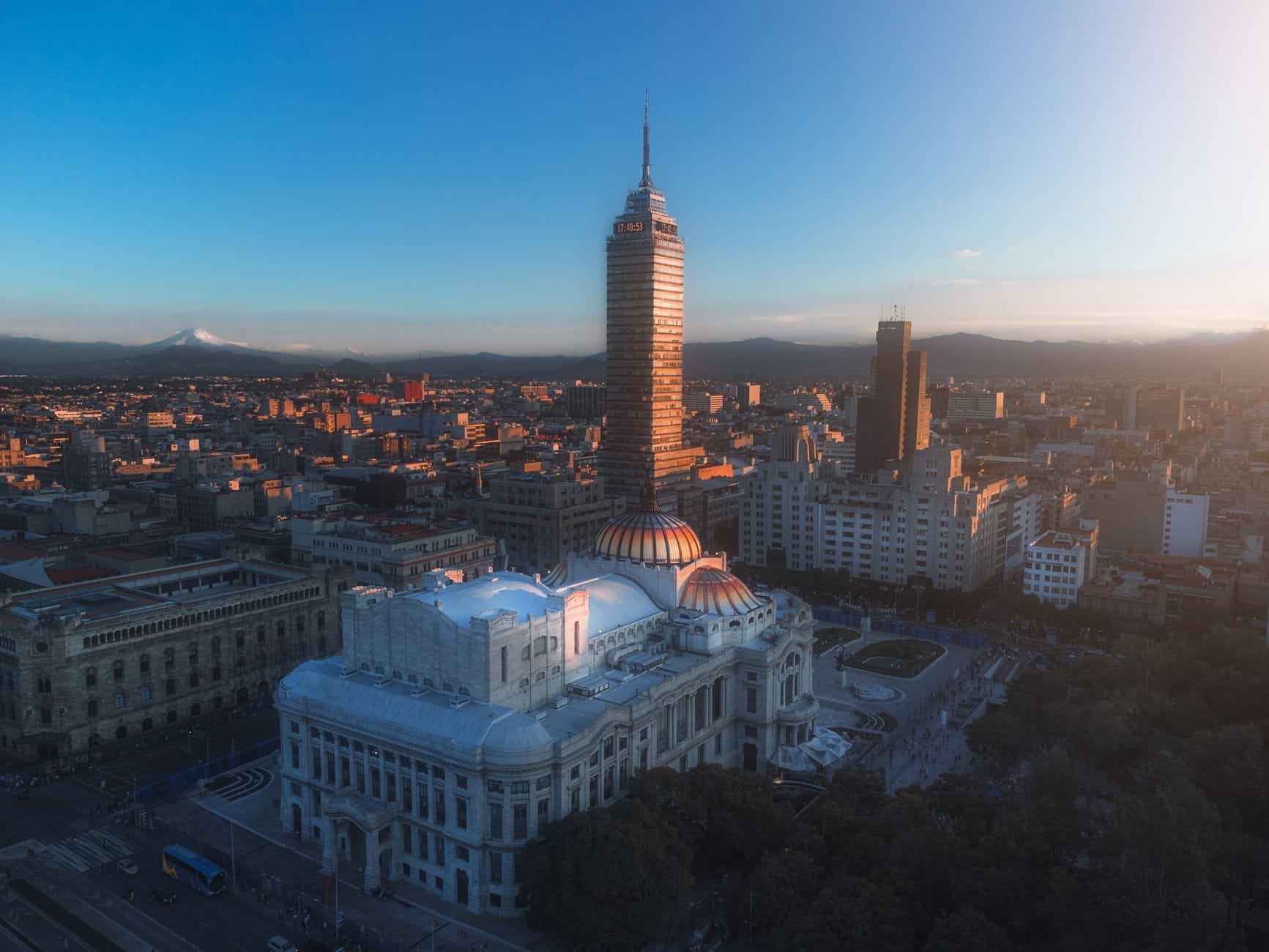
Mexico City sits at about 2,240 meters above sea level in the Valley of Mexico, a geographic fact that surprises most first-time visitors more than any cultural revelation. With a metropolitan population of over 21 million, it is one of the largest cities in the Western Hemisphere, and its luxury infrastructure reflects that scale. The city has attracted global hotel brands, James Beard-recognized chefs, and serious art collectors for decades, yet its price-to-quality ratio still outperforms comparable destinations like Buenos Aires or São Paulo for most categories of luxury spending.
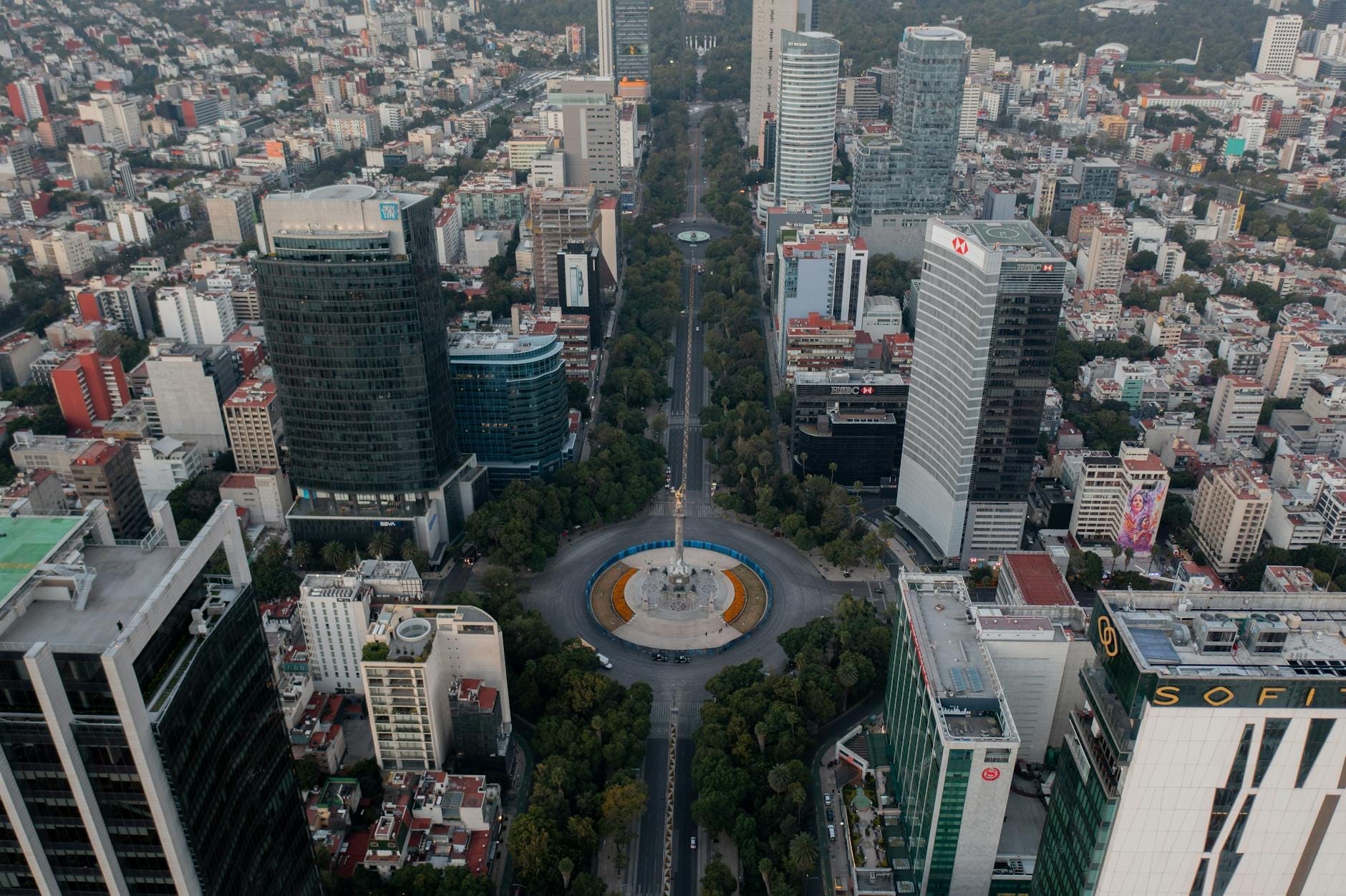
The luxury corridor runs roughly from Paseo de la Reforma westward through Chapultepec and Polanco, with secondary clusters in Roma Norte and Condesa to the southeast. Understanding this geography is the first practical step in planning a high-end visit, because the wrong neighborhood choice can add 40 minutes of traffic to every itinerary.
ℹ️ Good to know
CDMX operates on Central Standard Time (UTC-6) and does not currently observe daylight saving time. The city's elevation can cause mild altitude-related fatigue in the first 24-48 hours. Arrive a day early before any demanding itinerary, and stay well hydrated. For more on managing the altitude, see our dedicated guide on Mexico City altitude.
Where to Stay: Luxury Hotels Ranked by What They Actually Offer
The Four Seasons Hotel Mexico City on Paseo de la Reforma is the benchmark property most luxury travelers default to, and for good reason. Standard rooms can run from around US$400 to US$800 per night in high season (roughly November through April), with suites considerably higher. What sets it apart is the internal garden courtyard, a rarity in a dense urban environment, along with a full spa and multiple dining venues. The Reforma location puts you within walking distance of the Museo Nacional de Antropología and a short ride to Polanco's restaurant row.
The St. Regis Mexico City, also on Reforma, skews toward the ultra-premium end. Top suites have been advertised in luxury travel media at above US$4,800 per night, though standard rooms are substantially less and highly dynamic. The St. Regis brand delivers its signature butler service here, and the 31st-floor King Cole Bar offers views of the city that are quite difficult to match. It is the correct choice for travelers who prioritize brand-level service rituals over neighborhood immersion.
For those who find branded luxury hotels interchangeable, the Brick Hotel in Roma Norte represents a strong alternative. It is a boutique property with far fewer rooms, which translates to more attentive service and a location that puts you inside the neighborhood rather than observing it through a taxi window. The on-site restaurant consistently earns favorable mentions among serious food travelers. Rates are generally lower than the Reforma flagships, making it the most compelling value play in the high-end segment.
- Four Seasons Mexico City (Reforma) Garden courtyard, full spa, strong F&B program. Best for: first-time luxury visitors who want a reliable, world-class base. Approx. US$550-800+/night in high season.
- The St. Regis Mexico City (Reforma) Butler service, upper-floor city views, ultra-premium positioning. Best for: travelers who prioritize brand prestige and penthouse-level service rituals.
- InterContinental Presidente (Polanco) Large property with multiple signature restaurants and direct access to the Polanco dining and shopping district. Best for: food-focused itineraries centered on Polanco.
- Brick Hotel (Roma Norte) Boutique scale, excellent in-house dining, Roma Norte neighborhood access. Best for: travelers who want luxury service without the corporate-hotel atmosphere.
⚠️ What to skip
Luxury demand peaks during the dry season (roughly November through April) and around major holidays. Book at least 6-8 weeks in advance for peak dates, and confirm directly with hotels on cancellation policies, which vary significantly between properties and booking platforms.
Fine Dining: The Restaurant Scene That Earned CDMX Its Reputation
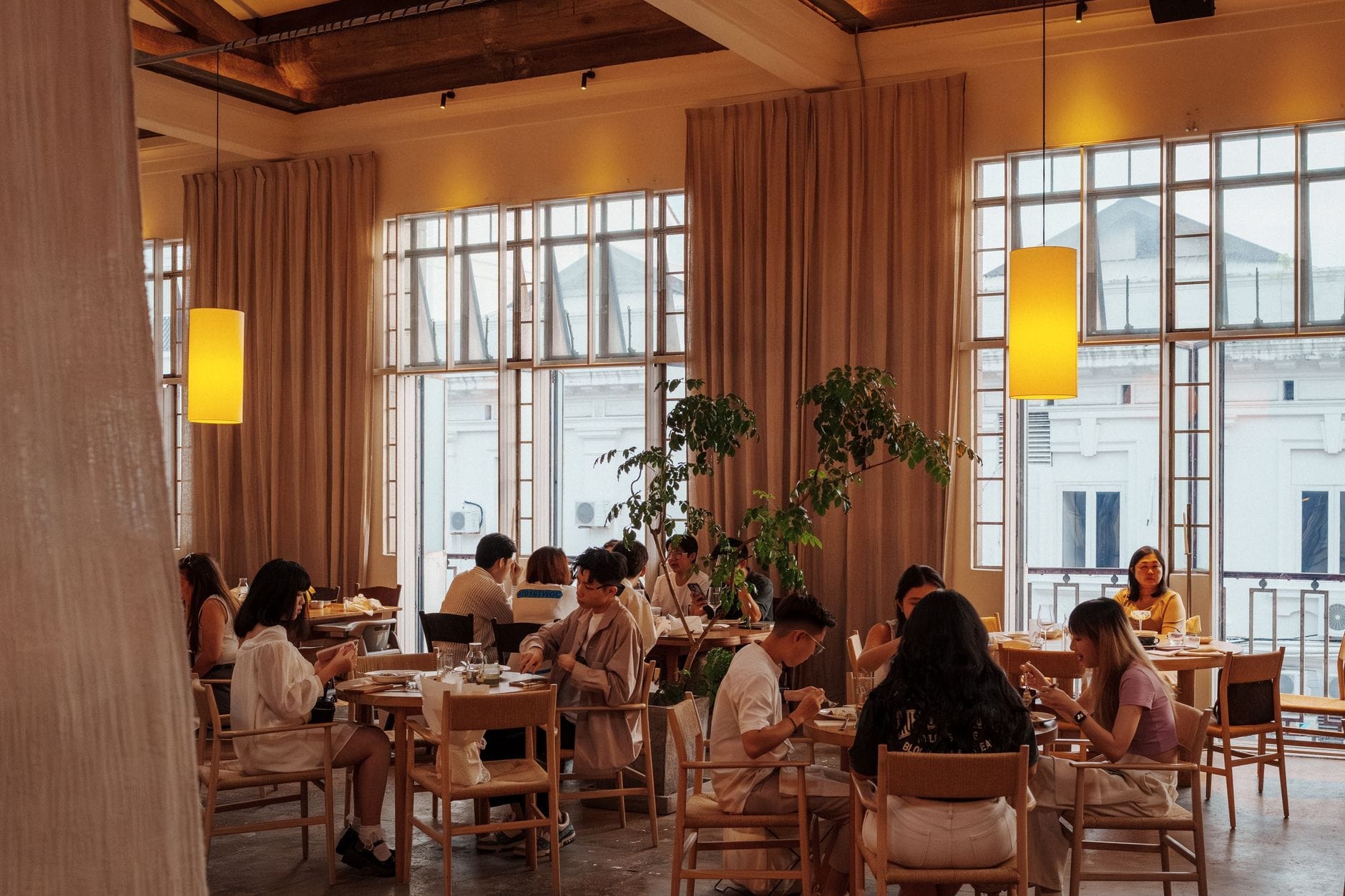
Pujol, Enrique Olvera's flagship restaurant in Polanco, is the name that most reliably appears on global lists of the world's best restaurants. The tasting menu format focuses on ingredients and techniques rooted in Mexican culinary tradition without being a nostalgia exercise. Expect a multi-course progression, a mole negro that has been maintained and evolving for years, and a price point that reflects the experience. Reservations book out weeks in advance; the official site and OpenTable are the reliable booking channels. Walk-in attempts are a waste of time.
Máximo Bistrot in Roma Norte takes a different approach: a seasonal, market-driven menu in a setting that is upscale but not formal. Chef Eduardo García's cooking is technically serious but the atmosphere avoids the stiffness that can make high-end dining feel like an obligation. It pairs well with an afternoon exploring Parque México or browsing the Mercado Roma before dinner.
Beyond the headline names, the CDMX dining scene rewards exploration. Contramar in Roma is one of the city's most consistently excellent seafood restaurants and has been for years, which is partly why it is always full. Blanco Colima and Casa Virginia represent newer arrivals earning serious attention. And if you are skeptical that a taco stand can belong in a luxury dining conversation, Tacos El Califa de León received a Michelin star in 2024, the first taco stand to earn that recognition, which should recalibrate assumptions about format versus quality.
✨ Pro tip
For high-demand restaurants, book via the official restaurant website first, then cross-check OpenTable or Resy. Some Polanco restaurants require a credit card guarantee and charge a no-show fee. If you cannot secure a reservation for the specific date you want, ask your hotel concierge: luxury properties on Reforma and in Polanco often have standing relationships that translate into last-minute access.
High-End Experiences Beyond Hotels and Restaurants
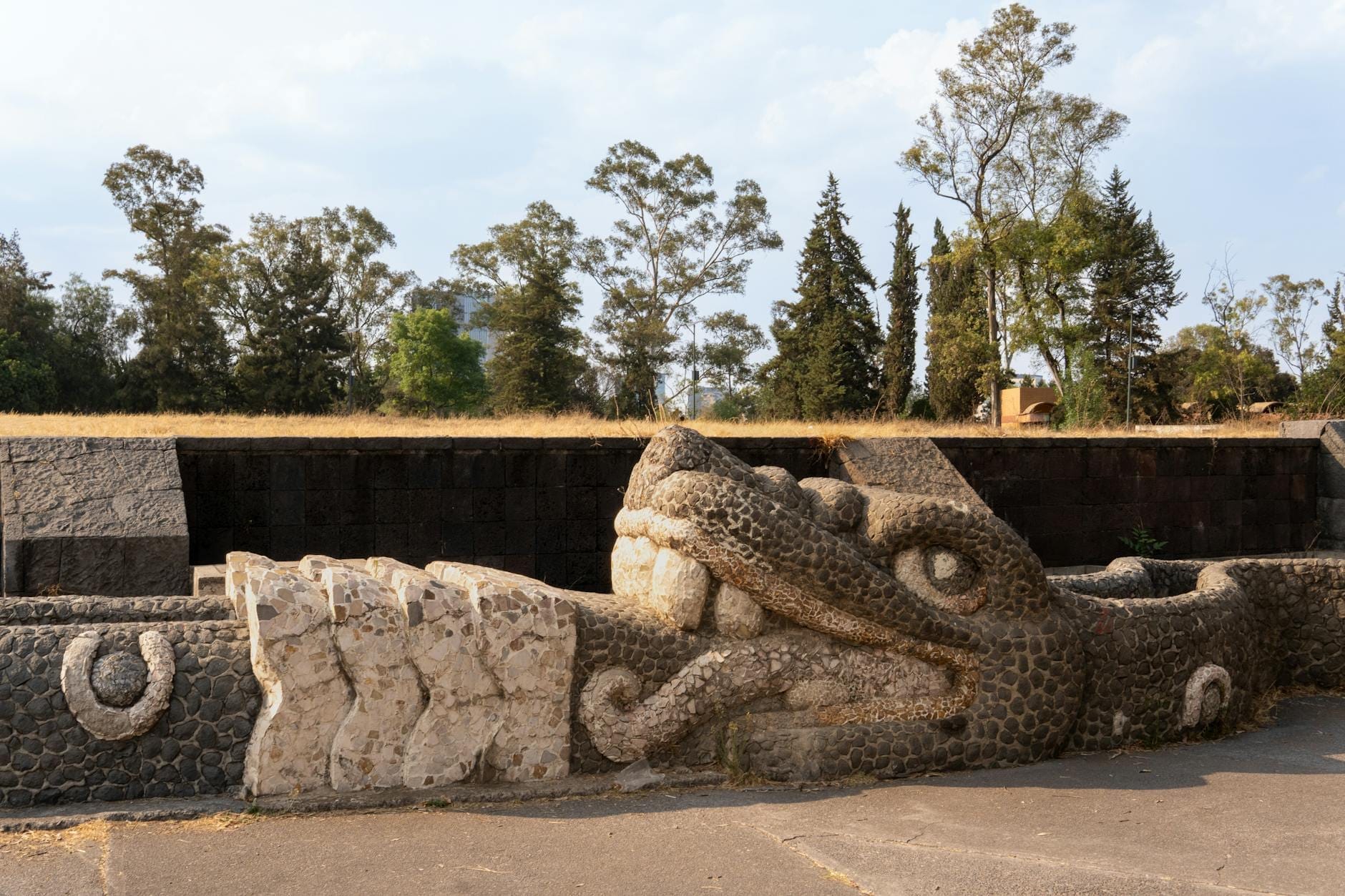
Mexico City's cultural infrastructure is where the luxury argument becomes truly compelling. The Museo Nacional de Antropología is among the finest archaeology museums in the world, period. The collections cover pre-Hispanic civilizations across Mexico with a depth and scale that rivals the British Museum or the Smithsonian. Admission is low by any standard, but private guided visits arranged through luxury hotel concierges or specialist tour operators deliver a fundamentally different experience than a general-admission visit.
Casa Luis Barragán in Tacubaya is the kind of experience that separates considered luxury travelers from those who simply spend money on room rates. The UNESCO-listed house and studio of architect Luis Barragán runs small-group guided visits, which must be booked in advance through the official Casa Luis Barragán website operated by the Barragán Foundation. The spaces, their use of light, color, and silence, require a guide to be fully legible. Similarly, Chapultepec Castle offers extraordinary views over the city and a surprisingly rich collection of 19th-century Mexican history, best visited on weekday mornings to avoid weekend crowds.
For art collectors and design-focused travelers, the Museo Soumaya and Museo Jumex sit adjacent to each other in Polanco and together form one of the strongest contemporary art viewing sequences in Latin America. Jumex in particular has a collection with serious international contemporary work. Across the city, Museo Tamayo in Chapultepec Park focuses on modern and contemporary art in a building worth visiting architecturally.
- Private architectural tour of Casa Luis Barragán (book via official foundation site; small groups only)
- Weekday morning visit to Chapultepec Castle before crowds arrive, around 9-10 am
- Private or semi-private guided evening at Museo Nacional de Antropología (arrange through your hotel)
- Curated mezcal tasting session with a specialist guide in Roma or Condesa
- Trajineras boat experience at Xochimilco in a private hired boat, not the crowded shared trajineras
Neighborhoods: Where Luxury Actually Lives in CDMX
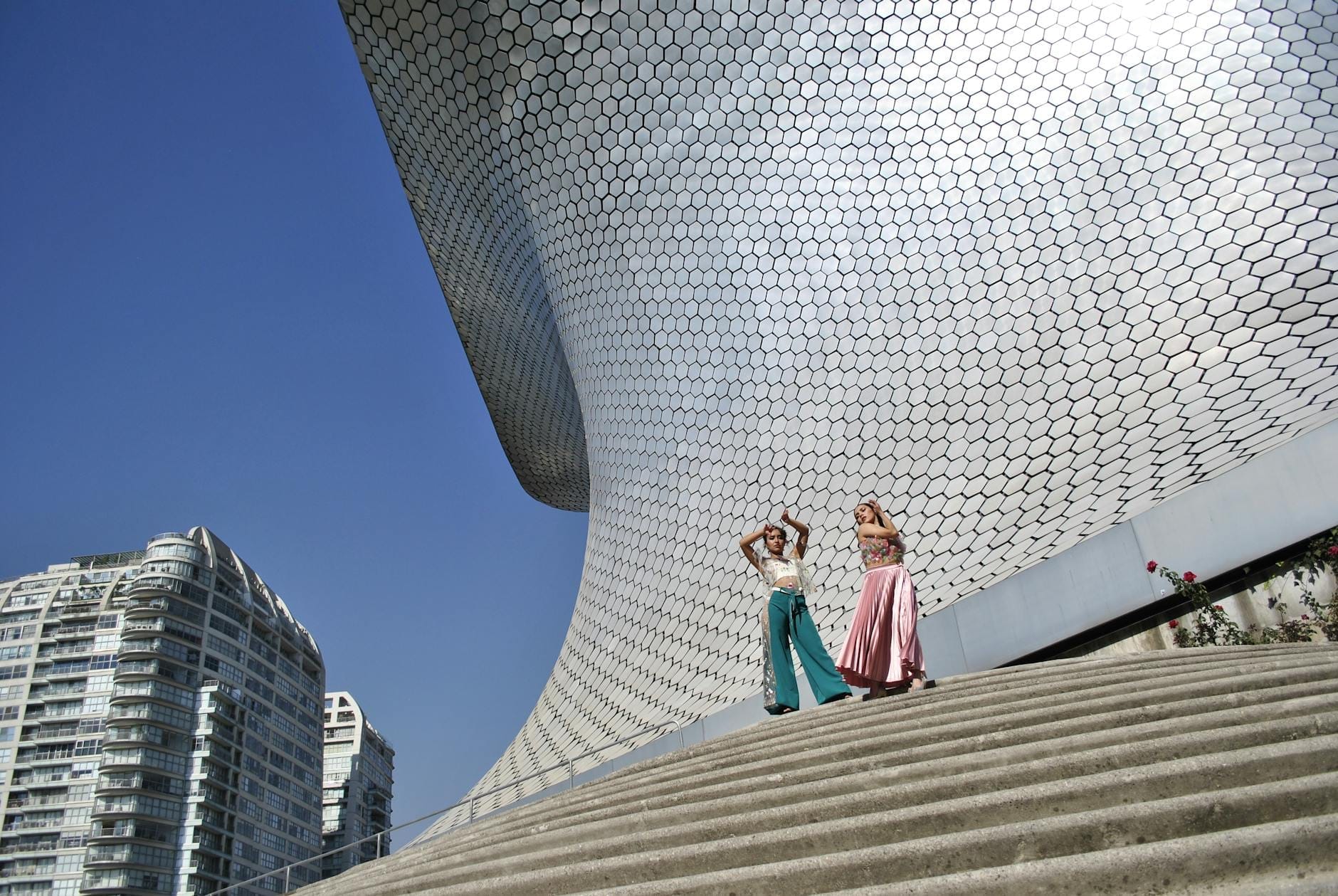
Polanco is the obvious anchor for luxury travelers: high-end international brands line Avenida Presidente Masaryk, flagship restaurants cluster in a walkable radius, and the museum corridor is minutes away. It is also the most predictable choice. Travelers who have already done Polanco find that Roma Norte and Condesa offer a more layered experience, with boutique hotels, serious independent restaurants, and the kind of street-level city energy that the Polanco bubble can insulate against.
Reforma and Colonia Juárez sit between these poles, giving hotel guests access to the Angel of Independence and the main museum corridor without committing fully to either Polanco's enclave or Roma's deliberately casual atmosphere. For travelers combining luxury with serious sightseeing in Centro Histórico, staying on Reforma reduces transit time significantly compared to a Polanco base.
Santa Fe, the western business district, hosts several large luxury hotels primarily serving corporate travelers. The location is inconvenient for tourism-focused itineraries: it is a long and often traffic-heavy ride from the main cultural and dining districts. Avoid basing a leisure trip here unless your primary purpose is business meetings in that district.
Practical Logistics for Luxury Travel in CDMX
The main international entry point is Aeropuerto Internacional Benito Juárez (IATA: MEX), located roughly 8–10 km east of the historic center. Most luxury travelers use authorized airport taxis with prepaid zone fares or pre-arranged hotel transfers. Ride-hailing apps including Uber, DiDi, and Cabify operate from designated pickup areas and are reliable options with dynamic pricing. The Metro's Line 5 serves Terminal Aérea station near Terminal 1, but it is not a practical choice with significant luggage for most luxury itineraries.
Traffic in CDMX is severe by global standards. The 7-10 am and 5-8 pm windows are the worst, and Friday evenings can extend disruption considerably. Experienced luxury travelers plan restaurant reservations and cultural visits to avoid the peak window, or use the Metro strategically for shorter hops. For a deeper overview of transit options, the getting around Mexico City guide covers all the practical details.
Currency is the Mexican peso (MXN). High-end establishments universally accept major credit cards, and US dollars are widely accepted at luxury hotels and tourist-oriented venues, though the exchange rate applied is rarely favorable. Carry some pesos for tips and incidentals. Tipping is culturally expected in Mexico: 10-15% at restaurants is the minimum baseline; 15-20% is appropriate at higher-end venues. Hotel staff, drivers, and guides all expect tips. Tap water is not safe to drink in Mexico City; all luxury hotels provide purified or bottled water, but it is worth confirming this explicitly on arrival.
💡 Local tip
The best time to visit for luxury travel is February through April: the dry season is well established, temperatures are at their most comfortable (highs around 23-25°C), and the holiday crowds of November-December have passed. This window also aligns with fewer smog events compared to winter months when temperature inversions can affect air quality.
FAQ
What is the best luxury hotel in Mexico City?
The Four Seasons on Paseo de la Reforma is the most consistently recommended property for a combination of location, service quality, and facilities. The St. Regis suits travelers who prioritize ultra-premium service rituals and upper-floor views. For boutique luxury, the Brick Hotel in Roma Norte is the standout choice. There is no single correct answer; the best property depends on your neighborhood preference and travel style.
How far in advance should I book Pujol or other top restaurants?
For Pujol, aim for at least 3-4 weeks in advance, and longer for peak travel dates or holiday periods. Contramar and Máximo Bistrot also book up quickly; 1-2 weeks ahead is the minimum for a reliable reservation. Your luxury hotel concierge may be able to assist with last-minute access at some venues through established relationships.
Is Polanco the only neighborhood for luxury in Mexico City?
No. While Polanco has the densest concentration of high-end hotels and restaurants, significant luxury infrastructure also exists along Paseo de la Reforma, in Colonia Juárez, Roma Norte, Condesa, and Lomas de Chapultepec. Each offers a different character: Polanco is more manicured and international; Roma and Condesa feel more local and design-focused.
What is the best time of year to visit Mexico City for a luxury trip?
February through April offers the most favorable combination of dry weather, comfortable temperatures (daily highs around 23-25°C), and lower crowds compared to the November-December peak. The rainy season runs May through October, with afternoon thunderstorms common from June onward. Luxury hotel rates tend to be higher during the November-April dry season overall.
How do I get from the airport to a luxury hotel in Polanco or Reforma?
The most reliable options are a pre-arranged hotel transfer (ask your property to organize this in advance) or a prepaid authorized airport taxi with a zone fare set inside the terminal. Uber and DiDi also operate from designated areas within the airport. The journey to Polanco or Reforma typically takes 30-50 minutes depending on traffic, and can exceed an hour during peak hours.
Tickets & tours
Live prices and dates from our booking partner. If you book, we may earn a commission at no extra cost to you.
Planning a trip? Discover personalized activities with the Nomado app.