Mexico City for Digital Nomads: The Complete Guide to Living and Working Remotely in CDMX
Mexico City has become one of Latin America's top remote work destinations, combining fast fiber internet, affordable living costs, and a rich urban culture. This guide covers everything from the best neighborhoods for nomads to visa logistics, coworking costs, and daily life practicalities.
Tickets & tours
Live prices and dates from our booking partner. If you book, we may earn a commission at no extra cost to you.
TL;DR
- Mexico City (CDMX) offers home internet averaging 65 Mbps and coworking speeds of 200–500 Mbps in central neighborhoods, making connectivity a genuine strength.
- Roma and Condesa are the top nomad neighborhoods, but Roma and Condesa also command the highest rents — budget $800–$1,200/month for a 1-bedroom apartment.
- Mexico does not have a dedicated digital nomad visa. Most nationalities enter visa-free for up to 180 days; longer stays require a Temporary Resident Visa.
- Daily costs are low: metro rides around $0.35, café meals $5–8, coffee $2–4, and Uber rides $3–8.
- The best months to live here as a nomad are April to early June and September to November — see the best time to visit Mexico City for full seasonal context.
Why Mexico City Works So Well for Remote Work
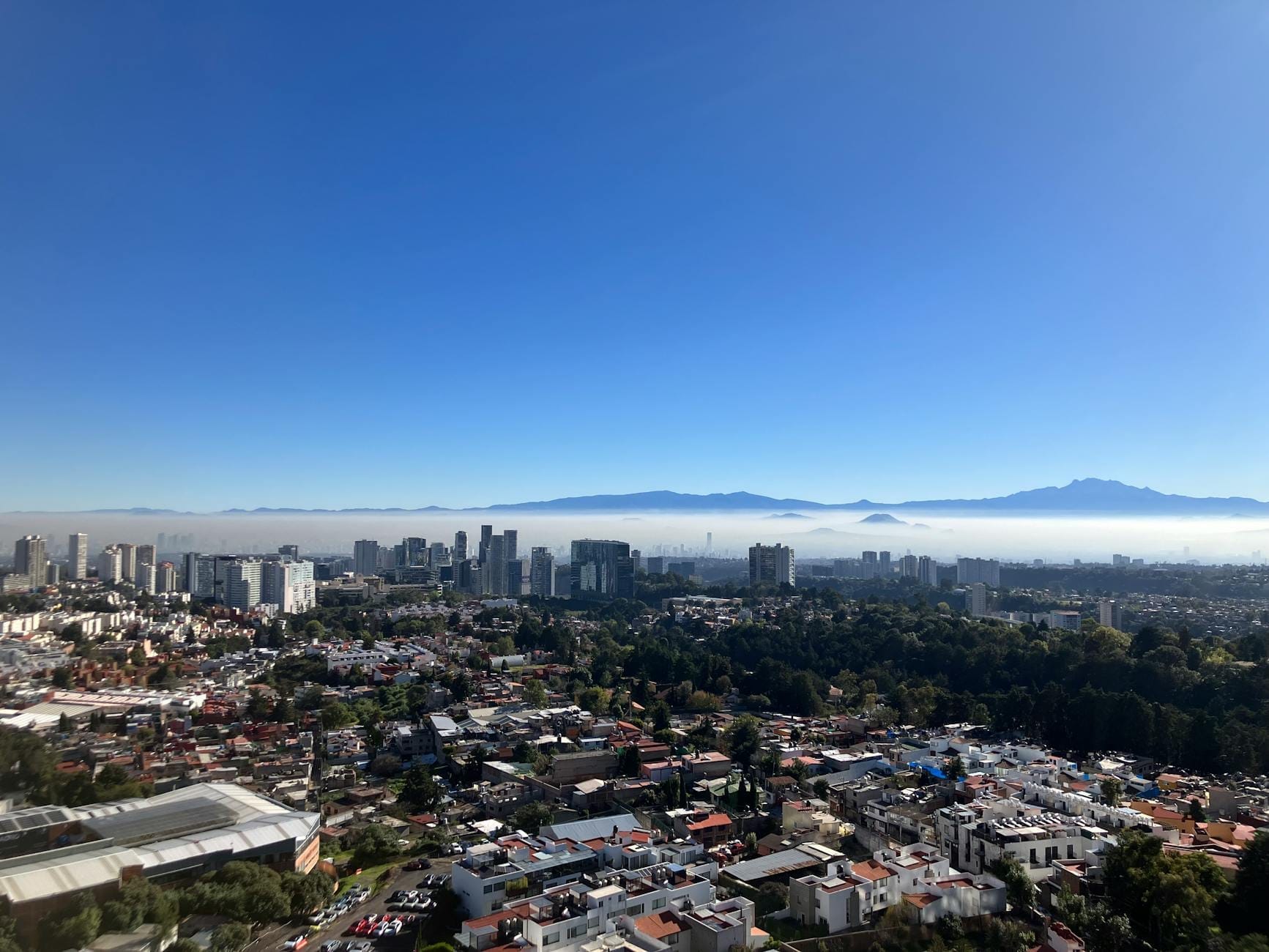
Mexico City sits at 2,240 meters above sea level in the Valley of Mexico, which gives it a subtropical highland climate with average temperatures hovering around 17–18°C year-round. That mild, consistent climate removes the seasonal extreme that derails productivity in many other cities. No brutal summers, no frozen winters. You can keep a reliable routine.
The city's infrastructure for remote workers is serious. Fiber internet is widely available in central neighborhoods like Roma, Condesa, Juárez, and Polanco. Typical home connections run around 65 Mbps, while dedicated coworking spaces in these areas clock 200–500 Mbps. That puts CDMX ahead of many comparable cities in Southeast Asia and Europe on pure connectivity. Add a metro system with 12 lines and 195 stations, and you can get across the city for under $0.30 per ride. For practical transport details, the guide to getting around Mexico City covers all your options.
The time zone is Central Standard Time (UTC-6), and Mexico City no longer observes daylight saving time. This is a significant practical advantage for nomads with clients or employers in North America: you're on the same or adjacent time zones as the US and Canada, making real-time collaboration far easier than working from Europe or Asia.
ℹ️ Good to know
Mexico City no longer observes seasonal clock changes under federal law and remains on Central Standard Time (UTC-6) year-round. Confirm exact changeover dates each year, as Mexico's schedule has historically differed from the US and Canada.
Best Neighborhoods for Digital Nomads
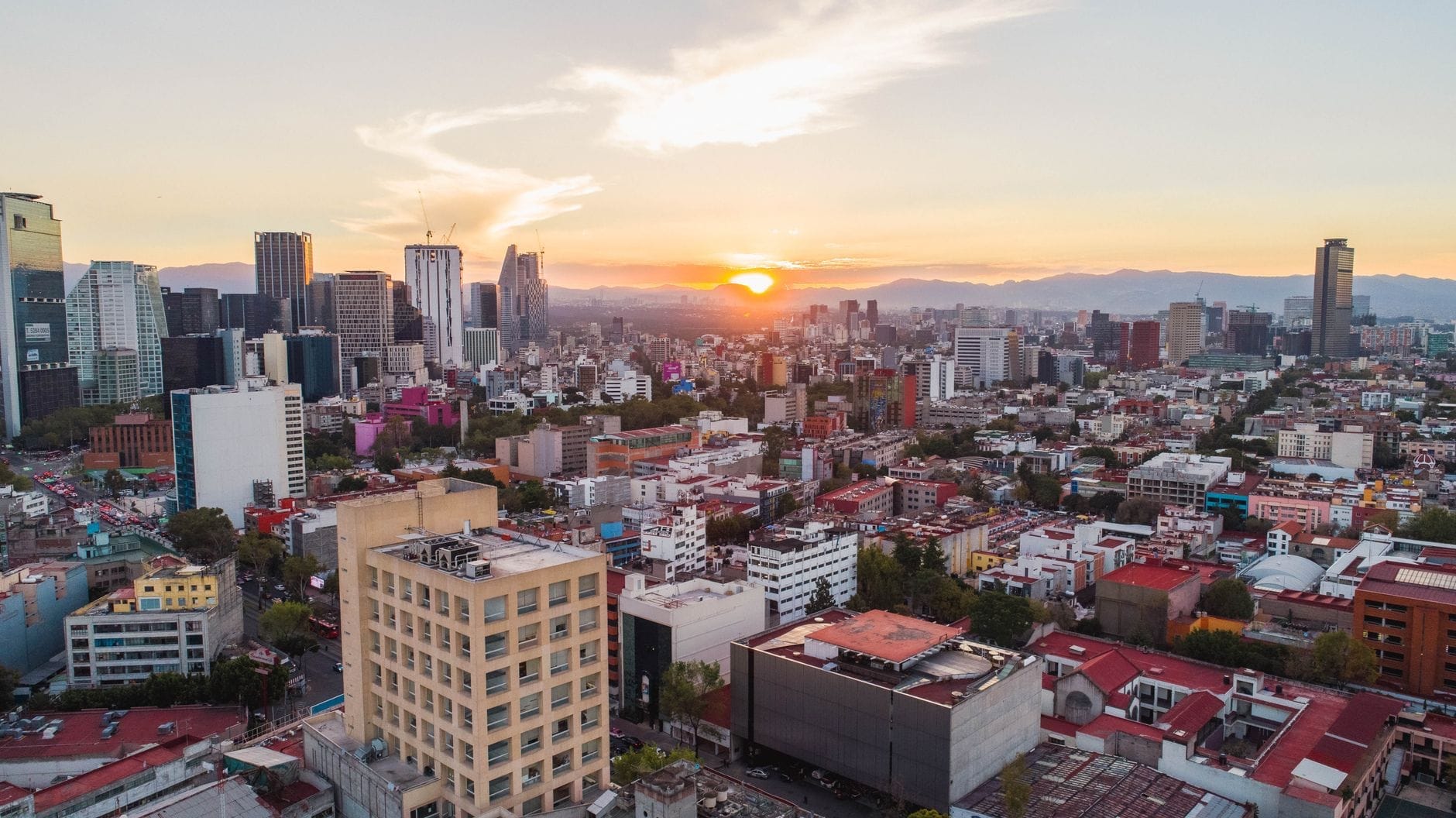
Not all of CDMX's 16 boroughs (alcaldías) are equally suited to nomad life. The neighborhoods below are concentrated in or near the Cuauhtémoc and Miguel Hidalgo boroughs, close to the city's best cafés, coworking spaces, and public transport links. For a broader overview of the city's districts, the Roma and Condesa neighborhood guide is a good starting point.
- Roma Norte / Roma Sur The default choice for most first-time nomads. Tree-lined streets, strong café culture, excellent restaurant density, and some of the best walkability in the city. Rents for a 1-bedroom apartment run $800–$1,200/month. Expect company: Roma is popular, and street noise and weekend crowds are real trade-offs.
- Condesa Adjacent to Roma and similarly priced. Known for Parque México and Parque España, which double as productive outdoor work spots on clear days. Slightly quieter than Roma Norte on weekday mornings. Architecture skews 1920s–1940s Art Deco.
- Juárez (Colonia Juárez) Between Reforma and Roma, Juárez has gentrified quickly. Slightly lower rents than Roma for comparable space, growing coworking scene, and fast access to Paseo de la Reforma. A practical choice if budget matters without sacrificing central location.
- Polanco Polanco works for nomads with higher budgets or client-facing needs. Rents are significantly higher, but the neighborhood offers quiet streets, proximity to Chapultepec Park, and Mexico City's most concentrated cluster of international-standard hotels and business infrastructure.
- Coyoacán A slower-paced alternative in the south. Colonial streets, the Frida Kahlo Museum, and a genuine neighborhood feel. Less coworking infrastructure than Roma, but strong for focused solo work. Metro access exists but the commute to central areas takes longer.
⚠️ What to skip
Rental prices in Roma and Condesa have risen sharply due to an influx of remote workers since 2021. What you see listed online in USD may reflect significant premiums over what locals pay in MXN. Always compare listings in Mexican pesos (MXN) and negotiate directly with landlords where possible. Short-term furnished apartments via platforms like Airbnb cost considerably more than unfurnished monthly rentals.
Internet, Coworking Spaces, and Café Culture
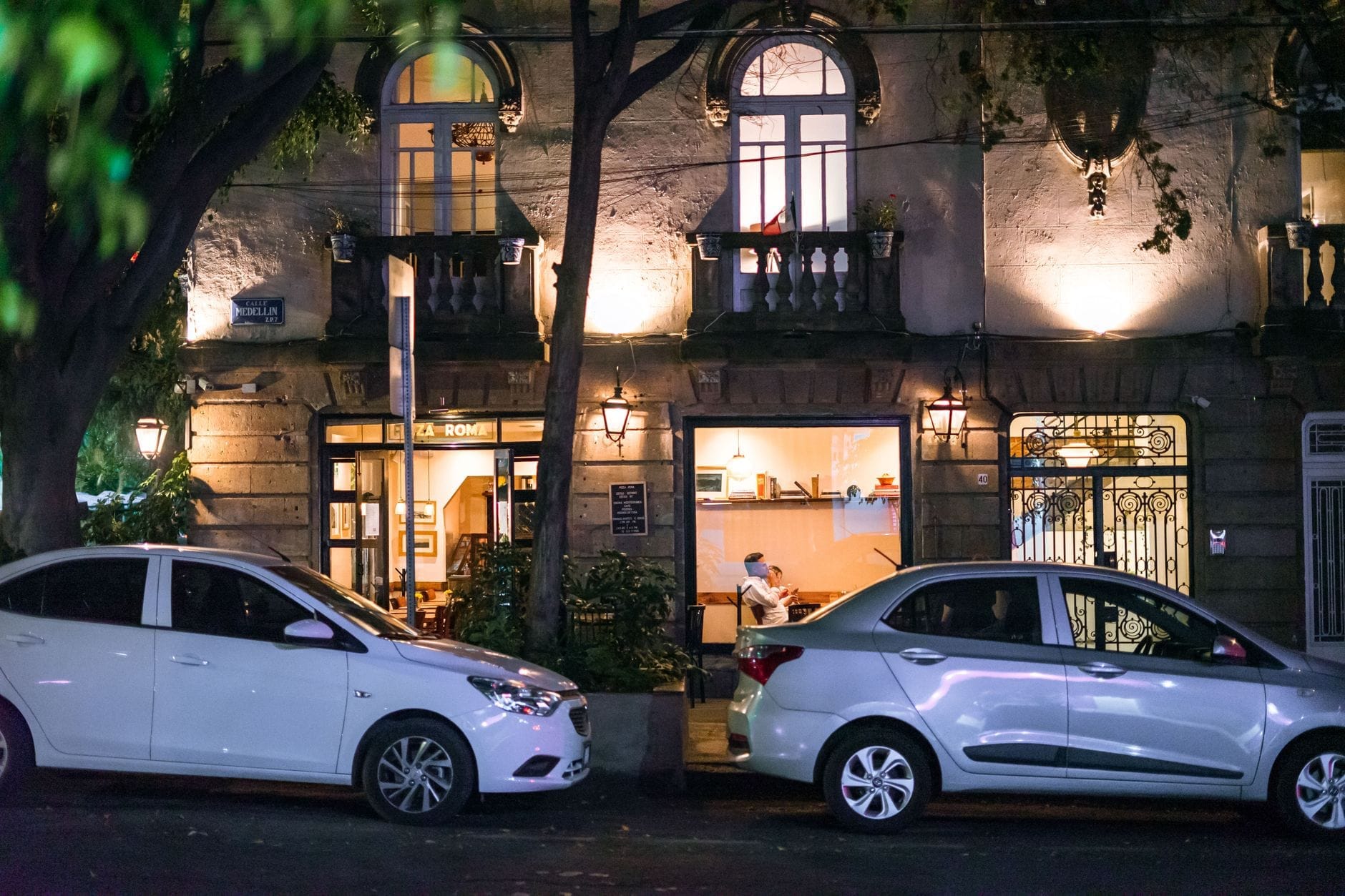
Connectivity is one of CDMX's clearest strengths. Fiber optic infrastructure covers most of the central neighborhoods, and providers like Telmex (Infinitum), Izzi, and Totalplay offer home plans in various tiers. Most furnished short-term rentals in Roma and Condesa include internet that comfortably handles video calls and large file transfers.
Dedicated coworking memberships typically run $150–$250/month for a hot desk at established spaces. Some coworking operators in Roma, Condesa, and Juárez offer day passes for around $15–25, which is useful if you're testing the city before committing. Dedicated desk and private office rates vary widely, so compare directly with individual operators.
Mexico City's café culture is good for working. Specialty coffee shops in Roma and Condesa tend to have strong WiFi, comfortable seating, and staff who don't mind long stays, especially during weekday morning hours. Expect to pay $2–4 for a coffee. The standard social contract is to order periodically — Mexican café culture is hospitable but not unlimited. Avoid arriving at peak weekend brunch hours if you need a power outlet and quiet.
✨ Pro tip
For coworking, look beyond the major branded chains. Smaller independent spaces in Juárez and Roma often have better community vibes, faster internet, and lower day rates. Many also host networking events specifically for the nomad and startup community, which are worth attending in your first week.
Cost of Living Breakdown
Mexico City can be lived in cheaply or expensively depending entirely on your choices. A nomad eating primarily at local spots, using the metro, and renting a room in a coliving can live comfortably on $1,500–$2,000/month. Someone renting a private 1-bedroom in Roma, eating at mid-range restaurants, and taking Ubers regularly can easily spend $2,500–$3,500/month. Both scenarios represent excellent value compared to equivalent quality of life in major US, European, or Australian cities.
- 1-bedroom apartment in Roma/Condesa (furnished, short-term): $900–$1,600/month
- Coliving or private room: $600–$1,000/month depending on location and amenities
- Coworking hot desk membership: $150–$250/month
- Metro ride: approximately $0.35 per trip
- Uber/Didi/Cabify ride across the neighborhood: $3–8
- Meal at a local comida corrida (set lunch): $4–7
- Meal at a mid-range restaurant in Roma: $12–25
- Specialty coffee: $2–4
- Groceries for one week (cooking at home): $40–70
- Gym membership: $30–60/month
Mexico City is also highly rewarding for those watching their budget. Street food is world-class and often costs $1–3 per item. The metro system is one of the best-value transit networks on the planet. For ideas on keeping costs low without sacrificing experience, the Mexico City budget travel guide covers free and low-cost options across the city.
Visa Rules and Long-Term Stays
This is the area where the most misinformation circulates, so clarity matters. Mexico does not have a dedicated digital nomad visa. What it does have is relatively generous tourist entry conditions and a Temporary Resident Visa pathway for longer stays.
Most nationalities, including citizens of the United States, Canada, the European Union, the United Kingdom, Japan, and others, can enter Mexico visa-free for tourism purposes for up to 180 days. That 180-day allowance is granted at the discretion of immigration officers and is not automatic — the officer at the border or airport stamps a number in your passport, and that is your legal limit. It is not renewable by doing a border run. Once your authorized stay expires, you are out of legal status.
For stays beyond tourist entry, the most relevant option is the Temporary Resident Visa (Residente Temporal). This visa can be issued for one to four years and allows you to live in Mexico without working for a Mexican employer. It requires demonstrating financial solvency through bank statements or investment income. Applications are processed at Mexican consulates in your home country before travel. Some nomads also explore the Temporary Resident Visa with Work Permit route if they have Mexican clients or employer ties, though rules and processing times vary.
⚠️ What to skip
Visa rules, financial solvency thresholds, and immigration policy in Mexico change. Always verify current requirements directly with Mexico's Instituto Nacional de Migración (INM) at gob.mx/inm or through a qualified immigration attorney before making plans based on any guide, including this one.
Practical Life in CDMX: Safety, Health, and Day-to-Day
Safety is the question every nomad asks, and the short answer is: it depends heavily on neighborhood and behavior. The areas most nomads frequent, specifically Roma, Condesa, Juárez, and Polanco, have a strong visible street presence and are generally low-risk for the kinds of crime that affect daily life. Petty theft exists, and phone snatching can occur, particularly in crowded metro stations. For a realistic, current picture, the guide to safety in Mexico City lays out what to watch for without overstating or minimizing the risks.
Tap water is not safe to drink directly. This is standard across Mexico, and CDMX is no exception. Most apartments and coliving spaces provide a garrafón (large purified water jug) that can be refilled or swapped cheaply. Restaurants use purified water for cooking, and bottled or purified water is available everywhere. Factor in the altitude: at 2,240 meters, new arrivals often experience altitude adjustment symptoms during the first few days, ranging from mild headaches to fatigue. Hydrate more than usual, avoid heavy meals initially, and ease into exercise.
Mexico uses Type A and Type B electrical outlets at 127V/60Hz, the same standard as the US and Canada. North American devices plug in directly with no adapters needed. European and other devices will need both an adapter and potentially a voltage converter, though most modern laptop chargers and phone adapters are dual-voltage.
Healthcare quality varies widely. Private hospitals and clinics in Roma, Condesa, and Polanco are generally well-equipped and significantly cheaper than equivalent care in the US or Western Europe. Many English-speaking doctors practice in these areas. Travel health insurance with emergency evacuation coverage is strongly recommended. Emergency services can be reached by dialing 911, Mexico's unified emergency number for police, fire, and ambulance. For solo travelers navigating the city independently, the solo travel guide to Mexico City covers additional practical safety and logistics considerations.
When to Base Yourself in Mexico City
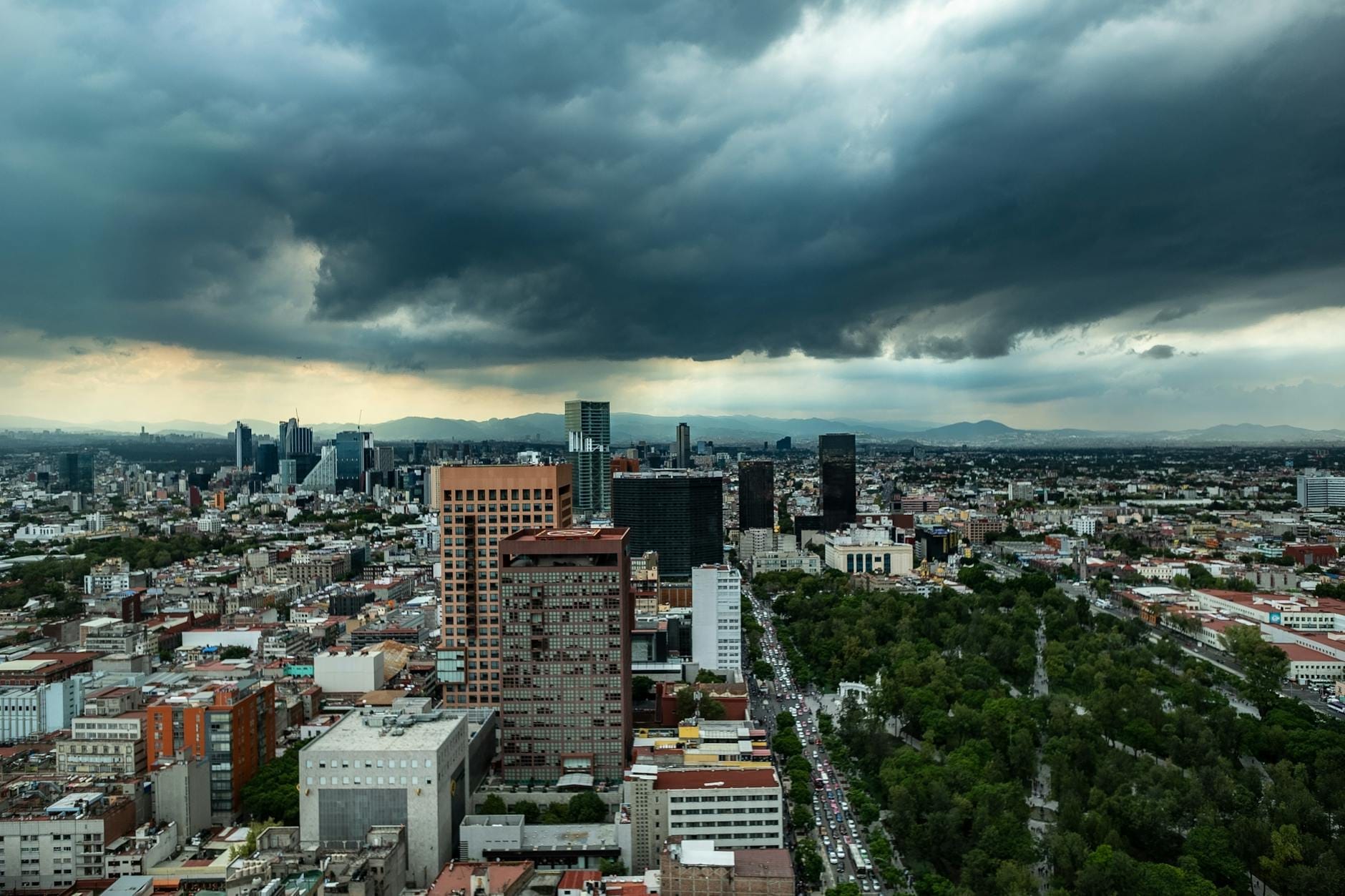
The city's climate divides into a dry season (roughly November to April) and a rainy season (May to October), with the wettest months being June through September. For nomads, the rainy season is not a dealbreaker. Rain typically arrives in the afternoon as short, heavy thunderstorms rather than all-day drizzle. Morning work sessions are usually unaffected.
The sweet spots are April to early June and September to November. Temperatures during these windows are warm without humidity peaks, crowds at popular sites are more manageable, and the city feels at its most livable. Late November through January brings cooler evenings (lows around 6–7°C), which some find uncomfortable without central heating, as older apartment buildings in Roma and Condesa are not always well-insulated against the chill.
If you're planning arrivals around major cultural events, Día de los Muertos in Mexico City (late October to early November) is one of the most significant and is worth experiencing. Book accommodation at least a month in advance for that period, as short-term rental prices spike.
FAQ
Is Mexico City good for digital nomads?
Yes, for several concrete reasons. Fast fiber internet (65 Mbps average at home, 200–500 Mbps at coworking spaces in central areas), North American time zone alignment, a mature coworking ecosystem, low daily costs compared to most major cities, and a 180-day tourist visa allowance for many nationalities make CDMX one of the most practical and affordable nomad bases in the world.
Does Mexico have a digital nomad visa?
No. Mexico does not have a formal digital nomad visa. Most nationalities can enter visa-free for up to 180 days under tourist status. For stays longer than what tourist entry permits, the Temporary Resident Visa (Residente Temporal), valid for one to four years, is the most relevant option. Always verify current requirements with Mexico's INM (gob.mx/inm) before making plans.
How much does it cost to live in Mexico City as a digital nomad?
A comfortable nomad lifestyle in Roma or Condesa typically costs $1,800–$2,800/month including rent, food, transport, and a coworking membership. Budget-conscious nomads sharing housing or eating mostly local food can live well on $1,200–$1,600/month. Polanco or a premium furnished apartment will push you above $3,000/month.
Which neighborhood in Mexico City is best for remote workers?
Roma Norte is the most popular for first-time nomads due to its café density, walkability, and social infrastructure. Condesa is quieter and similarly priced. Juárez offers slightly lower rents with good central access. Polanco suits higher budgets or those needing proximity to business-class amenities. Coyoacán is a slower-paced alternative in the south.
Is the internet reliable enough in Mexico City for remote work?
Yes, in the central neighborhoods. Fiber is widely available in Roma, Condesa, Juárez, and Polanco. Home connections average around 65 Mbps, and coworking spaces in these areas typically offer 200–500 Mbps. Power outages do occur but are generally short. Having a mobile data backup plan (a local SIM from Telcel or AT&T Mexico) is advisable for critical calls.
Tickets & tours
Live prices and dates from our booking partner. If you book, we may earn a commission at no extra cost to you.
Planning a trip? Discover personalized activities with the Nomado app.