Is Mexico City Safe for Tourists? An Honest, Neighborhood-by-Neighborhood Guide
Mexico City carries an outsized reputation for danger that doesn't match the reality most tourists experience. This guide breaks down official advisories, neighborhood safety, common crime patterns, and practical precautions so you can make an informed decision about visiting CDMX.
Tickets & tours
Live prices and dates from our booking partner. If you book, we may earn a commission at no extra cost to you.
TL;DR
- Mexico City is rated Level 2 (Exercise Increased Caution) by the U.S. Department of State, the same rating as France and the UK.
- Tourist-facing neighborhoods like Roma, Condesa, Polanco, Coyoacán, and Centro Histórico are considered safe for visitors who take standard urban precautions.
- Petty theft and pickpocketing are the primary risks for tourists; violent crime against visitors is comparatively rare in these areas.
- Use Uber, Didi, or hotel-booked taxis rather than unmarked street cabs, and stick to the Metro and Metrobús during daylight hours when possible.
- Avoid northern and eastern peripheral neighborhoods at night, never flag down taxis from the street, and don't drink tap water.
What the Official Safety Advisories Actually Say
The question of whether Mexico City is safe to visit rarely gets a straight answer because media coverage conflates the entire country of Mexico with its capital. The U.S. Department of State assigns Mexico City (CDMX) a Level 2 advisory, which means 'Exercise Increased Caution.' Critically, there are no specific restrictions placed on U.S. government employees traveling within the city. Level 2 is the same rating applied to France and the United Kingdom. It is not a warning to avoid travel; it is a signal to be aware of your surroundings.
The UK Foreign, Commonwealth & Development Office and the Government of Canada both advise travelers to exercise a high degree of caution in Mexico broadly, citing crime and kidnapping risk. However, their concerns are concentrated in specific states, particularly those with higher crime levels and security risks. Mexico City sits within its own federal entity (CDMX) and has a distinctly different risk profile from, say, Tamaulipas or Guerrero, which carry Level 4 (Do Not Travel) U.S. advisories. Lumping them together is not just inaccurate; it prevents travelers from making informed decisions.
ℹ️ Good to know
Mexico City became its own federal entity in 2016, separate from the State of Mexico (Estado de México). The city's official name is Ciudad de México, abbreviated CDMX. When checking travel advisories, confirm you are reading information specific to CDMX, not the surrounding State of Mexico, which has different security conditions.
Neighborhood Safety: Where Tourists Are Fine and Where to Be Careful
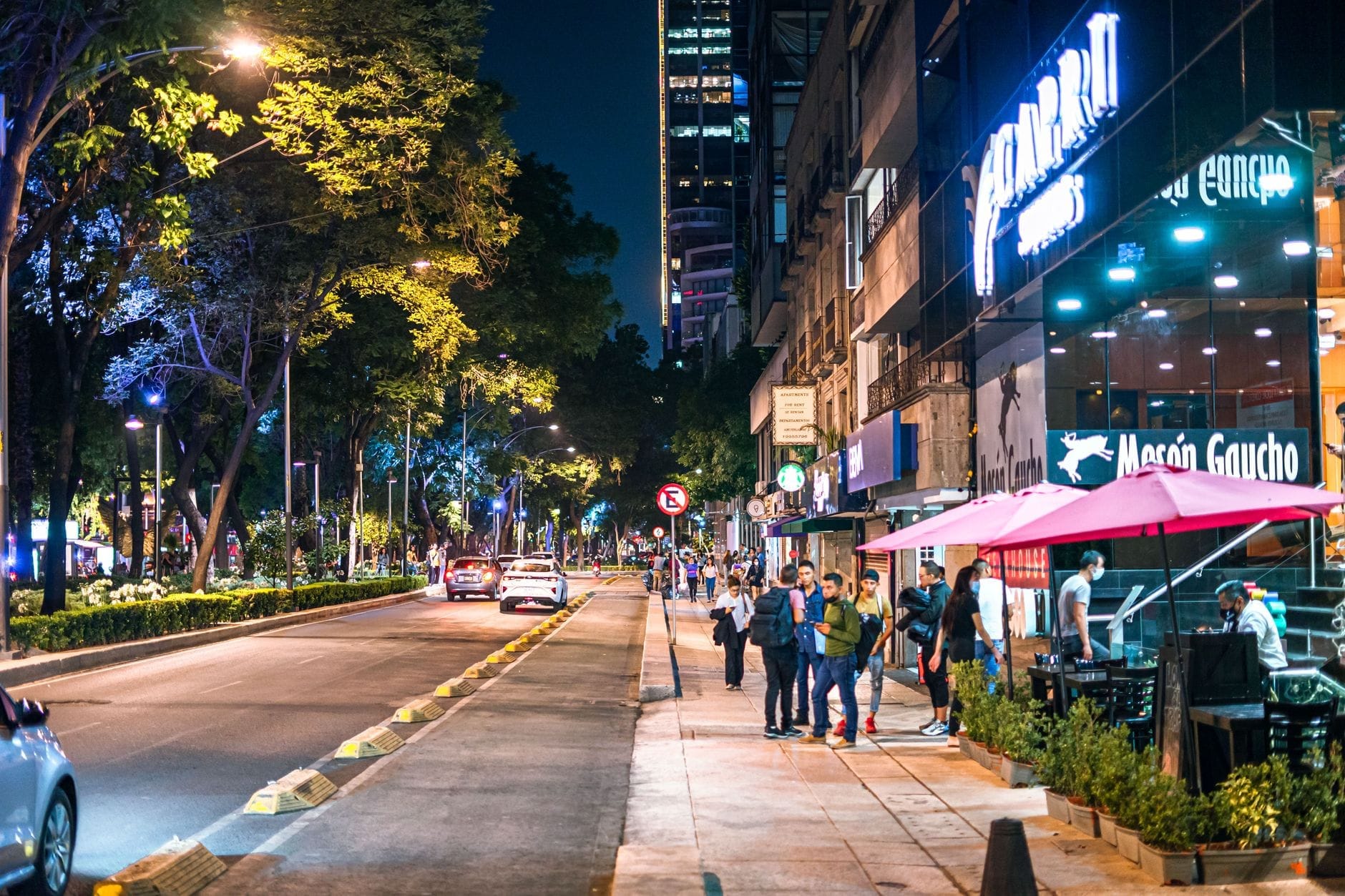
Safety in Mexico City is intensely geographic. The neighborhoods where the vast majority of tourists spend their time are among the most policed, most photographed, and most walkable districts in Latin America. Roma and Condesa are dense with restaurants, cafes, and independent shops; foot traffic is high throughout the day and well into the evening. Polanco is home to embassies, luxury hotels, and the city's highest concentration of internationally recognized restaurants. Police presence in these neighborhoods is consistent.
- Generally safe for tourists (daytime and evening) Roma Norte, Roma Sur, Condesa, Polanco, Coyoacán, Centro Histórico (main plazas and pedestrian zones), Reforma corridor, Zona Rosa, San Ángel, and Santa María la Ribera.
- Exercise extra caution, especially at night Tepito, Doctores, Guerrero, and neighborhoods north and east of the historic center. These areas are not tourist zones and most visitors have no reason to go there.
- Peripheral areas requiring awareness Areas north of Cerro de la Estrella National Park, including El Molino, Estrella del Sur, and Ricardo Flores Magón, are specifically flagged in travel advisories as less suitable for tourists.
Centro Histórico deserves a separate note. During the day, the streets around the Zócalo, Calle Madero, and Alameda Central are packed with locals, tourists, street vendors, and transit police. This density actually helps with safety. After around 10 PM, foot traffic drops significantly on side streets, and common sense applies: stick to lit main streets and use a ride-hailing app rather than walking long distances to your accommodation.
The Real Crime Patterns Tourists Face
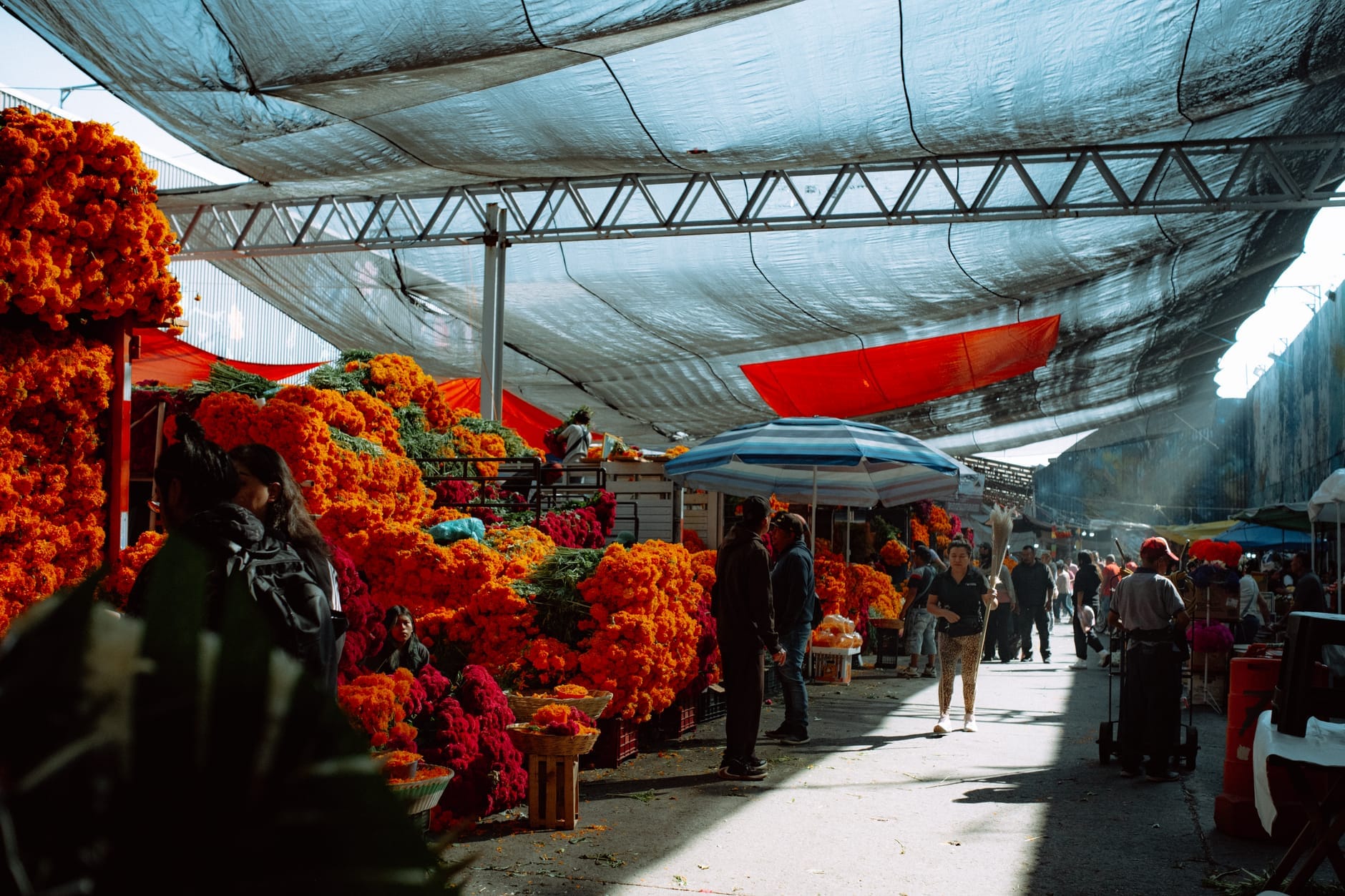
Petty theft is the dominant risk for visitors to Mexico City. Pickpocketing happens on the Metro, in markets, and on busy pedestrian streets. Bag snatching from café terraces occurs occasionally in Roma and Condesa, where tourists sit with laptops and phones on outdoor tables. These are urban problems familiar to anyone who has traveled through Barcelona, Naples, or Bangkok.
Express kidnapping (secuestro exprés) received significant coverage in the early 2000s and contributed to the city's dangerous reputation. The mechanism typically involved victims hailing unregistered taxis. This is a real risk that still exists but is largely avoidable: the consistent advice from every credible source is to use Uber, Didi, Cabify, or taxis booked through your hotel or restaurant. Do not flag down a taxi from the street, particularly at night. This single precaution eliminates most of the serious risk associated with transport.
⚠️ What to skip
Never hail an unmarked or unofficial taxi from the street in Mexico City, especially after dark. Use Uber, Didi, or Cabify when possible. At the airport, only use the pre-paid authorized taxi service from the official booths inside the terminal. This is the most consistently cited safety precaution from every major travel advisory.
Violent crime against tourists in the main visitor neighborhoods is uncommon. Cartel activity, which drives headlines about Mexico's national crime statistics, is largely absent from tourist areas of CDMX and is concentrated in specific states and corridors far from the capital. That distinction matters. The 2023 kidnapping of U.S. citizens occurred in Tamaulipas, which carries a Do Not Travel advisory, not in Mexico City.
Transport Safety: Getting Around Without Unnecessary Risk
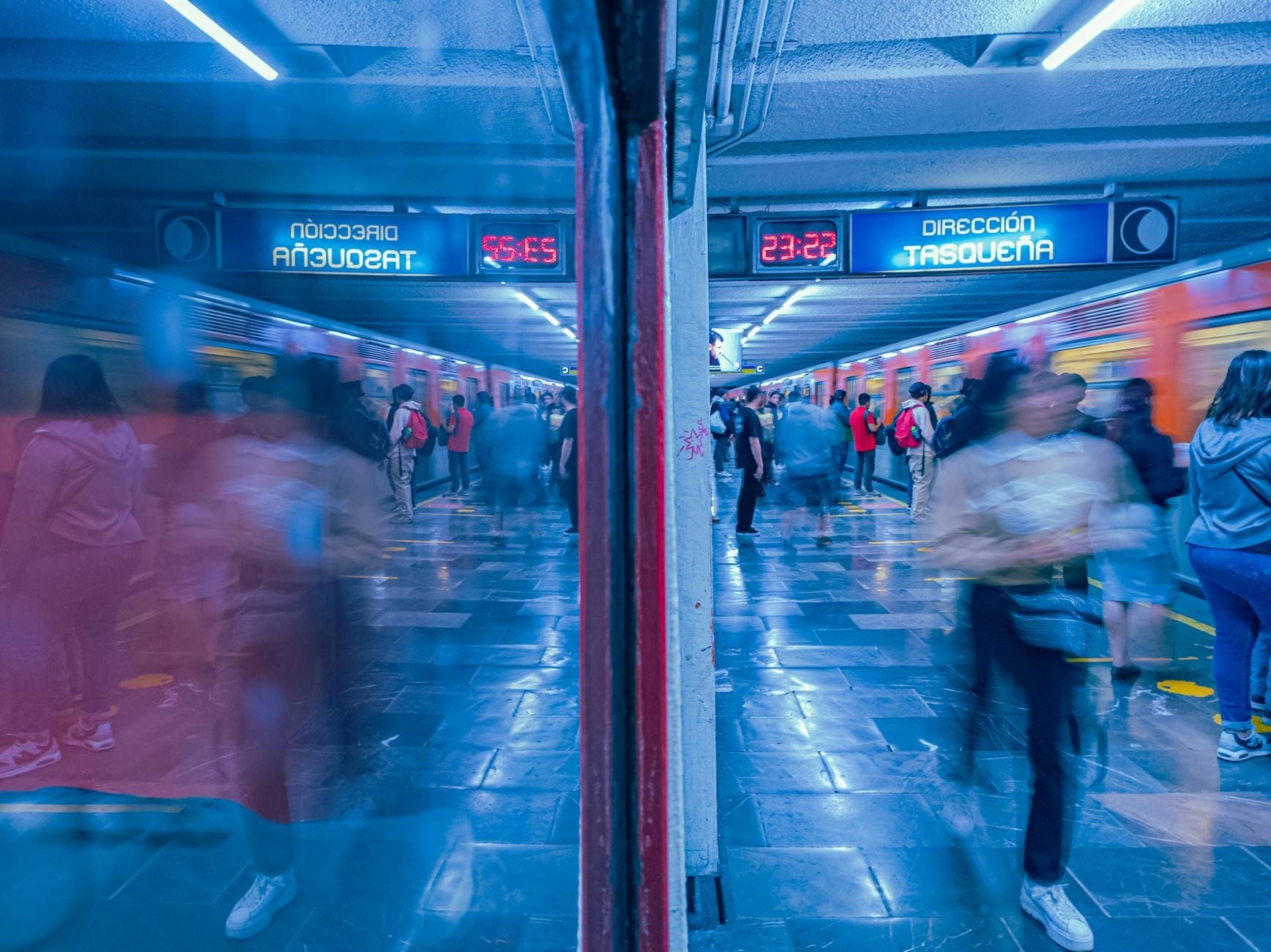
Mexico City's public transport network is one of the most extensive in the Western Hemisphere. The Metro covers 12 lines and 195 stations. The Metrobús BRT system runs along major corridors. Both are cheap and efficient. They are also crowded during peak hours, which creates pickpocket opportunities. Carry only what you need, use a front-facing bag or money belt for valuables, and be conscious of your phone if you're using it for navigation. A more detailed breakdown of routes and cards is in the guide to getting around Mexico City.
- Use Uber, Didi, or Cabify for any journey after 10 PM or in unfamiliar areas.
- At Mexico City International Airport (MEX, Benito Juárez), use only the pre-paid official taxi booths inside the terminal, or book Uber/Didi from the designated app pickup zones.
- The Metro's Line 5 connects Terminal Aérea station near Terminal 1 to the city center; it's fine during the day but requires awareness of your belongings.
- Felipe Ángeles International Airport (NLU) is over 40 km from central CDMX; plan transport in advance, as options are more limited than at MEX.
- Walking is safe in Roma, Condesa, Polanco, and Coyoacán during the day. Avoid walking alone on poorly lit side streets after midnight anywhere in the city.
Practical Precautions That Make a Genuine Difference
Most advice about Mexico City safety is either too vague ('be careful') or too alarmist ('don't go'). The following precautions are specific, actionable, and based on the actual risks tourists face.
- Drink only bottled or purified water. Tap water in Mexico City is generally not considered safe for drinking. Hotels and restaurants typically provide purified water, but verify before consuming.
- Keep a low profile with electronics. Using an expensive camera or phone openly in crowded markets or on the Metro draws attention. Be conscious of when and where you take it out.
- Carry small amounts of cash. Use ATMs inside banks or shopping malls rather than standalone street machines, particularly at night.
- Learn basic Spanish phrases. English proficiency varies widely by neighborhood. In Roma and Polanco it's more common; in markets and on public transit, less so. Even basic Spanish reduces friction significantly.
- Stay in the tourist districts, particularly for a first visit. Centro Histórico, Roma, Condesa, and Polanco cover an enormous amount of what makes CDMX worth visiting.
- Share your itinerary. Standard travel advice that actually applies: let someone know where you're going, use location sharing with a contact, and save the local emergency number (911 in Mexico) in your phone.
- Avoid large political demonstrations. Marches and protests occur regularly in CDMX, often converging on the Zócalo and Reforma. They are generally peaceful but can disrupt transport and occasionally escalate.
✨ Pro tip
Download Uber and Didi before you leave home and set up payment with an international card. Having both apps means you have a backup if one has a surge or limited availability. This is particularly useful at the airport and late at night in less-covered neighborhoods.
Timing, Seasons, and When Risk Changes
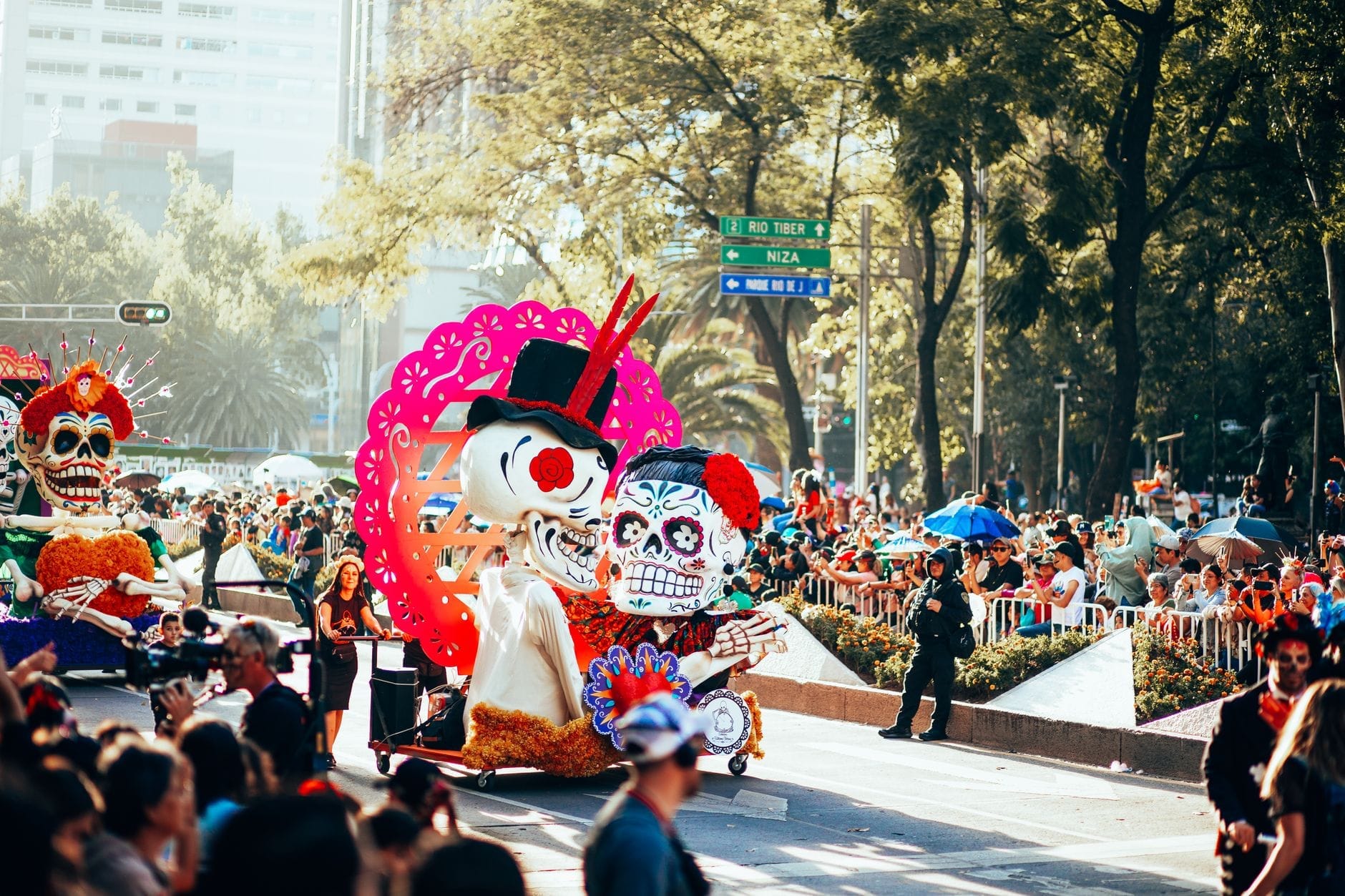
Crowd levels and timing affect safety in practical ways. Major events like Day of the Dead celebrations in late October and early November bring enormous crowds to the city, particularly around Coyoacán and the Zócalo. Higher crowds mean higher pickpocket activity; they also mean significantly more police on the streets. Net effect: stay aware of your pockets, enjoy the event.
Crime risk is consistently higher at night and in lower-light conditions, regardless of neighborhood. This is not unique to Mexico City; it applies to most major urban centers. The practical implication is straightforward: plan evening activities in known areas, book transport home in advance, and avoid wandering unfamiliar streets after midnight. Solo travelers, particularly women, should be more conservative about late-night movements in areas outside the main tourist zones. The solo travel guide covers this in more depth.
For first-time visitors, the 3-day Mexico City itinerary concentrates activity in the safest and most rewarding neighborhoods. If your time is limited, staying in Roma, Condesa, or Polanco and using Uber for evening transport is a risk profile most international travelers will find entirely manageable.
💡 Local tip
February through April is widely considered the most comfortable time to visit Mexico City: dry season conditions, warmer daytime temperatures around 22-27°C, and fewer weather disruptions to outdoor plans. Tourist crowds are lower than peak holiday periods, which also reduces pickpocket risk in markets and on public transit.
FAQ
Is Mexico City safe for solo female travelers?
Solo female travelers visit Mexico City in significant numbers and the experience varies widely by neighborhood and behavior. Roma, Condesa, Polanco, and Coyoacán are considered manageable for solo women during the day and evening. Common sense precautions apply: use Uber rather than street taxis at night, avoid walking alone on empty streets after midnight, and be aware that street harassment (piropo culture) exists and can be persistent in some areas. Mexico City has an active feminist scene and women-only Metro carriages operate during rush hours. It is not an effortless destination for solo women, but it is far from the most difficult.
Is the Mexico City Metro safe?
The Metro is safe from a violence perspective during normal hours, but it is a well-known location for pickpocketing, particularly on busy lines during rush hours (7-9 AM and 6-8 PM). Keep bags in front of you, don't use your phone openly, and avoid pressing into extremely crowded carriages. Women-only carriages are available on designated cars during peak hours. At off-peak times during the day, the Metro is a practical and affordable way to cross the city.
Which neighborhoods in Mexico City should tourists avoid?
Tourists have little reason to visit Tepito, Doctores, Guerrero, or the northern and eastern peripheral neighborhoods beyond the tourist circuit. These areas are not destinations in themselves and have higher crime rates than the central visitor zones. Areas specifically flagged in advisories include neighborhoods north of Cerro de la Estrella National Park such as El Molino and Estrella del Sur. If you're unsure about a specific area, check recent traveler reports and avoid it after dark.
Is Mexico City more dangerous than other major cities?
Mexico City's Level 2 U.S. advisory is the same rating as France, Germany, and the UK. Its tourist neighborhoods are comparable in safety to central areas of major South American capitals like Buenos Aires or Bogotá (which has also significantly improved). The city's reputation for danger is partly inherited from Mexico's national crime statistics, which are driven by specific states with cartel activity that Mexico City does not share. By the metrics that matter to tourists in tourist neighborhoods, CDMX is a manageable urban destination, not an exceptional risk.
What should I do in an emergency in Mexico City?
Mexico uses 911 as the unified emergency number for police, fire, and ambulance. Save it before you arrive. The international country code for Mexico is +52. Your hotel's front desk is often the fastest practical resource for local assistance, including recommending trusted medical facilities or contacting your embassy. The U.S. Embassy in Mexico City is located in Colonia Cuauhtémoc; other embassies are concentrated in Polanco and the Reforma corridor.
Tickets & tours
Live prices and dates from our booking partner. If you book, we may earn a commission at no extra cost to you.
Planning a trip? Discover personalized activities with the Nomado app.