Day of the Dead in Mexico City: The Definitive Guide to Día de Muertos in CDMX
Mexico City transforms every late October and early November into one of the world's great cultural spectacles. This guide covers the grand parade, neighborhood celebrations, ofrenda traditions, and everything practical you need to experience Día de Muertos properly.
Tickets & tours
Live prices and dates from our booking partner. If you book, we may earn a commission at no extra cost to you.
TL;DR
- Day of the Dead (Día de Muertos) is observed October 28 through November 2, with the biggest public events concentrated on November 1–2.
- The Grand Parade runs from Bosque de Chapultepec along Paseo de la Reforma to the Zócalo and is free to attend — no tickets needed.
- This is not Mexican Halloween: the mood is celebratory, the traditions run deep, and the cultural context matters if you want to experience it respectfully.
- Book accommodation at least 6–8 weeks in advance — hotel prices spike sharply around November 1–2.
- The best neighborhood experiences happen in Coyoacán and the Centro Histórico, where community altars and cemetery vigils feel authentic rather than performative.
What Day of the Dead Is (and Isn't)
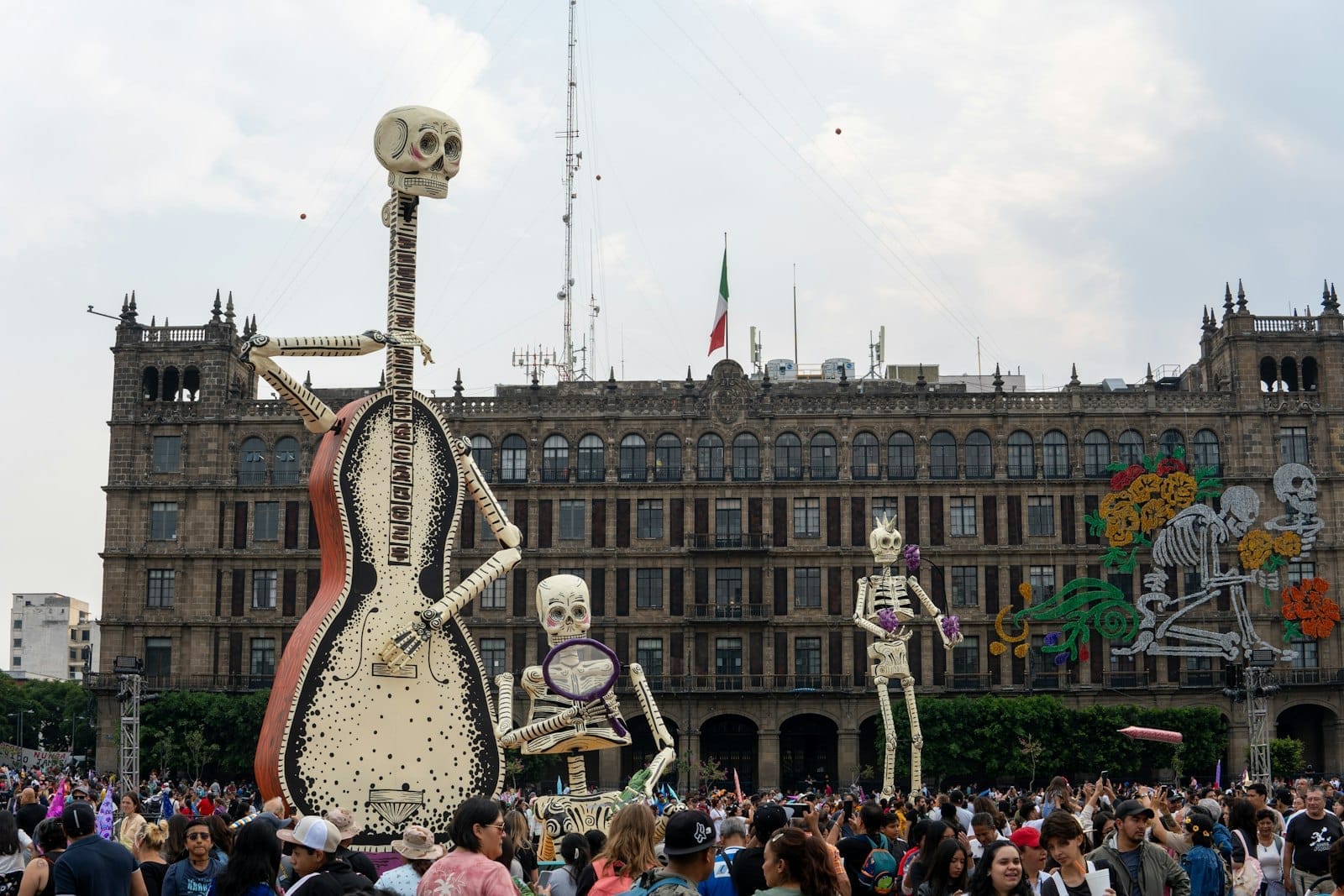
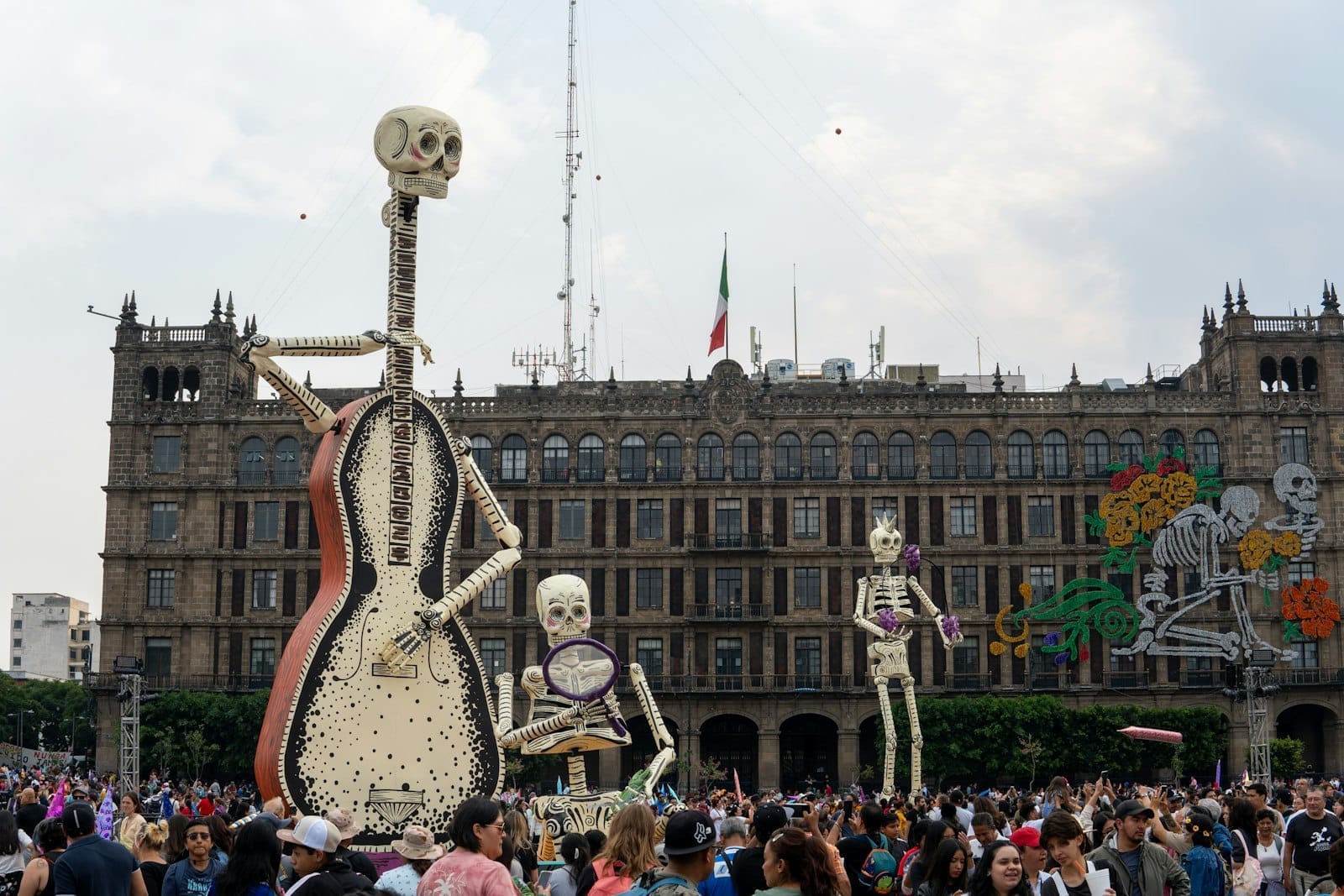
Día de Muertos is one of the most misrepresented celebrations that travelers encounter. It is not a Mexican version of Halloween, and the proximity of dates is largely coincidental. The holiday blends pre-Hispanic Indigenous traditions, particularly from Nahua and other Mesoamerican cultures, with Catholic observances of All Saints' Day (November 1) and All Souls' Day (November 2), creating something distinct from either origin.
The core belief is that during this period, the spirits of deceased loved ones can return to the world of the living. Rather than mourning, families welcome them back with altars loaded with the things they loved: favorite foods, drinks, photographs, personal objects. The mood is deliberately joyful. Grief and celebration are not opposites here — they coexist, and that emotional complexity is what makes witnessing a genuine Día de Muertos observance so moving.
ℹ️ Good to know
The culturally precise Spanish name is 'Día de Muertos,' not 'Día de los Muertos.' Both are widely used and understood, but the shorter form is considered more accurate and is preferred in Mexico itself.
The broader observance period runs October 28 through November 2, with different days assigned to different categories of spirits in traditional practice. November 1 (Día de Todos los Santos) is associated with children who have died, while November 2 (Día de Muertos) honors adults. In Mexico City, the large public events compress mostly into November 1–2, but neighborhood altars and decorations go up in the final week of October.
The Grand Parade: What to Expect and Where to Stand
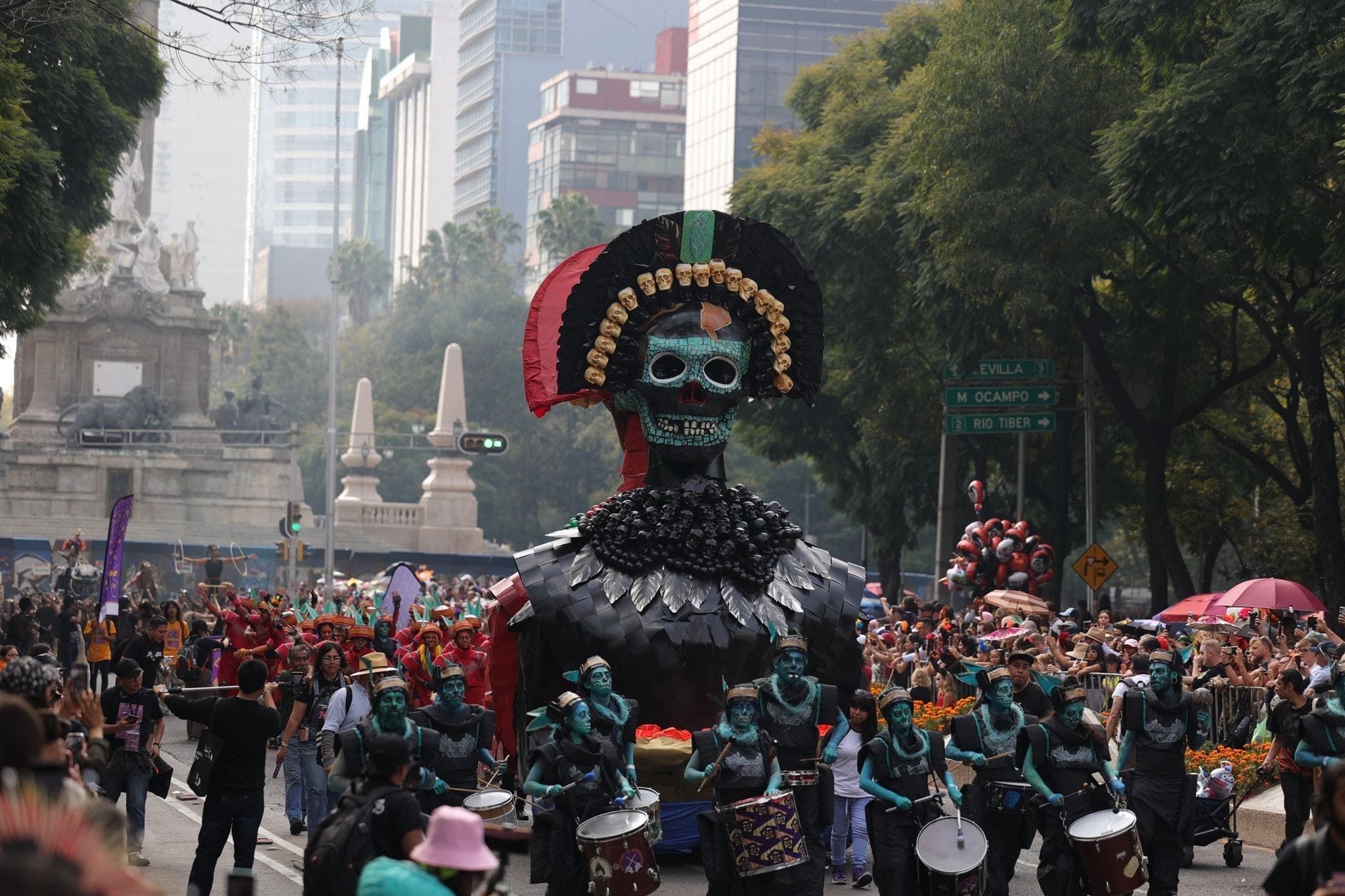
The Mexico City Día de Muertos parade is a relatively recent invention, which surprises many visitors. It was created in direct response to the fictional parade sequence in the 2015 James Bond film Spectre, and the first real parade was held in 2016. What began as a tourism initiative has grown into one of the largest annual events in Latin America, drawing hundreds of thousands of spectators. The route runs from Bosque de Chapultepec along Paseo de la Reforma, continues down Avenida Juárez, and terminates at the Zócalo.
For 2026, the Grand Parade is expected to take place around late October or early November, with dates and times announced closer to the event. Exact start times and security logistics are published closer to the date on Mexico City's official tourism portal and the CDMX government website — check both in October before you travel. The parade itself features enormous decorated floats, marching bands, performers in elaborate catrina costumes, and stilt walkers. It is especially spectacular and often crowded.
- Best free viewing spots The stretch of Reforma between Glorieta de la Palma and Glorieta de Colón offers wide sidewalks and good sightlines. Arrive at least 2 hours early for a front-row position.
- Paid viewing stands Private tour operators sell ticketed grandstand access along the route. Prices vary widely — compare several providers and read reviews before booking. The parade is free, so pay only if you want guaranteed seating.
- Avoid the Zócalo end late in the evening The convergence of the parade crowd with the existing Zócalo crowd creates serious congestion after dark. If you have children or mobility concerns, exit the route before the parade reaches the historic center.
- Metro strategy Chapultepec, Sevilla, and Insurgentes Metro stations on Line 1 give easy access to the Reforma corridor. Avoid driving anywhere near the route — roads are closed hours before the parade starts.
⚠️ What to skip
Pickpocketing increases significantly during the parade. Keep phones and wallets in front pockets or a zipped bag worn on your chest. Avoid pulling out expensive camera equipment in densely packed sections of the crowd.
Neighborhood Celebrations Beyond the Parade
The parade is the most visible event, but it is not where you will find the most culturally meaningful Día de Muertos experiences. For that, head to the neighborhoods. Coyoacán is consistently the strongest choice: its colonial plazas fill with community altars, marigold installations, and food stalls selling pan de muerto and traditional atole. The Mercado de Coyoacán is particularly atmospheric, decorated heavily in the days leading up to November 2.
The Centro Histórico hosts large public ofrenda installations around the Zócalo and inside the Metropolitan Cathedral complex. The Templo Mayor archaeological site sometimes hosts special nighttime events and exhibitions during this period — check their official schedule in October.
Xochimilco deserves its own mention. The trajineras (colorful canal boats) operate decorated night trips on November 1–2, and the combination of candlelit altars along the canal banks and marigold petals floating on the water is striking. It is also often crowded and increasingly commercialized — go for the atmosphere, but set expectations accordingly. Book your boat in advance through the official embarcaderos rather than from touts on the street. See our full guide to Xochimilco trajineras for logistics.
Ofrenda Traditions and What You'll See on Altars
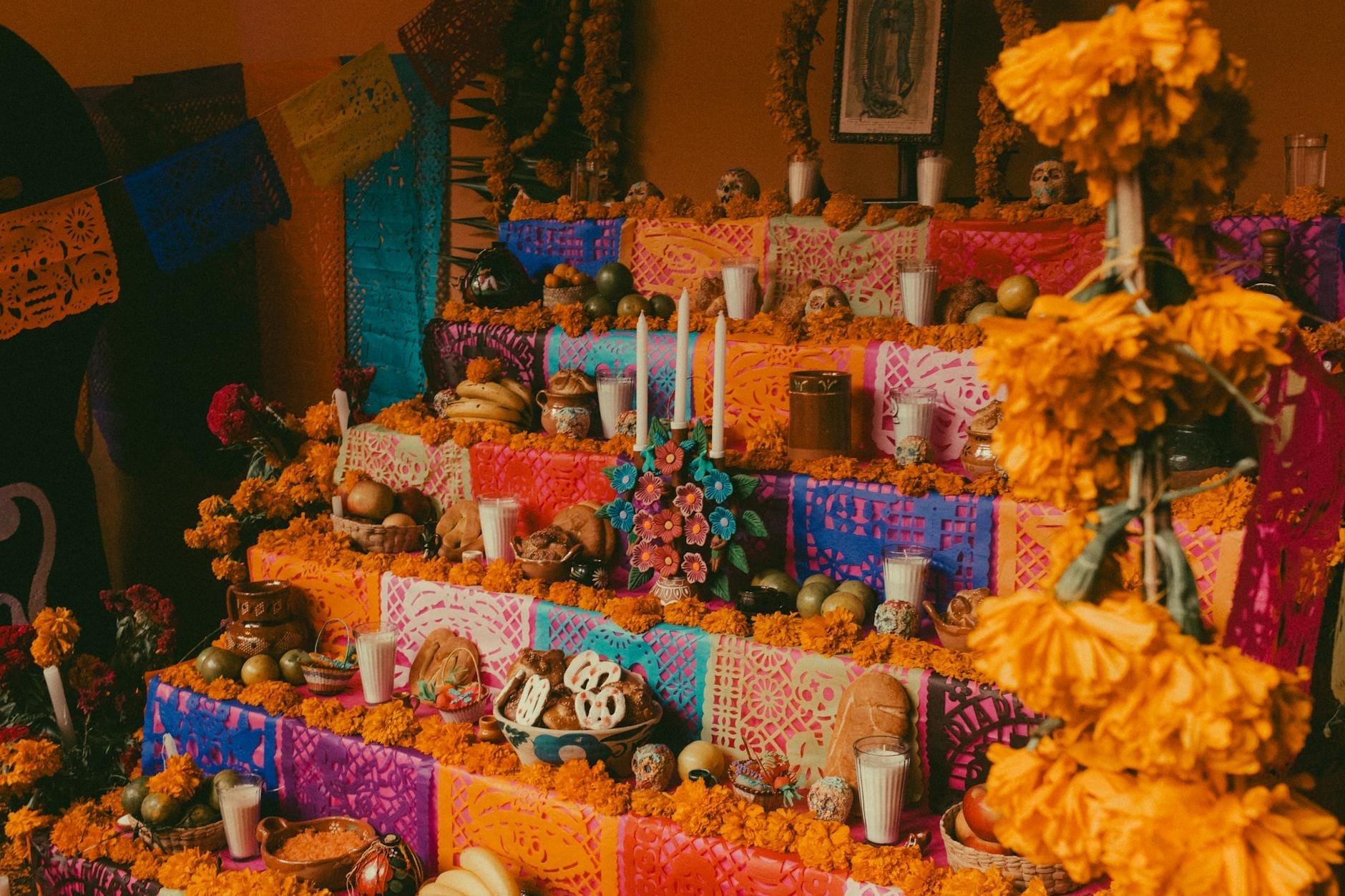
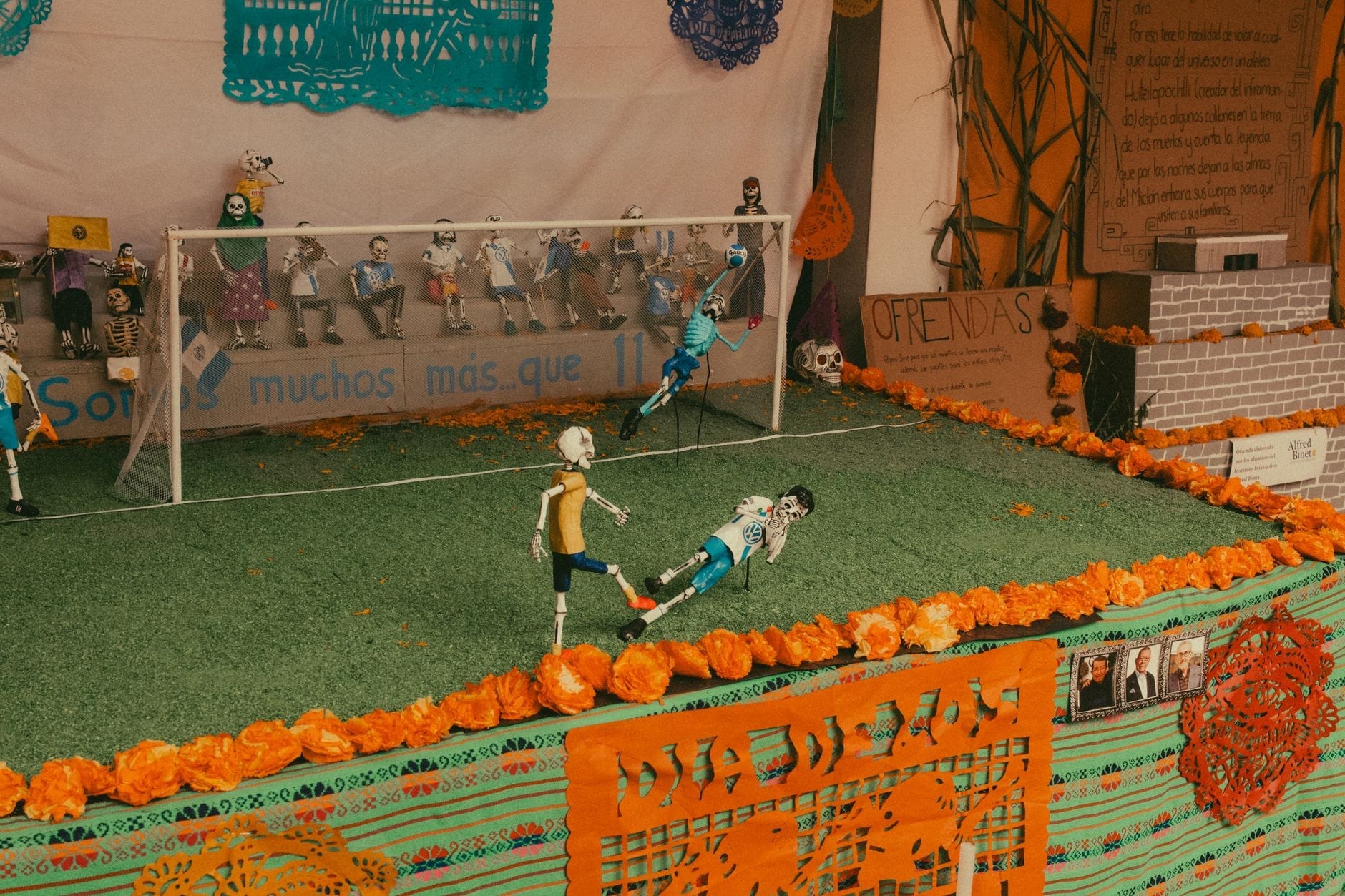
Ofrendas are the heart of Día de Muertos. These altars are built in homes, churches, markets, museums, and public plazas throughout the city. A traditional ofrenda is layered with specific meaning: multiple tiers represent different planes of existence, marigold (cempasúchil) petals create a scent path to guide spirits home, candles provide light for the journey, and a glass of water refreshes the dead after their long return trip.
Beyond the symbolic elements, ofrendas are deeply personal. Photographs of the deceased sit alongside their favorite meals, bottles of mezcal or beer, cigarettes, or whatever gave them pleasure in life. Pan de muerto, a sweet egg bread decorated with bone-shaped dough pieces, appears on almost every altar. Sugar skulls (calaveritas de azúcar), often inscribed with names, serve as both offerings and decorations.
- Cempasúchil (Mexican marigold): the defining flower of the holiday, present on every altar and street display
- Pan de muerto: buy it fresh from panaderías in the final week of October — quality drops significantly at tourist-facing stalls
- Copal incense: the smoke is believed to carry prayers upward and help spirits navigate
- Personal photographs: always the centerpiece of a home altar
- Salt and water: purification and refreshment for returning spirits
- Papel picado: intricately cut tissue paper banners in purple and black, hung above altars
💡 Local tip
Major museums set up elaborate public ofrendas during this period. The Museo Nacional de Antropología, Museo Franz Mayer, and Museo Mural Diego Rivera all typically host installations that are worth visiting and are generally included in standard admission. Check each museum's official site for their specific programming in late October.
Practical Planning: Timing, Crowds, and Where to Stay
Mexico City in late October sits at the start of the dry season. Temperatures in the evenings often drop to around 9–12°C (48–54°F), so layers are essential if you plan to be outside after dark for parade viewing or cemetery visits. Afternoons are mild and pleasant, usually around 20–22°C.
Accommodation fills up fast. The areas closest to the parade route and main celebrations are Roma and Condesa for mid-range and boutique options, and Polanco for upscale hotels. Centro Histórico puts you close to the Zócalo events but the neighborhood quiets down (and some streets close) during the parade. Book at least 6–8 weeks out. Prices for November 1–2 nights can run 40–80% above standard rates.
The parade causes road closures across a significant portion of central CDMX from midday onward on the day it is held. Plan any cross-city movement for the morning of November 1 or use the Metro system exclusively. The Metro runs late on major holiday evenings, but carriages become extremely crowded in the hours after the parade ends. If you are staying in Roma or Condesa, walking back from the Reforma corridor is a reasonable option.
- Best neighborhoods to stay Roma Norte and Condesa for walkability and restaurant access; Polanco for comfort and proximity to Chapultepec
- Book early November 1–2 hotels sell out months in advance at major properties; hostels and smaller guesthouses sometimes have more flexibility
- Guided tours Guided experiences range from cemetery night visits to ofrenda workshops — compare options on major booking platforms, reading reviews carefully for group size and cultural depth
- Dress code Catrina makeup and costumes are common among locals and welcome for visitors who want to participate — face painting stalls are set up along Reforma and in Coyoacán in the days before November 1
Common Tourist Traps and Important Caveats
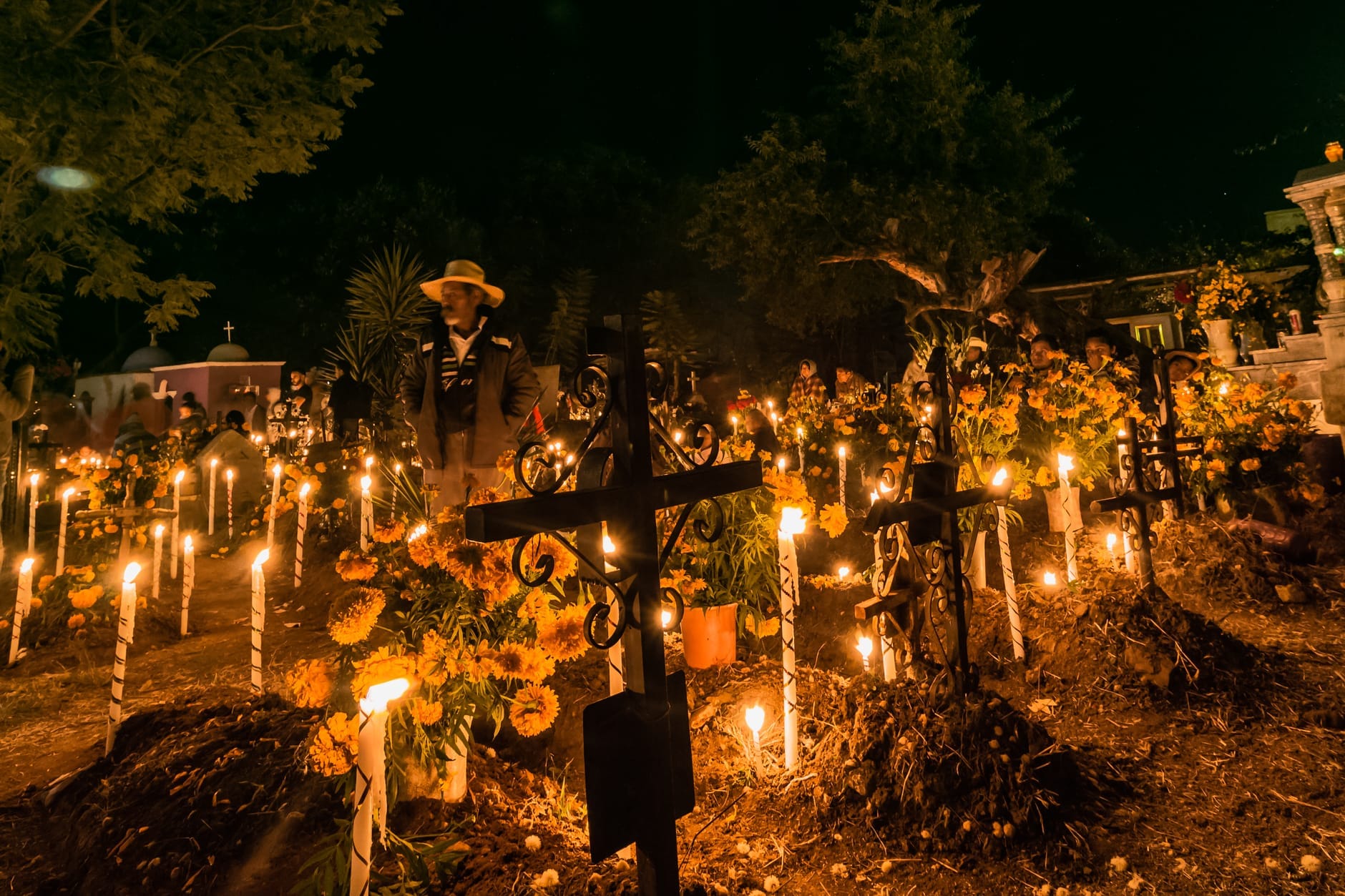
The parade is fantastic, but it has also accelerated the commercialization of Día de Muertos in CDMX. Some of the 'authentic' cemetery experiences marketed to tourists are essentially staged for groups rather than genuine family observances. If you want to see real cemetery vigils, Mixquic (a town within Mexico City's territory) holds one of the most documented traditional observances in the region — it draws its own crowds but the community participation is genuine. Research the current situation before going, as visitor management has changed in recent years.
Skip overpriced Day of the Dead packages sold by hotel concierges that amount to a shuttle to the parade and back. The parade is free and the Metro gets you there. Spend that budget instead on a quality dinner in Roma or Condesa after the parade, or on a well-reviewed guided cultural tour that includes a visit to a family altar by invitation. Those experiences exist and they are worth paying for.
✨ Pro tip
If you want street food during the festivities, Coyoacán's market area and the streets around the Zócalo are the best bets for traditional Día de Muertos foods: pan de muerto, tamales, atole, and seasonal mole dishes. Avoid food stalls that have set up specifically for tourists along Reforma — pricing is higher and quality is inconsistent.
FAQ
Is the Day of the Dead parade in Mexico City free?
Yes, the Grand Parade is free to attend. You simply need to find a spot along the route — from Bosque de Chapultepec along Paseo de la Reforma to the Zócalo. Some private tour operators sell ticketed grandstand seating for better viewing positions, but the event itself requires no ticket.
When exactly does Day of the Dead happen in Mexico City?
The full observance period runs October 28 through November 2, with major public events concentrated on November 1–2. The Grand Parade is usually held in late October or early November, with the exact date varying each year. Decorations and neighborhood altars typically appear in the final week of October. For 2026, verify exact times on the official CDMX government portal as dates are confirmed.
Is Day of the Dead in Mexico City appropriate for children?
Yes, generally. The holiday is celebratory rather than frightening, and the imagery — colorful altars, marigolds, catrina costumes — is visually engaging for children. The parade crowds can be overwhelming for young kids, so plan your viewing spot carefully and have an exit strategy. Cemetery visits late at night are less suitable for very young children.
How is Day of the Dead different from Halloween?
They share proximity on the calendar but almost nothing else. Halloween is rooted in Celtic and later Christian traditions centered on warding off evil spirits. Día de Muertos is a Mexican tradition focused on welcoming and celebrating deceased loved ones, with Indigenous Mesoamerican roots layered with Catholic influence. The tone is joyful rather than frightening, and the ritual elements — ofrendas, cempasúchil, pan de muerto — have specific spiritual significance.
What should I wear to the Day of the Dead parade in Mexico City?
Wear comfortable shoes — you will be standing for hours. Dress in layers: afternoons are mild (around 20°C) but evenings drop to 10–13°C. Catrina makeup and skeleton costumes are widely worn by locals and visitors alike and are welcomed as participation rather than appropriation, provided they are done respectfully. Face-painting stalls operate along Reforma and in Coyoacán in the days before November 1.
Tickets & tours
Live prices and dates from our booking partner. If you book, we may earn a commission at no extra cost to you.
Planning a trip? Discover personalized activities with the Nomado app.