Mexico City Solo Travel Guide: Everything You Need to Know
Solo travel in Mexico City (CDMX) is more straightforward than most people expect. This guide covers the best neighborhoods to base yourself, how to get around on a budget, which attractions to prioritize, and straightforward safety advice so you can make the most of one of the world's great capitals.
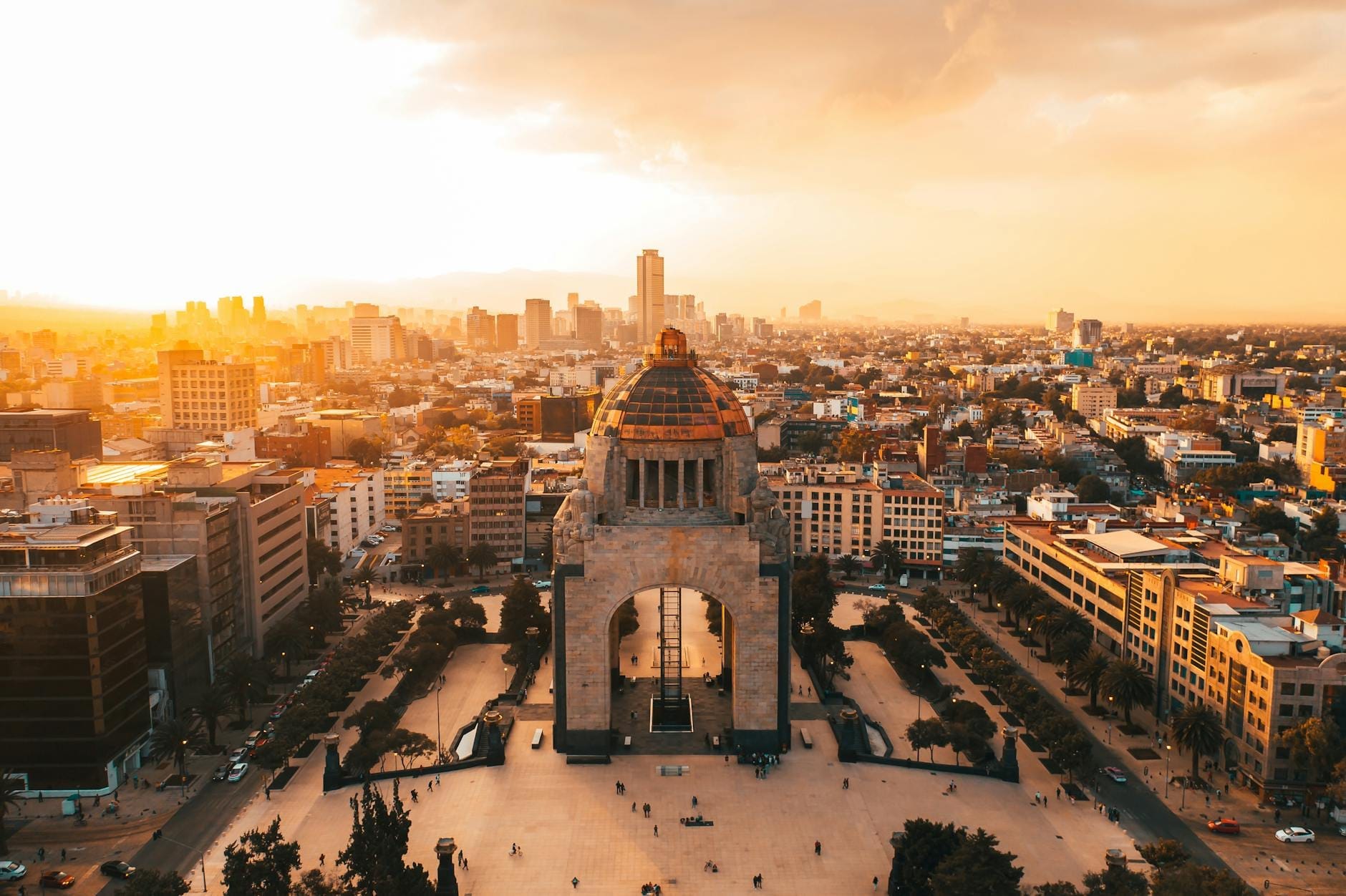
Tickets & tours
Live prices and dates from our booking partner. If you book, we may earn a commission at no extra cost to you.
TL;DR
- Mexico City is one of Latin America's most rewarding solo destinations, particularly in Roma Norte, Condesa, Polanco, and Coyoacán where walkability and transit connections are excellent.
- The dry season (November to April) is the best time to visit: cooler temps, less rain, and better air quality. See our best time to visit Mexico City guide for a full monthly breakdown.
- Altitude hits hard on arrival: the city sits at 2,240 m (7,350 ft), so expect mild fatigue or shortness of breath for the first 24–48 hours.
- Book the Frida Kahlo Museum (Casa Azul) weeks in advance online — timed tickets sell out fast.
- The Metro and Metrobús cover most neighborhoods cheaply. Uber is also reliable and typically costs around US$5–7 per ride. Full details in our getting around Mexico City guide.
Is Mexico City Safe for Solo Travelers?
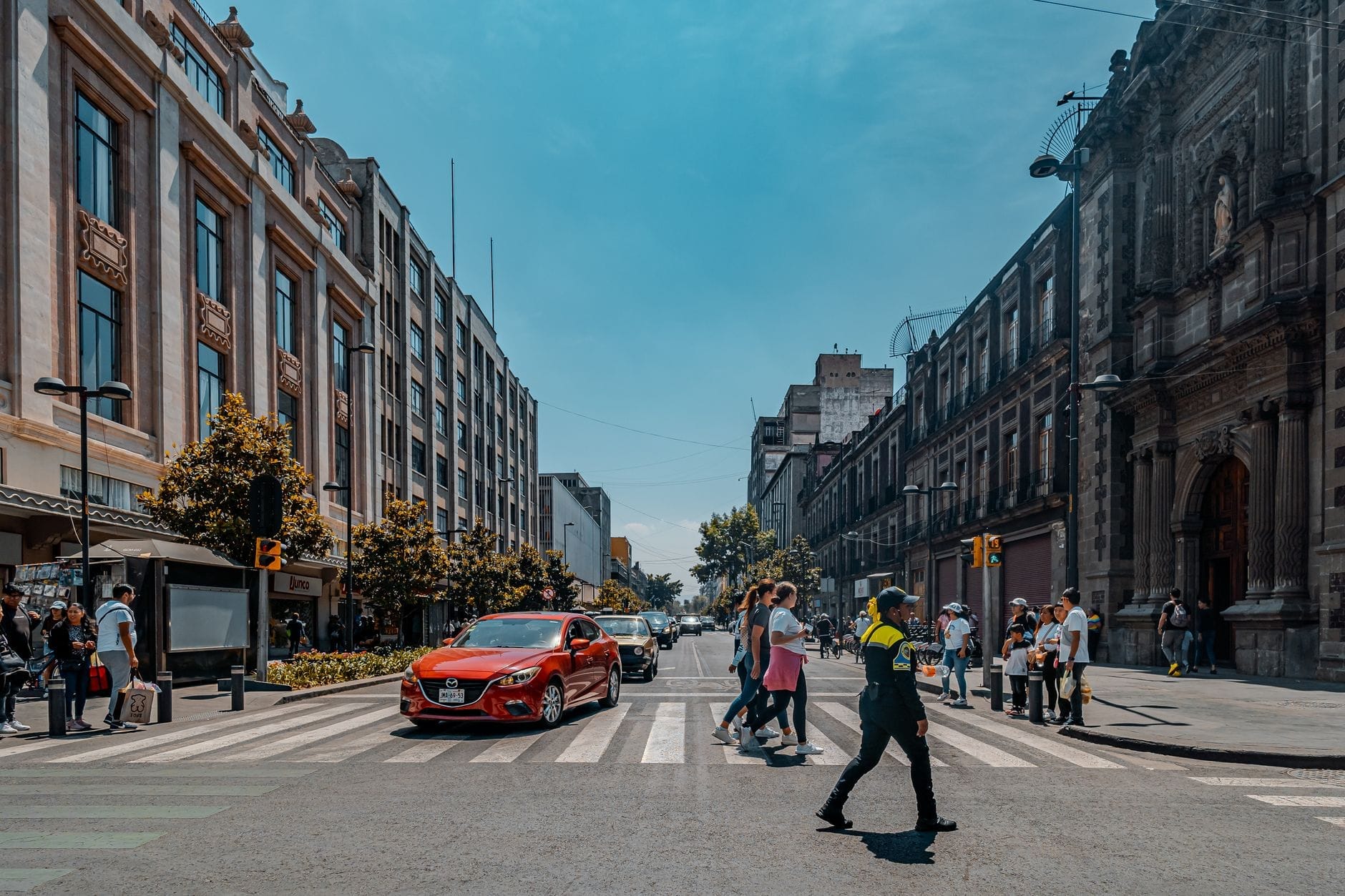
The short answer: yes, with the same awareness you'd apply in any major city. Mexico City draws millions of international visitors each year, and the central neighborhoods popular with tourists — Roma Norte, Condesa, Polanco, Coyoacán, and Centro Histórico — have a well-established traveler infrastructure. Pickpocketing and petty theft are the most common issues, not violent crime targeting tourists.
That said, Mexico City is not uniformly the same experience in every borough. The city covers about 1,485 km² across 16 alcaldías (boroughs), and some peripheral areas see higher crime rates. Most solo travelers who stick to the central coloniasand use apps like Uber or Didi at night rather than hailing street taxis report feeling comfortable throughout their trip. The U.S. Department of State issues travel advisories for Mexico; check the current level for Mexico City specifically before you go, as ratings are updated and vary by region.
⚠️ What to skip
Never hail taxis off the street in Mexico City — use Uber, Didi, or Cabify, or book through your hotel. Airport taxis must be purchased at official booths inside the terminal. Unofficial cabs have been linked to express kidnappings, though these incidents have declined significantly in recent years.
For a deeper look at neighborhood-by-neighborhood safety and practical precautions, read our dedicated guide on is Mexico City safe. It covers which areas to avoid after dark and how solo women travelers specifically approach the city.
Best Neighborhoods for Solo Travelers to Stay
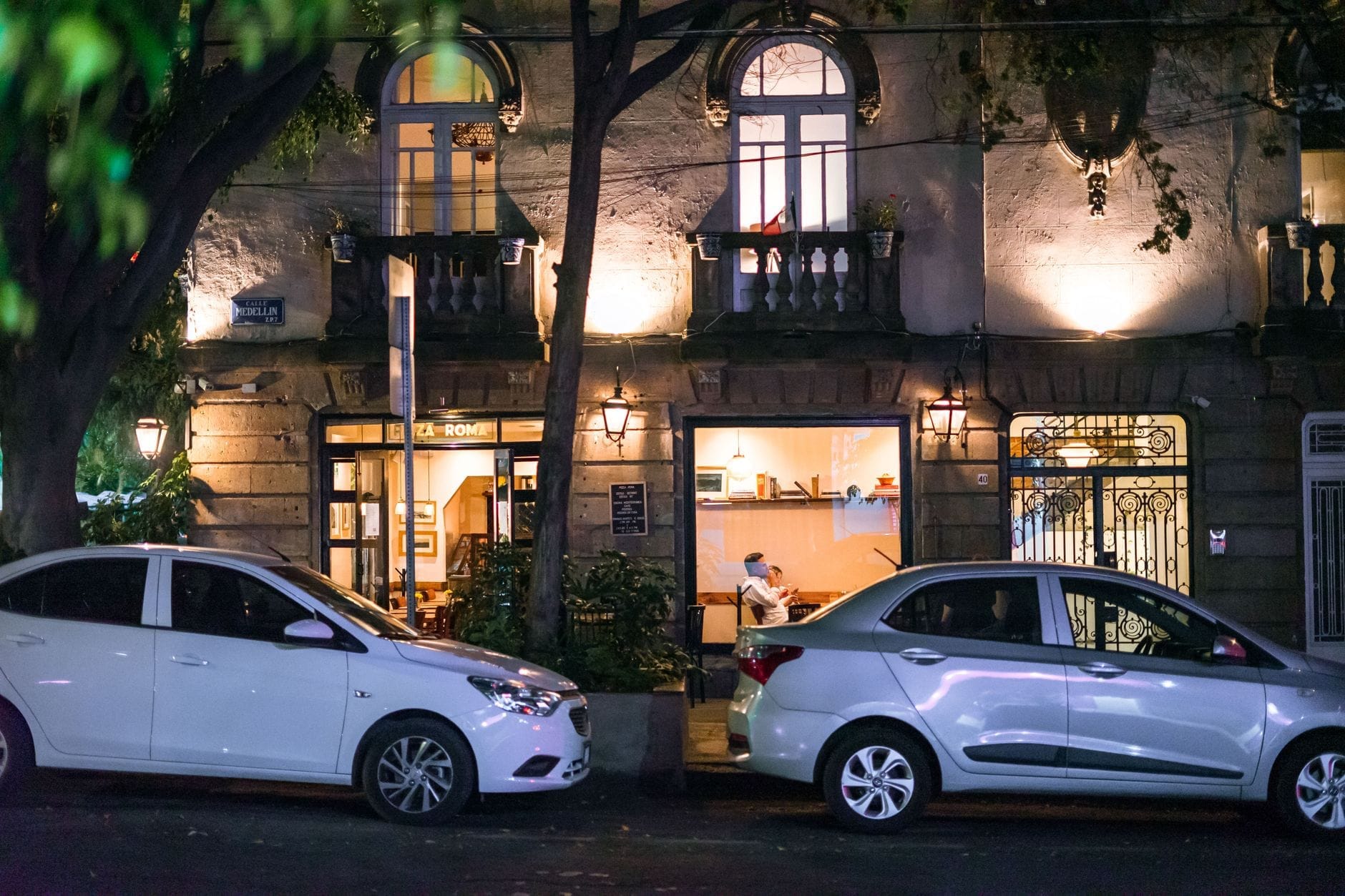
Where you stay shapes your entire trip. Mexico City's coloniasare distinct in character, price, and logistics. These are the five that consistently work best for solo visitors:
- Roma Norte The sweet spot for most solo travelers. Dense with coffee shops, restaurants, and independent bookstores, with excellent Metro and Metrobús access. Safer than average for CDMX and very walkable. Parque México is a natural daytime hub.
- Condesa Adjacent to Roma and slightly quieter at street level. Art deco apartment buildings, tree-lined avenues, and a strong brunch-to-bar scene. Great base if you want nightlife within walking distance without being in the middle of it.
- Polanco Upscale, polished, and close to Chapultepec Park and its cluster of world-class museums. More expensive than Roma or Condesa, but very safe and well-served by taxis and ride-hailing. Good choice if your budget allows it.
- Coyoacán Southern neighborhood with a slower, more village-like pace. Best for travelers who want to linger at the Frida Kahlo Museum, eat at the Mercado de Coyoacán, and skip the crowds of the centro. Slightly farther from northern attractions.
- Centro Histórico The historic core around the Zócalo. Atmospheric and central, with the highest concentration of colonial-era landmarks. Busier and noisier than Roma or Condesa, and requires more care after dark. Best for travelers who prioritize history over comfort.
💡 Local tip
If this is your first time in Mexico City, Roma Norte or Condesa are the easiest starting points. Both neighborhoods are compact enough to walk most errands, have strong English-menu restaurant coverage, and sit within 2–3 Metro stops of major sights.
Getting Around the City on Your Own
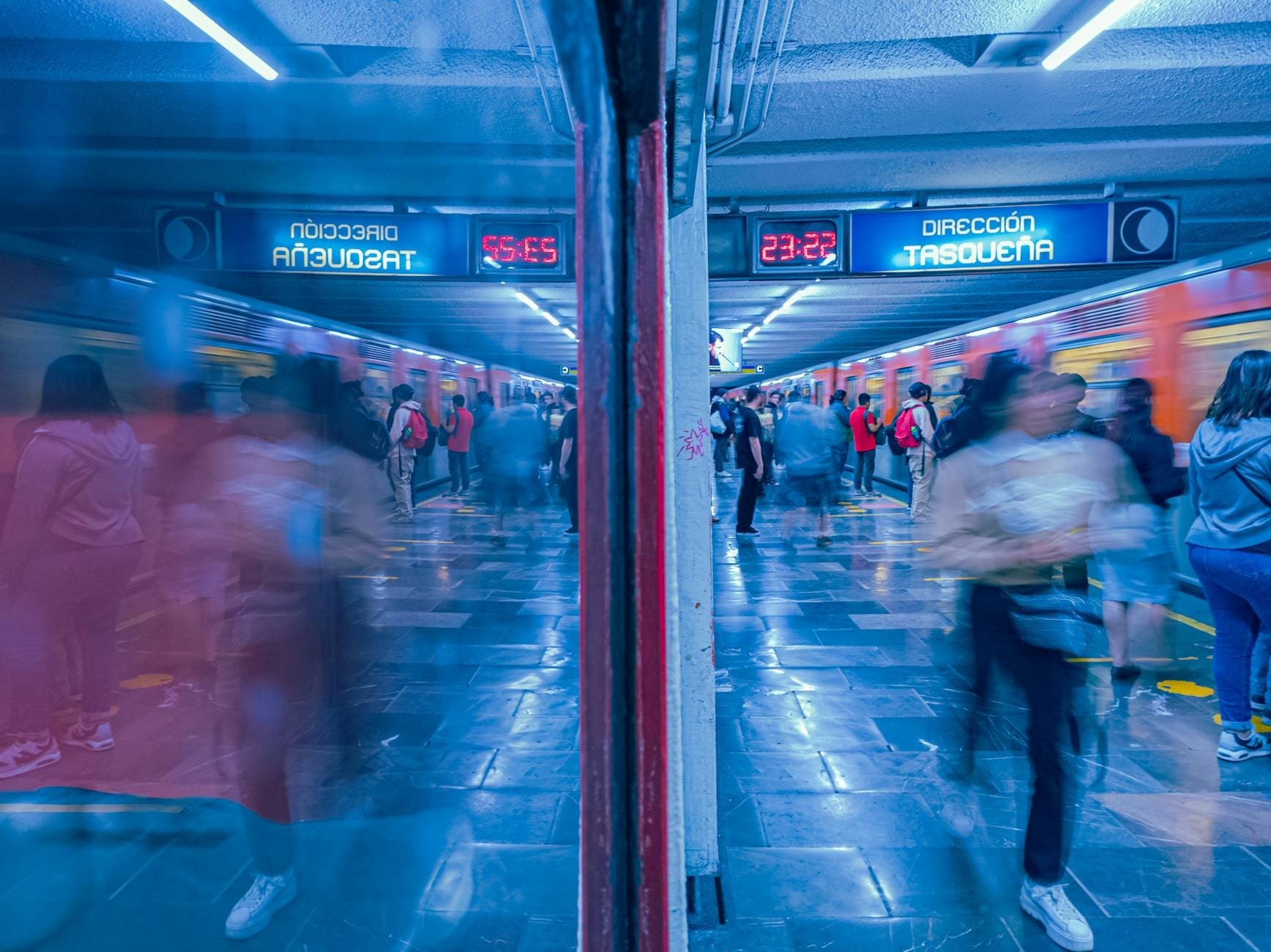
Mexico City's public transport network is one of the most extensive in the western hemisphere. The Sistema de Transporte Colectivo (STC) Metro runs 12 lines with 195 stations and connects virtually every major neighborhood. Single rides are priced in pesos at a flat rate — extremely affordable by any standard. Check the STC Metro's official site (metro.cdmx.gob.mx) for current fares before you travel, as prices are periodically adjusted.
The Metrobús BRT system supplements the Metro along major corridors, and the Tren Ligero light rail connects Tasqueña in the south to Xochimilco. For late-night or cross-town trips, Uber, Didi, and Cabify are reliable and generally inexpensive: a typical 5–10 km ride runs around US$4–8 depending on traffic and surge pricing. All three apps show prices upfront and allow card payments, which reduces the need to carry large amounts of cash.
From Benito Juárez International Airport (MEX), which sits about 8–9 km east of the Zócalo, you can reach the city center via Metro Line 5 (Terminal Aérea station near Terminal 1), an official prepaid airport taxi purchased at booths inside arrivals, or a ride-hailing app from a designated pickup area. Avoid offers from drivers who approach you inside the terminal. If your flight arrives at Felipe Ángeles International Airport (NLU), note that it is over 40 km from central CDMX — budget significantly more time and money for that transfer.
✨ Pro tip
The Metro is crowded during rush hours (roughly 7:30–9:30 AM and 6:00–8:30 PM on weekdays). If you can shift your sightseeing start to 10 AM, you'll have a much more comfortable ride and arrive at most museums before tour groups.
Top Attractions for Solo Travelers
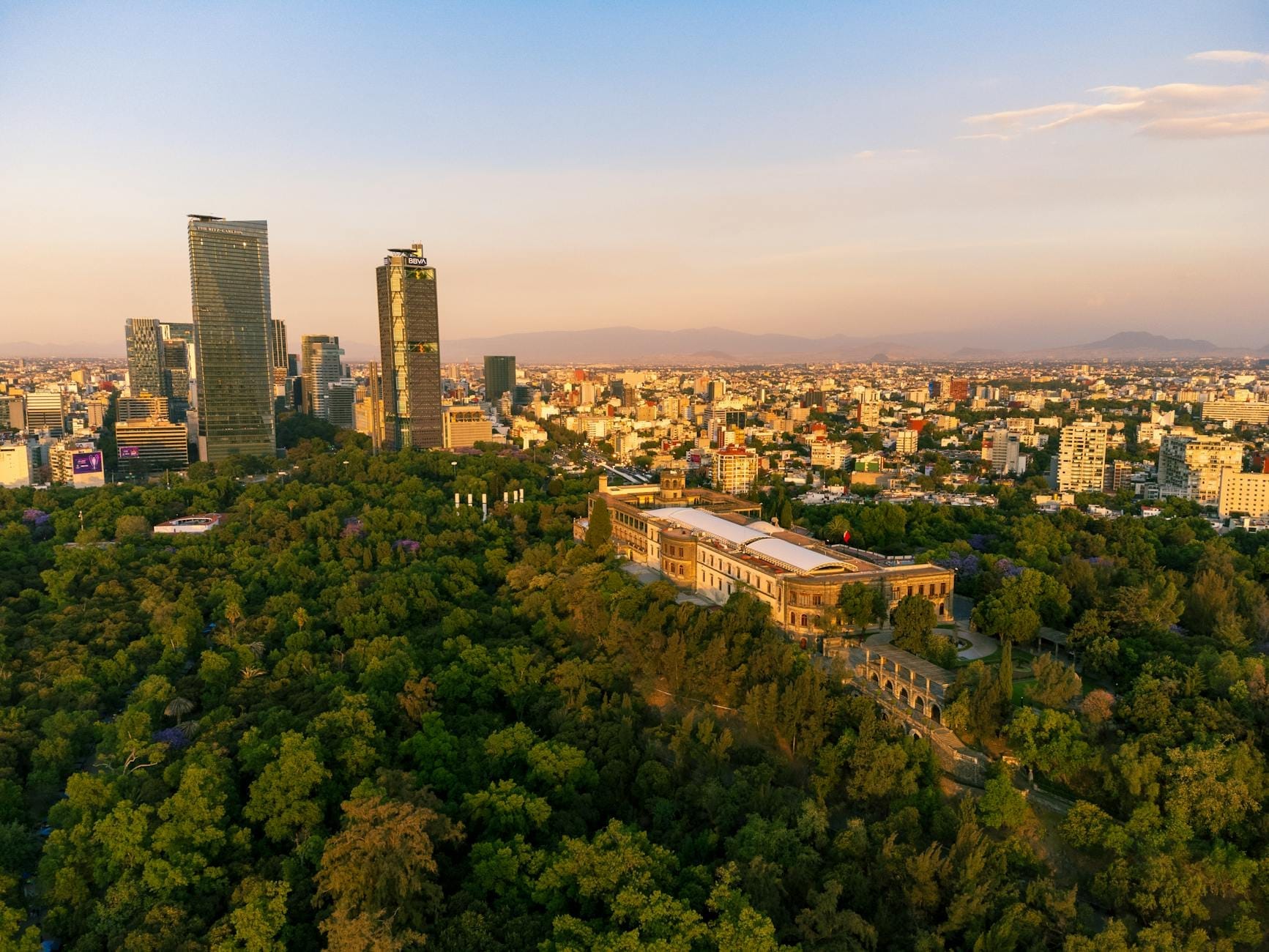
Solo travel in CDMX means you set the pace, which is valuable in a city this large. The Museo Nacional de Antropología in Bosque de Chapultepec is the single best museum in the city — possibly in Latin America. Plan at least 3–4 hours. It sits inside Chapultepec Park, which also contains the Museo de Arte Moderno, the Museo Tamayo, and the Chapultepec Castle. You can fill an entire day in this one park without repeating yourself.
In Centro Histórico, the Templo Mayor archaeological site and the National Palace (with Diego Rivera's famous murals, free to enter) are the standout stops. The Palacio de Bellas Artes is worth seeing both outside and in. Walking Calle Madero from the Zócalo westward takes 15 minutes and passes several of these landmarks in sequence.
The Museo Frida Kahlo (Casa Azul) in Coyoacán is one of the most popular single-ticket attractions in the country. Timed entry tickets sell out days or weeks in advance online — do not assume you can walk up. Buy through the museum's official website and check the current booking window. Combine it with a stop at the Mercado de Coyoacán for lunch.
For a full day trip, Teotihuacán is approximately 50 km northeast of the city. You can reach it independently via public bus from Terminal del Norte (Metro Autobuses del Norte), or book a guided tour that includes transport, entry, and sometimes breakfast and a mezcal tasting. Solo travelers often find the guided format worthwhile here since it removes the logistics and adds context. See our Teotihuacán day trip guide for a full breakdown.
- Museo Nacional de Antropología: allow 3–4 hours; closed Mondays
- Templo Mayor: smaller than expected but historically dense; audio guides available
- Frida Kahlo Museum: book timed tickets weeks ahead online
- Chapultepec Castle: panoramic city views and a strong history of Mexican presidency and empire
- Xochimilco trajineras: best on weekdays to avoid weekend crowds and inflated prices
- Teotihuacán pyramids: arrive by 9 AM before afternoon heat and tour buses
- Palacio de Bellas Artes: the museum galleries and upper floors charge an admission fee; some lobby areas can be viewed without a ticket
Practical Logistics: Altitude, Money, and Daily Life
The altitude deserves attention. At 2,240 m (7,350 ft), Mexico City sits higher than most visitors are accustomed to. The first day you may feel light-headed, short of breath after climbing stairs, or unusually tired. This is normal and typically resolves within 24–48 hours. Drink more water than usual, avoid heavy alcohol on day one, and don't plan your most physically demanding activities for your first afternoon. If you have a heart or respiratory condition, consult your doctor before traveling.
The currency is the Mexican peso (MXN). ATMs are widely available in central neighborhoods, and using a bank ATM inside a store or supermarket (Oxxo, Walmart, Superama) is generally safer than standalone street machines. Credit cards are accepted at most restaurants, hotels, and larger shops in tourist areas, but smaller street food stalls and markets operate cash-only. Tip 10–15% at restaurants; it is expected and important to service workers' income.
Do not drink tap water directly. Mexico City's municipal water is treated, but travelers' digestive systems often react poorly to it. Drink bottled or purified water, and when eating at street stalls, check that ice is made from purified water (most established vendors use it, but it is worth asking: 'el hielo es de agua purificada?'). Electricity runs at 127V/60Hz with Type A and B plugs — compatible with US and Canadian devices without an adapter.
ℹ️ Good to know
Emergency services in Mexico City use the unified number 9-1-1, the same as the US and Canada. The country code for Mexico is +52. Most hospitals in Polanco and Roma have English-speaking staff; the ABC Medical Center (Observatorio) is commonly recommended for international visitors needing English-language care.
When to Go and What to Expect by Season
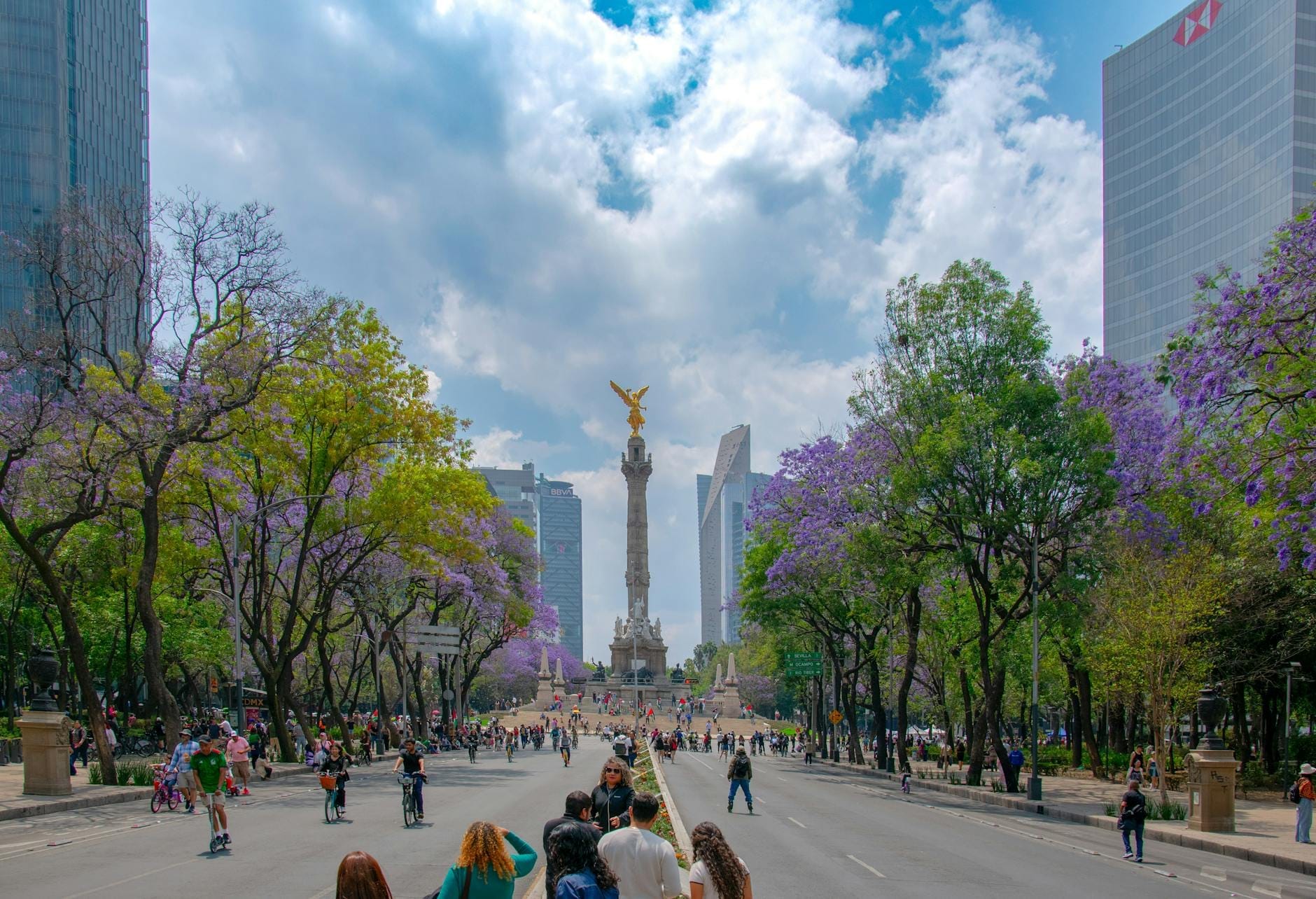
The dry season from November through April is the most comfortable window for solo travel. Temperatures during this period typically range from around 11°C at night to 24°C during the day. Skies are clear more often, rain is rare, and walking between neighborhoods is pleasant. February through April represent the warmest months of the dry season with highs reaching 26–27°C, though April can feel hazy as pre-rainy season smog builds.
The rainy season (May to October) brings afternoon and evening thunderstorms, mostly concentrated from June through September. Mornings are often clear, which makes early starts practical for outdoor sightseeing. The city stays lush and green during these months, and accommodation prices can be lower. Pack a compact waterproof jacket rather than an umbrella — you need your hands free on the Metro.
One note specific to Mexico City: the city sits in a seismically active zone, and September in particular is associated with earthquake awareness (there were major quakes in September 1985 and 2017, and drills are held annually on September 19). This should not deter travel, but solo visitors should familiarize themselves with the city's alert system — a loud siren broadcast across the city gives roughly 60–90 seconds of warning before shaking begins in central areas. Know your building's evacuation procedure when you check into your accommodation.
FAQ
Is Mexico City safe for solo female travelers?
Many solo female travelers visit CDMX regularly and report positive experiences, particularly in Roma, Condesa, Polanco, and Coyoacán. Street harassment (known locally as acoso) can occur, especially in busier areas. Practical measures that help: use ride-hailing apps rather than street taxis at night, avoid walking alone in unfamiliar areas after dark, and stay in neighborhoods with consistent foot traffic. The city has women-only Metro cars at the front of trains during peak hours. Overall, the experience varies, but most female solo travelers find CDMX manageable and rewarding with standard precautions.
What is the current Mexico City travel advisory?
The U.S. Department of State publishes country-level and region-specific travel advisories for Mexico. Mexico City (CDMX) has historically been rated at a different level than some higher-risk Mexican states, but advisory levels change. Always check travel.state.gov for the current Mexico City travel advisory before your trip, and register with the Smart Traveler Enrollment Program (STEP) so your embassy can reach you in an emergency.
How much does solo travel in Mexico City cost per day?
Budget travelers can manage on US$40–60 per day staying in hostels, eating at markets and street stalls, and using the Metro. Mid-range solo travelers spending on a private hotel room, sit-down restaurants, and occasional Ubers typically spend US$80–130 per day. Costs spike sharply for day trips with guided tours (Teotihuacán tours run roughly US$40–80 depending on what's included) and for museum-heavy days where admission fees accumulate.
Do I need to speak Spanish to travel solo in Mexico City?
Basic Spanish makes a significant difference to your experience, though it is not strictly required in heavily touristed areas. Roma, Condesa, and Polanco have many English-speaking restaurant and hotel staff. The Metro system uses icons alongside text, making it navigable without Spanish. Outside central tourist neighborhoods, English proficiency drops considerably. Learning 20–30 key phrases (greetings, ordering food, asking for directions, numbers) before you arrive will open doors and earn goodwill from locals.
Can I visit Mexico City's major attractions without booking in advance?
Most attractions can be visited without advance booking, but the Frida Kahlo Museum (Casa Azul) is a firm exception — timed tickets sell out days or weeks ahead and must be bought online through the official museum site. For Teotihuacán, entry is walk-up, but organized tours require advance booking, especially on weekends. The Museo Nacional de Antropología, Palacio de Bellas Artes, and Templo Mayor all accept walk-up visitors, though Mondays should be avoided as many museums are closed.
Tickets & tours
Live prices and dates from our booking partner. If you book, we may earn a commission at no extra cost to you.
Planning a trip? Discover personalized activities with the Nomado app.