Best Time to Visit Mexico City: A Month-by-Month Guide
Mexico City is a genuine year-round destination, but timing your visit around weather patterns, local festivals, and price cycles makes a real difference. This guide breaks down every season so you can decide when to go based on what actually matters to you.
Tickets & tours
Live prices and dates from our booking partner. If you book, we may earn a commission at no extra cost to you.
TL;DR
- March to May is the sweet spot: warm, mostly dry, and the jacaranda trees are in bloom across the city.
- June through October is rainy season, with heavy afternoon storms, but also greener surroundings, thinner crowds, and noticeably lower prices.
- Late October to early November is peak season for Día de Muertos celebrations — book accommodation months in advance.
- Despite sitting at 2,240 m (7,350 ft), Mexico City rarely gets extreme heat or cold. Pack layers regardless of when you go.
- January and September are typically among the cheapest months for flights into CDMX, with lower-than-average hotel rates often available outside major holiday periods.
Understanding Mexico City's Climate
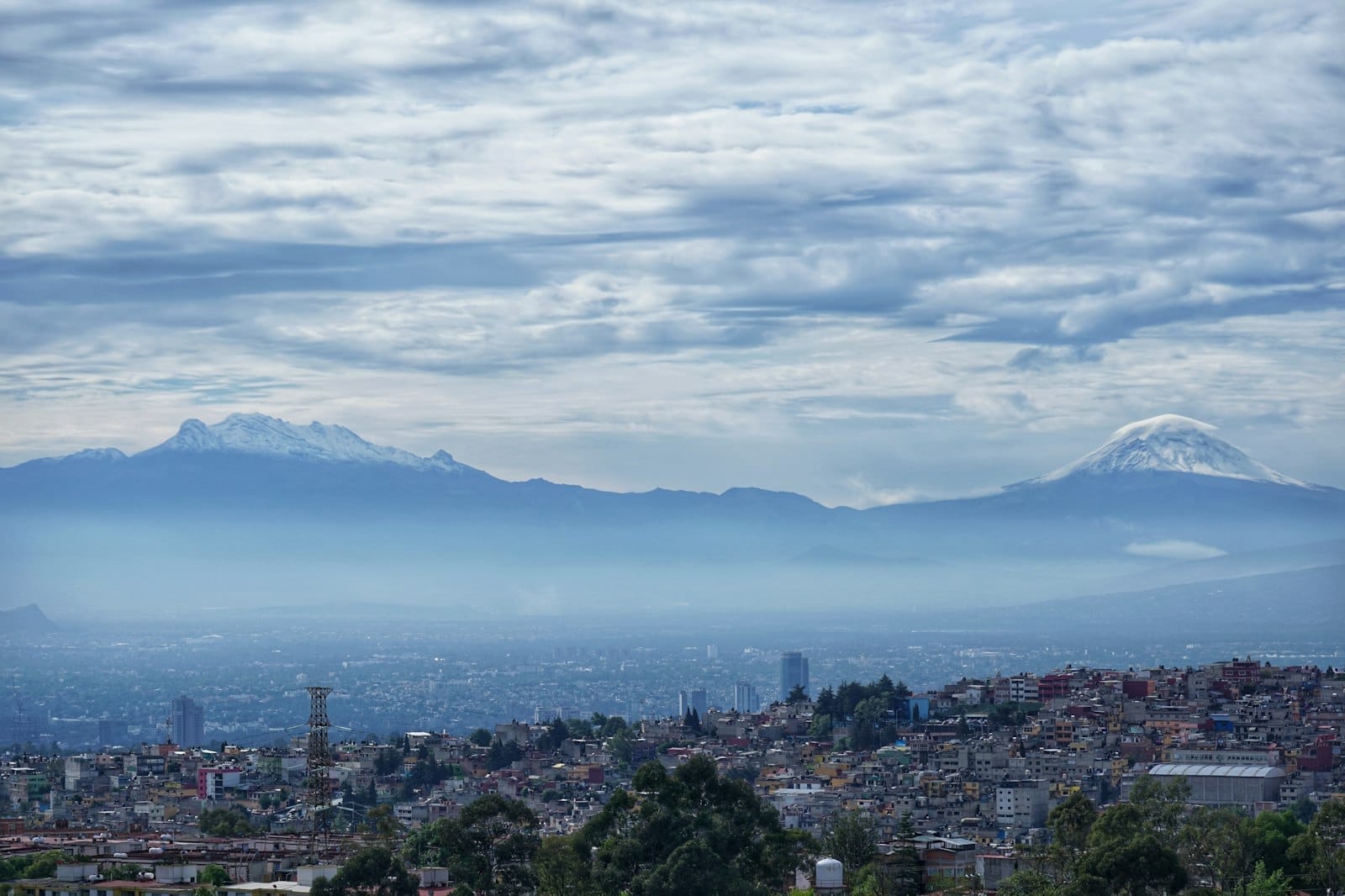
Most people are surprised to learn that Mexico City has one of the mildest urban climates in the Americas. At 2,240 metres (7,350 feet) above sea level in the Valley of Mexico, the city follows a subtropical highland climate pattern — classified as Köppen Cwb — with warm, sunny mornings, moderate afternoon temperatures, and cool nights virtually year-round. Average daytime highs hover between 18°C and 27°C (64°F to 81°F) depending on the month. There is no oppressive tropical heat, and snow is essentially unheard of.
The single biggest seasonal variable is not temperature — it is rainfall. The year broadly splits into two seasons: a dry season from November through April, and a rainy season from May through October, with June, July, and August typically among the wettest months. The rain almost always arrives in the afternoon or evening as intense thunderstorms rather than all-day drizzle, which means mornings are frequently clear regardless of the month. That said, flash flooding in low-lying streets and the occasional transport disruption are real concerns during peak rainy season.
ℹ️ Good to know
Mexico City no longer observes daylight saving time and remains on Central Standard Time (CST, UTC-6) year-round. When planning international connections or video calls, always check the current local time in Mexico City, since the clock change dates differ from those in the US and Europe.
Season-by-Season Breakdown
Rather than treating the year as two halves, it helps to think in four distinct windows, each with a different trade-off between weather, crowds, cost, and cultural events.
- December to February (Cool Dry Season) The coolest period, with morning lows around 6-7°C (43-45°F) and daytime highs of 20-21°C (68-70°F). Rain is minimal. December and early January bring peak holiday crowds and higher prices around Christmas and New Year. By late January, crowds thin and prices drop, making it one of the best-value windows of the year. Air quality can dip during temperature inversions in winter — worth noting if you have respiratory sensitivities.
- March to May (Warm Dry Season) This is the most consistently pleasant period. Temperatures reach their annual highs of 26-27°C (79-81°F) in April and May before the rains arrive. March and April coincide with the jacaranda bloom, when the city's streets turn purple — a genuine spectacle. Easter week (Semana Santa) in March or April is a major holiday in Mexico; expect domestic tourism to spike and book accordingly.
- June to August (Peak Rainy Season) The wettest months, with afternoon downpours almost daily. Mornings are generally fine for sightseeing. This is also the low season for international visitors, so hotel rates and flight prices are the most competitive of the year. June in particular is frequently cited as the cheapest month to visit CDMX. If you are on a tight budget and can tolerate carrying a compact umbrella, this window offers real value.
- September to November (Transition and Festival Season) Rain tapers through September and October, with noticeably drier conditions by late October. September 15-16 marks Independence Day celebrations centered on the Zócalo — huge crowds, impressive spectacle. Late October through early November is Día de Muertos, easily the city's most internationally recognized cultural event. Hotel availability shrinks sharply for this window; prices reflect the demand.
The Best Time to Visit Mexico City by Priority
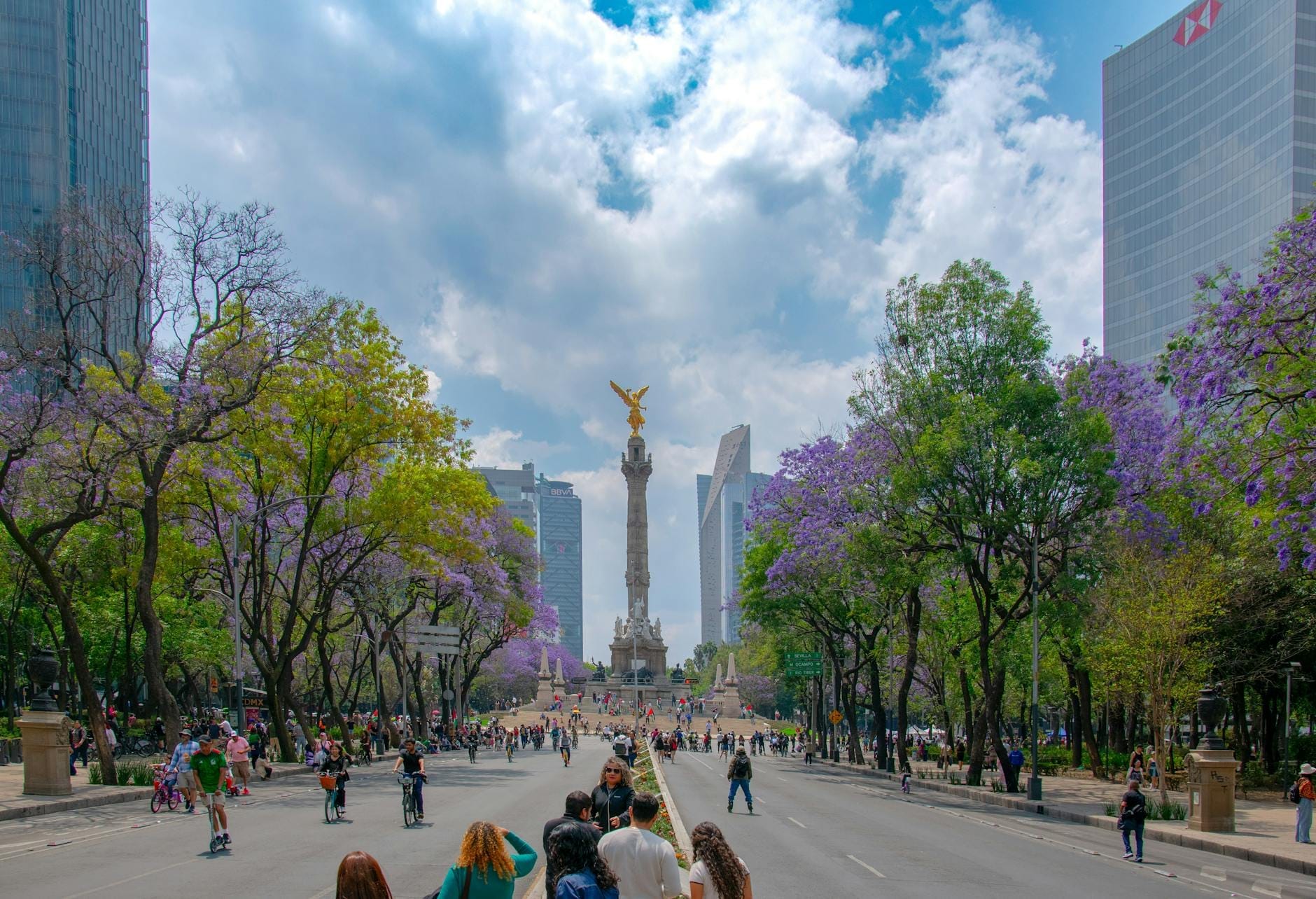
If weather is your primary concern, plan your activities around March and April. You get warm, clear days, relatively low humidity, and the jacaranda bloom as a backdrop. May is equally good on the weather front but can feel busier as domestic school holidays begin.
For value travelers, late January through mid-February and June are the two clearest budget windows. Post-holiday demand drops sharply after Día de Reyes (January 6), and you will find accommodation prices considerably lower than in December. June's rainy season reputation keeps international visitor numbers down, depressing prices across flights, hotels, and even tour operators.
For cultural events, the October-November transition is unmatched. Día de Muertos in Mexico City has grown into a multi-day citywide event with ofrendas (altars) in public spaces, candlelit cemetery vigils in Mixquic, and a major parade along Paseo de la Reforma. If this is your primary reason for visiting, accept that you will pay peak prices and need to book 3-4 months ahead for central accommodation.
⚠️ What to skip
Altitude affects visitors differently. At 2,240 m (7,350 ft), some people experience headaches, fatigue, or shortness of breath on arrival, particularly in the first 24-48 hours. This applies year-round and has nothing to do with the season. Stay hydrated, avoid alcohol on your first day, and keep activity moderate on arrival. If you have cardiovascular or respiratory conditions, consult a doctor before visiting.
Month-by-Month Quick Reference
- January Cool, dry, and inexpensive after the holiday rush. Good sightseeing weather with manageable crowds. Low season pricing kicks in after January 6.
- February Similar conditions to January. Valentine's Day brings some restaurant demand but overall still quiet. One of the best months for budget travelers.
- March Warming up, jacaranda trees beginning to bloom. Semana Santa falls here or in April — expect domestic travelers and higher hotel rates around Easter week.
- April Peak jacaranda season. Warm and dry. Popular with international visitors. Book ahead, especially around Easter.
- May Hottest month of the year, with highs approaching 27°C. Rains may start late in the month. Still largely dry and very pleasant.
- June Rainy season begins. Afternoon storms frequent but mornings are clear. Lowest prices of the year for hotels and flights.
- July Wettest month on average. Lush and green. Budget-friendly if you plan outdoor activities for mornings. School holidays mean more domestic families.
- August Still rainy season, similar to July. Good value window for international visitors.
- September Rain begins tapering. Independence Day (15-16 September) is a major event centered on the Zócalo — expect large crowds and a festive atmosphere.
- October Drying out rapidly. Día de Muertos preparation begins. Excellent all-around conditions. Prices start climbing toward month's end.
- November Día de Muertos (1-2 November) at peak. Dry season returns. After the first week, crowds thin and conditions remain excellent through the month.
- December Holiday season brings domestic and international tourists. Christmas and New Year around the Zócalo and Paseo de la Reforma are impressive. Book 2-3 months ahead.
Key Events and Festivals to Plan Around
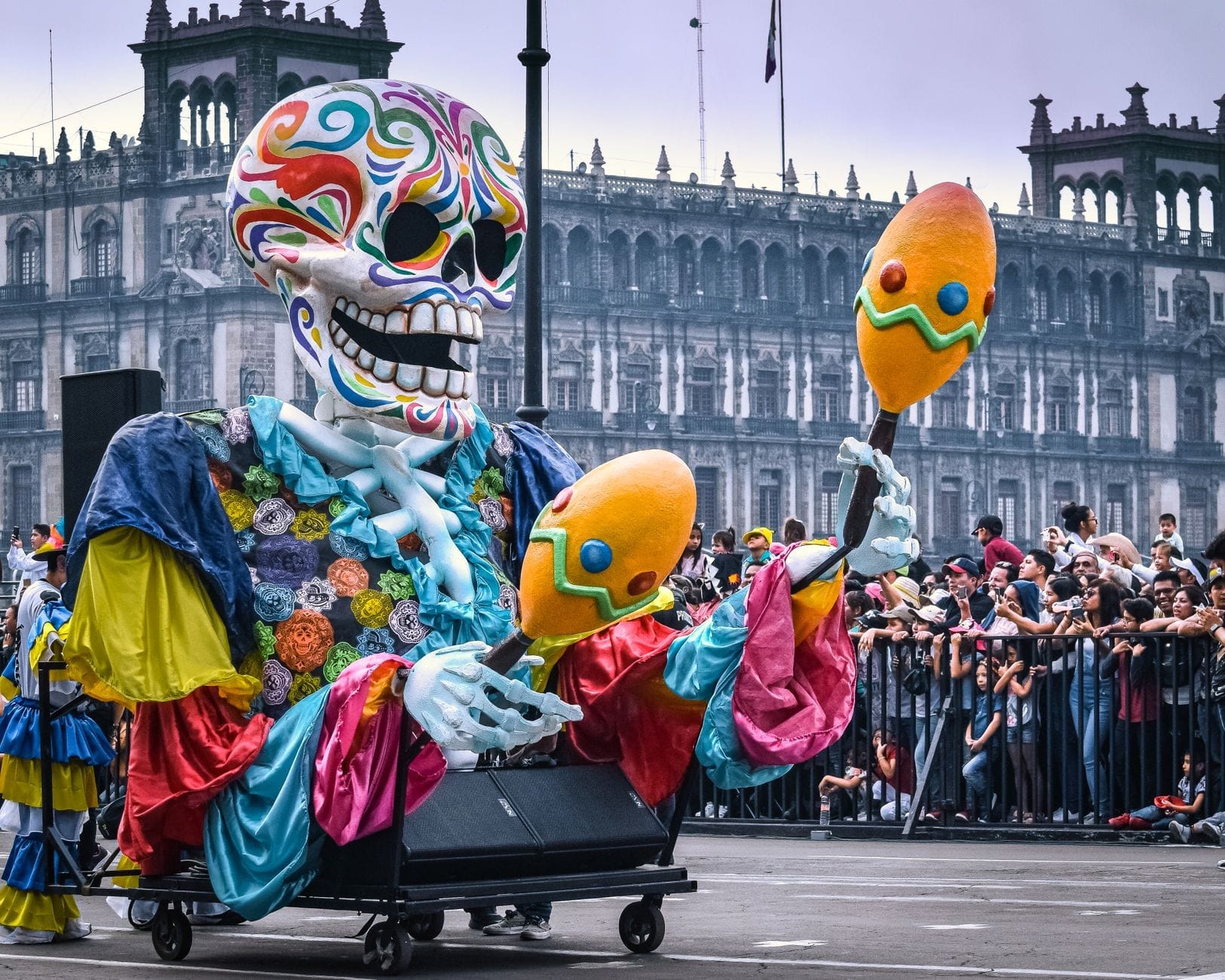
Mexico City's event calendar is one of the densest of any Latin American capital. The Zócalo and Paseo de la Reforma are the focal points for major celebrations throughout the year. Understanding which events align with your visit helps you either lean into the atmosphere or actively avoid the hotel price spikes.
Semana Santa (Holy Week, March or April) is Mexico's most significant domestic travel period. Families travel from across the country, accommodation in central neighborhoods fills up, and some businesses reduce hours. The flip side is that the city puts on impressive religious processions and cultural programming. Independence Day on September 15-16 centers on the Zócalo, where the President delivers the traditional Grito de Independencia at 11pm on the 15th — an event attended by hundreds of thousands of people in person.
The Día de Muertos window from October 31 through November 2 has become the city's most internationally famous event. Neighborhoods like Coyoacán and the historic center fill with elaborately decorated altars and costumed revelers. The CDMX government runs an official parade along Reforma that draws enormous crowds. If this is your main reason for visiting, go — it lives up to the reputation — but treat it as peak season logistics-wise.
✨ Pro tip
The jacaranda bloom in March and April is not just a visual payoff — it coincides with some of the best sightseeing weather of the year and pre-dates the Easter price surge. If you can travel in late March on a flexible schedule, this is arguably the single best week to visit Mexico City for first-timers combining weather, aesthetics, and reasonable prices.
Practical Planning Notes
Mexico City is served by two commercial airports. The main facility is Mexico City International Airport (Benito Juárez, IATA: MEX), located roughly 10 km east of the historic center with direct Metro access via Line 5. A secondary airport, Felipe Ángeles International (NLU), sits roughly 45 km north of the city center in the State of Mexico — factor in significantly longer transfer times if your flight routes through there. Full details are in our Mexico City airport guide.
Getting around the city is straightforward year-round. The Metro's 12 lines and more than 195 stations cover most areas you will want to reach, and the Metrobús BRT extends coverage along major corridors. Both systems run regardless of season and tourist demand. For a full rundown of options including ride-hailing apps and taxi etiquette, see getting around Mexico City.
On budget: if keeping costs low is a priority, read our Mexico City on a budget guide alongside this one. Timing your visit for January or June substantially reduces accommodation and flight costs, and many of the city's best attractions — from the Chapultepec Park to the murals in the National Palace — are free to enter year-round.
💡 Local tip
Do not drink tap water in Mexico City regardless of season. Hotels and restaurants typically provide purified or bottled water, but always confirm. For day trips and outdoor activities during the dry season, carry more water than you think you need — the altitude dehydrates you faster than you expect.
FAQ
What is the best time of year to visit Mexico City?
March through May is generally the best overall window: warm, mostly dry, lower humidity, and the jacaranda trees are in bloom. Late October and early November is a close second if Día de Muertos is your priority. Both periods see higher hotel prices than the rainy season (June-October), which is the trade-off.
What time zone is Mexico City in?
Mexico City operates on Central Standard Time (CST, UTC-6) year-round and no longer observes daylight saving time; border exceptions do not apply to the capital, so the local time does not change seasonally.
Is Mexico City worth visiting during the rainy season?
Yes, for the right traveler. Rainy season (June-October) brings the lowest prices for flights and hotels, thinner crowds at major attractions, and lush green surroundings. The rain is typically concentrated in the afternoon and evening, leaving mornings clear for sightseeing. The main drawback is the occasional disruption from heavy storms.
How far in advance should I book for Día de Muertos in Mexico City?
At least 3-4 months in advance for centrally located accommodation, and 4-6 months if you want specific properties in Roma, Condesa, or the historic center. The event now draws significant international interest and central hotel inventory sells out well before late October.
Does Mexico City's altitude affect your visit depending on the season?
Altitude effects (headaches, fatigue, breathlessness) apply year-round and are unrelated to the season. What changes seasonally is how the altitude interacts with weather: in winter, temperature inversions can trap pollutants, occasionally affecting air quality. In rainy season, the rains actually help clear the air. If you have respiratory concerns, late rainy season (September-October) tends to have the best air quality.
Tickets & tours
Live prices and dates from our booking partner. If you book, we may earn a commission at no extra cost to you.
Planning a trip? Discover personalized activities with the Nomado app.