Hidden Gems in Mexico City: 20 Underrated Places Worth Seeking Out
Mexico City rewards those who look beyond the obvious. This guide reveals the museums, markets, archaeological sites, and neighbourhoods that locals love but most visitors miss, from a volcanic-stone pyramid in the south to a 19th-century Moorish kiosk that once travelled to New Orleans.
Tickets & tours
Live prices and dates from our booking partner. If you book, we may earn a commission at no extra cost to you.
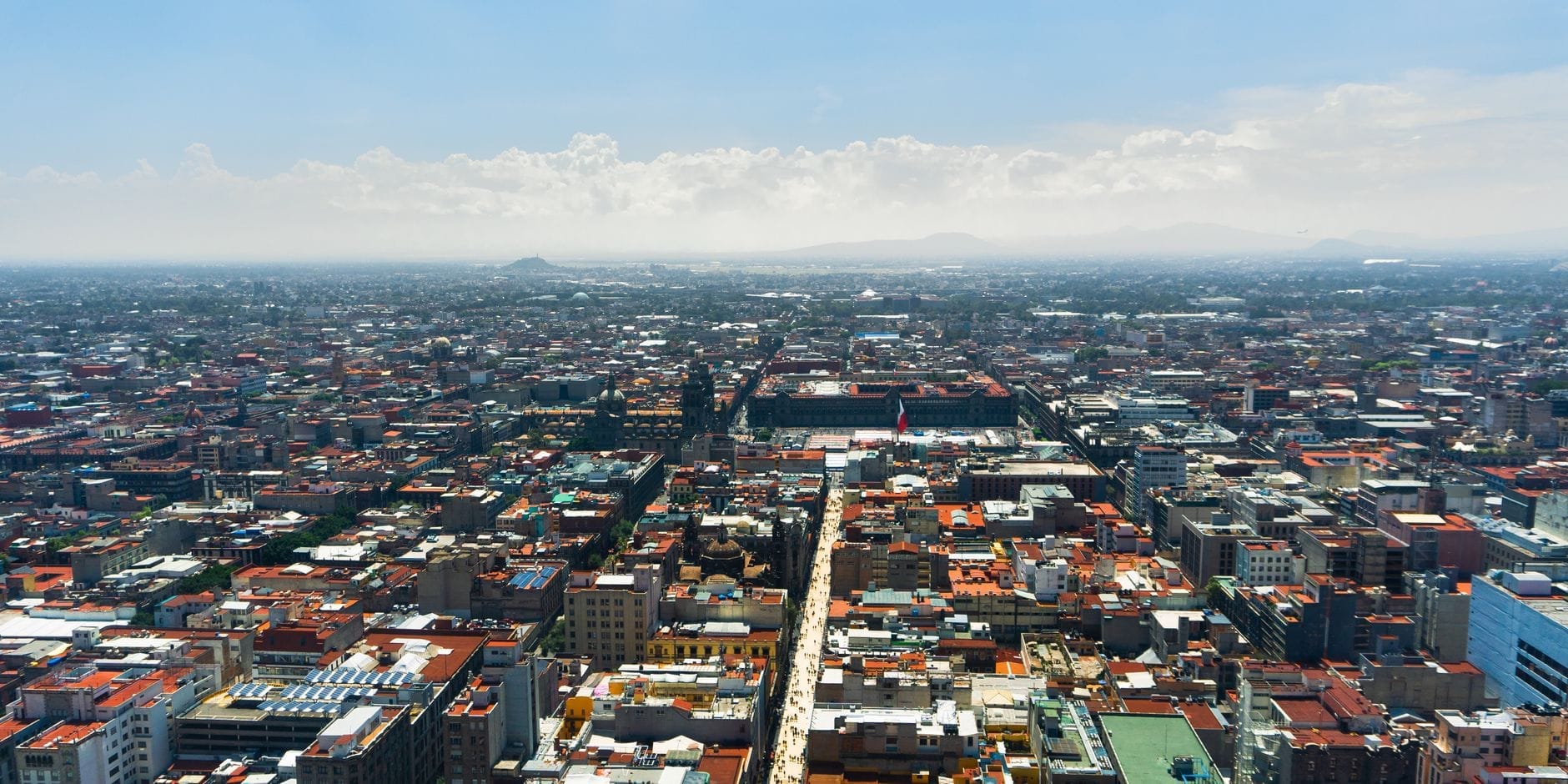
Most visitors to Mexico City follow a predictable path: the Zócalo, Coyoacán, Chapultepec, repeat. That itinerary is good, but the city has layers that take years to unpeel. The hidden gems in Mexico City tend to be places with no queue at the door, no selfie stick in sight, and a story that hits harder because you had to look for it. This guide is built around those places: the circular pyramid buried by a lava field, the architect's house frozen in 1988, the flower market that never closes, and the neighbourhood that gets all the character of Roma with none of the crowds. For context on timing your visit, the best time to visit Mexico City is the dry season from November to April, when afternoon rain is less likely to interrupt outdoor exploration. If you are working with a tight budget, the free things to do in Mexico City guide pairs well with several stops below.
Overlooked Archaeology & Architecture
Mexico City was built on top of one civilisation after another, and the archaeological evidence keeps surfacing in unexpected places. The big-ticket site is Teotihuacán, covered in the Teotihuacán day trip guide, but within the city itself there are ancient sites that see a fraction of the visitors and deliver a surprisingly intimate experience.
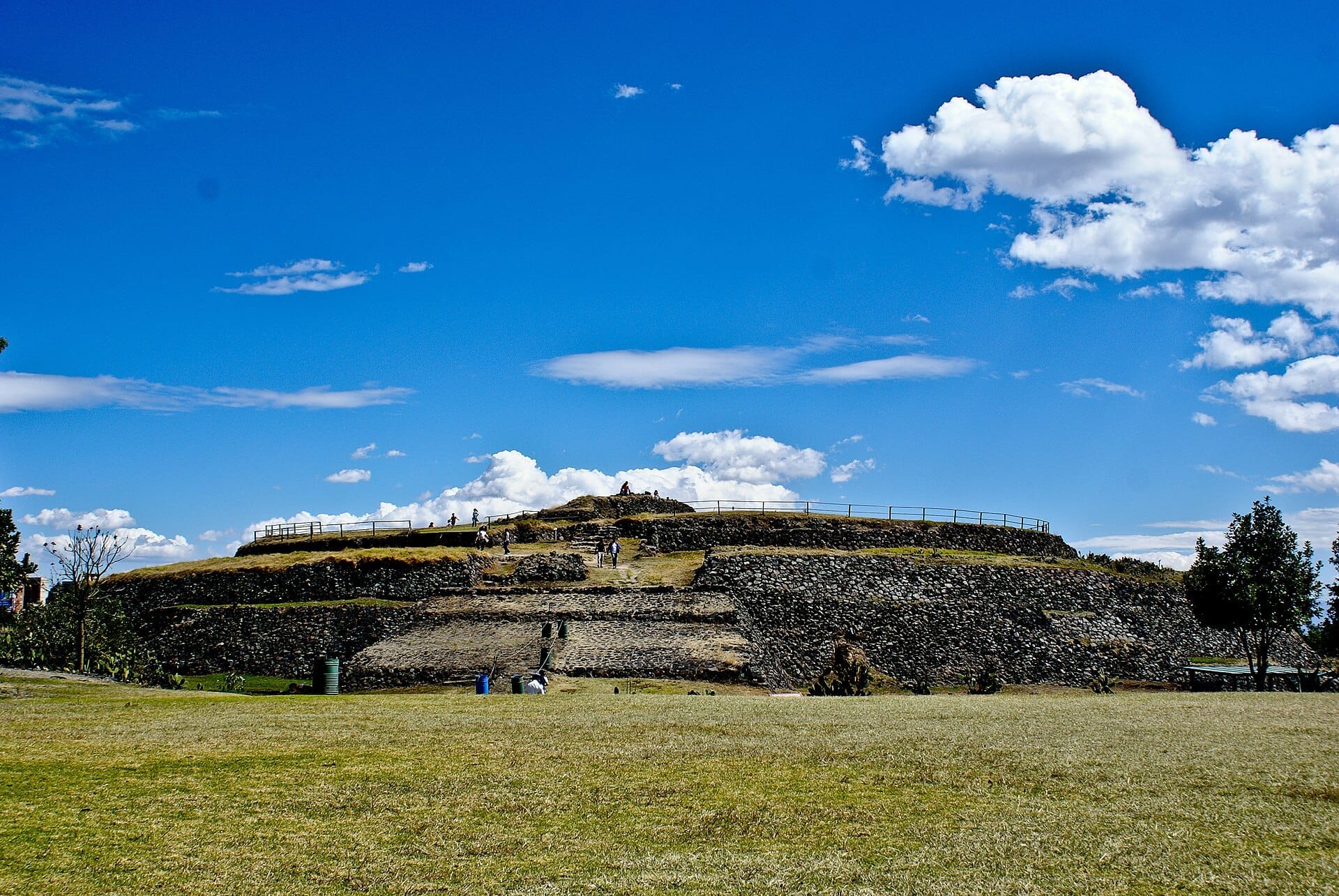
1. Walk Around a Pyramid Half-Buried by a Volcano at Cuicuilco
One of Mesoamerica's oldest urban sites, Cuicuilco features a circular pyramid partially swallowed by the Xitle lava flow around 300 CE. It sits in the south of the city, almost never crowded, and admission is minimal. Allow 90 minutes.
Explore1. Walk Around a Pyramid Half-Buried by a Volcano at Cuicuilco
One of Mesoamerica's oldest urban sites, Cuicuilco features a circular pyramid partially swallowed by the Xitle lava flow around 300 CE. It sits in the south of the city, almost never crowded, and admission is minimal. Allow 90 minutes.
Explore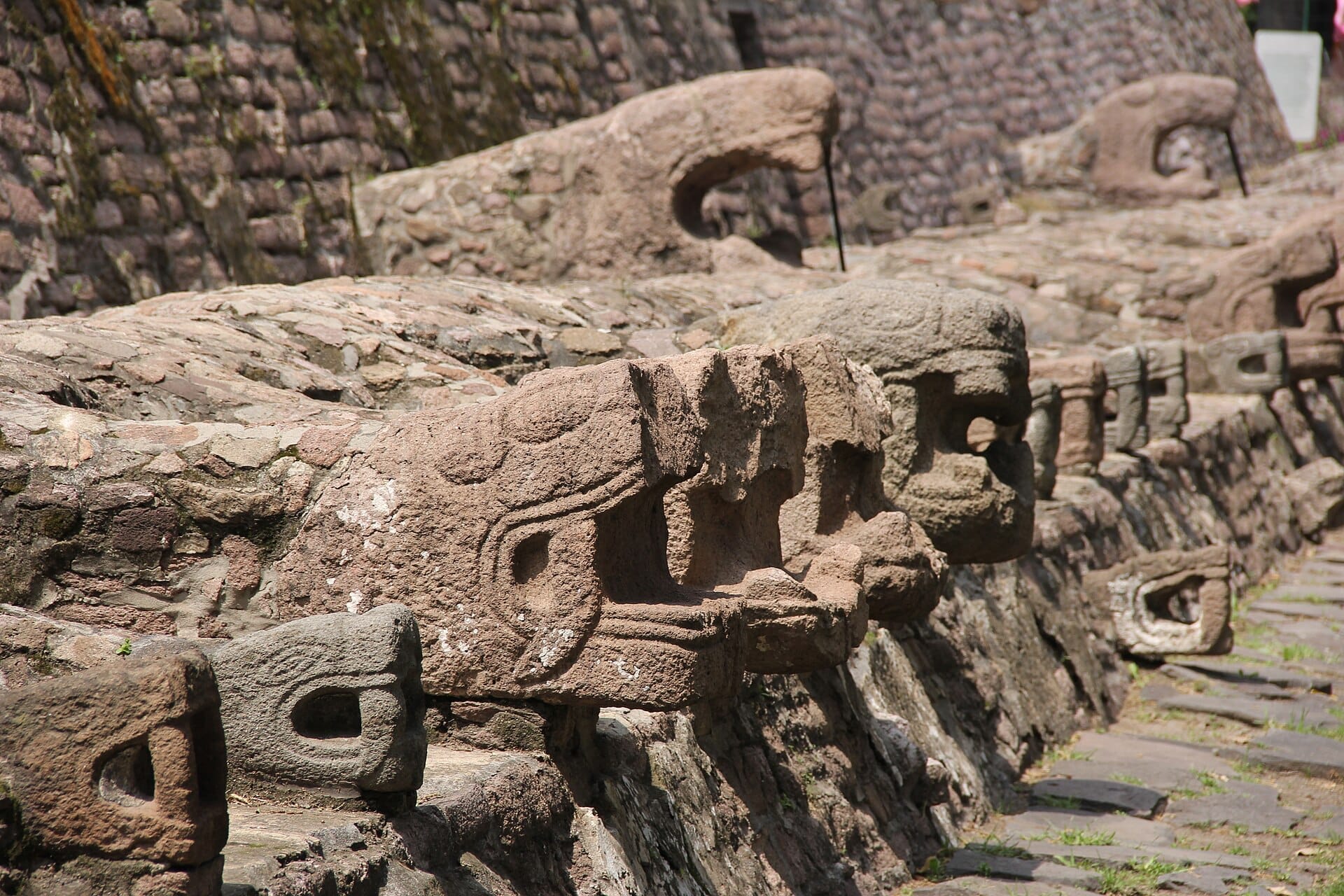
2. Find the Serpent-Ringed Pyramid at Tenayuca
A double-staircase Aztec pyramid encircled by roughly 140 carved stone serpents, Tenayuca is one of the best-preserved pre-Hispanic temples near Mexico City. Visitor numbers are tiny compared to Teotihuacán, making it a noticeably quiet archaeological experience.
Explore2. Find the Serpent-Ringed Pyramid at Tenayuca
A double-staircase Aztec pyramid encircled by roughly 140 carved stone serpents, Tenayuca is one of the best-preserved pre-Hispanic temples near Mexico City. Visitor numbers are tiny compared to Teotihuacán, making it a noticeably quiet archaeological experience.
Explore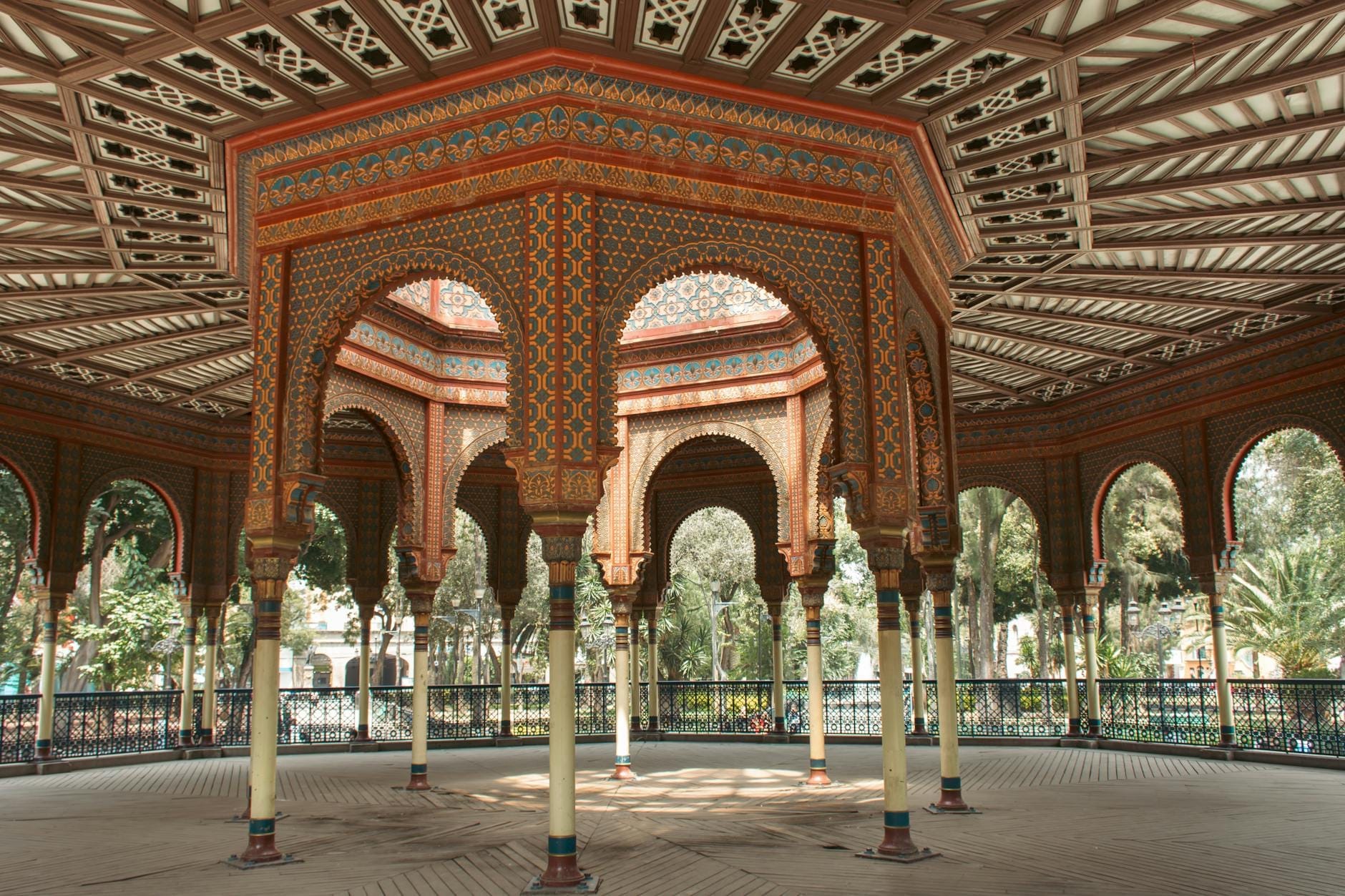
3. Seek Out the Moorish Kiosk in Santa María la Ribera
This ornate iron-and-tile kiosk was built for the 1884 New Orleans World's Fair and eventually landed in one of CDMX's most underrated neighbourhoods. The surrounding alameda and Porfirian architecture make this a rewarding half-day wander well off the tourist circuit.
Explore3. Seek Out the Moorish Kiosk in Santa María la Ribera
This ornate iron-and-tile kiosk was built for the 1884 New Orleans World's Fair and eventually landed in one of CDMX's most underrated neighbourhoods. The surrounding alameda and Porfirian architecture make this a rewarding half-day wander well off the tourist circuit.
Explore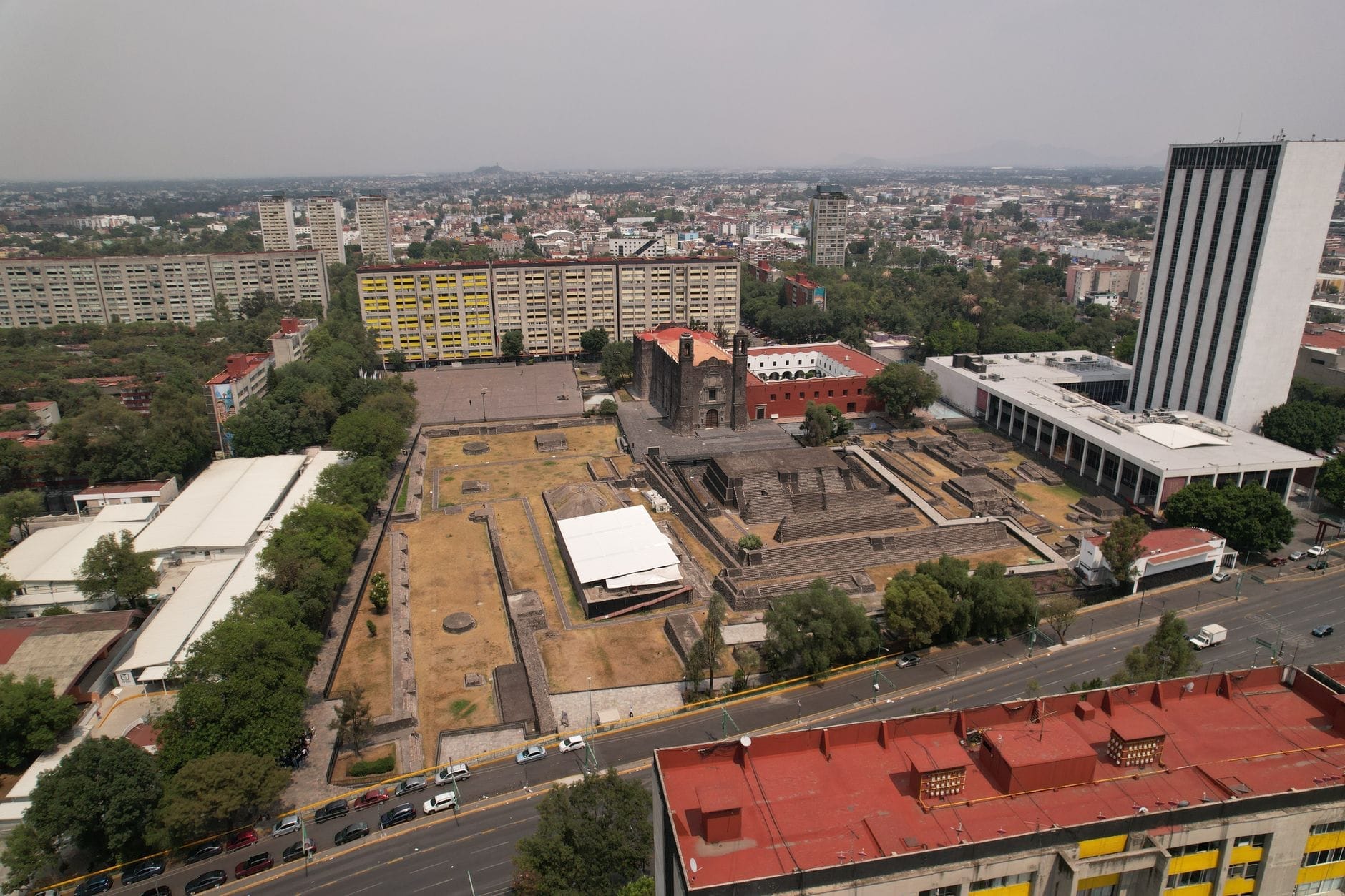
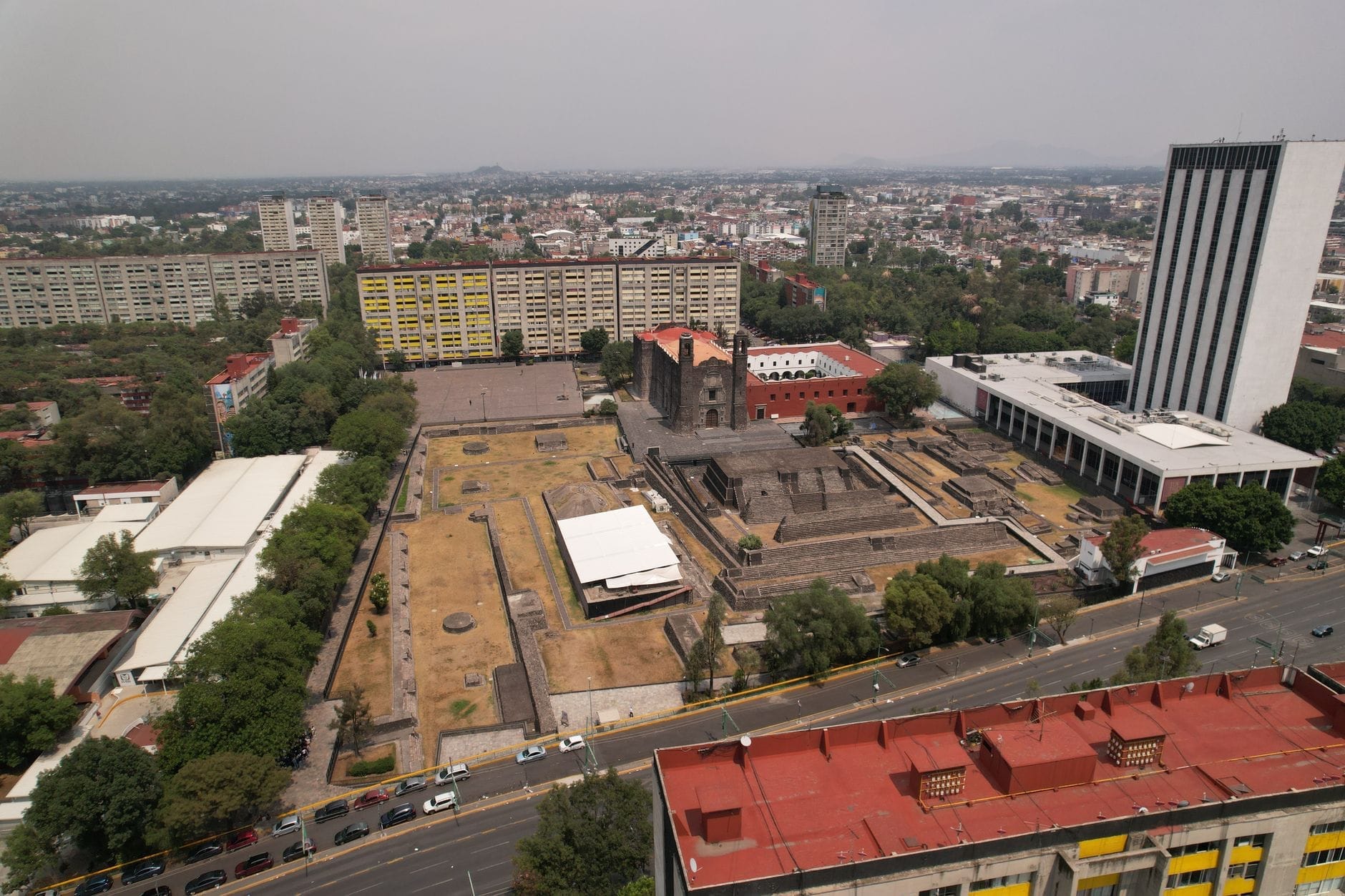
4. Sit With History at Plaza de las Tres Culturas
Aztec ruins, a 16th-century Spanish church, and a modernist government block occupy the same ground in Tlatelolco, where a 1968 student massacre also took place. Few sites in the city carry this much layered, uncomfortable history. It is free and rarely crowded.
Explore4. Sit With History at Plaza de las Tres Culturas
Aztec ruins, a 16th-century Spanish church, and a modernist government block occupy the same ground in Tlatelolco, where a 1968 student massacre also took place. Few sites in the city carry this much layered, uncomfortable history. It is free and rarely crowded.
Explore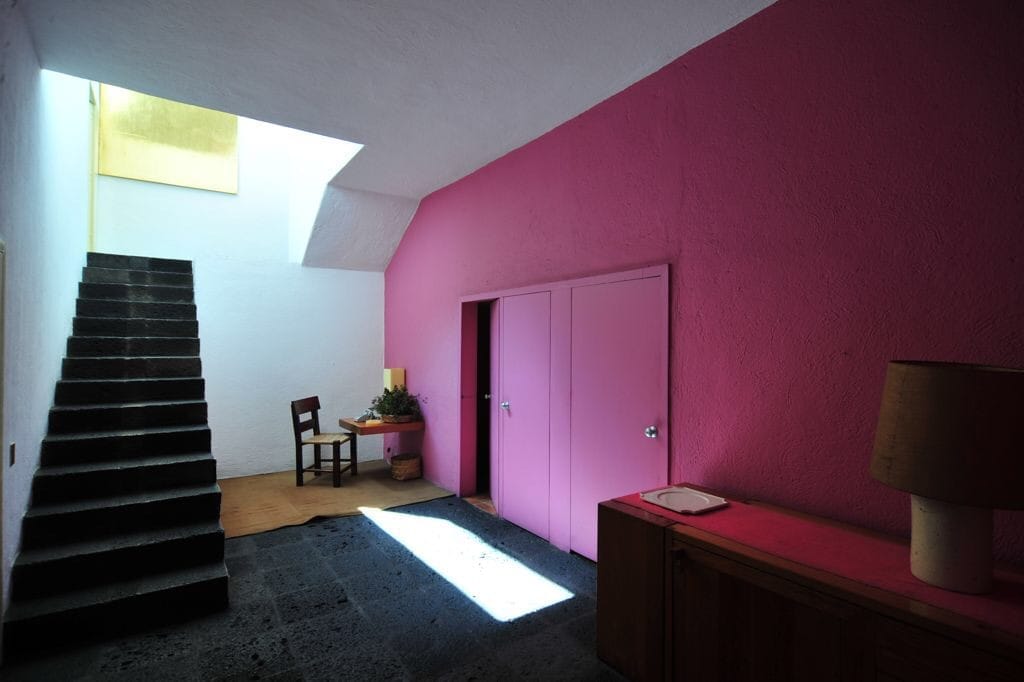
5. Book a Private Tour of Luis Barragán's UNESCO-Listed Home
Mexico's greatest architect designed this house for himself in 1948, and it still feels radical: volcanic stone walls, shafts of coloured light, silence engineered into the layout. Tours are small-group and must be booked ahead. Worth every step of the process.
Explore5. Book a Private Tour of Luis Barragán's UNESCO-Listed Home
Mexico's greatest architect designed this house for himself in 1948, and it still feels radical: volcanic stone walls, shafts of coloured light, silence engineered into the layout. Tours are small-group and must be booked ahead. Worth every step of the process.
ExploreMuseums Most Visitors Walk Past
The best museums in Mexico City guide covers the blockbusters. This section is for the institutions that don't make the highlight reel but consistently reward the curious traveller with smaller crowds, stronger curatorial focus, and spaces that feel personal.
6. Explore Diego Rivera's Volcanic Stone Museum in Coyoacán
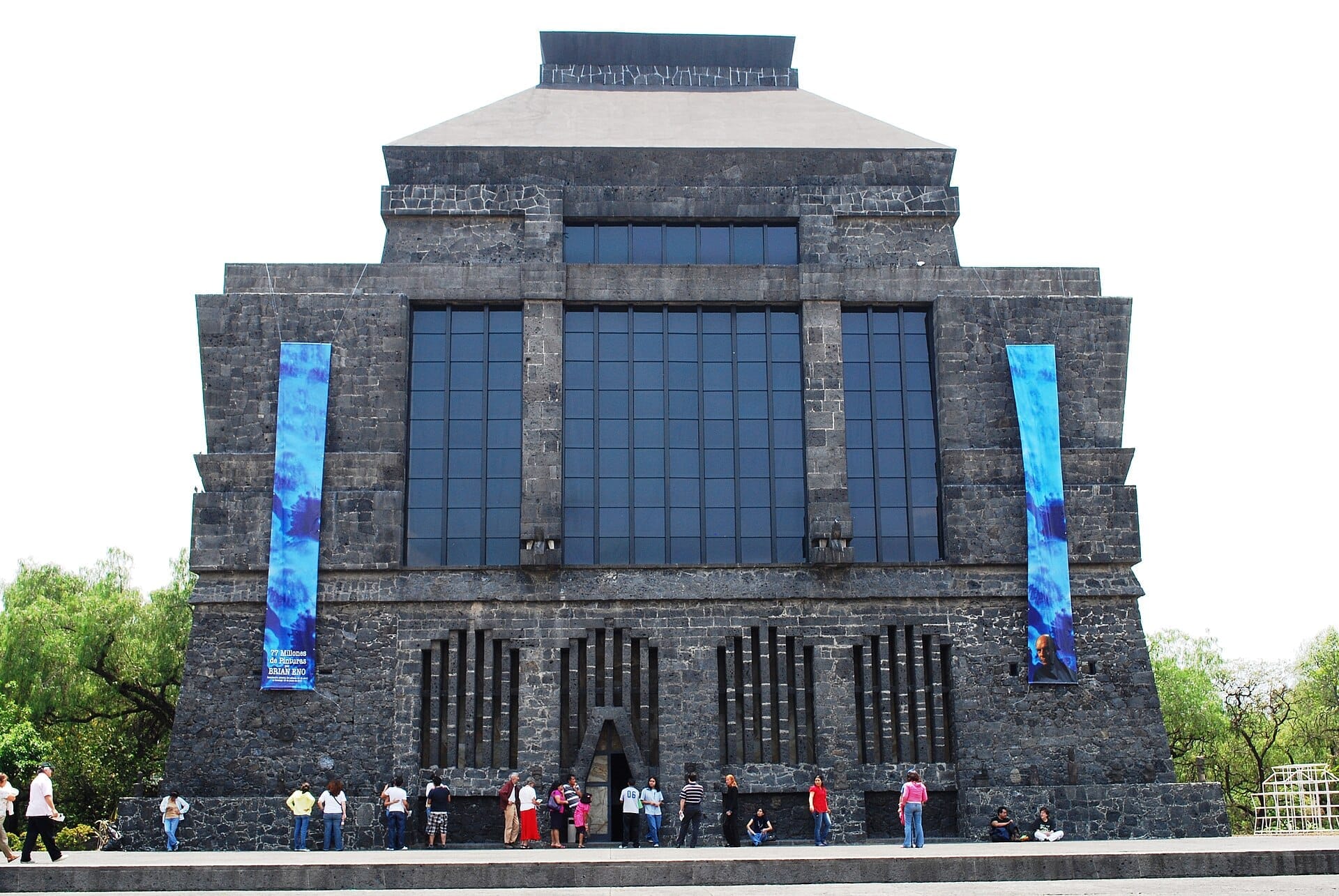
Rivera designed this pyramid-shaped building himself, using dark tezontle volcanic stone, to house his collection of 50,000 pre-Columbian objects. It is brooding, original, and far quieter than the Frida Kahlo Museum a few blocks away. Open Tuesday to Sunday.
Explore6. Explore Diego Rivera's Volcanic Stone Museum in Coyoacán
Rivera designed this pyramid-shaped building himself, using dark tezontle volcanic stone, to house his collection of 50,000 pre-Columbian objects. It is brooding, original, and far quieter than the Frida Kahlo Museum a few blocks away. Open Tuesday to Sunday.
Explore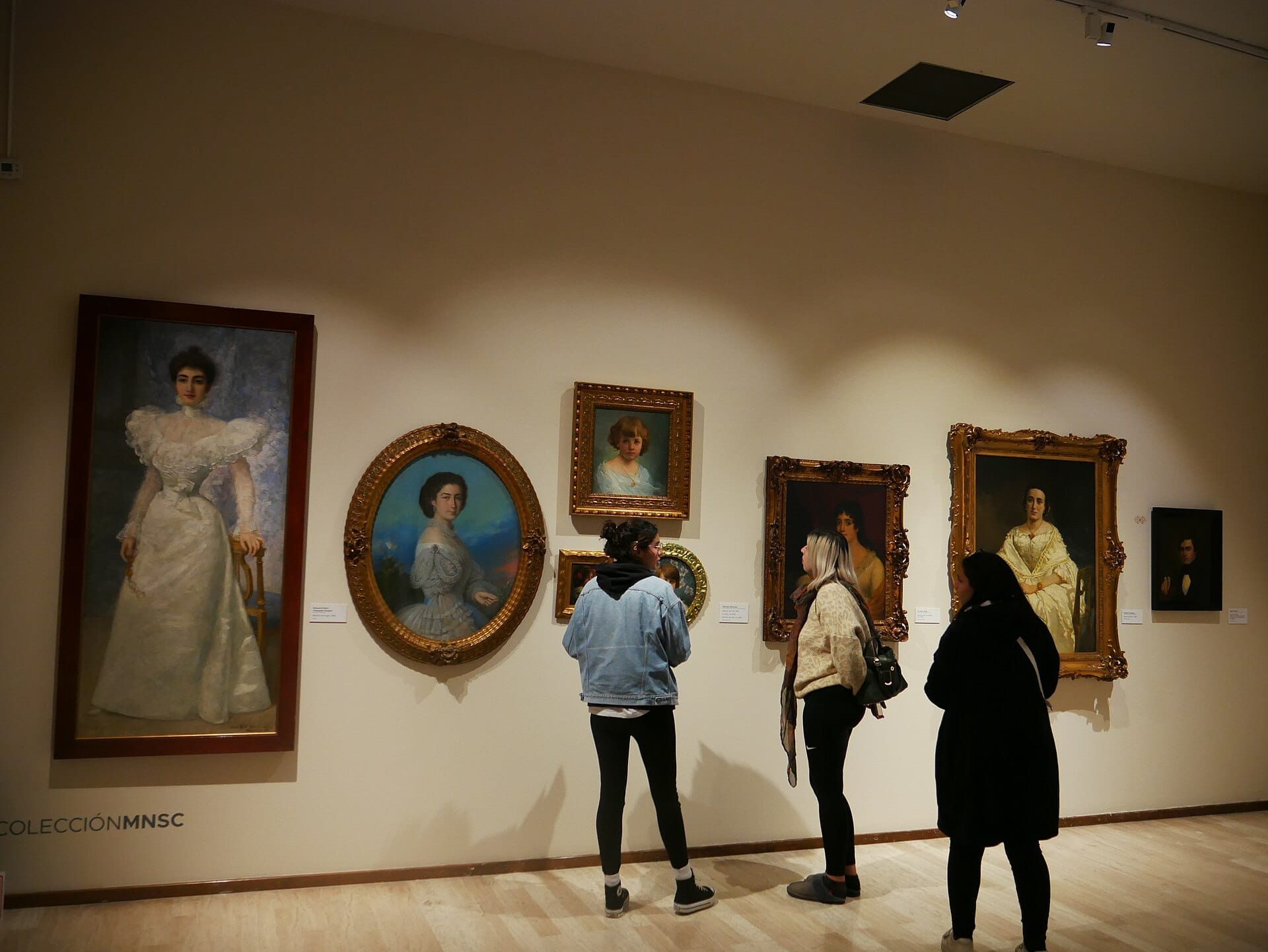
7. Discover Mexico's Best European Art Collection at San Carlos
Housed in a Neoclassical palace in the Centro, San Carlos holds paintings by Rubens, Goya, and Van Dyck that most visitors never realise exist in Mexico City. It is routinely overlooked in favour of pre-Columbian and muralist collections, making it refreshingly uncrowded.
Explore7. Discover Mexico's Best European Art Collection at San Carlos
Housed in a Neoclassical palace in the Centro, San Carlos holds paintings by Rubens, Goya, and Van Dyck that most visitors never realise exist in Mexico City. It is routinely overlooked in favour of pre-Columbian and muralist collections, making it refreshingly uncrowded.
Explore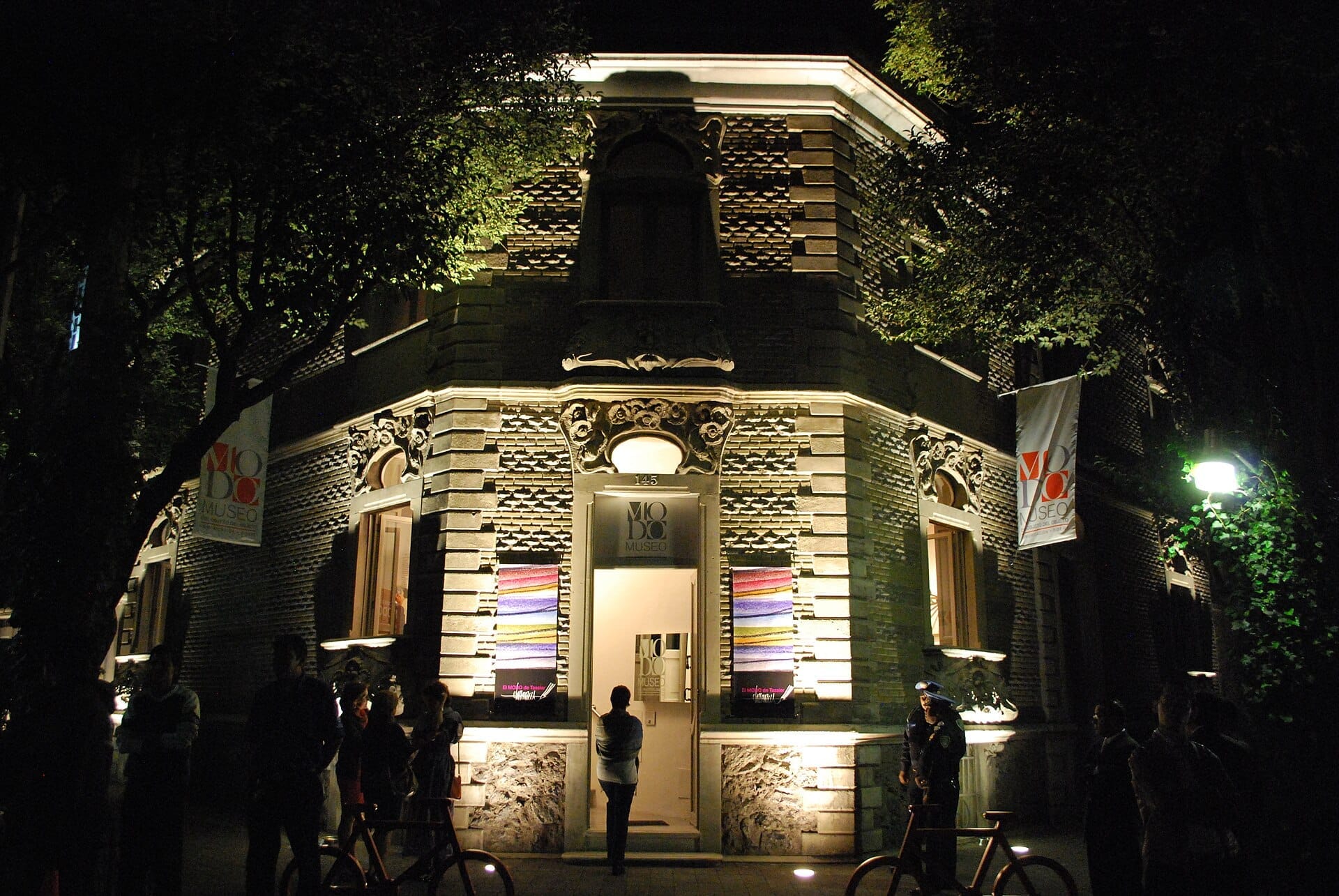
8. Revisit Everyday Life Through Objects at MODO
MODO in Colonia Doctores explores Mexican identity through advertising, packaging, toys, and design. It is playful and intellectually rigorous at the same time, and the building itself is a handsome colonial house. Expect to spend 90 minutes and leave thinking differently about objects.
Explore8. Revisit Everyday Life Through Objects at MODO
MODO in Colonia Doctores explores Mexican identity through advertising, packaging, toys, and design. It is playful and intellectually rigorous at the same time, and the building itself is a handsome colonial house. Expect to spend 90 minutes and leave thinking differently about objects.
Explore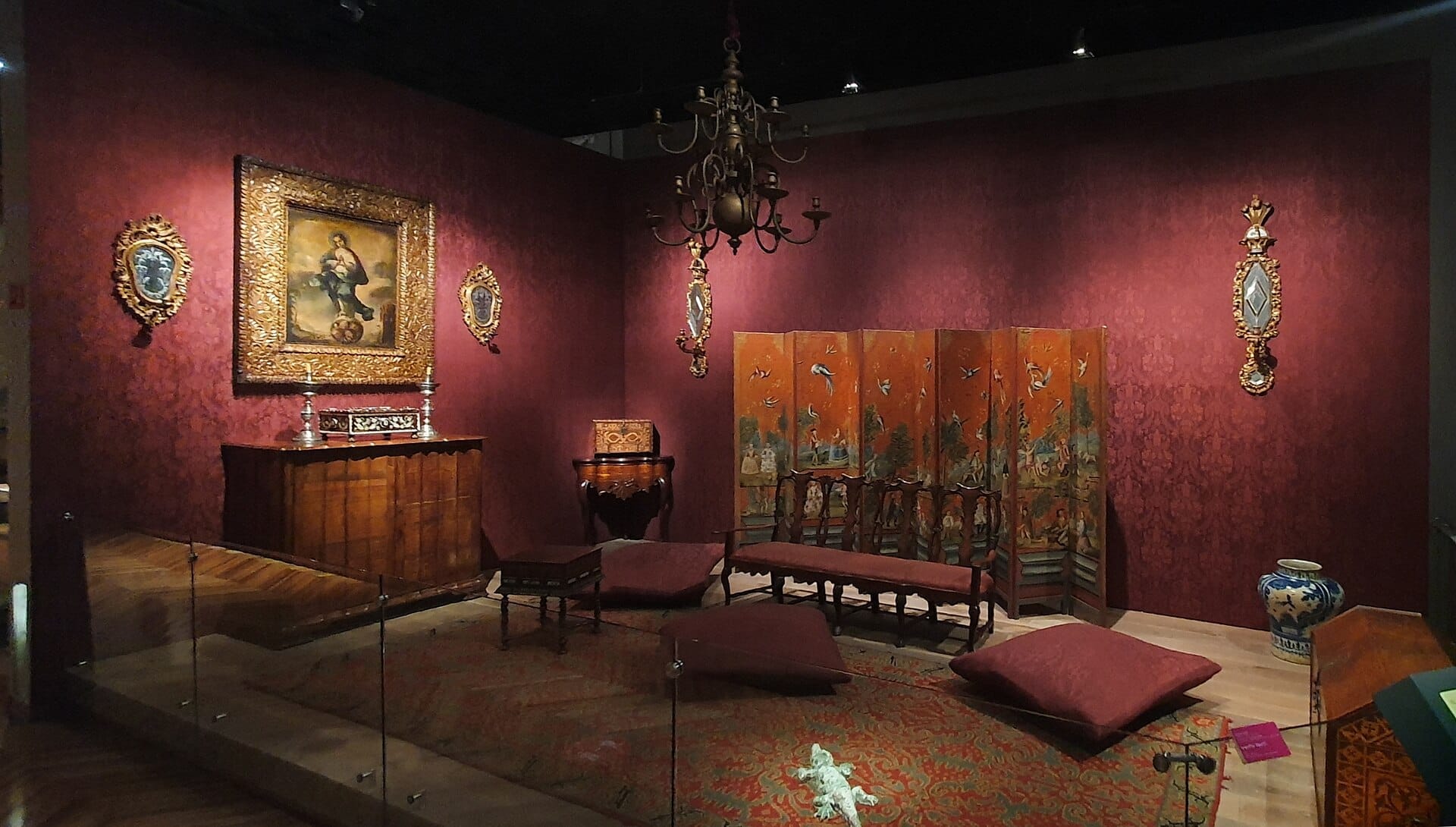
9. Find the Beautiful Cloister at Museo Franz Mayer
A 16th-century hospital beside Alameda Central now houses Mexico's finest decorative arts collection: Talavera ceramics, colonial silver, antique furniture. The central courtyard café is one of the city's most peaceful lunch spots and is reason enough to visit on its own.
Explore9. Find the Beautiful Cloister at Museo Franz Mayer
A 16th-century hospital beside Alameda Central now houses Mexico's finest decorative arts collection: Talavera ceramics, colonial silver, antique furniture. The central courtyard café is one of the city's most peaceful lunch spots and is reason enough to visit on its own.
Explore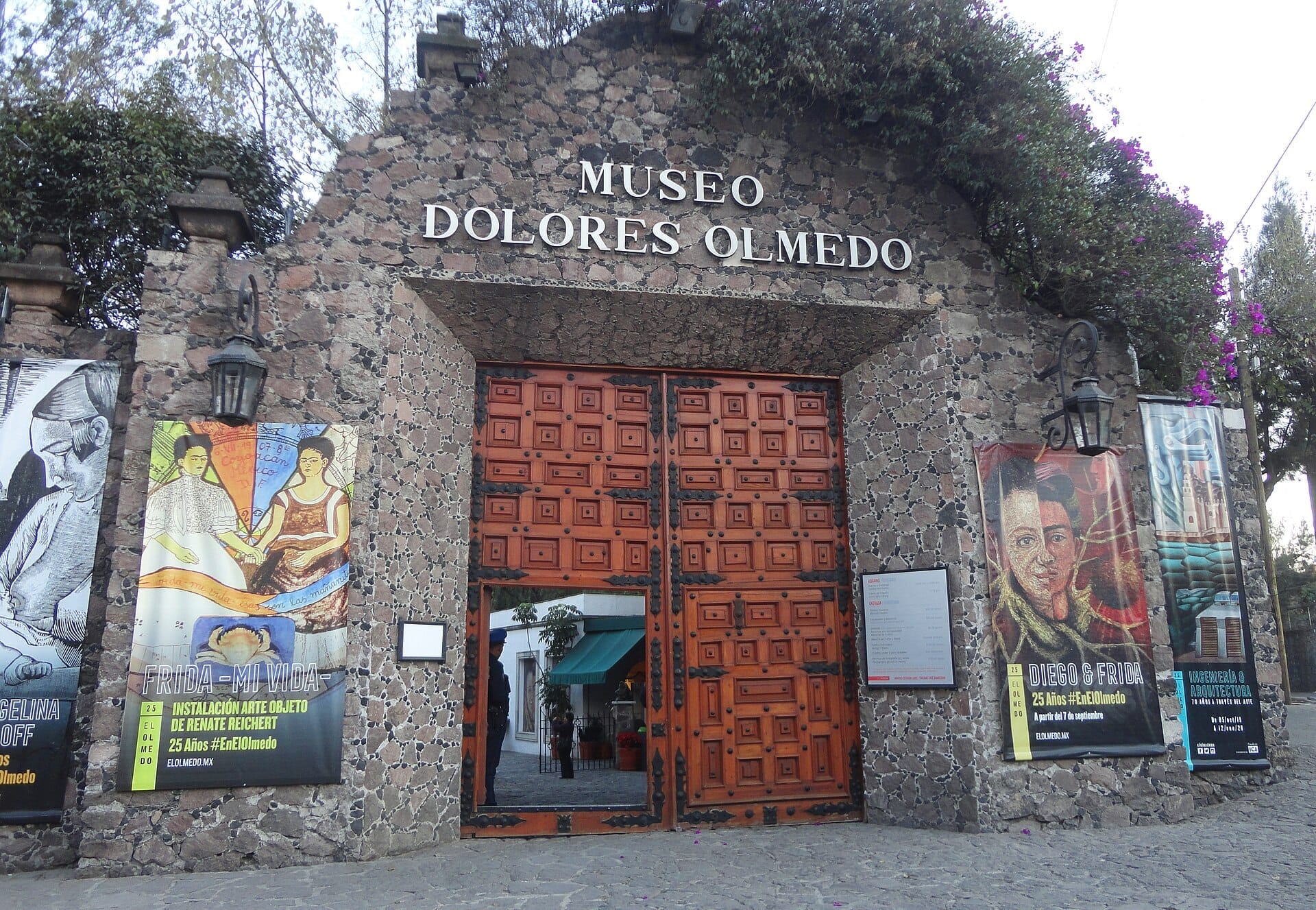
10. See Peacocks and Kahlo Paintings at Museo Dolores Olmedo
This 17th-century hacienda in Xochimilco holds the world's largest private Rivera and Kahlo collection, displayed in rooms and gardens where peacocks and hairless xoloitzcuintli dogs wander freely. The journey south is part of the experience. Far less visited than Casa Azul.
Explore10. See Peacocks and Kahlo Paintings at Museo Dolores Olmedo
This 17th-century hacienda in Xochimilco holds the world's largest private Rivera and Kahlo collection, displayed in rooms and gardens where peacocks and hairless xoloitzcuintli dogs wander freely. The journey south is part of the experience. Far less visited than Casa Azul.
Explore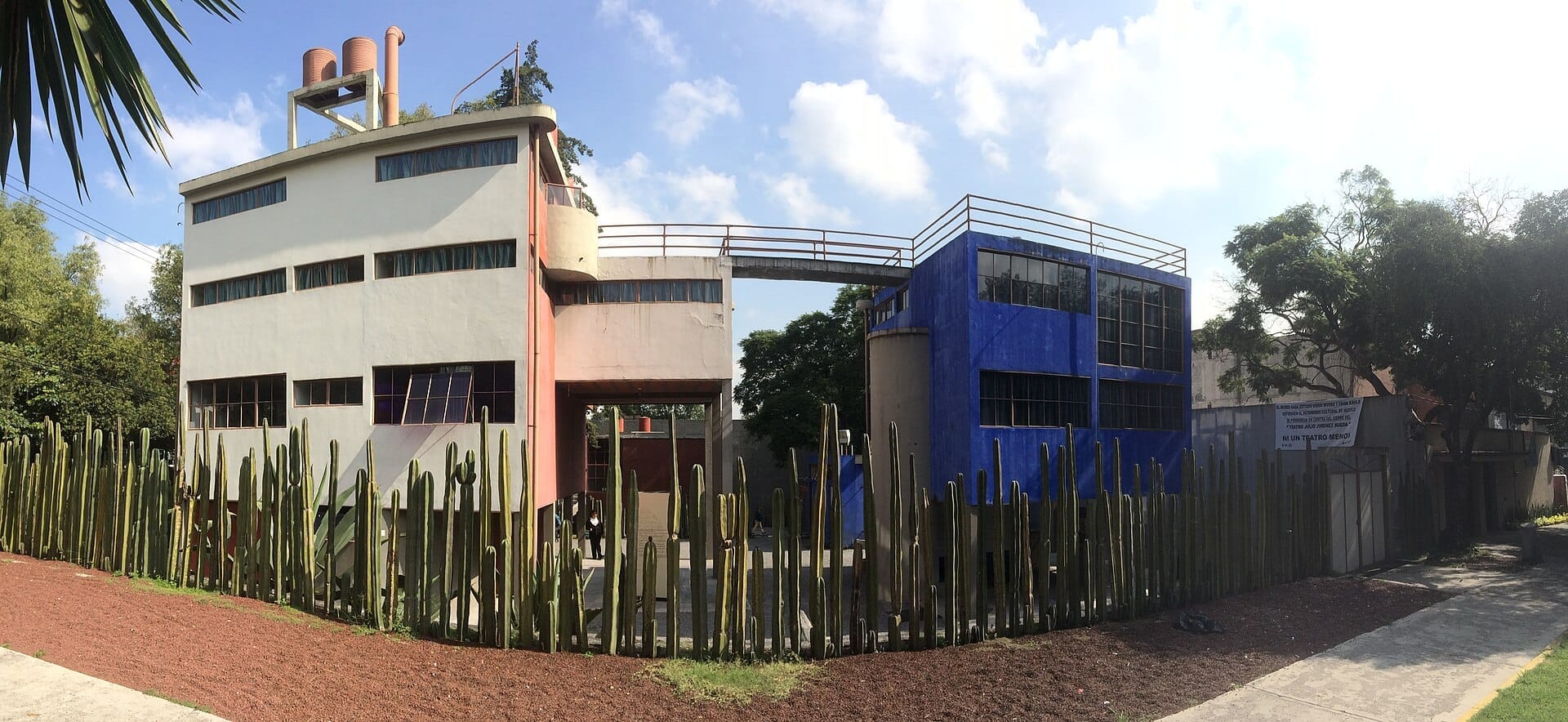
11. Step Into Rivera's Studio as He Left It in San Ángel
The twin modernist houses where Rivera and Kahlo lived in the 1930s are now a museum, with Rivera's studio preserved almost exactly as it was during his lifetime. The Juan O'Gorman-designed buildings are also architectural landmarks in their own right. Entry is inexpensive.
Explore11. Step Into Rivera's Studio as He Left It in San Ángel
The twin modernist houses where Rivera and Kahlo lived in the 1930s are now a museum, with Rivera's studio preserved almost exactly as it was during his lifetime. The Juan O'Gorman-designed buildings are also architectural landmarks in their own right. Entry is inexpensive.
ExploreMarkets & Food Spots Off the Main Circuit
12. Visit Mexico City's 24-Hour Flower Market at Mercado Jamaica
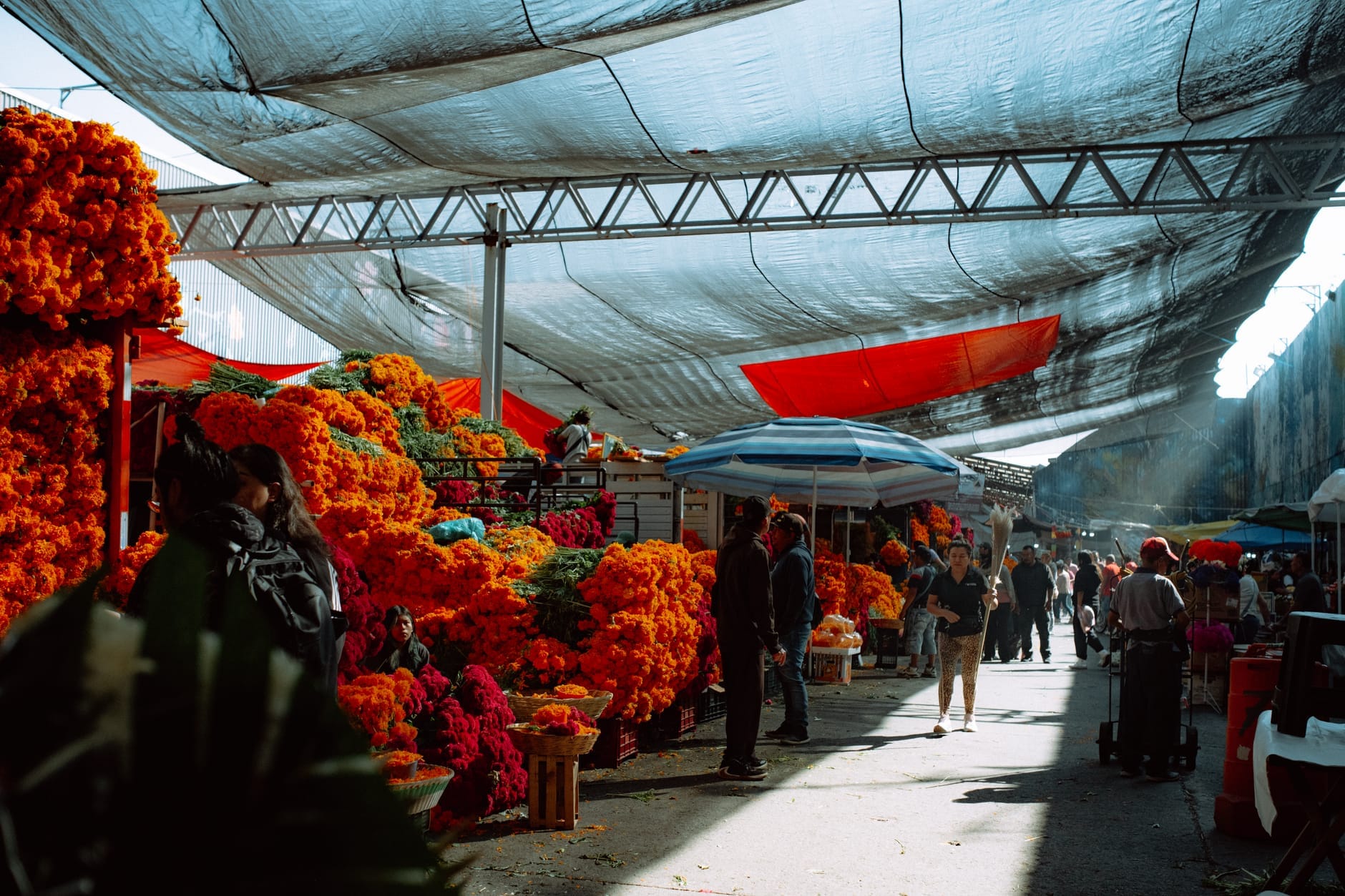
A vast, fragrant warehouse of fresh flowers, plants, and festival decorations that never closes. Locals shop here at 3am before weddings and Day of the Dead altars. It is loud, colourful, and completely authentic. Go early morning for the best atmosphere and freshest stock.
Explore12. Visit Mexico City's 24-Hour Flower Market at Mercado Jamaica
A vast, fragrant warehouse of fresh flowers, plants, and festival decorations that never closes. Locals shop here at 3am before weddings and Day of the Dead altars. It is loud, colourful, and completely authentic. Go early morning for the best atmosphere and freshest stock.
Explore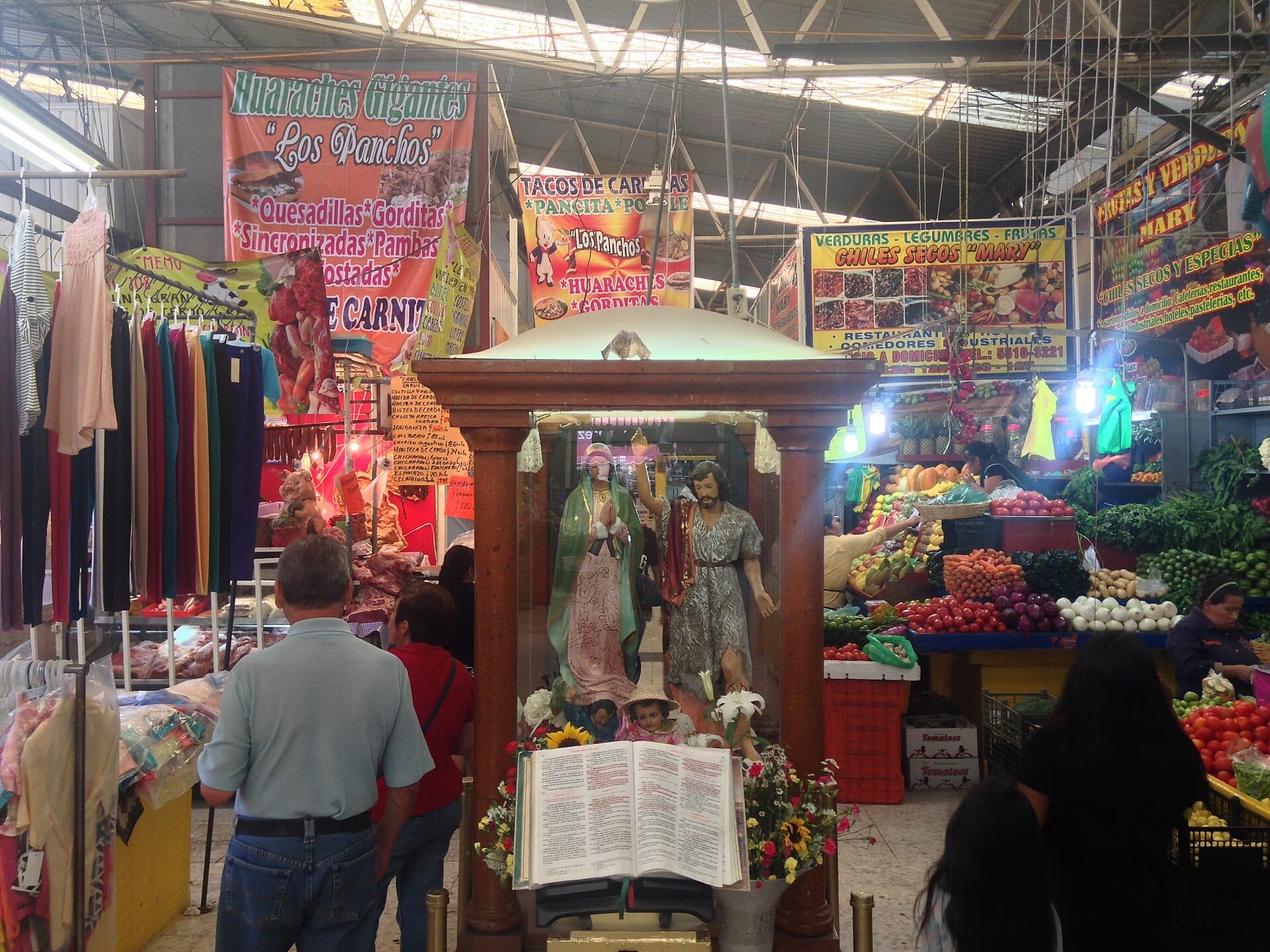
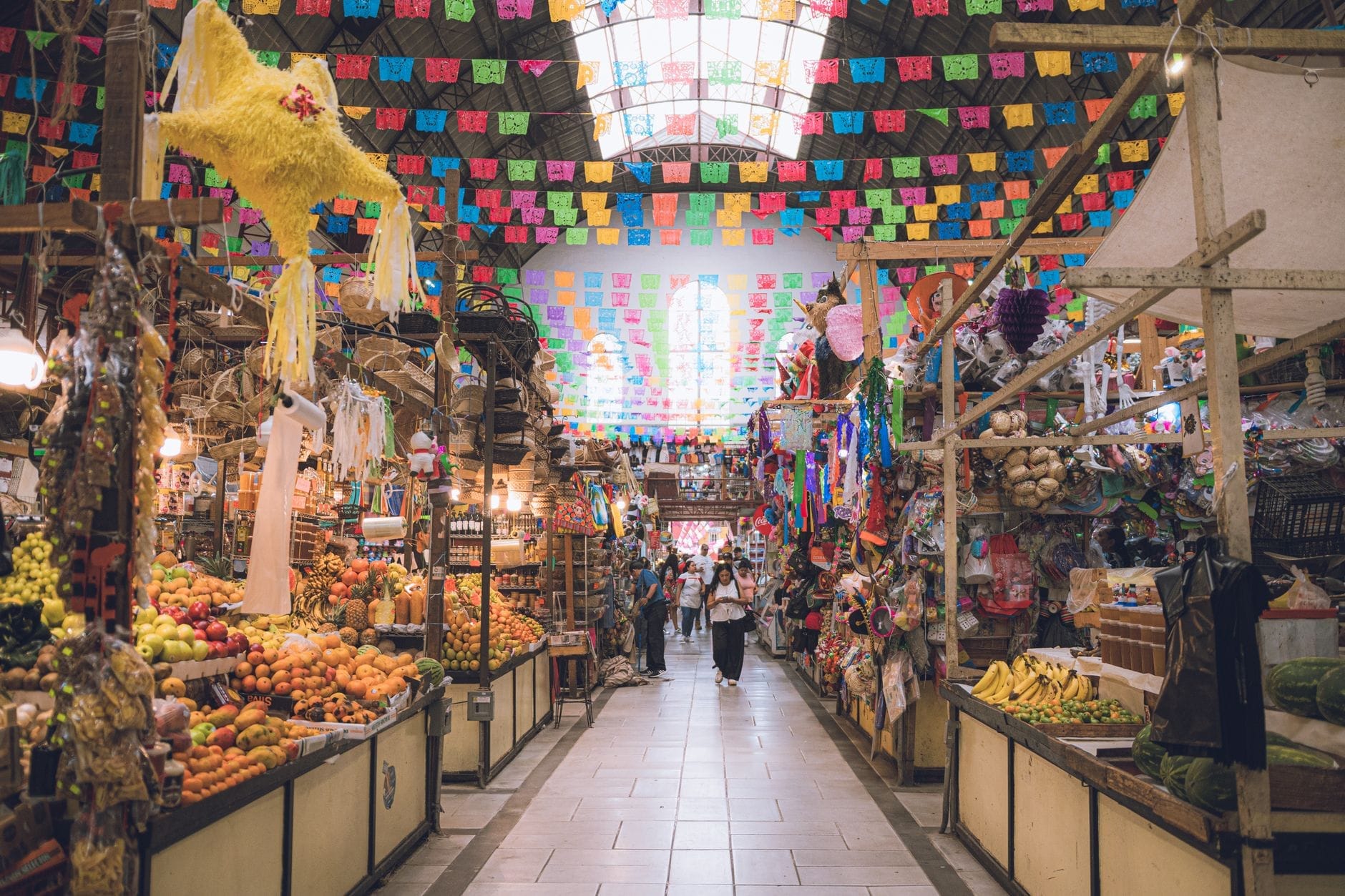
13. Graze on Gourmet Rarities at Mercado de San Juan
This covered market near the Centro is where Mexico City chefs shop for imported cheeses, charcuterie, exotic meats, and fresh seafood. Stalls double as informal lunch counters. Weekday mornings are quieter than weekends, and the variety on a single visit is extraordinary.
Explore13. Graze on Gourmet Rarities at Mercado de San Juan
This covered market near the Centro is where Mexico City chefs shop for imported cheeses, charcuterie, exotic meats, and fresh seafood. Stalls double as informal lunch counters. Weekday mornings are quieter than weekends, and the variety on a single visit is extraordinary.
Explore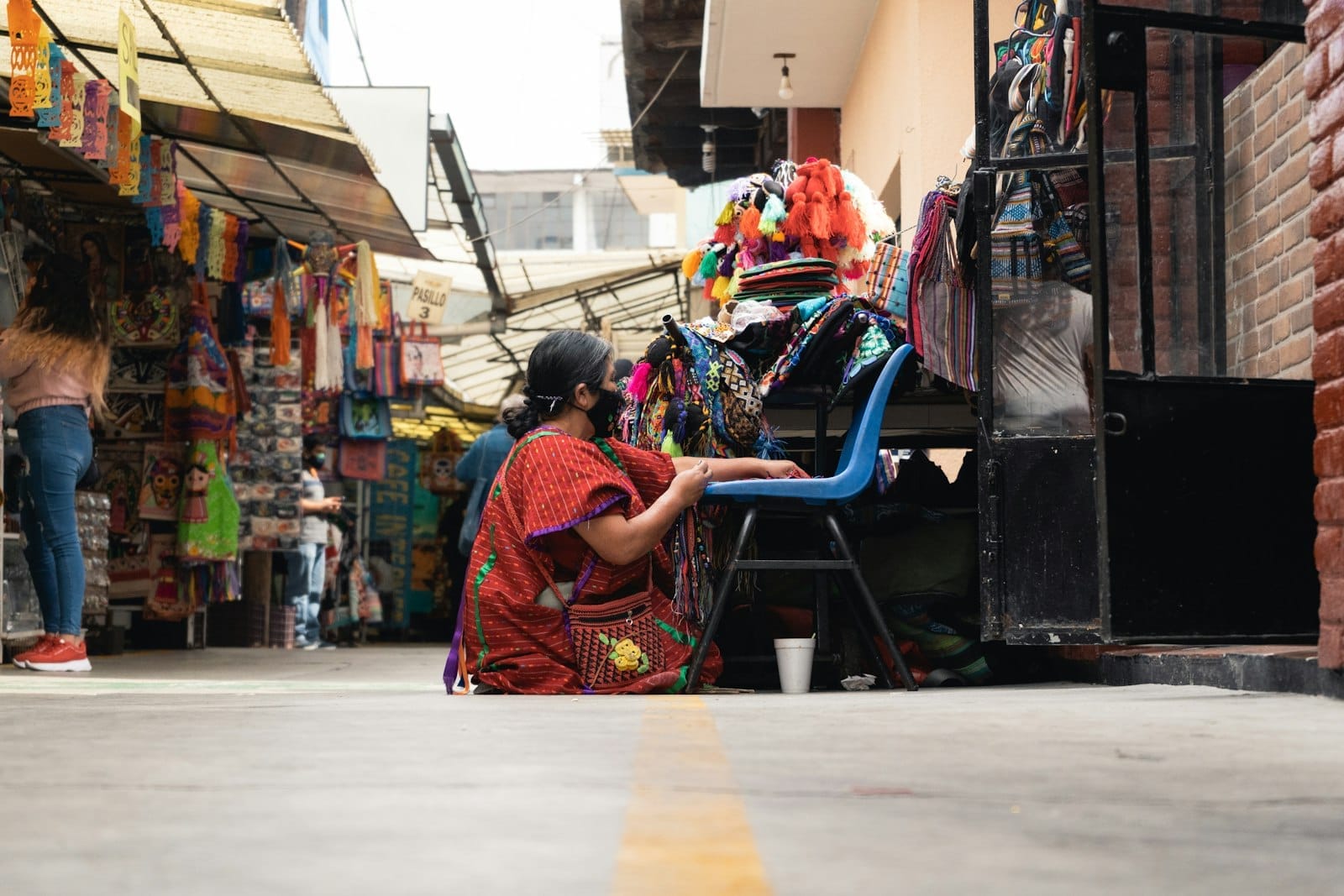
14. Shop for Authentic Mexican Craft at La Ciudadela
La Ciudadela has hundreds of permanent stalls selling handmade ceramics, Oaxacan textiles, alebrijes, silver jewellery, and folk art direct from artisans across Mexico. The quality and price point beat any airport or tourist-zone souvenir shop significantly, and bargaining is standard.
Explore14. Shop for Authentic Mexican Craft at La Ciudadela
La Ciudadela has hundreds of permanent stalls selling handmade ceramics, Oaxacan textiles, alebrijes, silver jewellery, and folk art direct from artisans across Mexico. The quality and price point beat any airport or tourist-zone souvenir shop significantly, and bargaining is standard.
ExploreNeighbourhoods Worth Getting Lost In
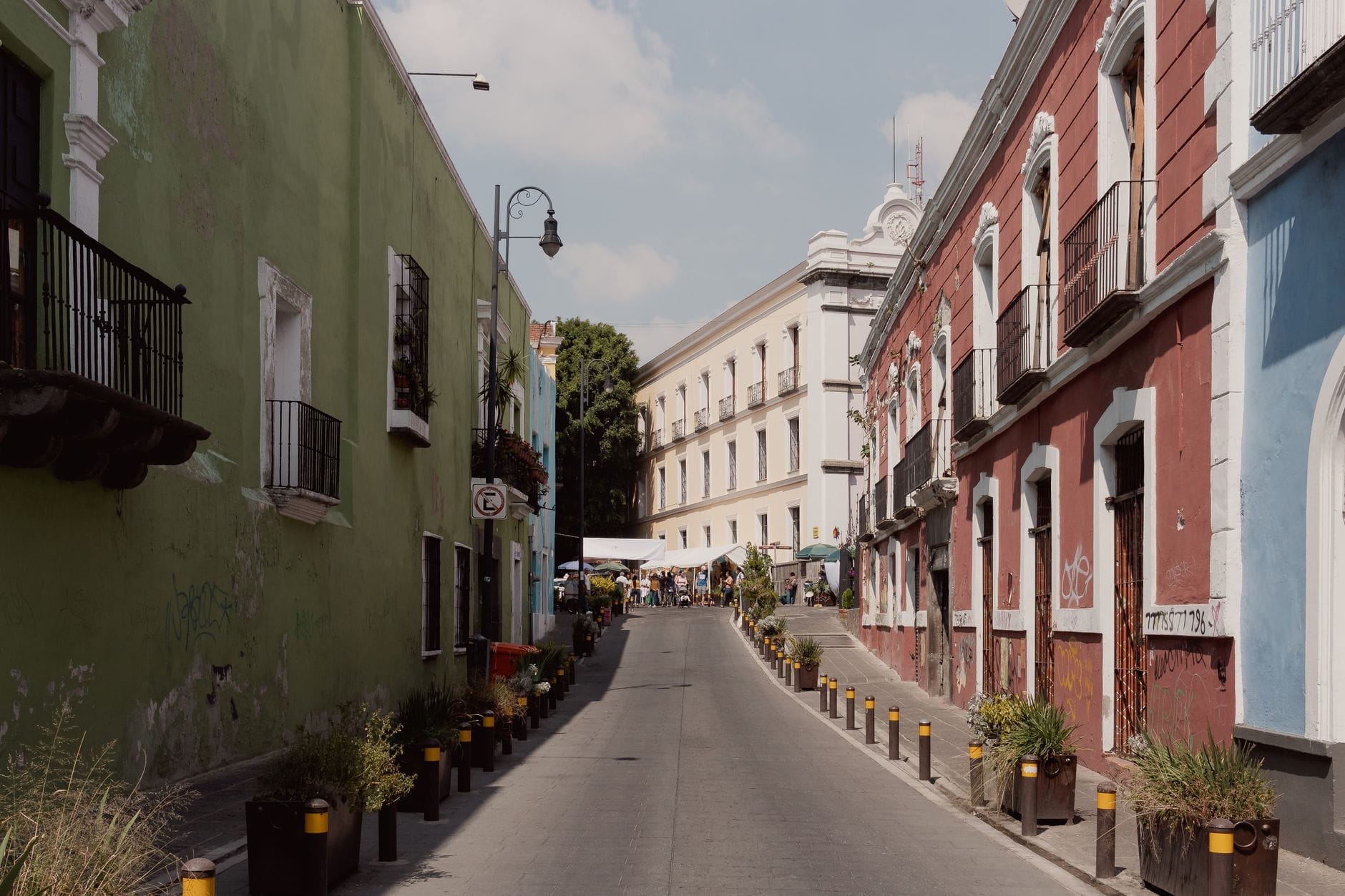
Some of the best hidden gems in Mexico City are not single attractions but entire streets and neighbourhoods that reward slow, unplanned walking. The Mexico City walking tours guide covers guided options, but for independent exploration, the neighbourhoods below are where the city feels most like itself.
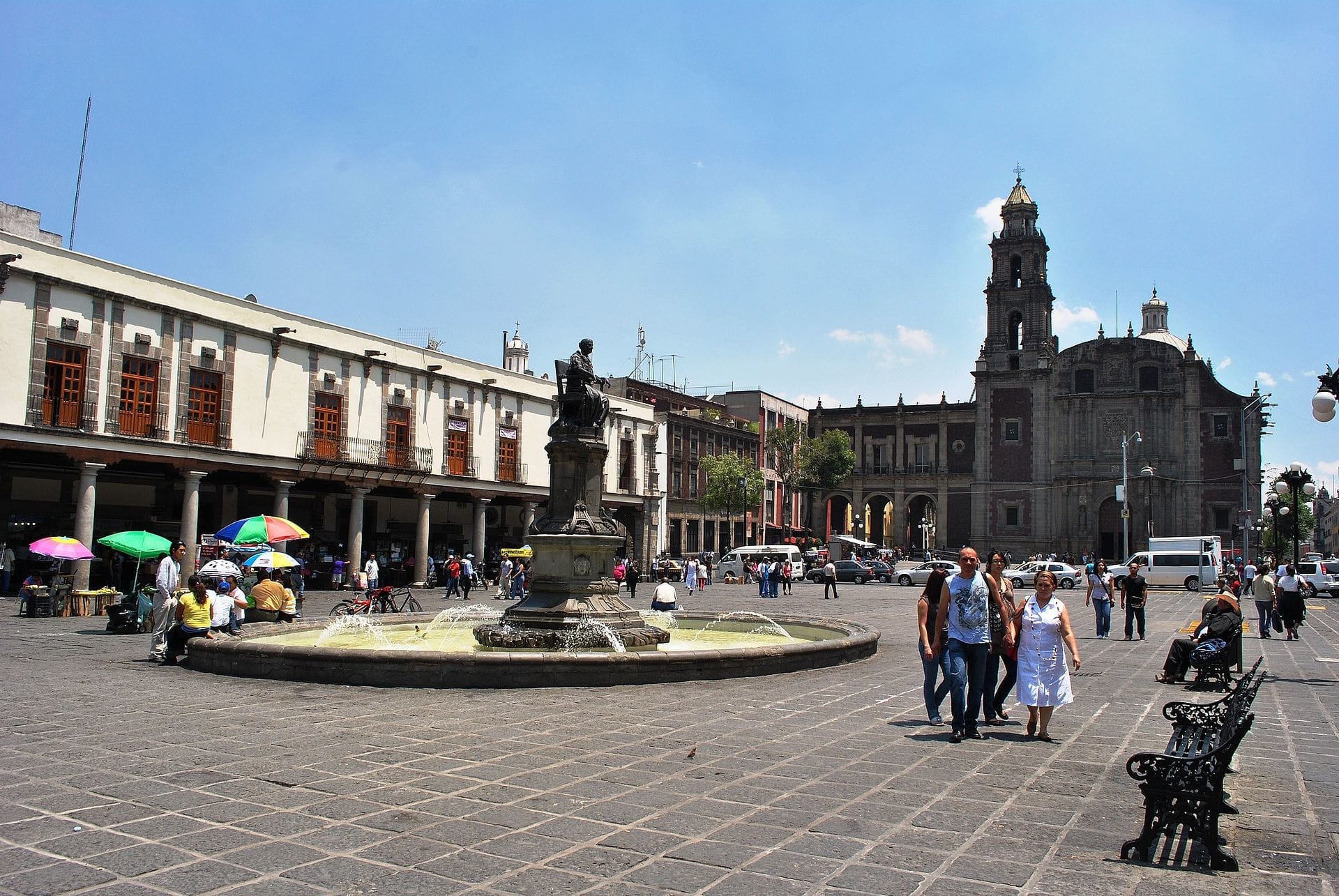
15. Watch the Last Public Letter-Writers at Plaza Santo Domingo
This colonial square north of the Zócalo still has a functioning arcade of public scribes who type letters, diplomas, and documents for customers. The 16th-century church, the old Inquisition building, and the total absence of tourist crowds make this one of the Centro's best quiet corners.
Explore15. Watch the Last Public Letter-Writers at Plaza Santo Domingo
This colonial square north of the Zócalo still has a functioning arcade of public scribes who type letters, diplomas, and documents for customers. The 16th-century church, the old Inquisition building, and the total absence of tourist crowds make this one of the Centro's best quiet corners.
Explore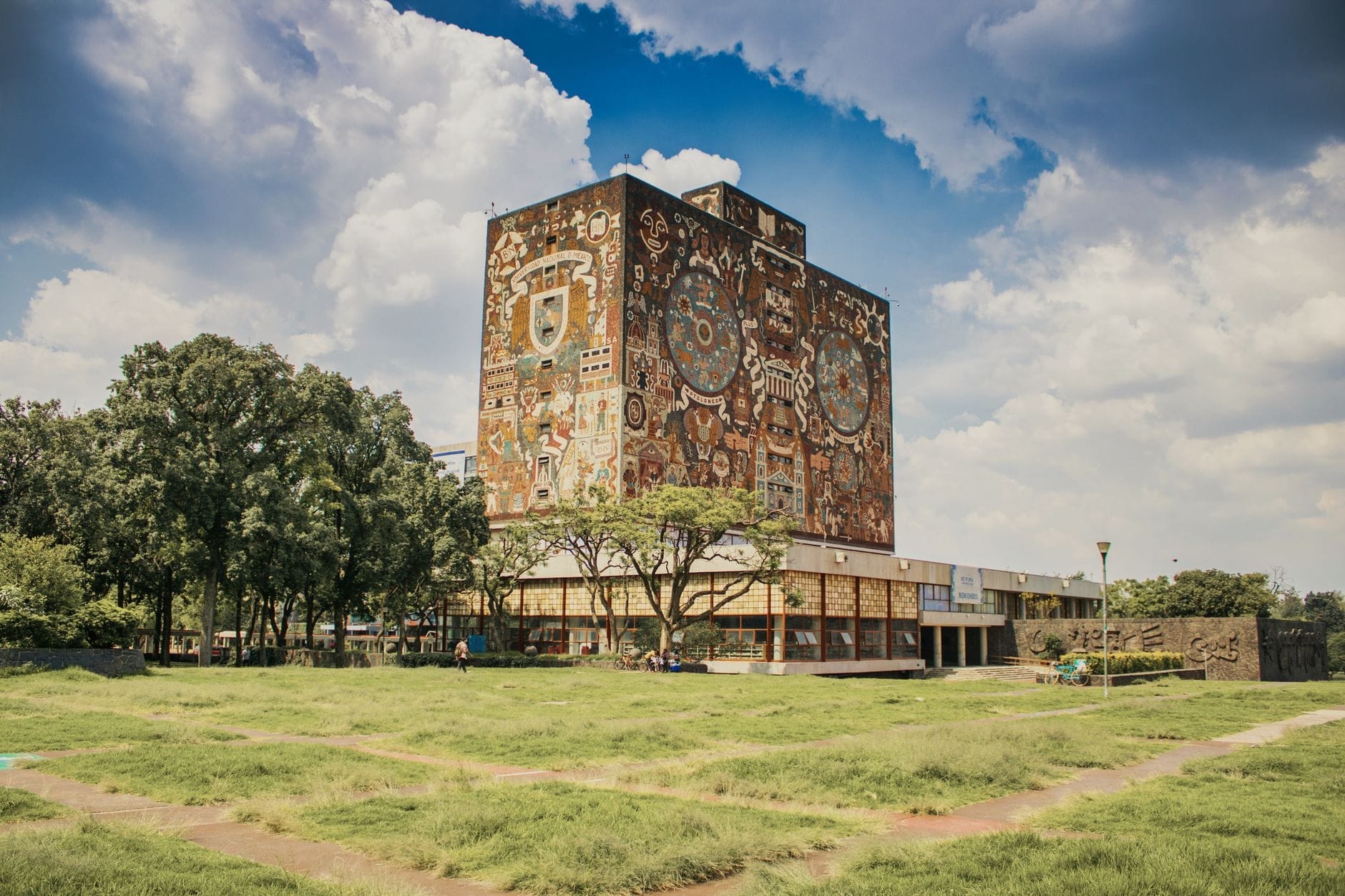
16. Walk the UNESCO-Listed UNAM Campus in the South
The National University campus is a masterpiece of mid-century Mexican architecture, centred on Juan O'Gorman's mosaic-covered Central Library. Most visitors never make it this far south. The campus is free to enter, open to the public, and takes a half-day to explore properly.
Explore16. Walk the UNESCO-Listed UNAM Campus in the South
The National University campus is a masterpiece of mid-century Mexican architecture, centred on Juan O'Gorman's mosaic-covered Central Library. Most visitors never make it this far south. The campus is free to enter, open to the public, and takes a half-day to explore properly.
Explore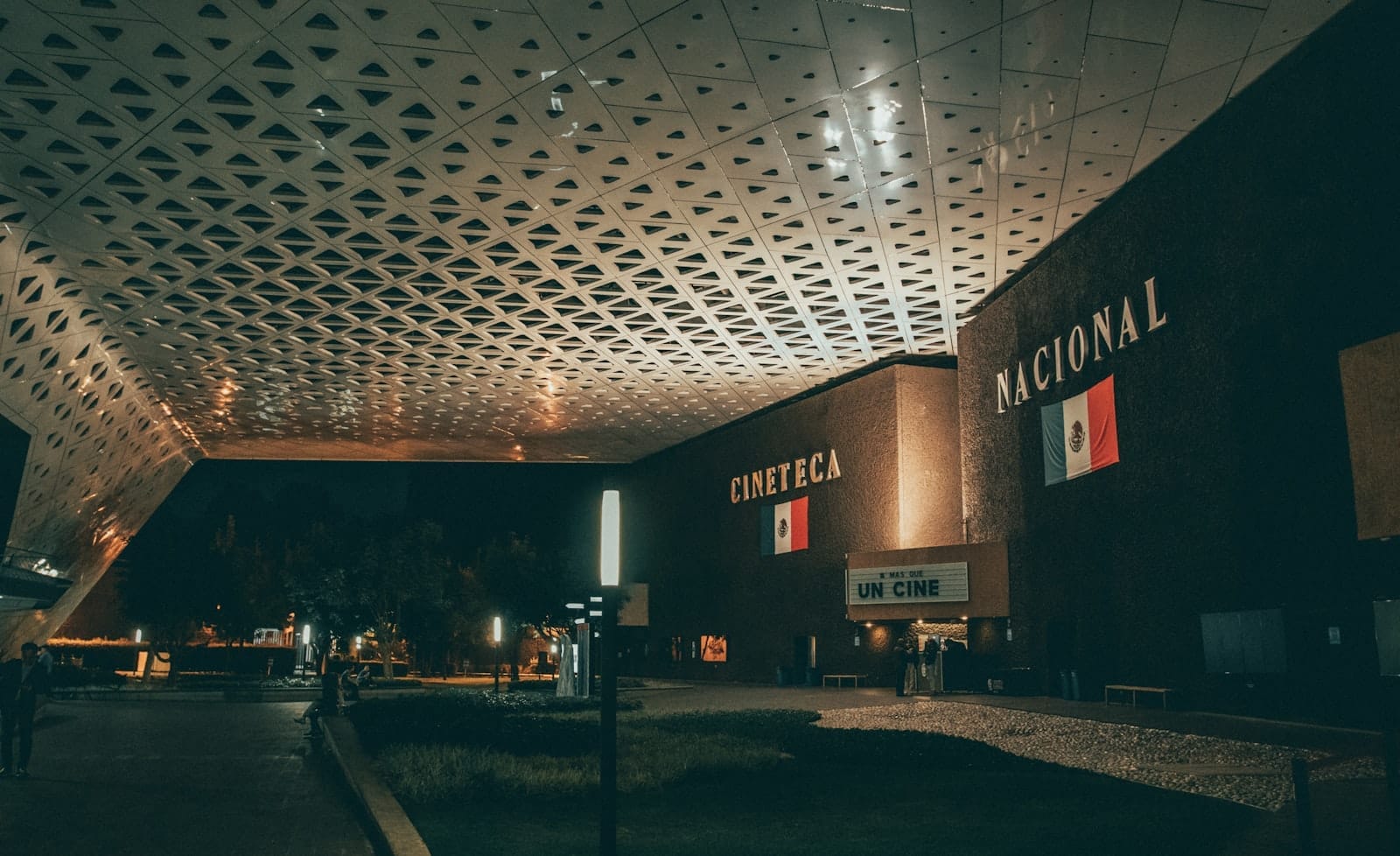
17. Spend an Evening at the Cineteca Nacional Film Archive
Mexico's national cinematheque in Xoco screens art-house, classic, and international films across multiple indoor and outdoor screens. The courtyard fills with locals on weekend evenings. Even if you skip the film, the bookshop, café, and architecture make it worth the Uber ride south.
Explore17. Spend an Evening at the Cineteca Nacional Film Archive
Mexico's national cinematheque in Xoco screens art-house, classic, and international films across multiple indoor and outdoor screens. The courtyard fills with locals on weekend evenings. Even if you skip the film, the bookshop, café, and architecture make it worth the Uber ride south.
Explore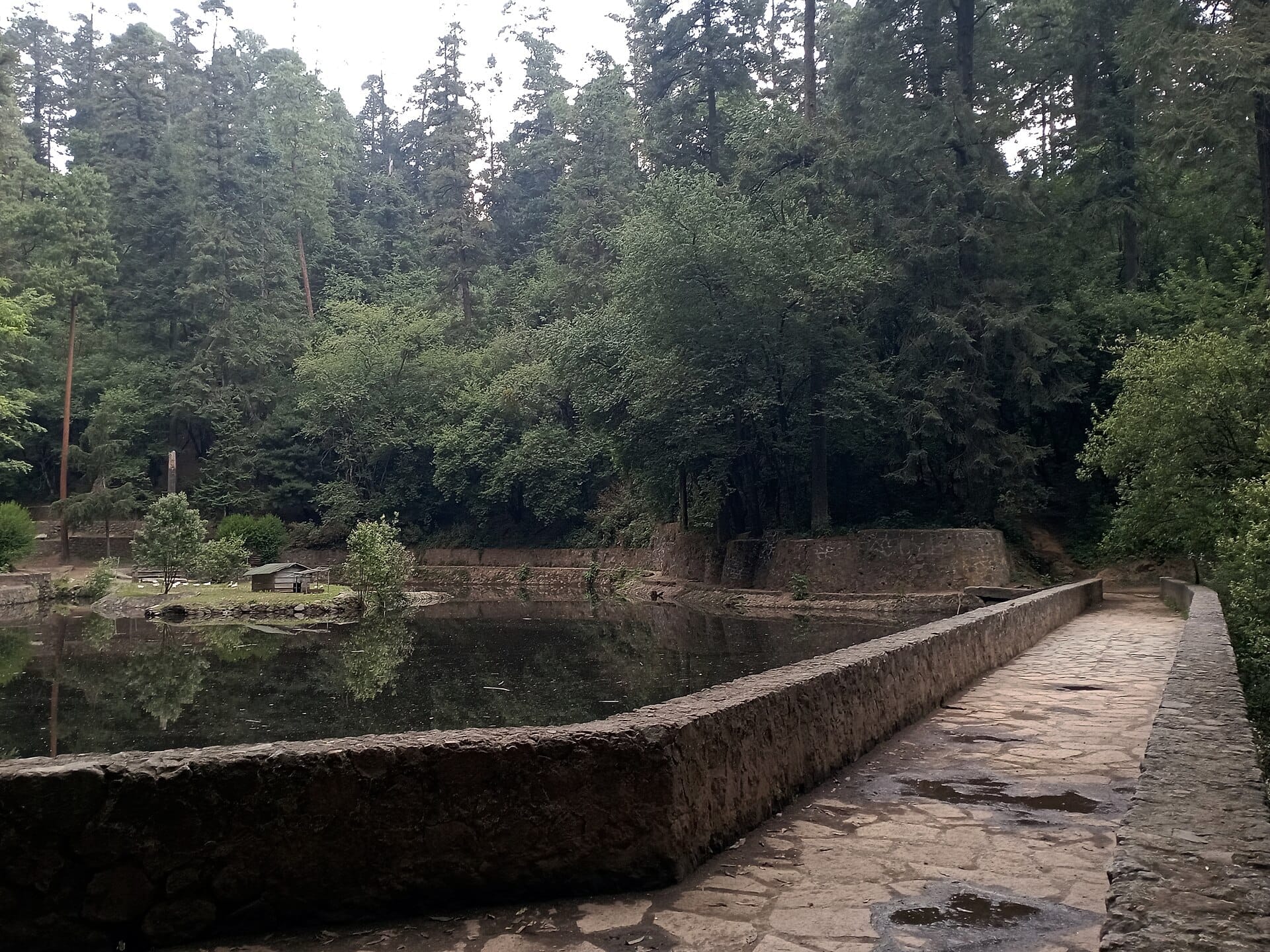
18. Hike a Pine Forest and a Ruined Monastery West of the City
Desierto de los Leones is a national park 30 minutes by car from the centre, with trails through cool oyamel and pine forest and a dramatically atmospheric 17th-century Carmelite monastery at its heart. Almost no international tourists come here. Bring a jacket: it is noticeably cooler than the city.
Explore18. Hike a Pine Forest and a Ruined Monastery West of the City
Desierto de los Leones is a national park 30 minutes by car from the centre, with trails through cool oyamel and pine forest and a dramatically atmospheric 17th-century Carmelite monastery at its heart. Almost no international tourists come here. Bring a jacket: it is noticeably cooler than the city.
Explore✨ Pro tip
For several of these sites, including Casa Luis Barragán and Museo Anahuacalli, booking ahead online is either required or strongly recommended. Show up without a reservation and you may be turned away, especially on weekends.
Unique Experiences Locals Actually Do


19. Watch Lucha Libre at Its Home Venue, Arena México
Lucha libre nights at Arena México draw as many locals as tourists, and the atmosphere inside the arena is unlike anything else in the city: acrobatics, masked wrestlers, theatrical drama, and a crowd that knows every performer by name. Tickets are inexpensive and events run most weeks.
Explore19. Watch Lucha Libre at Its Home Venue, Arena México
Lucha libre nights at Arena México draw as many locals as tourists, and the atmosphere inside the arena is unlike anything else in the city: acrobatics, masked wrestlers, theatrical drama, and a crowd that knows every performer by name. Tickets are inexpensive and events run most weeks.
Explore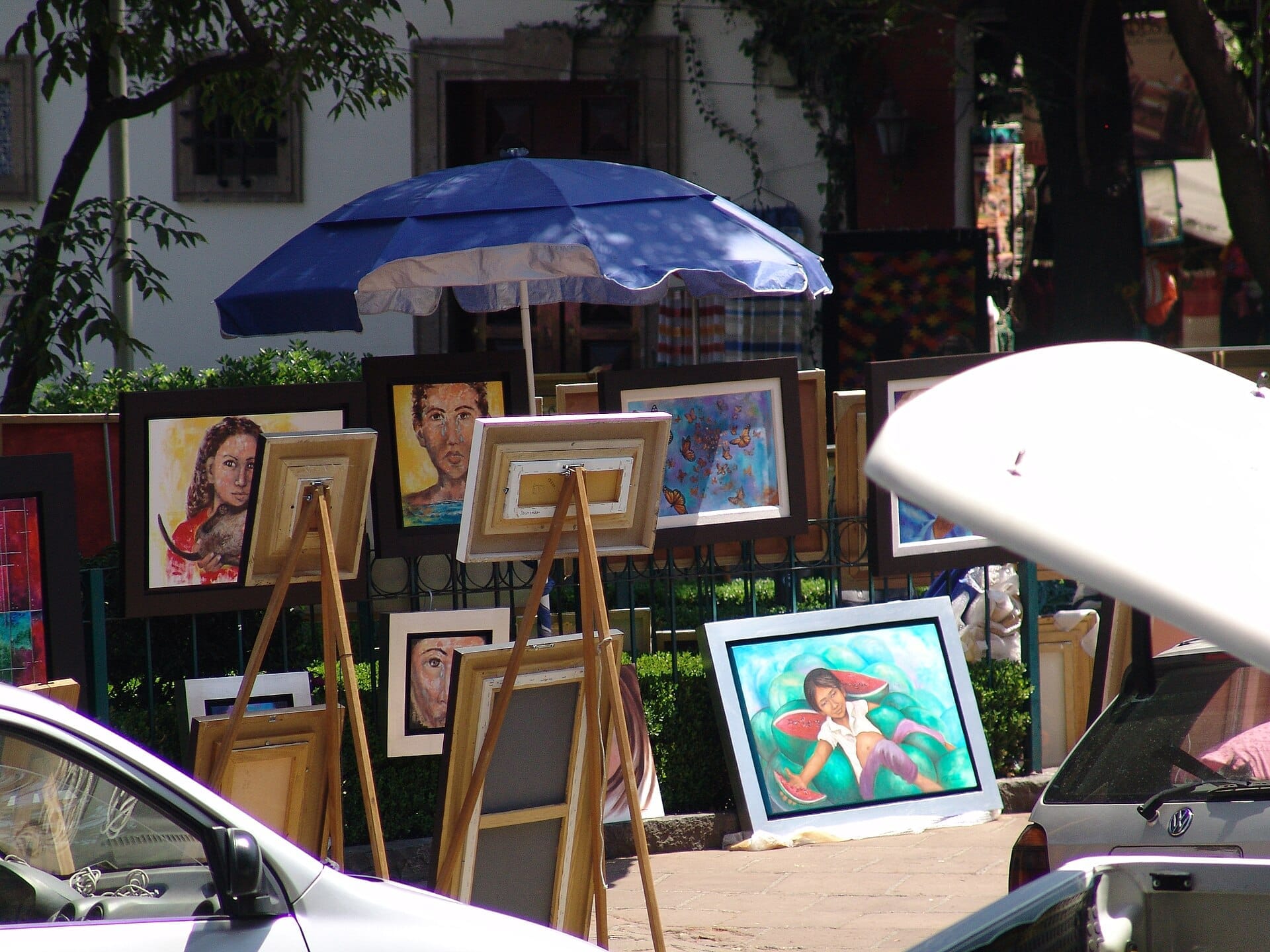
20. Browse Paintings and Jewellery at the San Ángel Saturday Market
Every Saturday, Plaza San Jacinto in colonial San Ángel hosts Bazar del Sábado, where working artists and craftspeople sell original paintings, jewellery, and handmade objects. The surrounding streets, restaurants, and the Museo Casa Estudio nearby make this a full Saturday itinerary.
Explore20. Browse Paintings and Jewellery at the San Ángel Saturday Market
Every Saturday, Plaza San Jacinto in colonial San Ángel hosts Bazar del Sábado, where working artists and craftspeople sell original paintings, jewellery, and handmade objects. The surrounding streets, restaurants, and the Museo Casa Estudio nearby make this a full Saturday itinerary.
ExploreFAQ
What are the most underrated neighbourhoods in Mexico City?
Santa María la Ribera is frequently cited by long-term residents as one of the most authentic and overlooked neighbourhoods in the city. Its Moorish kiosk, alameda, and late-19th-century architecture draw almost no tourist traffic. San Ángel on a non-Saturday is similarly quiet, and Xochimilco beyond the trajinera landing stages rewards exploration on foot.
Are there archaeological sites in Mexico City beyond Teotihuacán?
Yes. Cuicuilco in the south is one of the oldest urban centres in Mesoamerica and features a unique circular pyramid partially buried by a volcanic lava flow. Tenayuca, in the northern metro area, has a well-preserved Aztec double pyramid encircled by a wall of roughly 140 stone serpents. Both see far fewer visitors than Teotihuacán and are impressive.
Which Mexico City museums are worth visiting but usually skipped by tourists?
Museo Nacional de San Carlos holds a serious collection of European painting that most visitors never realise exists in Mexico City. Museo Anahuacalli is Diego Rivera's self-designed volcanic stone building housing around 2,000 pre-Columbian artefacts. MODO (Museo del Objeto del Objeto) explores Mexican material culture through everyday objects in a way that is both accessible and intellectually engaging.
What are good hidden gem experiences for evenings in Mexico City?
Mercado Jamaica is open 24 hours a day and is particularly atmospheric late at night and in the early morning hours before dawn. Arena México hosts lucha libre events on most Tuesday, Friday, and Sunday evenings. Cineteca Nacional has outdoor film screenings on weekend evenings that attract a local, relaxed crowd.
How do I get to Cuicuilco and Desierto de los Leones without a car?
Cuicuilco is accessible via the Metro to Universidad station followed by a 15–20 minute bus or taxi ride south along Insurgentes. Desierto de los Leones is best reached by Uber or taxi from the city; public transport options exist but involve multiple connections. Verify current routes and prices before your visit, as services change.
Tickets & tours
Live prices and dates from our booking partner. If you book, we may earn a commission at no extra cost to you.
Planning a trip? Discover personalized activities with the Nomado app.