Museo Nacional de San Carlos: Where a European Art Collection Found Its Mexican Home
Housed in Manuel Tolsá's late 18th-century Palacio del Conde de Buenavista, the Museo Nacional de San Carlos holds one of Latin America's most significant collections of European art, spanning the 16th to 20th centuries. It is a quiet, unhurried alternative to the city's larger cultural institutions, and free on Sundays.
Quick Facts
- Location
- Av. México-Tenochtitlan 50, Colonia Tabacalera, Cuauhtémoc, Mexico City
- Getting There
- Metro Hidalgo (Lines 2 & 3); Metrobús stop 'Museo San Carlos'
- Time Needed
- 1 to 2 hours
- Cost
- $70 MXN general; free Sundays and for students, teachers, seniors, children under 13, and visitors with disabilities
- Best for
- Art history enthusiasts, architecture lovers, quiet museum-goers, free Sunday outings
- Official website
- www.mnsancarlos.com
What the Museo Nacional de San Carlos Is
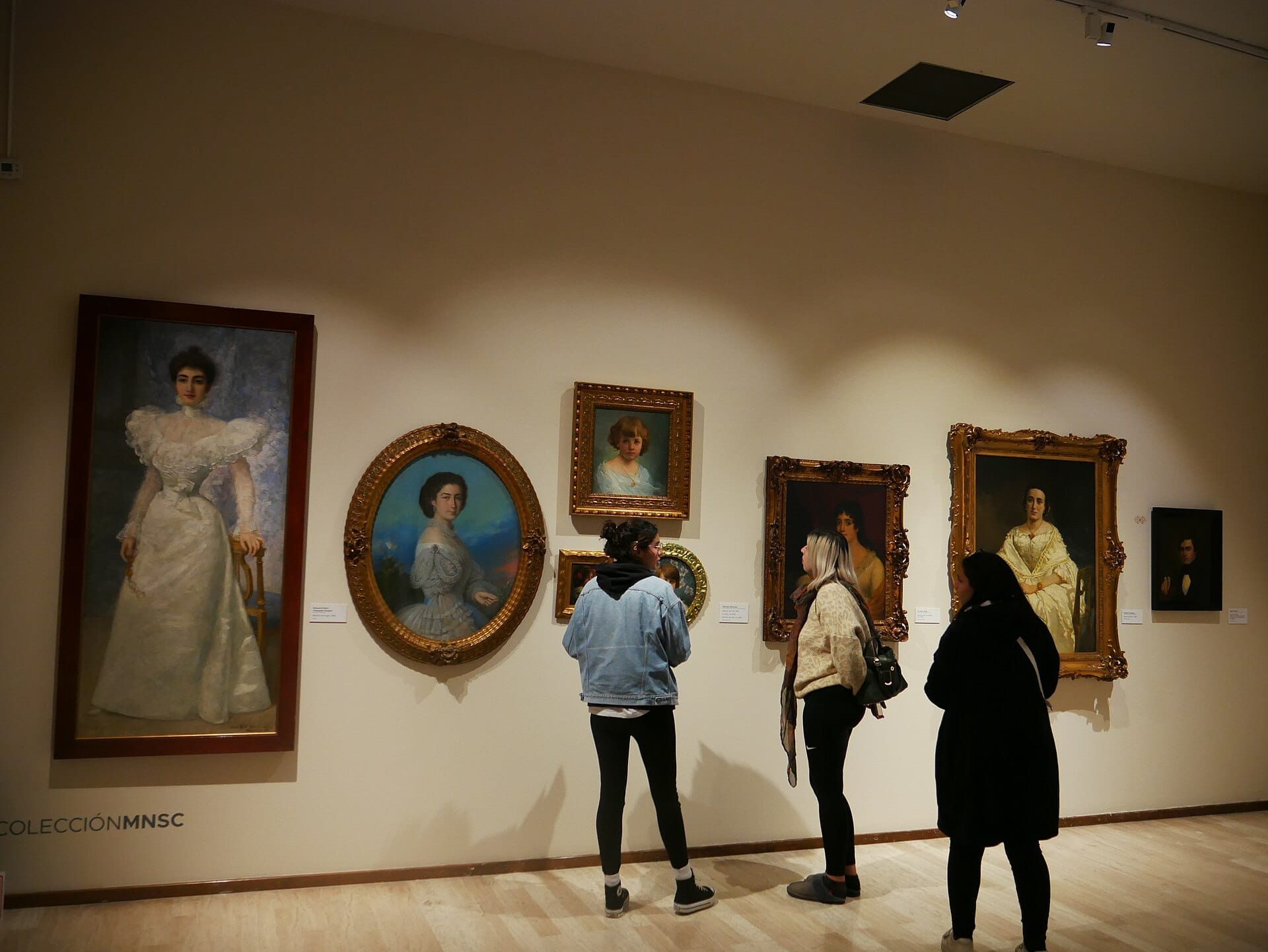
The Museo Nacional de San Carlos is one of Mexico City's least crowded and most architecturally significant museums, yet it rarely appears at the top of first-time visitor itineraries. That is a genuine oversight. The collection, originally assembled by the Real Academia de San Carlos in the late colonial period, traces Western European art from the 16th century through the early 20th century across six permanent exhibition rooms. You will find Flemish portraits, Spanish religious painting, Dutch still lifes, Italian academic works, and 19th-century European landscapes, all displayed inside a palace that is itself a work of art.
The museum sits in Colonia Tabacalera, a neighborhood that edges into the western fringe of the Centro Histórico. It is less than a ten-minute walk from the Alameda Central and a short stroll from major landmarks on Paseo de la Reforma. Despite the central location, the surrounding block is calm by Mexico City standards, and the museum itself rarely sees the kind of foot traffic that fills the Museo Nacional de Antropología on a weekend afternoon.
💡 Local tip
Visit on a Sunday for free general admission. Crowds are still modest compared to most Mexico City museums, and the soft morning light through the oval courtyard is worth planning around.
The Building: Manuel Tolsá and the Palacio del Conde de Buenavista
The structure that houses the museum is the Palacio del Conde de Buenavista, commissioned in the late 18th century and completed around 1798 under the direction of Manuel Tolsá, the Spanish-born architect and sculptor who also designed the Palacio de Minería and completed the towers of the Metropolitan Cathedral. The building was declared a national monument in 1932, and the reasons are immediately apparent once you step inside.
The façade is austere in the best sense: dressed stone, measured proportions, and a restrained use of ornament typical of Mexican neoclassicism at its most disciplined. What surprises most visitors is the interior courtyard, which is oval in plan, an unusual choice for colonial Mexico City. The curved colonnade of Ionic columns creates a sense of ordered movement around a central open space. When the light falls at a low angle in the morning, the pale stone takes on a warm, almost amber tone. The courtyard is worth lingering in before you enter any gallery.
The building changed hands and purposes several times over the 19th and early 20th centuries before the museum opened here in 1968. Knowing that history adds depth to a visit: you are not just walking through a museum, but through a space that has been a private palace, an institutional seat, and a national heritage site across more than two centuries.
Tickets & tours
Live prices and dates from our booking partner. If you book, we may earn a commission at no extra cost to you.
Xochimilco, Coyoacan and Frida Kahlo Museum with skip-the-line tickets
From 63 €Instant confirmationFree cancellationFrida Kahlo and Diego Rivera legacy visit to three museums with skip-the-line tickets
From 67 €Instant confirmationFree cancellationSix Flags Amusement Park tickets and transportation
From 87 €Instant confirmationFree cancellationMexico City National Museum of Anthropology guided tour
From 57 €Instant confirmationFree cancellation
The Collection: Six Centuries of Western Art in Six Rooms
The permanent collection is organized chronologically and by school, moving visitors from early Renaissance and Mannerist works through Baroque, Rococo, Neoclassicism, and into 19th-century academicism and early modernism. The range is real: Flemish portrait studies sit near Spanish devotional paintings; Dutch genre scenes appear alongside Italian allegories. This is not a collection assembled by a single patron with narrow taste, but a scholarly accumulation built over decades by Mexico's first fine arts academy.
Several works stand out on repeated visits. The Baroque religious paintings reward close attention, particularly those that demonstrate the influence of Caravaggio on Spanish colonial-era ecclesiastical commissions. The 19th-century European landscapes, often overlooked in favor of older works, show how academically trained painters in France, Spain, and Italy were responding to Romanticism while still working within classical compositional frameworks. For visitors more familiar with Mexican muralism or pre-Hispanic art, this collection offers a markedly different perspective on why those later movements developed the way they did.
ℹ️ Good to know
The museum also hosts temporary exhibitions alongside the permanent collection. Check the official website at mnsancarlos.com before visiting to see what is currently on display, as temporary shows can add significantly to the visit.
How the Experience Changes by Time of Day
The museum opens at 10:00 Tuesday through Sunday and closes at 18:00. Early in the morning, particularly on weekdays, you may find yourself in galleries alone or nearly so. The silence in the courtyard at that hour, with traffic sounds muffled by the thick stone walls, is one of those unexpectedly calm moments that Mexico City occasionally offers. The light in the upper galleries is natural and diffuse in the morning, which works particularly well for viewing oil paintings without glare from artificial spotlighting.
By midday, particularly on Sundays when admission is free, small groups arrive: families, students with sketchbooks, older visitors with a measured pace. The museum never feels crowded in the way that draws complaints at larger institutions, but the early-morning window is noticeably quieter. Avoid arriving in the last thirty minutes before closing if you want unhurried time with the collection; staff begin signaling closing time noticeably before 18:00.
Getting There and Practical Details
The most straightforward approach by public transport is Metro Hidalgo (Lines 2 and 3), which puts you within a ten-minute walk of the museum's entrance on Av. México-Tenochtitlan 50. The Metrobús stop named 'Museo San Carlos' is even closer. Both options are reliable and inexpensive. If you are arriving by ride-hail from Roma, Condesa, or Polanco, journey times vary significantly depending on traffic; allow extra time during morning and evening peak hours.
The museum is a natural pairing with the Alameda Central, Mexico City's oldest public park, which is a seven-minute walk to the east. From the Alameda, the Palacio de Bellas Artes and the Museo Mural Diego Rivera are also within easy walking distance, making this a logical corridor for a half-day cultural route through the western Centro Histórico.
General admission is $70 MXN. Admission is free on Sundays and at no cost year-round for children under 13, students and teachers with credentials, older adults with identification, and visitors with disabilities. Ticket prices are subject to change; confirm current rates at the official website before visiting.
⚠️ What to skip
The museum is closed Mondays. If your schedule is tight and Monday is your only free day in the city, plan an alternative. There is no published indication of special extended hours around holidays, so verify the calendar on the official site if visiting during national holidays.
Accessibility, Photography, and What to Bring
Visitors with disabilities receive free admission. Detailed step-free routing information is not widely documented in official sources, so visitors with specific mobility requirements are advised to contact the museum directly before visiting via the official website.
Photography norms in Mexican national museums vary by institution and can change depending on whether temporary exhibitions have specific restrictions. As a general practice, check posted signage at the entrance and in individual galleries. The oval courtyard is generally photogenic at any hour but particularly so in the morning, when shadows across the colonnade create strong geometric patterns.
There is no strict dress code. Comfortable walking shoes are sensible given stone flooring throughout. Mexico City's altitude of roughly 2,240 metres above sea level means that visitors unaccustomed to the elevation may feel mildly short of breath, though this is less relevant indoors than on walking tours; it is worth noting if you are combining the museum with an extended walk through the Centro that day.
Worth Your Time?: Who Will Love This and Who May Not
The Museo Nacional de San Carlos is one of those institutions that rewards visitors who already have some interest in Western art history or European architecture. The experience is contemplative and unhurried, which is its strength. If you are drawn to pre-Hispanic civilizations, Mexican muralism, or contemporary art, there are other institutions in the city that serve those interests more directly. The Museo Nacional de Antropología, the Museo de Arte Moderno in Chapultepec, and the Diego Rivera murals at the National Palace are all better suited to those priorities.
For context on how this museum fits within a broader Mexico City cultural itinerary, the guide to the best museums in Mexico City offers a structured comparison across institution types and neighborhoods. If you are building a multi-day itinerary and want to understand how to sequence major cultural sites, the 3-day Mexico City itinerary places the San Carlos area within a logical Centro Histórico day.
Travelers who tend to rush through galleries, or who find European academic painting less engaging than other art forms, will likely feel the 90-minute minimum is more than enough. But for those who pace themselves, the combination of Tolsá's architecture and the quality of individual works in the permanent collection makes this one of the more quietly rewarding museum visits available in central Mexico City.
Insider Tips
- The oval interior courtyard is the single most photogenic space in the building. Enter the museum and turn toward it immediately before heading to any gallery. Morning light before 11:00 on clear days produces the best conditions for photography.
- Free admission on Sundays applies to all visitors without condition. Unlike some institutions where Sunday crowds significantly diminish the experience, attendance here remains manageable, making it a legitimate option for a Sunday morning visit.
- Combine the museum with a walk along the southern edge of the Alameda Central afterward. The short route passes the Hemiciclo a Juárez monument and delivers you to the entrance of the Palacio de Bellas Artes in about eight minutes on foot.
- Students and teachers with valid credentials (credencial) enter free on any day, not just Sundays. Carry your institutional ID if you have one.
- The temporary exhibition program tends to complement the permanent collection thematically rather than replace it. Check mnsancarlos.com before visiting, as a strong temporary show can meaningfully extend the time you want to spend here.
Who Is Museo Nacional de San Carlos For?
- Art history enthusiasts interested in European painting from the 16th to 20th centuries
- Architecture visitors who want to see Manuel Tolsá's neoclassical work in an accessible, functioning context
- Travelers seeking a quieter, less crowded alternative to Mexico City's larger flagship museums
- Budget and free-admission travelers, particularly on Sundays or with student credentials
- Visitors building a half-day cultural walk through the western Centro Histórico and Alameda area
Nearby Attractions
Other things to see while in Centro Histórico:
- Alameda Central
Founded in 1592, Alameda Central is the oldest public park in the Americas and the green centerpiece of Mexico City's historic center. Flanked by the Palacio de Bellas Artes and a ring of colonial-era institutions, it offers free entry, shaded walkways, and a front-row seat to everyday city life.
- Calle Madero
Avenida Francisco I. Madero connects the Zócalo to the Torre Latinoamericana along one of the oldest streets in the Americas. Free to walk at any hour, it layers colonial architecture, street performance, and everyday city life into a single corridor that doubles as an open-air history lesson.
- Casa de los Azulejos
Casa de los Azulejos is one of the most photographed facades in Mexico City, its exterior wrapped in blue-and-white Talavera tiles from Puebla. With documented origins in the 16th century and operating as a Sanborns restaurant since 1919, it offers free entry and a rare chance to step inside a baroque palace that has survived centuries of history.
- La Ciudadela Artisan Market
The Mercado de Artesanías de La Ciudadela is one of Mexico City's largest and best-known handicraft markets, with more than 350 vendors selling handmade goods from across 22 states. Entry is free, quality ranges from tourist trinkets to serious collector pieces, and knowing how to navigate the stalls makes all the difference.
Planning a trip? Discover personalized activities with the Nomado app.