The Best Museums in Mexico City: 22 Essential Institutions You Need to Visit
Mexico City ranks among the top museum cities on earth, with over 150 institutions spanning pre-Columbian archaeology, muralism, folk art, contemporary art, and colonial history. This guide cuts through the noise and tells you exactly which museums are worth your time, where they are, and what makes each one well worth the trip.
Tickets & tours
Live prices and dates from our booking partner. If you book, we may earn a commission at no extra cost to you.
Few cities in the world pack this much cultural firepower into one place. Mexico City's museum scene stretches from the grand halls of Chapultepec and Polanco to the colonial streets of the Centro Histórico and the leafy plazas of Coyoacán. Whether you have a single afternoon or a full week, the 18 museums below represent the absolute best the city has to offer across every category. For practical logistics including transport routes and neighborhood orientation, see our guide to getting around Mexico City.
✨ Pro tip
Most federal museums (including the National Museum of Anthropology and Templo Mayor) are closed on Mondays and offer free admission on Sundays for Mexican citizens and foreign residents with valid ID. The Frida Kahlo Museum requires advance online booking — same-day entry is rarely available.
World-Class Archaeology & History
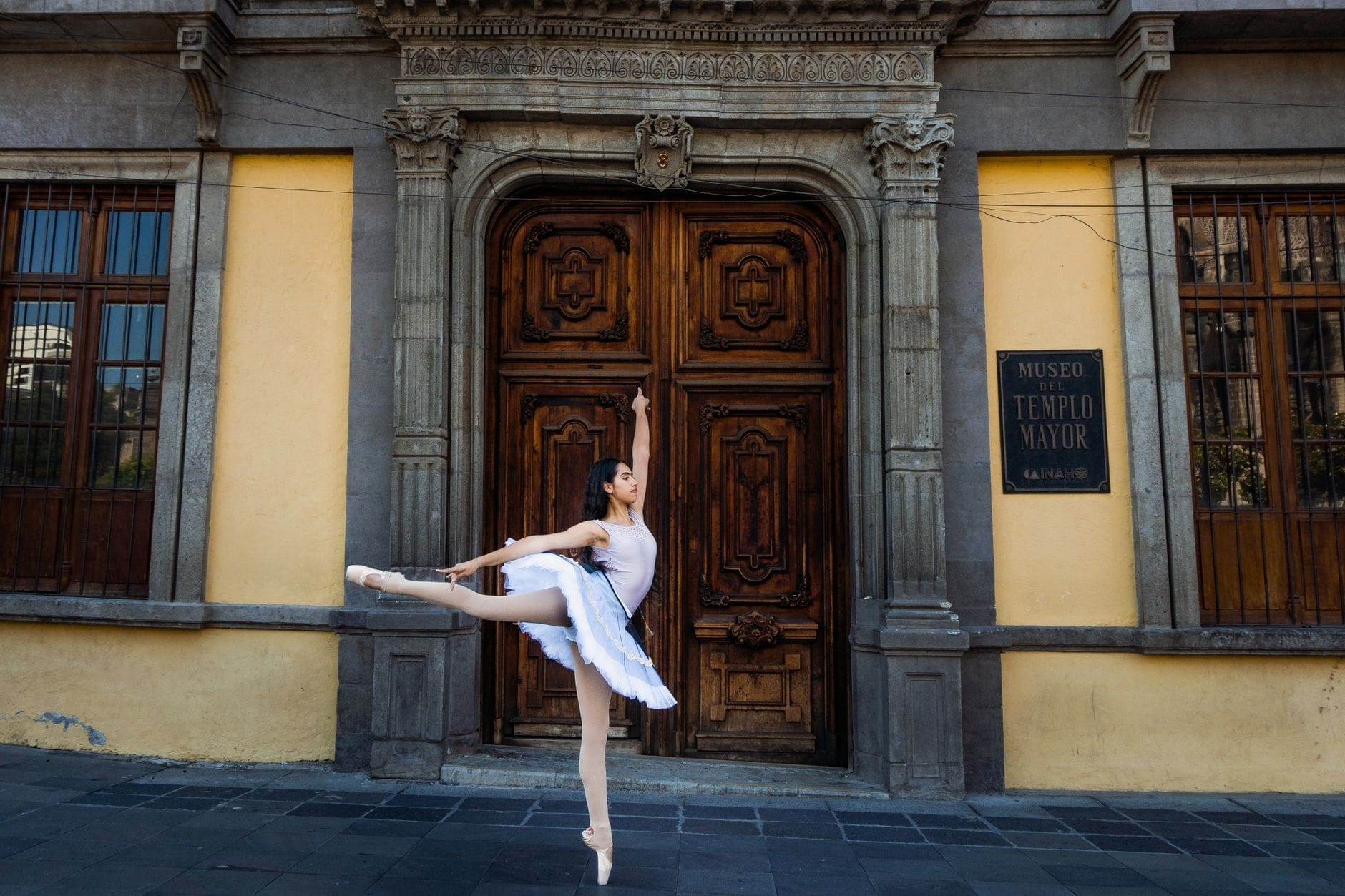
Mexico City was built on top of Tenochtitlán, the Aztec capital, and its archaeology museums reflect that extraordinary layered history. These institutions hold collections that rival anything in Europe or North America. If you're combining museum visits with a day trip to ancient sites, read our Teotihuacán day trip guide for context on the broader pre-Columbian world you'll be exploring.
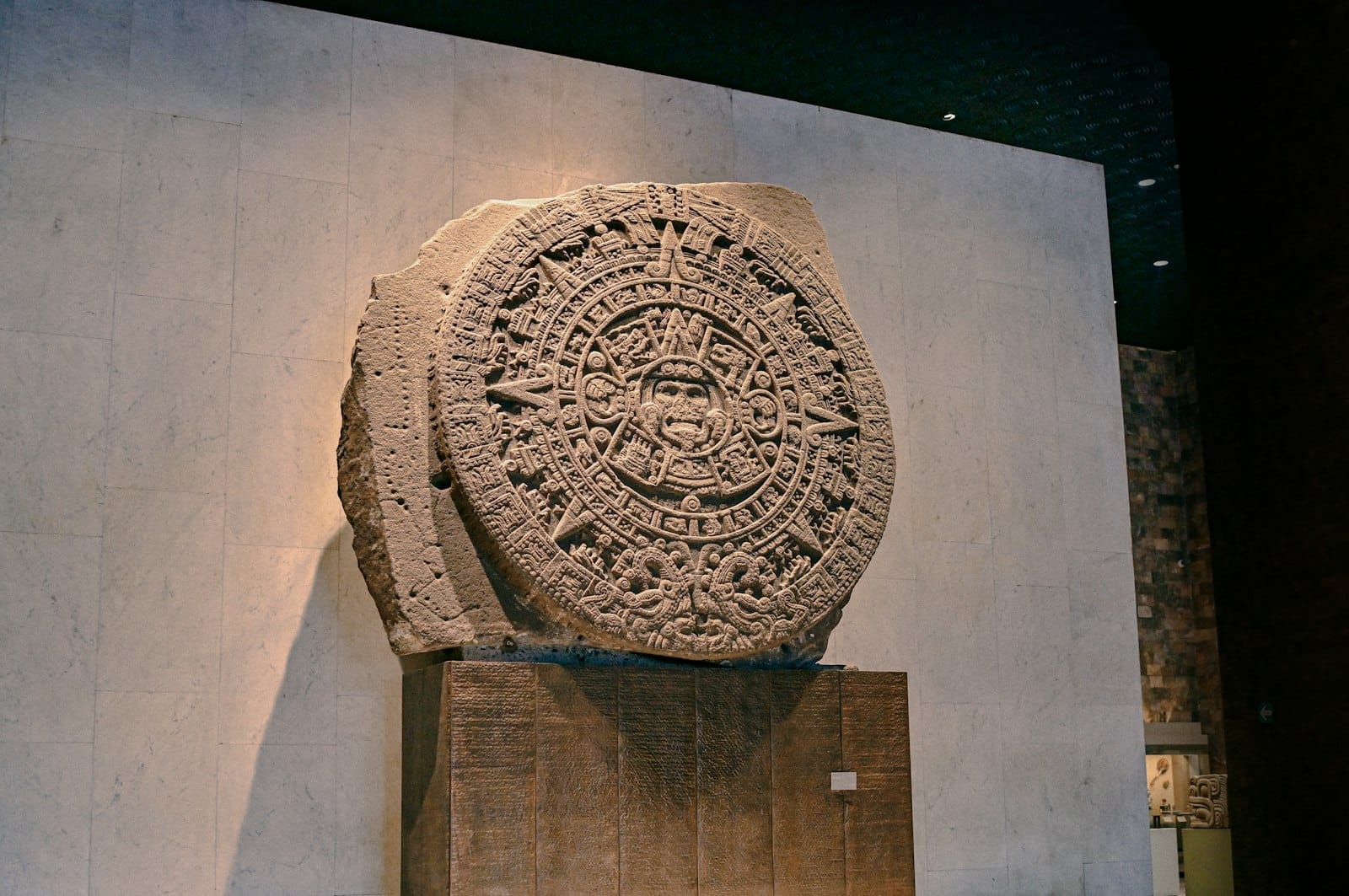
1. See the Aztec Sun Stone at the National Museum of Anthropology
Arguably the greatest archaeological museum in the Americas, the MNA holds 23 halls of pre-Columbian artefacts from every major Mesoamerican civilization. Budget at least three hours. Open Tue–Sun; admission is around 95–100 MXN, free on Sundays for residents.
Explore1. See the Aztec Sun Stone at the National Museum of Anthropology
Arguably the greatest archaeological museum in the Americas, the MNA holds 23 halls of pre-Columbian artefacts from every major Mesoamerican civilization. Budget at least three hours. Open Tue–Sun; admission is around 95–100 MXN, free on Sundays for residents.
Explore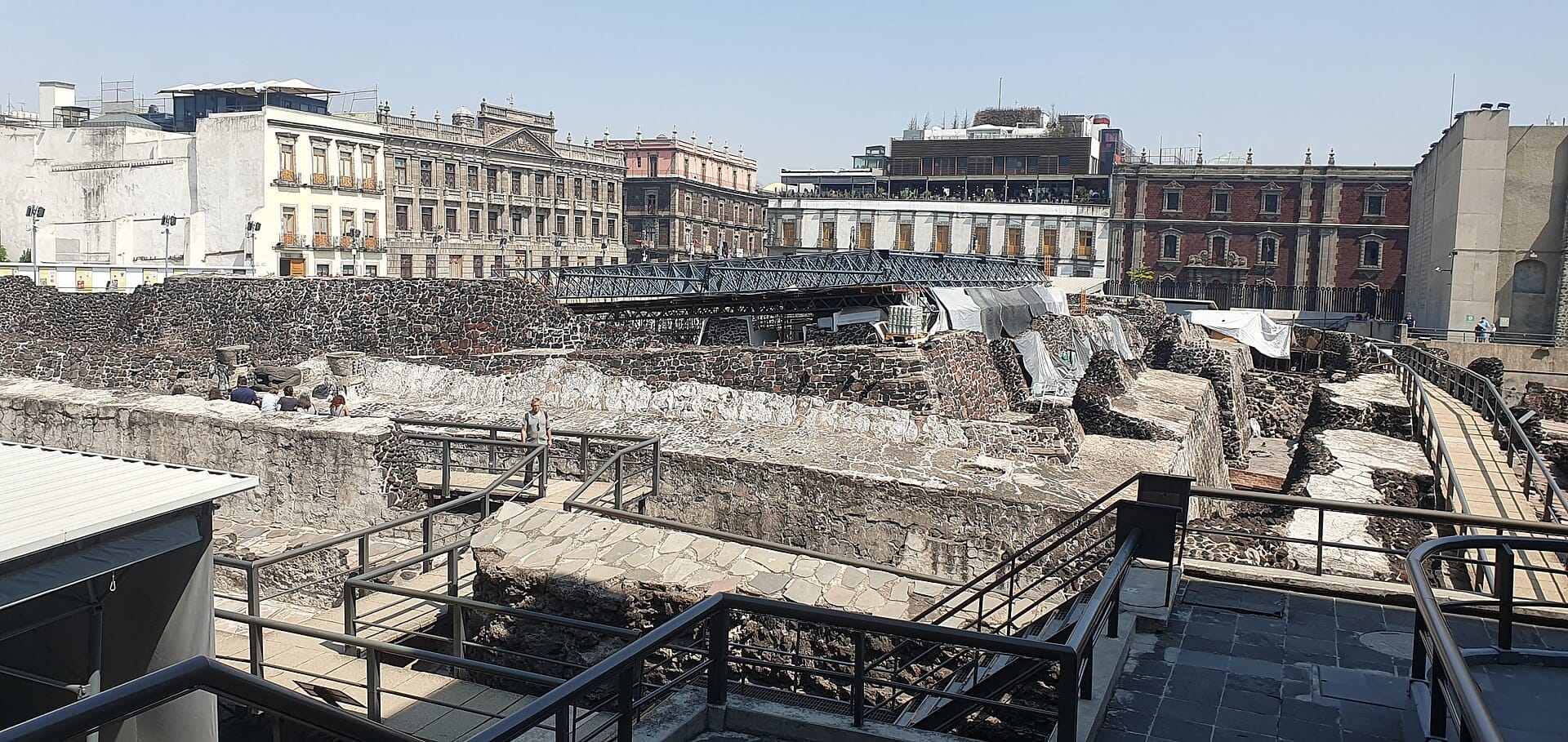
2. Walk Through Aztec Ruins at Templo Mayor
Discovered beneath the Centro Histórico in 1978, the ruins of the great Aztec temple sit steps from the Zócalo. The adjacent museum houses thousands of excavated artefacts. Admission is around 90–100 MXN; free Sundays for Mexican nationals and residents.
Explore2. Walk Through Aztec Ruins at Templo Mayor
Discovered beneath the Centro Histórico in 1978, the ruins of the great Aztec temple sit steps from the Zócalo. The adjacent museum houses thousands of excavated artefacts. Admission is around 90–100 MXN; free Sundays for Mexican nationals and residents.
Explore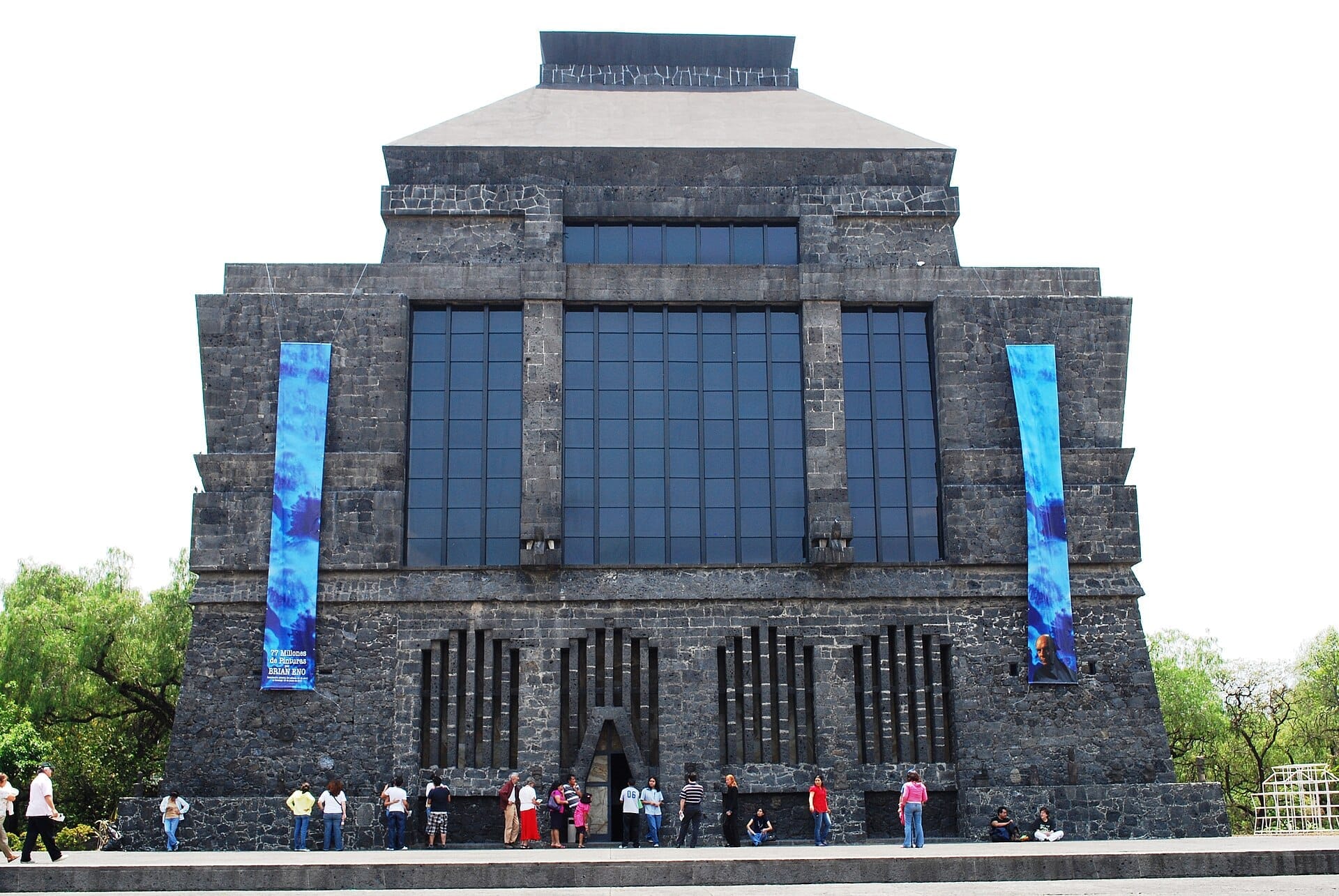
3. Explore Diego Rivera's Pre-Columbian Collection at Museo Anahuacalli
Rivera designed this volcanic stone pyramid himself to house his 50,000-piece pre-Columbian collection. The building alone is worth the trip: dramatic, dark, and unlike any other museum space in the city. Located in southern Coyoacán, often uncrowded.
Explore3. Explore Diego Rivera's Pre-Columbian Collection at Museo Anahuacalli
Rivera designed this volcanic stone pyramid himself to house his 50,000-piece pre-Columbian collection. The building alone is worth the trip: dramatic, dark, and unlike any other museum space in the city. Located in southern Coyoacán, often uncrowded.
ExploreMuralism, Mexican Masters & Fine Art
Mexico City is the birthplace of the muralism movement, and its art museums preserve the most important works of Rivera, Kahlo, Orozco, and Siqueiros. Several institutions in the Centro Histórico can be combined in a single day's walk. For a fuller picture of the art scene, our guide to things to do in Mexico City covers cultural itineraries across the city.
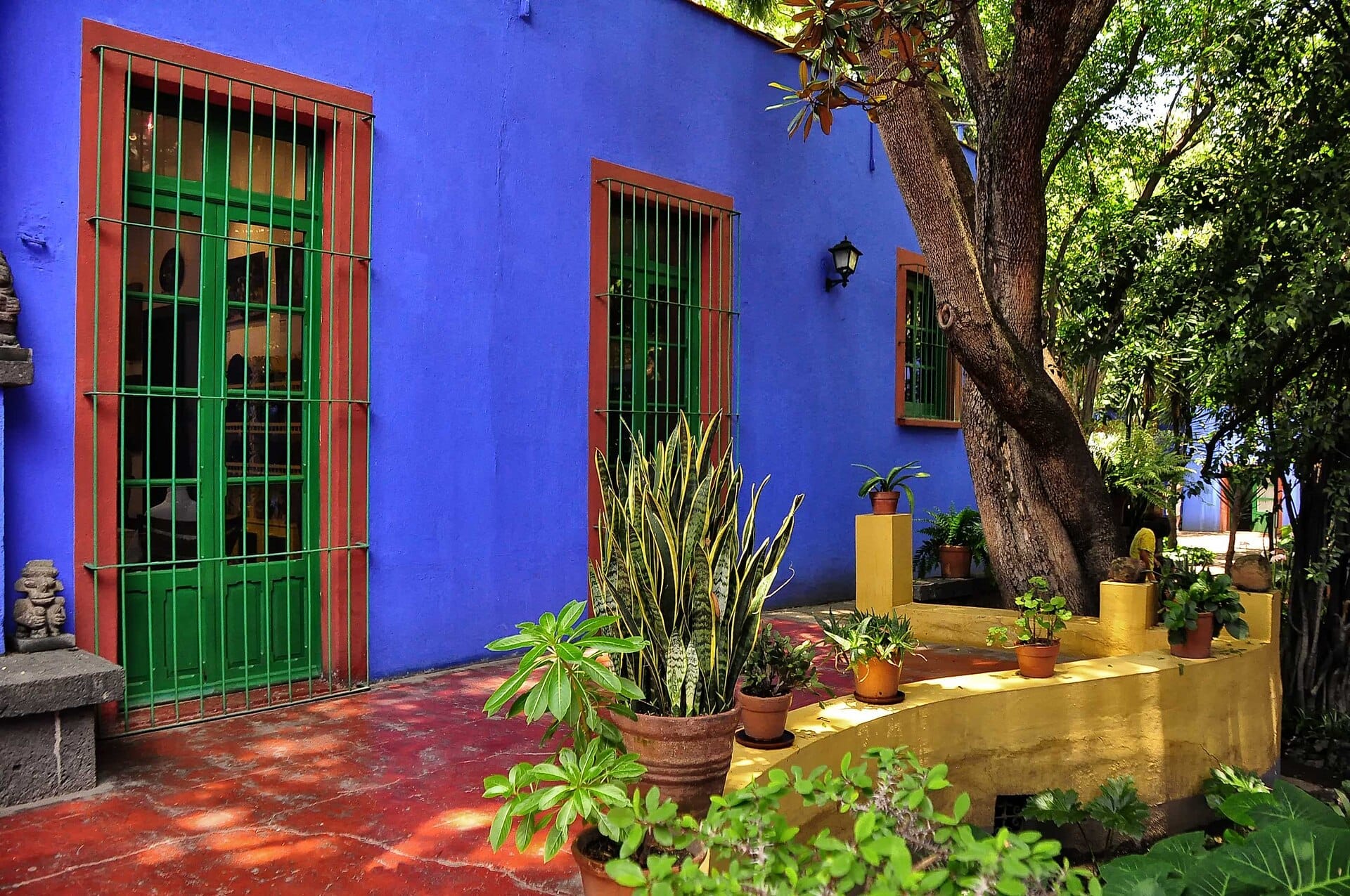
4. Visit Frida Kahlo's Home and Studio at the Casa Azul
The cobalt-blue house where Kahlo was born, lived, and died is deeply personal and unmissable. Her belongings, corsets, and paintings fill the rooms exactly as she left them. Book tickets online weeks in advance; same-day entry is almost never available.
Explore4. Visit Frida Kahlo's Home and Studio at the Casa Azul
The cobalt-blue house where Kahlo was born, lived, and died is deeply personal and unmissable. Her belongings, corsets, and paintings fill the rooms exactly as she left them. Book tickets online weeks in advance; same-day entry is almost never available.
Explore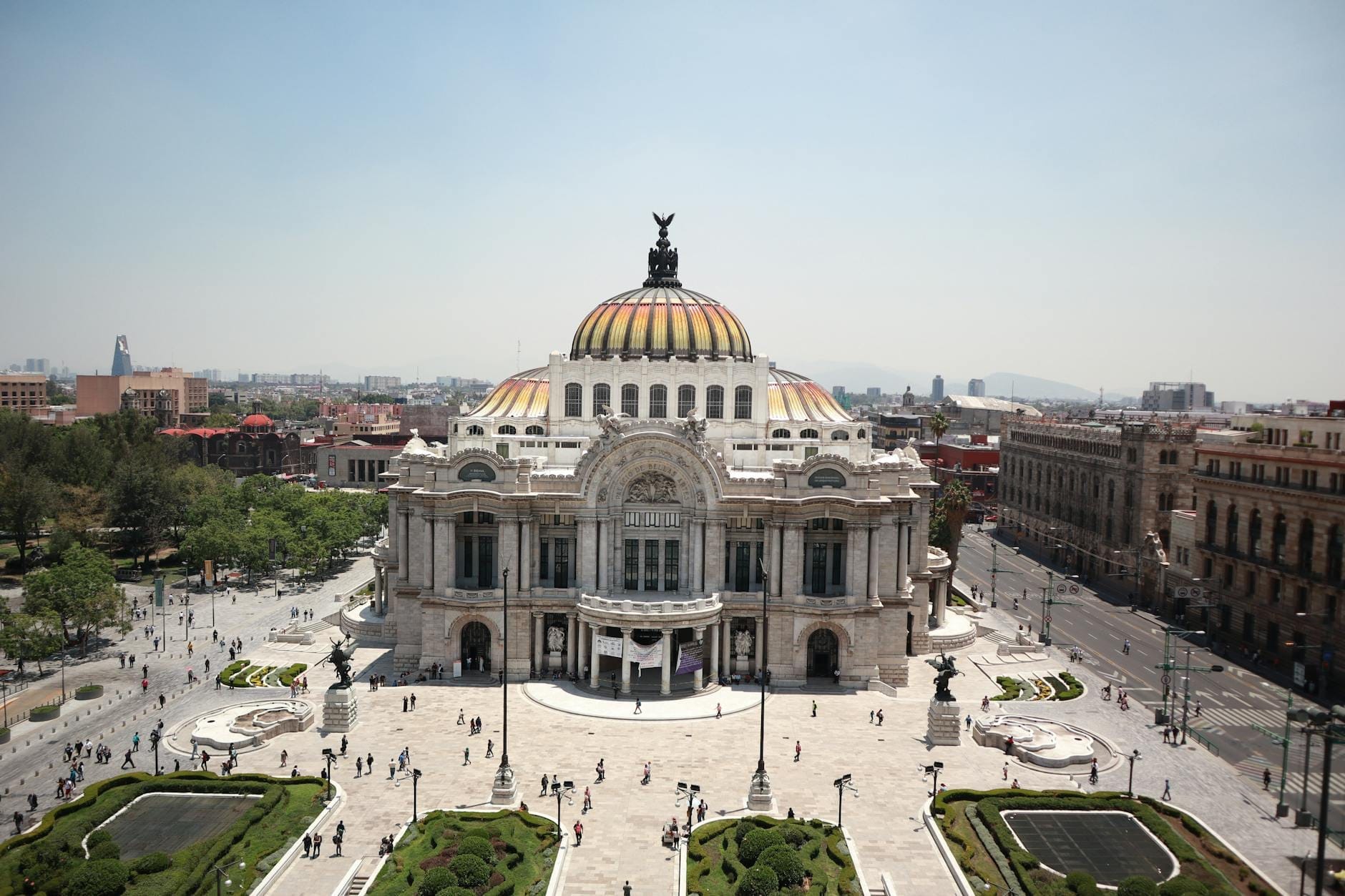
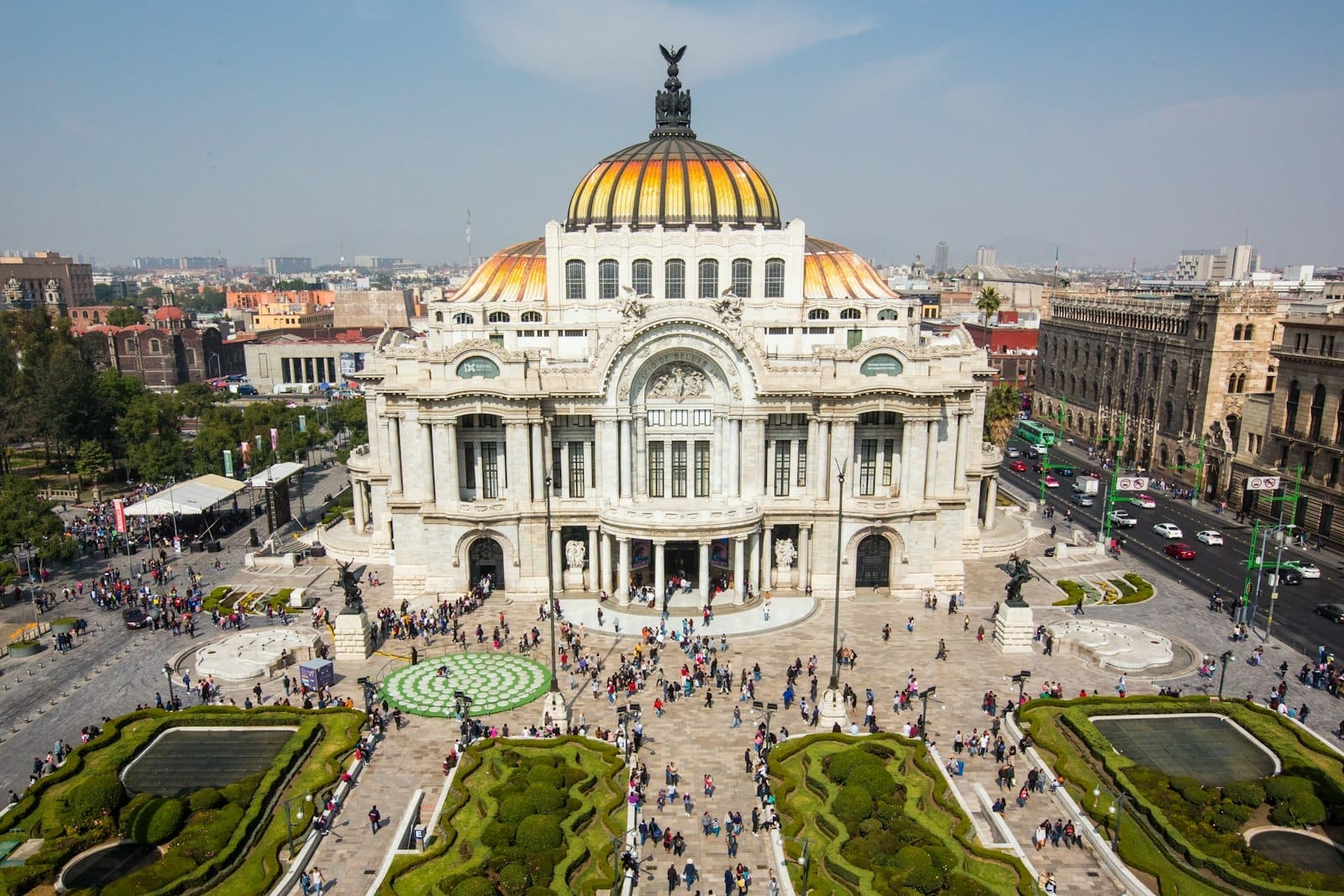
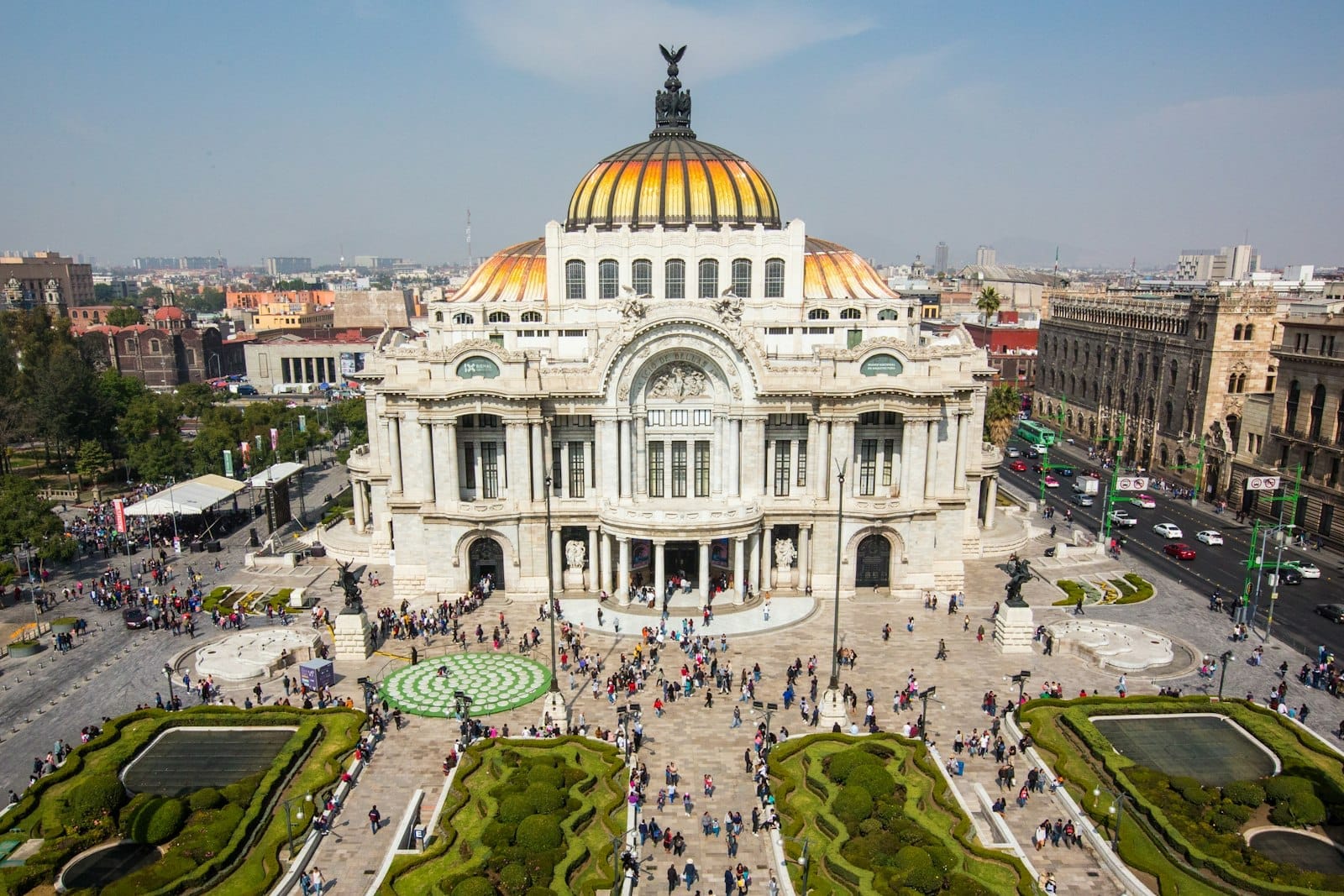
5. Stand Before Rivera, Orozco, and Siqueiros Murals at Bellas Artes
The Art Nouveau and Art Deco palace houses the most important collection of murals under one roof in Mexico City, plus a world-class opera house. The building itself is extraordinary. Entry to the upper mural galleries costs a small fee; the ground floor is free.
Explore5. Stand Before Rivera, Orozco, and Siqueiros Murals at Bellas Artes
The Art Nouveau and Art Deco palace houses the most important collection of murals under one roof in Mexico City, plus a world-class opera house. The building itself is extraordinary. Entry to the upper mural galleries costs a small fee; the ground floor is free.
Explore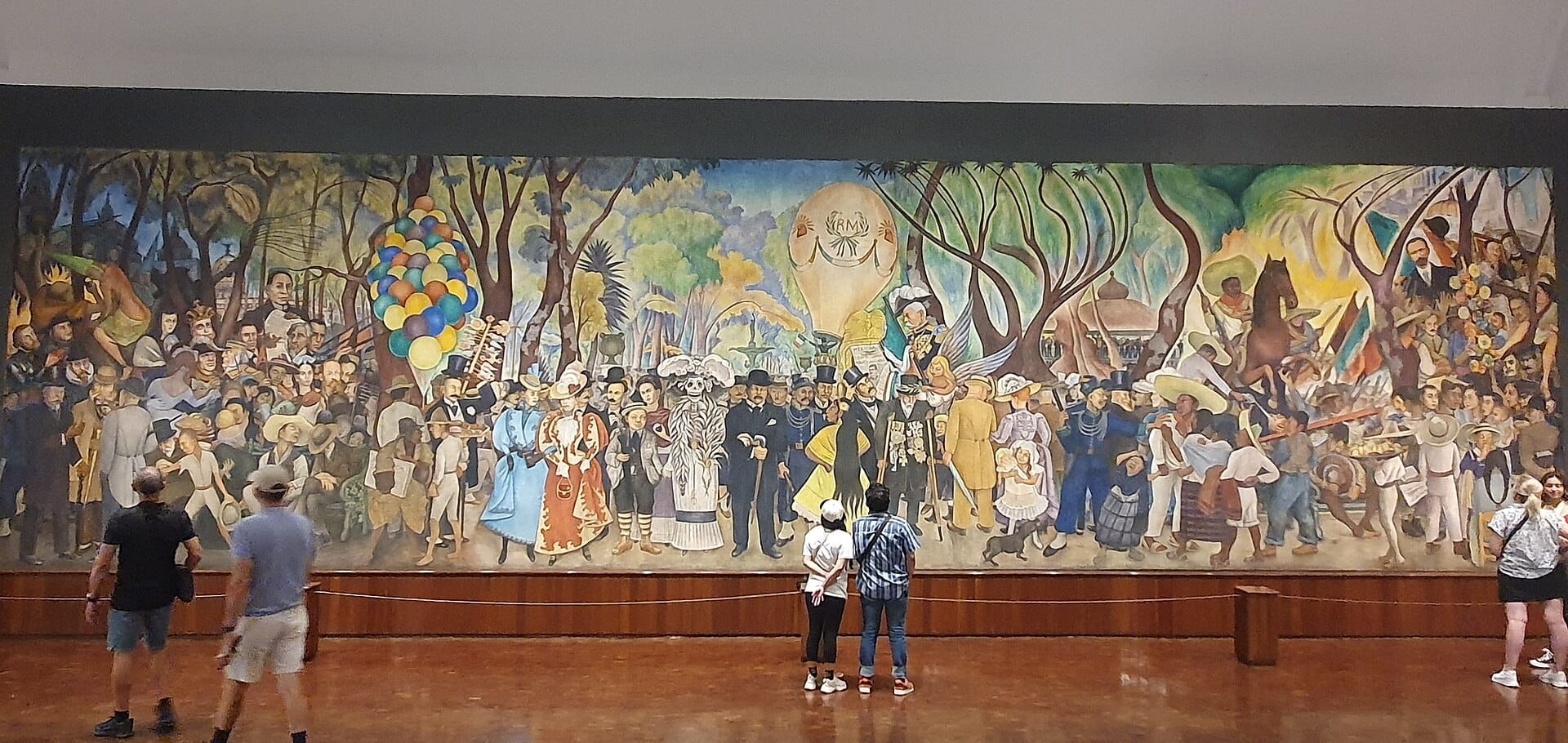
6. See Rivera's Dream of a Sunday Afternoon at the Museo Mural
This small museum beside Alameda Central was built specifically to house one mural: Rivera's 15-metre-wide 'Dream of a Sunday Afternoon in Alameda Park.' It takes 45 minutes and rewards careful looking. Admission is very affordable and rarely crowded.
Explore6. See Rivera's Dream of a Sunday Afternoon at the Museo Mural
This small museum beside Alameda Central was built specifically to house one mural: Rivera's 15-metre-wide 'Dream of a Sunday Afternoon in Alameda Park.' It takes 45 minutes and rewards careful looking. Admission is very affordable and rarely crowded.
Explore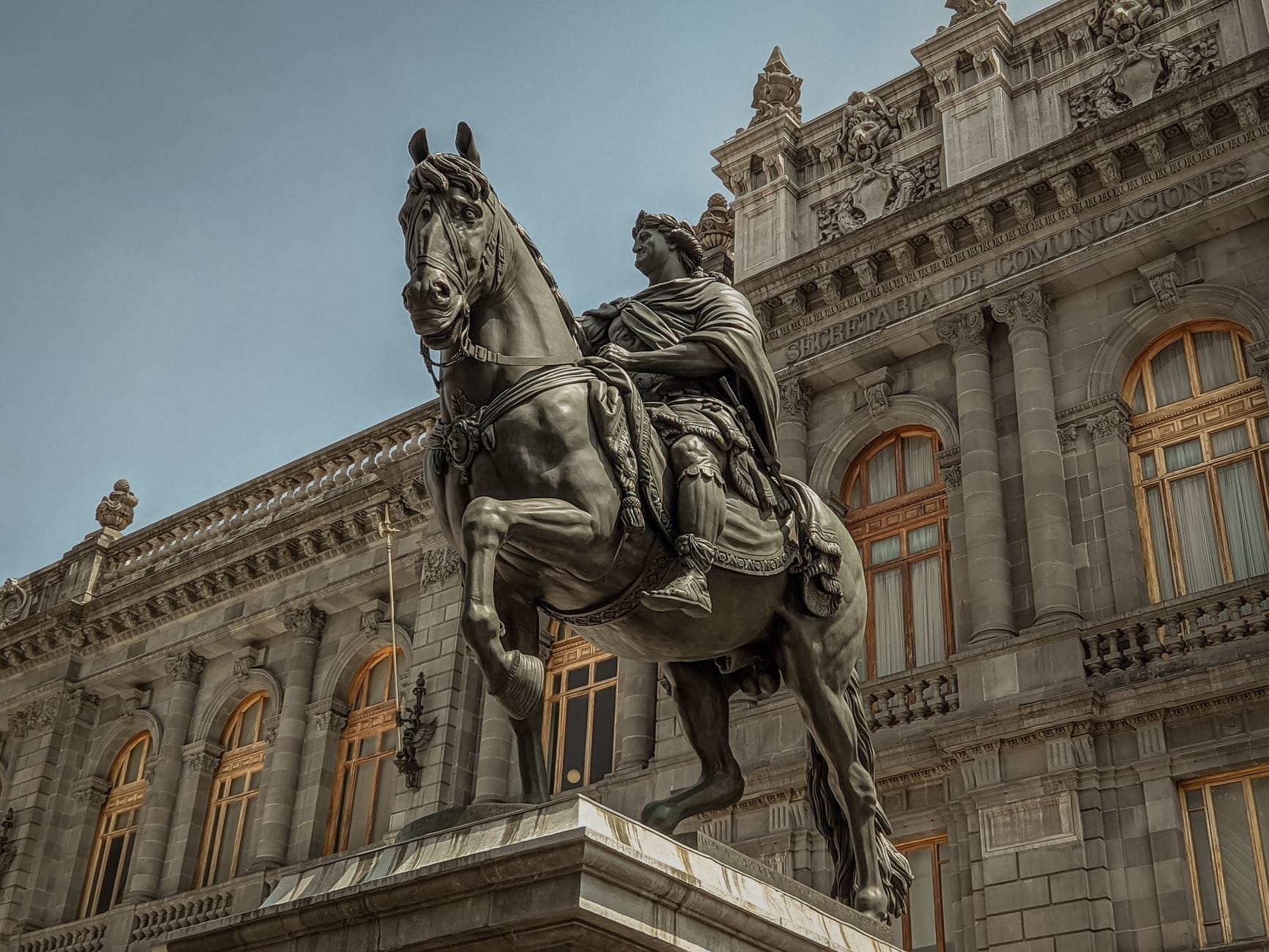
7. Survey Five Centuries of Mexican Painting at MUNAL
The National Museum of Fine Arts occupies a grand Neoclassical palace and holds the most comprehensive survey of Mexican painting from the 16th to the 20th century, including landscape masters like José María Velasco. A serious, underrated collection in a beautiful building.
Explore7. Survey Five Centuries of Mexican Painting at MUNAL
The National Museum of Fine Arts occupies a grand Neoclassical palace and holds the most comprehensive survey of Mexican painting from the 16th to the 20th century, including landscape masters like José María Velasco. A serious, underrated collection in a beautiful building.
Explore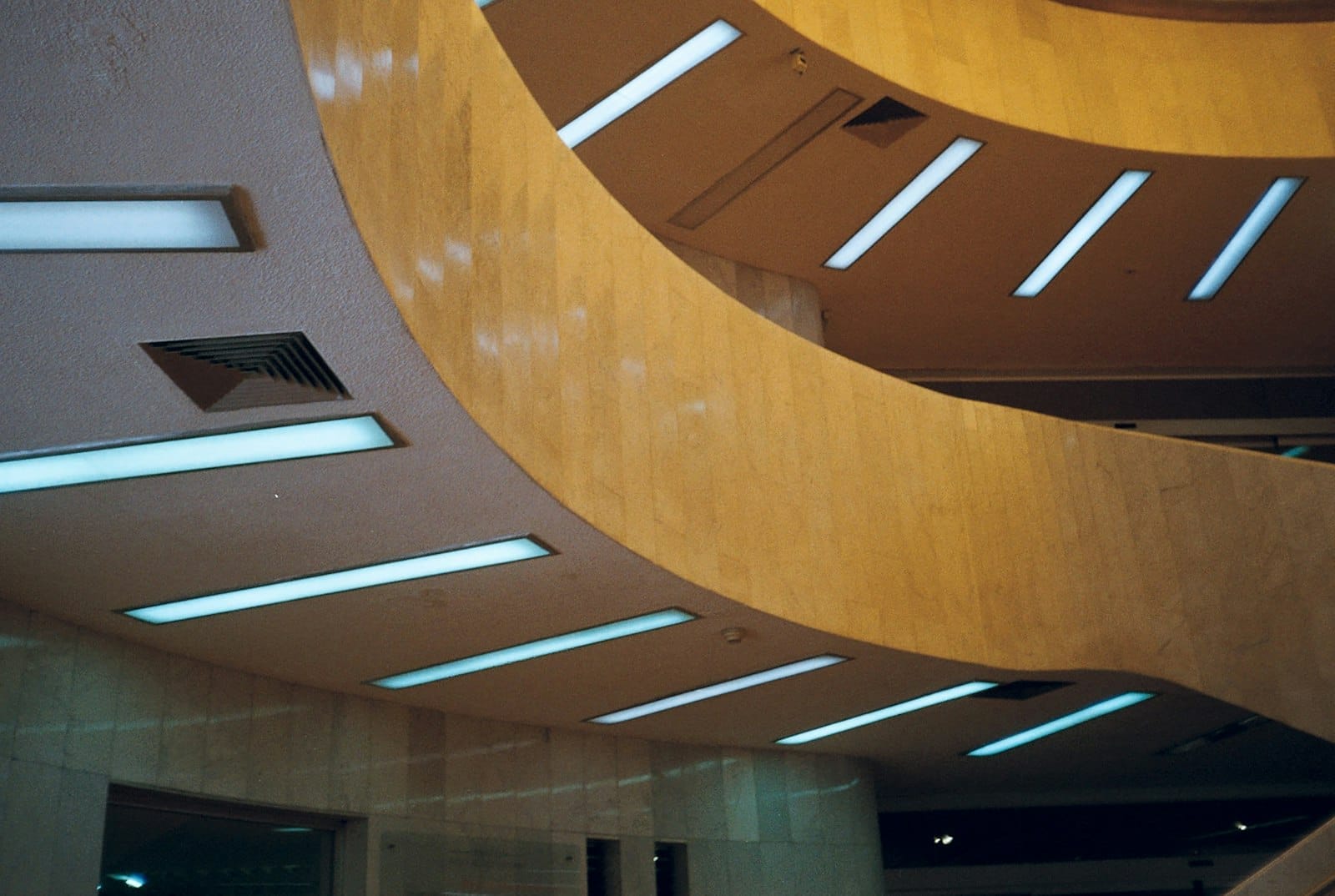
8. Discover 20th-Century Mexican Art at the Museo de Arte Moderno
Set in Chapultepec Park, this national modern art museum holds iconic works by Kahlo, Rivera, and Siqueiros in a calm, gallery-focused environment. Smaller crowds than the Anthropology Museum next door, and a strong rotating exhibition program. Open Tue–Sun.
Explore8. Discover 20th-Century Mexican Art at the Museo de Arte Moderno
Set in Chapultepec Park, this national modern art museum holds iconic works by Kahlo, Rivera, and Siqueiros in a calm, gallery-focused environment. Smaller crowds than the Anthropology Museum next door, and a strong rotating exhibition program. Open Tue–Sun.
Explore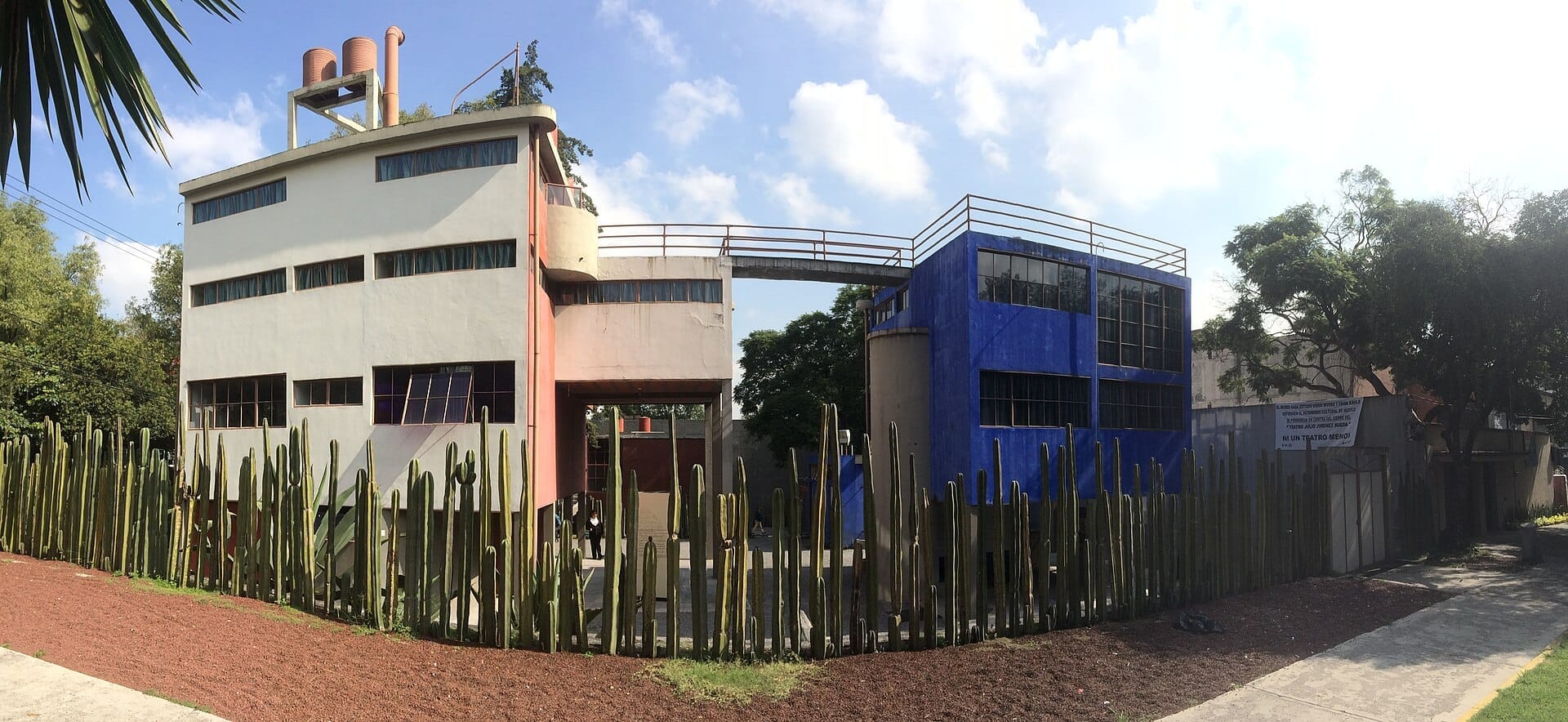
9. See Where Rivera and Kahlo Worked at their Casa Estudio in San Ángel
The pair of modernist houses designed by Juan O'Gorman in San Ángel are now a museum. Rivera's studio is largely intact, with his brushes, plaster casts, and papier-mâché Judas figures still in place. A quiet, intimate counterpoint to the busy Casa Azul.
Explore9. See Where Rivera and Kahlo Worked at their Casa Estudio in San Ángel
The pair of modernist houses designed by Juan O'Gorman in San Ángel are now a museum. Rivera's studio is largely intact, with his brushes, plaster casts, and papier-mâché Judas figures still in place. A quiet, intimate counterpoint to the busy Casa Azul.
ExploreContemporary Art & Architecture
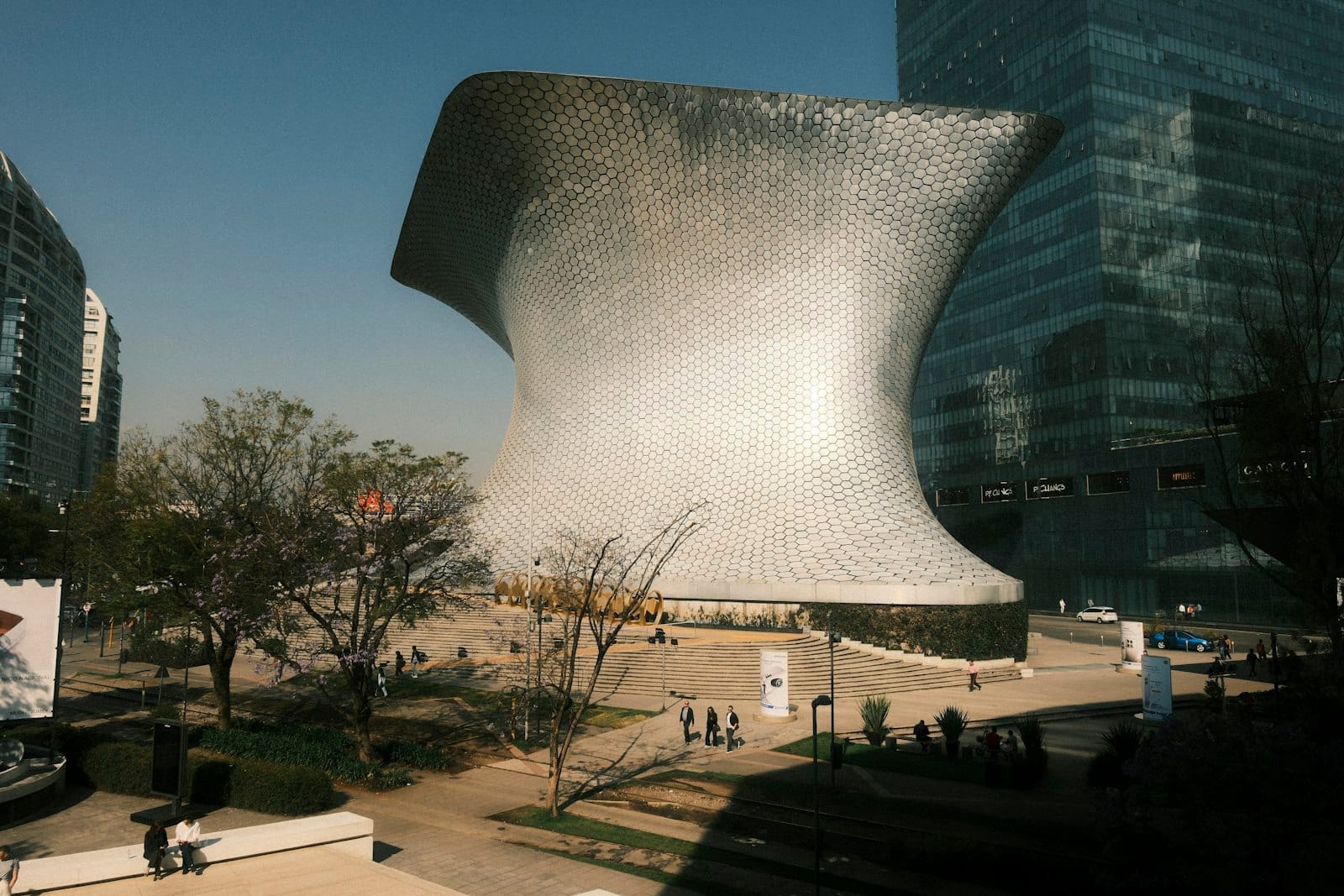
Polanco is the epicenter of Mexico City's contemporary art world, with two of the most architecturally striking museum buildings in Latin America within walking distance of each other. The Chapultepec-Polanco area also clusters several other important museums, making it easy to combine visits in a single day.
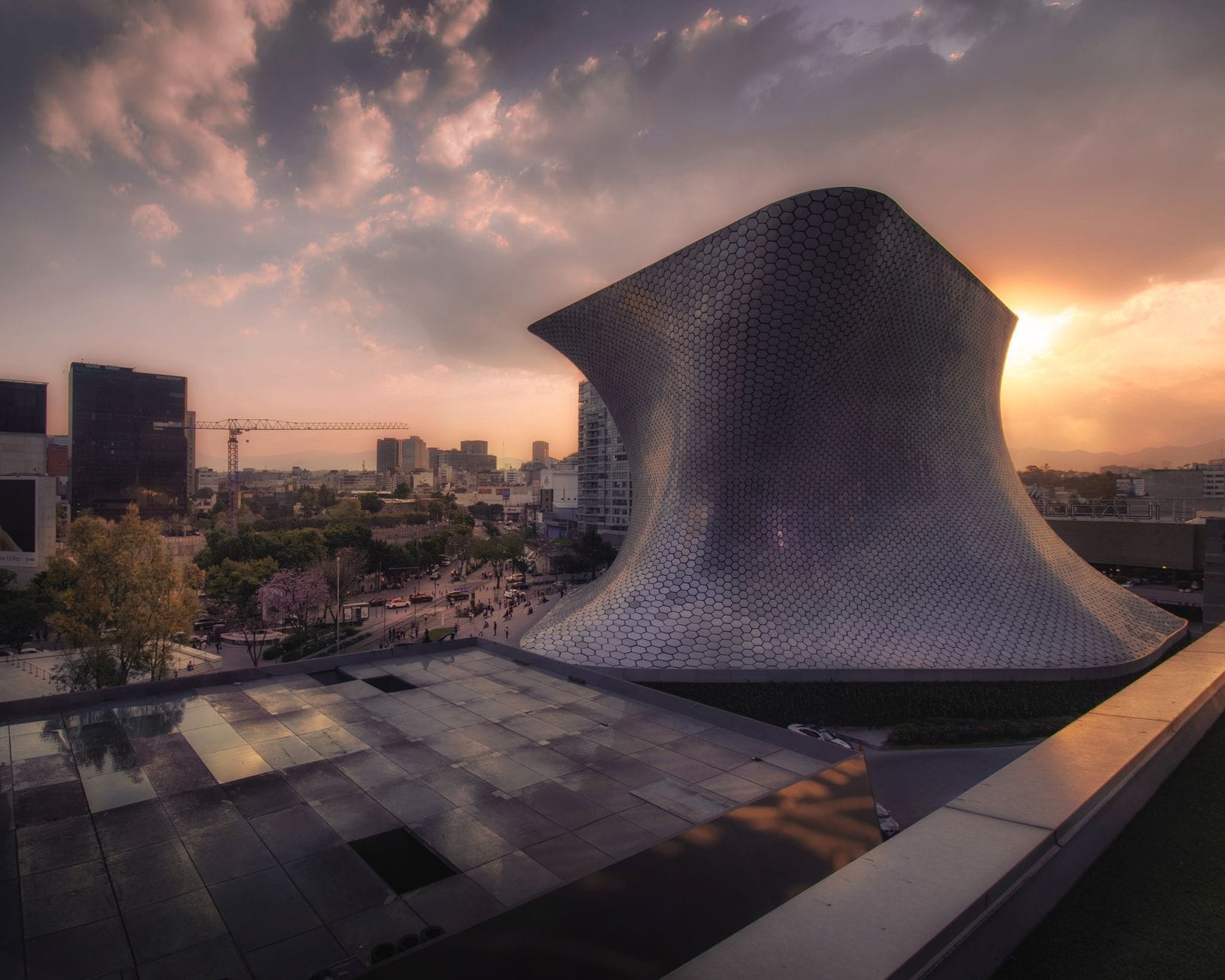
10. Explore 66,000 Works for Free at the Striking Museo Soumaya
Carlos Slim's silver-tiled building in Polanco is instantly recognizable and admission is completely free. Inside: the world's largest collection of Rodin sculptures outside France, plus European and Mexican masters spanning six centuries. Allow two hours minimum.
Explore10. Explore 66,000 Works for Free at the Striking Museo Soumaya
Carlos Slim's silver-tiled building in Polanco is instantly recognizable and admission is completely free. Inside: the world's largest collection of Rodin sculptures outside France, plus European and Mexican masters spanning six centuries. Allow two hours minimum.
Explore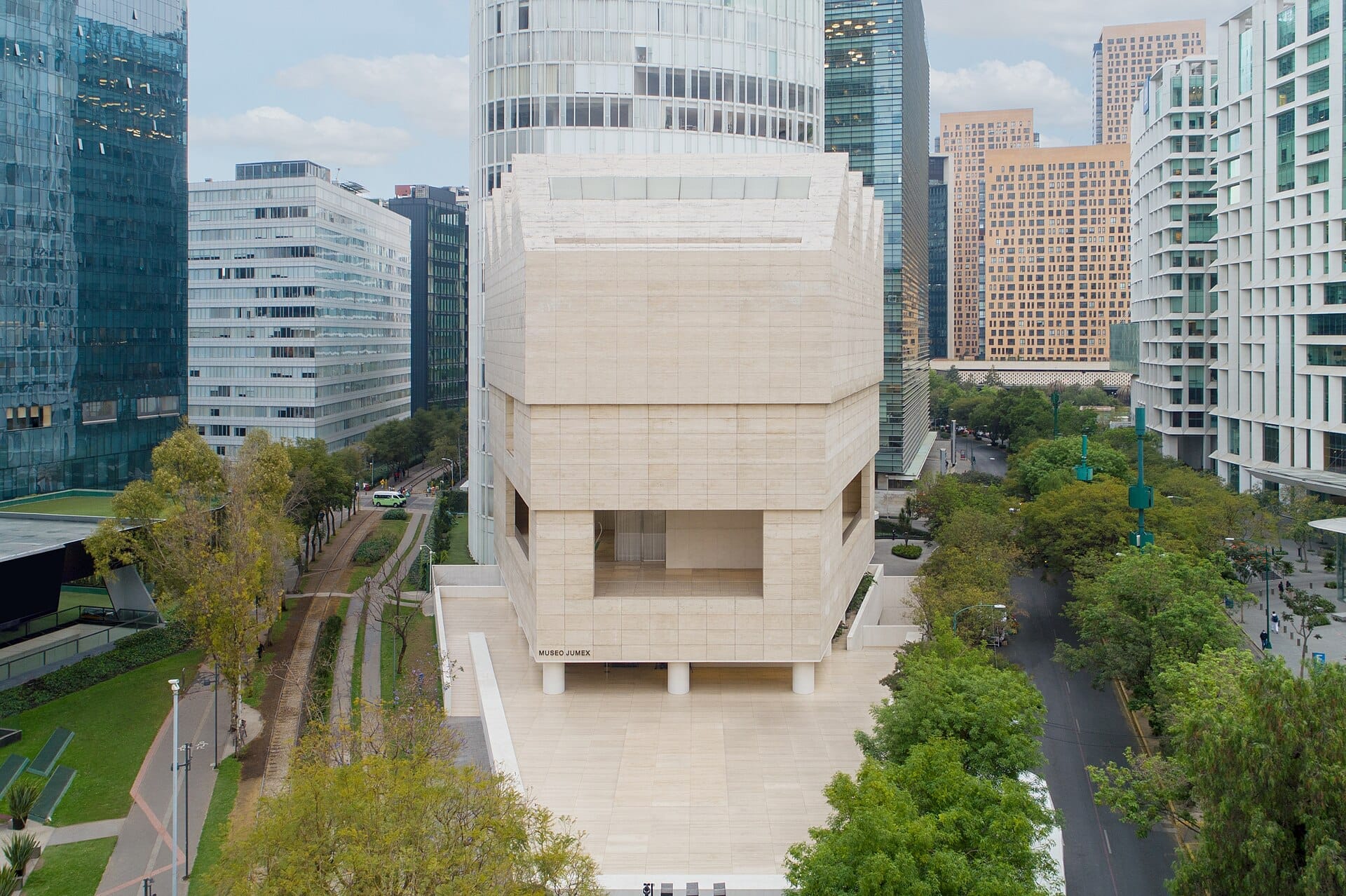
11. See the Best of Contemporary Art at Museo Jumex
David Chipperfield's clean, geometric building directly across from Soumaya houses one of Latin America's most important contemporary art collections. General admission is often free; major temporary exhibitions are ambitious in scope. A strong bookshop and café on site.
Explore11. See the Best of Contemporary Art at Museo Jumex
David Chipperfield's clean, geometric building directly across from Soumaya houses one of Latin America's most important contemporary art collections. General admission is often free; major temporary exhibitions are ambitious in scope. A strong bookshop and café on site.
Explore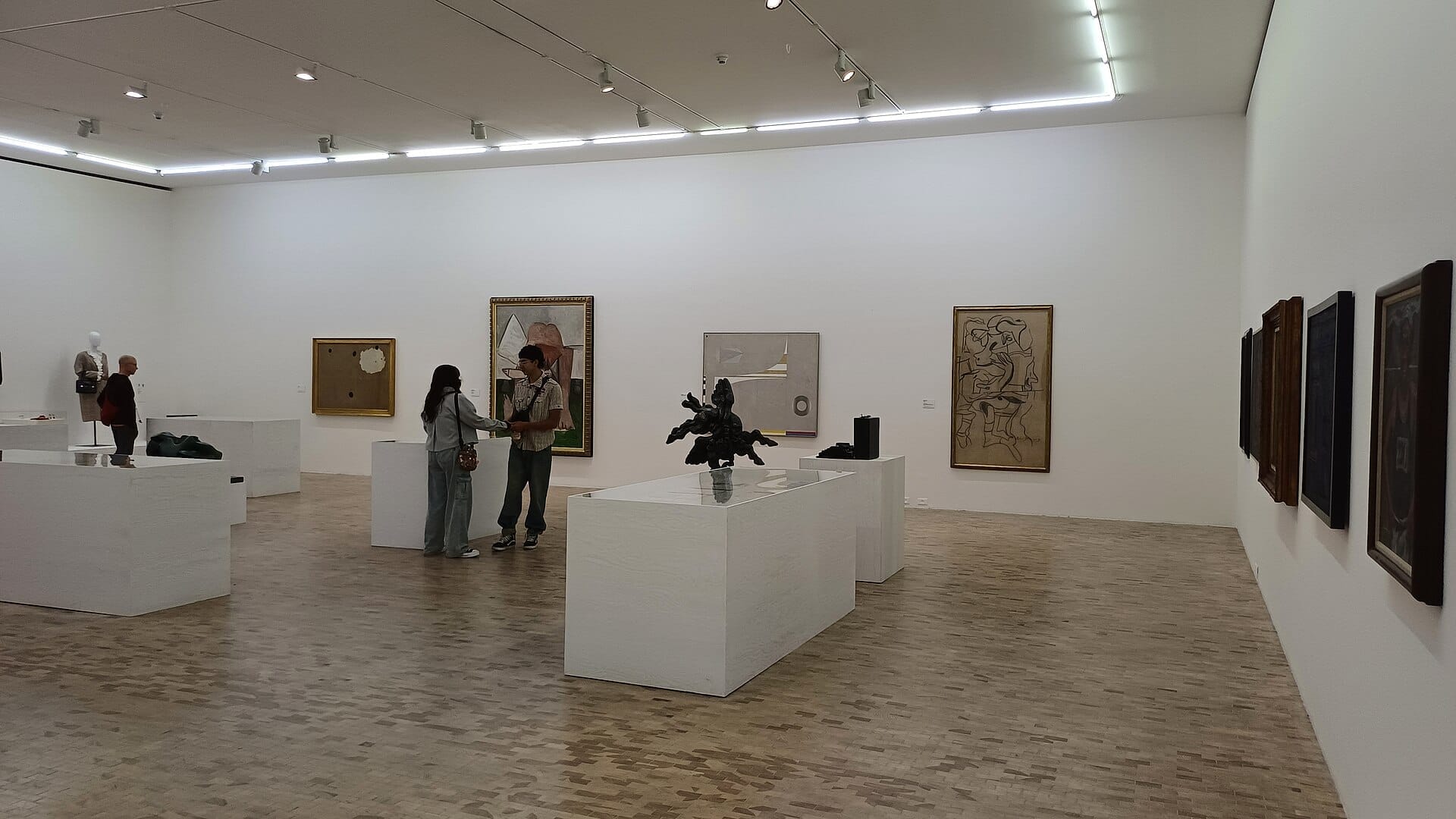
12. Engage with International Contemporary Art at Museo Tamayo
Rufino Tamayo's Brutalist building inside Chapultepec Park houses a donated collection of international contemporary works alongside rotating exhibitions of global significance. Less crowded than the Anthropology Museum and a excellent program.
Explore12. Engage with International Contemporary Art at Museo Tamayo
Rufino Tamayo's Brutalist building inside Chapultepec Park houses a donated collection of international contemporary works alongside rotating exhibitions of global significance. Less crowded than the Anthropology Museum and a excellent program.
Explore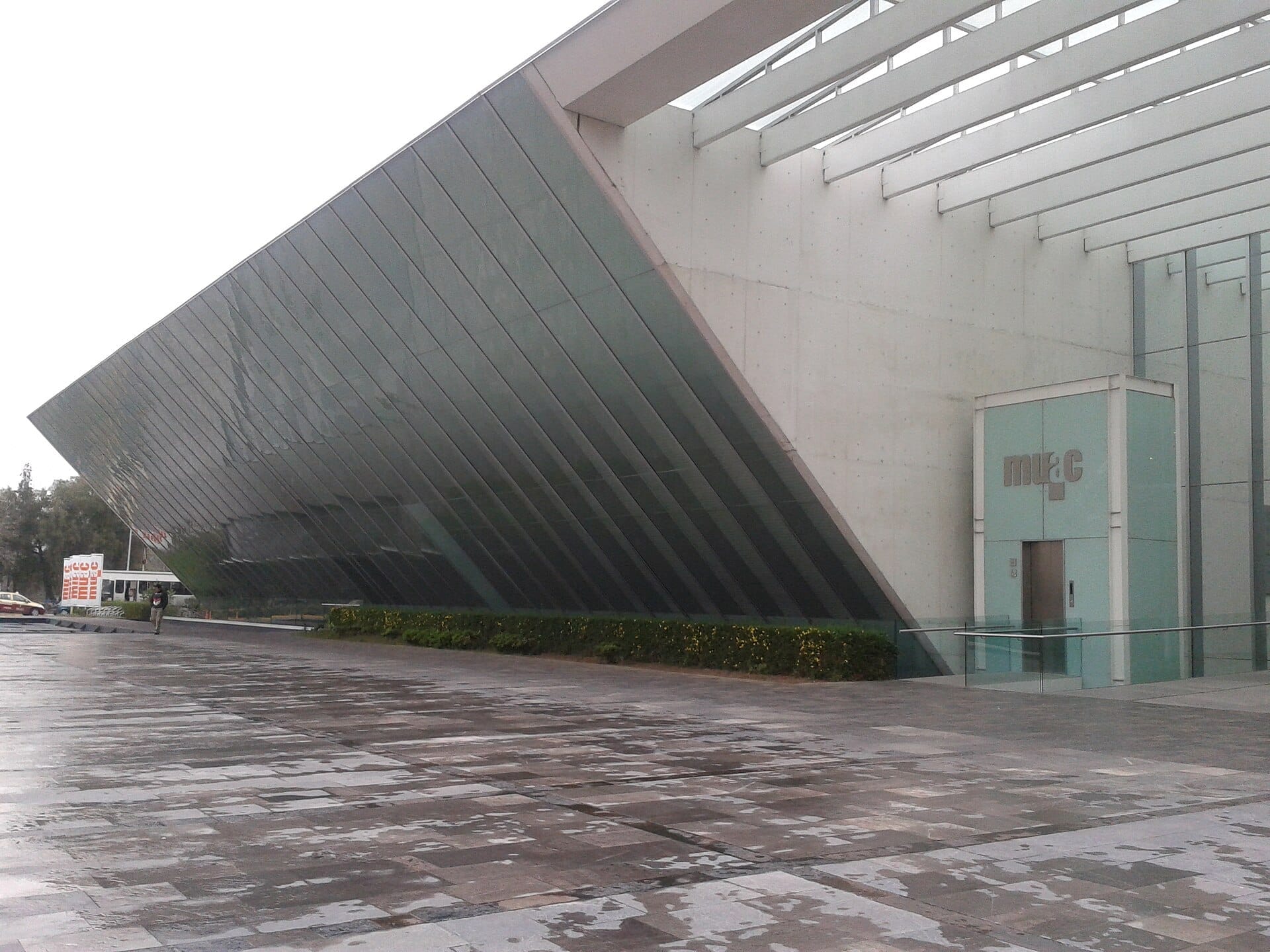
13. Visit Latin America's Most Important University Art Museum at MUAC
Teodoro González de León's partially underground building on the UNAM campus presents the most ambitious contemporary art exhibitions in Mexico. Pair the visit with a walk around the UNESCO-listed campus and O'Gorman's mosaic-covered Central Library.
Explore13. Visit Latin America's Most Important University Art Museum at MUAC
Teodoro González de León's partially underground building on the UNAM campus presents the most ambitious contemporary art exhibitions in Mexico. Pair the visit with a walk around the UNESCO-listed campus and O'Gorman's mosaic-covered Central Library.
Explore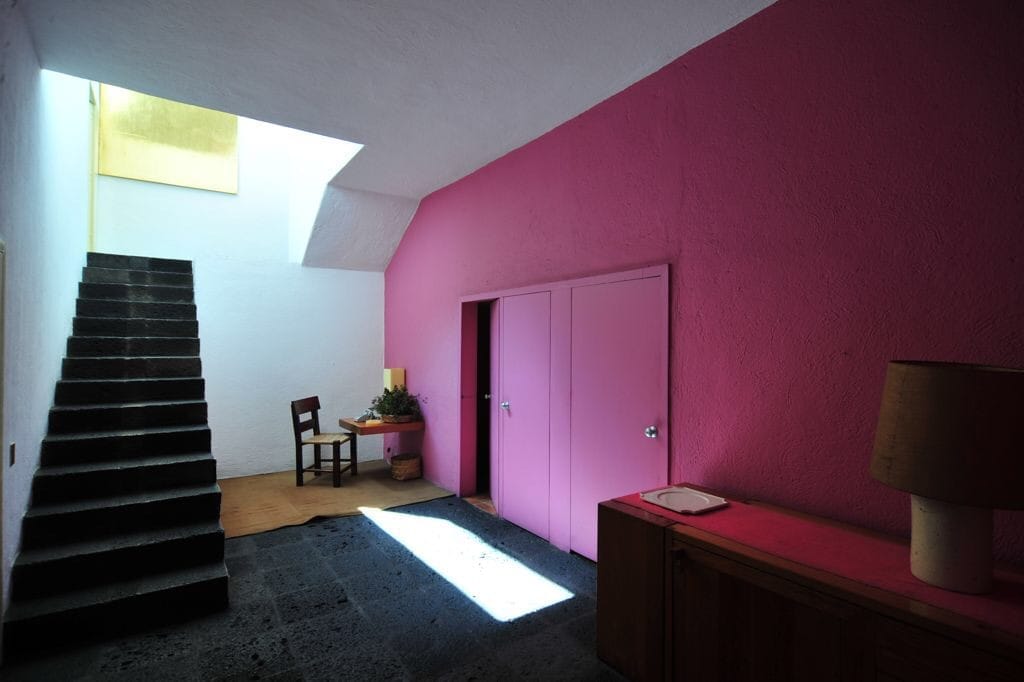
14. Tour the UNESCO-Listed Home of Mexico's Greatest Architect
Barragán's personal home and studio in Tacubaya is a pilgrimage site for architects and design enthusiasts. Bold colour fields, sculpted light, and serene spaces define every room. Visits are small-group and must be booked in advance via the official website.
Explore14. Tour the UNESCO-Listed Home of Mexico's Greatest Architect
Barragán's personal home and studio in Tacubaya is a pilgrimage site for architects and design enthusiasts. Bold colour fields, sculpted light, and serene spaces define every room. Visits are small-group and must be booked in advance via the official website.
ExploreFolk Art, Decorative Arts & Popular Culture
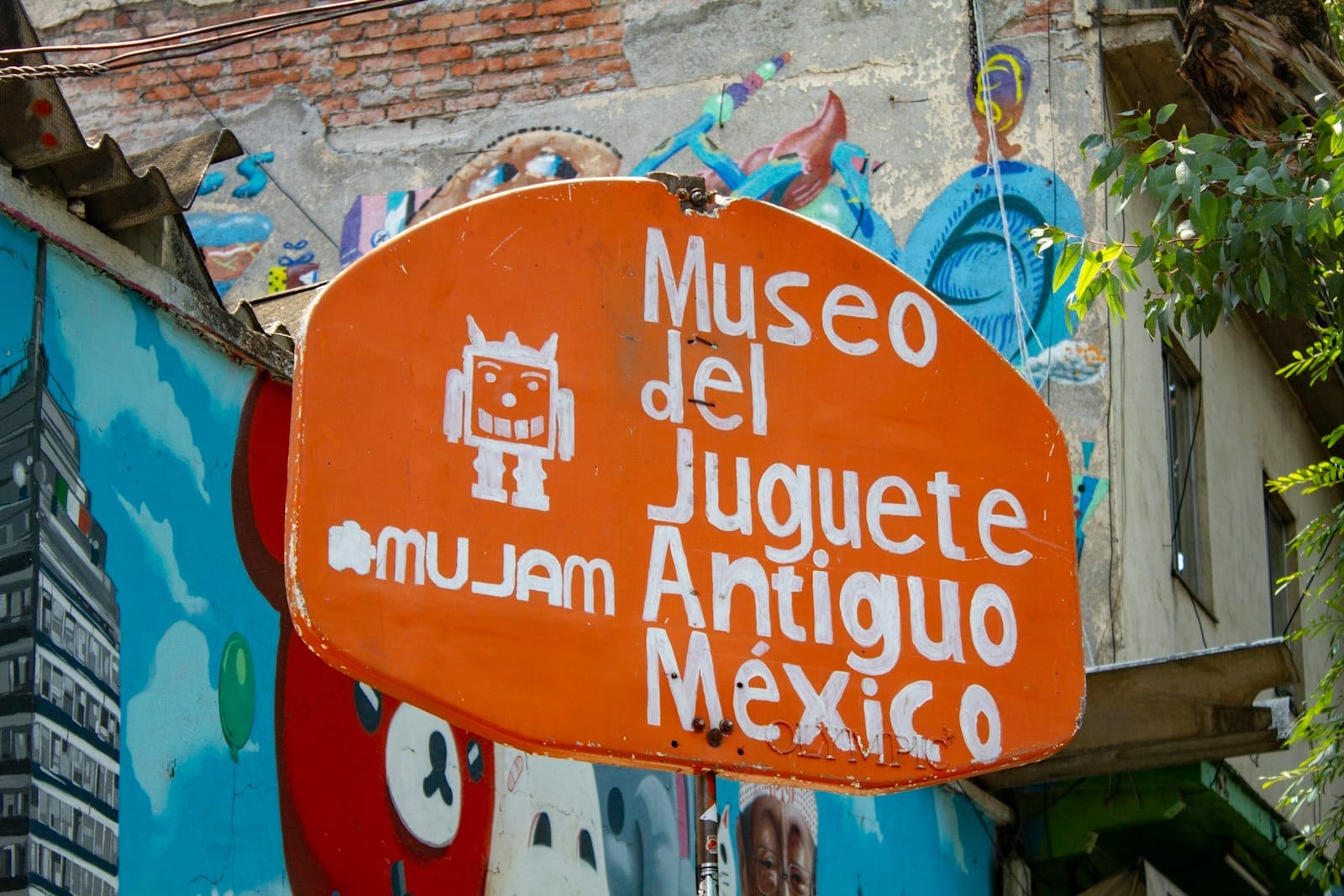
Some of Mexico City's most rewarding museums celebrate the craft traditions, everyday objects, and colonial heritage that define Mexican identity as much as the great murals do. Several of these are free or very affordable, making them ideal for budget-conscious visitors.
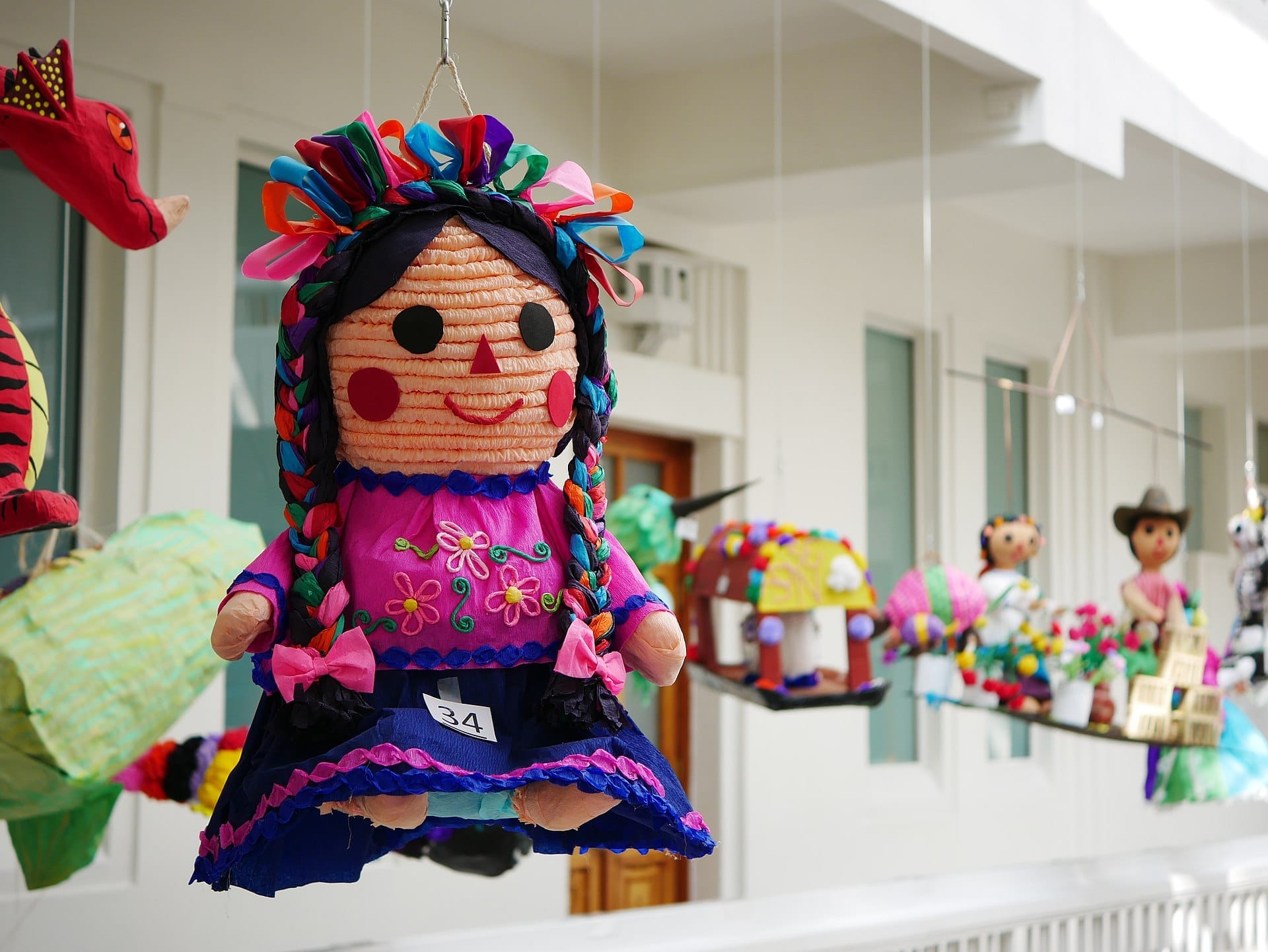
15. Celebrate Mexican Craft Traditions at the Museo de Arte Popular
This vibrant five-floor museum near Alameda Central showcases ceramics, alebrijes, textiles, and Day of the Dead altars from across Mexico. It is colourful, well-curated, and fun for all ages. Admission is around 60 MXN; Tuesdays are free for all visitors.
Explore15. Celebrate Mexican Craft Traditions at the Museo de Arte Popular
This vibrant five-floor museum near Alameda Central showcases ceramics, alebrijes, textiles, and Day of the Dead altars from across Mexico. It is colourful, well-curated, and fun for all ages. Admission is around 60 MXN; Tuesdays are free for all visitors.
Explore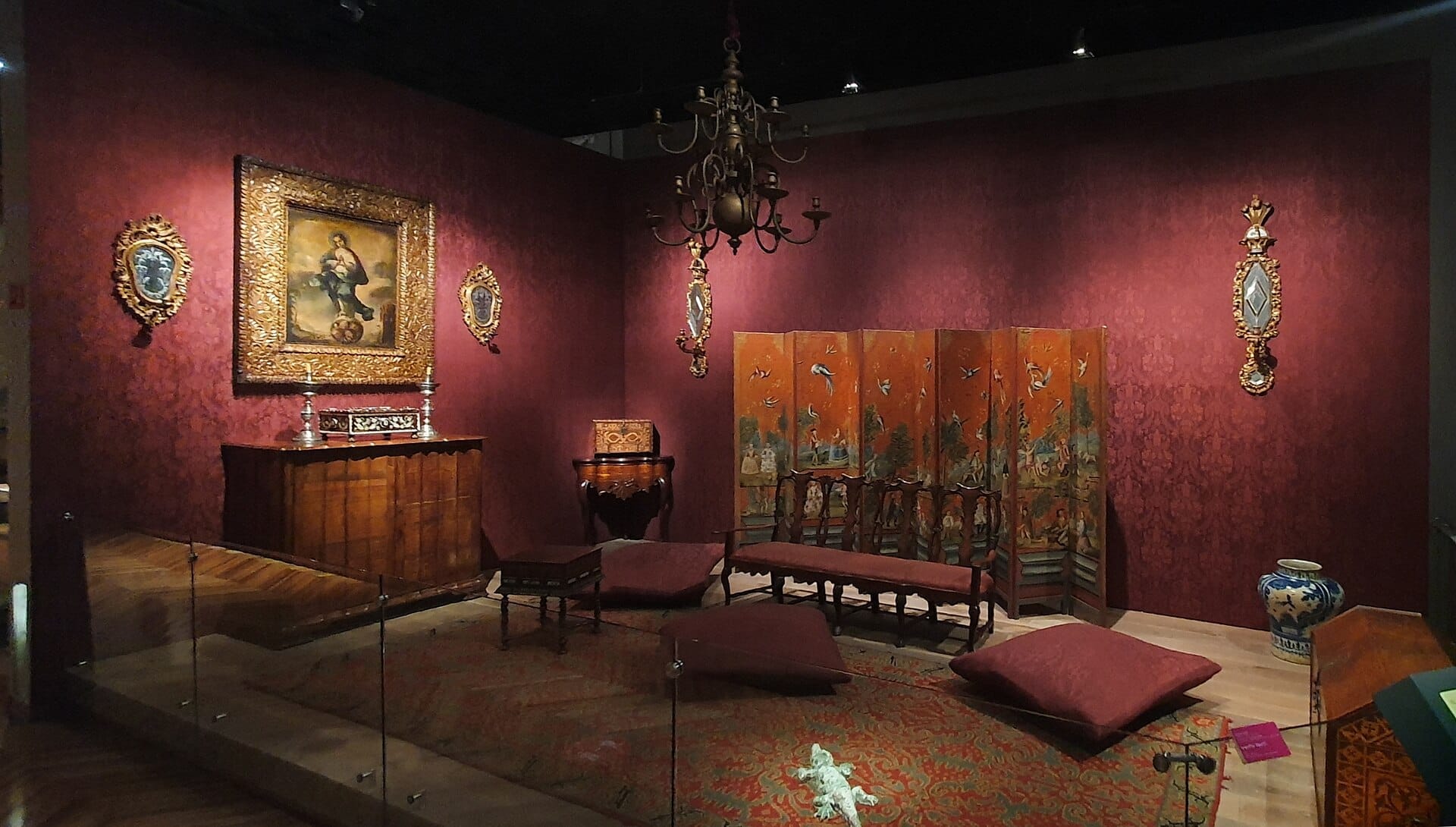
16. Discover Colonial Decorative Arts at Museo Franz Mayer
Housed in a 16th-century hospital beside Alameda Central, this museum holds one of Mexico's finest collections of Talavera ceramics, colonial silverwork, and period furniture, all arranged around a beautiful cloister courtyard. Calm and often uncrowded.
Explore16. Discover Colonial Decorative Arts at Museo Franz Mayer
Housed in a 16th-century hospital beside Alameda Central, this museum holds one of Mexico's finest collections of Talavera ceramics, colonial silverwork, and period furniture, all arranged around a beautiful cloister courtyard. Calm and often uncrowded.
Explore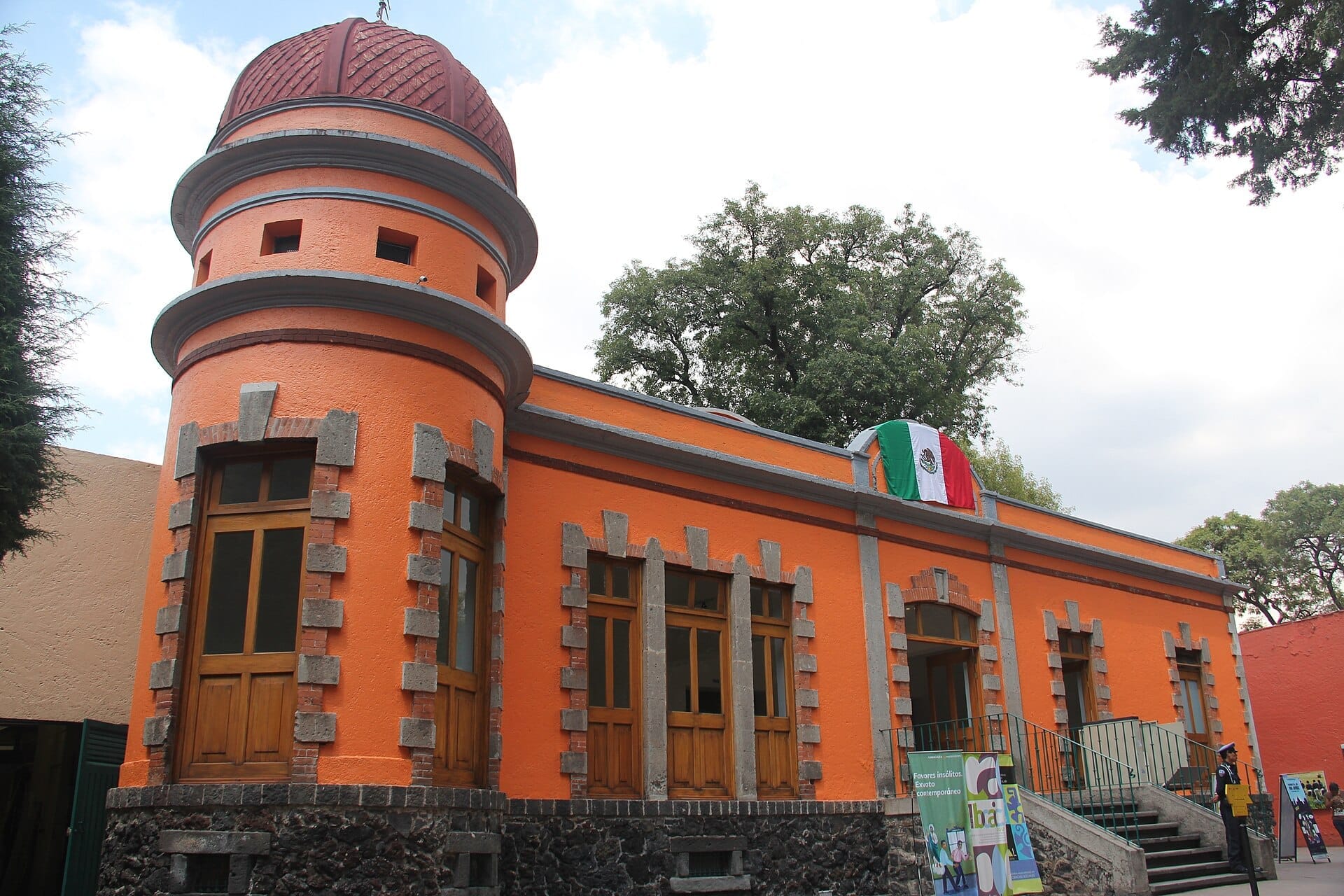
17. Understand Living Mexican Folk Culture at the Museo de Culturas Populares
In the heart of Coyoacán, this free museum explores Mexico's regional traditions through rotating exhibitions of textiles, music, crafts, and festival culture. An excellent companion to the Frida Kahlo Museum a few blocks away. Small, focused, and frequently updated.
Explore17. Understand Living Mexican Folk Culture at the Museo de Culturas Populares
In the heart of Coyoacán, this free museum explores Mexico's regional traditions through rotating exhibitions of textiles, music, crafts, and festival culture. An excellent companion to the Frida Kahlo Museum a few blocks away. Small, focused, and frequently updated.
Explore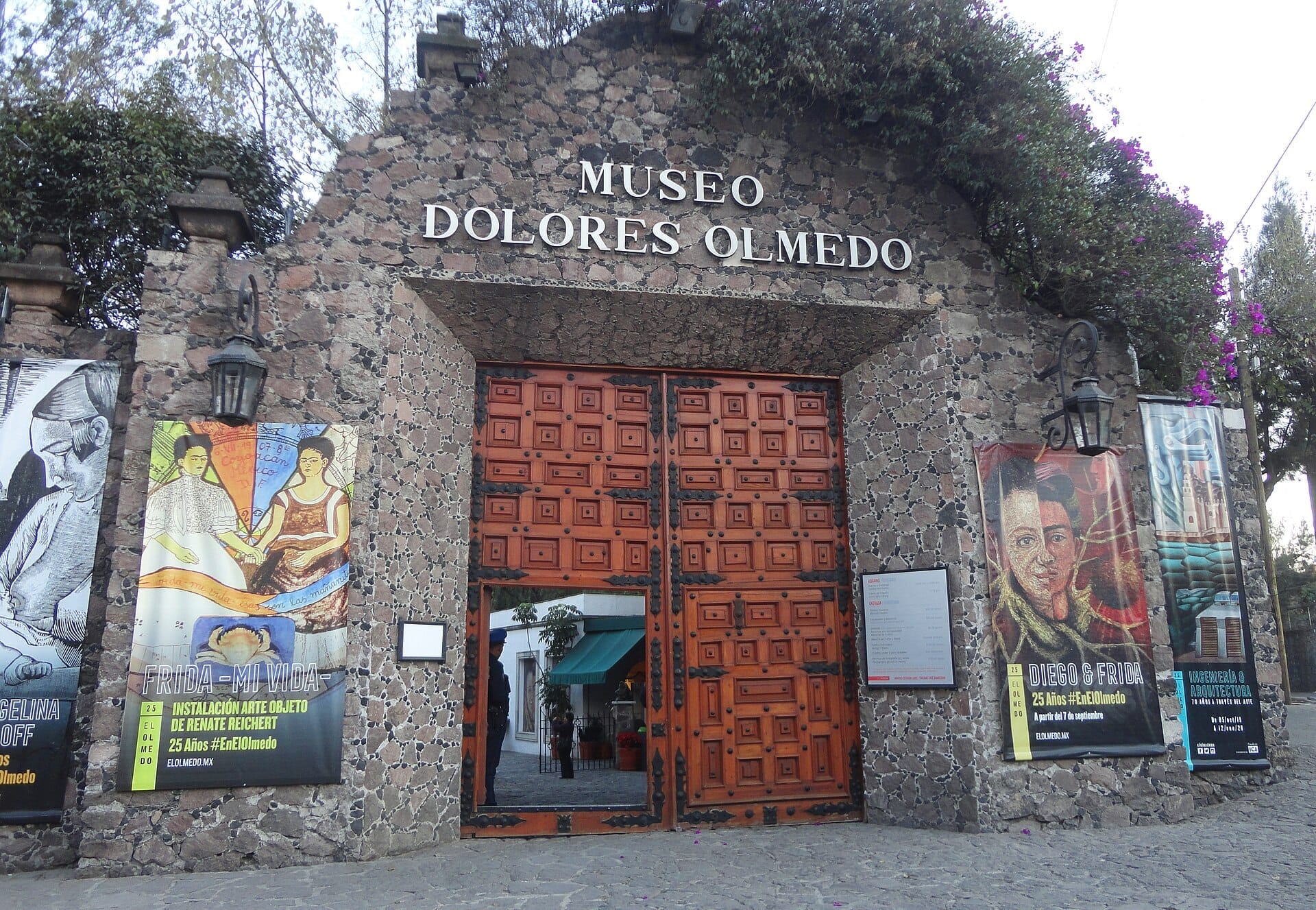
18. See the World's Largest Kahlo and Rivera Collection at Museo Dolores Olmedo
A 17th-century hacienda in Xochimilco holds more Rivera and Kahlo works than any other private collection on earth, displayed across garden rooms where peacocks and hairless xoloitzcuintli dogs roam. An extraordinary setting that many visitors overlook entirely.
Explore18. See the World's Largest Kahlo and Rivera Collection at Museo Dolores Olmedo
A 17th-century hacienda in Xochimilco holds more Rivera and Kahlo works than any other private collection on earth, displayed across garden rooms where peacocks and hairless xoloitzcuintli dogs roam. An extraordinary setting that many visitors overlook entirely.
ExploreHistory, Architecture & Palace Museums
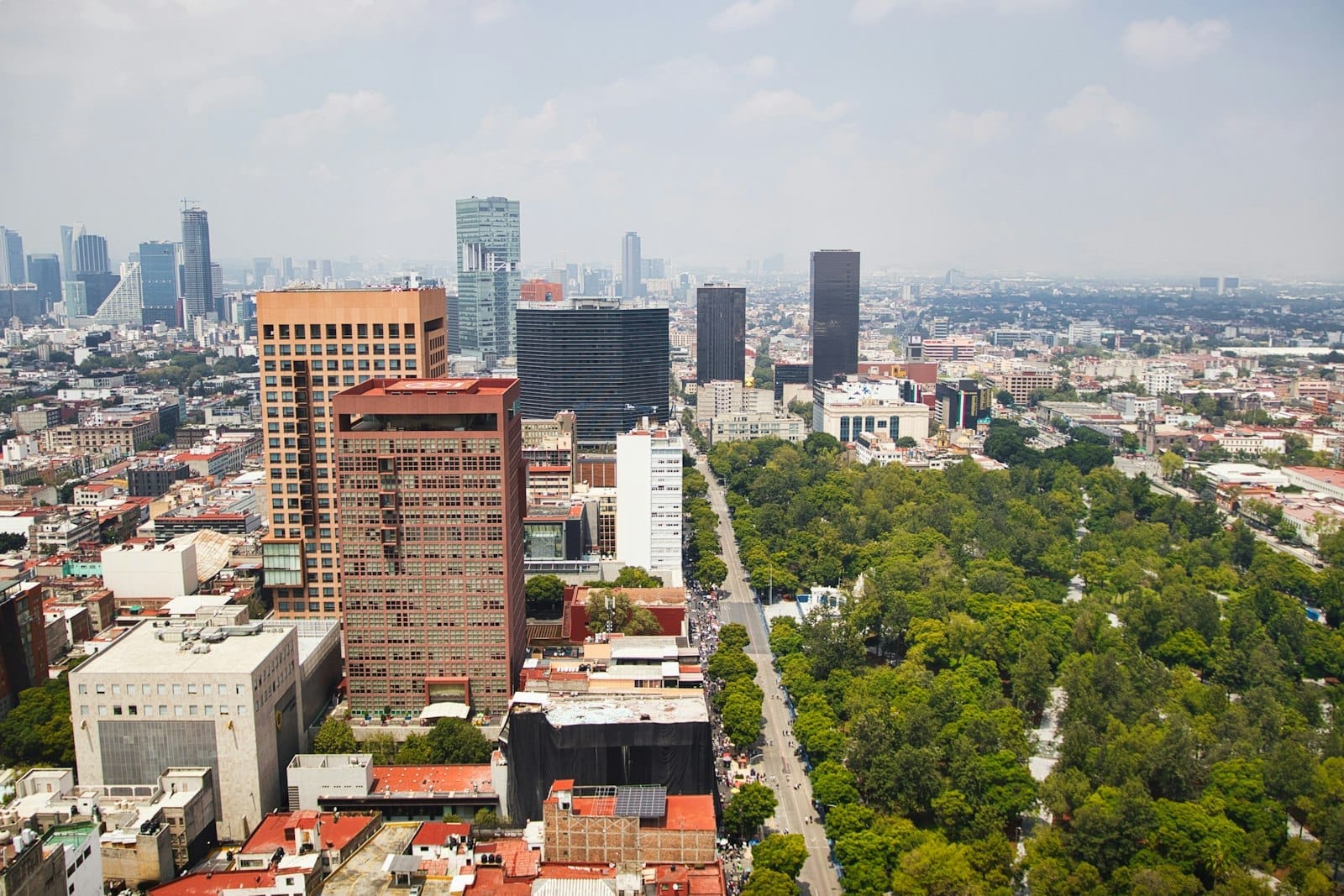
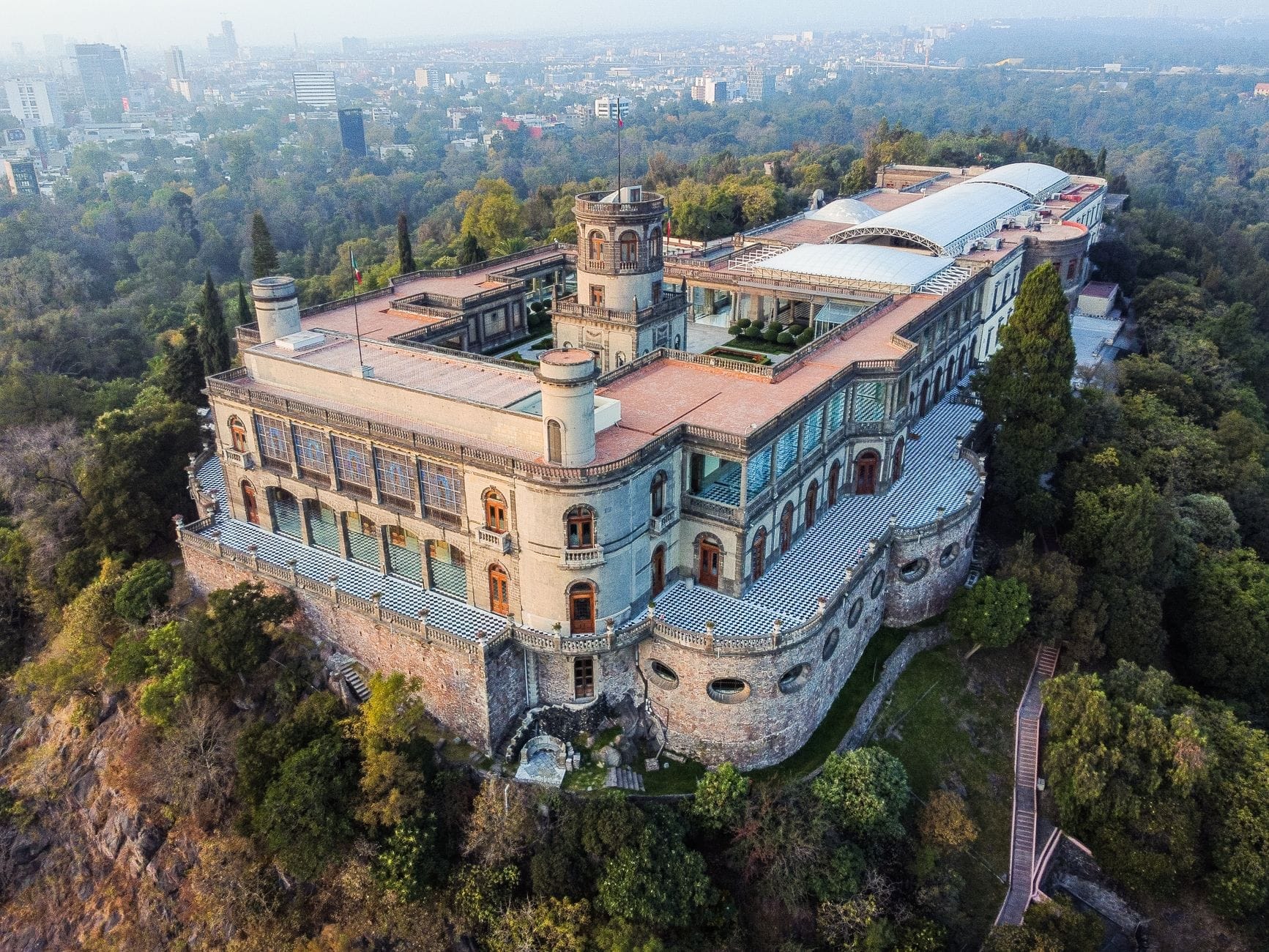
19. Tour the National Museum of History Inside Chapultepec Castle
The 18th-century castle atop Chapultepec Hill served as the home of Emperor Maximilian I and later Mexican presidents. The National Museum of History inside covers independence, reform, and revolution, and the hilltop views across the city are outstanding.
Explore19. Tour the National Museum of History Inside Chapultepec Castle
The 18th-century castle atop Chapultepec Hill served as the home of Emperor Maximilian I and later Mexican presidents. The National Museum of History inside covers independence, reform, and revolution, and the hilltop views across the city are outstanding.
Explore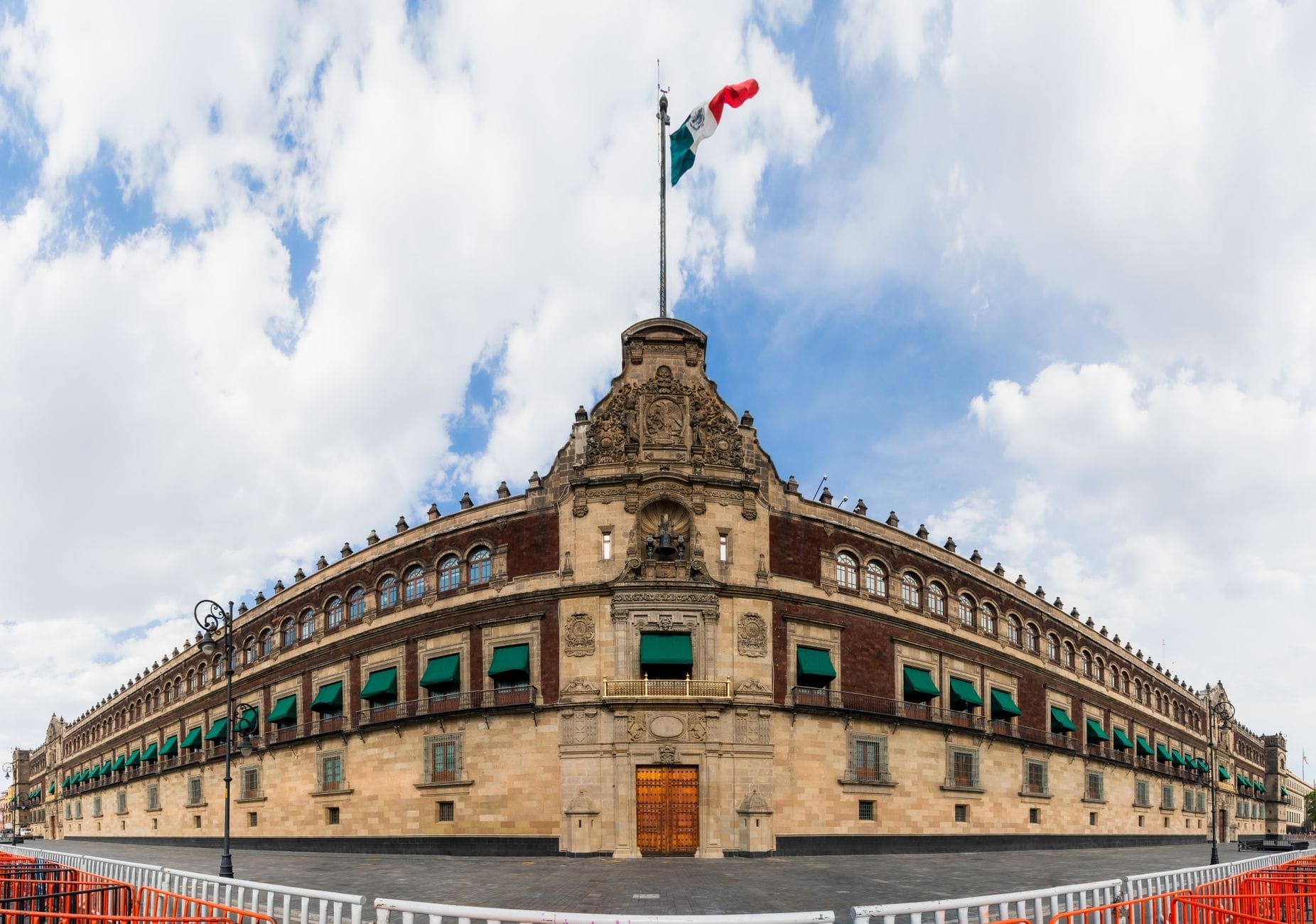
20. See Diego Rivera's Epic Mural Cycle at the National Palace
The seat of Mexico's federal government houses Rivera's monumental mural depicting the entire sweep of Mexican history, from the Aztec era to the 20th century. Entry is free, but bring your passport. Located on the east side of the Zócalo; allow 90 minutes.
Explore20. See Diego Rivera's Epic Mural Cycle at the National Palace
The seat of Mexico's federal government houses Rivera's monumental mural depicting the entire sweep of Mexican history, from the Aztec era to the 20th century. Entry is free, but bring your passport. Located on the east side of the Zócalo; allow 90 minutes.
Explore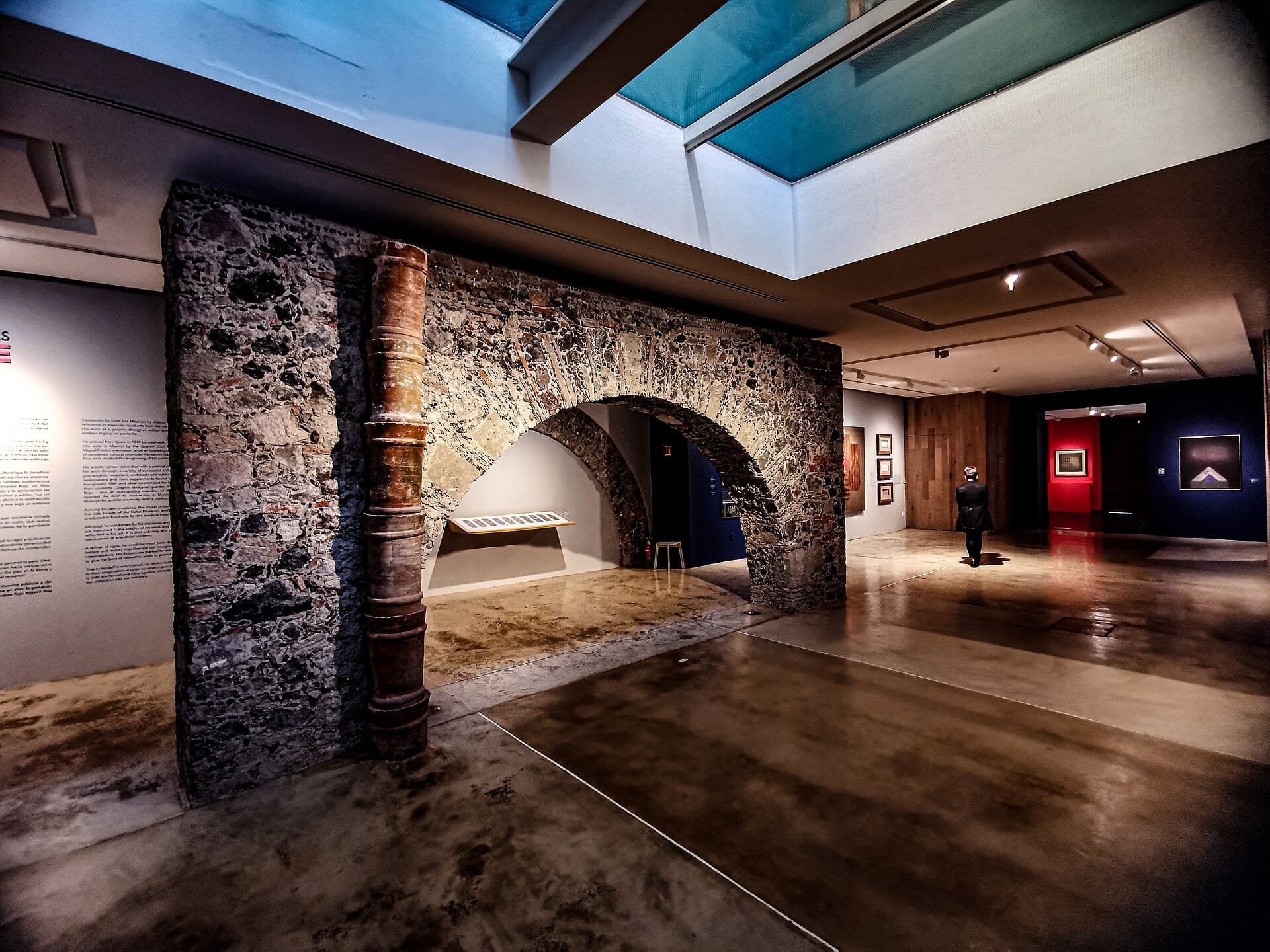
21. Discover Viceregal and 19th-Century Mexican Art at the New Museo Kaluz
Opened in 2022 in a beautifully restored colonial building in the Centro Histórico, Museo Kaluz presents an outstanding collection of viceregal and 19th-century Mexican painting in one of the city's most impressive recent architectural restorations. Relatively uncrowded.
Explore21. Discover Viceregal and 19th-Century Mexican Art at the New Museo Kaluz
Opened in 2022 in a beautifully restored colonial building in the Centro Histórico, Museo Kaluz presents an outstanding collection of viceregal and 19th-century Mexican painting in one of the city's most impressive recent architectural restorations. Relatively uncrowded.
Explore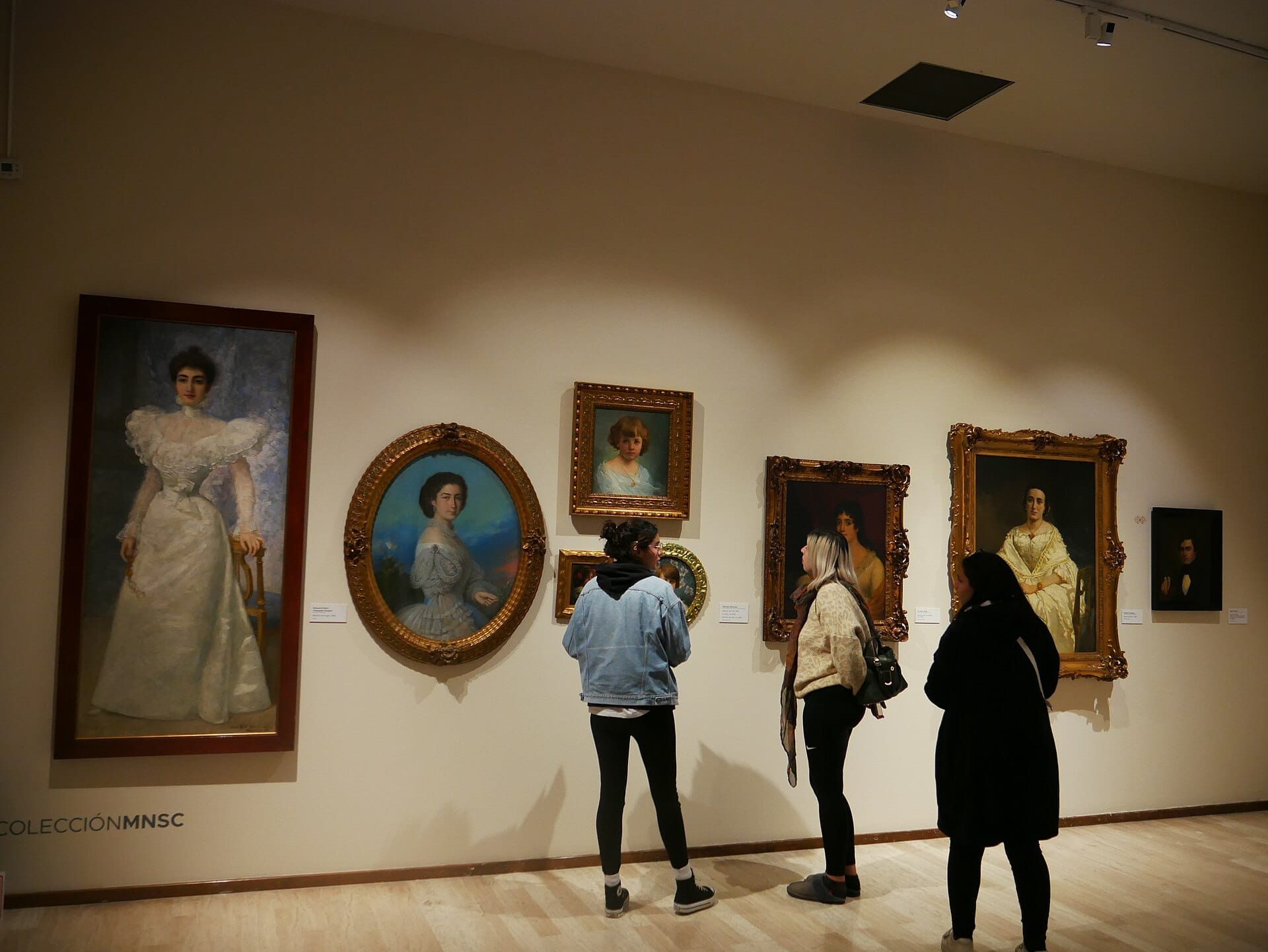
22. See Mexico's Best European Art Collection at Museo Nacional de San Carlos
Housed in a Neoclassical palace, San Carlos holds Mexico's most important collection of European painting and sculpture from the 15th to the 19th century, including works rarely seen outside Spain. One of the most overlooked major museums in the city.
Explore22. See Mexico's Best European Art Collection at Museo Nacional de San Carlos
Housed in a Neoclassical palace, San Carlos holds Mexico's most important collection of European painting and sculpture from the 15th to the 19th century, including works rarely seen outside Spain. One of the most overlooked major museums in the city.
Explore💡 Local tip
The Chapultepec cluster (National Museum of Anthropology, Museo de Arte Moderno, Museo Tamayo, and Chapultepec Castle) can all be reached from Metro Line 1 (Chapultepec station) or Line 7 (Auditorio). Plan a full day here and you can cover three or four museums comfortably.
FAQ
Which is the best museum in Mexico City overall?
The Museo Nacional de Antropología is widely considered the single best museum in Mexico City and one of the greatest in the world. Its collection of pre-Columbian artefacts, including the Aztec Sun Stone, is unmatched. For art specifically, the Palacio de Bellas Artes and Museo de Arte Moderno are the strongest choices.
Do I need to book the Frida Kahlo Museum in advance?
Yes, strongly. Tickets for the Museo Frida Kahlo (Casa Azul) sell out days or weeks in advance, especially during peak seasons like Easter, summer, Día de Muertos, and Christmas. Book through the official museum website or platforms like GetYourGuide as early as possible. Same-day entry is rarely available.
Which museums in Mexico City are free?
Museo Soumaya is free year-round, and Museo Jumex offers free admission but may charge for certain temporary exhibitions. Most federal museums, including the National Museum of Anthropology and Templo Mayor, offer free entry on Sundays for Mexican citizens and foreign residents with valid official ID. The Museo de Culturas Populares in Coyoacán is generally free, though some temporary exhibitions or events may carry a small fee. The National Palace murals are also free with a valid passport.
Are most museums in Mexico City closed on Mondays?
Yes. The majority of federal and city-run museums close on Mondays, including the National Museum of Anthropology, Templo Mayor, MUNAL, and Chapultepec Castle. Private museums like Soumaya and Jumex often stay open. Always check the official website before visiting.
How many museums can I realistically visit in three days in Mexico City?
Six to eight museums is a realistic target over three full days if you plan by neighborhood. Day one: Centro Histórico cluster (Templo Mayor, Bellas Artes, Museo Mural Diego Rivera, MUNAL). Day two: Chapultepec (Anthropology, Arte Moderno, Tamayo or the Castle). Day three: Coyoacán and San Ángel (Casa Azul, Anahuacalli, Casa Estudio). See our three-day itinerary for a full plan.
Tickets & tours
Live prices and dates from our booking partner. If you book, we may earn a commission at no extra cost to you.
Planning a trip? Discover personalized activities with the Nomado app.