Museo de Arte Popular: Mexico City's Folk Art Museum
Housed in a beautifully repurposed early-20th-century firehouse near Alameda Central, the Museo de Arte Popular brings together over 3,000 works of Mexican folk and popular art under one roof. From Oaxacan alebrijes to Talavera ceramics and Huichol beadwork, it offers one of the most coherent introductions to regional craft traditions anywhere in the country.
Quick Facts
- Location
- Calle Revillagigedo 11, Colonia Centro, Cuauhtémoc, Mexico City
- Getting There
- Metro Juárez (Line 3), approx. 2-min walk; Metro Hidalgo (Lines 2 & 3), approx. 5-min walk
- Time Needed
- 1.5 to 2.5 hours
- Cost
- 60 MXN general admission; free for under-18s, students, teachers, artisans, older adults, and visitors with disabilities (valid ID required); free admission for all on Sundays
- Best for
- Design lovers, cultural travelers, families, and anyone wanting context for Mexican craft traditions
- Official website
- http://www.map.cdmx.gob.mx
What the Museo de Arte Popular Is
The Museo de Arte Popular (MAP) opened in March 2006 inside a former fire station built in the early twentieth century, a few blocks west of the Palacio de Bellas Artes. The building's industrial bones, wide arched bays, open mezzanines, and raw concrete columns have been retained and work surprisingly well as gallery space. Natural light filters through upper windows at certain hours, landing across hand-woven textiles and lacquered gourds in ways that no purpose-built white cube could replicate.
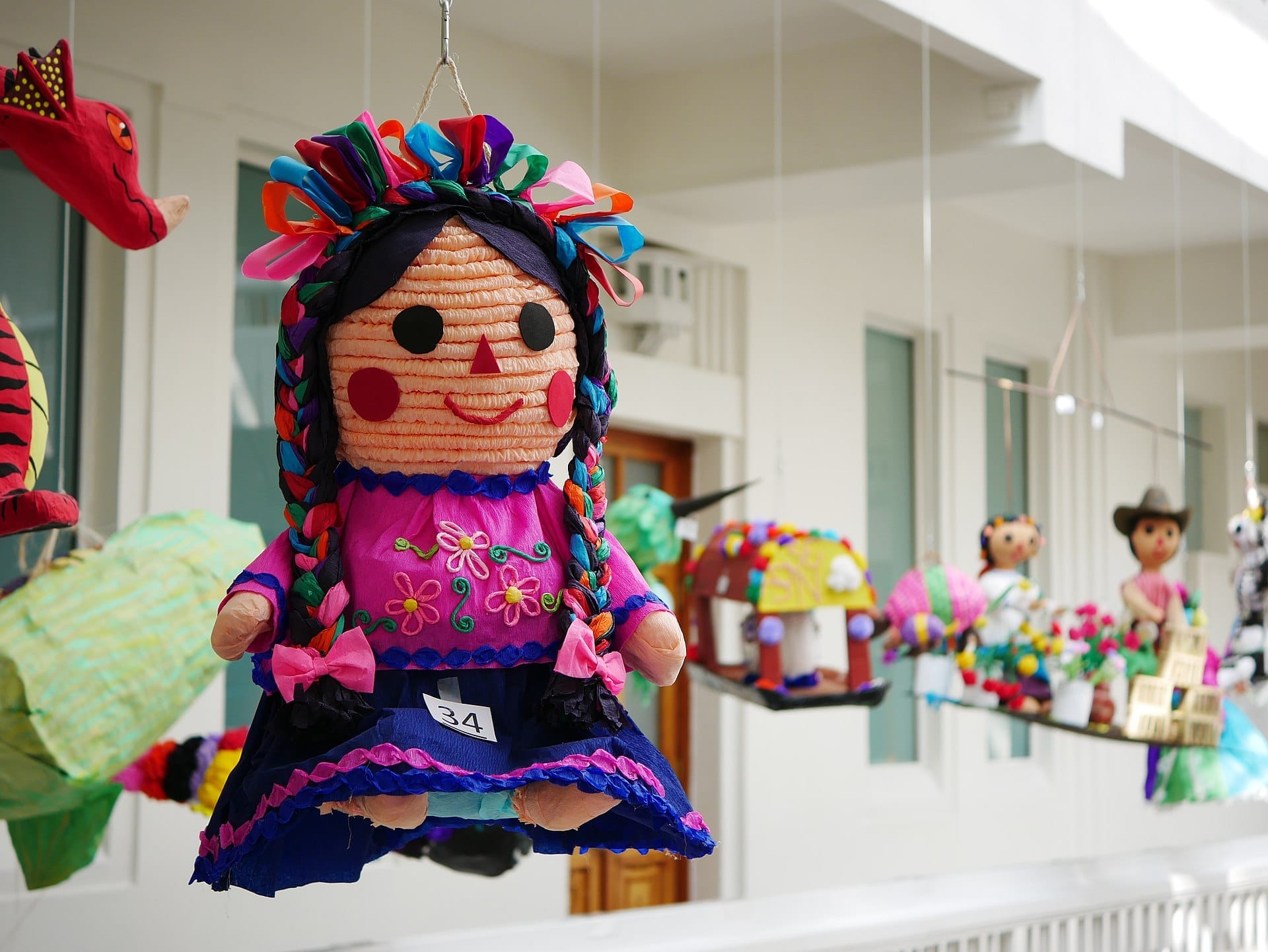
The collection spans more than 3,000 objects: alebrijes from Oaxaca, Talavera ceramics from Puebla, embroidered huipiles, painted papier-mâché skulls, Huichol yarn paintings, blown glass from Jalisco, carved wooden masks from Michoacán, and much more. The organizing logic is regional and material, not strictly chronological, which helps visitors understand how geography, climate, and local tradition shape what artisans make and how they make it.
💡 Local tip
Arrive within the first hour of opening (10:00–11:30) on a weekday for the quietest experience. School groups typically arrive mid-morning; by midday the ground floor can feel congested near the main alebrije installations.
The Building: A Firehouse Turned Gallery
Standing outside on Calle Revillagigedo before entering, the facade gives little away. The ochre-toned structure is unassuming next to the grander colonial buildings nearby. But once through the entrance, the scale opens up. The central atrium rises through multiple levels, and the original bays where fire trucks once parked give the lower galleries an unexpectedly grand horizontal sweep.
The adaptive reuse was handled with restraint. Exposed brickwork and original metalwork coexist with modern display cases and carefully directed spotlights. The architects chose not to smooth over the building's utilitarian history, and that decision gives MAP a texture that many newer museums in the city lack. If you have an interest in how historic industrial buildings are repurposed for culture, this is worth paying attention to beyond just the collection itself.
For comparison, the Palacio de Bellas Artes three blocks east is a more monumental architectural statement, but MAP's quieter setting often makes for a more comfortable museum experience, especially on busy weekend afternoons.
Tickets & tours
Live prices and dates from our booking partner. If you book, we may earn a commission at no extra cost to you.
Xochimilco, Coyoacan and Frida Kahlo Museum with skip-the-line tickets
From 63 €Instant confirmationFree cancellationFrida Kahlo and Diego Rivera legacy visit to three museums with skip-the-line tickets
From 67 €Instant confirmationFree cancellationSix Flags Amusement Park tickets and transportation
From 87 €Instant confirmationFree cancellationMexico City National Museum of Anthropology guided tour
From 57 €Instant confirmationFree cancellation
Navigating the Collection: Floor by Floor
The museum is organized across four levels. The ground floor typically handles the largest and most visually striking pieces, including oversized alebrijes, ceremonial costumes, and collaborative Day of the Dead installations that rotate seasonally. The scale of some pieces here is impressive: carved and painted animal figures that stand taller than a person, covered in intricate geometric color patterns.
Upper floors become more focused on individual craft categories. Textiles occupy significant gallery space, with displays showing regional weaving techniques from Oaxaca, Chiapas, and the Huasteca. The ceramics section covers major traditions including Talavera, barro negro from Oaxaca, and the distinctive burnished pottery of Michoacán. Labels are in both Spanish and English throughout, which is not universal in Mexico City museums and makes a real practical difference for international visitors.
The top floor hosts temporary exhibitions that have in the past focused on specific artisans, regional traditions, or thematic groupings around celebrations like Día de los Muertos. Check the museum's official site before visiting to see what is currently installed, as temporary shows can significantly shape the experience of an upper-floor visit.
ℹ️ Good to know
Bilingual labeling (Spanish and English) throughout the permanent collection makes MAP one of the more accessible museums in the historic center for non-Spanish speakers.
The Alebrijes: What MAP Is Best Known For
If there is one thing MAP has become associated with internationally, it is alebrijes: fantastical painted wooden or papier-mâché creatures that combine elements of multiple animals into something entirely invented. The tradition is relatively recent by folk art standards, traced to Mexico City artisan Pedro Linares in the 1930s, and later developed into carved wooden form by the Jiménez family in Oaxaca. MAP holds significant examples of both traditions and presents them together in a way that clarifies the distinction between Mexico City papier-mâché and Oaxacan copal-wood styles.
Each year MAP co-organizes a public alebrije parade through the streets of the historic center, typically in late October. Giant walking alebrijes, many built by local artisans in collaboration with MAP, proceed along Paseo de la Reforma toward the Zócalo. If your visit coincides with this period, the exhibition tied to the parade within the museum provides useful context for what you will see in the streets.
The Day of the Dead connection is direct: alebrijes often appear in ofrenda displays and themed installations around late October and early November. For more on how the city marks the occasion, the Day of the Dead in Mexico City guide explains the full calendar of events and where to see the best public displays.
How the Experience Changes by Time of Day
Morning visits, particularly Tuesday to Thursday, offer the calmest conditions. The entrance lobby smells faintly of stone and wood, the galleries are cool relative to the street outside, and you will often have entire rooms to yourself. Light comes in horizontally through the upper windows in the main atrium during morning hours, which is the best condition for photographing textiles and the more subtly colored ceramic pieces.
By 11:30 or noon, school groups begin arriving in waves, and the ground floor in particular becomes louder and more congested. The upper floors tend to remain quieter even when the lower level is busy, so experienced visitors often start at the top and work downward, finishing with the large-format pieces on the ground floor after the groups have moved on.
Weekend afternoons draw a mixed local and tourist crowd. The museum shop near the entrance sees consistent traffic on Saturdays, and the small café area provides a reasonable pause point. The building stays comfortable year-round because of its thick walls and cross-ventilation, which matters given Mexico City's occasionally warm spring afternoons.
💡 Local tip
For photography, the upper mezzanine looking down into the atrium offers the best overview of large-scale installations. Tripods are not permitted, but phone cameras handle the interior light levels well in the morning.
Practical Details: Getting There, Hours, and Tickets
MAP is open Tuesday through Sunday from 10:00 to 18:00 and is closed on Mondays. General admission is 60 MXN Tuesday through Saturday (with free entry for all on Sundays), which at current exchange rates is well under five US dollars, making it one of the better-value museum experiences in the city. Free admission applies to visitors under 18, students and teachers with valid ID, registered artisans, older adults, and people with disabilities, and on Sundays to all visitors. Bring ID if you plan to claim a concession.
The closest Metro stop is Juárez on Line 3, roughly a two-minute walk from the museum entrance. Hidalgo station, serving Lines 2 and 3, is about five minutes on foot and deposits you near the Alameda Central park, making a natural pairing: walk through the Alameda, turn south on Revillagigedo, and the museum entrance is one block ahead at the corner with Independencia.
If you are combining MAP with other stops in the historic center, the logical sequence runs: Alameda Central for a brief outdoor pause, then MAP, then east toward the Palacio de Bellas Artes and the Museo Mural Diego Rivera, which is actually located directly on the Alameda and holds Rivera's famous Sunday Dream mural. All three can be combined in a half-day without feeling rushed.
⚠️ What to skip
The Museo de Arte Popular is located in the Centro Histórico, where pedestrian traffic is heavy and street vendors are persistent near major landmarks. Keep bags secure and be aware of your surroundings at the Metro entrance, particularly during rush hours.
Who This Museum Works Best For (and Who Might Skip It)
MAP is particularly well-suited to visitors who want to understand what they are looking at when they encounter folk art in markets, on streets, or in private galleries across Mexico. The contextual labeling makes a real difference: after an hour here, you will recognize the difference between Oaxacan black clay and Pueblan ceramics, and understand why that matters. Travelers who have already spent time in Oaxaca or Chiapas may find some of the collection familiar, though MAP often holds museum-quality pieces that surpass what is available commercially.
Design and craft enthusiasts, in particular, tend to rate this among the highlights of a Mexico City trip. If that description fits you, the La Ciudadela artisan market is a five-minute walk away and provides a natural follow-up: you will have a much better sense of what you are looking at after the museum.
Visitors primarily interested in pre-Hispanic history or fine art painting may find the collection less compelling. MAP is specifically dedicated to popular and folk traditions from the colonial period onward, not to ancient Mesoamerican objects (those are better served by the Museo Nacional de Antropología) or easel painting. The museum also does not have a dramatic or sweeping architectural spectacle in the way that some of the city's larger cultural venues do. The experience is focused and intimate rather than overwhelming.
Travelers with limited mobility should note that the museum is housed in a historic building. While people with disabilities receive free admission, the specifics of physical access, including elevator availability and ramp coverage across all four floors, are worth confirming directly with the museum before visiting, as the available documentation does not fully specify these details.
Insider Tips
- The museum shop near the entrance stocks a curated selection of folk art pieces from recognized artisans, often at prices that reflect actual craft value rather than tourist markup. It is worth browsing even if you do not plan to buy.
- If you visit in late October, look for the temporary exhibition tied to the annual Alebrije Parade. The museum displays the competition entries before and after the parade, and the scale and craft level of the pieces is considerably higher than what you will find in most markets.
- Start your visit on the upper floors and work downward. This reverses the instinct to follow the crowd to the visually dramatic ground-floor pieces first, but it gives you the quieter, more detail-oriented galleries when your attention is freshest.
- La Ciudadela artisan market is a five-minute walk southwest of MAP. Going there after the museum rather than before means you will approach the stalls with a better understanding of regional distinctions and can ask more informed questions of the vendors.
- Weekday mornings between 10:00 and 11:30 consistently offer the calmest visit conditions. Tuesday is typically the quietest day of the week.
Who Is Museo de Arte Popular For?
- Craft and design travelers wanting regional context before exploring markets
- Families with children older than 6, given the visual and tactile richness of the displays
- First-time visitors to Mexico City looking for a focused introduction to regional traditions
- Photography enthusiasts drawn to color, texture, and form
- Budget travelers: at 60 MXN general admission, this is one of the highest-quality low-cost museum experiences in the city
Nearby Attractions
Other things to see while in Centro Histórico:
- Alameda Central
Founded in 1592, Alameda Central is the oldest public park in the Americas and the green centerpiece of Mexico City's historic center. Flanked by the Palacio de Bellas Artes and a ring of colonial-era institutions, it offers free entry, shaded walkways, and a front-row seat to everyday city life.
- Calle Madero
Avenida Francisco I. Madero connects the Zócalo to the Torre Latinoamericana along one of the oldest streets in the Americas. Free to walk at any hour, it layers colonial architecture, street performance, and everyday city life into a single corridor that doubles as an open-air history lesson.
- Casa de los Azulejos
Casa de los Azulejos is one of the most photographed facades in Mexico City, its exterior wrapped in blue-and-white Talavera tiles from Puebla. With documented origins in the 16th century and operating as a Sanborns restaurant since 1919, it offers free entry and a rare chance to step inside a baroque palace that has survived centuries of history.
- La Ciudadela Artisan Market
The Mercado de Artesanías de La Ciudadela is one of Mexico City's largest and best-known handicraft markets, with more than 350 vendors selling handmade goods from across 22 states. Entry is free, quality ranges from tourist trinkets to serious collector pieces, and knowing how to navigate the stalls makes all the difference.
Planning a trip? Discover personalized activities with the Nomado app.