Best Walking Tours & Self-Guided Walks in Mexico City
Mexico City rewards walkers like few capitals on earth. From Aztec ruins and colonial palaces to Art Deco parks and bohemian barrios, these are the routes and guided tours worth lacing up your shoes for.
Tickets & tours
Live prices and dates from our booking partner. If you book, we may earn a commission at no extra cost to you.
Mexico City is one of the great walking cities of the Americas, though many first-time visitors underestimate just how much ground you can cover on foot. The key is knowing which neighbourhoods reward walking and which are better crossed by Metro. The Centro Histórico is the obvious starting point, a compact square kilometre of colonial architecture, Aztec ruins, and extraordinary public murals. But the city's walking pleasures extend well beyond: the leafy streets of Coyoacán, the Art Deco boulevards of Roma and Condesa, and the upscale avenues of Chapultepec and Polanco each have their own distinct character and pace. This guide covers the best guided tours you can book, the finest self-guided walking routes, and the individual landmarks that anchor every great walk in CDMX. For a structured overview of how to fit it all together, see our 3-day Mexico City itinerary.
The Historic Centre: The Essential Walking Route
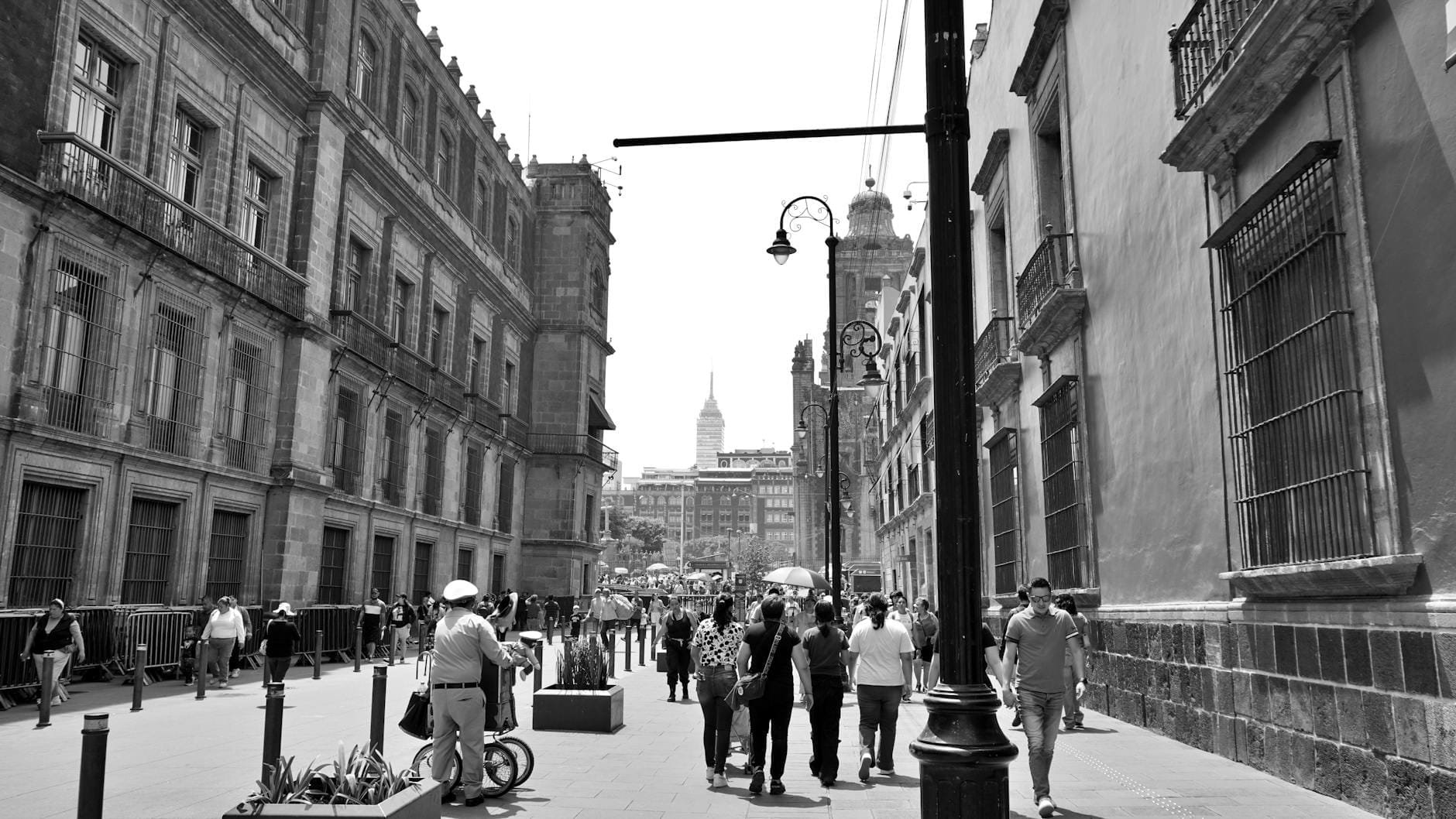
No walk in Mexico City matters more than the one through the Centro Histórico. In roughly three kilometres you move through 700 years of history: Aztec temple ruins, a 16th-century cathedral, colonial palaces turned museums, and one of the most extraordinary Art Nouveau opera houses in the world. Most guided walking tours in the city start here, meeting near the Metropolitan Cathedral or the Zócalo. If you prefer going solo, the route from the Zócalo west along Calle Madero to Alameda Central takes about two hours at a relaxed pace and covers many of the highlights.
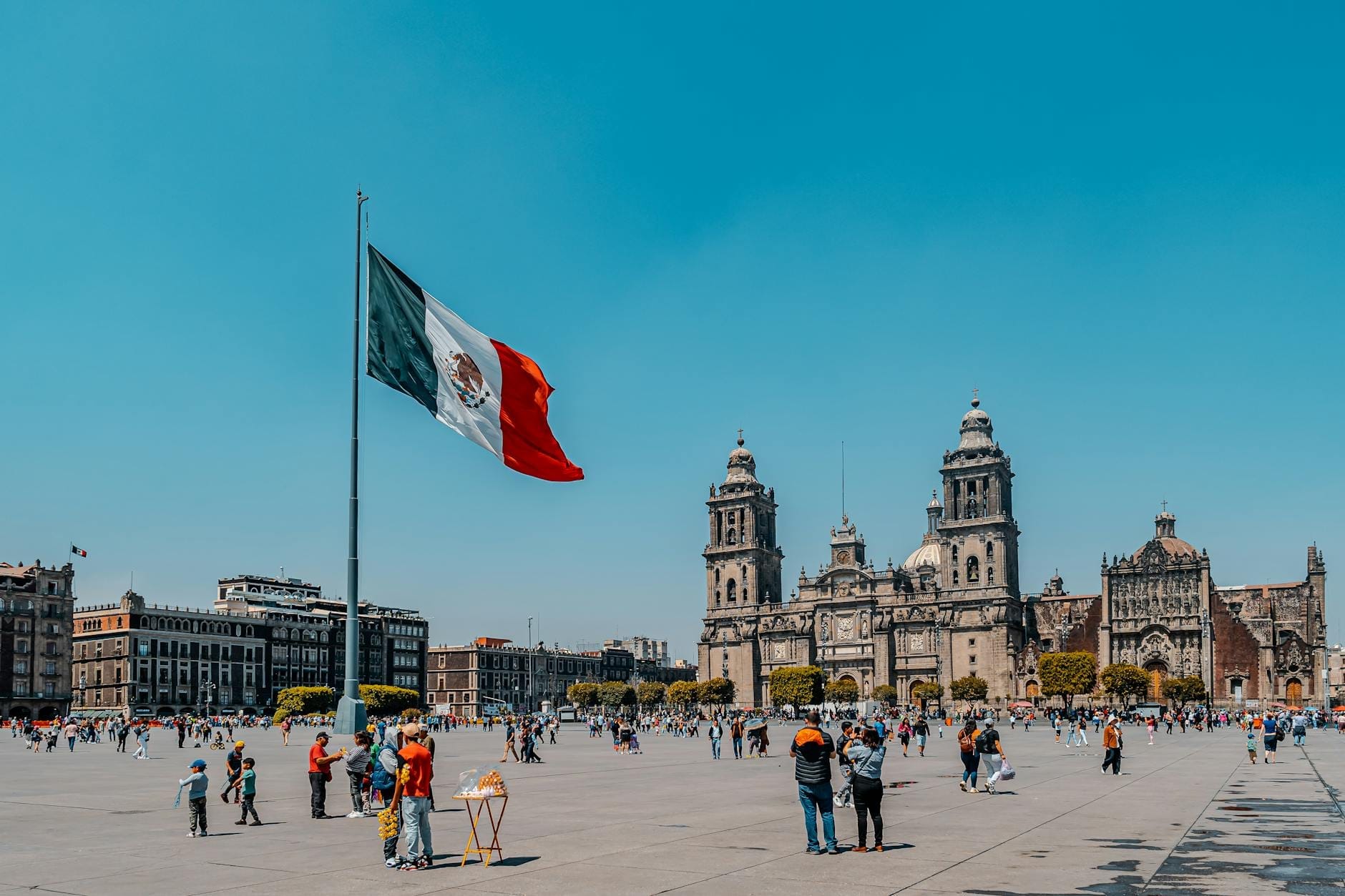
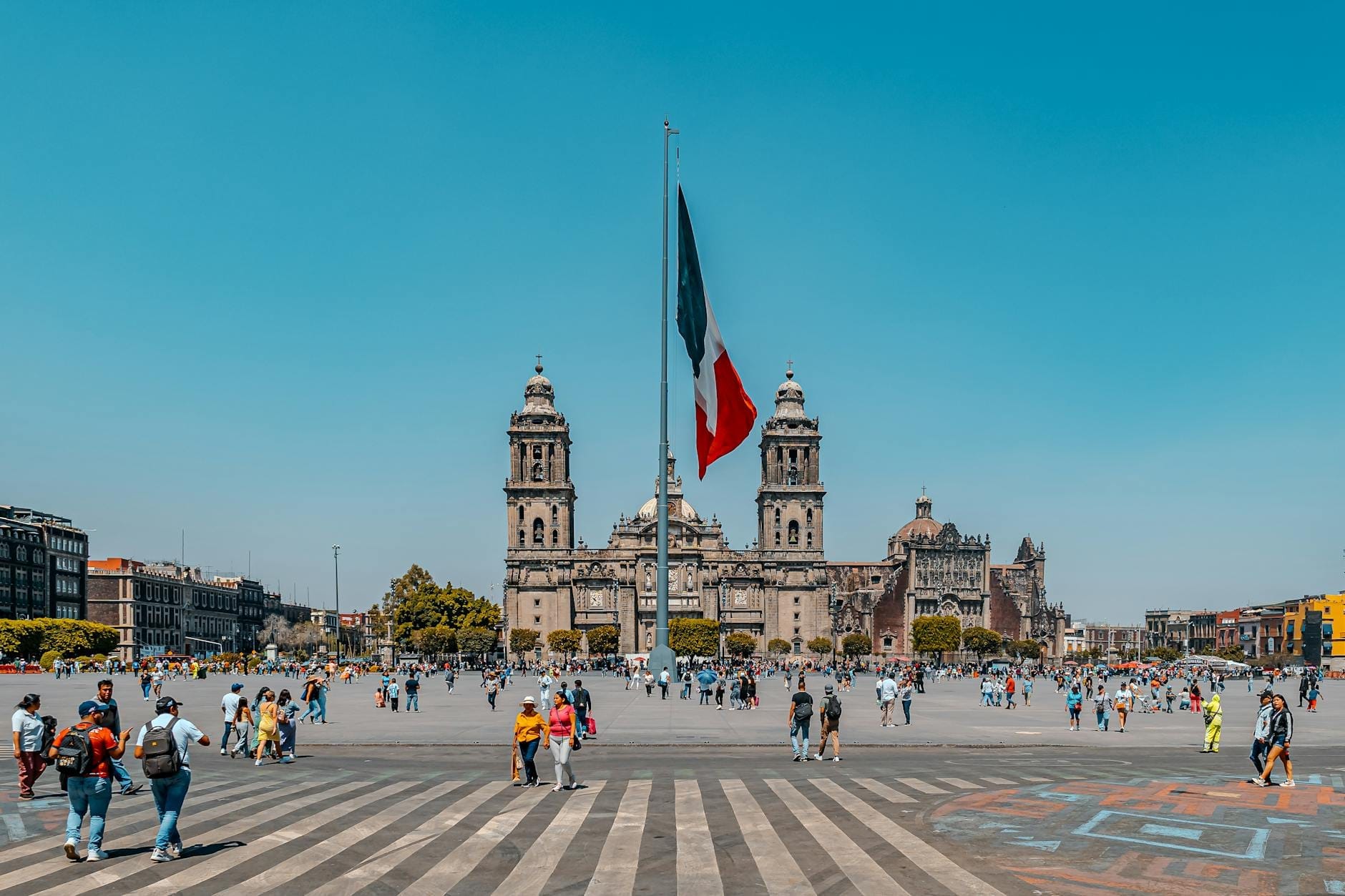
1. Start Every Historic Centre Walk at the Zócalo
One of the world's largest public squares, the Zócalo is the natural anchor for any Centro walk. Arrive early for the flag ceremony, and take time to read the square before moving on to the surrounding landmarks.
Explore1. Start Every Historic Centre Walk at the Zócalo
One of the world's largest public squares, the Zócalo is the natural anchor for any Centro walk. Arrive early for the flag ceremony, and take time to read the square before moving on to the surrounding landmarks.
Explore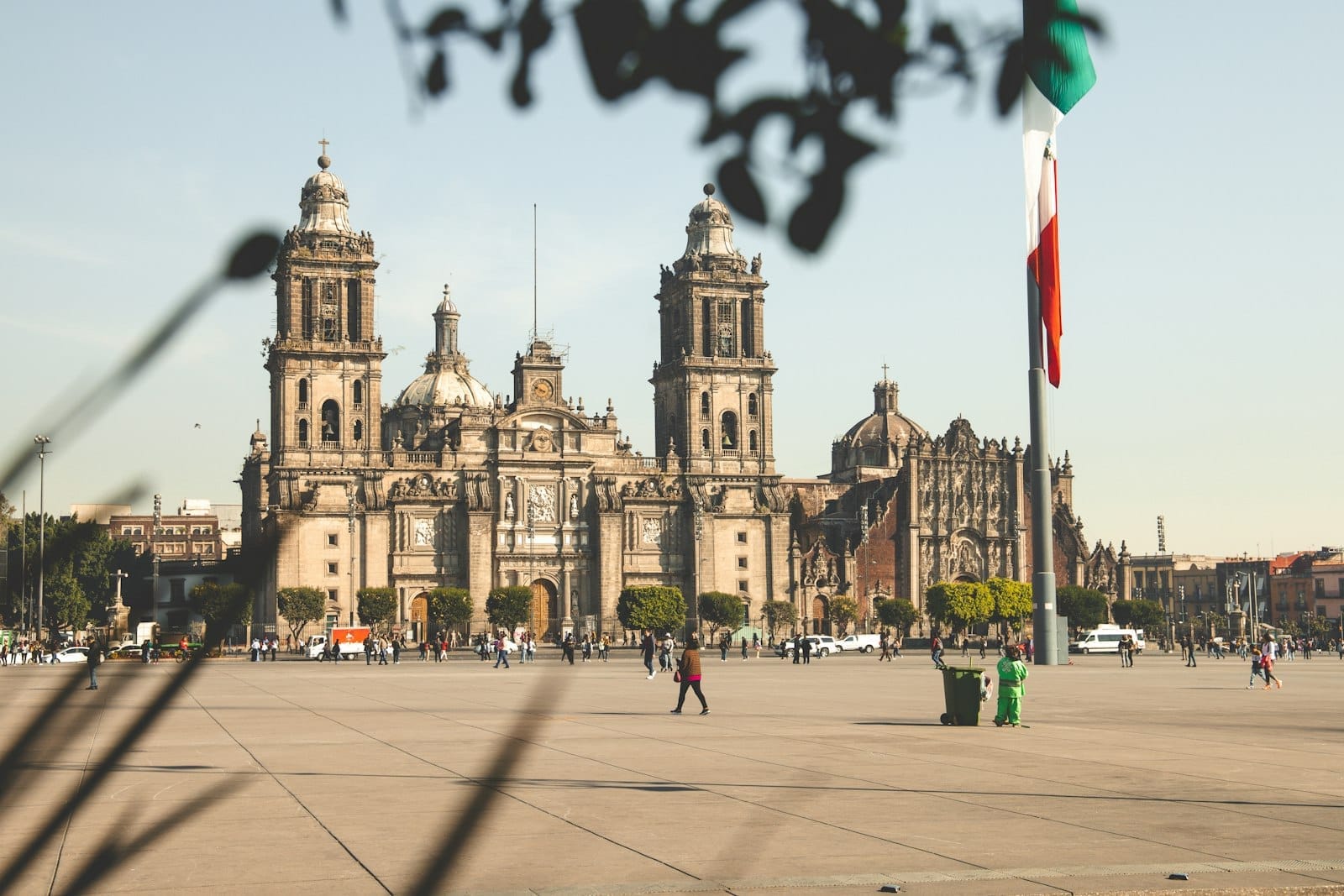
2. Walk the Perimeter of the Metropolitan Cathedral
Built over 240 years, this is the largest cathedral in the Americas. Walk around its full exterior to appreciate the Gothic, Baroque, and Neoclassical phases of construction, and look for its visible tilt caused by subsidence.
Explore2. Walk the Perimeter of the Metropolitan Cathedral
Built over 240 years, this is the largest cathedral in the Americas. Walk around its full exterior to appreciate the Gothic, Baroque, and Neoclassical phases of construction, and look for its visible tilt caused by subsidence.
Explore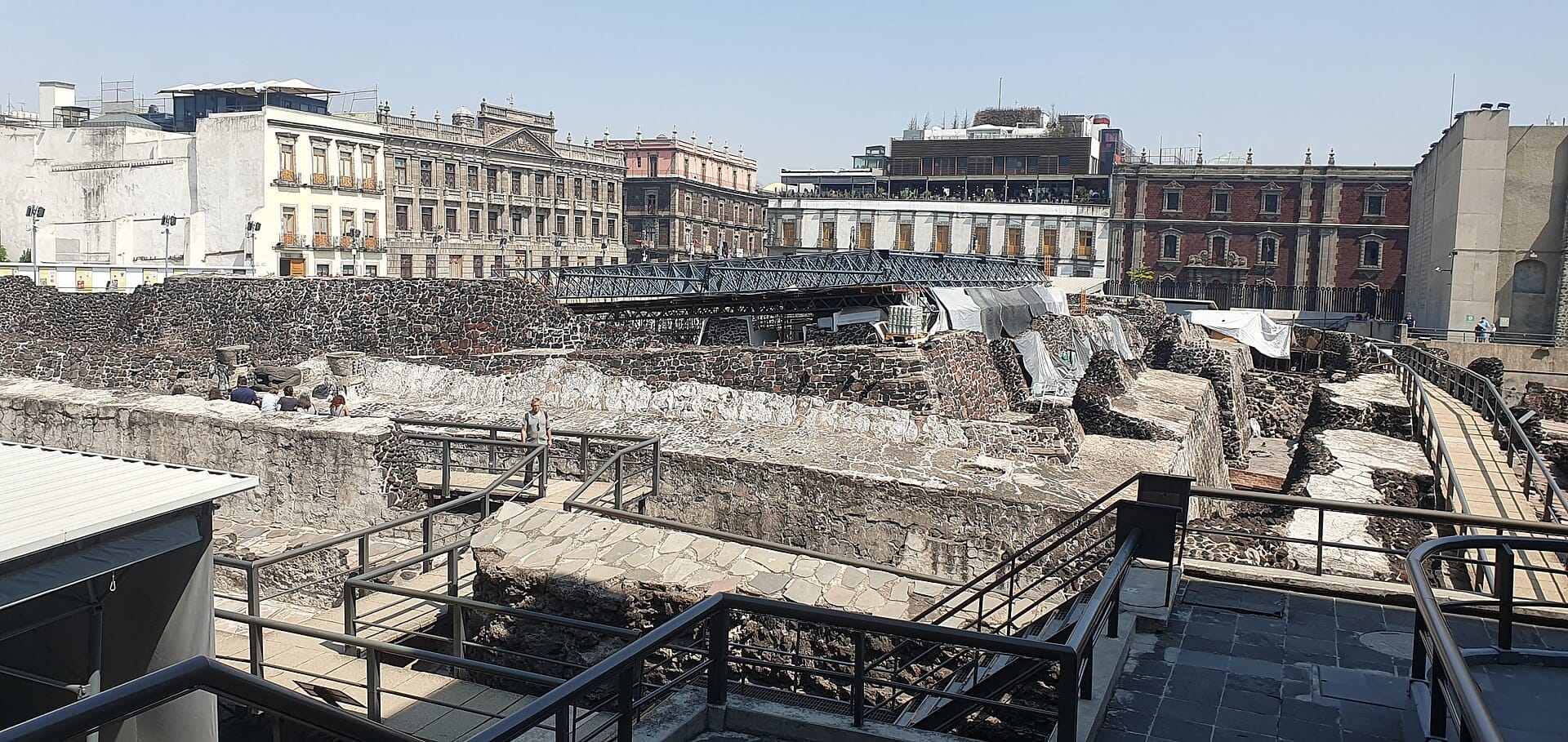
3. Step onto the Ruins of the Aztec Templo Mayor
The excavated heart of ancient Tenochtitlán sits steps from the Zócalo. Walk the raised pathways through the ruins, then spend 45 minutes in the adjacent museum, which houses thousands of excavated artefacts.
Explore3. Step onto the Ruins of the Aztec Templo Mayor
The excavated heart of ancient Tenochtitlán sits steps from the Zócalo. Walk the raised pathways through the ruins, then spend 45 minutes in the adjacent museum, which houses thousands of excavated artefacts.
Explore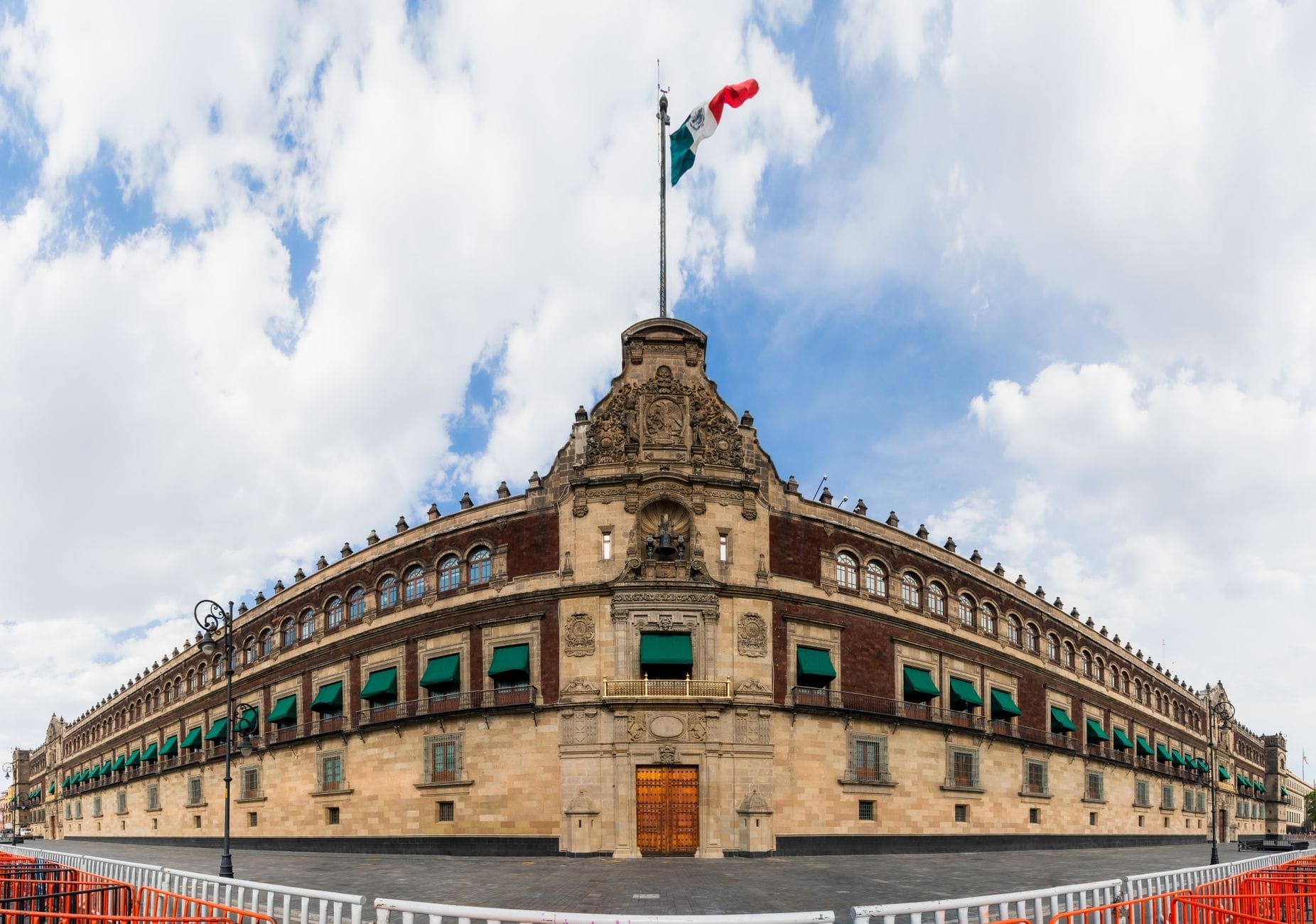
4. See Diego Rivera's Mural Cycle Inside the National Palace
Entry is free. Rivera's floor-to-ceiling murals depicting Mexican history from the Aztecs to the Revolution cover the grand staircase and first-floor corridors. Allow 30-45 minutes and bring a wide-angle eye.
Explore4. See Diego Rivera's Mural Cycle Inside the National Palace
Entry is free. Rivera's floor-to-ceiling murals depicting Mexican history from the Aztecs to the Revolution cover the grand staircase and first-floor corridors. Allow 30-45 minutes and bring a wide-angle eye.
Explore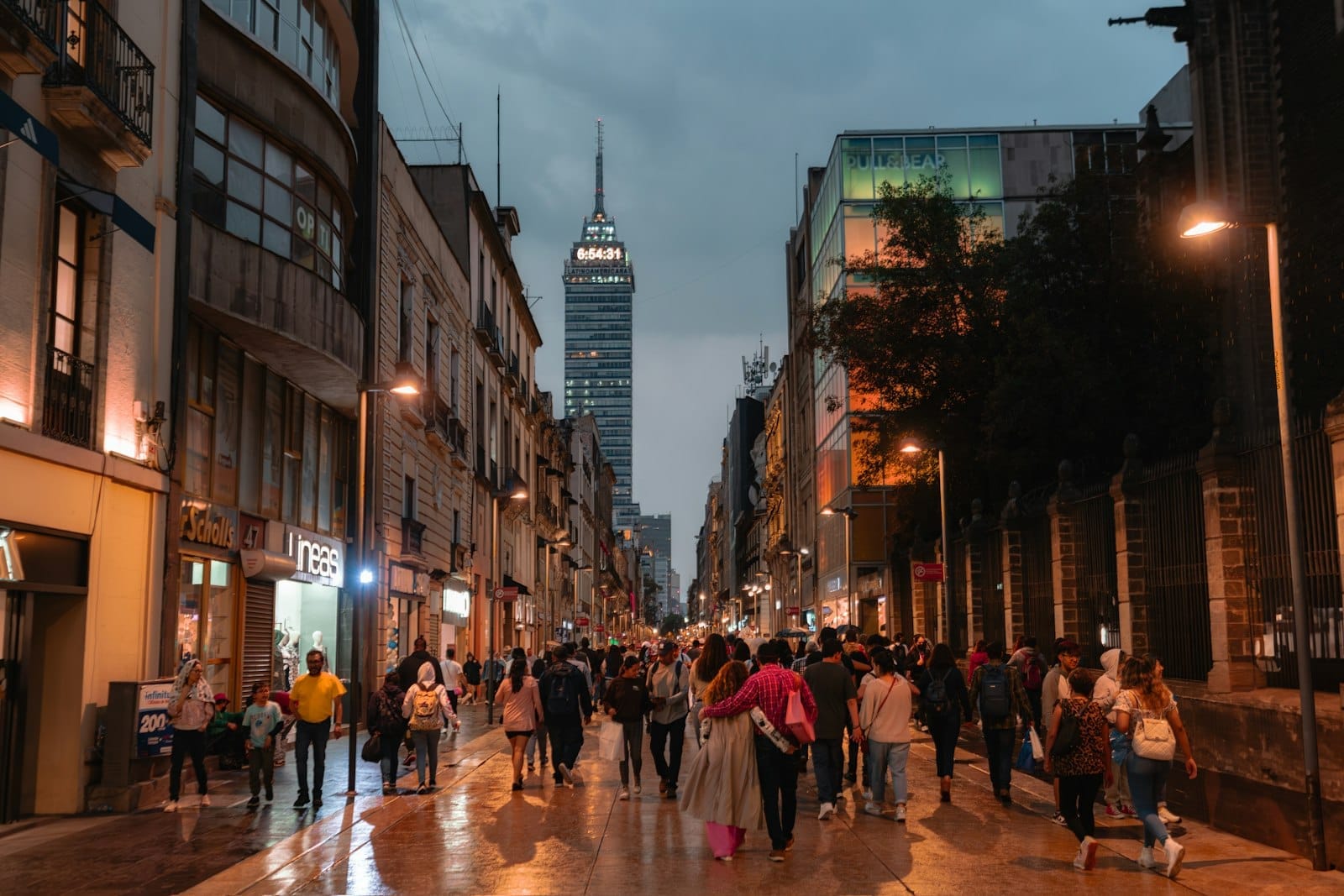
5. Walk the Full Length of Pedestrianised Calle Madero
This car-free street connects the Zócalo to Alameda Central and packs in colonial palaces, the tiled Casa de los Azulejos, street musicians, and the Torre Latinoamericana. The best single street walk in the city.
Explore5. Walk the Full Length of Pedestrianised Calle Madero
This car-free street connects the Zócalo to Alameda Central and packs in colonial palaces, the tiled Casa de los Azulejos, street musicians, and the Torre Latinoamericana. The best single street walk in the city.
Explore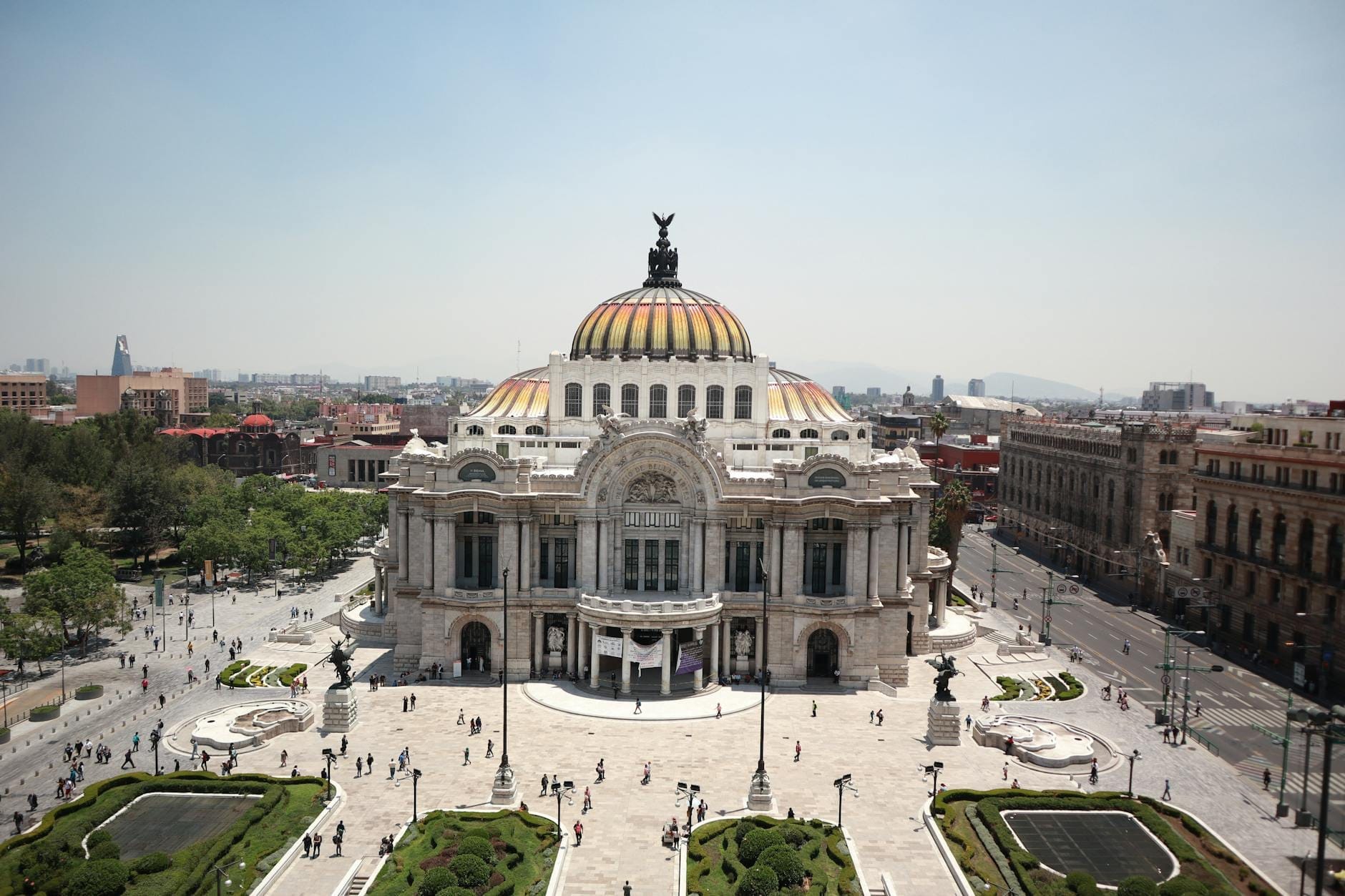
6. Pause at Palacio de Bellas Artes for Architecture and Murals
The marble Art Nouveau and Art Deco palace at the western end of Madero is a mandatory stop. Enter the lobby to see murals by Rivera, Orozco, and Siqueiros, and look up at the extraordinary glass curtain above the opera stage.
Explore6. Pause at Palacio de Bellas Artes for Architecture and Murals
The marble Art Nouveau and Art Deco palace at the western end of Madero is a mandatory stop. Enter the lobby to see murals by Rivera, Orozco, and Siqueiros, and look up at the extraordinary glass curtain above the opera stage.
Explore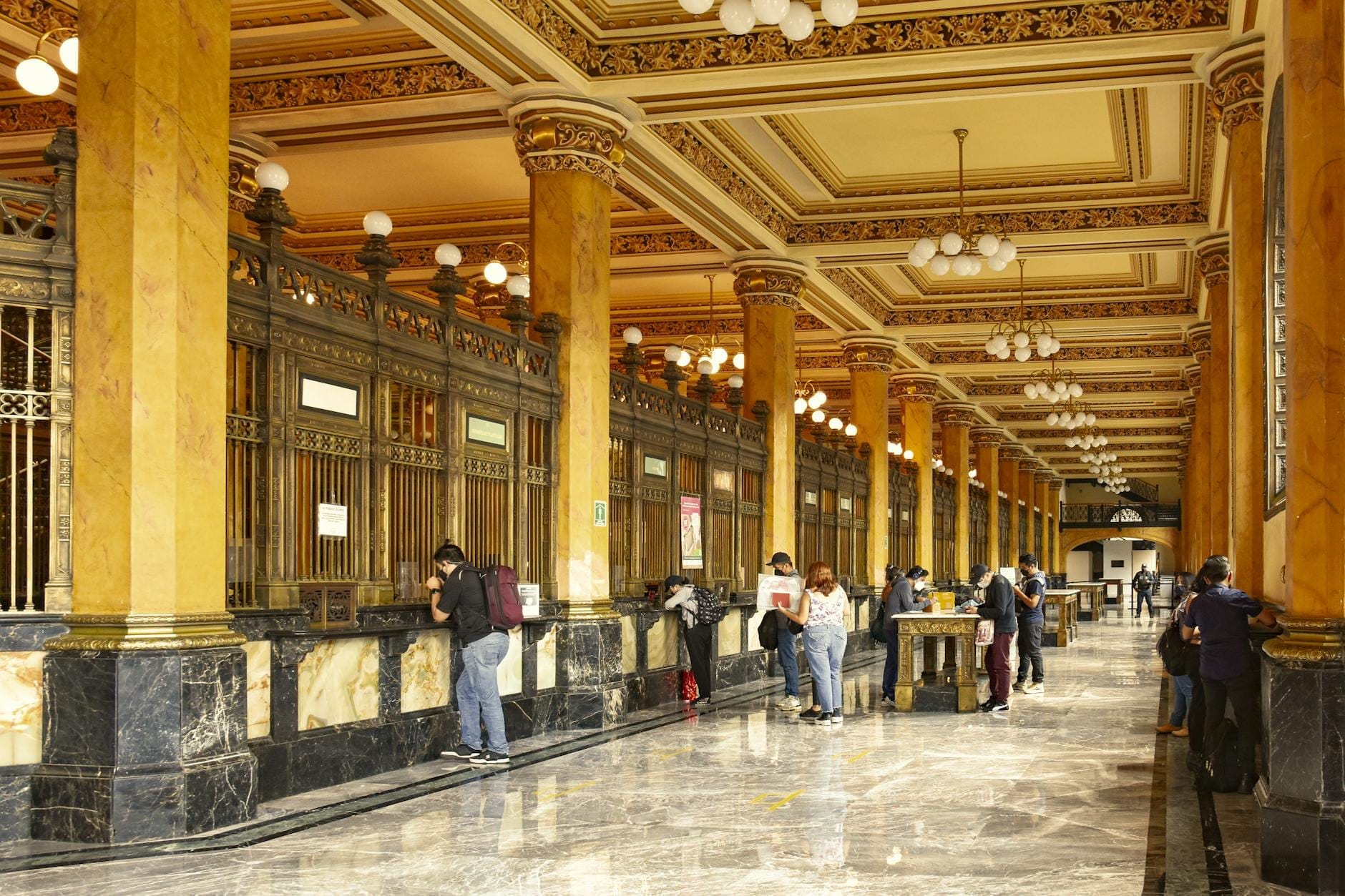
7. Duck into the Ornate Palacio de Correos
Across from Bellas Artes, this 1907 Venetian Gothic post office is one of CDMX's finest buildings. Step inside to see the elaborate iron staircase and gilded details. It takes ten minutes and still functions as a working post office.
Explore7. Duck into the Ornate Palacio de Correos
Across from Bellas Artes, this 1907 Venetian Gothic post office is one of CDMX's finest buildings. Step inside to see the elaborate iron staircase and gilded details. It takes ten minutes and still functions as a working post office.
Explore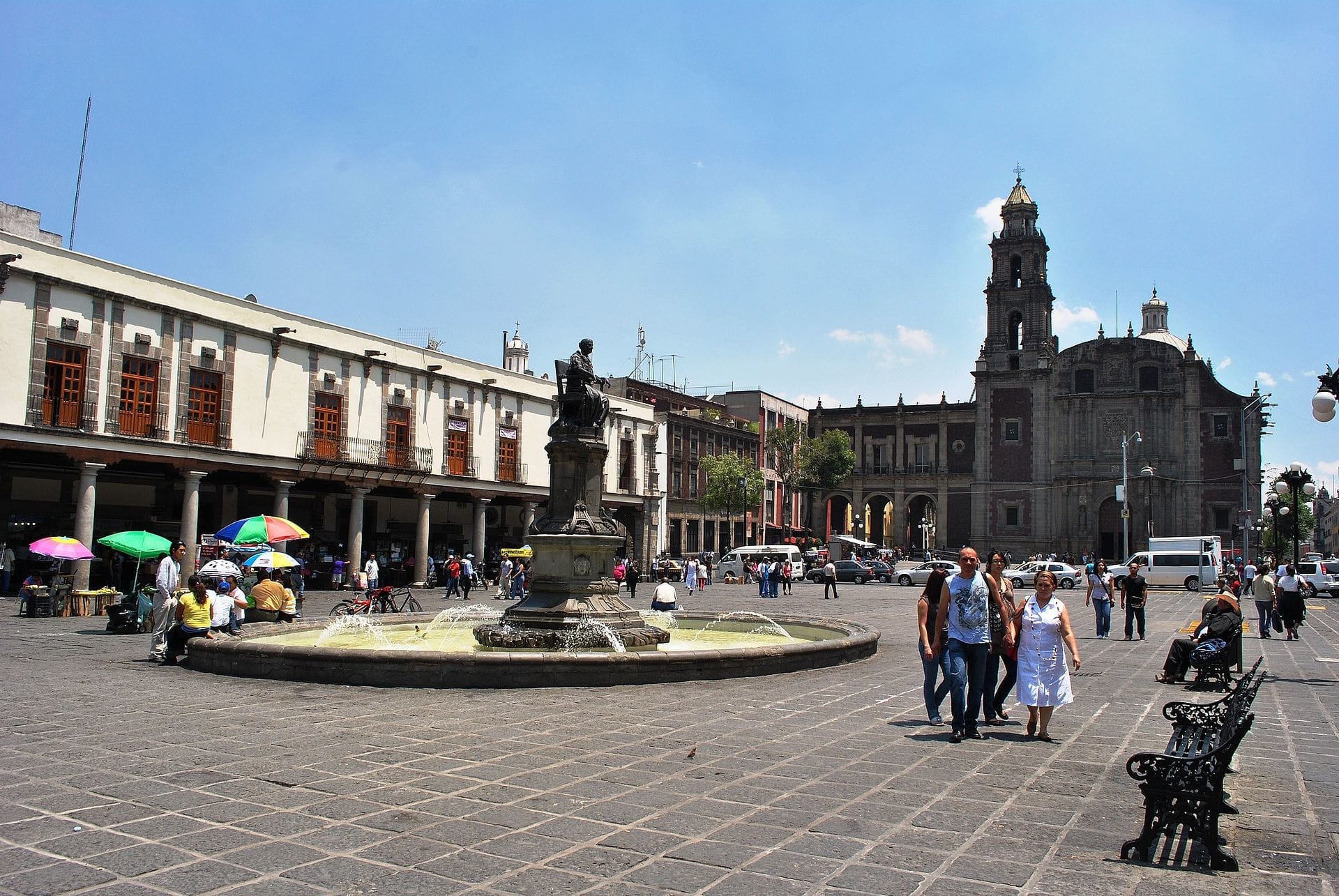
8. Find the Scribes' Arcade at Plaza Santo Domingo
A few blocks north of the Zócalo, this 16th-century square has a quieter, more neighbourhood feel. The covered arcade on the west side still houses public scribes and printers, a tradition stretching back centuries.
Explore8. Find the Scribes' Arcade at Plaza Santo Domingo
A few blocks north of the Zócalo, this 16th-century square has a quieter, more neighbourhood feel. The covered arcade on the west side still houses public scribes and printers, a tradition stretching back centuries.
Explore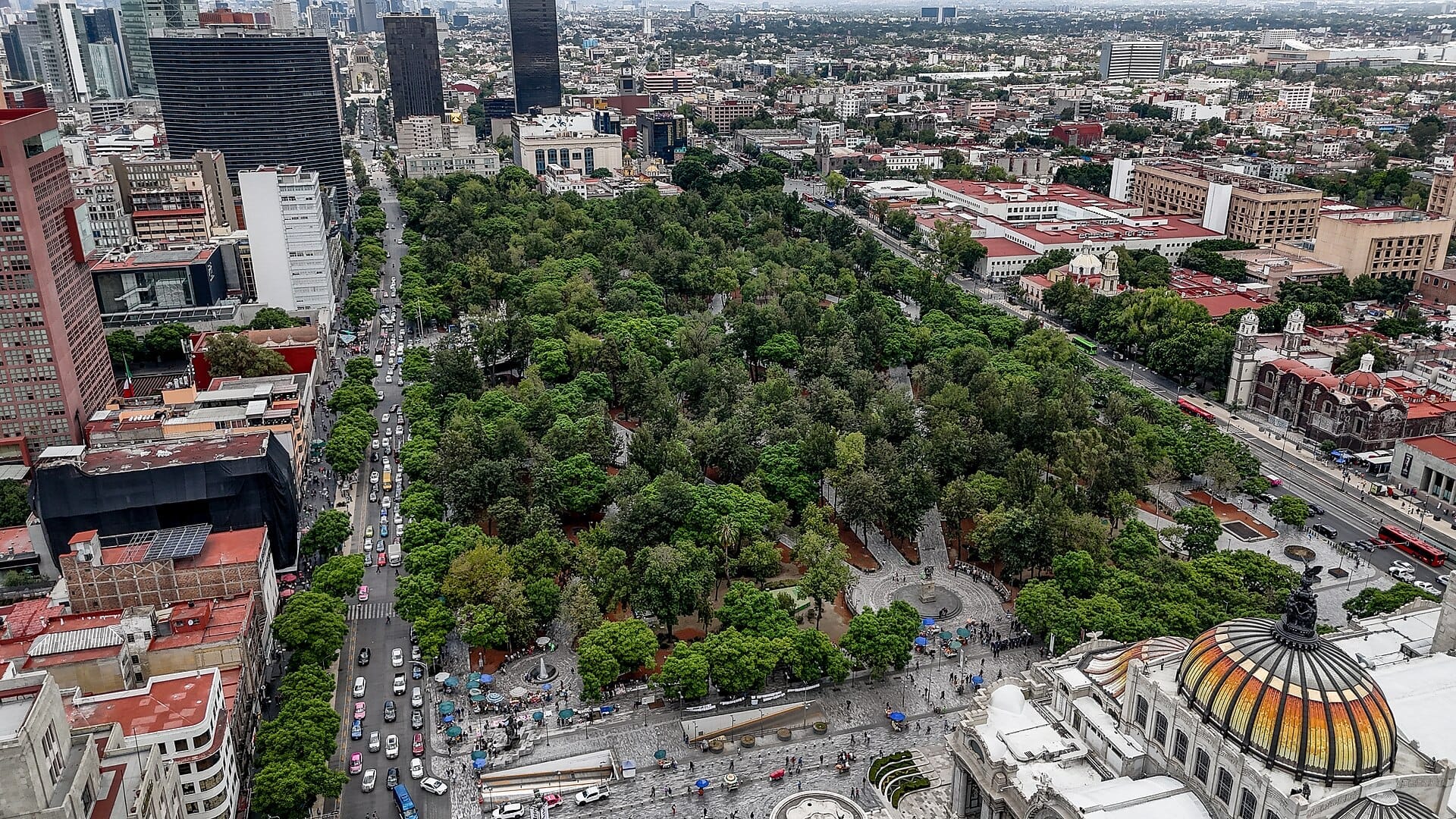
9. Rest in Alameda Central, the Americas' Oldest Public Park
Founded in 1592, this tree-shaded promenade is the logical end point of a Calle Madero walk. Benches, fountains, and sculpted paths make it a good place to rest your legs before deciding what to explore next.
Explore9. Rest in Alameda Central, the Americas' Oldest Public Park
Founded in 1592, this tree-shaded promenade is the logical end point of a Calle Madero walk. Benches, fountains, and sculpted paths make it a good place to rest your legs before deciding what to explore next.
ExplorePaseo de la Reforma: The Grand Boulevard Walk
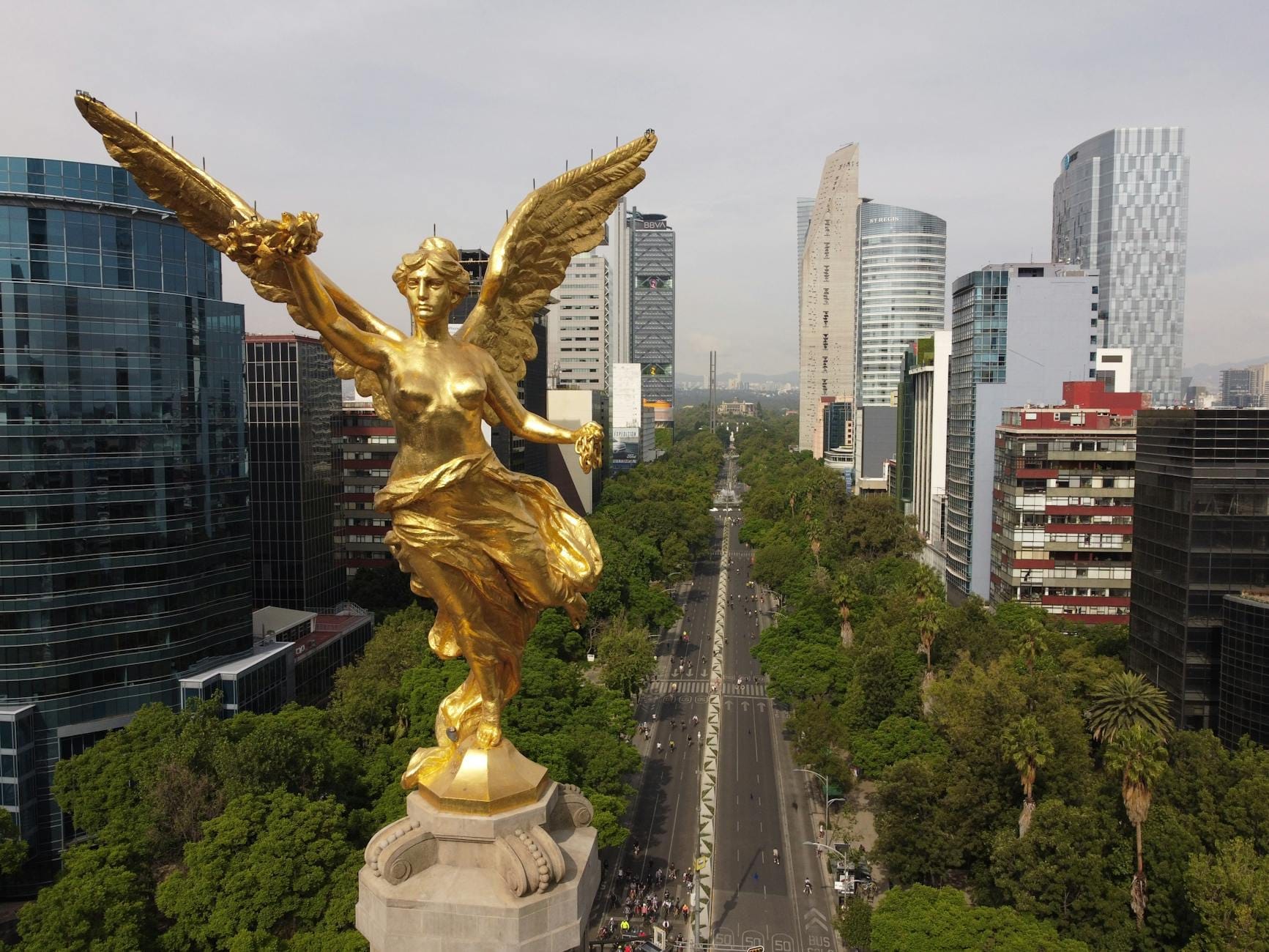
Paseo de la Reforma is Mexico City's answer to Paris's Champs-Élysées, and walking even a portion of it gives you a strong sense of the city's ambitions and scale. The 4-kilometre stretch from the Angel of Independence west to the entrance of Chapultepec Park is the most rewarding on foot, particularly on Sundays when large sections close to cars and fill with cyclists and joggers. If you want a guided perspective on the boulevard's monuments and history, several Mexico City tour operators include Reforma as part of their half-day itineraries.
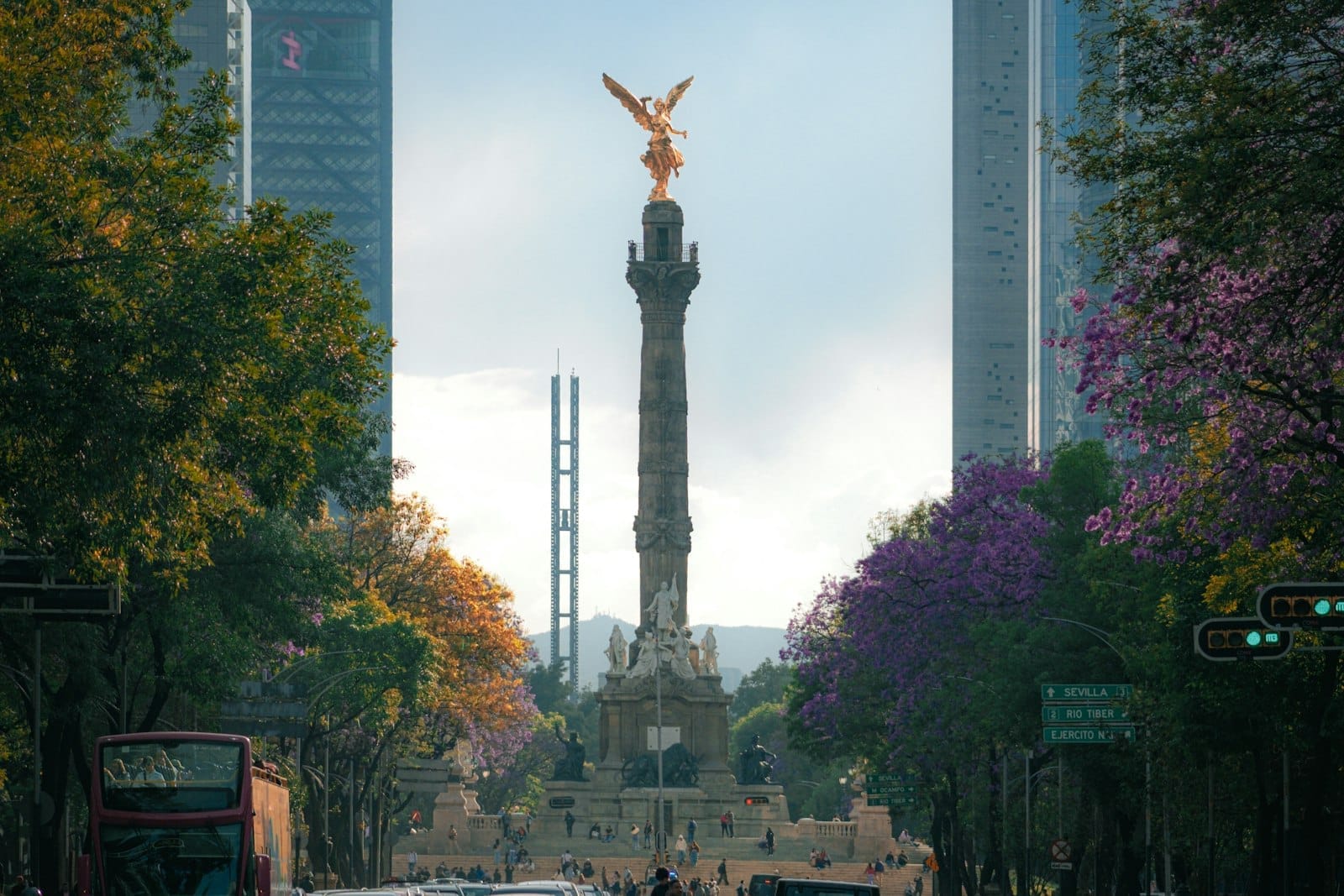
10. Photograph the Angel of Independence, CDMX's Unofficial Symbol
The golden winged angel atop its 36-metre column is the city's most recognisable monument. Come on a weekend morning when the Reforma roundabout is calm, and use the surrounding gardens for the best angles.
Explore10. Photograph the Angel of Independence, CDMX's Unofficial Symbol
The golden winged angel atop its 36-metre column is the city's most recognisable monument. Come on a weekend morning when the Reforma roundabout is calm, and use the surrounding gardens for the best angles.
Explore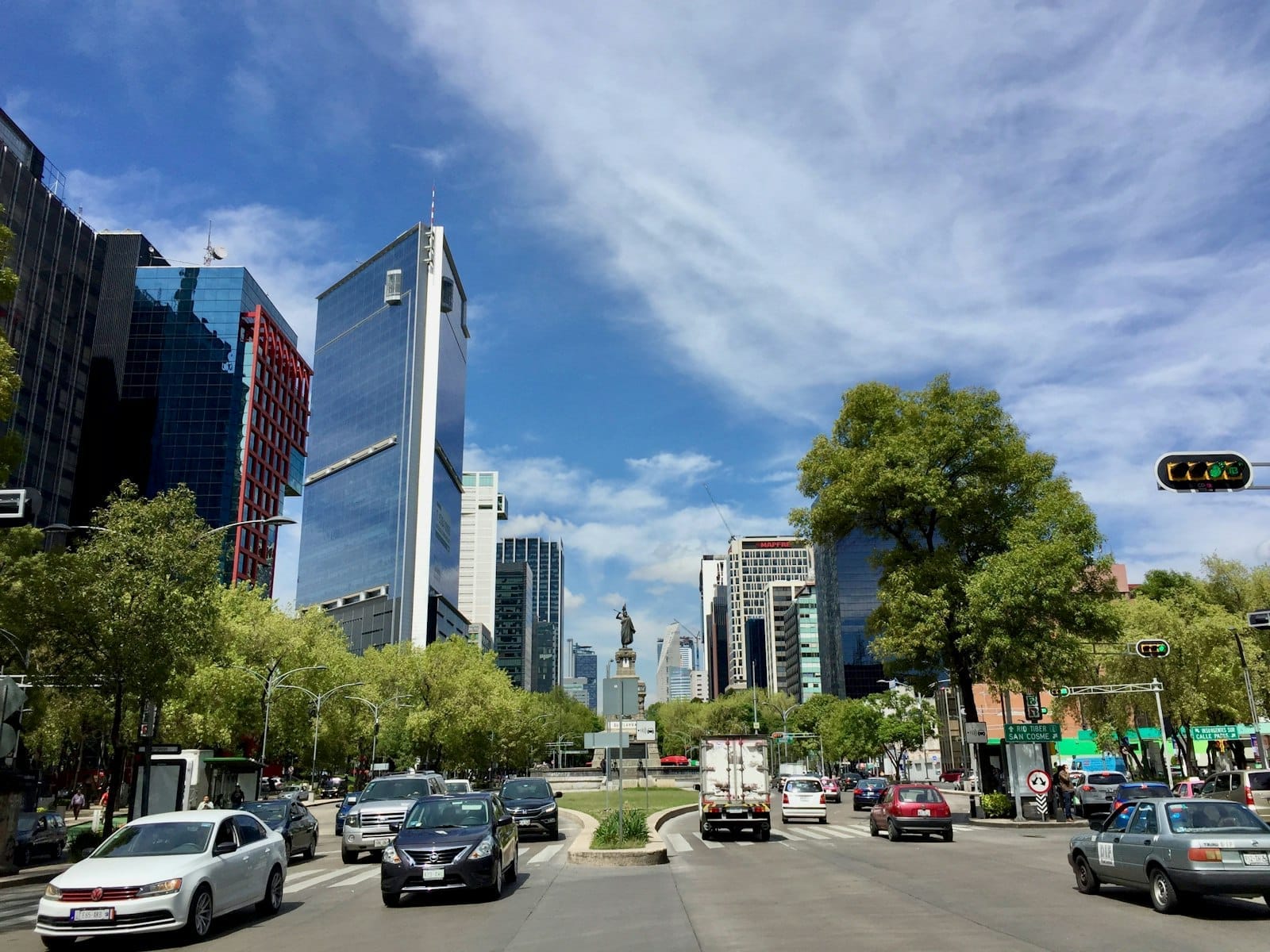
11. Walk Paseo de la Reforma from the Angel to Chapultepec
The 2-kilometre stretch from the Angel west to Chapultepec's main gate passes skyscrapers, embassies, and public sculptures. Sunday mornings are the best time, when cyclists take over the lanes and the boulevard feels human-scaled.
Explore11. Walk Paseo de la Reforma from the Angel to Chapultepec
The 2-kilometre stretch from the Angel west to Chapultepec's main gate passes skyscrapers, embassies, and public sculptures. Sunday mornings are the best time, when cyclists take over the lanes and the boulevard feels human-scaled.
Explore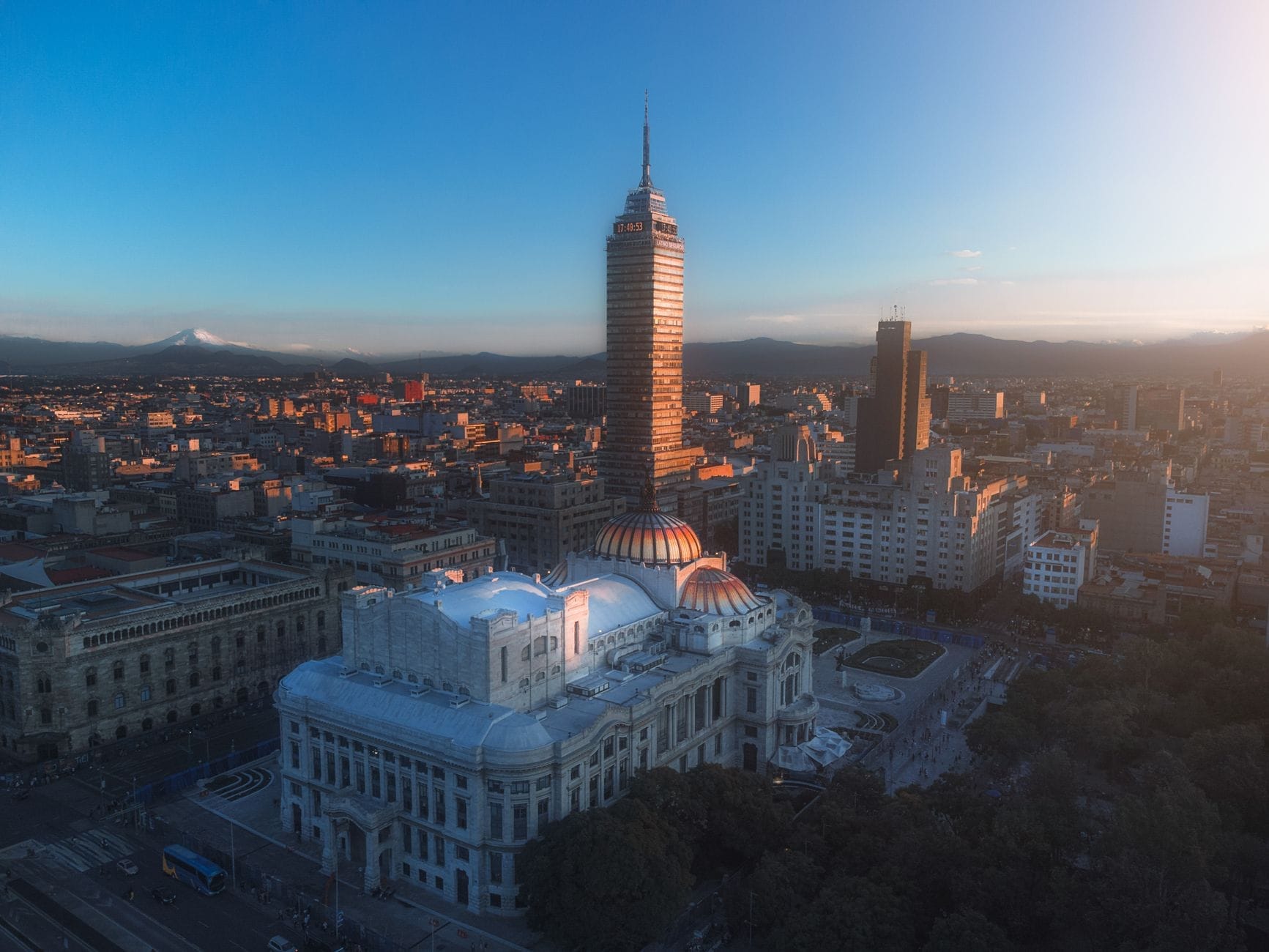
12. Climb the Torre Latinoamericana for a 360-Degree City View
The 1956 skyscraper near Bellas Artes offers the best rooftop view of the Centro Histórico. On clear days (November to February are best), Popocatépetl and Iztaccíhuatl are visible on the southern horizon.
Explore12. Climb the Torre Latinoamericana for a 360-Degree City View
The 1956 skyscraper near Bellas Artes offers the best rooftop view of the Centro Histórico. On clear days (November to February are best), Popocatépetl and Iztaccíhuatl are visible on the southern horizon.
ExploreChapultepec and Polanco: Parks, Museums, and Boulevards
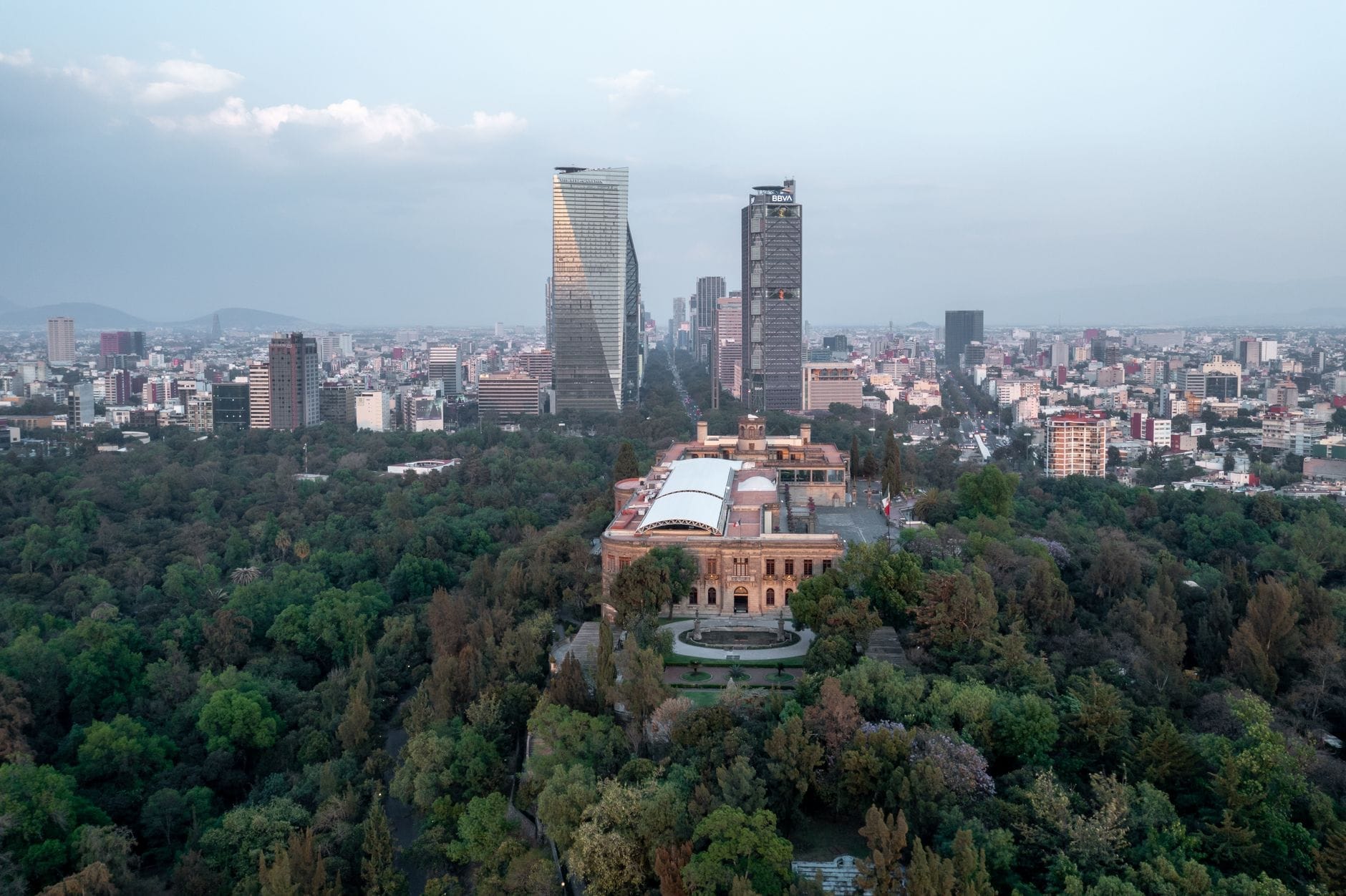
The Chapultepec-Polanco corridor offers a very different kind of walking experience from the Centro: wide green spaces, world-class museums within short distances of each other, and the manicured luxury avenue of Masaryk. A full day here can combine a morning in the park and its museums with an afternoon stroll through Polanco's streets. For context on the museums, our guide to the best museums in Mexico City covers what to prioritise.
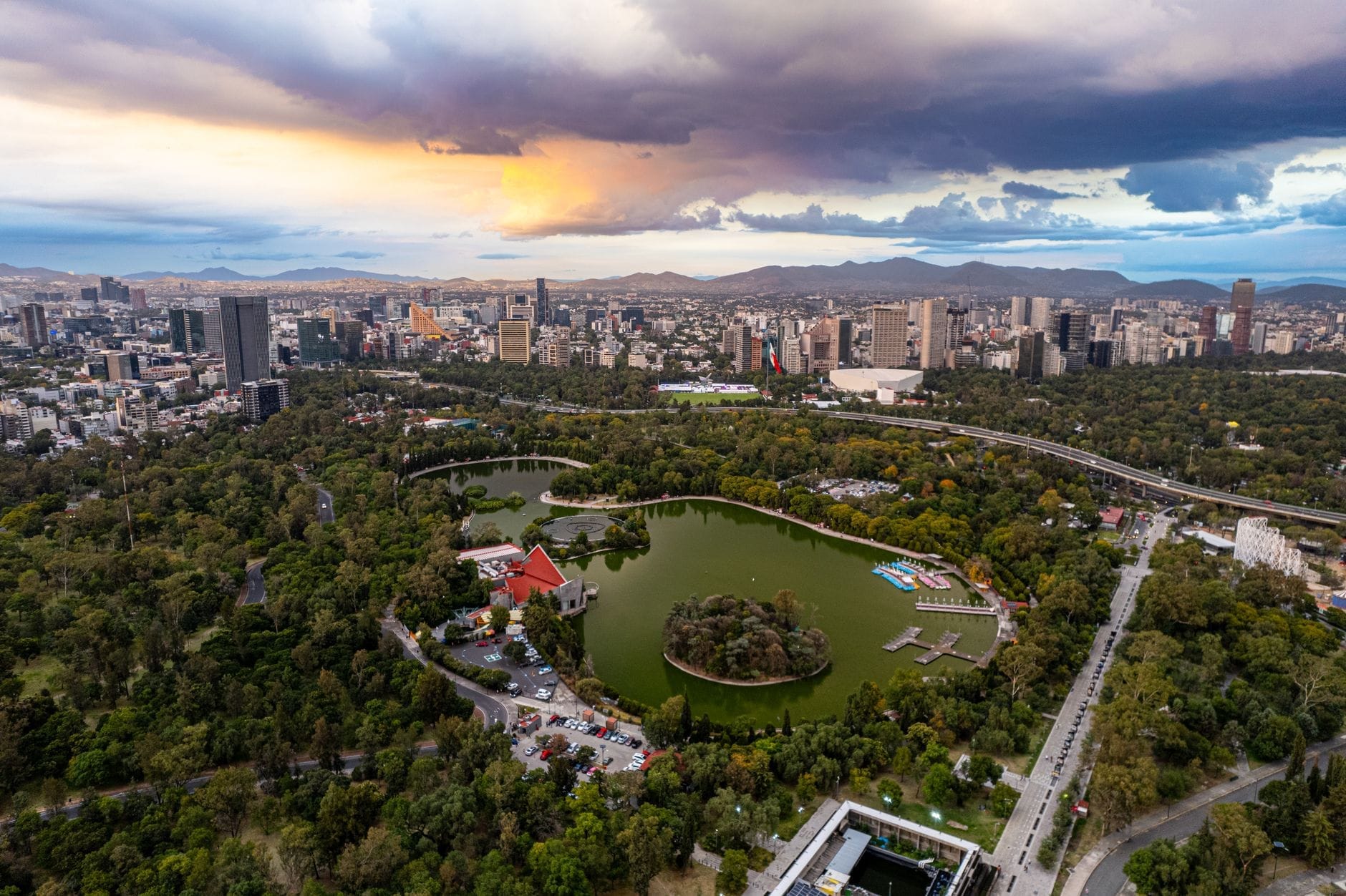
13. Spend a Morning Walking Bosque de Chapultepec
At over 680 hectares, Chapultepec is one of the world's great urban parks. The first section, between the castle hill and the museums, is the most rewarding on foot: forested paths, a lake, and weekend street food stalls throughout.
Explore13. Spend a Morning Walking Bosque de Chapultepec
At over 680 hectares, Chapultepec is one of the world's great urban parks. The first section, between the castle hill and the museums, is the most rewarding on foot: forested paths, a lake, and weekend street food stalls throughout.
Explore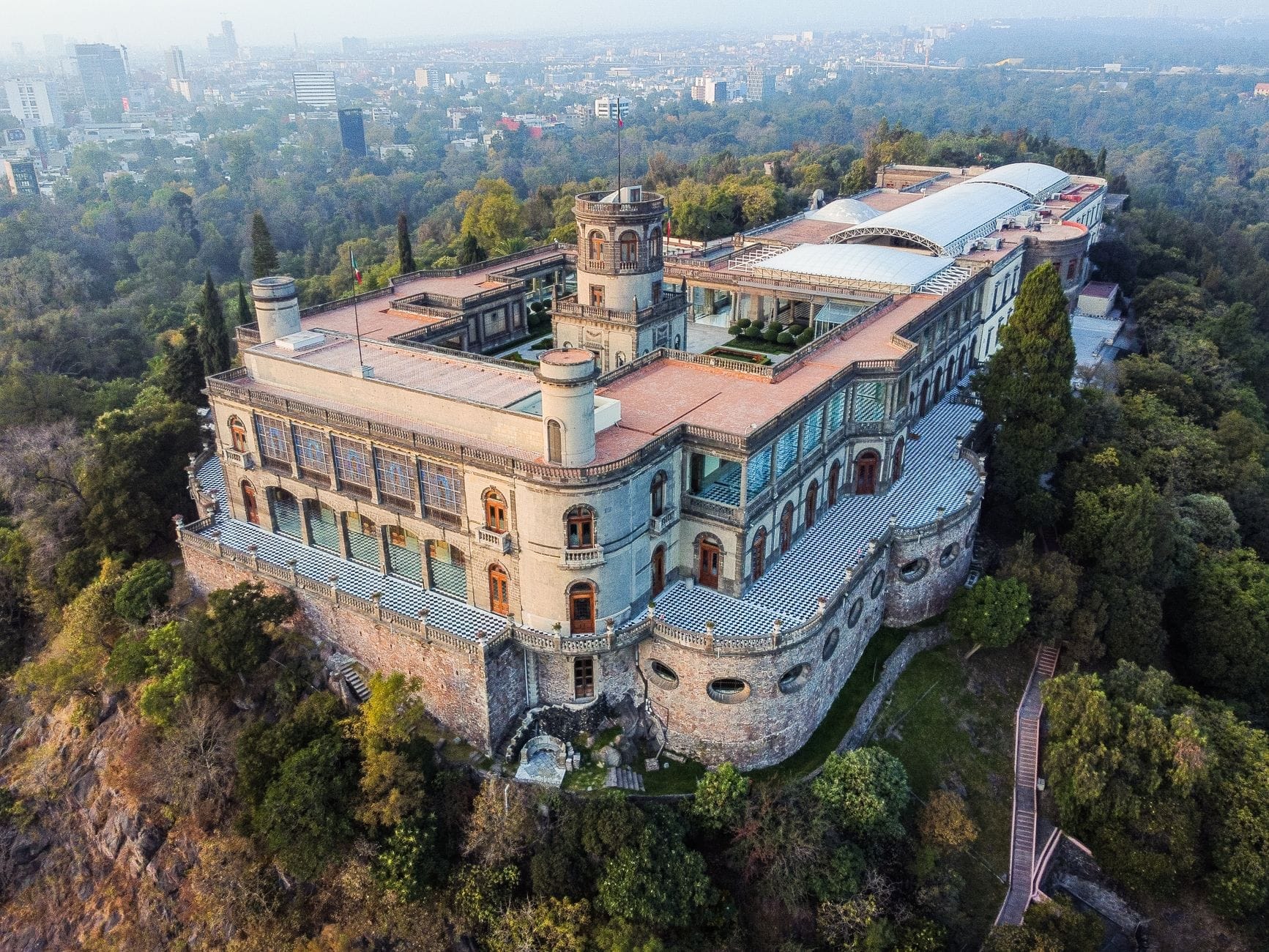
14. Climb Chapultepec Castle Hill for Views Over the City
The walk up through the park to the castle takes about 15 minutes and rewards you with sweeping views across the city. The National Museum of History inside is one of Mexico's most underrated, covering the full sweep of the country's past.
Explore14. Climb Chapultepec Castle Hill for Views Over the City
The walk up through the park to the castle takes about 15 minutes and rewards you with sweeping views across the city. The National Museum of History inside is one of Mexico's most underrated, covering the full sweep of the country's past.
Explore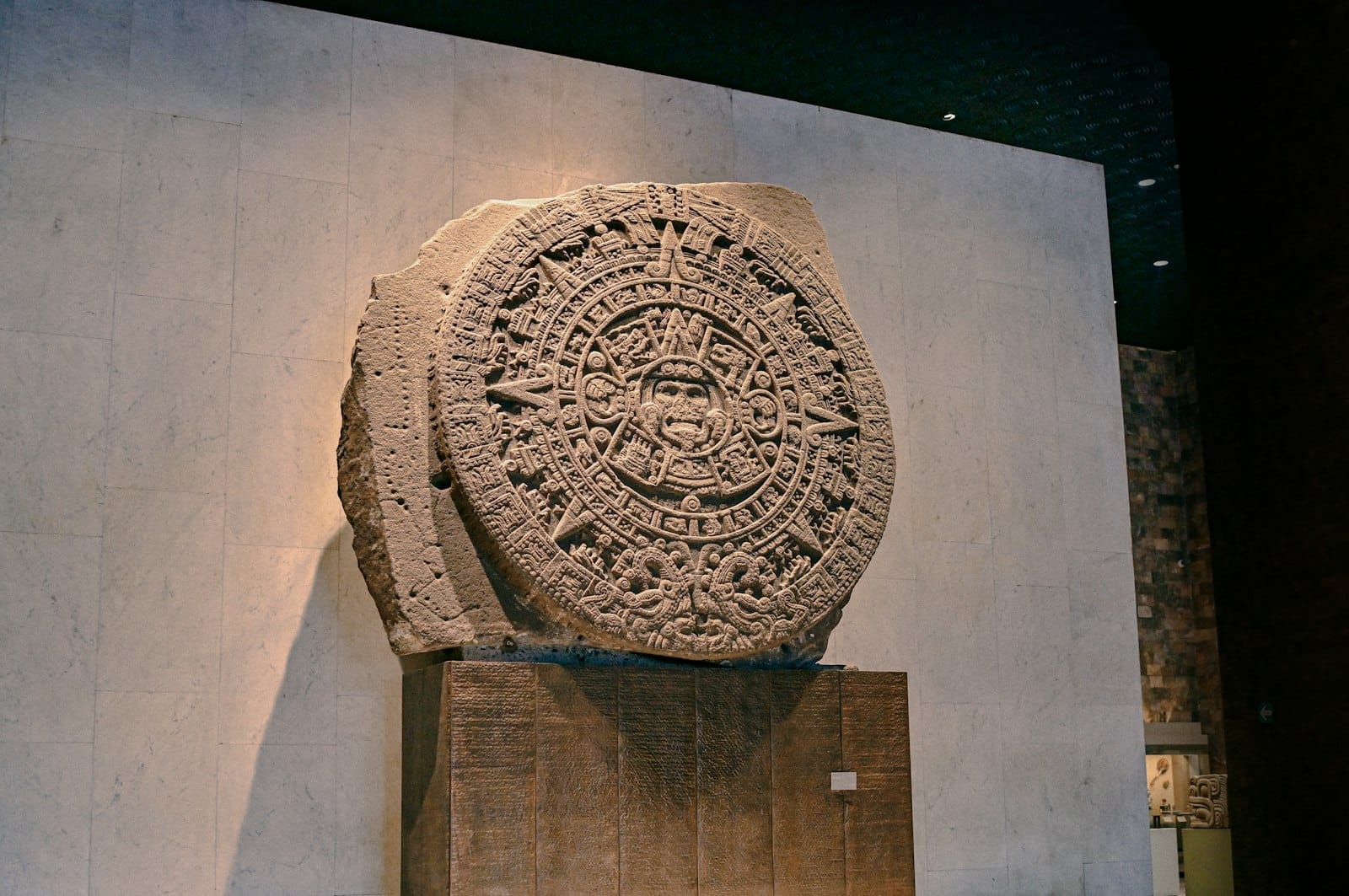
15. Walk the Halls of the World's Greatest Pre-Columbian Museum
The National Museum of Anthropology is the anchor of any Chapultepec walk. Allow a minimum of two hours for the Aztec, Maya, and Teotihuacán halls. The central courtyard with its iconic umbrella column is worth the visit alone.
Explore15. Walk the Halls of the World's Greatest Pre-Columbian Museum
The National Museum of Anthropology is the anchor of any Chapultepec walk. Allow a minimum of two hours for the Aztec, Maya, and Teotihuacán halls. The central courtyard with its iconic umbrella column is worth the visit alone.
Explore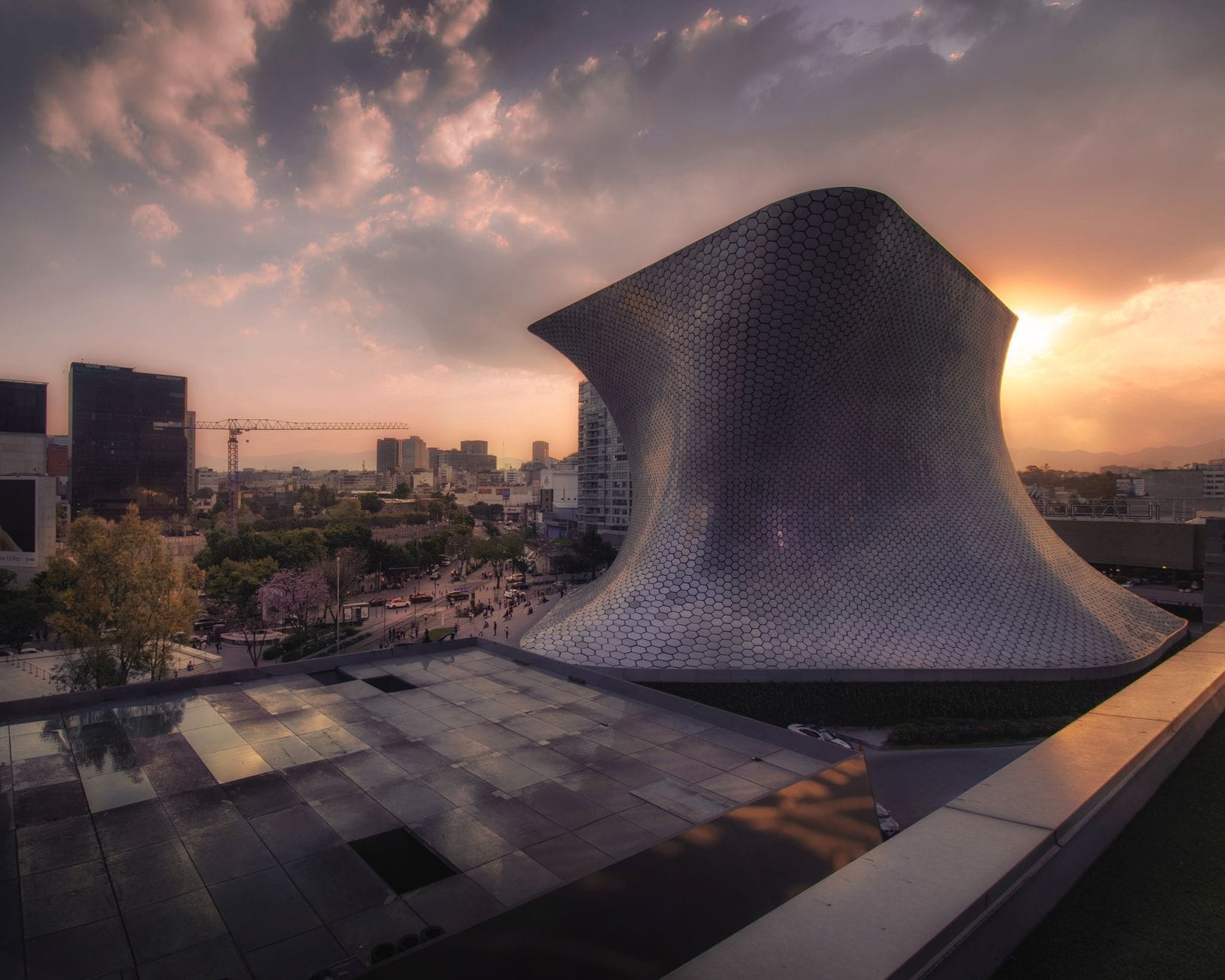
16. Walk to the Iconic Museo Soumaya in Polanco's Plaza Carso
Carlos Slim's silver-tiled museum is one of CDMX's most photographed buildings and entry is free. The collection spans Rodin sculptures, European masters, and Mexican art. The exterior architecture alone justifies the detour to Plaza Carso.
Explore16. Walk to the Iconic Museo Soumaya in Polanco's Plaza Carso
Carlos Slim's silver-tiled museum is one of CDMX's most photographed buildings and entry is free. The collection spans Rodin sculptures, European masters, and Mexican art. The exterior architecture alone justifies the detour to Plaza Carso.
Explore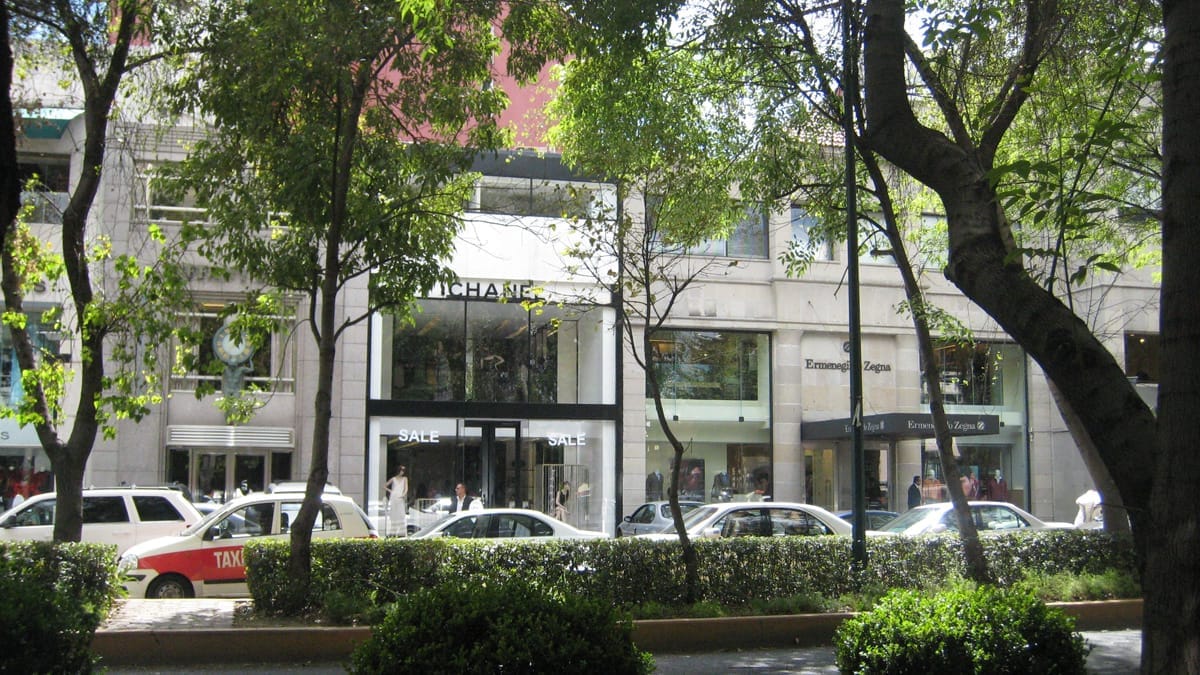
17. Stroll Masaryk, Polanco's Luxury Boulevard
Polanco's main tree-lined avenue is best walked in the morning before the shopping crowds arrive. The architecture ranges from 1940s mansions to sleek modern flagships. The restaurant terrace scene from midday onwards is excellent for people-watching.
Explore17. Stroll Masaryk, Polanco's Luxury Boulevard
Polanco's main tree-lined avenue is best walked in the morning before the shopping crowds arrive. The architecture ranges from 1940s mansions to sleek modern flagships. The restaurant terrace scene from midday onwards is excellent for people-watching.
ExploreRoma, Condesa, and the Art Deco Neighbourhood Walk
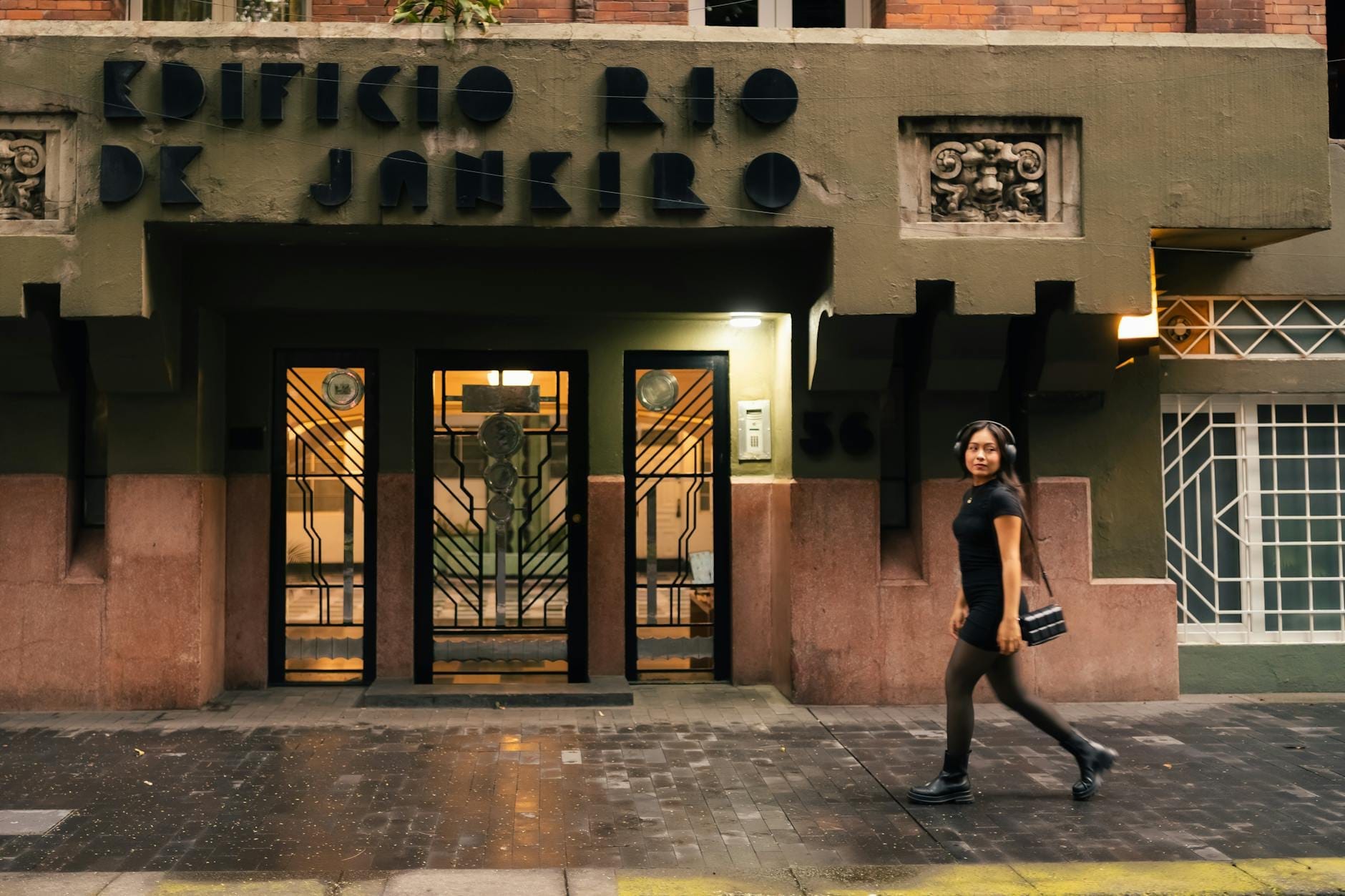
The adjoining neighbourhoods of Roma Norte and Condesa form the most pleasant urban walking circuit in Mexico City. The streets are human-scaled, the architecture ranges from Porfirian-era mansions to Art Deco apartment blocks, and the density of good cafés, bookshops, and restaurants means you can pause and refuel constantly. This is also the area best served by free and pay-what-you-feel walking tours, which typically cover the neighbourhood's history, architecture, and food scene. Check platforms like GuruWalk for current English-language options.
18. Loop Around Parque México, Condesa's Art Deco Centrepiece
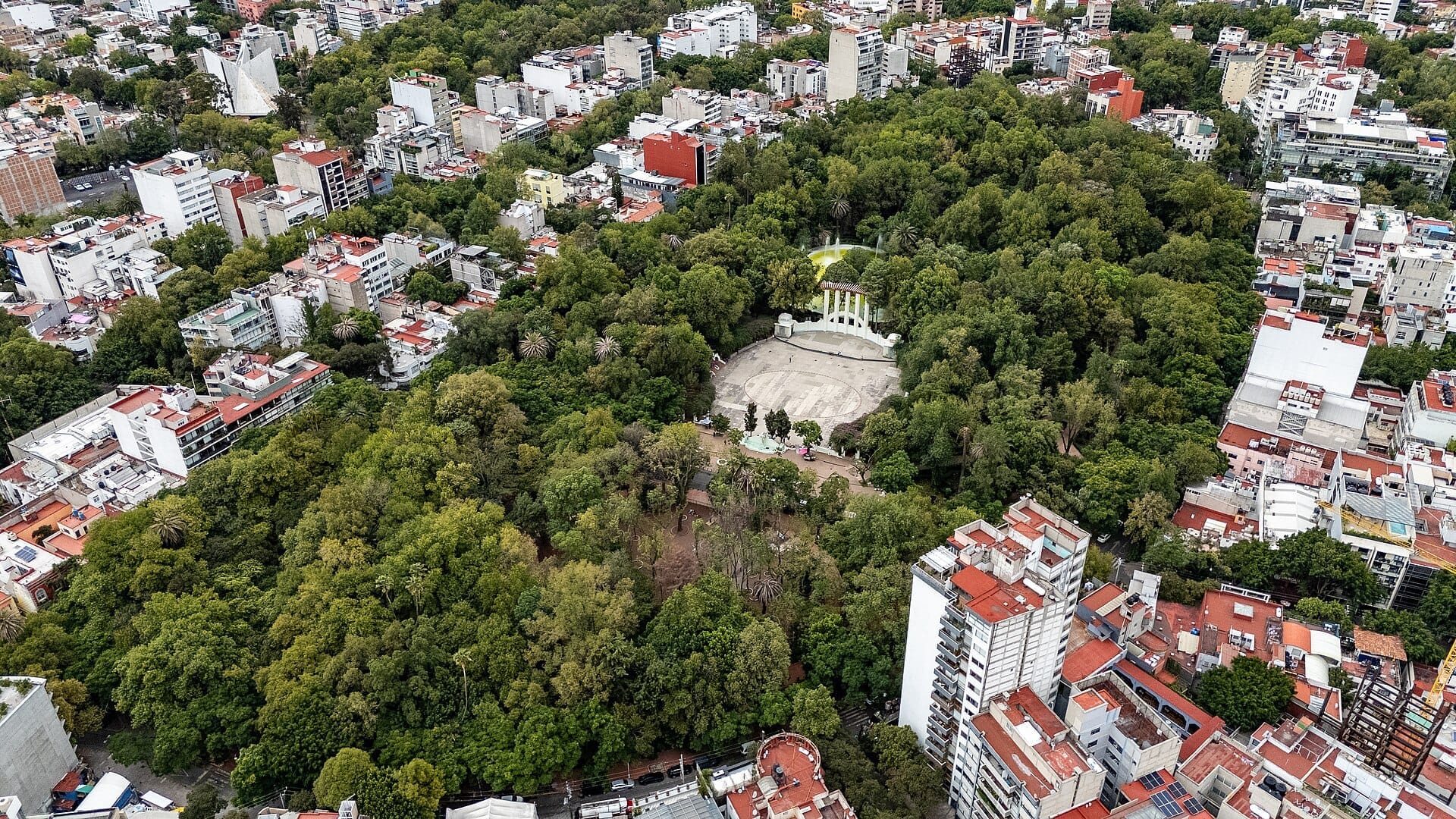
The oval Art Deco park at the heart of Condesa is the best starting point for a neighbourhood walk. Arrive on a Sunday morning when the surrounding streets are closed to cars and the park fills with local life at its most relaxed.
Explore18. Loop Around Parque México, Condesa's Art Deco Centrepiece
The oval Art Deco park at the heart of Condesa is the best starting point for a neighbourhood walk. Arrive on a Sunday morning when the surrounding streets are closed to cars and the park fills with local life at its most relaxed.
Explore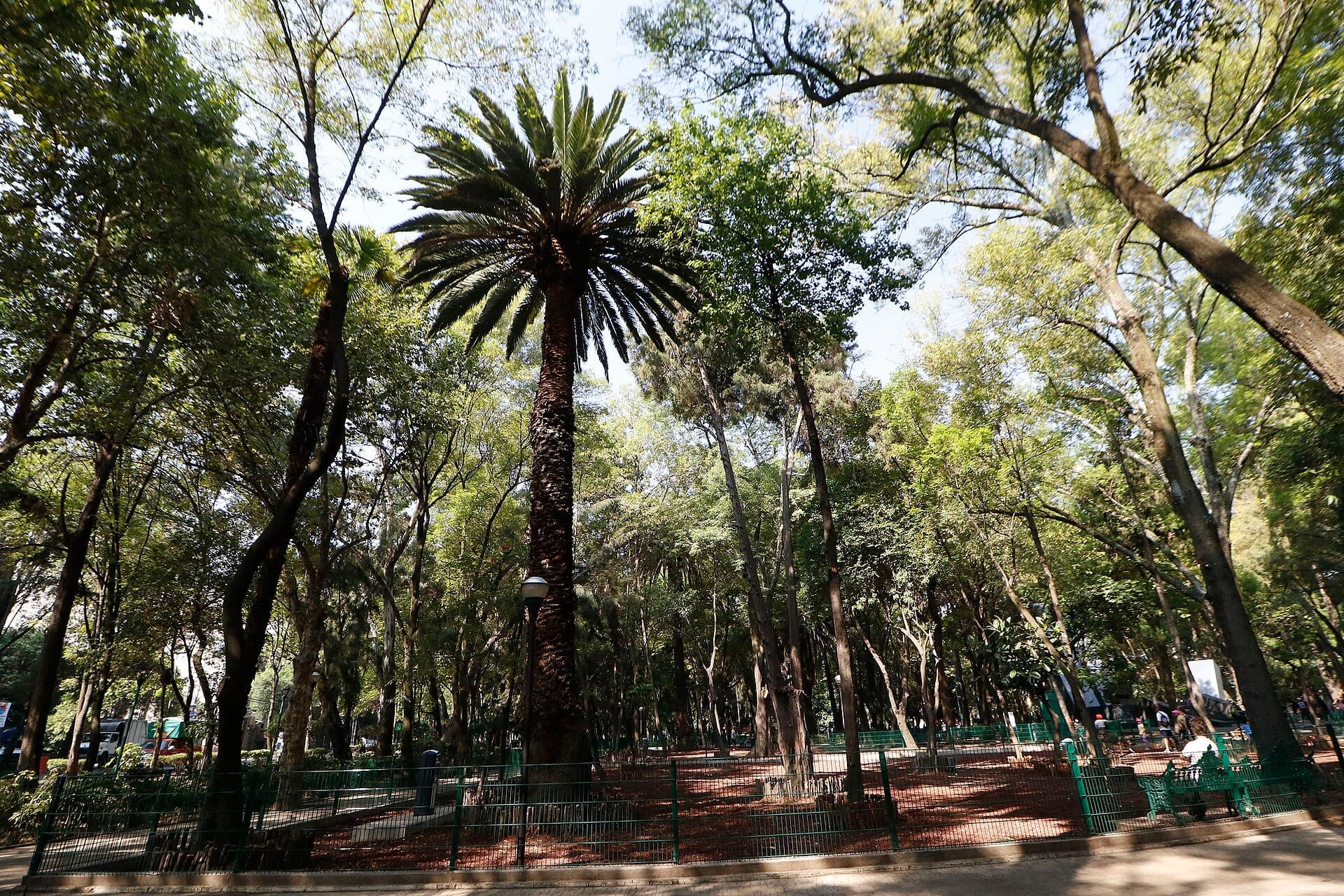
19. Walk Between Parque México and Parque España
Five minutes apart on foot, these two parks frame the best of Condesa's residential architecture. The streets connecting them, particularly Ámsterdam and Tamaulipas, are lined with outdoor restaurants and Porfirian-era buildings worth looking up at.
Explore19. Walk Between Parque México and Parque España
Five minutes apart on foot, these two parks frame the best of Condesa's residential architecture. The streets connecting them, particularly Ámsterdam and Tamaulipas, are lined with outdoor restaurants and Porfirian-era buildings worth looking up at.
Explore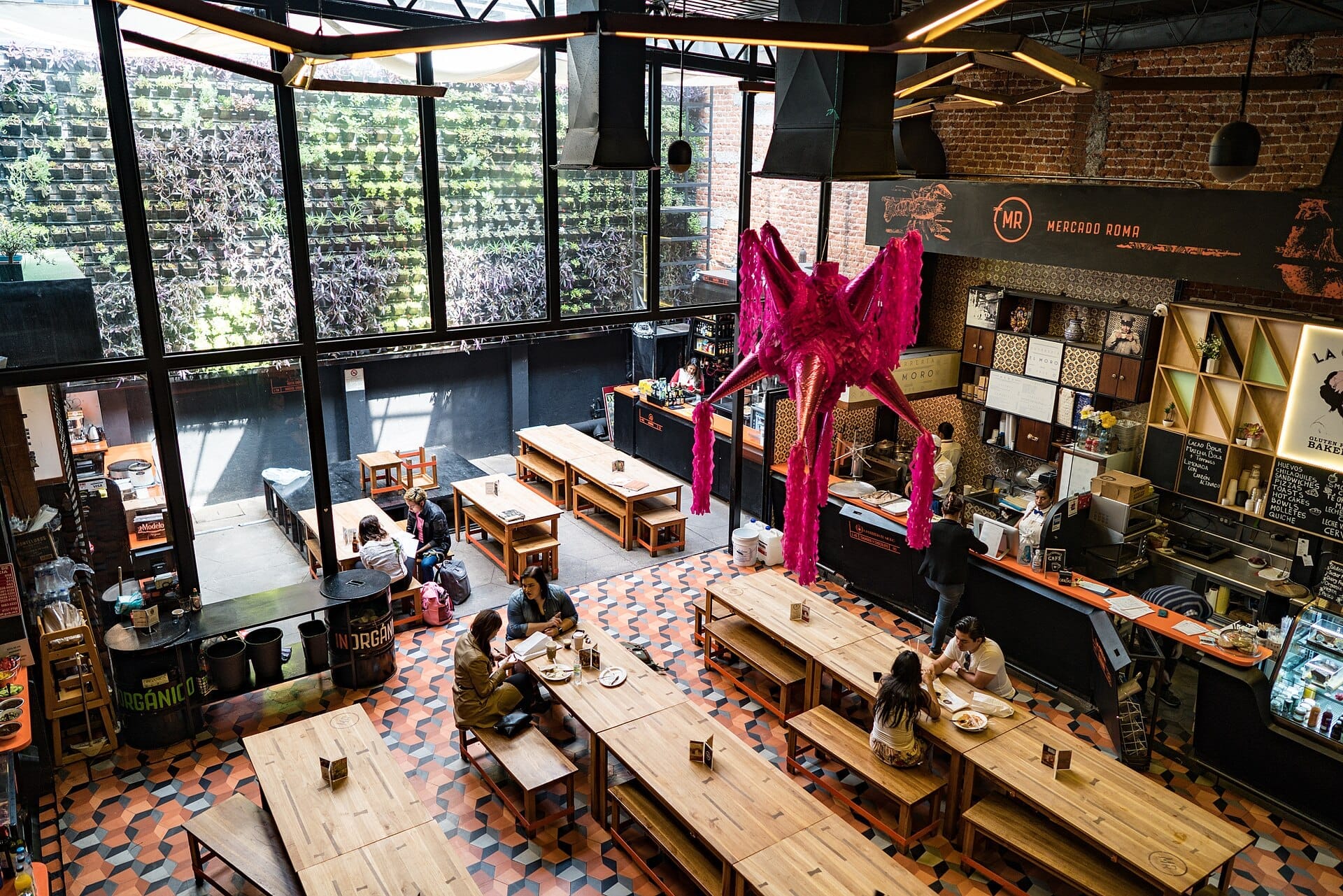
20. Stop at Mercado Roma for Food on a Roma Norte Walk
This stylish gourmet market in Roma Norte is the ideal mid-walk refuelling stop. Grab tacos, fresh juice, or a mezcal at one of the ground-floor stalls, or head to the rooftop terrace for a broader spread and street views.
Explore20. Stop at Mercado Roma for Food on a Roma Norte Walk
This stylish gourmet market in Roma Norte is the ideal mid-walk refuelling stop. Grab tacos, fresh juice, or a mezcal at one of the ground-floor stalls, or head to the rooftop terrace for a broader spread and street views.
ExploreCoyoacán: The Bohemian Village Walk
Coyoacán has the feel of a colonial village swallowed by a metropolis, and it rewards slow, aimless walking more than almost any other part of the city. The cobblestone streets around the central plaza, the garden courtyards of the Frida Kahlo Museum, and the covered market stalls all make for a compelling half-day circuit. Free walking tours of Coyoacán are available through GuruWalk and FreeTour.com, typically running around two to two and a half hours from the central plaza. For context on the neighbourhood, see our Coyoacán neighbourhood guide.
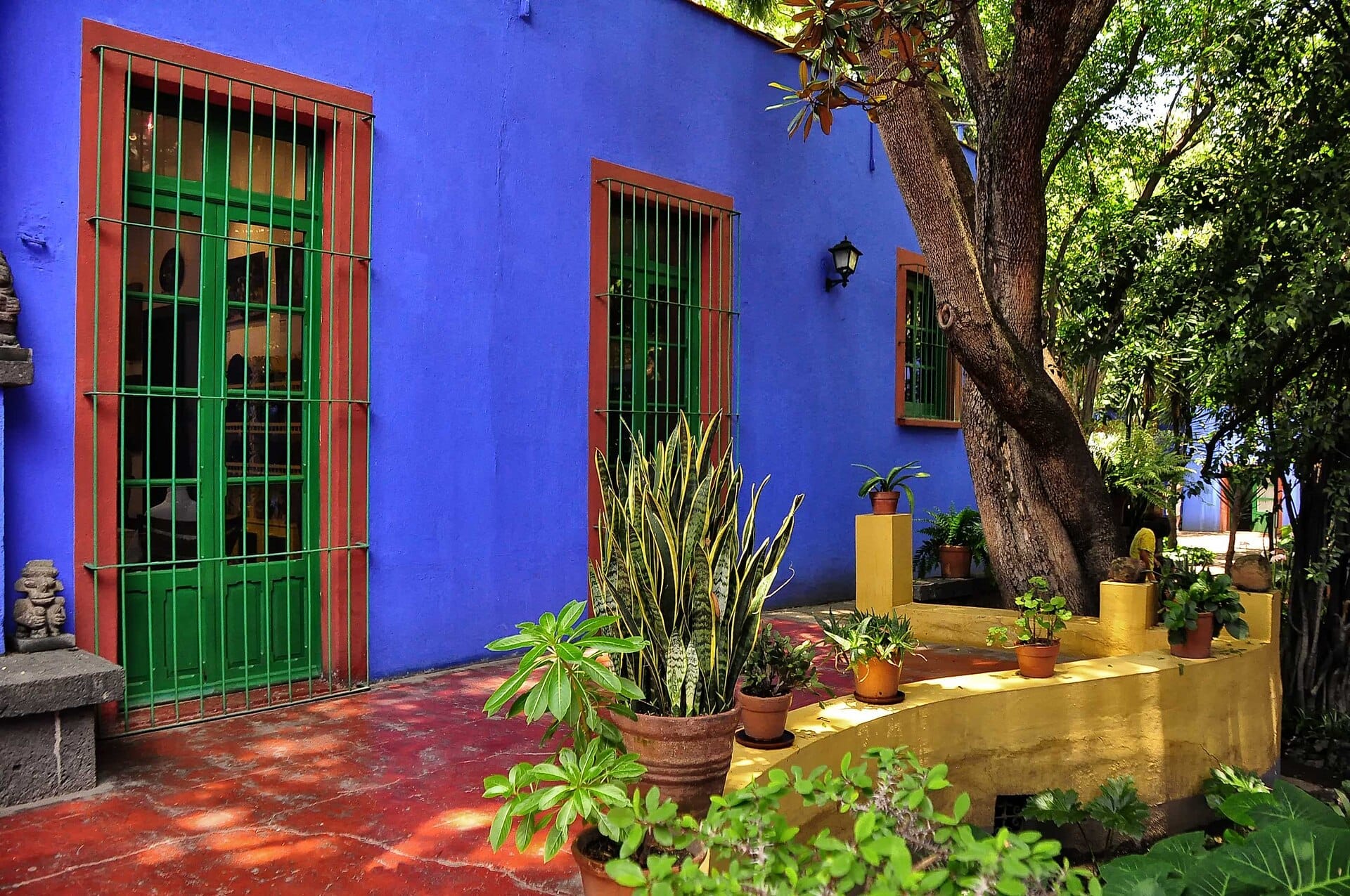
21. Visit the Casa Azul on the Coyoacán Walking Circuit
Frida Kahlo's cobalt-blue house is the anchor of any Coyoacán walk. Book tickets well in advance, as same-day entry is rarely possible. The garden, kitchen, and studio are the most intimate spaces in any Mexico City museum.
Explore21. Visit the Casa Azul on the Coyoacán Walking Circuit
Frida Kahlo's cobalt-blue house is the anchor of any Coyoacán walk. Book tickets well in advance, as same-day entry is rarely possible. The garden, kitchen, and studio are the most intimate spaces in any Mexico City museum.
Explore
22. Eat Your Way Through Mercado de Coyoacán
Coyoacán's covered market is one of the city's most atmospheric, and the tostada stalls near the centre are famous across CDMX. Factor in a 30-minute stop for lunch or a snack as part of the neighbourhood walking circuit.
Explore22. Eat Your Way Through Mercado de Coyoacán
Coyoacán's covered market is one of the city's most atmospheric, and the tostada stalls near the centre are famous across CDMX. Factor in a 30-minute stop for lunch or a snack as part of the neighbourhood walking circuit.
Explore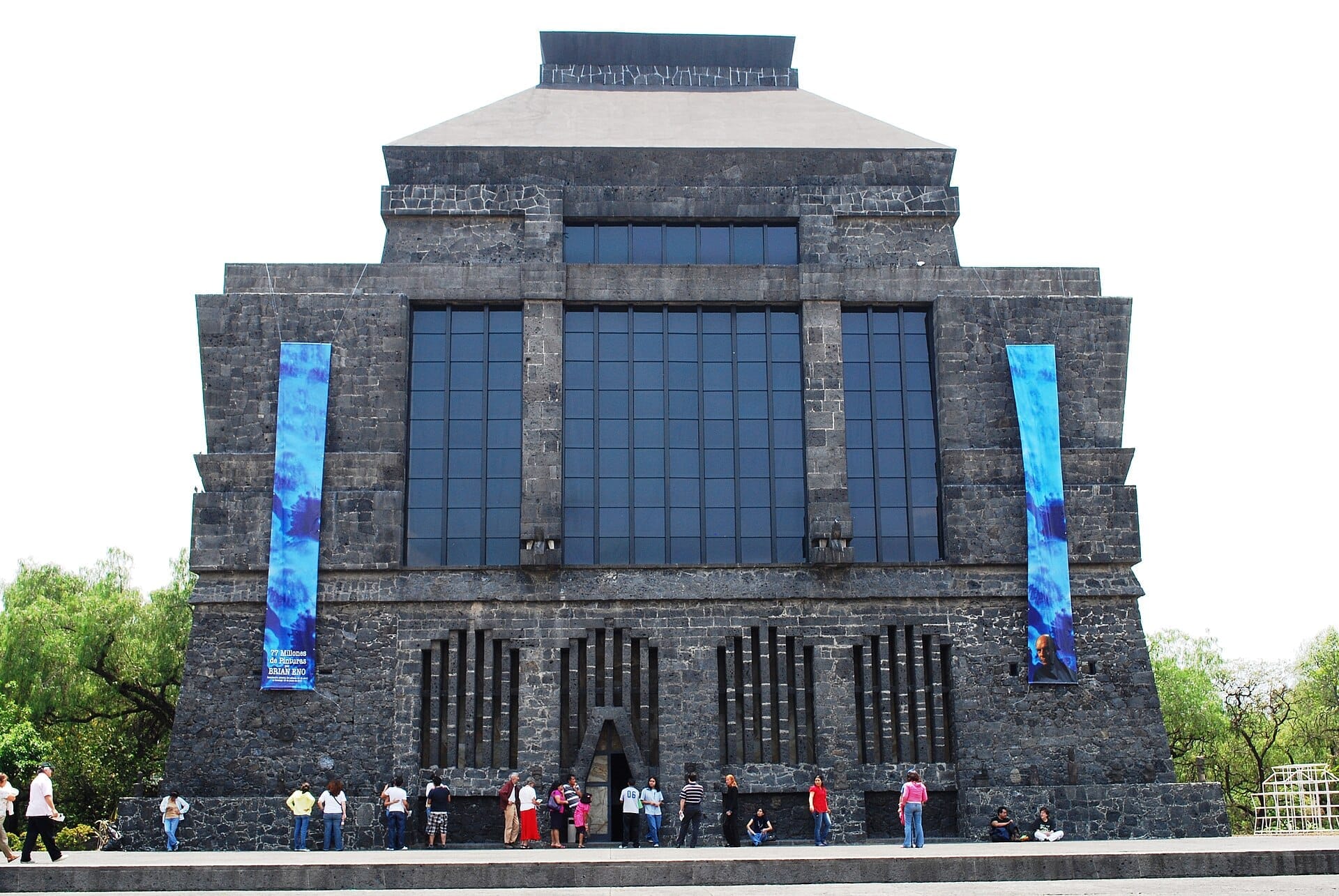
23. Walk to Diego Rivera's Extraordinary Volcanic Stone Museum
Anahuacalli is a 20-minute walk or short ride from Coyoacán's centre. Rivera designed this pyramid-shaped building himself; it houses 50,000 pre-Columbian artefacts and is one of the most architecturally striking buildings in the city.
Explore23. Walk to Diego Rivera's Extraordinary Volcanic Stone Museum
Anahuacalli is a 20-minute walk or short ride from Coyoacán's centre. Rivera designed this pyramid-shaped building himself; it houses 50,000 pre-Columbian artefacts and is one of the most architecturally striking buildings in the city.
ExploreNeighbourhood Gems and Longer Self-Guided Walks
Beyond the main tourist circuits, several of Mexico City's less-visited neighbourhoods offer compelling self-guided walks for travellers who want to go deeper. San Ángel's colonial lanes, the haunting Plaza de las Tres Culturas in Tlatelolco, and the UNAM campus in the south are all rewarding on foot and rarely crowded with international tourists. For a curated list of under-the-radar spots across the city, see our Mexico City hidden gems guide.
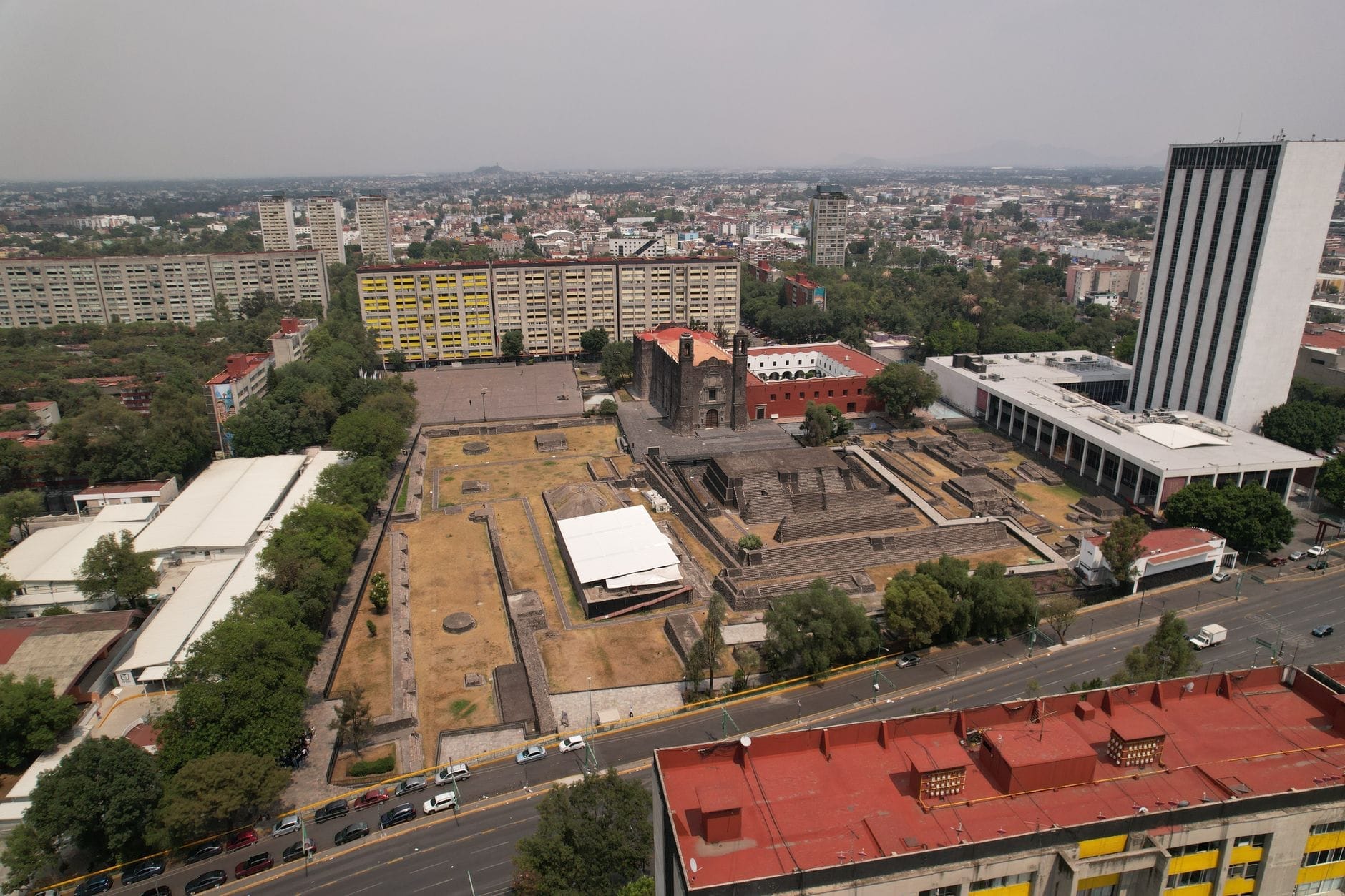
24. Walk the Haunting Plaza de las Tres Culturas in Tlatelolco
Aztec ruins, a colonial church, and a 1960s government building stand side by side at this charged historical site. A memorial marks the 1968 student massacre. It takes about 30 minutes to walk and read properly, and is rarely crowded.
Explore24. Walk the Haunting Plaza de las Tres Culturas in Tlatelolco
Aztec ruins, a colonial church, and a 1960s government building stand side by side at this charged historical site. A memorial marks the 1968 student massacre. It takes about 30 minutes to walk and read properly, and is rarely crowded.
Explore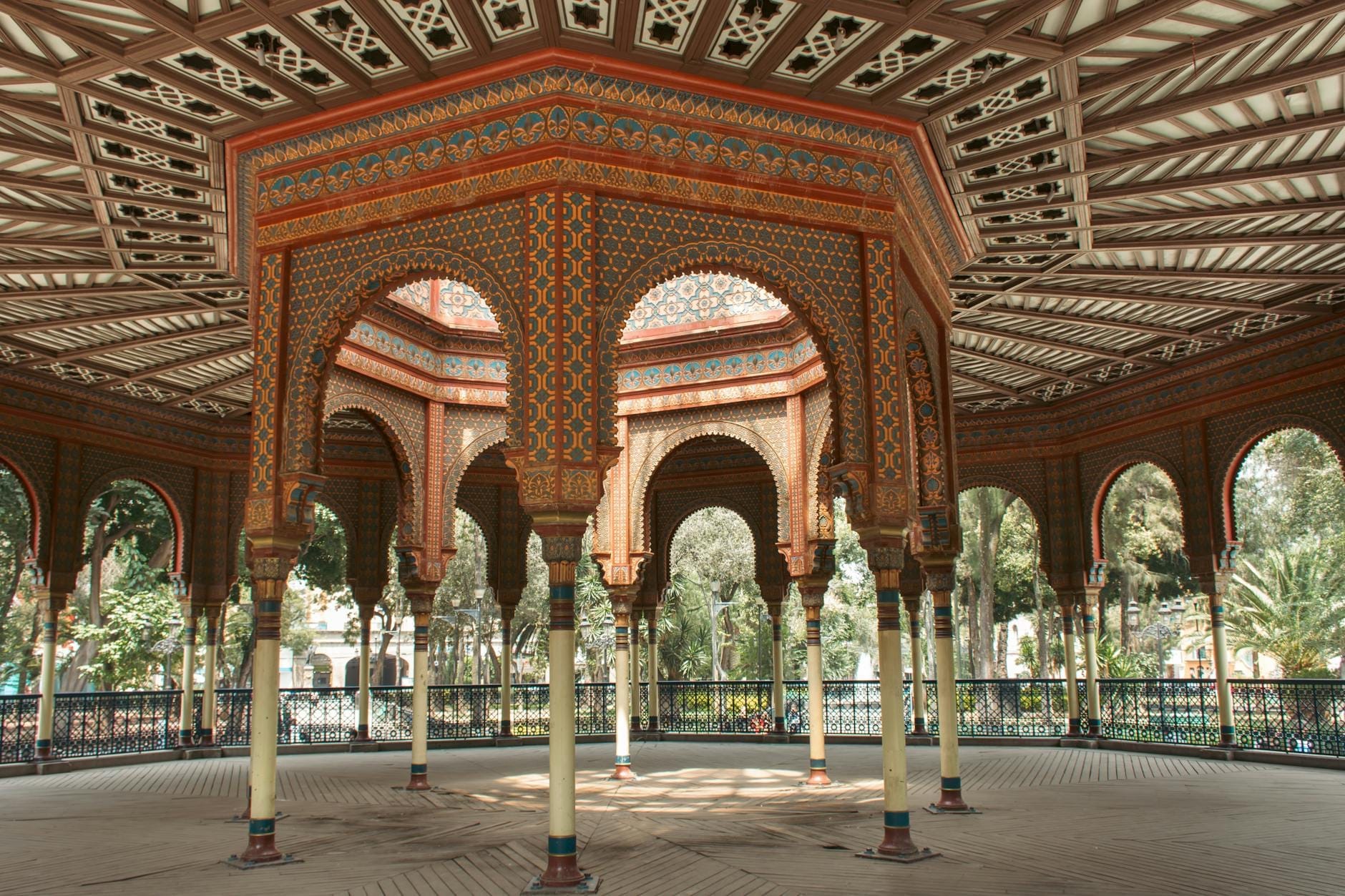
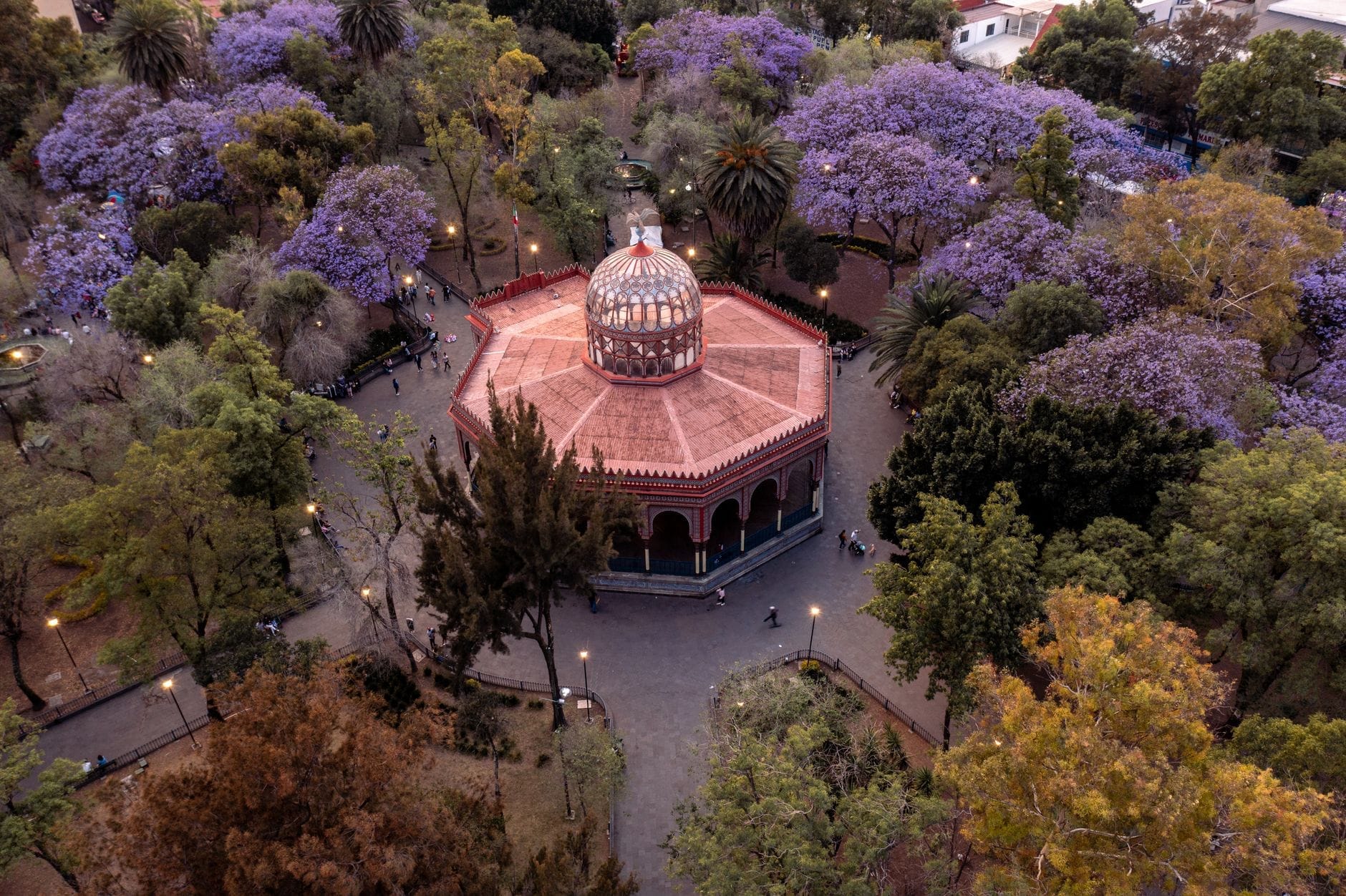
25. Find the Moorish Kiosk in the Underrated Santa María la Ribera
The ornate kiosk at the centre of Santa María la Ribera's alameda, originally built for the 1884 New Orleans World's Fair, is one of CDMX's great architectural curiosities. The surrounding neighbourhood has fine 19th-century mansions and zero tourists.
Explore25. Find the Moorish Kiosk in the Underrated Santa María la Ribera
The ornate kiosk at the centre of Santa María la Ribera's alameda, originally built for the 1884 New Orleans World's Fair, is one of CDMX's great architectural curiosities. The surrounding neighbourhood has fine 19th-century mansions and zero tourists.
Explore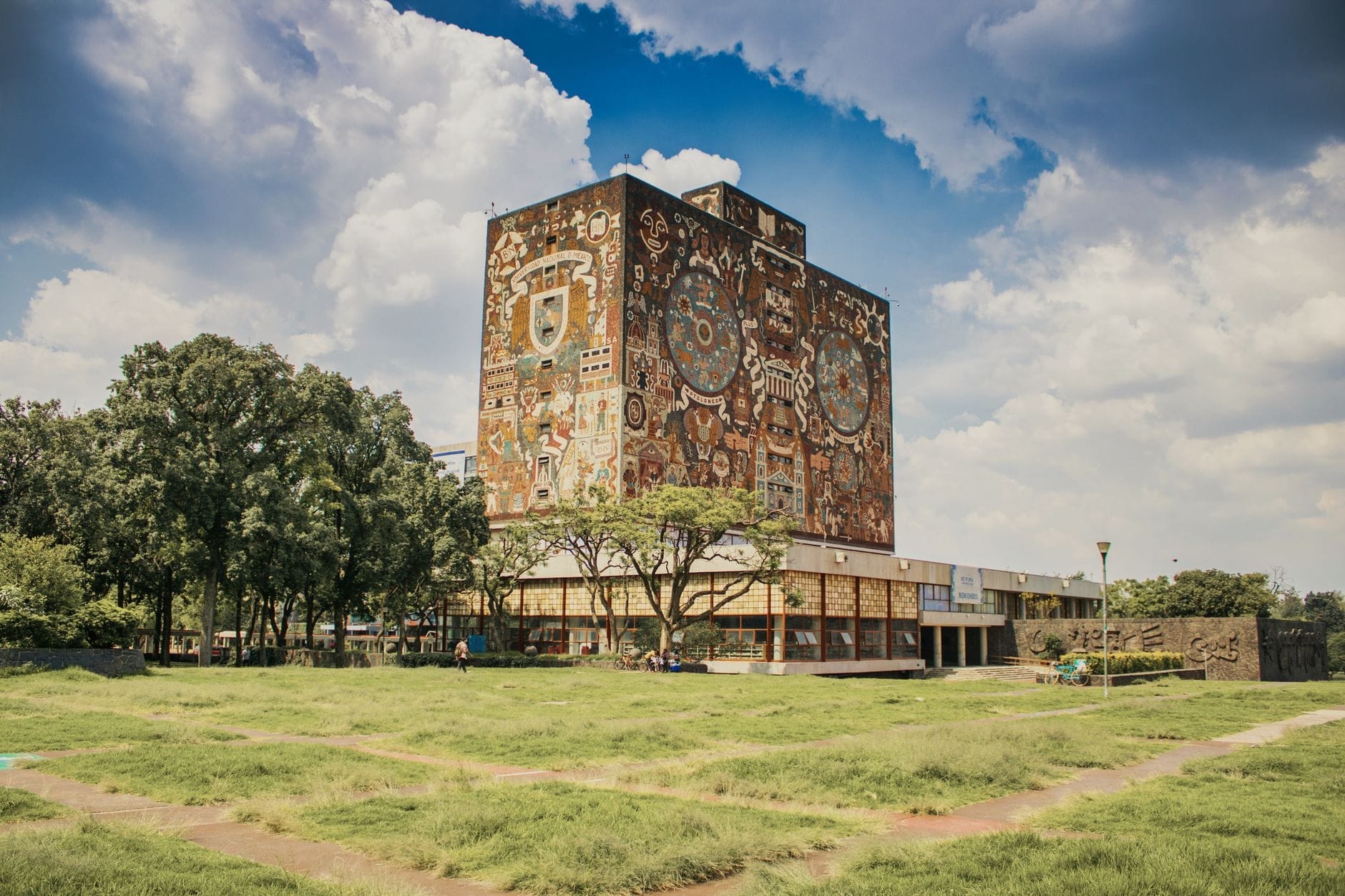
26. Walk the UNESCO-Listed UNAM Campus in the City's South
The main university campus is a World Heritage Site for good reason. Juan O'Gorman's mosaic-covered Central Library is the centrepiece, but the entire campus is a showcase of 1950s Mexican modernism integrated with large-scale murals. Allow two hours.
Explore26. Walk the UNESCO-Listed UNAM Campus in the City's South
The main university campus is a World Heritage Site for good reason. Juan O'Gorman's mosaic-covered Central Library is the centrepiece, but the entire campus is a showcase of 1950s Mexican modernism integrated with large-scale murals. Allow two hours.
Explore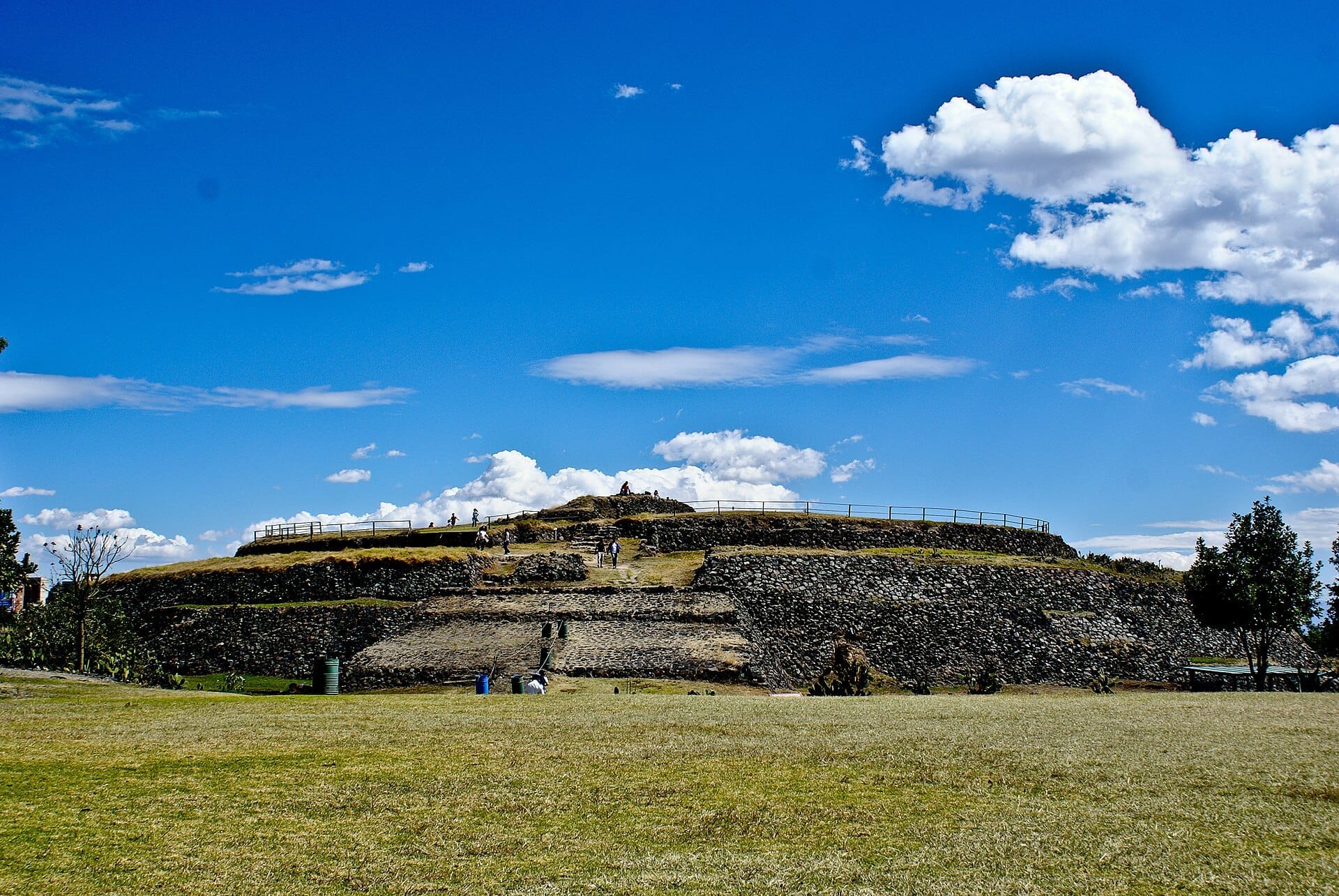
27. Visit the Ancient Circular Pyramid at Cuicuilco
One of Mesoamerica's oldest urban centres, Cuicuilco features a circular pyramid partially buried by a prehistoric lava flow. It is rarely crowded, admission is free, and the site takes about an hour to explore properly on foot.
Explore27. Visit the Ancient Circular Pyramid at Cuicuilco
One of Mesoamerica's oldest urban centres, Cuicuilco features a circular pyramid partially buried by a prehistoric lava flow. It is rarely crowded, admission is free, and the site takes about an hour to explore properly on foot.
Explore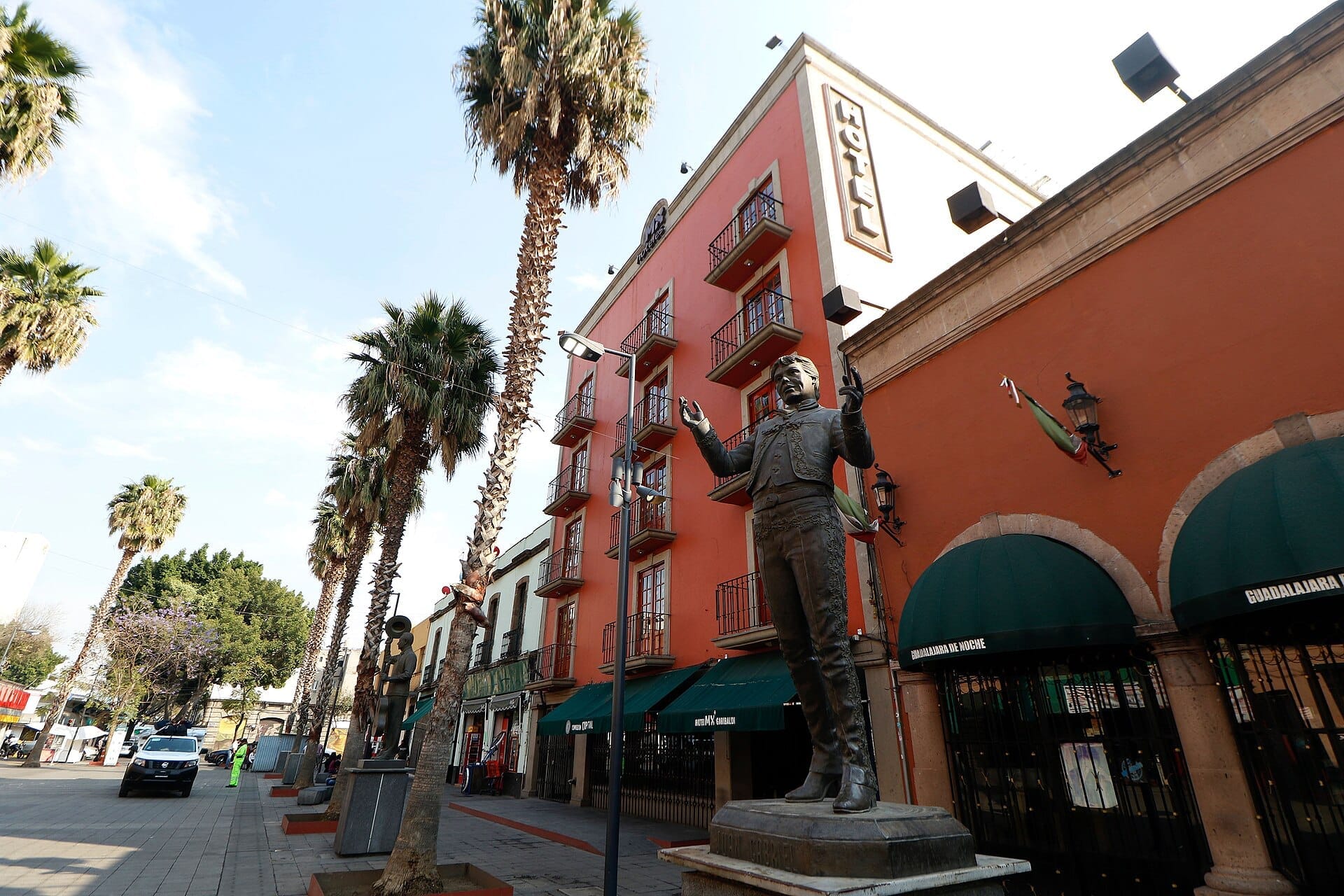
28. Walk to Plaza Garibaldi for an Evening Mariachi Circuit
A 15-minute walk north from the Zócalo, Plaza Garibaldi is best experienced at night when competing mariachi bands fill the square. Order a tequila from one of the cantinas, stay on the lit perimeter, and let the music do the rest.
Explore28. Walk to Plaza Garibaldi for an Evening Mariachi Circuit
A 15-minute walk north from the Zócalo, Plaza Garibaldi is best experienced at night when competing mariachi bands fill the square. Order a tequila from one of the cantinas, stay on the lit perimeter, and let the music do the rest.
Explore💡 Local tip
Most free walking tours in Mexico City operate on a pay-what-you-feel model: no upfront cost, but a tip at the end is expected. Book in advance on GuruWalk or FreeTour.com, especially on weekends when demand is higher.
✨ Pro tip
The best walking weather in CDMX runs from November to April during the dry season. Mornings are clearest for views and cooler for long walks. Carry a light layer year-round as temperatures drop quickly after sunset at 2,240m altitude.
FAQ
Are there free walking tours in Mexico City?
Yes. Free (pay-what-you-feel) walking tours operate in the Historic Centre, Coyoacán, Roma, and Condesa. Platforms like GuruWalk and FreeTour.com list current options with booking, languages offered, and meeting points. Tipping at the end is standard practice.
Is Mexico City safe to walk around?
The main tourist walking areas, including the Centro Histórico, Coyoacán, Roma, Condesa, and Polanco, are generally safe for pedestrians during the day. Stick to well-lit streets at night, use authorised taxis or ride-hailing apps after dark, and check current advisories before travel.
How long does it take to walk the Historic Centre?
A thorough walk from the Zócalo along Calle Madero to Alameda Central, including brief stops at the Cathedral, Templo Mayor, National Palace, Bellas Artes, and Palacio Postal, takes around 2 to 3 hours. Factoring in museum entries, plan for a full morning or afternoon.
Can I walk between Roma, Condesa, and Chapultepec?
Yes. Roma Norte to Condesa is a comfortable walk. From Parque México in Condesa to the main Chapultepec Park entrance is a longer walk on foot along Avenida Ámsterdam and across Circuito Interior. The full circuit makes a good half-day walk.
What should I wear for walking tours in Mexico City?
Comfortable walking shoes with grip are essential: the Centro Histórico has uneven cobblestones and the Chapultepec castle hill involves a steep climb. Dress in layers as mornings are cool and afternoons warm. Modest clothing is recommended to enter churches and the Metropolitan Cathedral.
Tickets & tours
Live prices and dates from our booking partner. If you book, we may earn a commission at no extra cost to you.
Planning a trip? Discover personalized activities with the Nomado app.