Lucha Libre in Mexico City: How to See a Show (2026 Guide)
Lucha libre is one of the most electric live experiences in Mexico City. This guide covers the two main venues, weekly schedules, ticket prices, how to buy safely, and what to expect inside the arena so you can skip the guesswork and enjoy the spectacle.
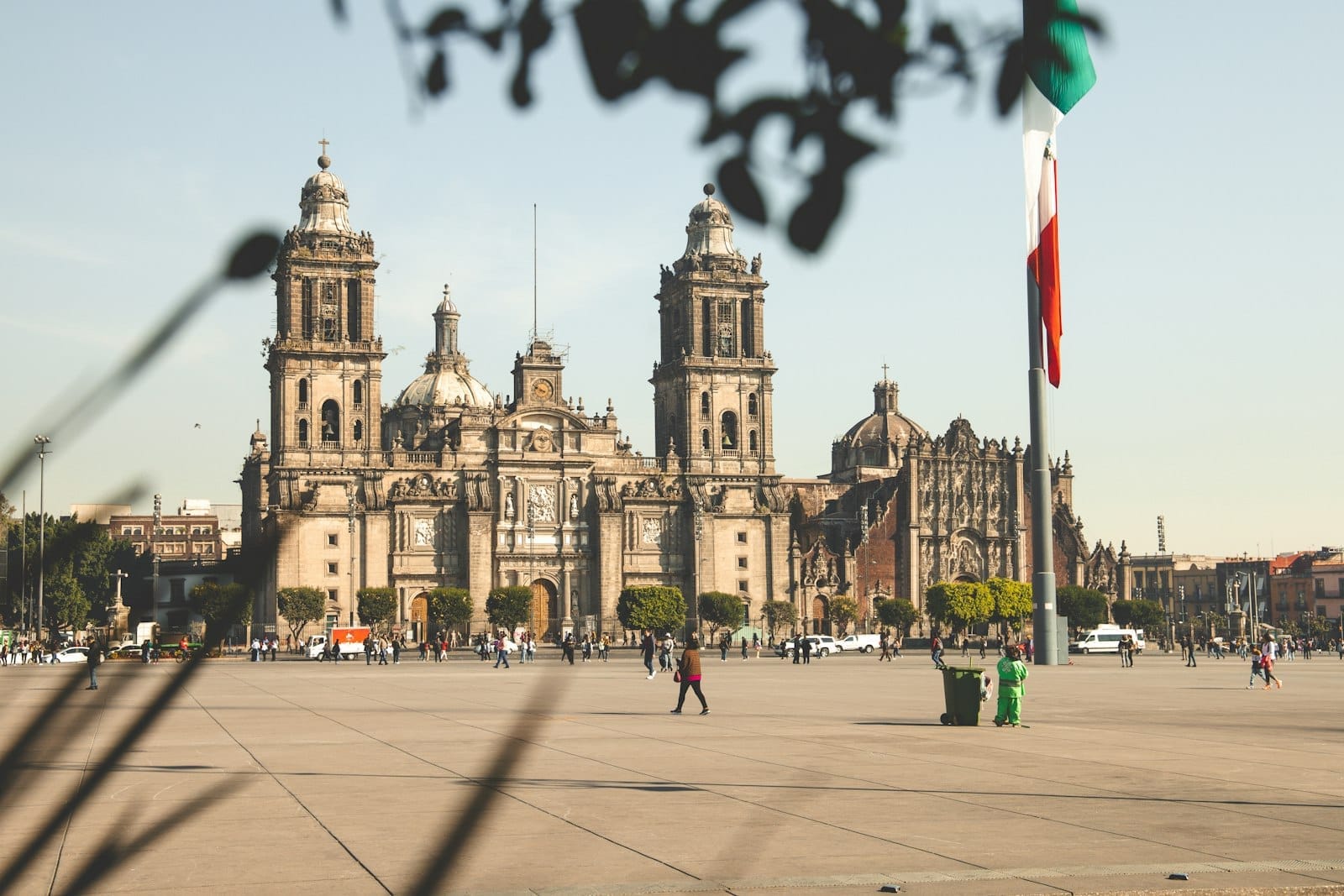
Tickets & tours
Live prices and dates from our booking partner. If you book, we may earn a commission at no extra cost to you.
TL;DR
- The two main venues are Arena México (capacity ~16,000) in Colonia Doctores and Arena Coliseo (~5,000 seats) near the Centro Histórico.
- CMLL holds regular weekly shows: Arena México on Tuesday, Friday, and Sunday; Arena Coliseo on Saturday.
- Tickets range from around MXN $80 to MXN $500 depending on section (most first-timers choose MXN $200–$500 seats). Buy through Ticketmaster México or the arena box office, never from street resellers. Guided tours are available through GetYourGuide and Viator from around USD $60 if you want extras included.
- Friday night at Arena México draws the biggest crowds; buy in advance to secure good seats.
- Lucha libre pairs well with a broader Mexico City trip. Check our guide on things to do in Mexico City to plan around the show.
What Is Lucha Libre and Why Mexico City Is the Best Place to See It
Lucha libre is Mexican professional wrestling, but calling it just wrestling undersells what actually happens inside the arena. It is a theatrical sport with its own mythology: masked fighters (luchadores) flip off the top rope, somersault onto opponents outside the ring, and work the crowd with a combination of athleticism and showmanship that has no real equivalent anywhere else. The masks are central to the culture. Losing your mask in a high-stakes Apuesta (bet) match is one of the most dramatic moments in the sport.
Mexico City is the undisputed capital of lucha libre. The Consejo Mundial de Lucha Libre (CMLL), founded in 1933 and widely considered the oldest professional wrestling promotion still operating in the world, is headquartered here. Its events run multiple nights a week, year-round, which means virtually any traveler passing through the city has a realistic chance of catching a show. You do not need to follow the sport to enjoy it. The atmosphere, the acrobatics, and the crowd reactions are enough to carry a complete newcomer through two to three hours without a dull moment.
The Two Main Venues: Arena México and Arena Coliseo
Arena México is the flagship. Located on Dr. Lavista in Colonia Doctores, it holds around 16,000 people and has been nicknamed the Cathedral of Lucha Libre for good reason. The building has hosted some of the biggest matches in CMLL history, and on a full Friday night the energy is hard to describe. Colonia Doctores is not a tourist-polished neighborhood, which adds to the authenticity. The arena is reachable by metro: Centro Médico station on Line 3 is about a 10-minute walk, or you can use a ride-hailing app like Uber or Didi to drop you right outside.
Arena Coliseo is the older, more intimate option. Located near the Centro Histórico on República de Perú, it seats around 5,000 and dates back to 1943. The smaller scale means you are closer to the action at almost any price level, and the building itself has a classic, slightly worn charm that Arena México does not quite replicate. If you are staying in the historic center, this is the more convenient venue and worth considering on its own merits, not just as a backup.
ℹ️ Good to know
Both arenas are operated by CMLL. Arena México hosts the premium Friday night card, which is the equivalent of a weekly flagship show. Arena Coliseo on Saturday is excellent but runs a slightly shorter card with fewer headline bouts. Tuesday and Sunday shows at Arena México are solid but draw smaller crowds and feature more up-and-coming talent, which some fans prefer.
Weekly Schedule and What to Expect
CMLL runs a consistent weekly schedule in Mexico City throughout the year. Specific event cards and any schedule changes should always be confirmed on Ticketmaster México before you plan your evening around a show, as cards occasionally shift around Mexican public holidays or special events.
- Tuesday (Arena México, 19:30) Smaller crowd, younger roster, good for budget-conscious visitors or lucha enthusiasts who want to see more developmental talent.
- Friday (Arena México, 20:30) The flagship card. Top-tier luchadores, biggest production, highest demand. Book in advance. Shows typically run 2 to 3 hours.
- Saturday (Arena Coliseo, 19:30) A quality card in an intimate setting. Easier to get good seats closer to the date. Recommended for anyone staying near the city center.
- Sunday (Arena México, 17:00) Afternoon start makes it accessible. More family-friendly crowd. A good option if you have an early evening planned elsewhere.
A typical show runs through five to seven bouts across the evening, structured so that the most experienced and famous luchadores appear in the main event. The earlier matches on the card tend to feature younger fighters working their way up, and these can be some of the most exciting aerial displays of the night because they have something to prove. Arrive on time and stay for the full card rather than leaving after the first couple of fights.
Tickets: Prices, Where to Buy, and What to Avoid
Ticket prices for CMLL events are affordable compared to major live sports events in most other cities. For most visitors, the sweet spot is somewhere in the mid-range: close enough to feel the energy, far enough back to see the full ring. Here is a general breakdown of what to expect at Arena México, though prices should be confirmed at the time of purchase as they are subject to change.
- Budget seats (upper tier, Arena México) From around MXN $80 to MXN $200. You will be higher up but the view is actually reasonable given the arena's design. Great atmosphere.
- Mid-range (lower bowl, mid-ring) Around MXN $200 to MXN $500. The recommended range for first-timers. Good sightlines, close to the action without the premium cost.
- Front rows and ringside Around MXN $500. You will be very close, but local guides consistently note that the first row and FREEDOM VIP areas can produce awkward viewing angles. Wrestlers regularly spill outside the ring.
- VIP boxes MXN $1,080 and above. Comfortable, but isolated from the crowd energy that makes lucha libre what it is.
⚠️ What to skip
Do not buy tickets from resellers outside the arena. Multiple travelers and local tour operators report fake or invalid tickets being sold on the street. Use Ticketmaster México online for advance purchase, or go directly to the arena box office (taquilla) at Dr. Lavista for Arena México or República de Perú for Arena Coliseo. Card payment is generally accepted at the box office, but have cash as backup.
Guided tour packages through platforms like GetYourGuide and Viator typically start around USD $60 and can include transportation, a guide to explain what is happening, and sometimes extras like masks or photos. For solo travelers or anyone who finds the logistics daunting, these packages remove the friction and can make the experience significantly smoother. The downside is that you are on someone else's schedule and the tours often seat groups together regardless of arena layout preferences.
Inside the Arena: What to Know Before You Go
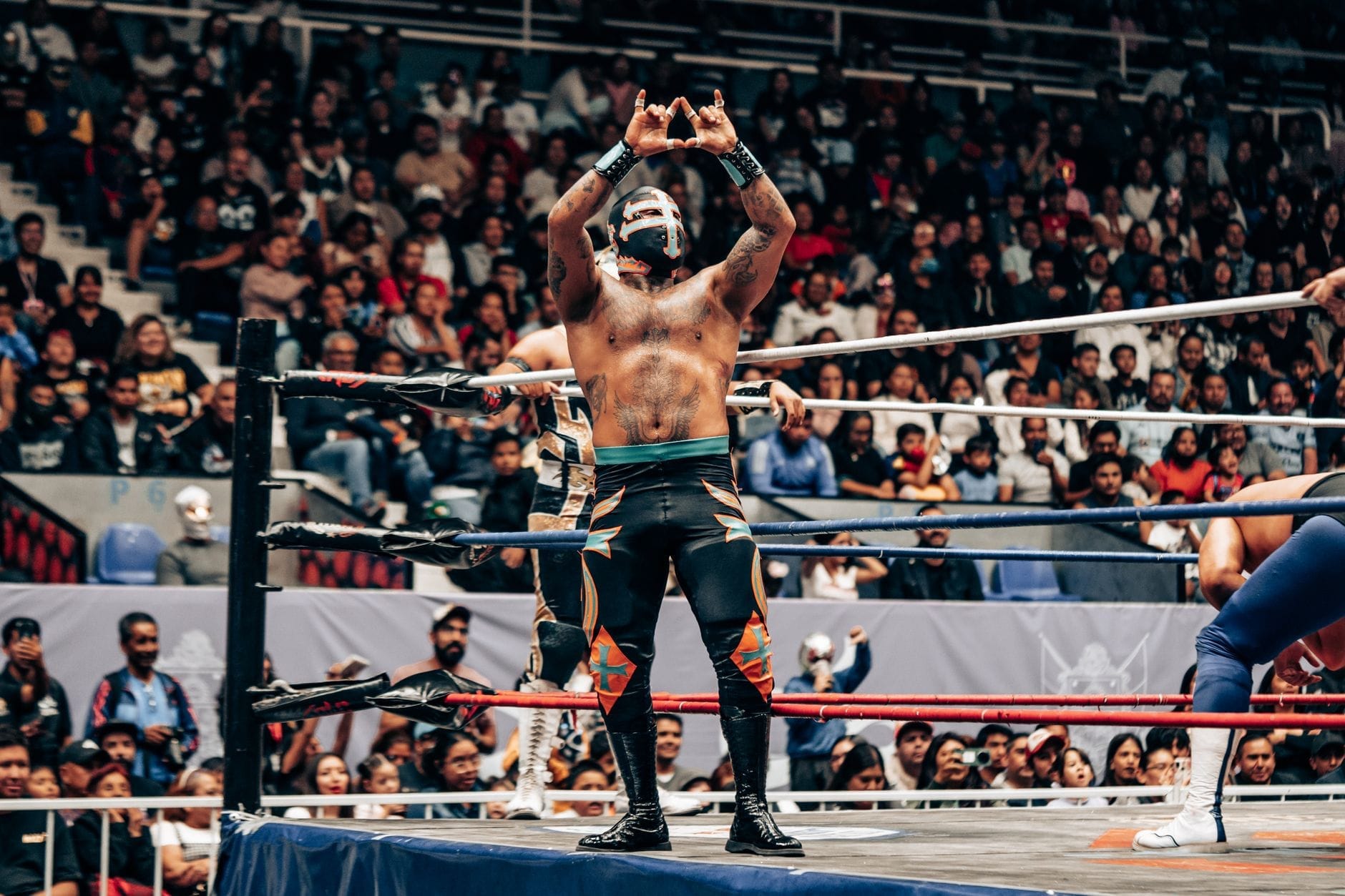
The atmosphere inside Arena México on a Friday night is loud, physical, and unfiltered. Vendors walk the aisles selling beer, snacks, and lucha libre merchandise throughout the show. The crowd participates actively: cheering the técnicos (the good guys), booing the rudos (the heels), and occasionally directing commentary at fighters who get too close to the barriers. It is participatory in a way that most live events are not.
Wear comfortable, casual clothing. Lucha libre is not a formal event and there is no dress code. Bring cash for snacks, drinks, and any merchandise you want to buy inside, as not all vendors accept cards. Leave expensive cameras and unnecessary valuables at your accommodation. Smartphones are fine and people photograph throughout the show, but a large camera setup will draw attention you may not want.
✨ Pro tip
If you want a mask, buy one inside the arena from official vendors rather than from street stalls outside. The quality is better and the designs are tied to actual luchadores on the CMLL roster. Masks from tourism markets can be generic and poorly made.
Getting to and from the arena safely matters. Arena México sits in Colonia Doctores, which is a working-class residential neighborhood. It is not a polished tourist zone, and walking long distances at night after the show ends is not recommended. Use Uber, Didi, or Cabify to book a ride directly from outside the venue. If you are using the metro, either Centro Médico on Line 3/9 or Niños Héroes on Line 3 are the closest stations. For more on getting around Mexico City by public transport and ride-hailing, our full transit guide has current options covered.
How to Fit Lucha Libre Into Your Mexico City Itinerary
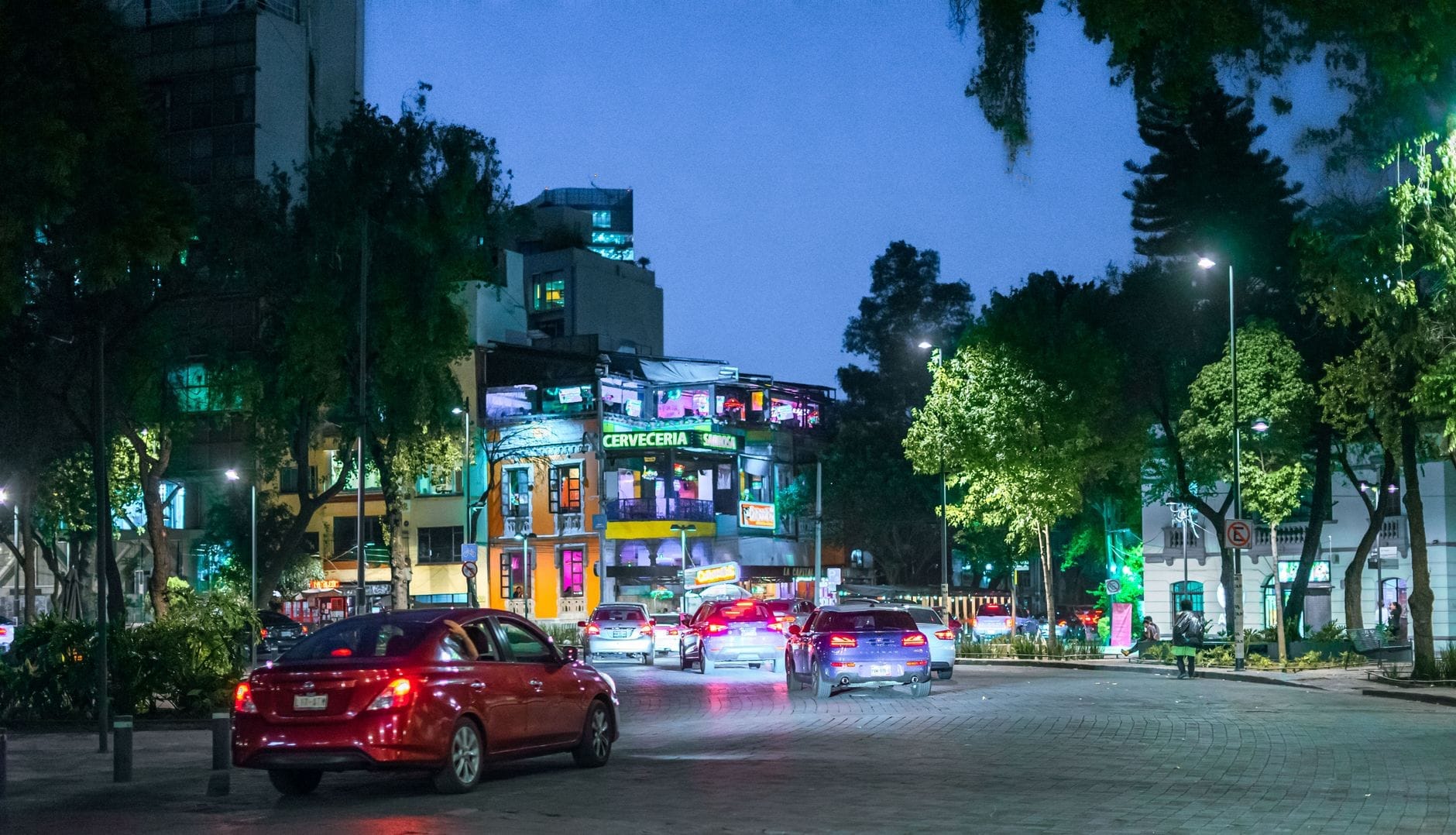
Friday night is the easiest anchor for a lucha libre-centered day in the city. Spend the afternoon in Roma or Condesa, have dinner before 20:00, then head to Arena México for the 20:30 show. You will be back in most central neighborhoods by midnight with options for a nightcap if you want one.
If your schedule is built around a 3-day itinerary, lucha libre fits cleanly into an evening slot without sacrificing a full day. Our 3-day Mexico City itinerary shows how to structure days around the city's major areas so you are not backtracking unnecessarily.
Lucha libre also pairs well with other culturally specific Mexico City experiences. If you are building a trip around local culture rather than standard sightseeing, consider combining it with a visit to Arena México during the day when some tours run through the facility, or exploring the street food scene in the surrounding neighborhoods before the evening show.
💡 Local tip
Big show nights cluster around Mexican national holidays and the end of CMLL's annual calendar in September and October. If you are visiting around Independence Day (September 16) or in the lead-up to Día de Muertos, check the CMLL schedule early. These shows sell out faster and the atmosphere is particularly intense.
FAQ
Do I need to understand lucha libre to enjoy a show?
No. The basic structure is clear within the first few minutes: the técnicos are the crowd favorites, the rudos play the villains, and the athleticism requires no explanation. Most first-time visitors find themselves fully engaged regardless of prior knowledge. A guided tour can add context if you want more background, but it is not necessary.
Is lucha libre in Mexico City safe for tourists?
The shows themselves are family-friendly and attended by a wide range of locals. The main safety consideration is the neighborhood around Arena México (Colonia Doctores) at night. Use a ride-hailing app to get directly to and from the venue rather than walking long distances after the show. Avoid carrying expensive items or large amounts of cash. Arena Coliseo is closer to the Centro Histórico, which is generally busier at night.
What is the best night to see lucha libre in Mexico City?
Friday night at Arena México is the flagship event and the most recommended for first-timers who want the full experience. The card is stronger, the crowd is larger, and the production is at its peak. If you prefer a more intimate setting or your schedule does not allow Friday, Saturday at Arena Coliseo is a strong second choice.
Can I buy lucha libre tickets at the door on the night?
Usually yes for Tuesday, Sunday, and Saturday shows. Friday nights at Arena México can sell out the best sections well in advance, so buying through Ticketmaster México ahead of time is strongly recommended. For any night, avoid buying from street resellers outside the venue.
How long does a lucha libre show last?
Most CMLL shows run between 2 and 3 hours. The card typically includes five to seven bouts, structured from opener to main event. There is no formal intermission, though the pace between matches gives you time to grab food or drinks from arena vendors.
Tickets & tours
Live prices and dates from our booking partner. If you book, we may earn a commission at no extra cost to you.
Planning a trip? Discover personalized activities with the Nomado app.