Shopping in Mexico City: Markets, Malls, and Everything In Between
Mexico City is one of Latin America's great shopping destinations, with a range that stretches from centuries-old craft markets to high-end international boutiques. This guide breaks down the best areas by shopping style, with practical notes on prices, hours, and where the tourist traps hide.
Tickets & tours
Live prices and dates from our booking partner. If you book, we may earn a commission at no extra cost to you.
TL;DR
- Shopping in Mexico City splits into three tiers: traditional craft markets, mid-range department stores and local chains, and upscale boutiques concentrated in Polanco and Roma-Condesa.
- The best craft market for quality artesanías is Bazar Sábado in San Ángel (Saturdays only, 10:00–19:00); for daily access, head to Mercado de la Ciudadela.
- Haggling is expected in markets and street stalls, but fixed prices apply in all malls and chain stores — don't try to bargain at Liverpool or Palacio de Hierro.
- Mexico levies 16% VAT (IVA) on most goods; tourist tax refunds are not available in Mexico City, so what you see on the tag is what you pay.
- For context on getting between shopping neighborhoods, see the guide to getting around Mexico City.
How Shopping in Mexico City Is Organized
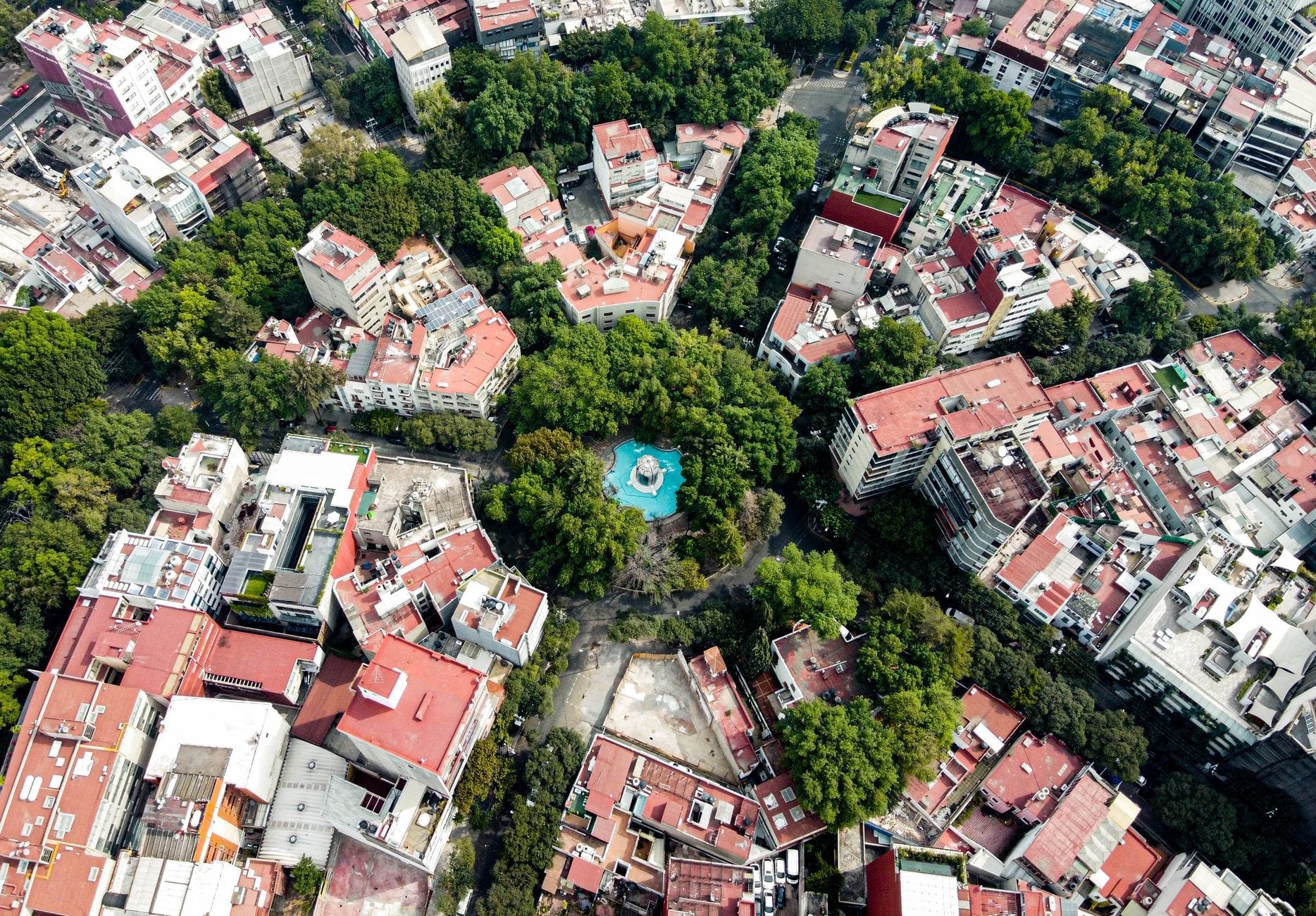
Mexico City (officially Ciudad de México, abbreviated CDMX) is a metropolis of over 9 million people in the city proper and more than 21 million in the greater metro area. That scale means shopping is spread out across dozens of neighborhoods, each with its own character. The six areas that matter most for visitors are Centro Histórico, Zona Rosa, Roma-Condesa, Polanco, Santa Fe, and San Ángel.
Each zone serves a different budget and interest. Polanco is where you go for international luxury labels and Mexican designer fashion. Roma and Condesa have independent boutiques, concept stores, and design-forward homeware. Centro Histórico is where you find the historic department stores, the government-run craft shops, and a serious food market. San Ángel is the Saturday destination for quality handicrafts. Santa Fe is the mall destination, pure and simple.
ℹ️ Good to know
Mexico City shops typically open between 09:00 and 10:00 and close between 20:00 and 21:00. Smaller independent stores sometimes close for a midday break from around 14:00 to 16:00. Markets generally open in the morning and wind down by early evening. Always confirm hours before visiting — particularly for Saturday-only or Sunday-only markets.
Traditional Markets and Craft Shopping
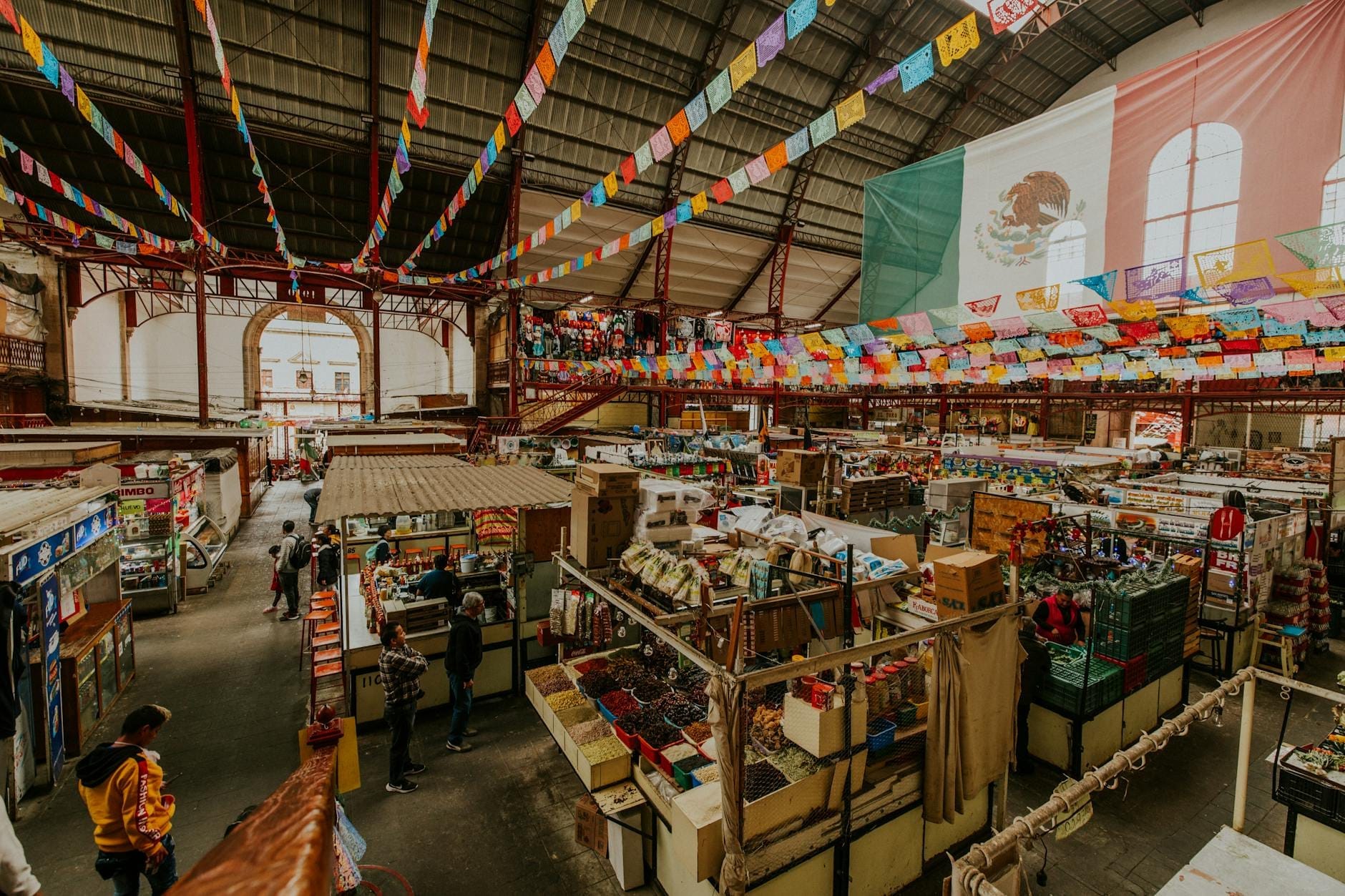
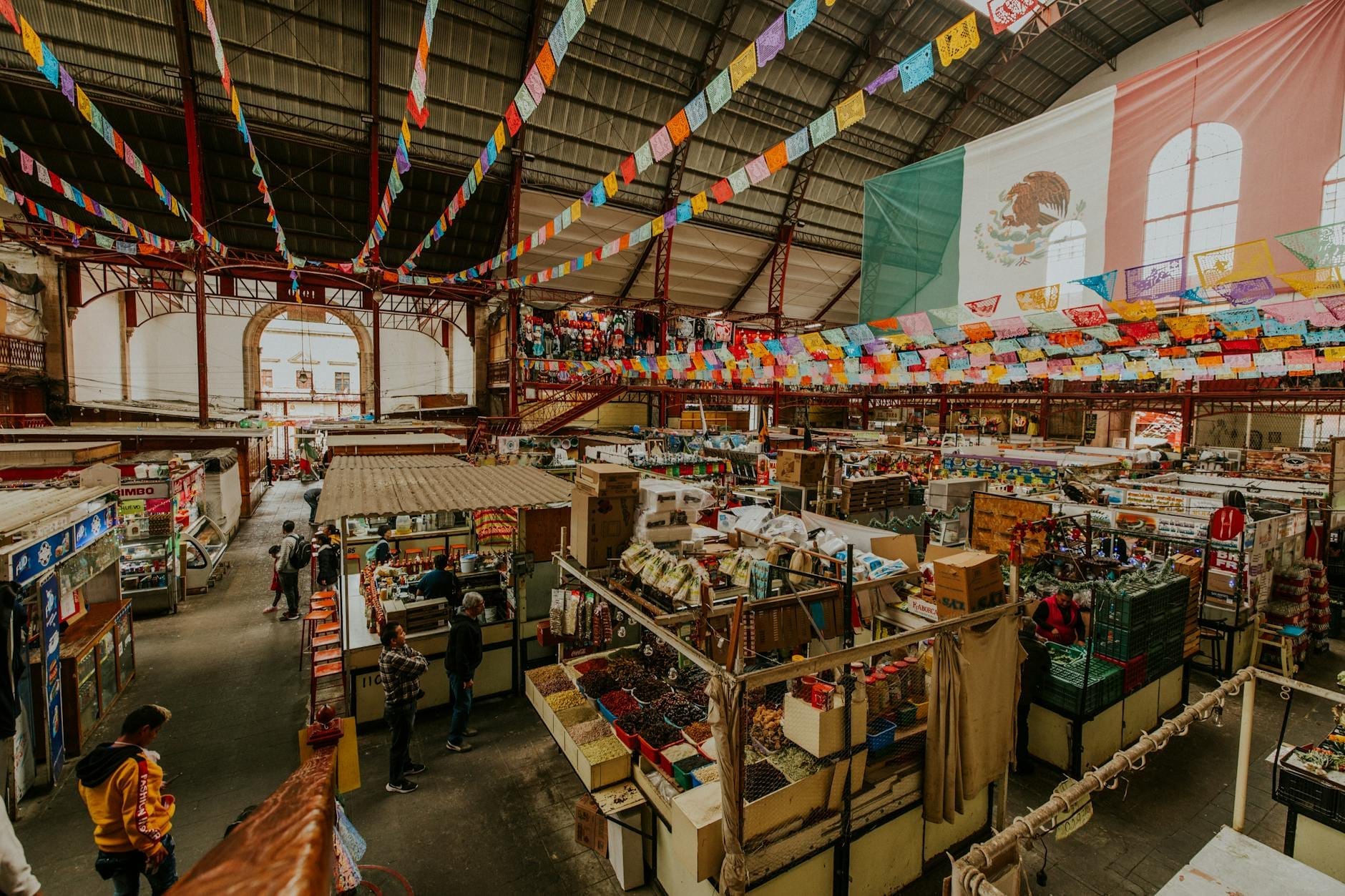
Mexico City's traditional markets are among its most rewarding shopping environments, but the quality gap between them is significant. A few are excellent sources of Mexican artesanías; others are tourist-facing operations selling mass-produced goods at inflated prices. Knowing the difference saves money and frustration.
- Bazar Sábado (San Ángel) The most curated craft market in the city. Operates Saturdays only, 10:00–19:00, in Plaza San Jacinto. Vendors are vetted, which filters out most of the kitsch. Expect quality textiles, ceramics, jewelry, and folk art. Prices are higher than at Ciudadela, but so is the quality. Get there before noon to avoid the worst of the afternoon crowds.
- Mercado de la Ciudadela (Centro) The largest covered crafts market in the city, open daily 10:30–18:30. A sprawling indoor space near the Balderas Metro station with hundreds of stalls selling textiles, Talavera pottery, Oaxacan wood carvings, masks, silver, and embroidered clothing. Bargaining is expected. The sheer volume of stalls means quality varies — inspect items carefully before committing.
- La Lagunilla (Near Tepito) A large market with distinct sections: everyday produce and clothing during the week, but the antiques section on Sundays is what draws savvy shoppers. Vintage furniture, old maps, collectibles, and pre-owned curiosities. The surrounding area borders Tepito, so most visitors take a taxi or Uber directly to the market entrance rather than walking from Metro stations.
- Mercado de San Juan (Centro Histórico) Not a handicrafts market — this is a gourmet food market, and one of the best in the city. International cheeses, cured meats, fresh seafood, exotic fruits, spices, and prepared food stalls. Open daily. An excellent stop for self-catering or just for a meal.
For guaranteed quality and fair pricing on artisanal goods, the government-backed Fonart stores (Fondo Nacional para el Fomento de las Artesanías) are worth knowing about. Fonart operates multiple locations across CDMX and sells certified Mexican handicrafts at fixed, fair-trade prices. You won't bargain, but you also won't accidentally buy something machine-made in a factory.
⚠️ What to skip
Bargaining is part of the culture in markets and street stalls, but it is not appropriate in malls, chain stores, or department stores like Liverpool and Palacio de Hierro. Attempting to haggle in these environments will simply confuse or offend staff. The rule of thumb: if there's a fixed price tag and a POS terminal, the price is fixed.
Polanco: High-End and Designer Shopping
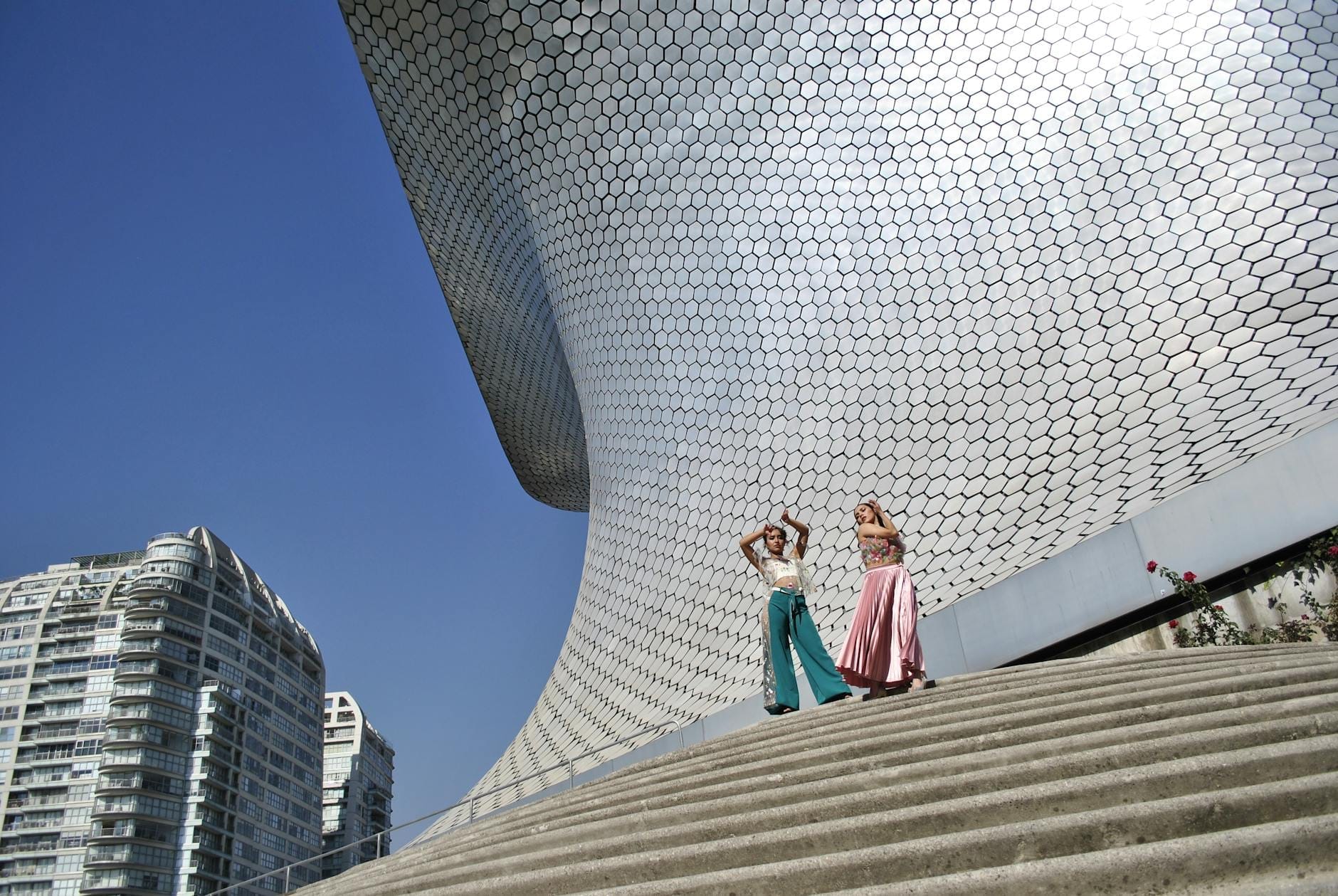
Polanco, in the Miguel Hidalgo borough, is the undisputed luxury shopping district of Mexico City. Avenida Presidente Masaryk is the main artery: a tree-lined boulevard lined with international fashion houses — Louis Vuitton, Hermès, Cartier, Dior — alongside high-end Mexican labels and fine jewelry stores. It is often compared to Rodeo Drive or Avenue Montaigne, though the comparison is more aspirational than literal.
Beyond the fashion axis, Polanco also has excellent independent design stores, galleries, and homeware shops tucked into the residential streets off Masaryk. The Antara Fashion Hall mall is here too, offering a more curated alternative to the sprawling Santa Fe mega-malls. If you're shopping for Mexican designer fashion specifically, Polanco is the most concentrated place to find it.
Roma, Condesa, and Juárez: Independent Boutiques and Design
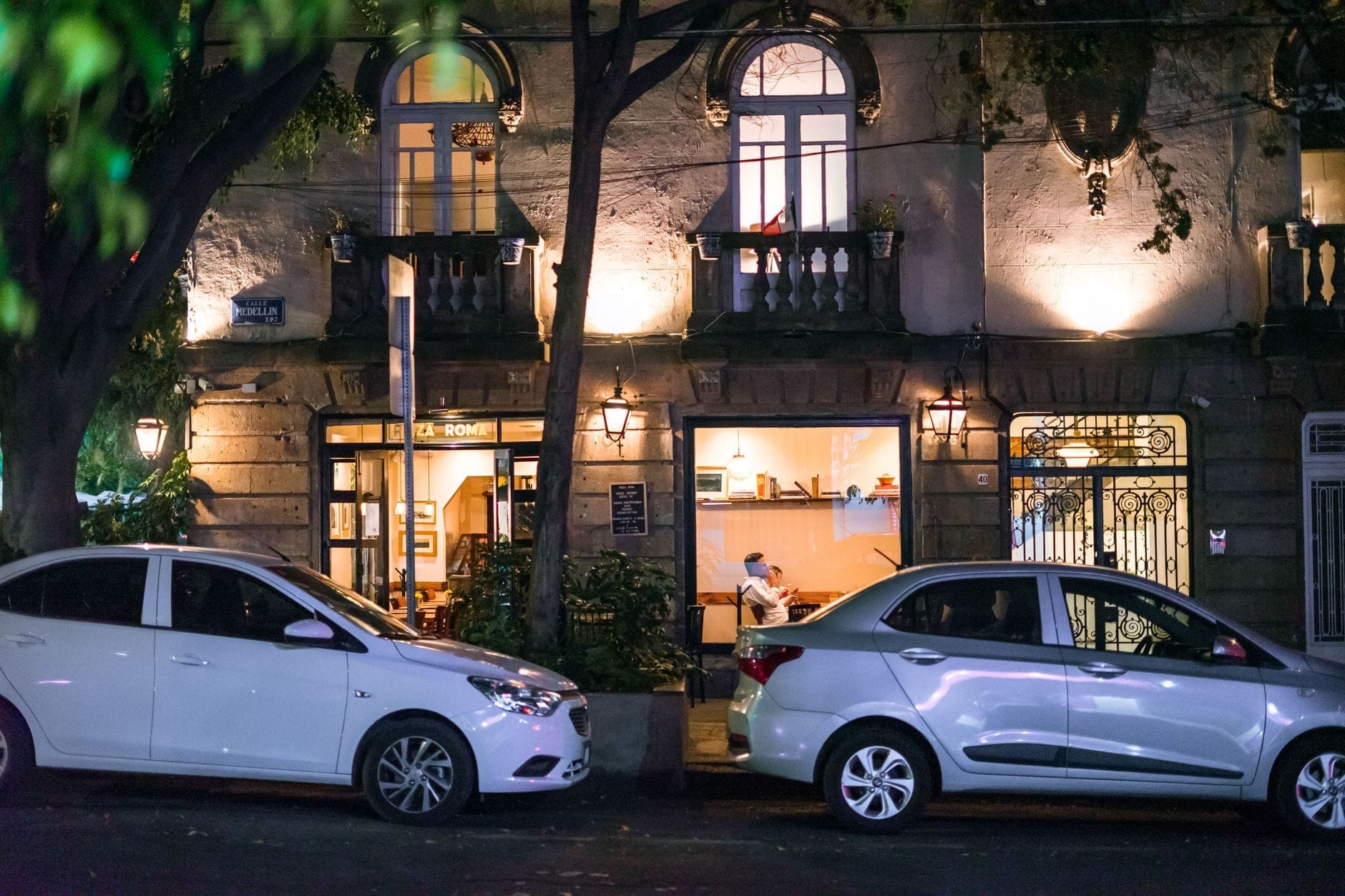
For independent boutiques, concept stores, and locally designed goods, the Roma-Condesa corridor and neighboring Juárez are more interesting than Polanco. These neighborhoods attract Mexico City's creative class, and the retail reflects that: small-batch perfumeries, design-led homeware, independent bookshops, vintage clothing, and Mexican-made fashion brands that don't follow international luxury pricing.
Specific stores worth seeking out include Xinú Perfumes, which produces complex Mexican-sourced fragrances, and Utilitario Mexicano, a design store celebrating functional Mexican objects. The Mercado Roma in Colonia Roma is a food-and-design market hybrid that doubles as a good lunch spot. This area rewards aimless walking: the best finds here are often the ones you stumble across between destinations.
✨ Pro tip
The best time to shop in Roma and Condesa is on weekday mornings, when streets are less crowded and shop staff have more time to explain what they're selling. Weekend afternoons are the worst: foot traffic peaks, some smaller stores run low on stock, and restaurant waits make the whole experience more rushed.
Department Stores, Malls, and Chain Retail
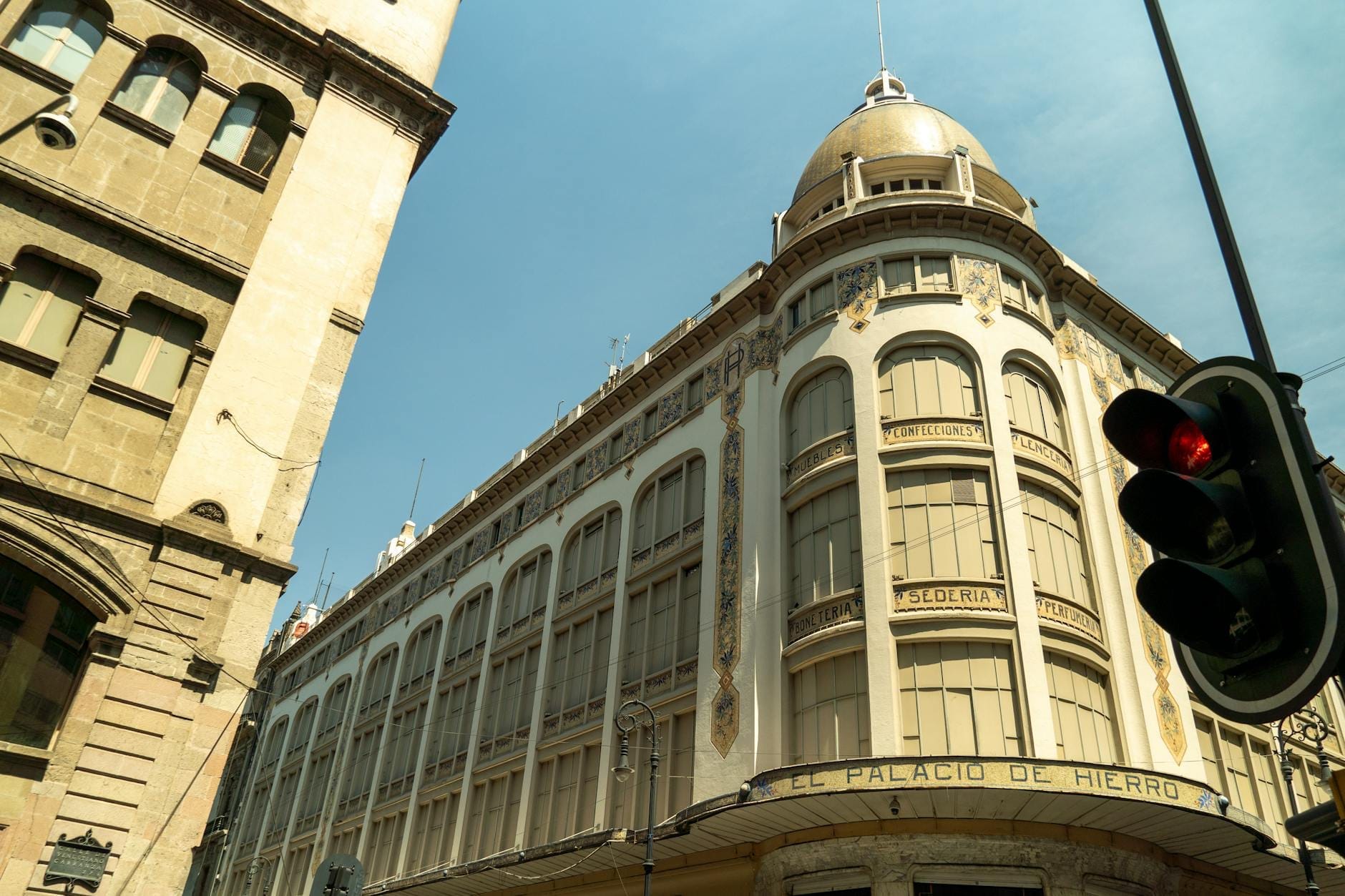
Mexico City has a strong domestic department store culture built around two flagship chains: Liverpool and Palacio de Hierro. Both carry international brands, cosmetics, homeware, and fashion across multiple price points. Palacio de Hierro skews slightly more upscale and has a reputation for strong beauty and fragrance departments. Liverpool is more broadly mid-market and has more locations citywide.
Sanborns is a different kind of institution entirely. Part pharmacy, part bookstore, part café, part gift shop, the chain has been a fixture of Mexico City life for over a century. The flagship location in Casa de los Azulejos on Calle Madero — a 16th-century building covered in blue and white Talavera tiles — is worth visiting regardless of whether you buy anything. The ground floor sells books, music, Mexican crafts, and a wide range of practical items.
For sheer scale, Centro Santa Fe in the western part of the city is one of the largest malls in Latin America, with close to 300 shops, cinemas, and restaurants. It is designed for car access and has no direct Metro connection, so factor in travel time. It is primarily a local destination for everyday retail rather than a tourist attraction. Perisur, in the south of the city, is better known for its elaborate Christmas decorations between late November and early January than for its retail lineup — local families visit specifically for the seasonal light displays.
- Liverpool: mid-to-high range department store; strong sportswear, homeware, and fashion floors; multiple locations across CDMX
- Palacio de Hierro: slightly more upscale; excellent cosmetics and fragrance department; flagship in Centro Histórico
- Sanborns: hybrid café-bookstore-pharmacy-gift shop; useful for books in Spanish, Mexican crafts, and a reliable meal
- Centro Santa Fe: nearly 300 stores; best reached by car or Uber from western neighborhoods; major cinema complex
- Antara Fashion Hall (Polanco): more curated, open-air mall format; mid-to-high-end brands; easier to navigate than Santa Fe
Prices, Tax, and Practical Shopping Logistics
Mexico levies a Value Added Tax (IVA) of 16% on most goods, already included in displayed prices. Unlike some European countries, Mexico City does not offer tourist VAT refund schemes, so international visitors cannot reclaim this tax at the airport. What you pay in the store is what you pay, full stop.
In terms of relative value: everyday food items in markets can be inexpensive compared to US or European prices, though this gap has narrowed with recent inflation. Artisanal goods and designer items are often priced comparably to international markets. Electronics and branded goods rarely represent a bargain. Mexican-made products — pottery, textiles, leather goods, spirits like mezcal — often offer better value than their export prices elsewhere.
For currency, all transactions are in Mexican pesos (MXN). Card acceptance is widespread in malls and established stores, but markets and smaller stalls are still largely cash-based. Carry pesos in small denominations when visiting markets. For more budget-conscious shopping ideas, the guide to Mexico City on a budget covers where to stretch your money further.
💡 Local tip
If you're buying artisanal goods to take home, buy them early in your trip and store them carefully — not on your last day in a rush. Fragile ceramics and textiles need proper wrapping, and some market vendors will help you pack items if you ask. Airlines have strict rules on carry-on size and fragile items in checked luggage, so factor that into what you buy.
Seasonal Shopping and Best Times to Visit
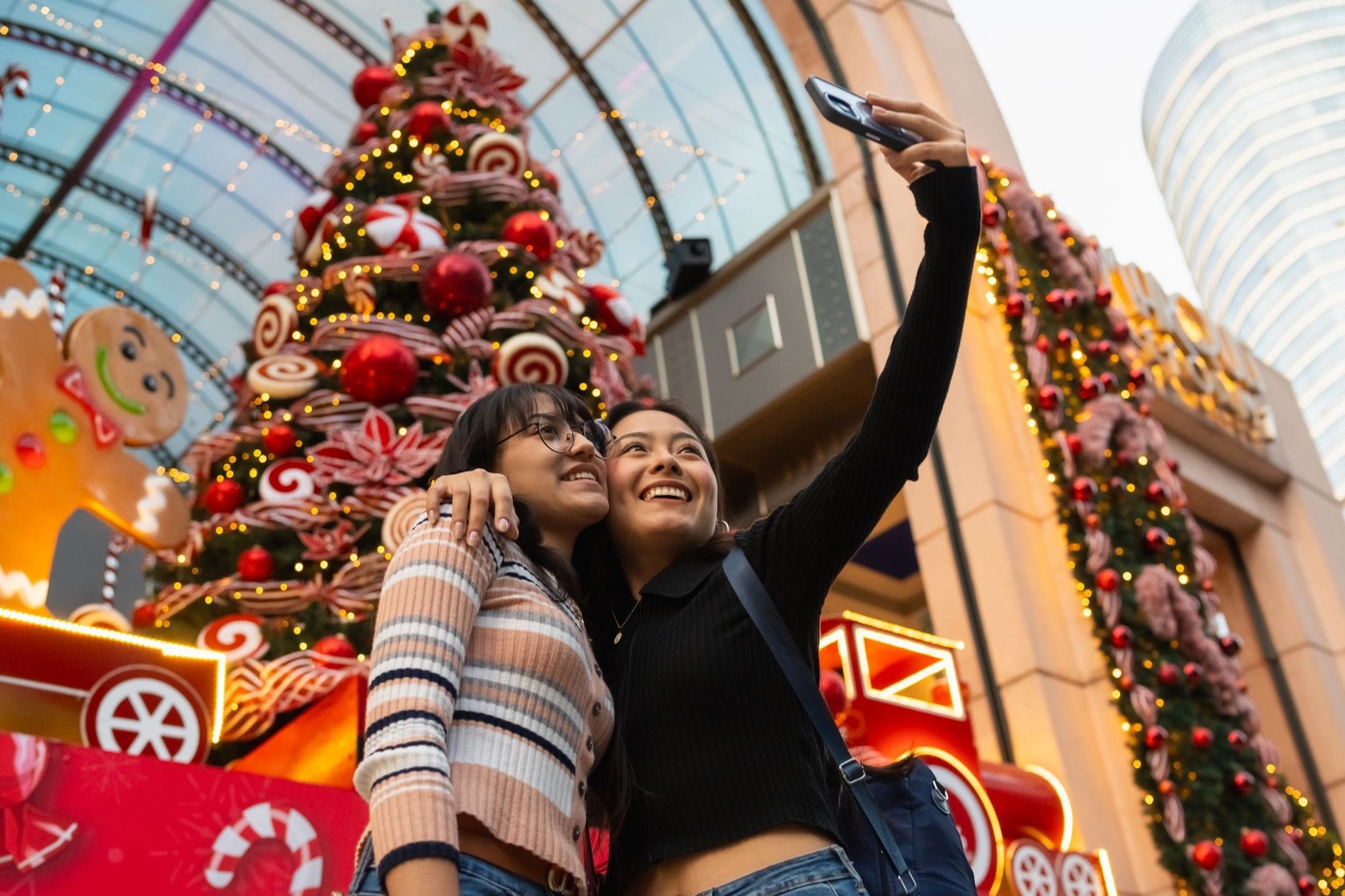
Timing your shopping in Mexico City can make a real difference. The Christmas season from late November through early January brings heavier foot traffic to malls, more elaborate displays (Perisur in particular leans hard into this), and occasional seasonal discounts. It also means longer queues, higher prices at some craft stalls, and a more chaotic experience overall.
The dry season from roughly November to April tends to be the most comfortable period for walking between shopping neighborhoods. The rainy season from May to October brings afternoon and evening thunderstorms that can disrupt plans. For the Saturday-only Bazar Sábado in San Ángel and the Sunday antiques section at La Lagunilla, plan your itinerary around these fixed days well in advance. For broader trip planning, the best time to visit Mexico City guide covers seasonal factors in detail.
FAQ
Where is the best place to buy Mexican handicrafts in Mexico City?
For curated, quality artesanías, Bazar Sábado in San Ángel (Saturdays, 10:00–19:00) is the strongest option. For daily access, Mercado de la Ciudadela near Balderas Metro is the most comprehensive covered crafts market. For guaranteed authenticity at fair prices, the government-run Fonart stores sell certified Mexican handicrafts at fixed prices with no bargaining required.
Can you bargain at markets in Mexico City?
Yes, bargaining is expected and accepted at traditional markets, street stalls, and many craft vendors. It is not appropriate at malls, department stores (Liverpool, Palacio de Hierro), chain stores, or established boutiques. A reasonable approach in markets is to make a polite counter-offer around 20–30% below the asking price and be prepared to meet somewhere in the middle.
Is there a tourist VAT refund in Mexico City?
No. Mexico City does not offer VAT refund programs for tourists. The IVA rate of 16% is included in all displayed prices and cannot be reclaimed at the airport or border. Factor this into your budget when comparing prices with countries that do offer refund schemes.
What are the shopping hours in Mexico City?
Most stores open between 09:00 and 10:00 and close between 20:00 and 21:00. Small independent shops sometimes close for a midday break from around 14:00 to 16:00. Markets generally open in the morning and wind down by early evening. Saturday-only markets like Bazar Sábado and Sunday-specific sections like La Lagunilla's antiques area require planning around the specific day.
How do I get to the shopping areas from central Mexico City?
Most shopping neighborhoods are accessible by Metro or Metrobús. Polanco is served by Metro Line 7 (Polanco station). Roma and Condesa are a short walk from Insurgentes Metro station on Line 1. Centro Histórico is served by multiple lines converging at Zócalo and Bellas Artes. Santa Fe mall has no direct Metro connection and is best reached by Uber or taxi. See the full guide to getting around Mexico City for route details.
Tickets & tours
Live prices and dates from our booking partner. If you book, we may earn a commission at no extra cost to you.
Planning a trip? Discover personalized activities with the Nomado app.