Mexico City with Kids: The Complete Family Travel Guide
Mexico City is one of Latin America's most rewarding family destinations, with a free world-class zoo, hands-on children's museums, canal boat rides, and ancient pyramids. This guide covers the best kid-friendly attractions, practical logistics, and straightforward tips to help families make the most of CDMX.
Tickets & tours
Live prices and dates from our booking partner. If you book, we may earn a commission at no extra cost to you.
TL;DR
- Chapultepec Park is the anchor of any family trip: free zoo, paddle boats, playgrounds, and two major museums all within walking distance.
- Papalote Museo del Niño and the Museo Nacional de Antropología are the two best rainy-day options for kids of all ages.
- Dry season (November to April) is the most practical time for families: fewer afternoon downpours and clearer skies for outdoor sightseeing.
- The altitude (2,240 m / 7,350 ft) affects young children differently: plan slower first days and read the Mexico City altitude guide before you travel.
- Sunday mornings are ideal for families: Paseo de la Reforma closes to cars, Chapultepec is lively, and crowds at popular museums are manageable.
Why Mexico City Works Well for Families
The common assumption that Mexico City with kids is complicated or risky undersells the city significantly. CDMX has a dedicated children's science museum, a free zoo that rivals any in the region, ancient ruins reachable by bus, canal boat rides, a Sunday cycling route along one of the world's great boulevards, and more street food options than most families can work through in a week. The city's scale is the real challenge: it covers 1,495 km² and holds over 9 million residents in the city proper. Planning is what separates a smooth family trip from an exhausting one.
Families who base themselves in Chapultepec-Polanco or Roma-Condesa are well-positioned. Both neighborhoods have walkable streets, parks, and lower traffic stress than the historic center. Roma-Condesa has Parque México and Parque España for afternoon downtime. Polanco puts you a short walk from Chapultepec Park's main entrances and is well-served by taxis and ride-hailing apps like Uber and Didi.
ℹ️ Good to know
Mexico City sits at approximately 2,240 m (7,350 ft) above sea level. Children, particularly those under 5, can be more sensitive to altitude than adults. Plan at least one slower-paced day at the start of your trip. Symptoms like headache, fatigue, and reduced appetite typically pass within 24-48 hours. Keep kids well-hydrated and avoid intense physical activity on day one.
Chapultepec: The Closest Thing to a Family Theme Park
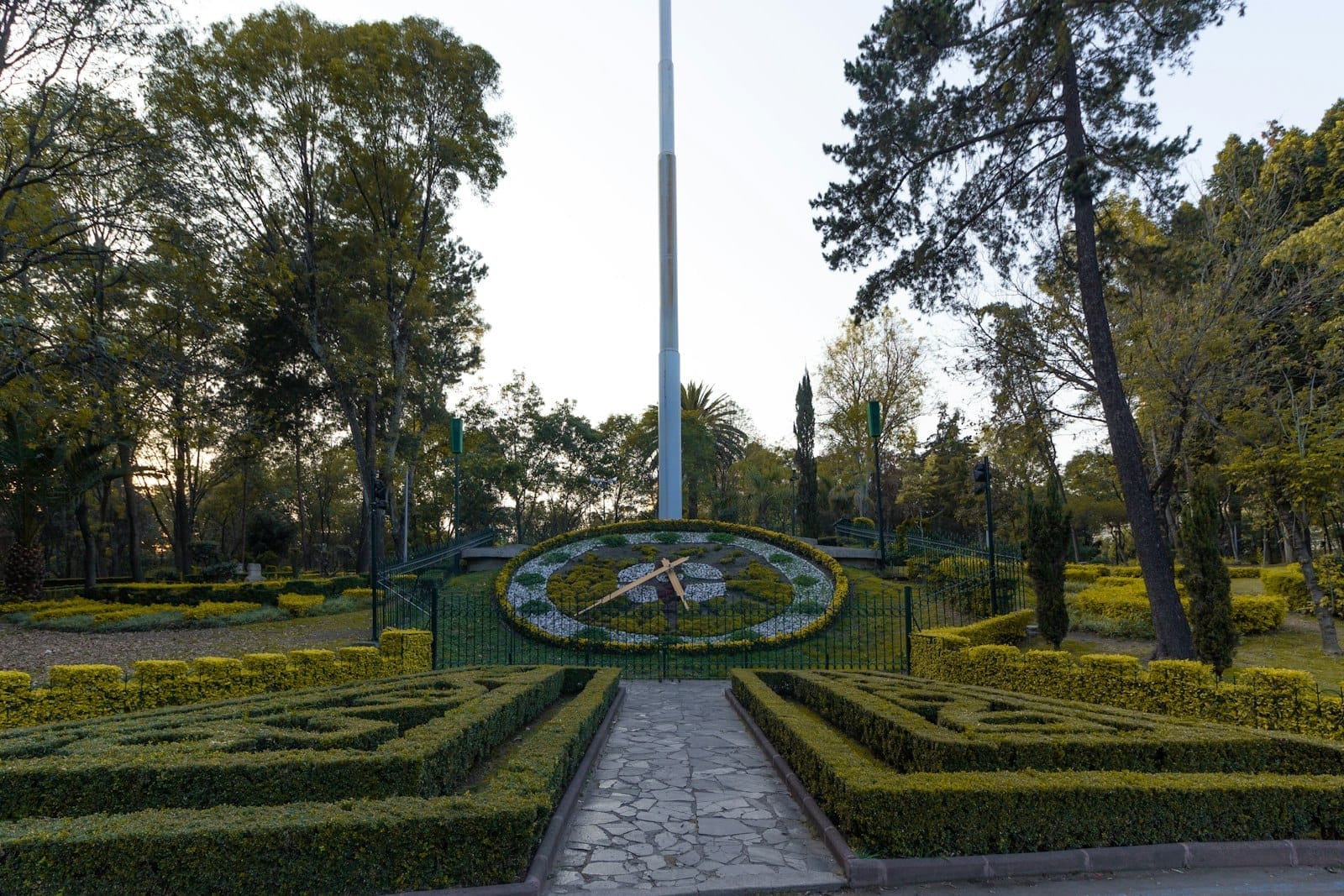
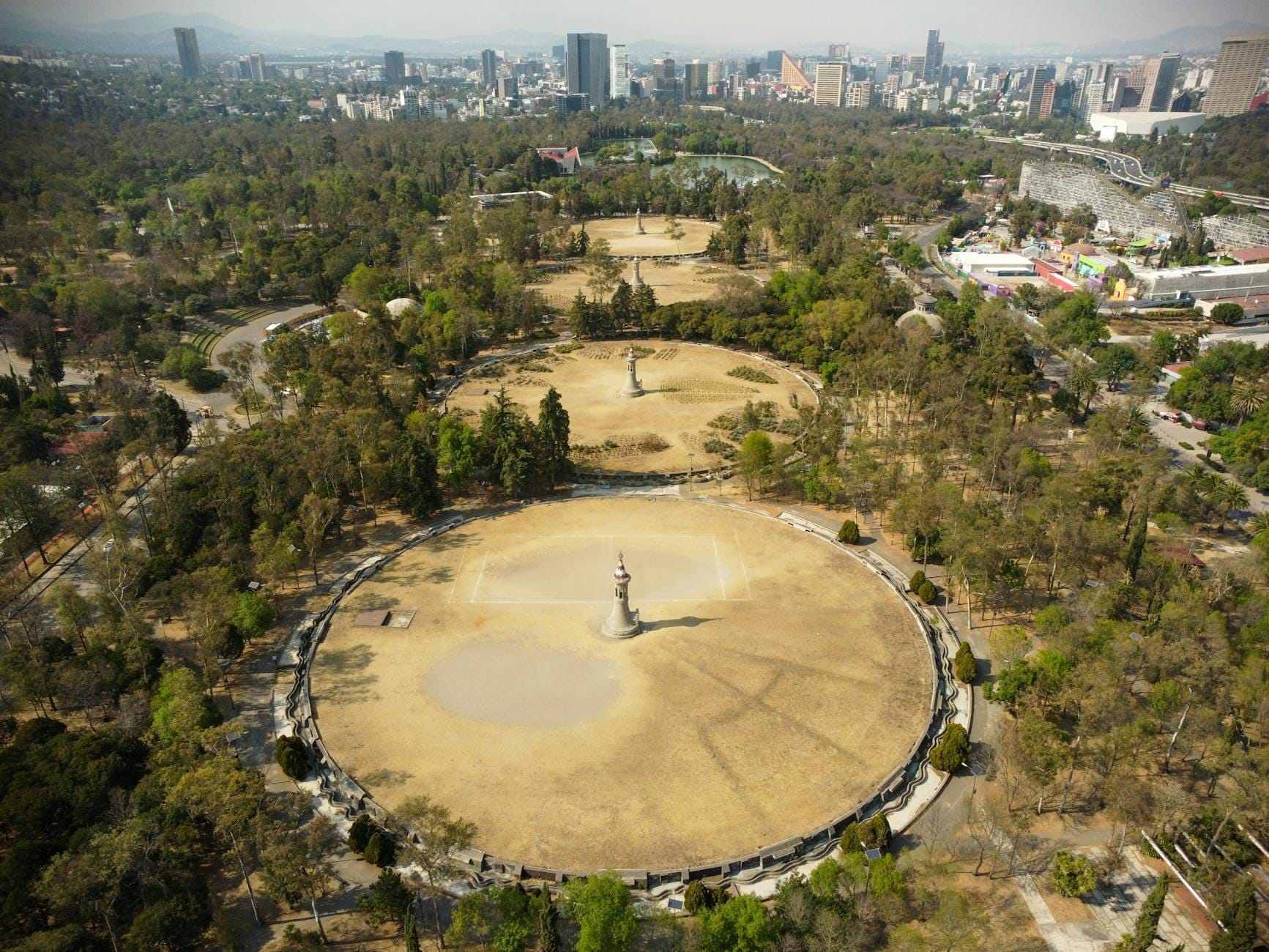
Bosque de Chapultepec is the logical headquarters for a family visit. At roughly 678 hectares, it is one of the largest urban parks in the Western Hemisphere, and it packs in a remarkable amount for kids. The Chapultepec Zoo is free for general admission, with optional paid add-ons: the butterfly pavilion and the reptile house each charge a small additional fee that is periodically updated on the official zoo site; under-5s typically enter free for these areas. Verify current prices at the official Zoológico de Chapultepec site before visiting, as fees change.
Beyond the zoo, the park has lakes where families can rent paddle boats and rowboats, several playgrounds, and open green space. The Chapultepec Castle crowns the hill at the park's core and is often described as the only royal castle in North America that once housed actual royalty. Kids who connect with Harry Potter-style architecture or sweeping city views tend to enjoy it. The climb up is moderate and there are paths, not just stairs. Budget about 90 minutes to see the castle's main rooms and enjoy the view from the terrace.
Papalote Museo del Niño sits inside the park and is purpose-built for children aged roughly 2 to 15. It features interactive science, technology, art, and nature exhibits, plus a giant IMAX-style dome screen. It is not free, so check the official Papalote site for current ticket prices and opening hours before you go. The Museo Nacional de Antropología is also within the park grounds and, while not designed specifically for children, the sheer scale of the Aztec Sun Stone and the Mayan artifacts create genuine wow moments for older kids. A single afternoon does not do it justice: aim for two to three hours.
💡 Local tip
Visit Chapultepec Zoo on a Tuesday or Wednesday morning for the shortest lines and most relaxed experience. Weekends, especially during school holidays (Semana Santa, July-August, and Christmas-New Year), bring large local crowds. The park is busiest between 11am and 3pm on Sundays.
Top Kid-Friendly Activities Beyond Chapultepec
- Xochimilco Trajinera Rides Colorful flat-bottomed boats (trajineras) navigate the ancient canal network in the south of the city. Kids love the novelty of floating past flower gardens and food vendors who paddle up to sell snacks. Go on a weekday morning to avoid the loud weekend party atmosphere, which is not suited to young children. The Tren Ligero from Tasqueña metro station reaches Xochimilco directly.
- Reforma Sunday Ciclovía Every Sunday, a stretch of Paseo de la Reforma closes to cars and opens to cyclists, skaters, and pedestrians. Bike rentals are available on-site, including family options. This is one of the best free activities in the city and works perfectly as a Sunday morning activity before the heat peaks.
- Lucha Libre at Arena México Sunday afternoon shows at Arena México are widely regarded as family-friendly compared to weeknight events. The theatrics, costumes, and crowd energy make it especially entertaining for children aged around 7 and up. It is loud and lively, not rowdy, on Sunday afternoons. Check the Arena México schedule in advance and book tickets early.
- Teotihuacan Day Trip The pyramids at Teotihuacan are about 50 km northeast of the city center, typically a 45-90 minute drive depending on traffic. Climbing the pyramids has been prohibited since 2021, but walking the Avenue of the Dead and exploring the base of the Pyramid of the Sun still makes a memorable day out for school-age children. Go early: gates open between 8:00 and 9:00 AM and the midday sun at altitude is intense.
- Coyoacán Weekend Market The plazas and market of Coyoacán offer a digestible, walkable afternoon with street food, craft stalls, and a relaxed colonial atmosphere. The Frida Kahlo Museum nearby is better suited to older children with some cultural preparation.
For a deeper look at what the city offers beyond the standard circuit, the full guide to things to do in Mexico City includes neighborhood-by-neighborhood breakdowns that help families plan by area rather than bouncing across the entire city.
Getting Around Mexico City with Kids
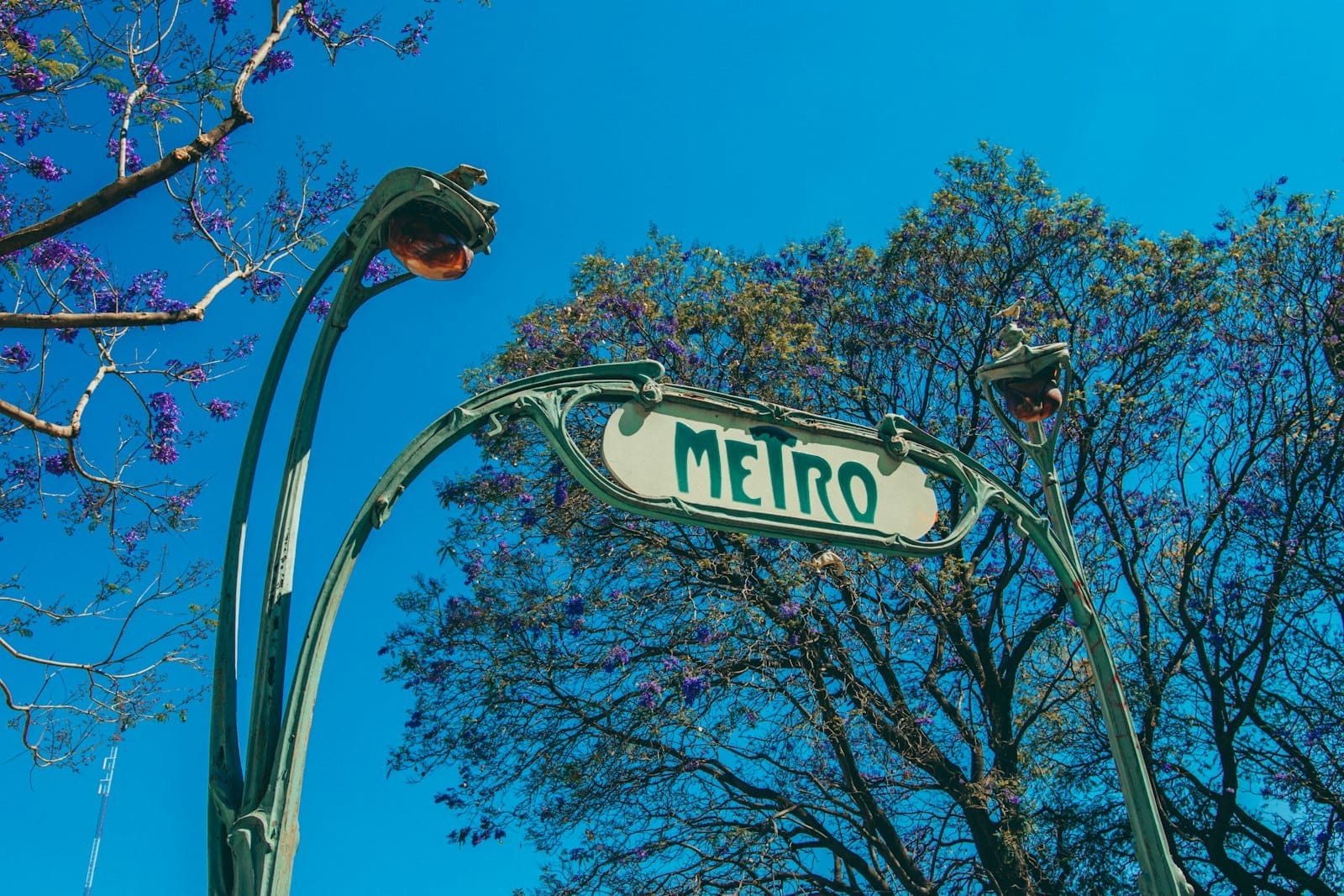
The Metro is cheap and extensive (12 lines, 195 stations), but it is extremely crowded during peak hours (7-9am and 5-8pm on weekdays) and not ideal with strollers or young children at those times. Off-peak metro travel is manageable and gives kids a genuine glimpse of how 9 million people navigate their city. Keep bags close and avoid holding phones visibly in crowded carriages.
Ride-hailing apps are the most practical option for families with luggage, strollers, or tired children. Uber and Didi both operate in Mexico City; request via app, confirm the plate number before getting in, and pay through the app to avoid fare disputes. Authorized airport taxis from official booths at Benito Juárez International Airport (IATA: MEX) are a reliable option on arrival, with fixed zone-based fares prepaid inside the terminal. Avoid unlicensed taxis at the airport.
⚠️ What to skip
Do not hail taxis from the street, particularly near tourist areas. Use ride-hailing apps or authorized radio taxis called through your hotel. This applies especially when traveling with children and luggage, when you are a more visible target for overcharging or worse. The official Mexico City government site (cdmx.gob.mx) publishes current transport guidance.
Families who plan to cover significant ground should read the complete guide to getting around Mexico City before arriving. The Metrobús BRT system on dedicated corridors is another solid option: cleaner and less crowded than the Metro, and useful for the Reforma corridor. The Tren Ligero connects Tasqueña (Metro Line 2) directly to Xochimilco, making that excursion easy to do without a car.
When to Visit: Seasons and School Holiday Crowds
Mexico City's subtropical highland climate means mild temperatures year-round (average highs of 20-27°C depending on the month), but the timing of your visit significantly affects the experience. The dry season runs roughly November to April, with January and February offering clear skies and mild daytime comfort for outdoor activities. The warmest months are March to May, before the rains arrive.
The rainy season (May to October) brings afternoon and evening thunderstorms, typically from around 3pm. This is not necessarily a dealbreaker: mornings are usually clear, you can plan outdoor activities before noon, and museums fill afternoons. The Chapultepec area and Xochimilco canals can flood or become muddy during heavy rain, and outdoor playground time becomes unreliable. Pack a light waterproof layer for every child if visiting in summer.
- Best months for families: February, March, October, and November offer the best balance of dry weather and manageable crowds.
- Avoid if possible: Semana Santa (Easter week) and much of July, when local families fill parks, museums, and canal boats.
- December has cooler temperatures (lows near 6-7°C at night) but festive atmosphere: the city puts on impressive Christmas decorations, particularly around the Zócalo and Reforma.
- Air quality: winter temperature inversions can cause worse air pollution on some days. Check CDMX air quality monitors (aire.cdmx.gob.mx) if any family member has respiratory sensitivities.
- Day of the Dead (late October to early November) is spectacular and family-friendly if you prepare children for the imagery in advance.
Practical Family Logistics: Food, Water, and Health
Tap water in Mexico City is not safe to drink directly. Stick to bottled or purified water throughout your stay. Hotels and most restaurants provide purified water, but carry a refillable bottle and ask specifically for agua purificada when ordering. This applies to children especially: stomach bugs from contaminated water or food hit kids harder and faster. Wash hands frequently and use hand sanitizer before street food stops.
Mexico City's street food scene is excellent, and most of it is safe when stalls are busy and food is cooked fresh. The Mexico City street food guide has detailed advice on what to eat and where. For families with picky eaters, the Mercado de San Juan in the Centro has international food stalls alongside traditional Mexican options. Mercado Roma in Roma Norte is more curated and upscale, useful if you want market atmosphere without navigating a large traditional market with young children.
Emergency services in Mexico use the unified number 911 (police, fire, ambulance) nationwide. Mexico City has well-equipped private hospitals in Polanco, Condesa, and Santa Fe. Travel insurance with medical evacuation coverage is strongly recommended for families with young children. Pharmacies (farmacias) are on almost every block and stock basics like oral rehydration salts, fever reducers, and antihistamines without a prescription.
✨ Pro tip
Bring any prescription medication in original packaging with a doctor's note. Mexico City pharmacies are excellent for over-the-counter needs, but obtaining specific prescription drugs can be complicated and time-consuming. Sunscreen is more expensive in Mexico than in the US or Europe, so bring adequate supply. At 2,240 m altitude, UV exposure is significantly higher than at sea level even on cloudy days.
FAQ
Is Mexico City safe for families with young children?
Mexico City is generally safe for families who stay in well-trafficked tourist and residential neighborhoods like Roma, Condesa, Polanco, and Coyoacán. Use ride-hailing apps instead of street taxis, stay aware of your surroundings in crowded areas, and follow current travel advisories from your government. The U.S. Department of State and equivalent agencies publish up-to-date safety information for Mexico City specifically.
What age is best for a trip to Mexico City with kids?
The city rewards a wide age range. Toddlers (2-5) love the zoo, paddle boats, and Papalote museum. Primary school children (6-12) get a lot from the pyramids at Teotihuacan, lucha libre, and Xochimilco canal rides. Teenagers tend to engage most with the food scene, street art in Roma, and the National Anthropology Museum. The altitude is the main concern for very young children; discuss with your pediatrician before traveling with infants.
How many days should I spend in Mexico City with kids?
Five to seven days is the practical minimum to see the key family highlights without feeling rushed. Three days covers Chapultepec (zoo, castle, Papalote), a Xochimilco afternoon, and a morning in the historic center. Add two more days for Teotihuacan and Coyoacán. Seven days allows for a Sunday Reforma Ciclovía, a lucha libre show, and proper neighborhood exploration. A 3-day itinerary is doable but will feel compressed.
Is the Chapultepec Zoo really free?
Yes, general zoo admission is free. There are optional paid extras: the butterfly pavilion costs around 45-50 MXN and the reptile house around 35 MXN for adults and 25 MXN for children aged 6-13 (under 5 free). Verify current prices at the official Zoológico de Chapultepec website (chapultepec.cdmx.gob.mx) before your visit, as fees are subject to change.
Can I take the Mexico City Metro with young children and a stroller?
Technically yes, but it requires judgment about timing. During off-peak hours (10am-4pm on weekdays), the Metro is manageable with a stroller. During rush hour it is dangerously crowded and impractical with young children or baby gear. Folding strollers are significantly easier than full-size ones. For families with multiple young children or heavy bags, ride-hailing apps are more practical and not dramatically more expensive for short trips.
Tickets & tours
Live prices and dates from our booking partner. If you book, we may earn a commission at no extra cost to you.
Planning a trip? Discover personalized activities with the Nomado app.