Mexico City Altitude: What Travellers Need to Know
At 2,240 metres (7,350 feet) above sea level, Mexico City is one of the highest major capitals in the world. This guide covers altitude sickness symptoms, acclimatisation strategies, climate effects, and common misconceptions so you can plan your trip with confidence.
Tickets & tours
Live prices and dates from our booking partner. If you book, we may earn a commission at no extra cost to you.
TL;DR
- Mexico City sits at approximately 2,240 m (7,350 ft) above sea level, high enough for some visitors to feel altitude effects within hours of arriving.
- Symptoms — headache, fatigue, shortness of breath, mild dizziness — are usually mild and pass within 24 to 48 hours with rest and hydration.
- Age and fitness level do not predict who will be affected; even experienced athletes can feel the elevation.
- The high altitude shapes the city's climate year-round: UV radiation is intense, temperatures are moderate, and the best time to visit depends partly on how you handle thin air and afternoon rainstorms.
- Serious altitude illness is rare at this elevation, but travellers with heart or respiratory conditions should consult a doctor before visiting.
How High Is Mexico City, Exactly?
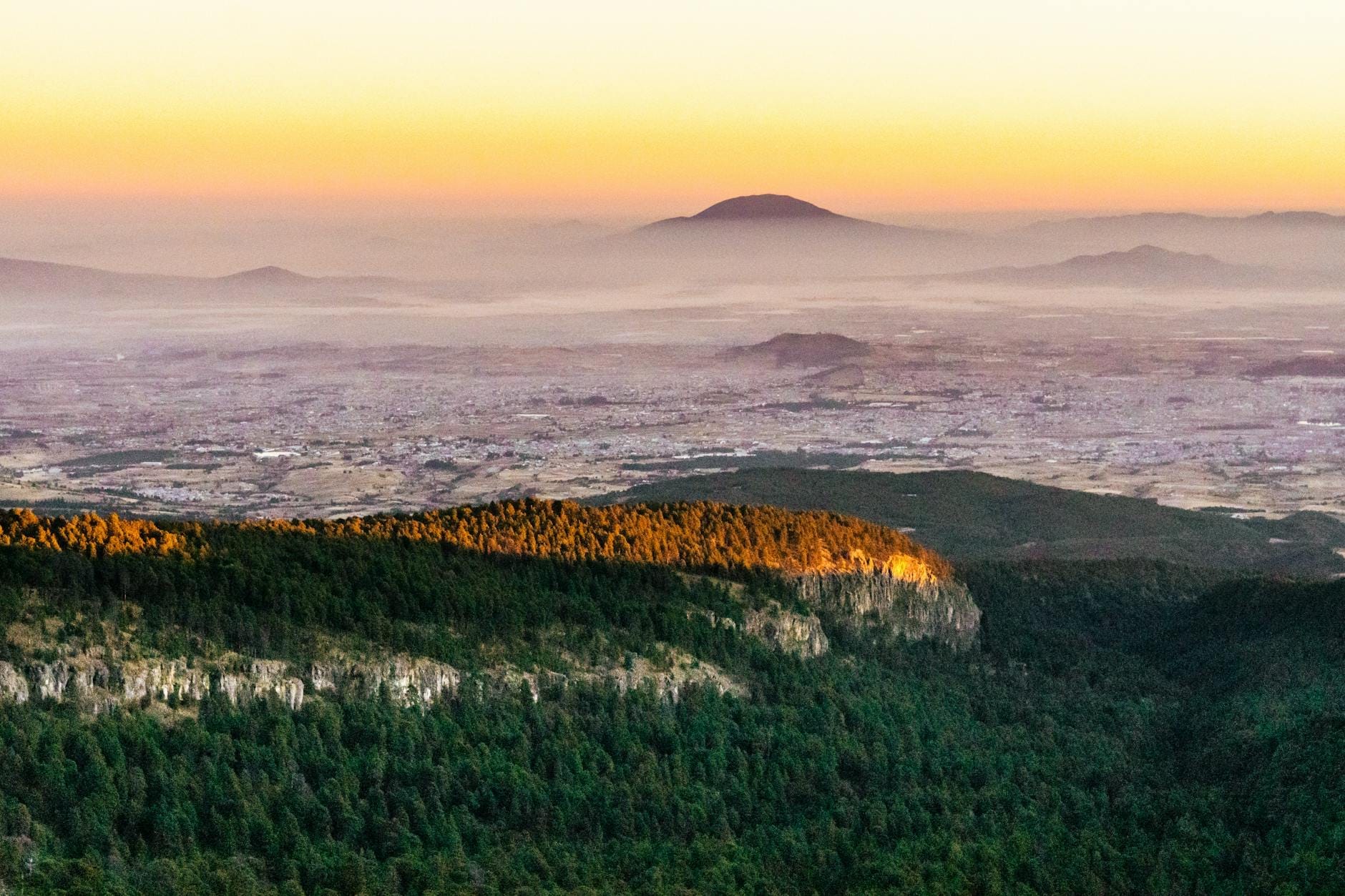
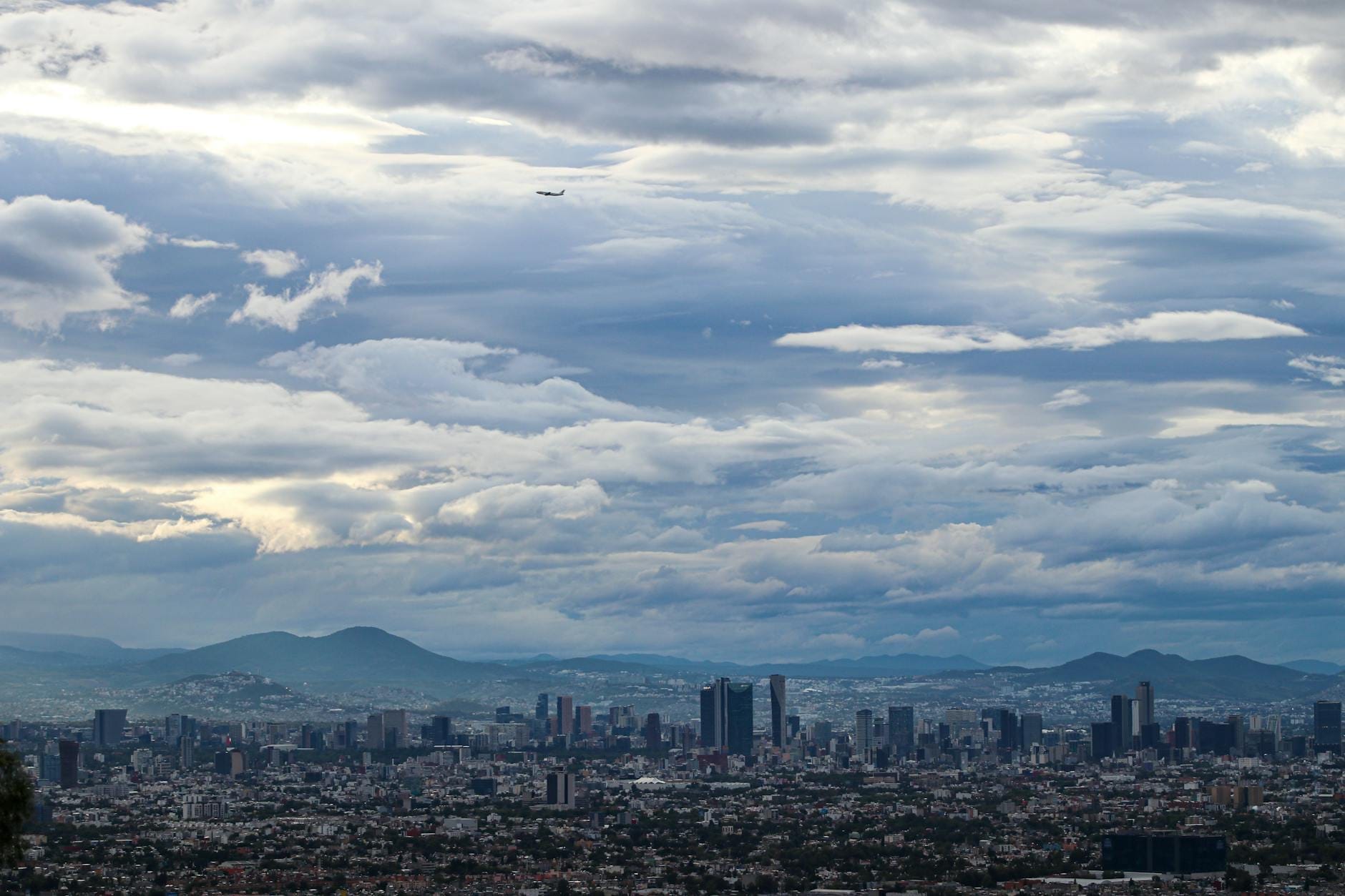
Mexico City (Ciudad de México, or CDMX) sits on the Valley of Mexico, a highland basin on the Mexican Central Plateau, at roughly 2,240 metres (7,350 feet) above sea level. To put that in perspective: Denver, Colorado is often called the 'Mile High City' at 1,609 m (5,280 ft). Mexico City is more than 600 metres higher than that. It is significantly higher than Madrid, London, Tokyo, or New York, and higher than most cities most international visitors have ever flown into.
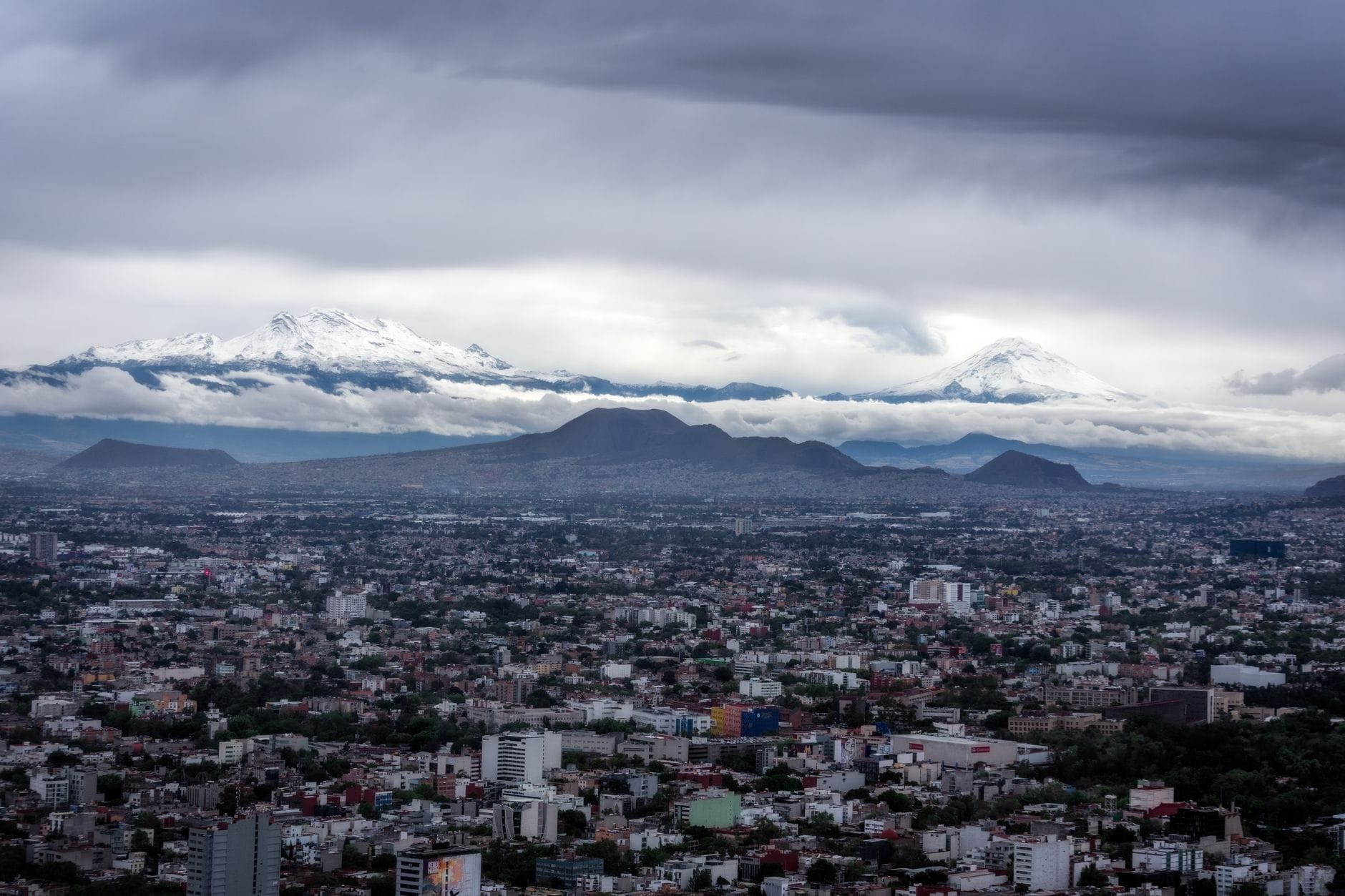
The elevation is not uniform across the metropolitan area. The Valley of Mexico is ringed by mountains and volcanoes, and some outer districts sit slightly higher or lower than the city centre. The figure of 2,240 m applies broadly to the urban core. Popocatépetl, one of the volcanoes visible on clear days from the city's southern neighbourhoods, rises to about 5,426 m — a reminder of just how dramatically elevated this entire region is.
ℹ️ Good to know
Mexico City's official altitude is approximately 2,240 m (7,350 ft). Altitude sickness can begin above about 2,400 m, and Mexico City is somewhat below that threshold, though mild symptoms can still occur here. The Mexico City Government explicitly describes it as a high-altitude location.
What Altitude Sickness Actually Feels Like Here
Altitude sickness — medically referred to as Acute Mountain Sickness (AMS) — occurs when the body doesn't receive enough oxygen due to lower atmospheric pressure at elevation. At 2,240 m, the air pressure is lower so there is less oxygen available per breath than at sea level, and your body needs time to compensate. Most visitors notice something within a few hours of landing, though the severity varies widely.
- Headache The most common symptom, often described as a dull pressure behind the eyes or across the forehead. It tends to be worse in the morning or after exertion.
- Shortness of breath You may feel slightly winded climbing stairs or walking at a normal pace, especially in the first day or two. This is normal and not a sign of a medical emergency in most cases.
- Fatigue and weakness The body is working harder to oxygenate the blood, which means energy levels can drop noticeably. Plan lighter itineraries for your first full day.
- Dizziness and mild nausea Less common but possible, particularly on arrival or after a poor night's sleep.
- Disrupted sleep Many visitors report waking more frequently or feeling less rested than usual. This is a documented effect of altitude and typically improves after a few nights.
- Loss of appetite Some travellers find they are not hungry, especially in the first 24 hours. Eating lightly and drinking plenty of water is the standard advice.
Symptoms are typically worst on the first and second day, then improve as acclimatisation begins. Full physiological adaptation — including increased red blood cell production — takes on the order of three months of continuous residence at altitude. For most tourists visiting for a week or two, the goal is simply to manage the initial adjustment period, not full acclimatisation.
⚠️ What to skip
If symptoms are severe, include chest tightness, confusion, or loss of coordination, or if a headache does not improve with rest and hydration, seek medical attention. These can be signs of more serious altitude-related conditions. For non-emergency medical guidance, the Mexico City Government's LOCATEL information line has an English-language option (press 6).
Who Gets Affected — and Who Doesn't
One of the most persistent myths about altitude sickness is that it primarily affects older, unfit, or sedentary travellers. The evidence, and Mexico City's own official guidance, says otherwise: age, sex, and physical fitness have essentially no bearing on whether you will experience symptoms. Professional athletes arriving from sea level can feel the altitude sharply. Fit young adults who run marathons regularly may struggle more than an older visitor who grew up at moderate elevation.
What does matter is your acclimatisation history and individual physiology. If you are flying in from a high-altitude city like Bogotá (2,600 m), La Paz (3,600 m), or even Quito (2,850 m), you may barely notice Mexico City's elevation. Travellers arriving directly from coastal or low-elevation cities — Miami, Houston, London, Tokyo — should expect at least some adjustment period. Previous visits to Mexico City are also a useful predictor: if you had symptoms last time, plan for them again.
People with pre-existing heart conditions, respiratory conditions like asthma or COPD, or anaemia should consult a doctor before visiting. The elevation itself is not generally a contraindication for travel, but these conditions can affect how the body responds to lower oxygen availability. This is a conversation worth having with a healthcare provider, not something to research online and self-diagnose.
Practical Acclimatisation Strategies That Work
The most effective strategy is also the least convenient: arrive a day early and do very little. If your Mexico City itinerary starts with an intense museum crawl and a late dinner in Roma on day one, consider pushing the heavy activity to day two. Your first 12 to 24 hours are best spent eating lightly, drinking water, and keeping physical exertion minimal.
- Drink around 2 litres of water per day — more if you are active. Dehydration worsens altitude symptoms significantly, and the dry highland air accelerates fluid loss.
- Avoid alcohol on the first day or two. Alcohol dehydrates you and can intensify headaches and dizziness at elevation.
- Skip heavy meals on arrival. Digestion uses oxygen, and a large meal can compound fatigue.
- Avoid strenuous exercise for the first 24 hours. Walking at a slow pace is fine; a long uphill hike or a vigorous gym session is not.
- Sleep at the lowest elevation available if possible — not relevant within Mexico City itself, but useful context if you are also planning trips to surrounding mountain areas.
- Over-the-counter pain relief (ibuprofen or paracetamol) can address altitude headaches. Aspirin is commonly recommended for altitude headaches specifically.
- Some travellers use acetazolamide (Diamox) preventatively, but this requires a prescription and a conversation with a doctor. It is not typically necessary for Mexico City's elevation.
✨ Pro tip
Coca-leaf tea (muña or similar herbal teas) is commonly sold in Andean countries as an altitude remedy, but you will not find it widely in Mexico City. Locally, some visitors and residents swear by staying well-hydrated and avoiding alcohol on day one. That combination, combined with rest, is the most evidence-supported approach at this elevation.
How Altitude Shapes Mexico City's Climate
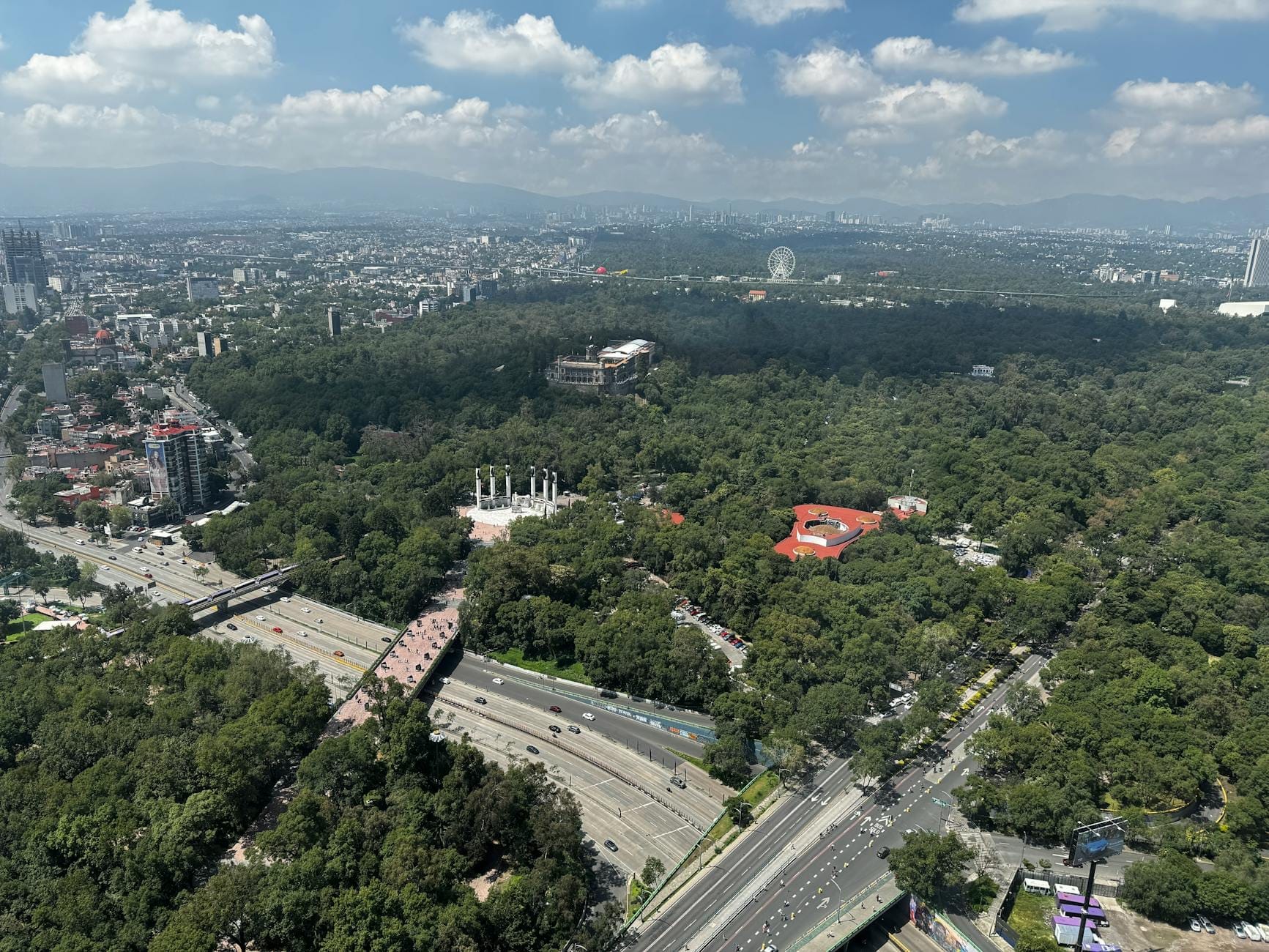
The altitude in Mexico City does more than thin the air — it fundamentally defines the city's climate. Despite sitting at roughly 19 degrees north latitude, which would normally produce tropical heat, the 2,240 m elevation keeps temperatures moderate year-round. The city has a subtropical highland climate (Köppen Cwb), which means warm, dry winters and mild summers with afternoon rain. The mean annual temperature is about 18°C (64°F), and extreme heat is rare.
The coldest months are December and January, with average lows around 6 to 7°C and highs of 20 to 21°C. The warmest period runs from March through May, with average highs around the mid‑20s°C (mid‑70s°F) before the rains arrive. This pre-rainy season warmth coincides with the dry season, making February to April a climatically comfortable window for most visitors. June through October brings afternoon thunderstorms that are usually short but intense, which affects outdoor plans but also clears the sky and cools the air.
One climate effect that surprises many visitors: UV radiation is significantly stronger at altitude. Even on overcast days, or in the pleasant 22°C weather of March, sunscreen is not optional. The thinner atmosphere filters less UV, and the deceptively mild temperatures mean you may not feel yourself burning. This is especially relevant if you are planning to spend time at Teotihuacán or other open-air archaeological sites near the city.
Winter air quality is another altitude-related factor. In the dry season, temperature inversions can trap pollution over the Valley of Mexico, creating smoggy conditions particularly in the city's northern and eastern zones. This is not a daily occurrence, but it is a documented seasonal pattern. If air quality is a concern for health reasons, monitoring the city's daily air quality index before outdoor activities is a reasonable precaution.
Planning Around Altitude: Practical Notes for Your Trip
If you are arriving at Mexico City International Airport (MEX, Benito Juárez International Airport) from a long-haul flight, you land at roughly 2,230 m (7,316 ft) — slightly below the city centre average of 2,240 m, but still high enough for altitude effects to begin immediately. Factor this into your first-day plans rather than assuming you will feel fine. For a full overview of arrival logistics, see the Mexico City airport guide.
If you are planning day trips outside the city, altitude context matters in both directions. The pyramids at Teotihuacán sit at roughly 2,300 m — slightly higher than the city centre — and the site involves significant walking on uneven stone in direct sun. Visiting in your first two days when you are still acclimatising is not ideal. Conversely, some day trips from Mexico City take you to lower elevations (the coast, Cuernavaca at ~1,500 m), where you may find yourself breathing more easily.
Accommodation choice can also be a minor factor. The city's southern neighbourhoods like Coyoacán and Xochimilco sit at roughly similar elevations to the centre. The key practical consideration is staying somewhere with reliable purified water access, since hydration is your primary tool for managing altitude effects. Tap water in Mexico City is not recommended for drinking regardless of altitude — bottled or purified water is the standard.
💡 Local tip
Alcohol hits harder at altitude. Many people report that a standard drink at 2,240 m feels stronger than at sea level, and dehydration from altitude can intensify its effects. This is relevant both for managing altitude symptoms and for pacing yourself on Mexico City's excellent mezcal scene.
FAQ
What is the altitude of Mexico City in feet and metres?
Mexico City sits at approximately 2,240 metres (7,350 feet) above sea level. This applies to the urban core; some outer districts vary slightly. For reference, it is about 630 metres higher than Denver, Colorado.
Will I get altitude sickness in Mexico City?
Many visitors experience mild symptoms: headache, fatigue, shortness of breath, or disrupted sleep in the first 24 to 48 hours. Severe altitude illness is rare at this elevation. Age and fitness do not reliably predict who will be affected. Rest, hydration, and avoiding alcohol on the first day significantly reduce symptoms for most people.
How long does it take to acclimatise to Mexico City's altitude?
Most visitors feel meaningfully better after 24 to 48 hours. Full physiological acclimatisation — including increased red blood cell production — takes around three months, which is not relevant for typical trips. For a one or two week stay, the goal is managing the first couple of days comfortably.
Does Mexico City's altitude affect alcohol consumption?
Yes. At high altitude, alcohol is absorbed more quickly and dehydration is accelerated. Drinks feel stronger than they would at sea level. This is worth factoring in, especially on your first evening in the city.
Is Mexico City altitude a problem for travellers with asthma or heart conditions?
It can be. The lower oxygen availability at 2,240 m can stress the cardiovascular and respiratory systems. Travellers with asthma, COPD, heart conditions, or anaemia should consult a doctor before the trip. The elevation does not make Mexico City off-limits for most people with these conditions, but preparation and awareness are important.
Tickets & tours
Live prices and dates from our booking partner. If you book, we may earn a commission at no extra cost to you.
Planning a trip? Discover personalized activities with the Nomado app.