Where to Stay in Mexico City: A Neighborhood-by-Neighborhood Guide
Mexico City (CDMX) is a metropolis of over 21 million people, and choosing the right neighborhood to stay in makes a genuine difference to your trip. This guide breaks down the best areas by budget, travel style, and transit access — with straightforward assessments of what each zone actually delivers.
Tickets & tours
Live prices and dates from our booking partner. If you book, we may earn a commission at no extra cost to you.
TL;DR
- Roma Norte and Condesa are the most practical bases for first-time visitors: central, walkable, and well-connected to the Metro.
- Polanco is where to find Mexico City luxury hotels — expect to pay US$250+ per night for top-tier properties near Chapultepec Park.
- Centro Histórico puts you on top of the main monuments but requires more street-awareness than other neighborhoods.
- The Metro (around MXN $5 per ride) makes it easy to stay in one neighborhood and reach sites like Chapultepec Park or Coyoacán without staying nearby.
- Budget travelers will find the best value in Roma Norte and Cuauhtémoc borough hostels, with private rooms from around US$35–60 per night.
- Skip Santa Fe and Felipe Ángeles Airport (NLU) area hotels unless you have a specific business reason — they are far from everything tourists want to see.
How to Think About Where to Stay in Mexico City
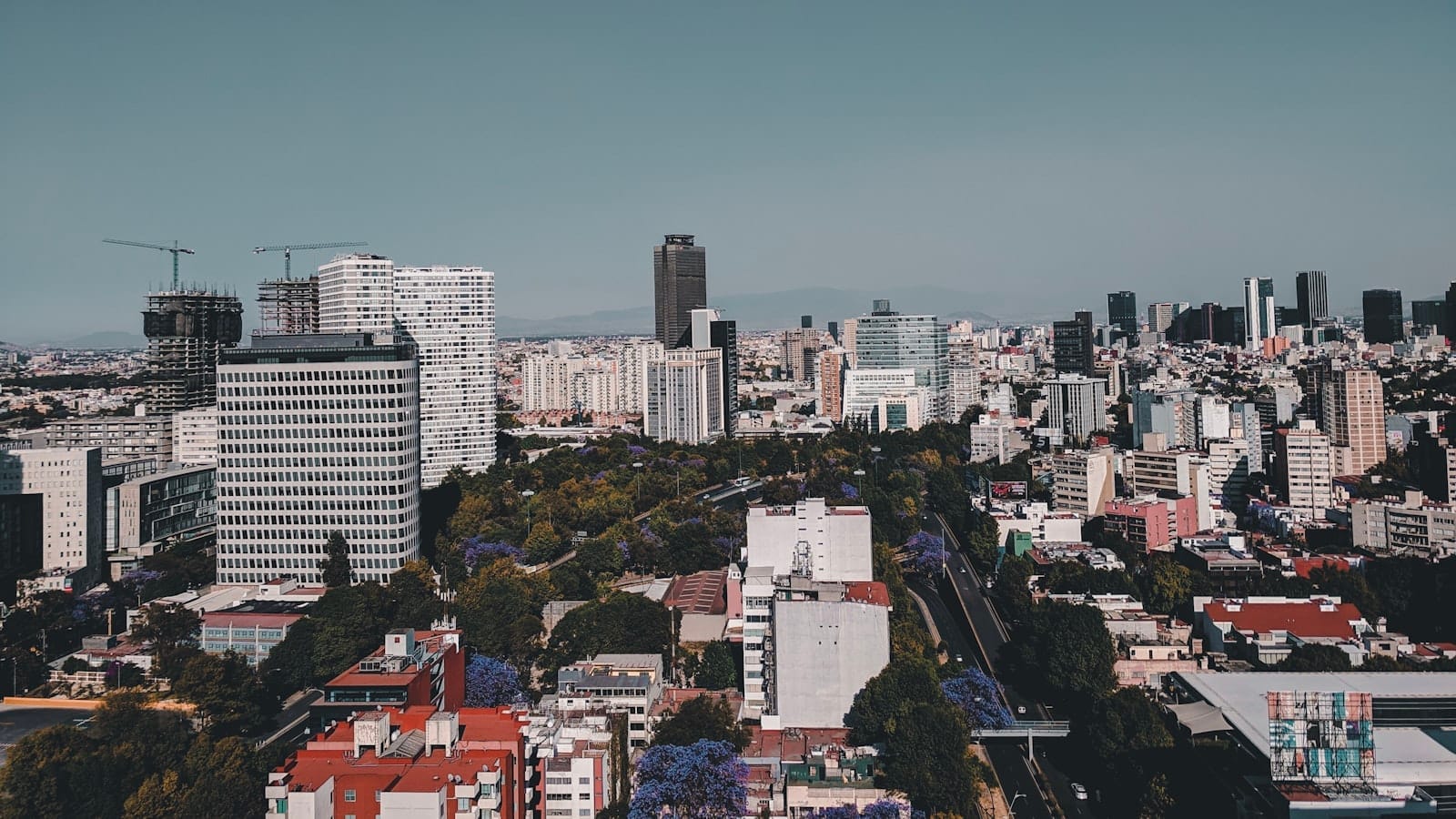
Mexico City covers 1,495 km² and its metro area holds about 21.8 million people. Saying you're staying 'in Mexico City' is like saying you're staying 'in London' without specifying whether that means Mayfair or Croydon. The neighborhood you pick determines how much time you spend commuting, how safe and walkable your evenings are, and often the type of food and nightlife within reach.
The city is divided into 16 boroughs (alcaldías), but most international visitors concentrate in a handful of colonias (neighborhoods) within Cuauhtémoc borough and the nearby Miguel Hidalgo borough. These central areas are well-served by the Metro's 12 lines and 195 stations, and by ride-hailing apps including Uber, DiDi, and Cabify. The city also runs a Hoy No Circula vehicle restriction program on weekdays, which matters if you plan to rent a car — another reason to prioritize transit-connected neighborhoods.
ℹ️ Good to know
Mexico City sits at about 2,240 meters (about 7,350 ft) above sea level. Temperatures stay mild year-round — average highs of 20–27°C — so air conditioning is rarely critical. Many boutique hotels in older buildings use natural ventilation. If you need guaranteed AC, confirm it when booking.
Roma Norte and Condesa: The Best All-Around Base
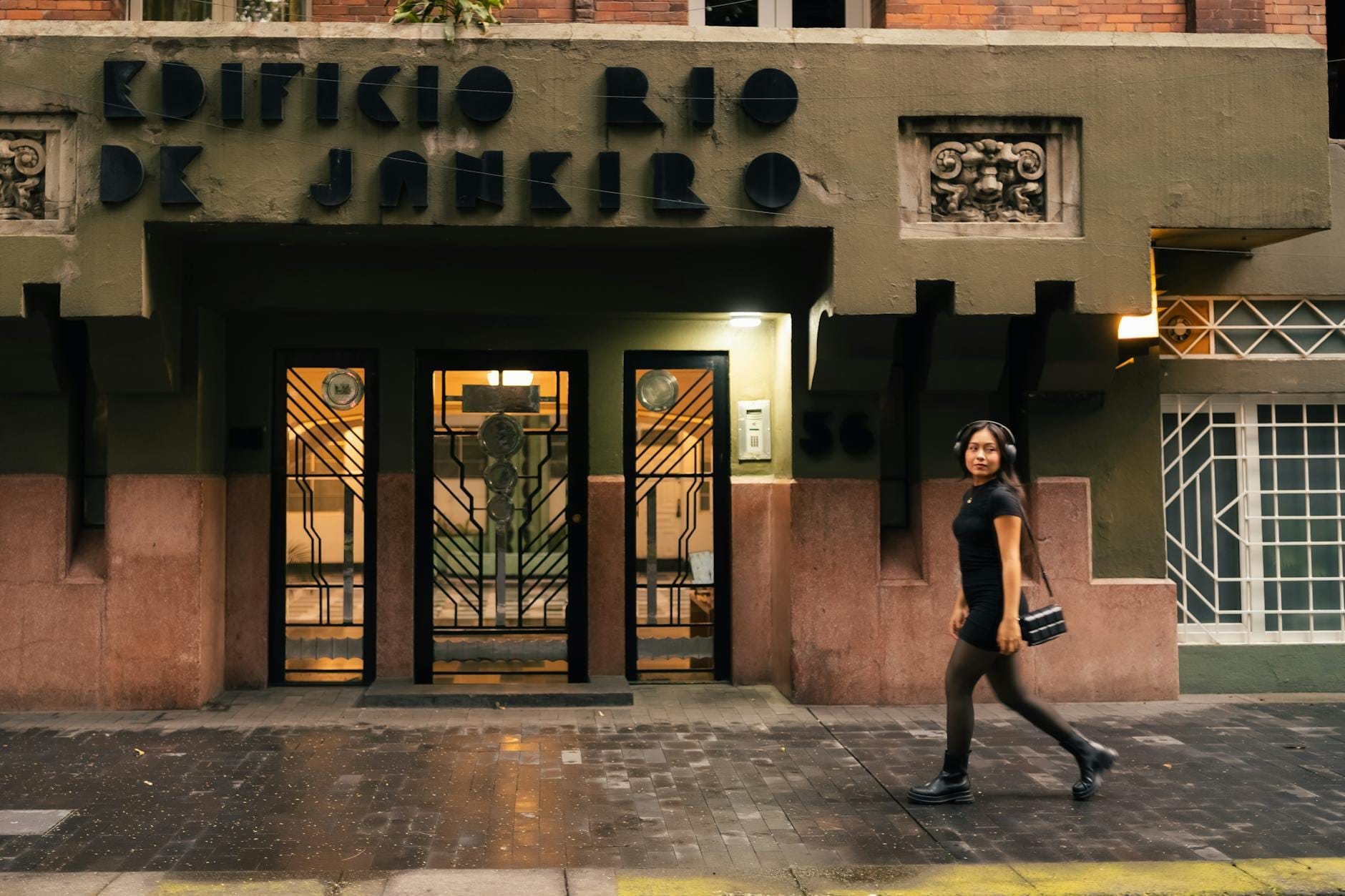
For most visitors, Roma Norte and Condesa represent the sweet spot of walkability, dining, safety, and transport access. Roma Norte (part of Colonia Roma) is designated a Barrio Mágico Turístico and is packed with art deco and Porfirian-era buildings, independent restaurants, mezcal bars, and galleries. Condesa sits immediately to the west and wraps around two of the city's best parks: Parque México and Parque España.
Both neighborhoods are in Cuauhtémoc borough and are served by multiple Metro lines (Lines 1, 2, and 3 run within walking distance of much of the area). Mid-range hotels here typically cost US$80–180 per night for a standard double. Boutique hotels and design guesthouses dominate the market — you're less likely to find large international chains here, which for many travelers is exactly the point.
The rainy season runs June through September, with afternoon showers becoming routine by July and August. In Condesa and Roma, the tree-lined streets and covered terrace dining make this more of a mild inconvenience than a dealbreaker. The dry season from November through April is generally easier for walking around, though December and January bring occasional cool evenings where a jacket is useful.
- Best for First-time visitors, food travelers, digital nomads, couples
- Price range US$80–180/night (mid-range); budget hostels from US$35–60 for private rooms
- Metro access Lines 1, 2, 3 within walking distance; Insurgentes station on Metrobús Line 1
- Honest drawback Street parking and car access can be frustrating; weekends get loud near the bar strips on Álvaro Obregón and Amsterdam
Polanco: Where to Find Mexico City Luxury Hotels

Polanco is Mexico City's most concentrated luxury district. Located in Miguel Hidalgo borough, it lines up along Avenida Presidente Masaryk, where you'll find flagship stores from every major European fashion house alongside embassies, steakhouses, and some of the city's top-rated restaurants. The Museo Soumaya and Museo Jumex are both within the neighborhood.
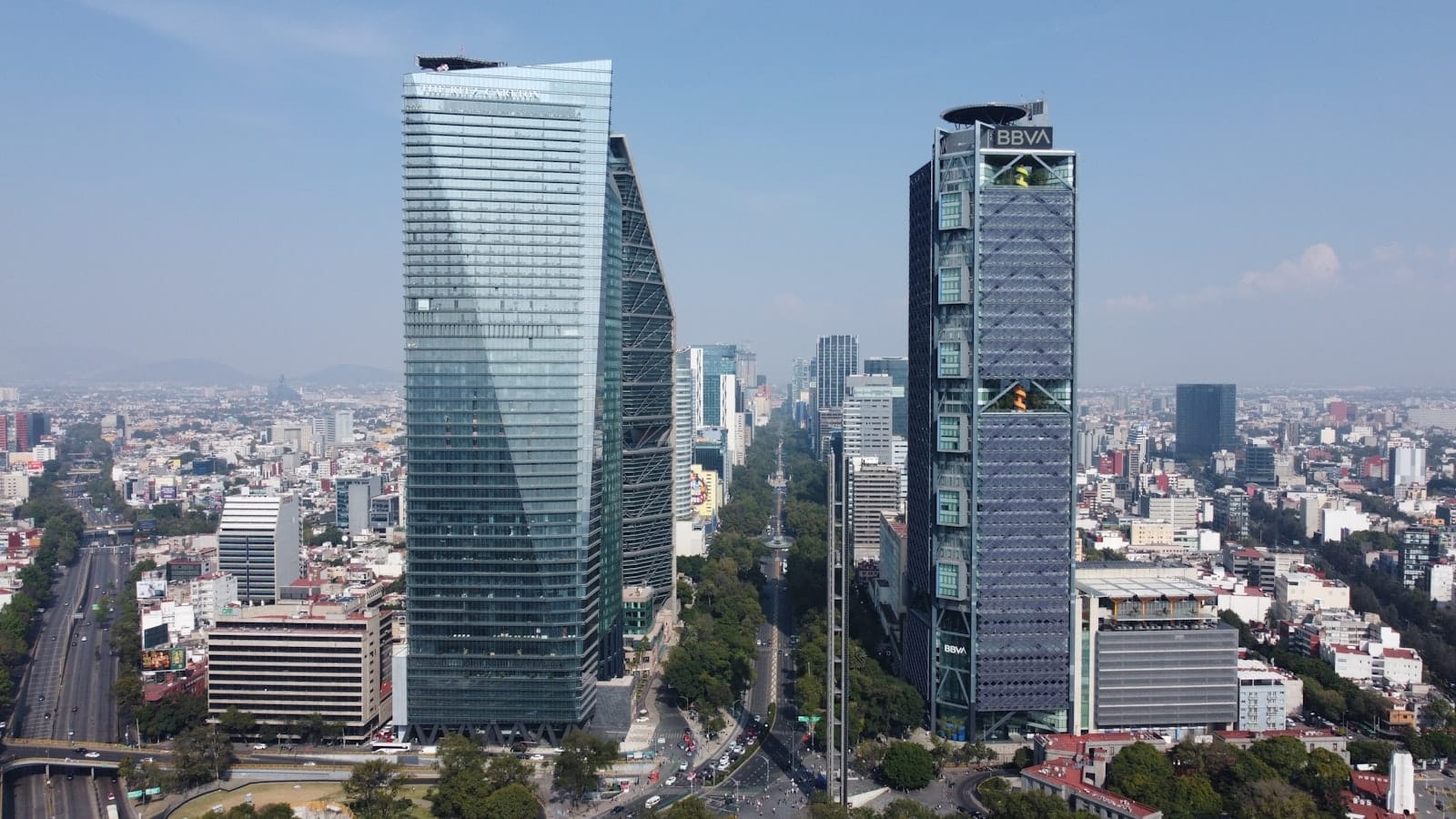
Luxury hotels in Polanco — including well-known international properties like the Ritz-Carlton Mexico City and other five-star options and several five-star boutique options — regularly run US$250–500+ per night. Polanco is also one of the city's cleanest and most heavily policed neighborhoods. It borders Bosque de Chapultepec, giving guests direct access to the park on foot. For anyone focused on a high-end stay with good dining and cultural access, it's hard to argue against this area.
The trade-off is price and atmosphere. Polanco can feel sterile compared to Roma or Condesa — it's more Manhattan than bohemian. The Metro (Line 7, Polanco and Auditorio stations) is less central to the neighborhood's footprint than in other areas, so many visitors end up using ride-hailing apps more frequently. If you're combining a luxury base with serious sightseeing, factor that into your per-day transport budget.
Centro Histórico: Maximum History, Real Trade-Offs
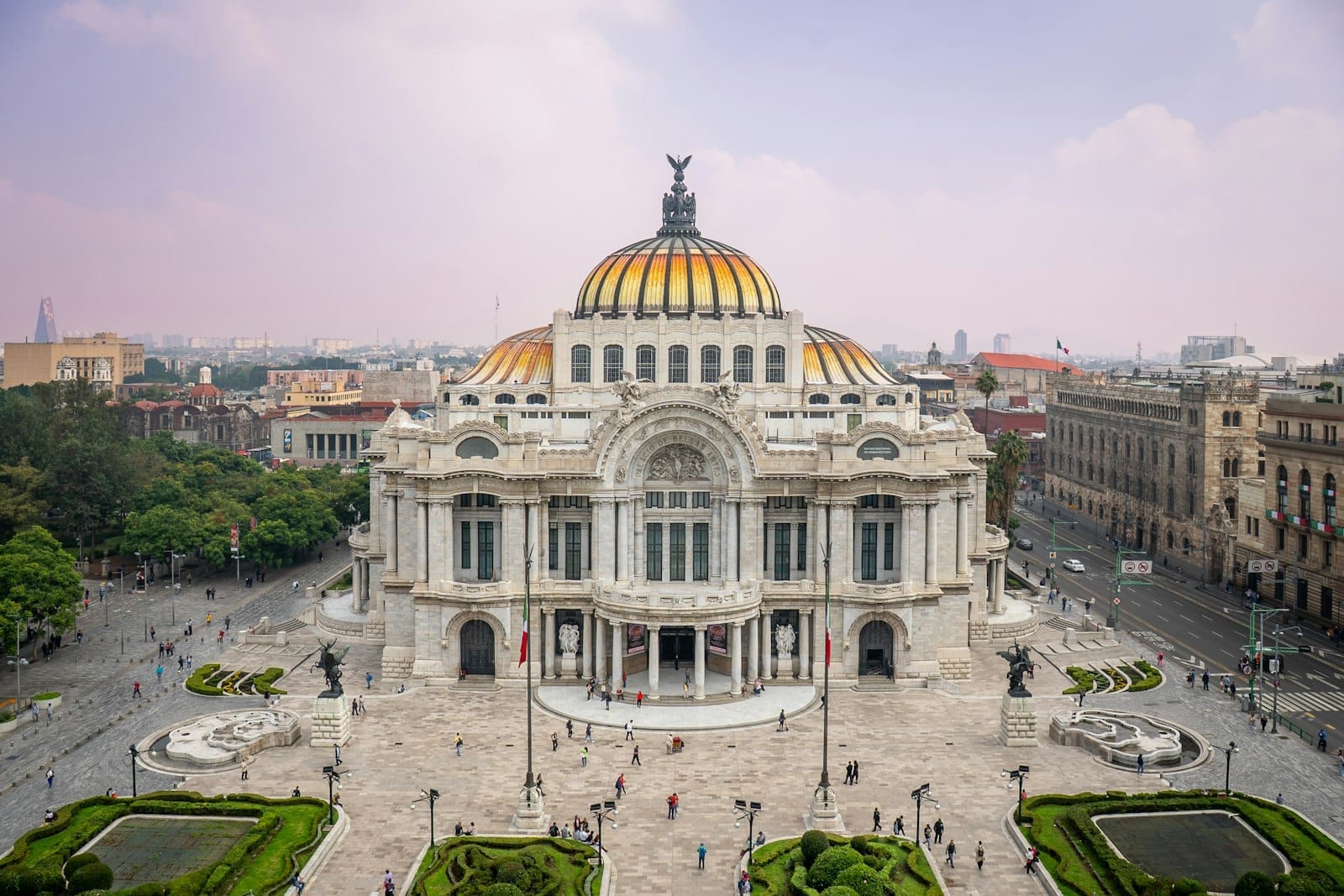
Staying in the Centro Histórico puts you within walking distance of the Zócalo, the Templo Mayor, the Palacio de Bellas Artes, and the Metropolitan Cathedral. For history and architecture, no other neighborhood competes.
Hotels here range from budget guesthouses in colonial buildings (US$40–80) to high-end stays at landmark properties. The Gran Hotel Ciudad de México, directly on the Zócalo, is one of the city's most recognizable hotels — its Art Nouveau atrium is especially spectacular — and prices reflect that. Boutique options on streets like Madero and 5 de Mayo offer good value for atmosphere.
⚠️ What to skip
Parts of Centro Histórico quiet down significantly after dark, particularly on weekdays. Some blocks west and north of the Zócalo see more street activity that warrants the same awareness you'd apply in any dense urban core at night. This doesn't make it off-limits — millions of people live and work here — but solo travelers or those unfamiliar with Latin American cities should stick to well-lit main streets after 10pm and use ride-hailing apps rather than flagging down taxis.
Centro is also noisier and more chaotic during the day than Polanco or Roma. Traffic, street vendors, demonstrations (the Zócalo hosts frequent political gatherings), and general density make it feel overwhelming for some visitors. For others, that's exactly the appeal. Know which type of traveler you are before booking here.
Other Neighborhoods Worth Considering
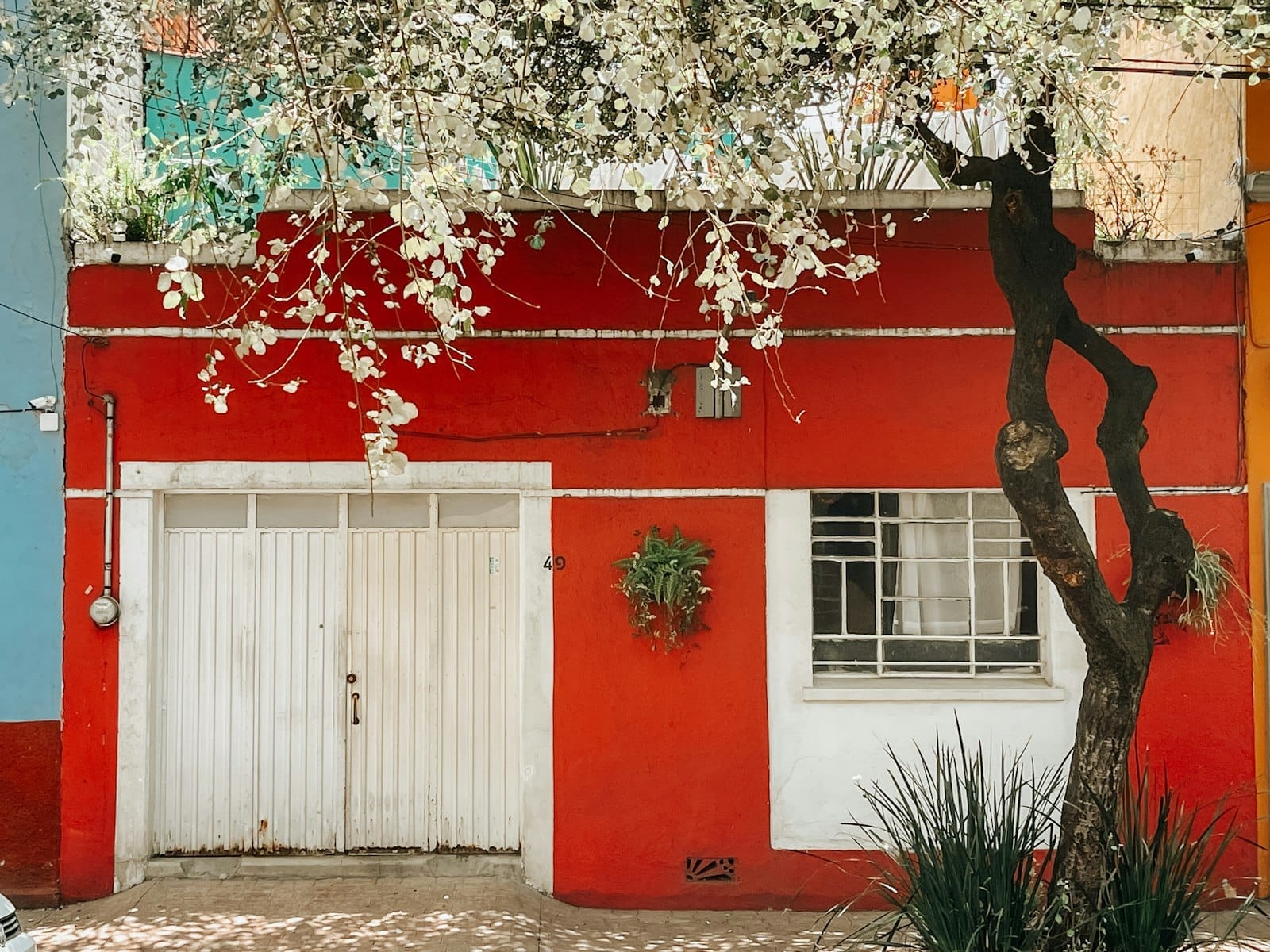
Beyond the main three zones, a few other neighborhoods work well depending on your priorities.
- Reforma / Colonia Juárez The stretch along Paseo de la Reforma between Centro and Polanco has several major business hotels and is well-connected by Metro (Lines 1 and 7). Colonia Juárez, immediately south, has become increasingly popular with boutique hotels and restaurants. Good option for business travelers or those who want something between Centro and Roma.
- Zona Rosa Part of Colonia Juárez, historically known for nightlife and LGBTQ+ venues. Hotels here tend to be affordable and central. Less curated than Roma but lively and convenient.
- Coyoacán The cobblestone colonial center in the south of the city is charming, but it's not close to most other attractions. Staying here makes sense if Frida Kahlo's Casa Azul and the local market are your main focus — otherwise, day-trip from a more central base.
- San Ángel Similar to Coyoacán in character: historic, pretty, and fairly removed from the center. Most useful if you're attending the famous Saturday artisan market or have business at UNAM.
- Santa Fe Major business and corporate district in the far west. High-end business hotels, massive malls, no cultural life for tourists. Genuinely inconvenient to reach from the city center without a car or lengthy commute. Avoid unless your work requires it.
✨ Pro tip
If your itinerary includes day trips to Teotihuacán or the Basílica de Guadalupe, staying in Centro Histórico or northern Cuauhtémoc saves meaningful time. Both sites are accessed from the north of the city, and hotels in Roma or Polanco can add around 20–40 minutes each way to those excursions.
Practical Booking Advice: Prices, Platforms, and Timing
Mexico City is a year-round destination with no single 'off-season' that dramatically reduces prices. That said, shoulder periods — late January through February and September through early October — tend to have slightly better availability and rates than the Christmas/New Year holiday period or the Semana Santa (Holy Week) rush in March or April.
Booking.com and Expedia both have strong inventory for Mexico City. Airbnb is popular in Roma and Condesa for weekly stays, particularly among digital nomads looking for apartment-style accommodation. For luxury properties, booking directly with the hotel often unlocks better rates or room upgrades, especially at smaller boutique hotels.
Budget breakdown by category: dorm beds in central hostels run US$15–30 per night; private rooms in budget guesthouses around US$35–60; mid-range hotels US$80–180; upper-mid boutique hotels US$180–250; luxury and five-star properties US$250 and above, with some Polanco and Reforma properties exceeding US$500 during peak dates. All prices are in USD for reference; hotels charge in Mexican pesos (MXN) and rates fluctuate with the exchange rate.
- Book at least 2–3 weeks in advance during Semana Santa (March/April), Día de Muertos (late October/early November), and the December holiday period
- Confirm whether your hotel is on the Metro network before booking — not all 'central' neighborhoods are equally connected
- Ask about included breakfast: some mid-range hotels include it, which meaningfully affects the value calculation
- Verify that your room has windows (not just interior-facing) — some older downtown hotels have internal rooms with no natural light
- Check cancellation policies carefully: many affordable rates in CDMX are non-refundable
For context on how neighborhoods relate to specific attractions and activities, the 3-day Mexico City itinerary maps out a logical routing that works from a Roma or Condesa base. And if budget is a primary concern, the Mexico City on a budget guide covers accommodation alongside food, transport, and free activities.
💡 Local tip
Don't drink tap water in Mexico City — this applies to hotels too. Most hotels provide purified water dispensers or bottled water, but confirm on arrival. Stick to purified or bottled water for drinking and brushing teeth.
FAQ
What is the best neighborhood to stay in Mexico City for first-time visitors?
Roma Norte or Condesa. Both neighborhoods are walkable, safe for tourists using normal city awareness, well-connected by Metro and Metrobús, and have excellent restaurants and cafés. They sit centrally enough to reach most major attractions in 20–40 minutes by Metro or ride-hailing app.
Is it safe to stay in Centro Histórico in Mexico City?
Yes, with the same awareness you'd apply in any dense urban center. The main streets around the Zócalo, Calle Madero, and Bellas Artes are well-traveled and busy throughout the day. At night, stick to main streets and use Uber or DiDi rather than flagging down street taxis. Some quieter blocks north and west of the main square require more caution after dark.
How much do hotels in Mexico City cost per night?
Budget private rooms start around US$35–60 per night in central neighborhoods. Mid-range hotels in Roma, Condesa, or Centro typically run US$80–180. Luxury hotels in Polanco and along Paseo de la Reforma generally start at US$250 and can exceed US$500 per night at top properties. All prices vary with season and exchange rates.
Should I stay in Polanco or Roma in Mexico City?
Polanco if luxury, upscale dining, and proximity to Chapultepec Park and major art museums are your priorities — and you're comfortable spending US$250+ per night. Roma if you want a more atmospheric, walkable neighborhood with excellent mid-range restaurants, independent bars, and boutique hotels at US$80–180. Roma is also better value for money.
Is it worth staying near Teotihuacán or should I day trip from Mexico City?
Day trip. There is limited quality accommodation near the Teotihuacán archaeological site, and staying in central Mexico City gives you far better access to everything else. From a central base, the site is typically a 1–1.5 hour journey each way by bus or tour. An early start is all you need — overnight stays near the pyramids are rarely worth it unless you have specific reasons.
Tickets & tours
Live prices and dates from our booking partner. If you book, we may earn a commission at no extra cost to you.
Planning a trip? Discover personalized activities with the Nomado app.