Mexico City Pyramids: Every Archaeological Site Worth Visiting
Mexico City sits atop one of the ancient world's great civilizations. This guide covers every pyramid and archaeological site worth your time, from the colossal monuments at Teotihuacán to the Aztec ruins buried beneath the modern city center.
Tickets & tours
Live prices and dates from our booking partner. If you book, we may earn a commission at no extra cost to you.
Few cities on earth let you walk through 2,000 years of human history without leaving the urban grid. Mexico City's archaeological sites range from the grandest pre-Columbian metropolis in the Americas to a circular pyramid swallowed by volcanic lava, to Aztec temple ruins discovered beneath a city block in 1978. Whether you have one day or a week, this guide covers every site worth your time, rated honestly so you can plan around your interests and energy levels. For help planning your days, see our 3-day Mexico City itinerary. If you want to pair your archaeological visits with world-class museum collections, the best museums in Mexico City guide covers the Museo Nacional de Antropología and beyond. And if you're planning a day trip to Teotihuacán, the dedicated Teotihuacán day trip guide has everything you need on transport, timing, and what to expect on site.
ℹ️ Good to know
Climbing the Pyramid of the Sun and Pyramid of the Moon at Teotihuacán is no longer permitted as of recent conservation policy changes. Views of the site are from ground level and designated platforms. Always verify current rules before visiting.
Teotihuacán: The Main Event
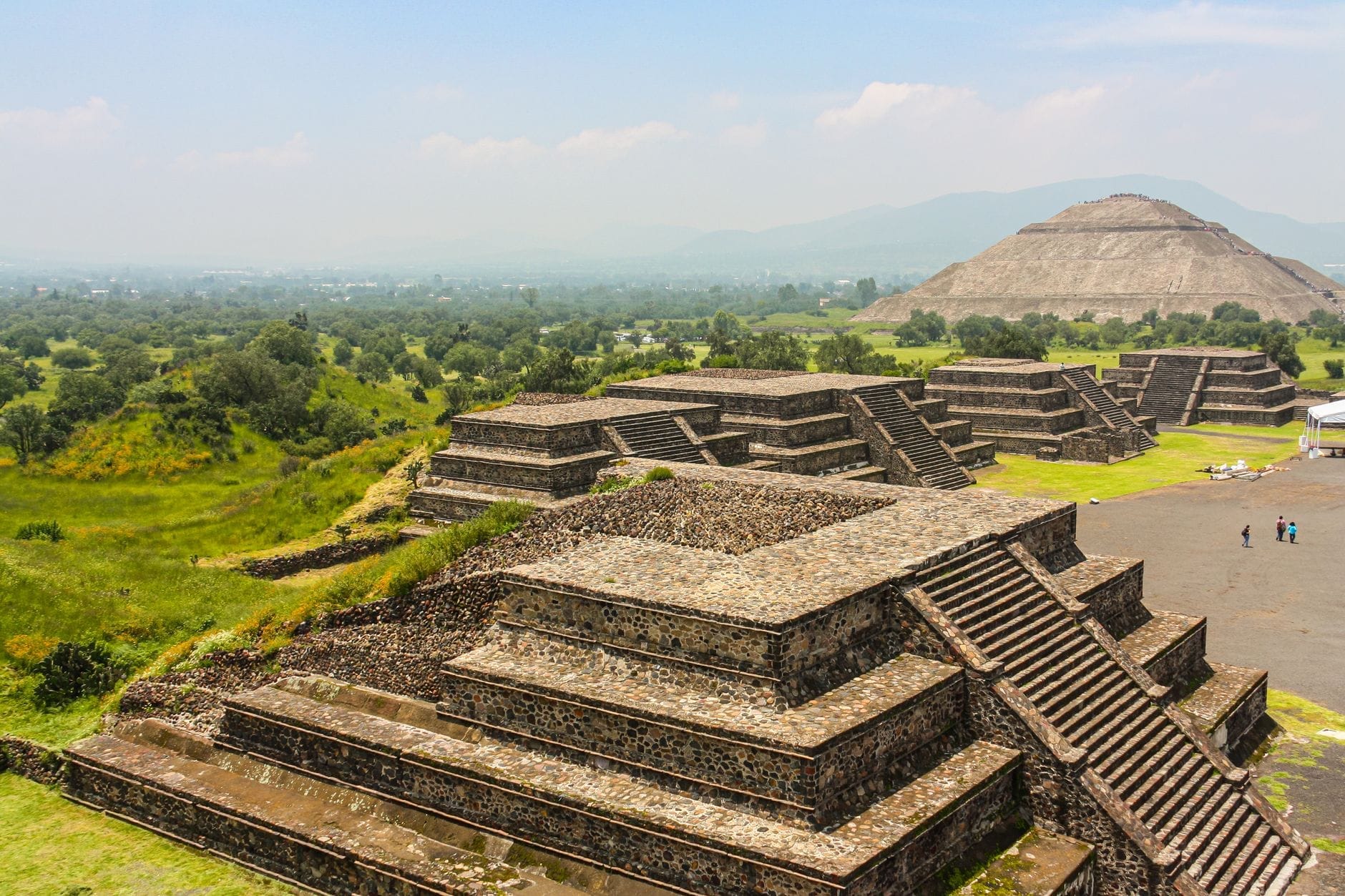
Teotihuacán is not just the best archaeological site near Mexico City — it is one of the most important ancient cities ever built anywhere on earth. Plan at least four hours on site, wear serious sun protection (there is almost no shade), and arrive early. The Chapultepec and Polanco area makes a good base before an early departure, with frequent buses from Terminal del Norte.
1. Walk the Avenue of the Dead at Teotihuacán
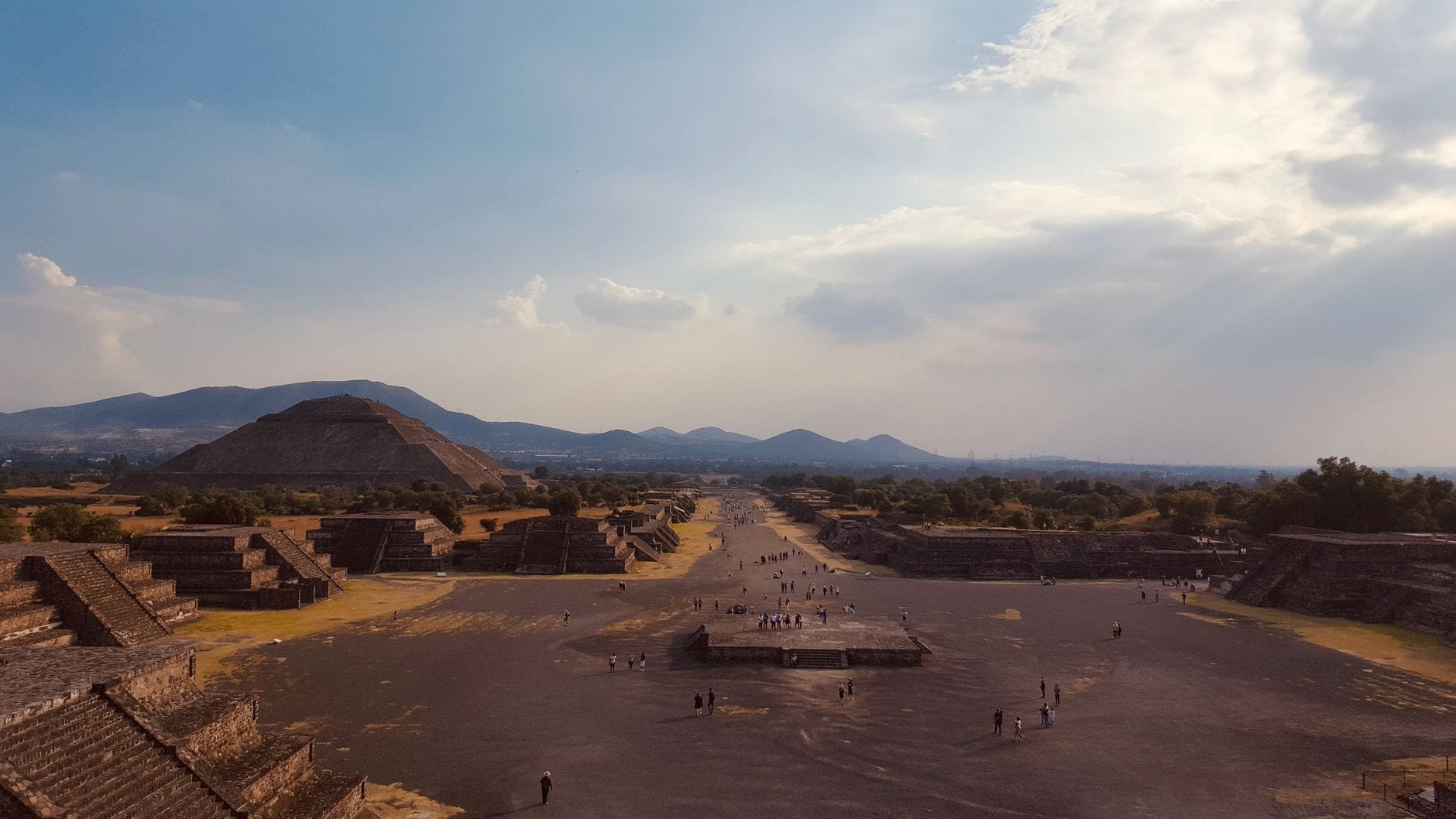
The ancient city 50 km northeast of Mexico City covers several square kilometers. The Avenue of the Dead connects its major monuments, and admission includes two on-site museums. Go early on weekdays to beat crowds and midday heat.
Explore1. Walk the Avenue of the Dead at Teotihuacán
The ancient city 50 km northeast of Mexico City covers several square kilometers. The Avenue of the Dead connects its major monuments, and admission includes two on-site museums. Go early on weekdays to beat crowds and midday heat.
Explore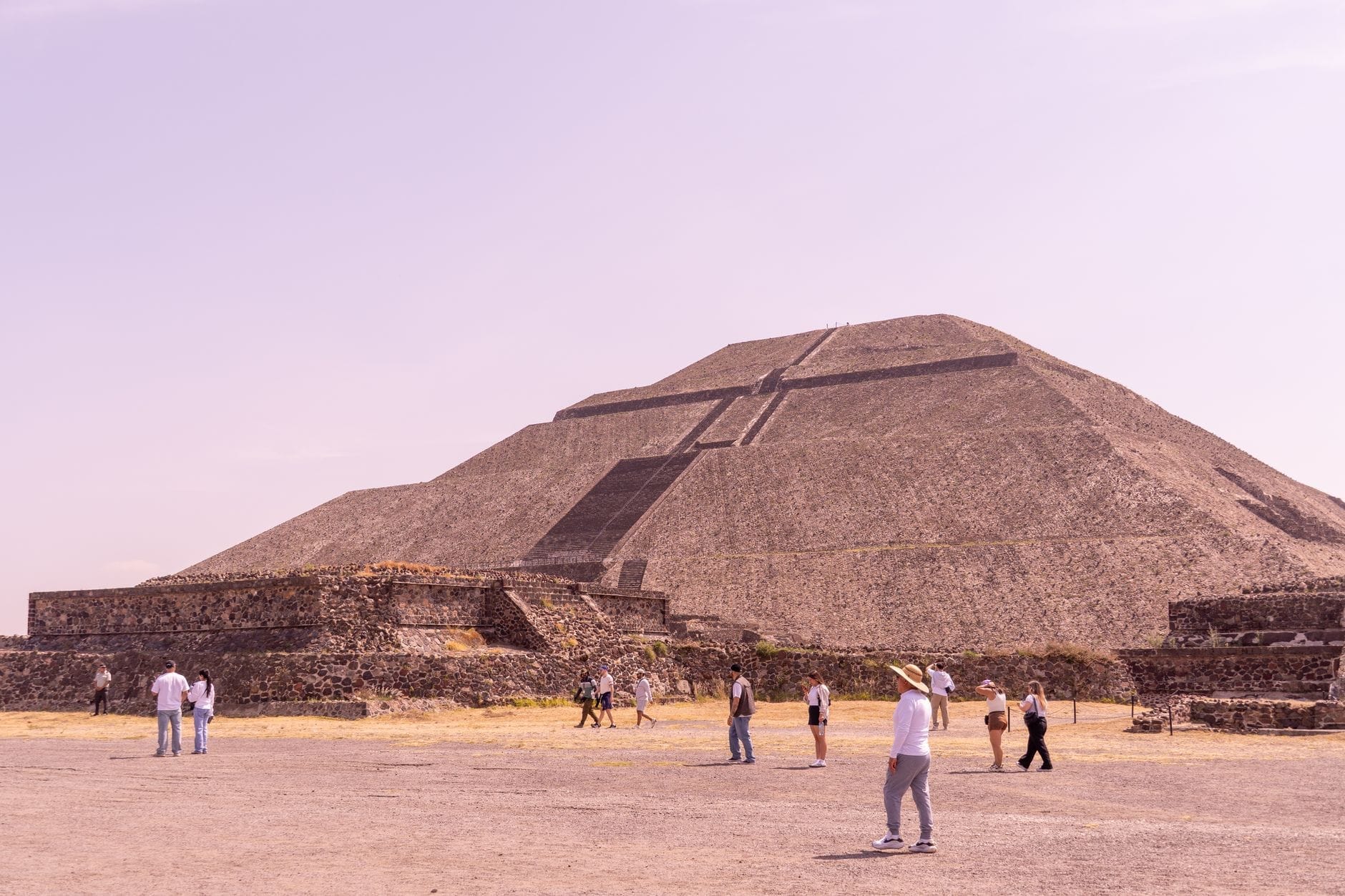
2. Stand at the Base of the World's Third-Largest Pyramid
The Pyramid of the Sun rises 65 metres above the Avenue of the Dead and is the visual centerpiece of Teotihuacán. Climbing is no longer allowed, but its sheer mass is overwhelming from ground level. Early morning light is best for photos.
Explore2. Stand at the Base of the World's Third-Largest Pyramid
The Pyramid of the Sun rises 65 metres above the Avenue of the Dead and is the visual centerpiece of Teotihuacán. Climbing is no longer allowed, but its sheer mass is overwhelming from ground level. Early morning light is best for photos.
Explore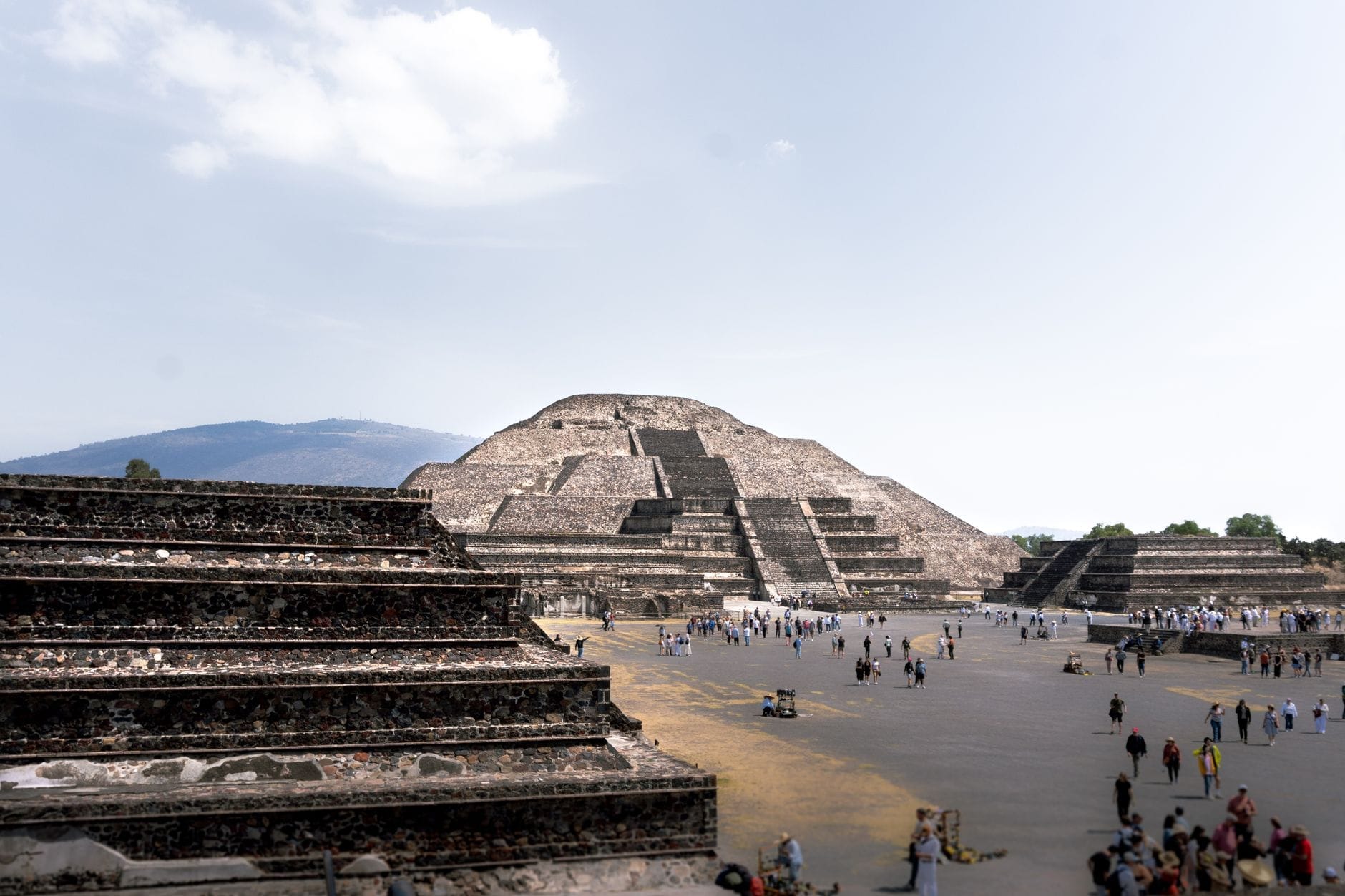
3. See the Full Site from the Pyramid of the Moon's Platform
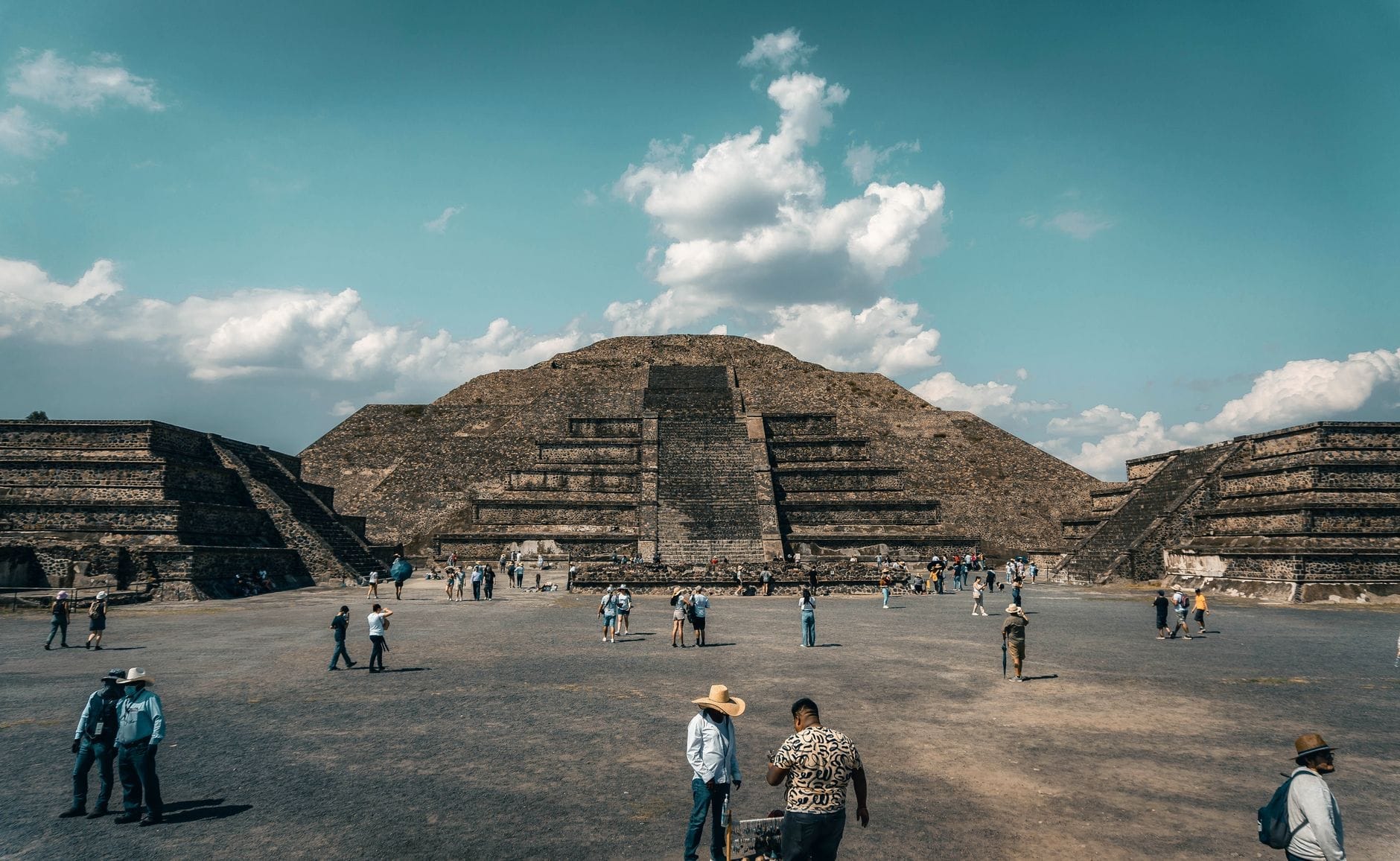
Positioned at the northern end of the Avenue of the Dead, the Pyramid of the Moon offers the best axial view of the entire complex from its designated viewing platform. Slightly smaller than the Sun pyramid, it feels more intimate and less crowded.
Explore3. See the Full Site from the Pyramid of the Moon's Platform
Positioned at the northern end of the Avenue of the Dead, the Pyramid of the Moon offers the best axial view of the entire complex from its designated viewing platform. Slightly smaller than the Sun pyramid, it feels more intimate and less crowded.
ExploreArchaeological Sites Inside Mexico City
You don't need to leave the city to walk through ancient history. The Centro Histórico sits directly on top of the Aztec capital Tenochtitlán, and excavations are ongoing. Meanwhile, the south of the city preserves one of the oldest urban centers in all of Mesoamerica, partially buried under a lava field. These sites are easily combined with other sightseeing and don't require a full-day commitment.
4. Explore the Ruins of the Great Aztec Temple at Templo Mayor
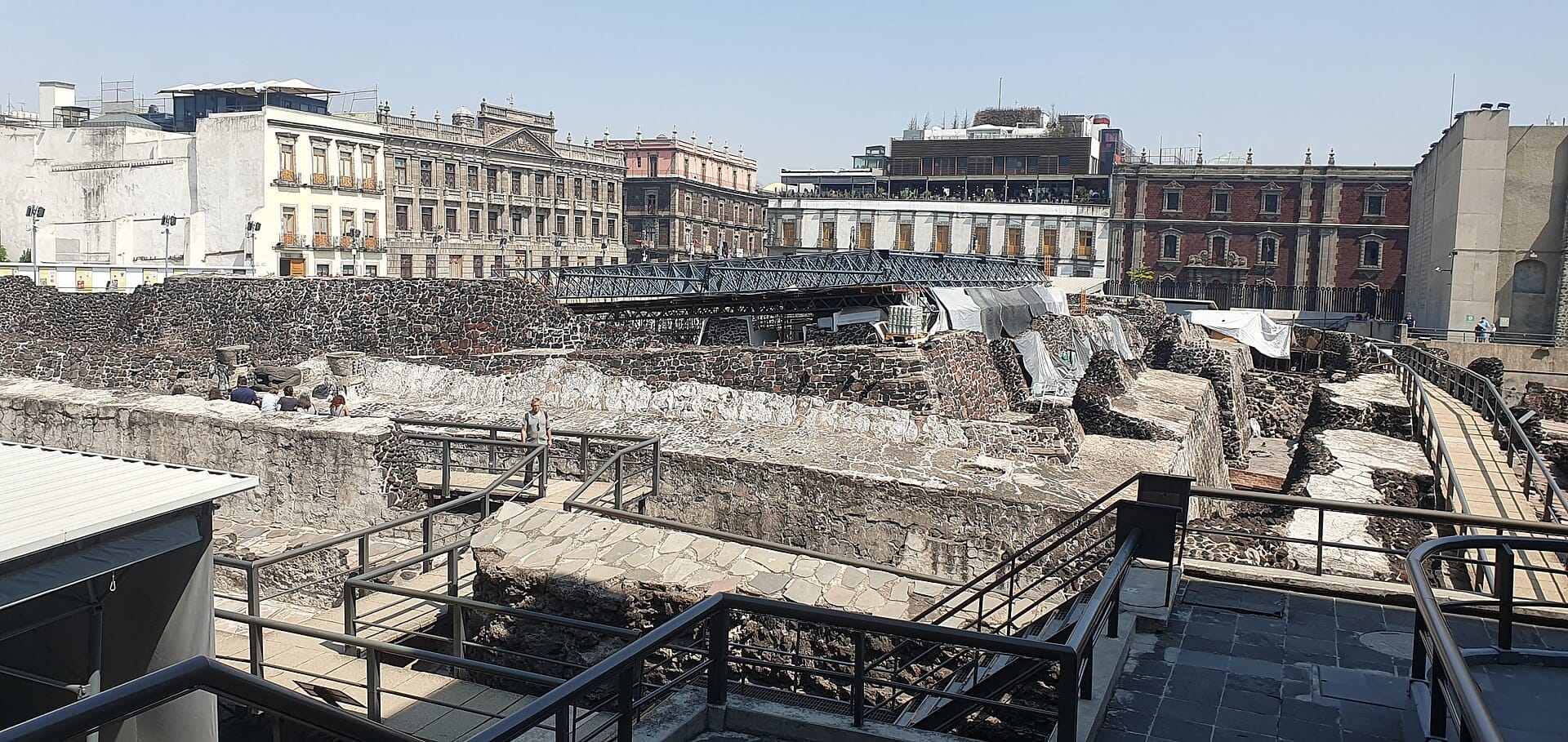
Discovered in 1978 during electrical works in the Centro Histórico, Templo Mayor is the excavated heart of Tenochtitlán. The ruins are vast, and the adjacent museum houses thousands of artefacts. Budget two hours minimum for site and museum together.
Explore4. Explore the Ruins of the Great Aztec Temple at Templo Mayor
Discovered in 1978 during electrical works in the Centro Histórico, Templo Mayor is the excavated heart of Tenochtitlán. The ruins are vast, and the adjacent museum houses thousands of artefacts. Budget two hours minimum for site and museum together.
Explore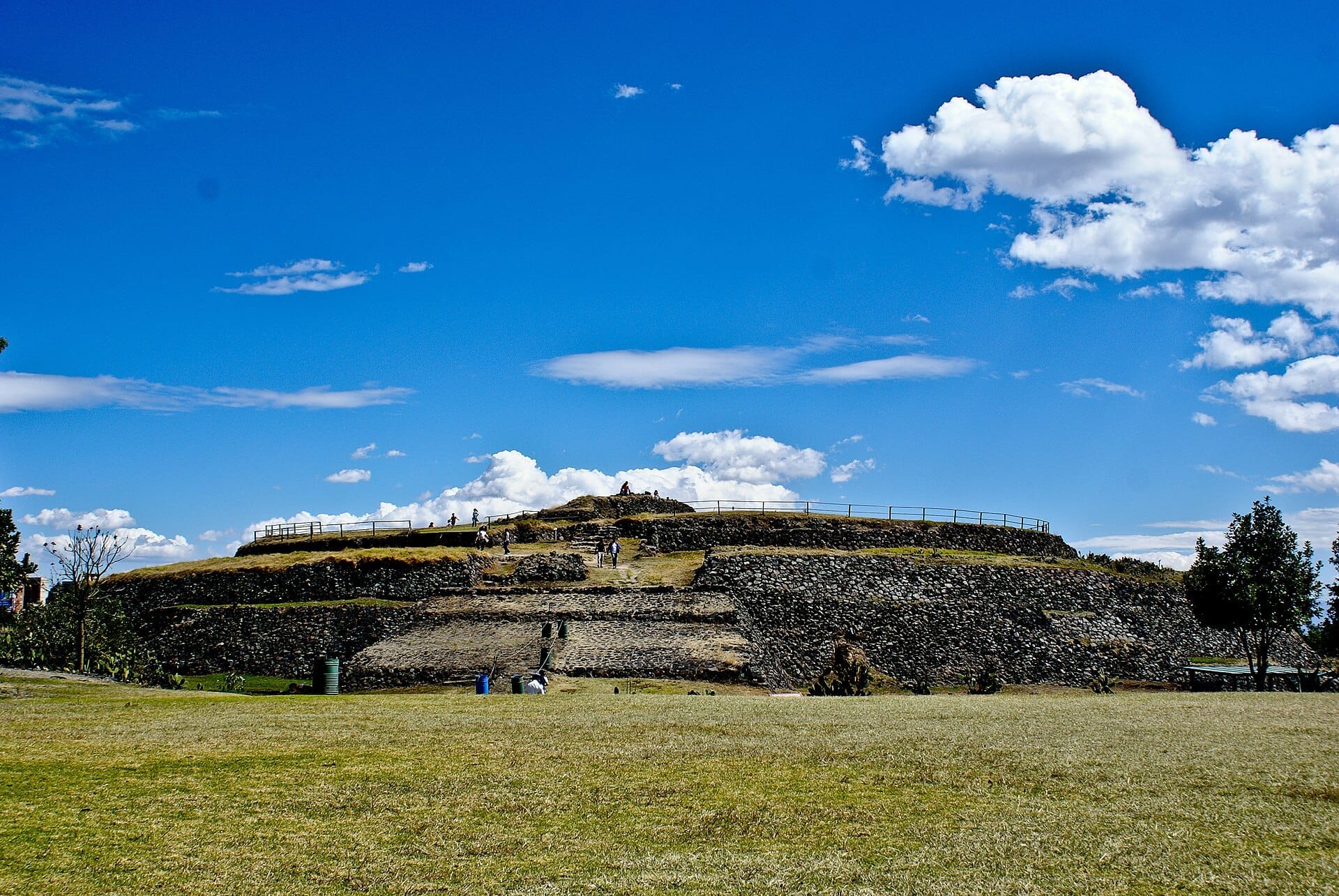
5. Visit Cuicuilco, the Circular Pyramid Buried by Lava
This unique circular pyramid in the city's south predates Teotihuacán and was partially engulfed by lava from the Xitle volcano around 300 AD. It is rarely crowded, free to enter, and unlike any other pyramid in Mexico. Allow 45-60 minutes.
Explore5. Visit Cuicuilco, the Circular Pyramid Buried by Lava
This unique circular pyramid in the city's south predates Teotihuacán and was partially engulfed by lava from the Xitle volcano around 300 AD. It is rarely crowded, free to enter, and unlike any other pyramid in Mexico. Allow 45-60 minutes.
Explore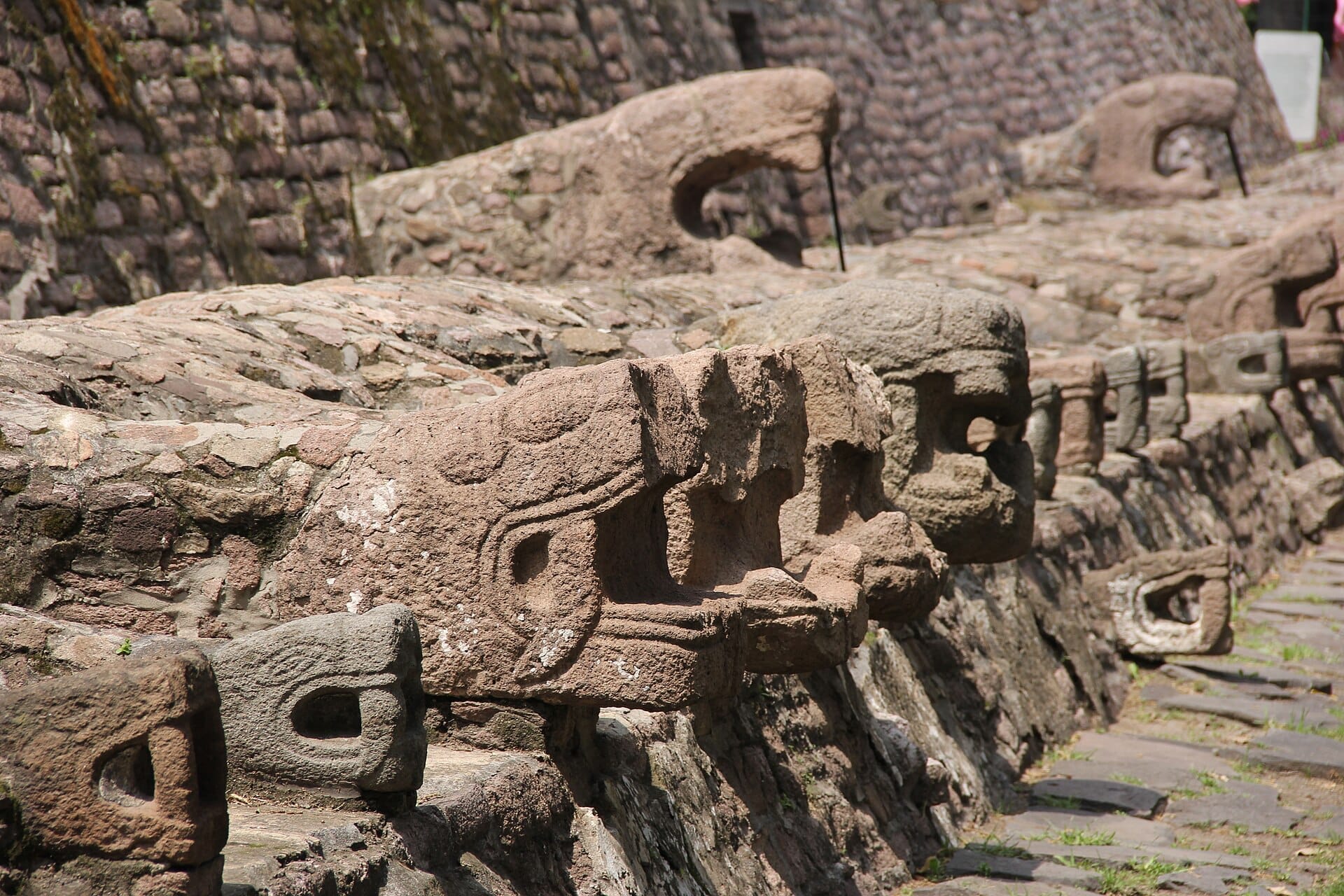
6. See the Best-Preserved Aztec Pyramid in the Metro Area at Tenayuca
Tenayuca's double-staircase temple is encircled by 138 carved stone serpents, one of the most striking decorative programs at any Aztec site. In the northern borough of Tlalnepantla, it draws a fraction of Teotihuacán's visitors and rewards those who make the trip.
Explore6. See the Best-Preserved Aztec Pyramid in the Metro Area at Tenayuca
Tenayuca's double-staircase temple is encircled by 138 carved stone serpents, one of the most striking decorative programs at any Aztec site. In the northern borough of Tlalnepantla, it draws a fraction of Teotihuacán's visitors and rewards those who make the trip.
Explore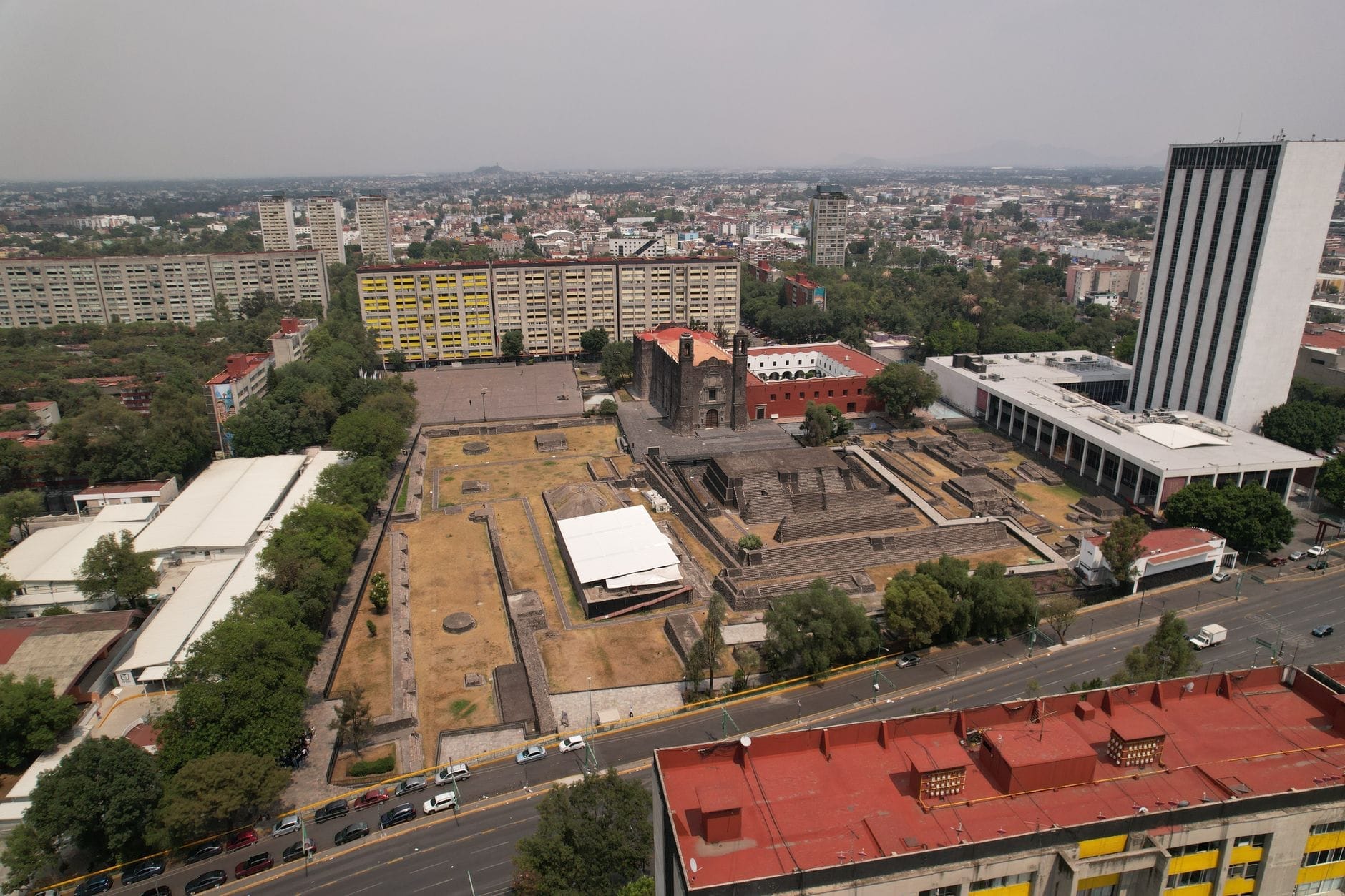
7. Read Aztec Ruins Alongside Colonial and Modern Architecture at Tlatelolco
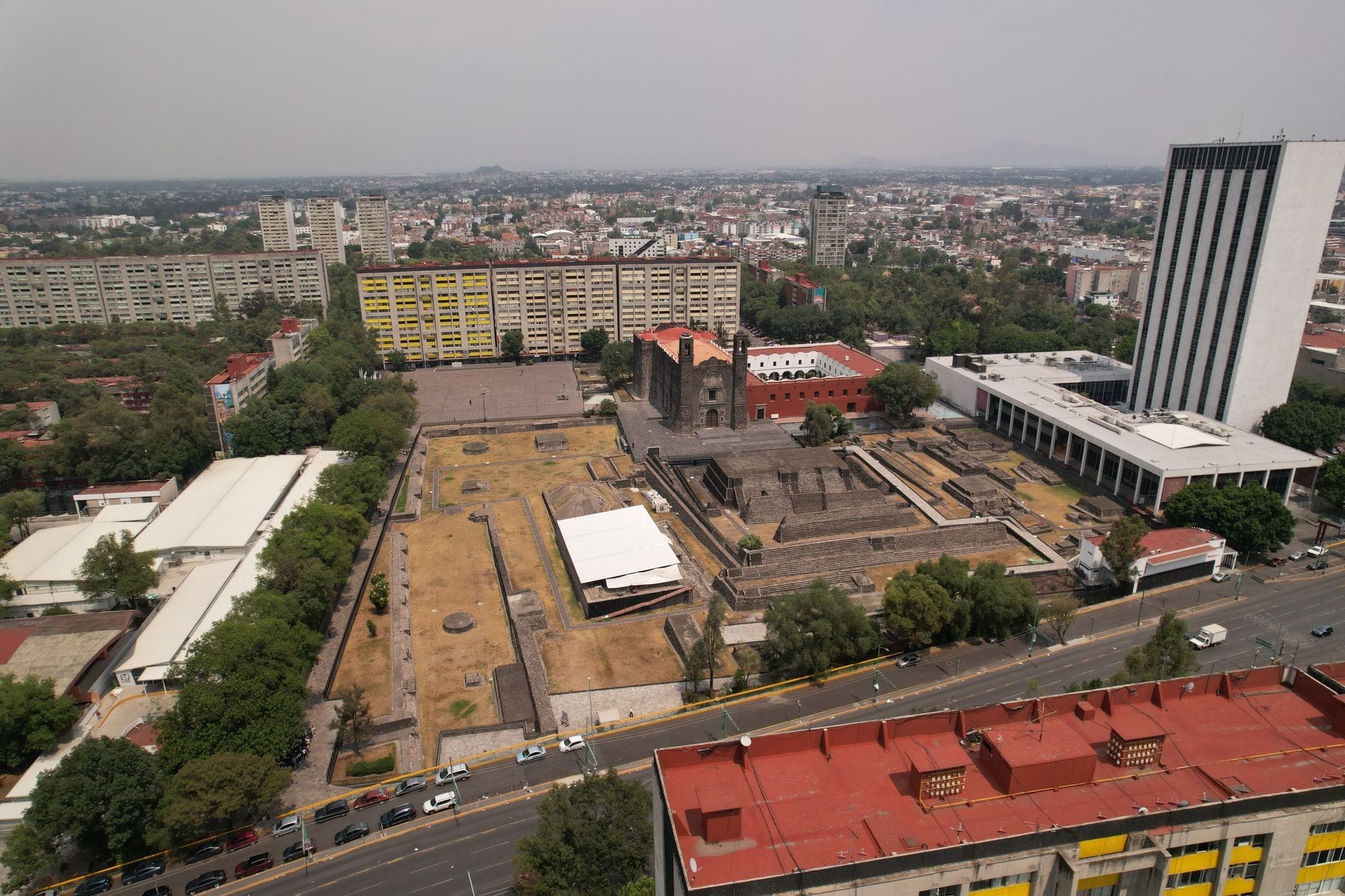
The Plaza de las Tres Culturas contains excavated ruins of the market city of Tlatelolco beside a 16th-century church and a 1960s government complex. The juxtaposition is unique in Mexico and the site carries deep historical weight beyond its archaeology.
Explore7. Read Aztec Ruins Alongside Colonial and Modern Architecture at Tlatelolco
The Plaza de las Tres Culturas contains excavated ruins of the market city of Tlatelolco beside a 16th-century church and a 1960s government complex. The juxtaposition is unique in Mexico and the site carries deep historical weight beyond its archaeology.
ExploreMuseums That Bring the Archaeology to Life
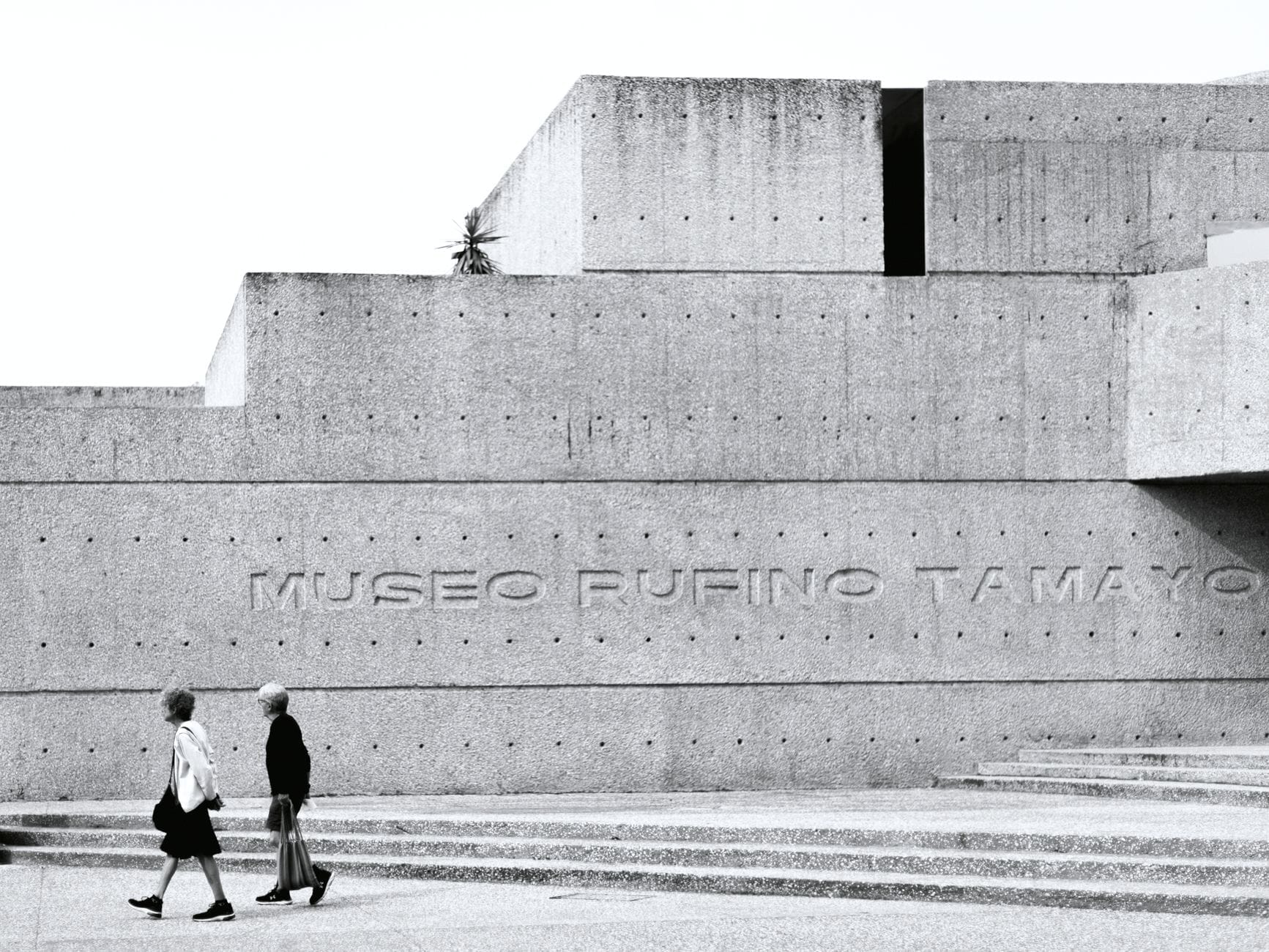
The physical sites tell half the story. Mexico City's museums hold the artefacts, the context, and the scholarship that make the ruins legible. The Museo Nacional de Antropología alone could justify an entire trip, and the Museo Anahuacalli offers one of the most unusual architectural experiences in the city. For a full rundown, see the best museums in Mexico City guide.
8. See the World's Greatest Pre-Columbian Collection at the Anthropology Museum
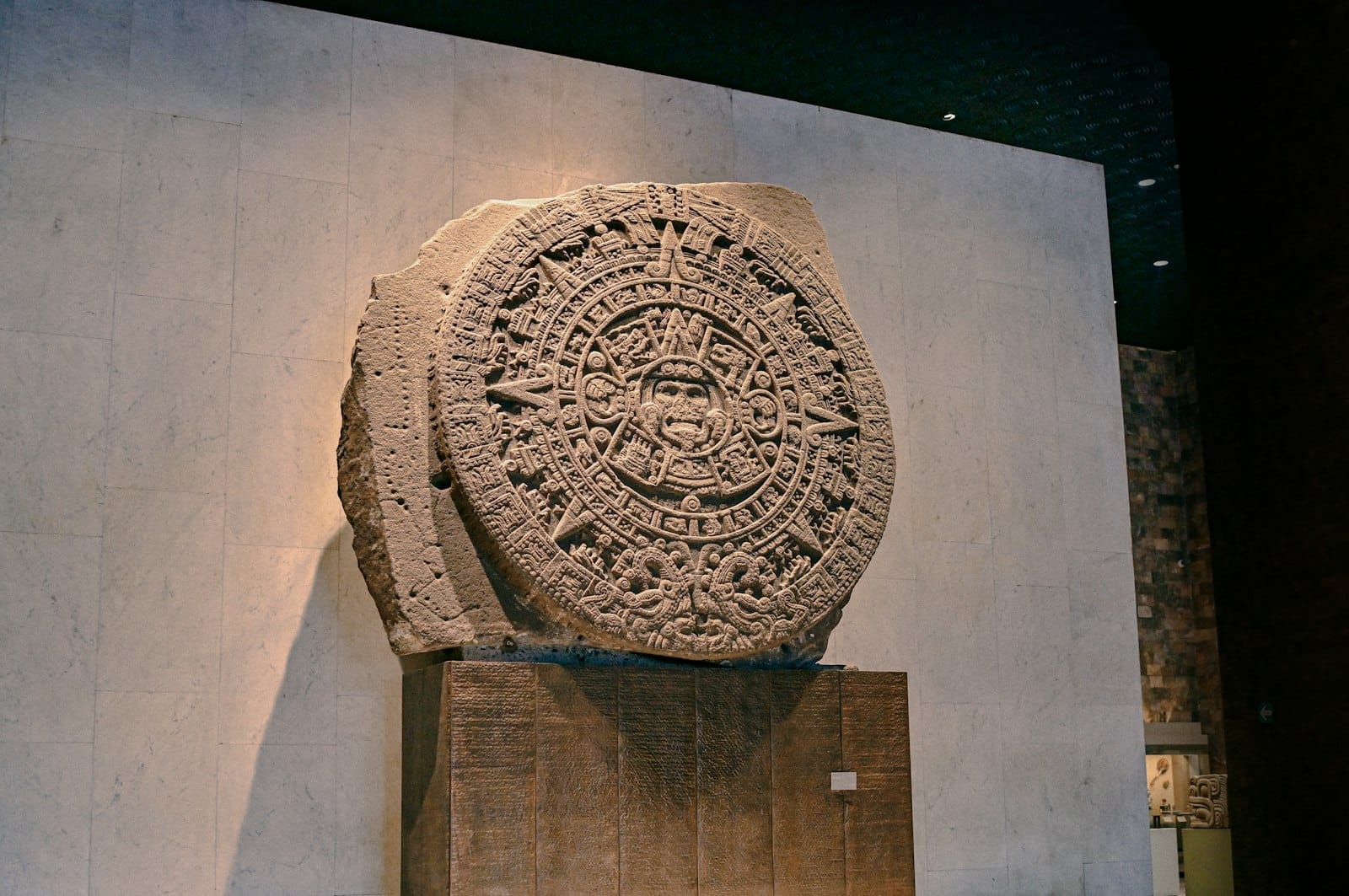
The Museo Nacional de Antropología houses 23 halls of pre-Columbian artefacts, including the Aztec Sun Stone and extraordinary Maya, Olmec, and Zapotec collections. Plan three to four hours. The building's central courtyard with its iconic umbrella column is itself worth the visit.
Explore8. See the World's Greatest Pre-Columbian Collection at the Anthropology Museum
The Museo Nacional de Antropología houses 23 halls of pre-Columbian artefacts, including the Aztec Sun Stone and extraordinary Maya, Olmec, and Zapotec collections. Plan three to four hours. The building's central courtyard with its iconic umbrella column is itself worth the visit.
Explore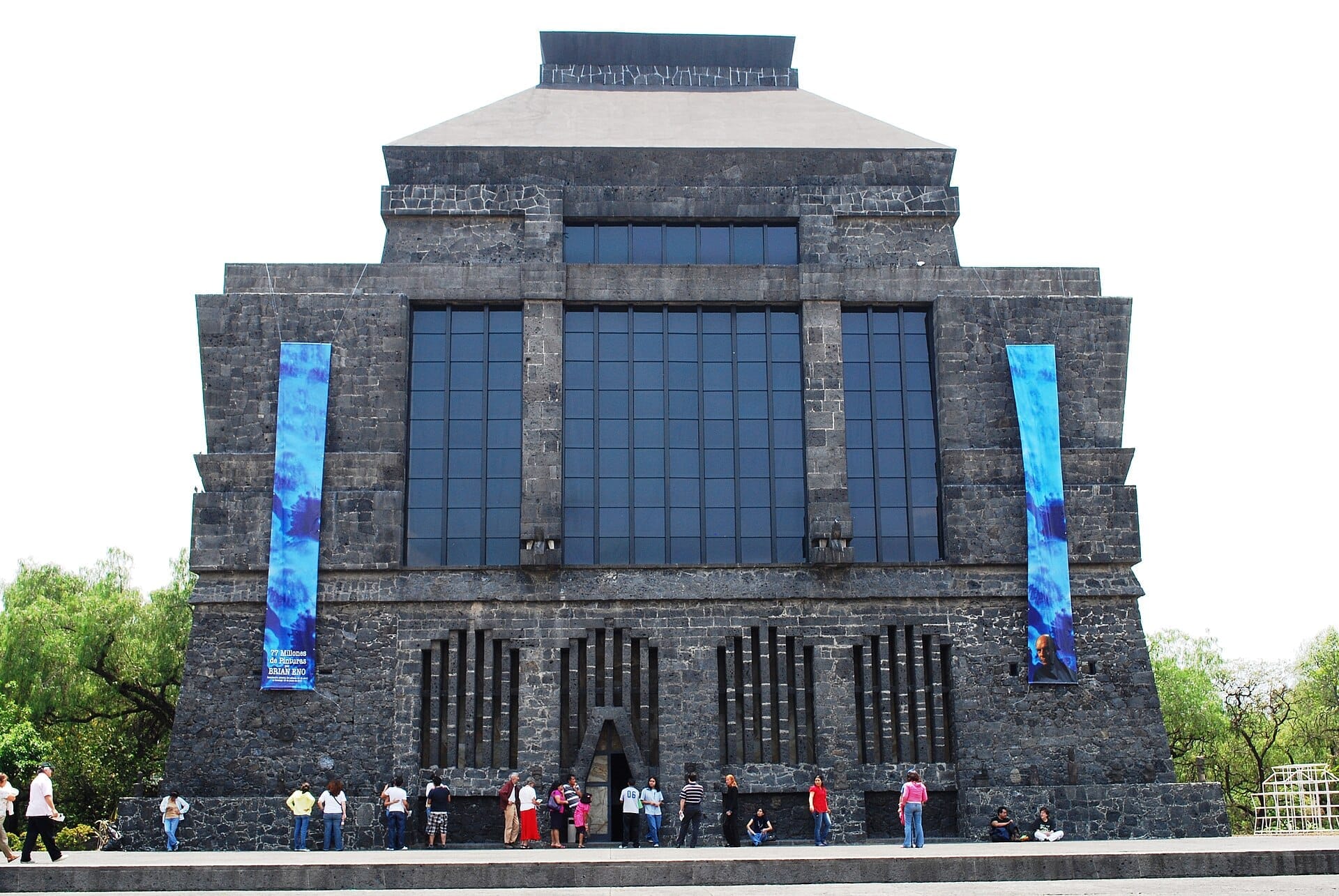
9. See Diego Rivera's Pre-Columbian Pyramid Museum in Coyoacán
Rivera designed this volcanic stone building himself to resemble a Maya-Aztec pyramid, and filled it with over 50,000 pre-Columbian artefacts from his personal collection. The architecture and the collection reinforce each other in ways that feel extraordinary.
Explore9. See Diego Rivera's Pre-Columbian Pyramid Museum in Coyoacán
Rivera designed this volcanic stone building himself to resemble a Maya-Aztec pyramid, and filled it with over 50,000 pre-Columbian artefacts from his personal collection. The architecture and the collection reinforce each other in ways that feel extraordinary.
ExploreSites Worth Combining with Your Archaeological Tour
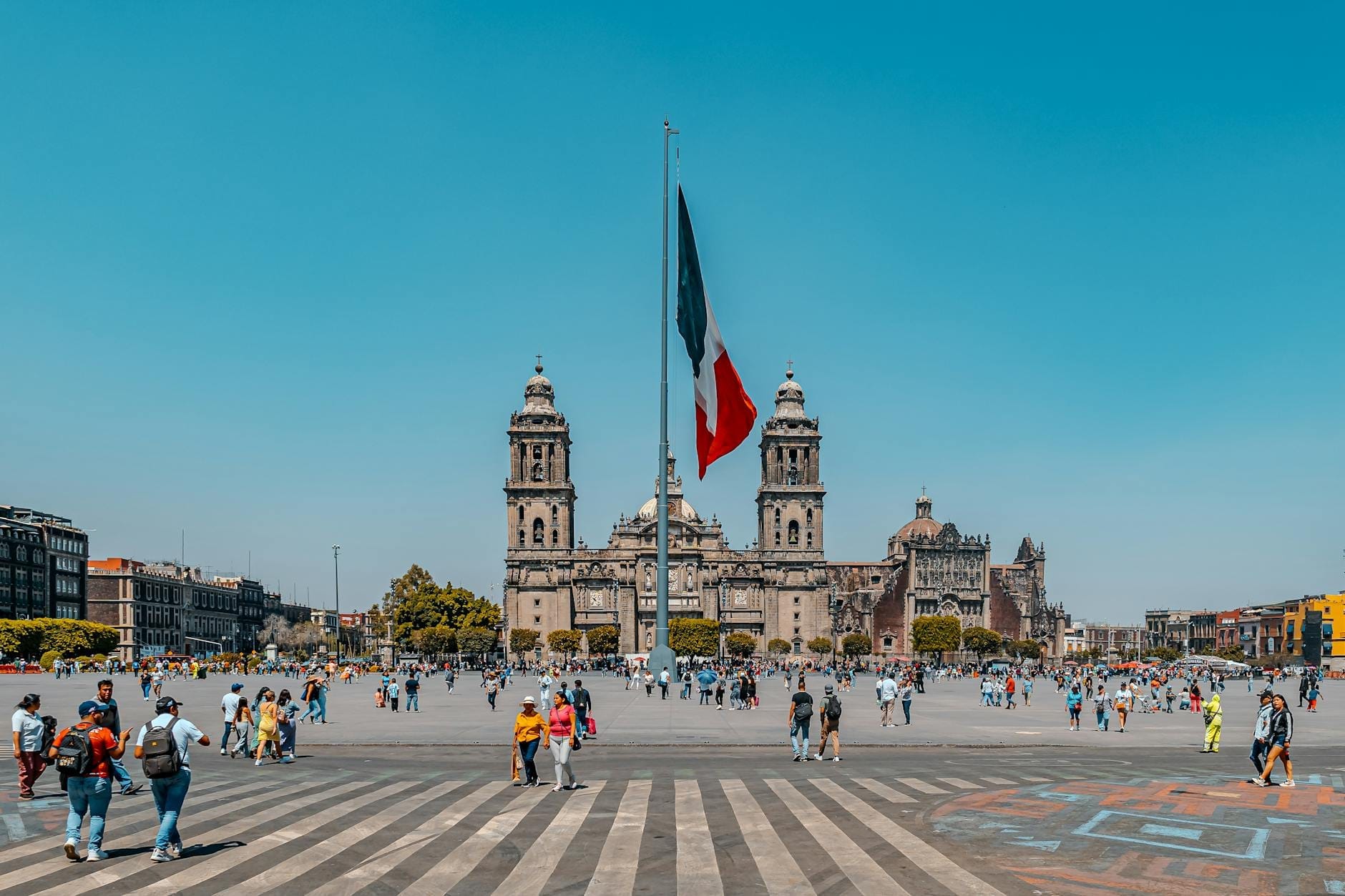
The most rewarding days in Mexico City layer the ancient with the colonial and modern. The Zócalo is the natural starting point for anyone exploring the Aztec past of Tenochtitlán, since the cathedral and national palace were built directly on top of its ruins. Nearby Coyoacán provides an excellent afternoon counterpoint after a morning at Templo Mayor or the Anthropology Museum, and the Coyoacán neighborhood is one of the most walkable in the city.
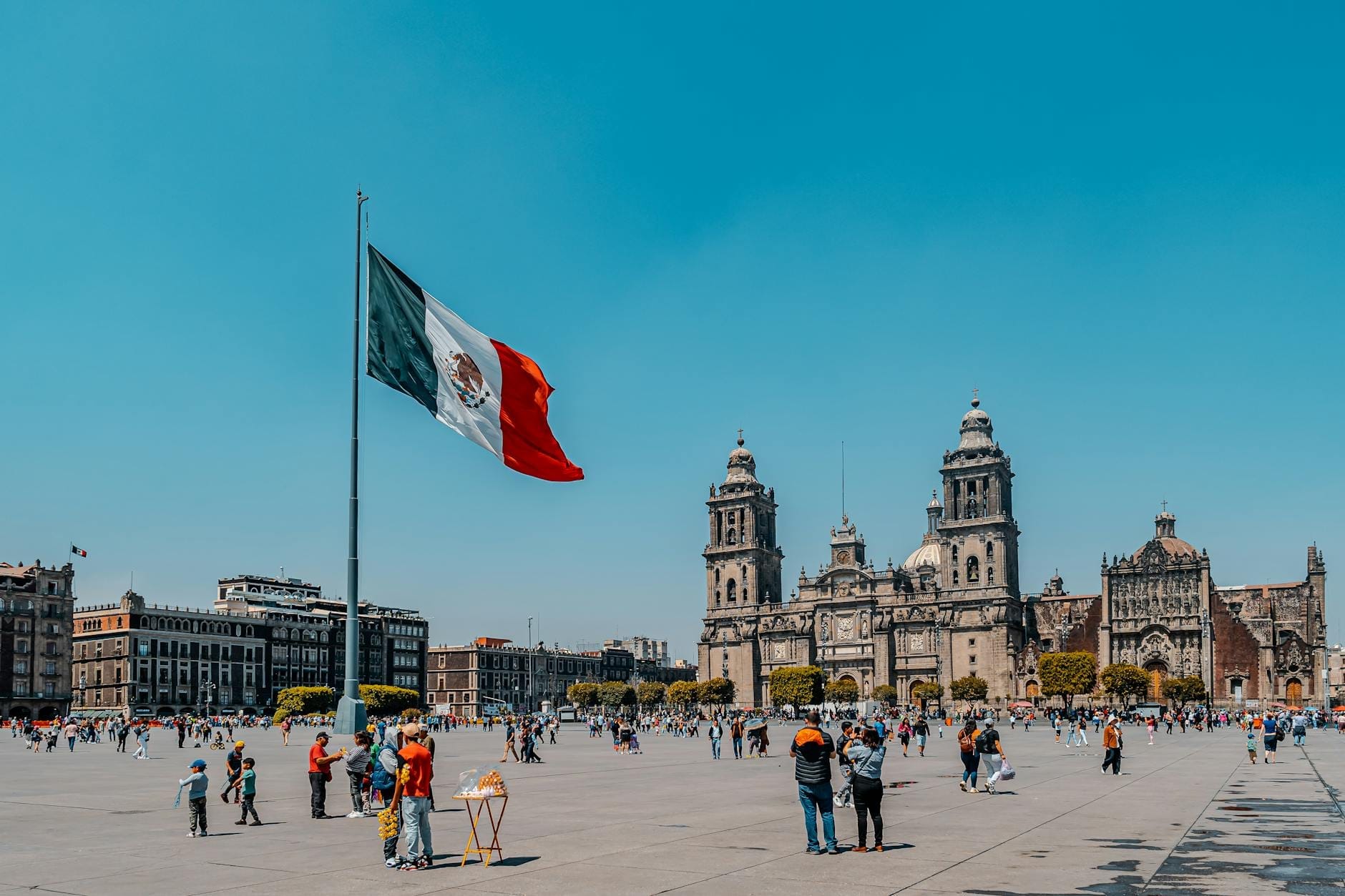
10. Start at the Zócalo, Built Over the Heart of Tenochtitlán
The great Aztec ceremonial center once stood where the Zócalo and Metropolitan Cathedral now sit. Walking the square with this knowledge reframes every colonial building around it. Templo Mayor is visible from the square's northeast corner and takes under 5 minutes to walk to.
Explore10. Start at the Zócalo, Built Over the Heart of Tenochtitlán
The great Aztec ceremonial center once stood where the Zócalo and Metropolitan Cathedral now sit. Walking the square with this knowledge reframes every colonial building around it. Templo Mayor is visible from the square's northeast corner and takes under 5 minutes to walk to.
Explore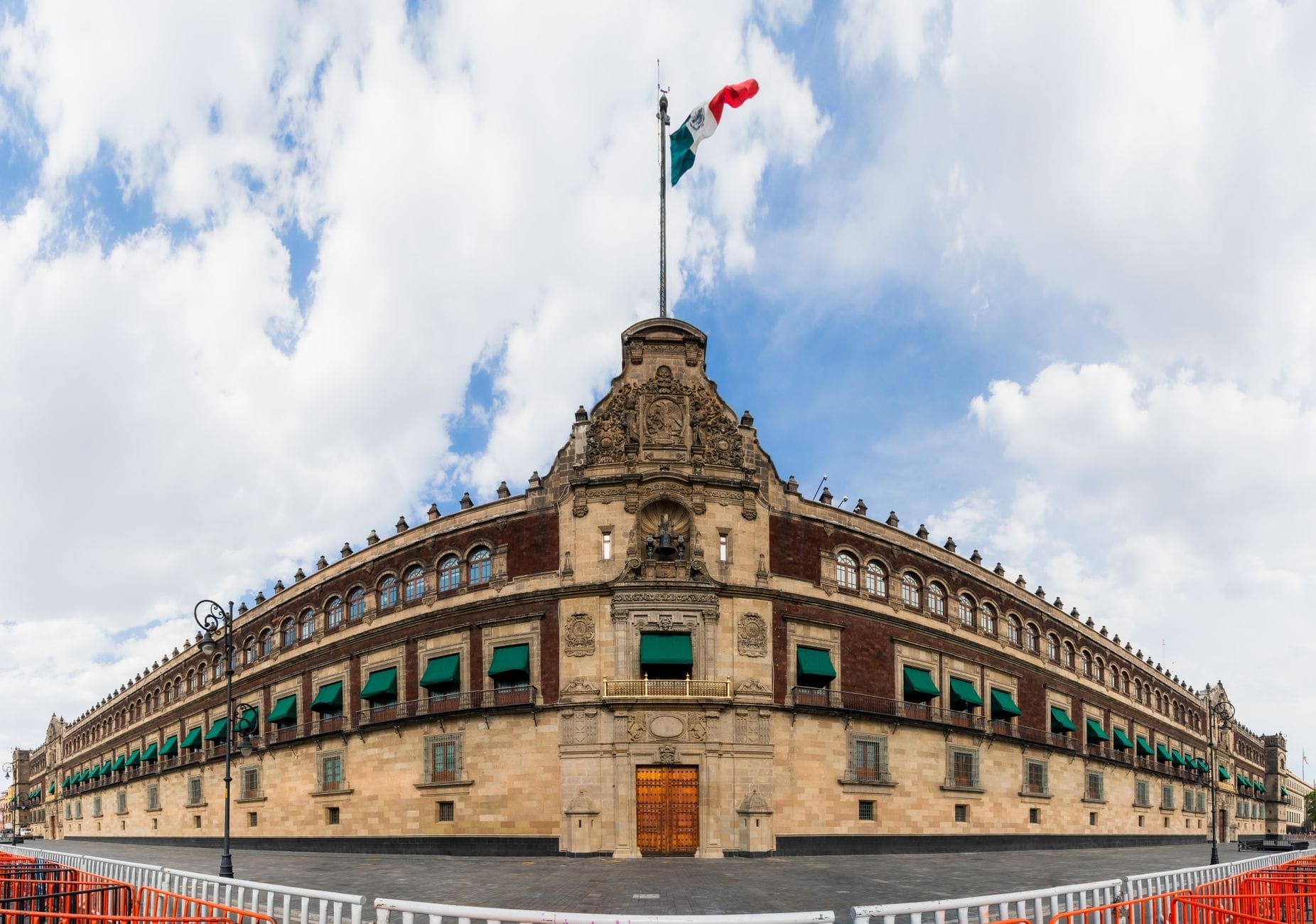
11. See Rivera's History of Mexico Murals at the National Palace
Diego Rivera's mural cycle inside the National Palace depicts Mexican history from the Aztec era through the Revolution in extraordinary detail. The palace itself occupies the site of Moctezuma II's palace. Entry is free and the murals take about an hour to appreciate properly.
Explore11. See Rivera's History of Mexico Murals at the National Palace
Diego Rivera's mural cycle inside the National Palace depicts Mexican history from the Aztec era through the Revolution in extraordinary detail. The palace itself occupies the site of Moctezuma II's palace. Entry is free and the murals take about an hour to appreciate properly.
Explore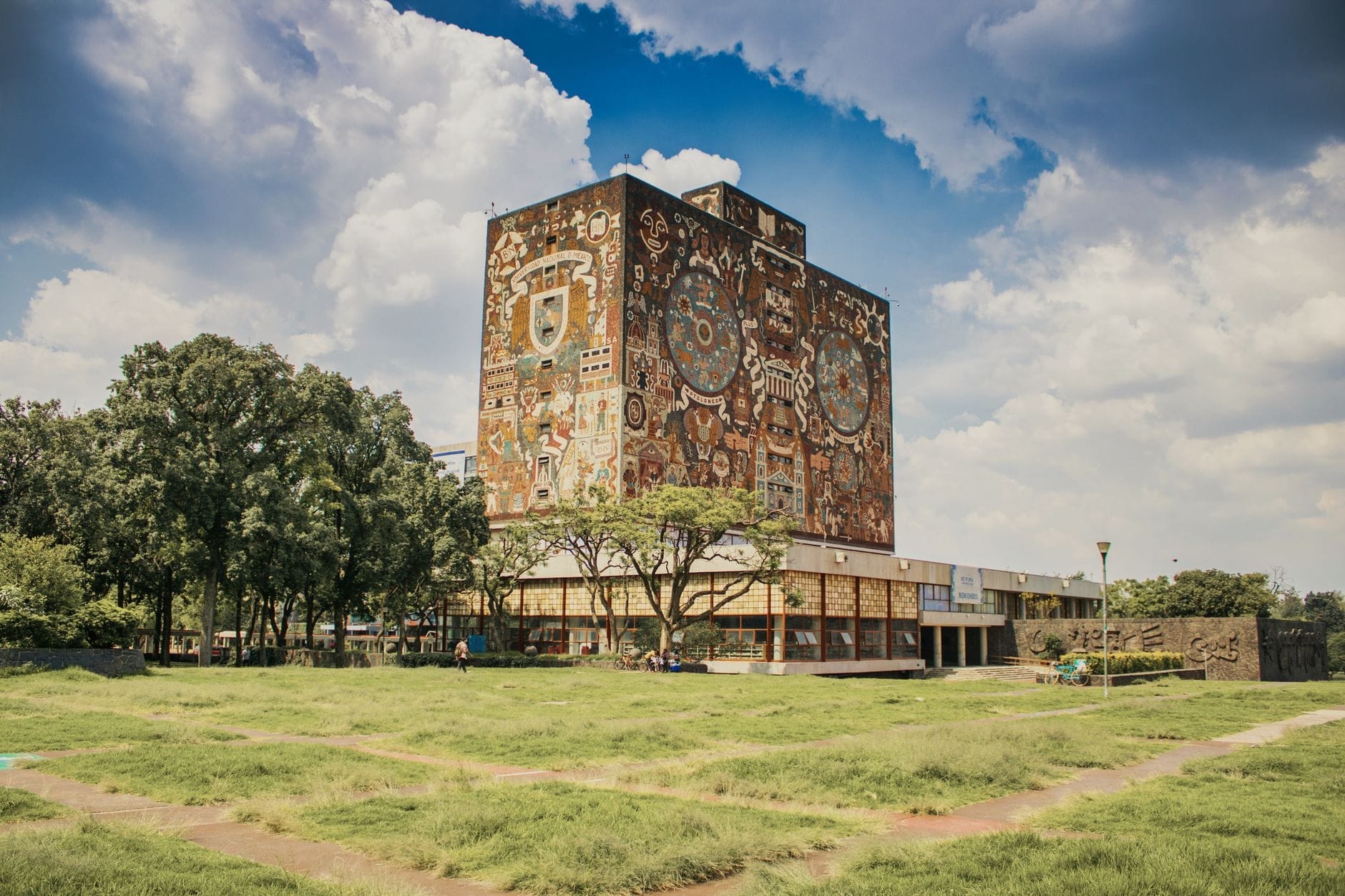
12. Visit the Pre-Columbian Mosaics on UNAM's UNESCO Campus
UNAM's Ciudad Universitaria campus pairs modernist architecture with pre-Columbian imagery at grand scale, most dramatically on Juan O'Gorman's Central Library mosaic. The campus also sits adjacent to the Cuicuilco archaeological zone, making them easy to combine in one southern circuit.
Explore12. Visit the Pre-Columbian Mosaics on UNAM's UNESCO Campus
UNAM's Ciudad Universitaria campus pairs modernist architecture with pre-Columbian imagery at grand scale, most dramatically on Juan O'Gorman's Central Library mosaic. The campus also sits adjacent to the Cuicuilco archaeological zone, making them easy to combine in one southern circuit.
Explore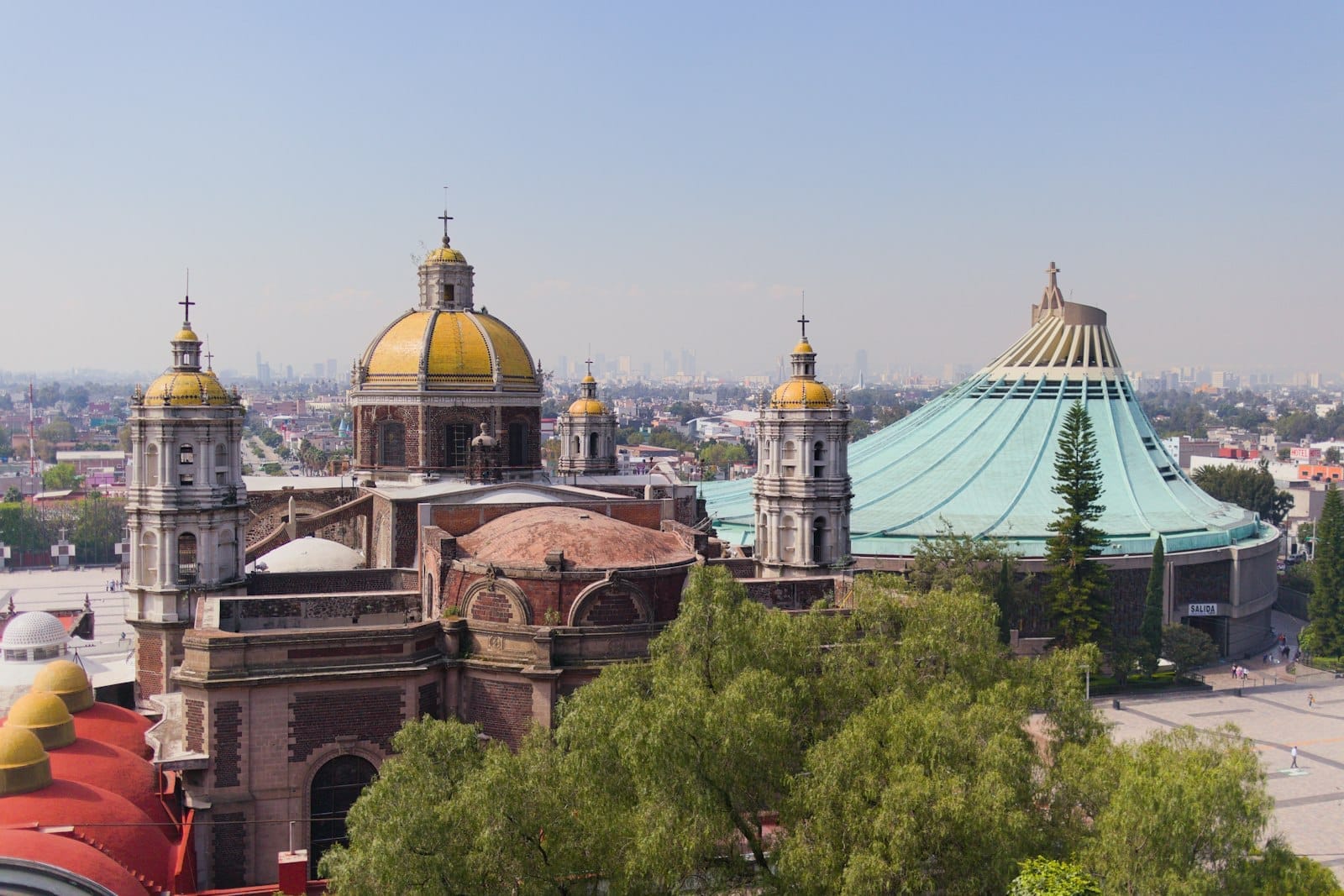
13. Climb Tepeyac Hill, Sacred Before and After the Spanish Conquest
Tepeyac Hill was a sacred site dedicated to the goddess Tonantzin before the Spanish arrived. The current Basilica complex includes the tilting 16th-century church and modern 1976 basilica. Archaeological finds from the pre-Hispanic site are displayed in the hill's small museum.
Explore13. Climb Tepeyac Hill, Sacred Before and After the Spanish Conquest
Tepeyac Hill was a sacred site dedicated to the goddess Tonantzin before the Spanish arrived. The current Basilica complex includes the tilting 16th-century church and modern 1976 basilica. Archaeological finds from the pre-Hispanic site are displayed in the hill's small museum.
Explore✨ Pro tip
For Teotihuacán, take the direct bus from Terminal del Norte (Metro: Autobuses del Norte, Line 5). Buses run frequently from early morning and drop you near Gate 1. Return buses run until early evening. Uber is an alternative but significantly more expensive for the 50 km journey.
FAQ
Can you still climb the pyramids at Teotihuacán?
No. Climbing the Pyramid of the Sun and Pyramid of the Moon has been prohibited in recent years for conservation and safety reasons. Visitors can appreciate both structures from ground level and from designated viewing platforms. Always check current INAH policy before visiting as rules can be updated.
How do I get to Teotihuacán from Mexico City?
The easiest and cheapest option is the public bus from Terminal del Norte (reached via Metro Line 5, Autobuses del Norte station). Buses to 'Teotihuacán / Los Pirámides' run frequently and take about 1–1.5 hours. Taxis and Uber are faster but considerably more expensive. Organized tours from the city center are also widely available.
Are there pyramids inside Mexico City itself, not just at Teotihuacán?
Yes. Templo Mayor in the Centro Histórico is the excavated great temple of the Aztec capital. Cuicuilco in the south features one of Mesoamerica's earliest known pyramidal structures. Tenayuca, in the northern metropolitan area, is one of the best-preserved Aztec pyramids in the region. All three are accessible by Metro or Uber.
How long does it take to visit Teotihuacán?
Plan a minimum of four hours on site to walk the Avenue of the Dead, visit the Pyramid of the Sun, Pyramid of the Moon, the Temple of the Feathered Serpent, and the two on-site museums. The site is large with almost no shade, so bring water, a hat, and sunscreen regardless of season.
What is the best time of year to visit the pyramids near Mexico City?
The dry season from November through April offers cooler temperatures and clearer skies, making it the most comfortable time to visit open-air sites like Teotihuacán. During the rainy season (May to October), afternoon thunderstorms are common and pyramid surfaces can become slippery. Morning visits are advisable year-round to avoid both crowds and peak heat.
Tickets & tours
Live prices and dates from our booking partner. If you book, we may earn a commission at no extra cost to you.
Planning a trip? Discover personalized activities with the Nomado app.