Ciudad Vieja occupies the western tip of Montevideo's central peninsula, where colonial-era streets, grand plazas, and heritage architecture concentrate the city's deepest history into a walkable grid. It is the starting point for understanding Montevideo, and for many visitors, the most rewarding part of the city.
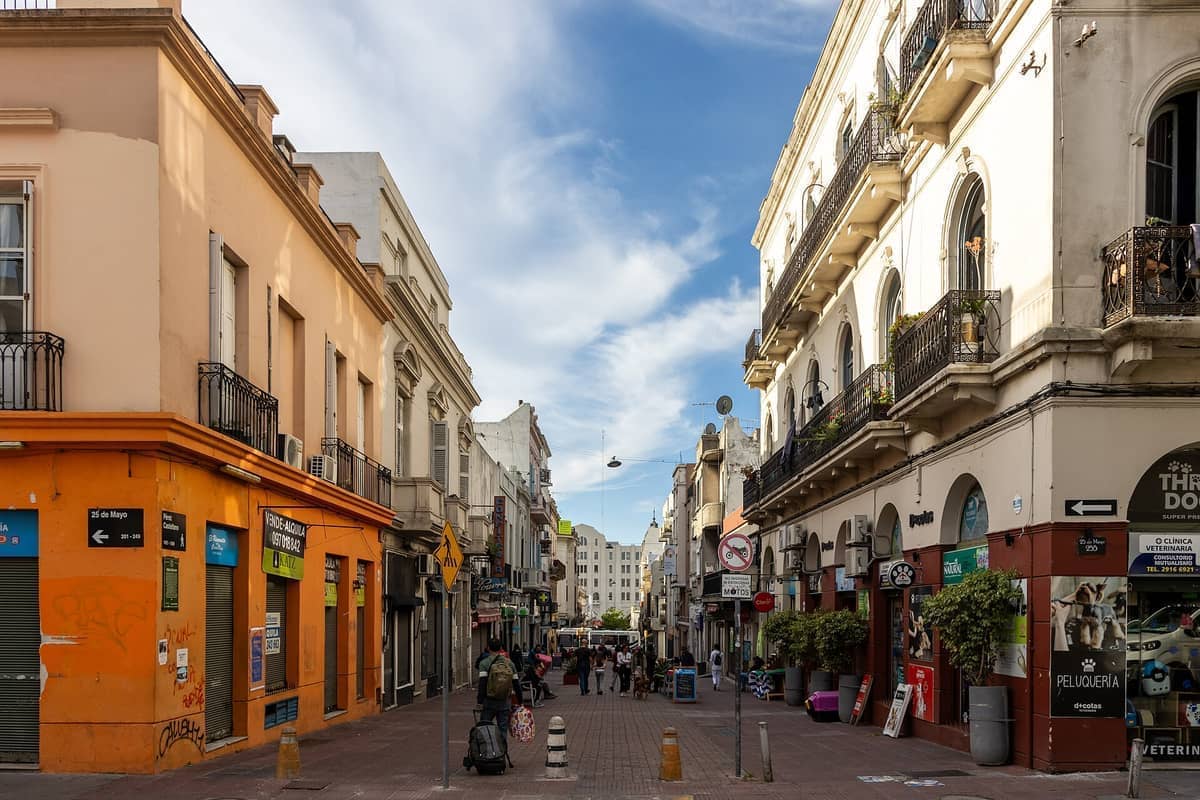
Ciudad Vieja is Montevideo's oldest barrio and its historic core, a dense peninsula of colonial plazas, ornate early-twentieth-century facades, and cast-iron market halls that feel like the city before the city spread east. It holds more history per block than anywhere else in Uruguay.
Orientation
Ciudad Vieja sits at the far western tip of the peninsula that forms Montevideo's historic centre, with water on three sides: the Río de la Plata to the south and west, and the inner port bay to the north. The Rambla coastal avenue traces nearly the entire perimeter. To the east, the neighborhood is bounded by Plaza Independencia and the streets of Avenida 18 de Julio, Florida, and Andes, where it transitions into the Centro district.
The internal street grid is a tight, logical colonial layout. The main pedestrian artery is Peatonal Sarandí, which runs roughly east-west from the port area and Mercado del Puerto all the way to Plaza Independencia. Parallel to it run Piedras, 25 de Mayo, Reconquista, and several other named streets, all crossed at intervals by transversals like Bartolomé Mitre and Pérez Castellano. The grid makes navigation easy: if you know which numbered block you are on, you can place yourself precisely.
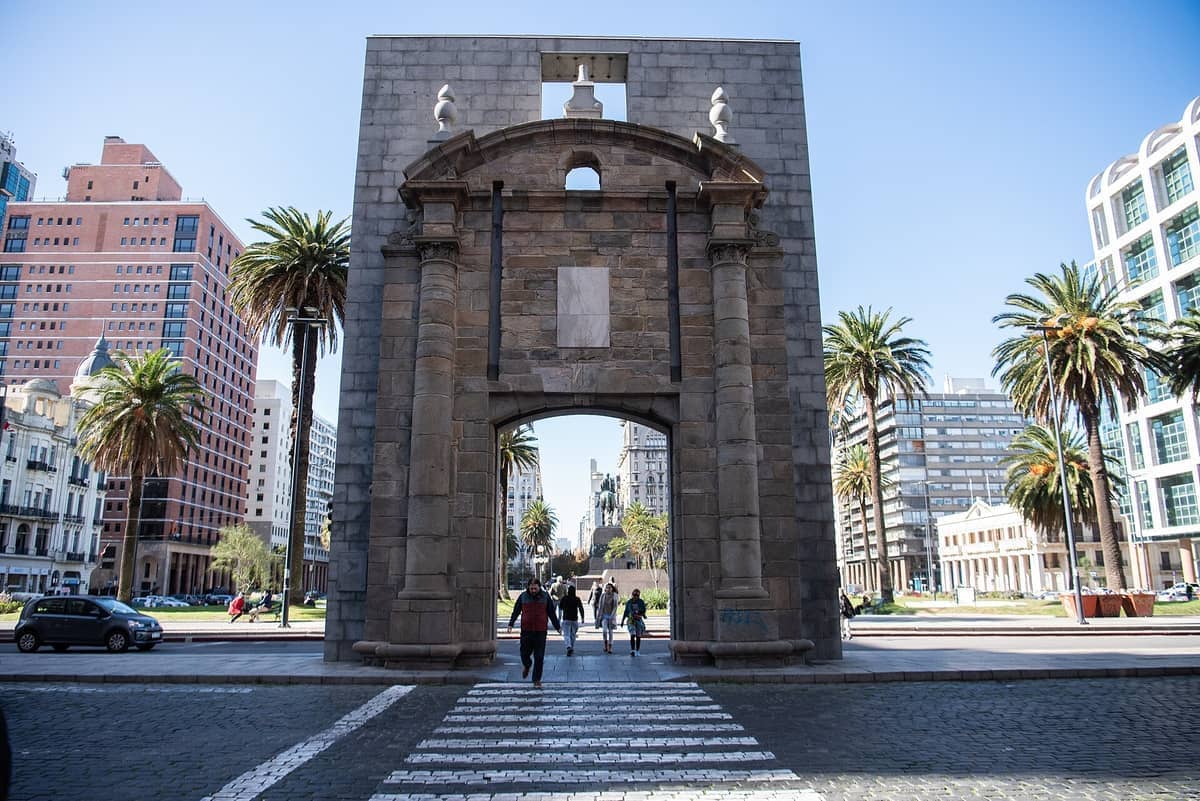
Plaza Independencia, at the neighborhood's eastern edge, is the practical anchor point. The Puerta de la Ciudadela stands here, marking the original gate of the old walled city, and serves as the threshold between Ciudad Vieja and the Centro. Walking west from the gate puts you immediately inside the historic barrio. The Buquebus ferry terminal, where boats from Buenos Aires dock, sits on Rambla 25 de Agosto de 1825 opposite Mercado del Puerto at the northern edge of Ciudad Vieja, meaning many international visitors arrive directly into the historic barrio without needing to transit through the rest of the city.
Character & Atmosphere
The neighbourhood's character shifts noticeably through the day. On weekday mornings, Ciudad Vieja is genuinely a working district. Office workers move briskly along Sarandí, small shops pull up their metal shutters, and the smell of coffee drifts from cafés that have been serving the same corner for decades. Delivery vehicles navigate the narrow one-way streets. The colonial street lamps and old iron gates catch the low morning light in a way that makes even a brief walk feel like moving through a history book.
By midday, especially on weekends, the dynamic changes. Sarandí fills with foot traffic, street musicians set up near Plaza Matriz, and the queue outside Mercado del Puerto grows. This is when the neighbourhood feels most like a tourist destination, though it never quite loses its local character because Uruguayan families and workers share the same space. Afternoon light falls at a low angle across the Rambla on the southern edge, turning the old facades amber and making the waterfront particularly photogenic between 3pm and sunset.
After dark, the picture becomes more complicated. The main pedestrian zones near Sarandí and Mercado del Puerto see regular evening foot traffic, and some bars and restaurants keep things lively. But quieter side streets, particularly those running toward the port in the northern section, can feel notably empty by 9 or 10pm on weekdays. This is not a nightlife neighbourhood in the way that Palermo or Parque Rodó are. The architecture is dramatic at night under the street lighting, but standard urban awareness is appropriate, especially on streets away from the main pedestrian corridors.
⚠️ What to skip
At night, stick to the lit pedestrian zones around Sarandí and Plaza Independencia rather than wandering into the quieter port-side streets alone. Ciudad Vieja is not uniquely dangerous, but it deserves the same street-level attention you would give any older urban district.
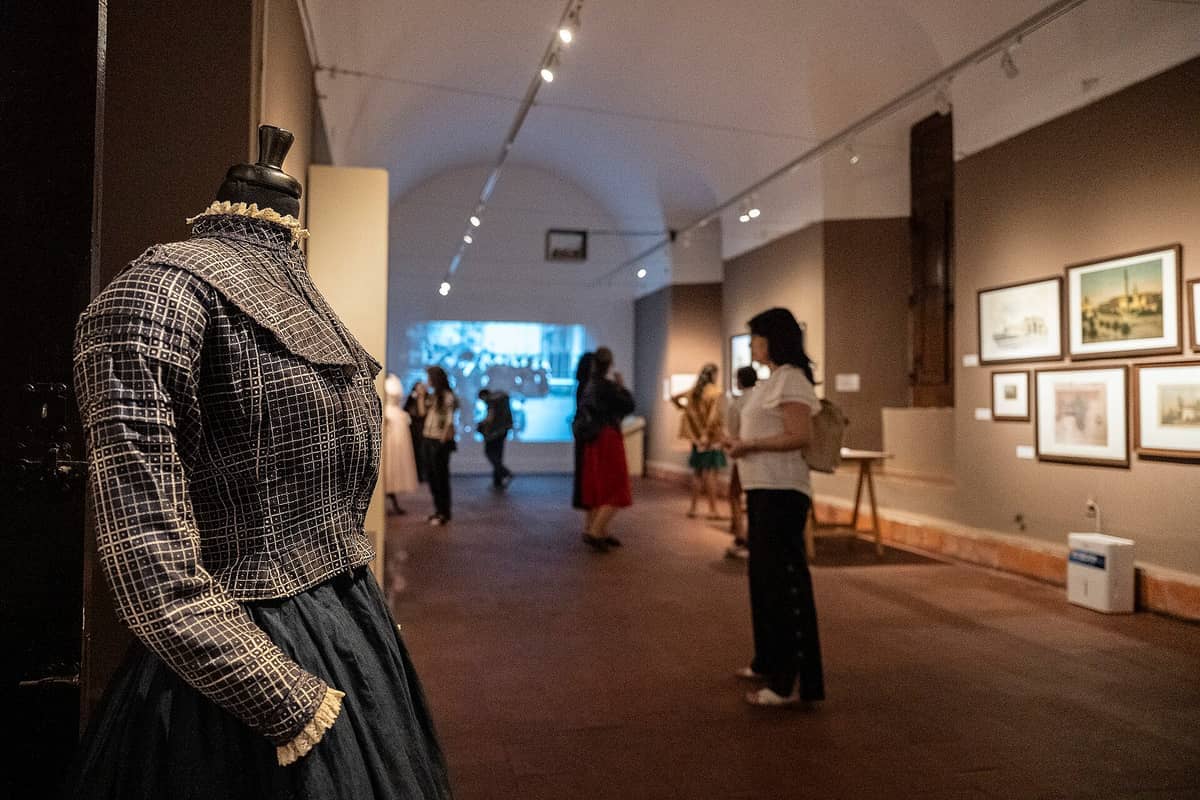
One detail that surprises first-time visitors: Ciudad Vieja contains genuine contrasts within a very small area. Beautifully restored buildings sit directly next to facades that have been left to deteriorate. A renovated museum occupies one block; a crumbling colonial-era structure stands on the next. This isn't neglect so much as the pace of a city that values its heritage without always having the resources to restore all of it simultaneously. It gives the barrio an authenticity that more manicured historic districts lack.
What to See & Do
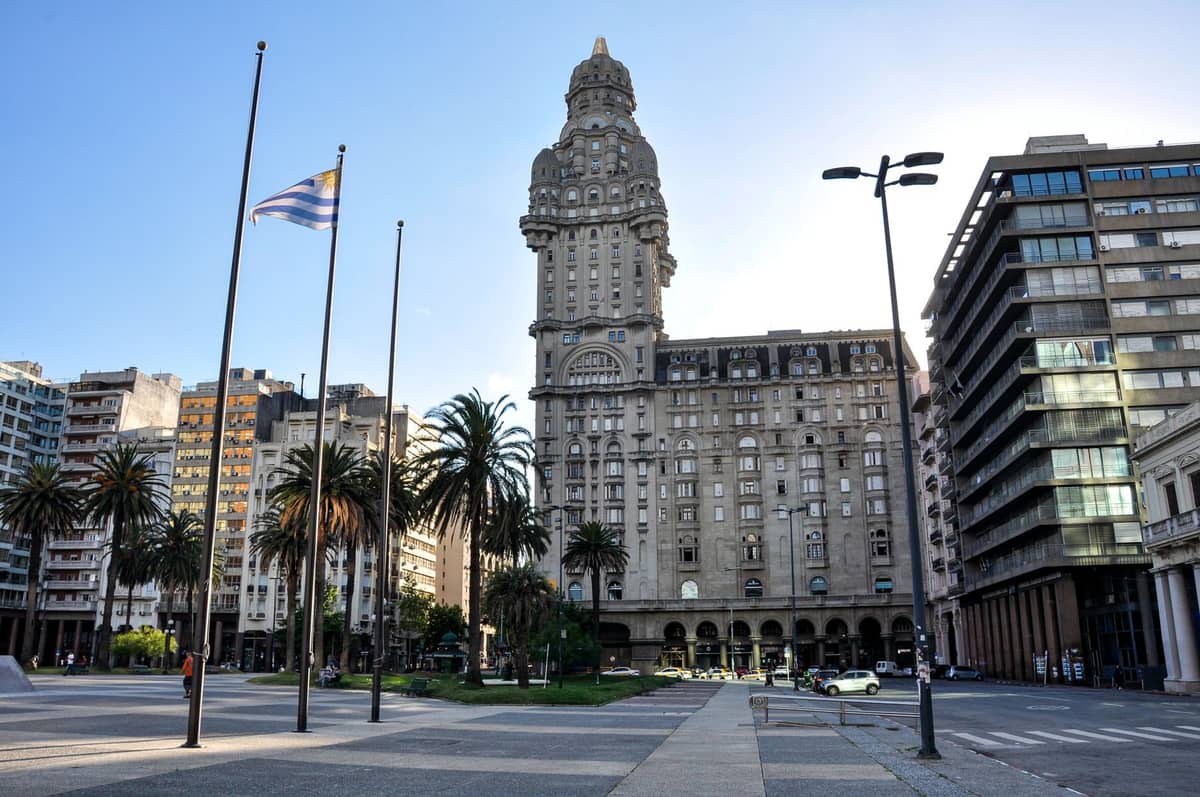
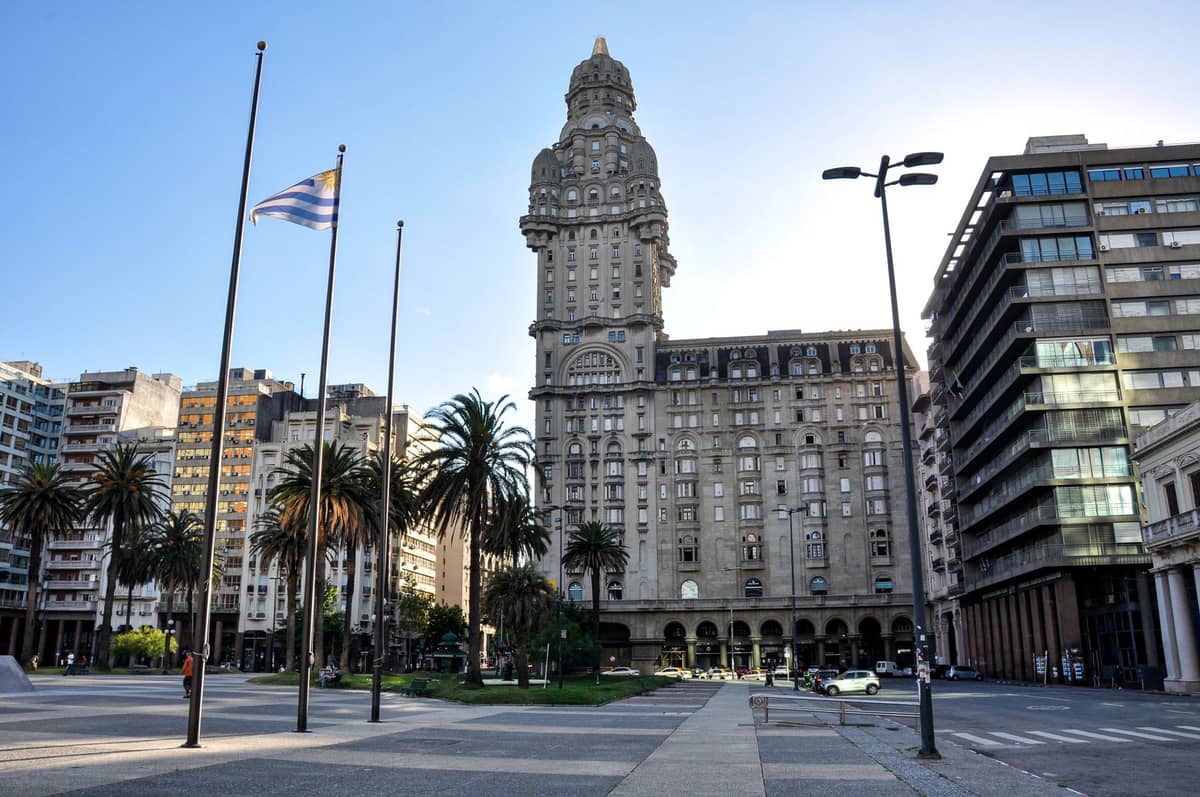
The logical starting point for any visit is Plaza Independencia, the large formal square anchored by the equestrian statue of José Artigas, Uruguay's national hero, above his mausoleum. The plaza is framed by the art deco mass of Palacio Salvo, one of the most recognizable buildings in the country, which was the tallest building in South America when it was completed in 1928. Take a moment on the plaza before walking west through the Puerta de la Ciudadela.
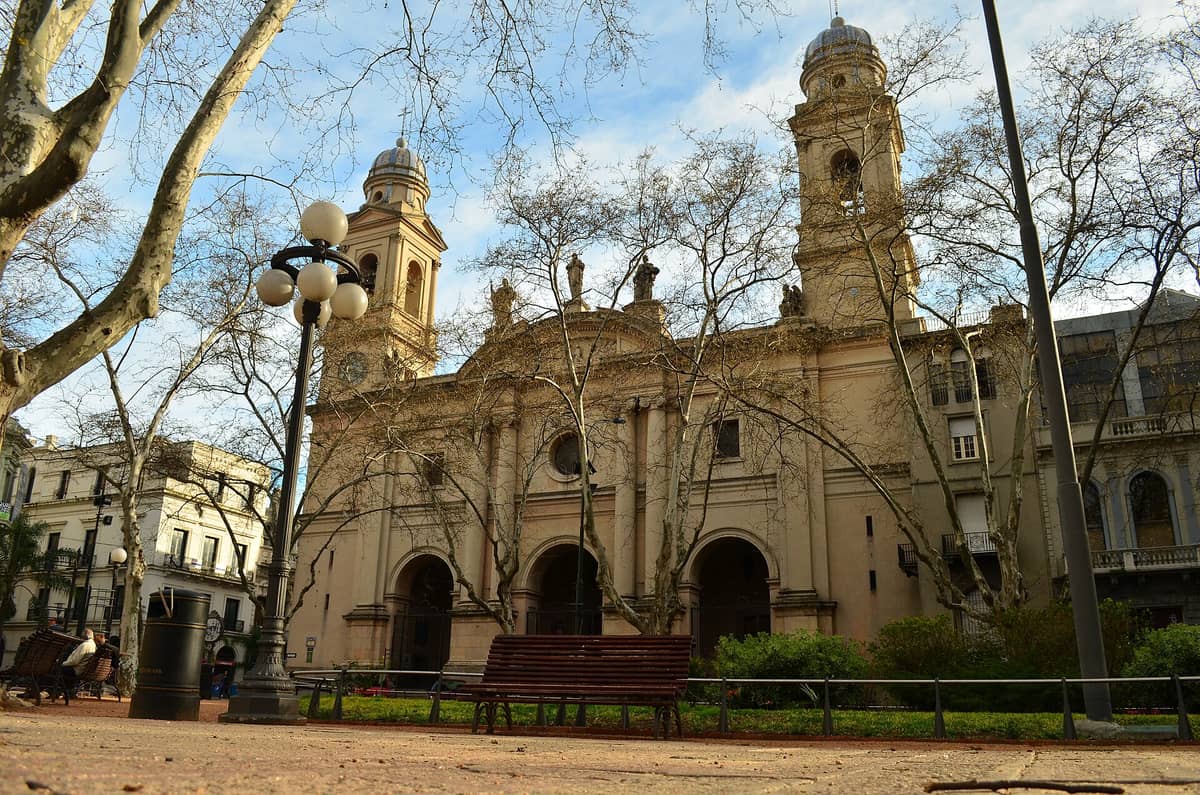
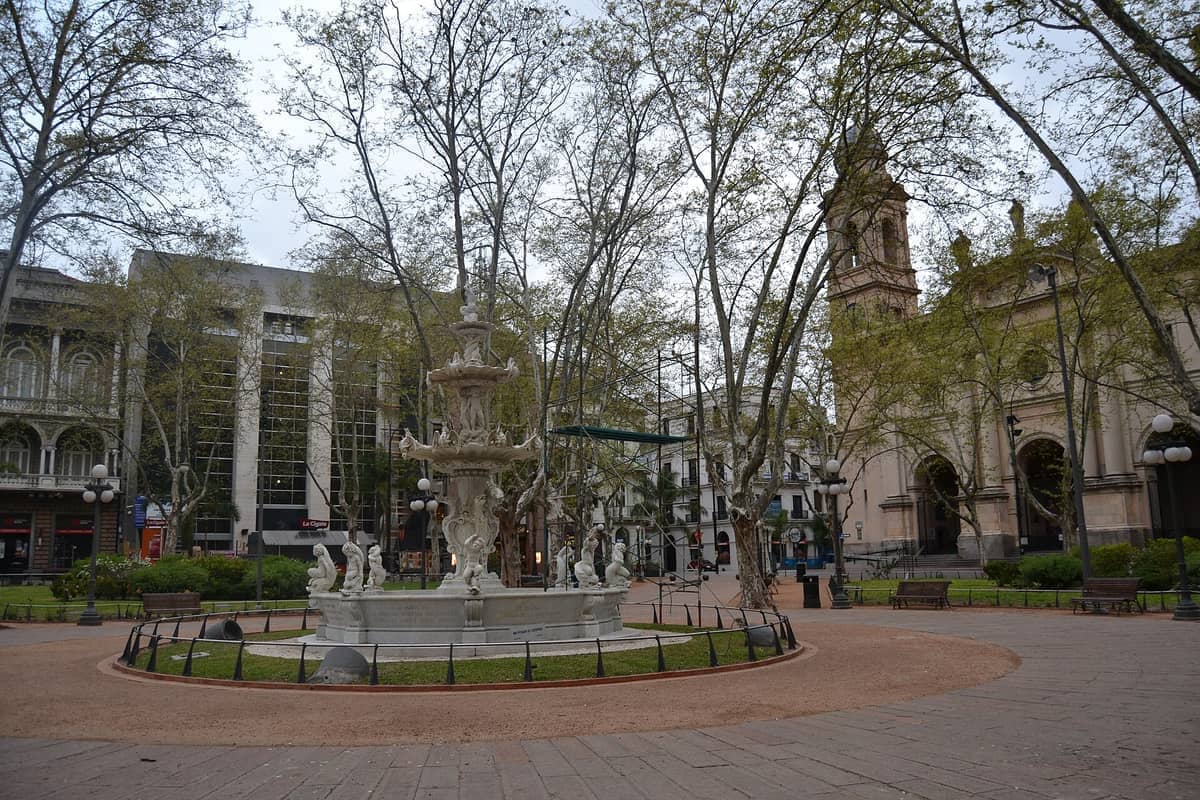
Walking west along Sarandí brings you to Plaza Matriz, also called Plaza Constitución, the oldest square in Montevideo. The Cabildo (former colonial city hall) and the Catedral Metropolitana face each other across the square, with their contrasting scales creating one of the most photographed urban scenes in the city. The cathedral interior is worth the few minutes it takes to step inside.
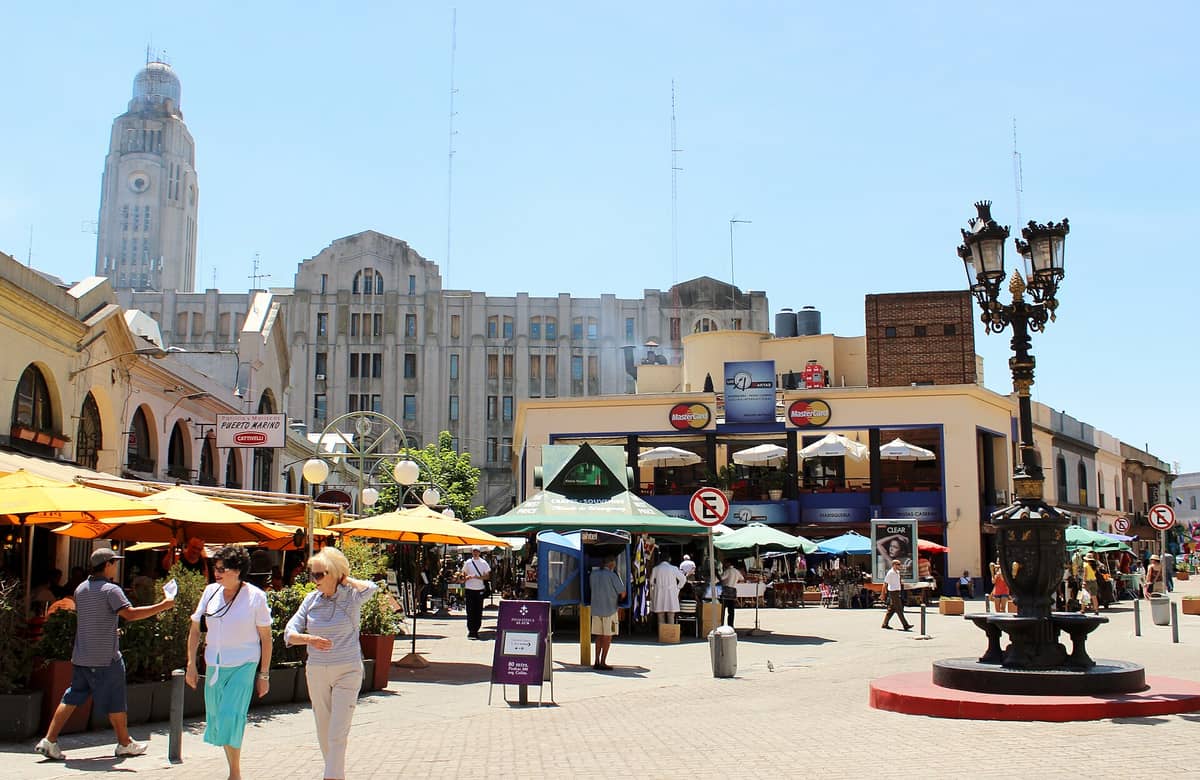
Continuing west, Sarandí eventually leads to the northern edge of the neighbourhood and Mercado del Puerto, the cast-iron port market built in 1868. The market's structure, a vaulted iron skeleton with large arched openings, houses a collection of traditional asado grills. Even if you are not eating, the spectacle of the fires and the smell of wood smoke at lunchtime is worth experiencing.
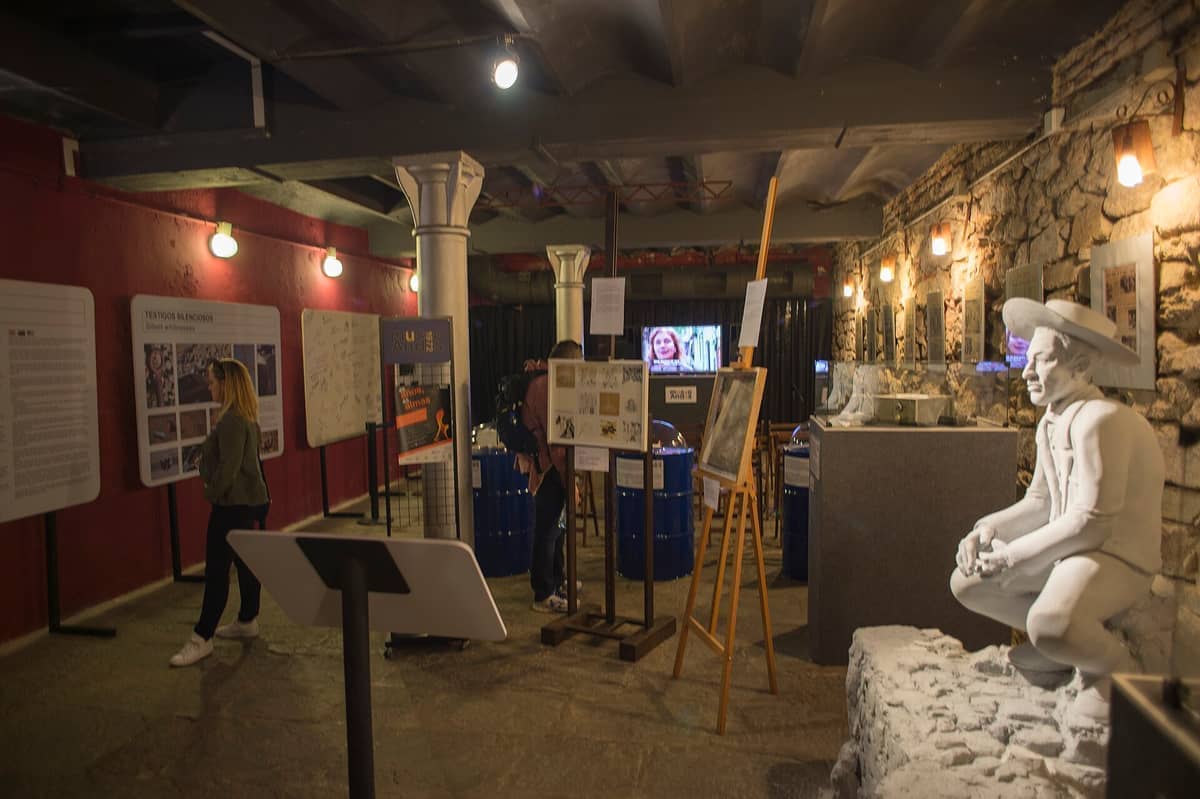
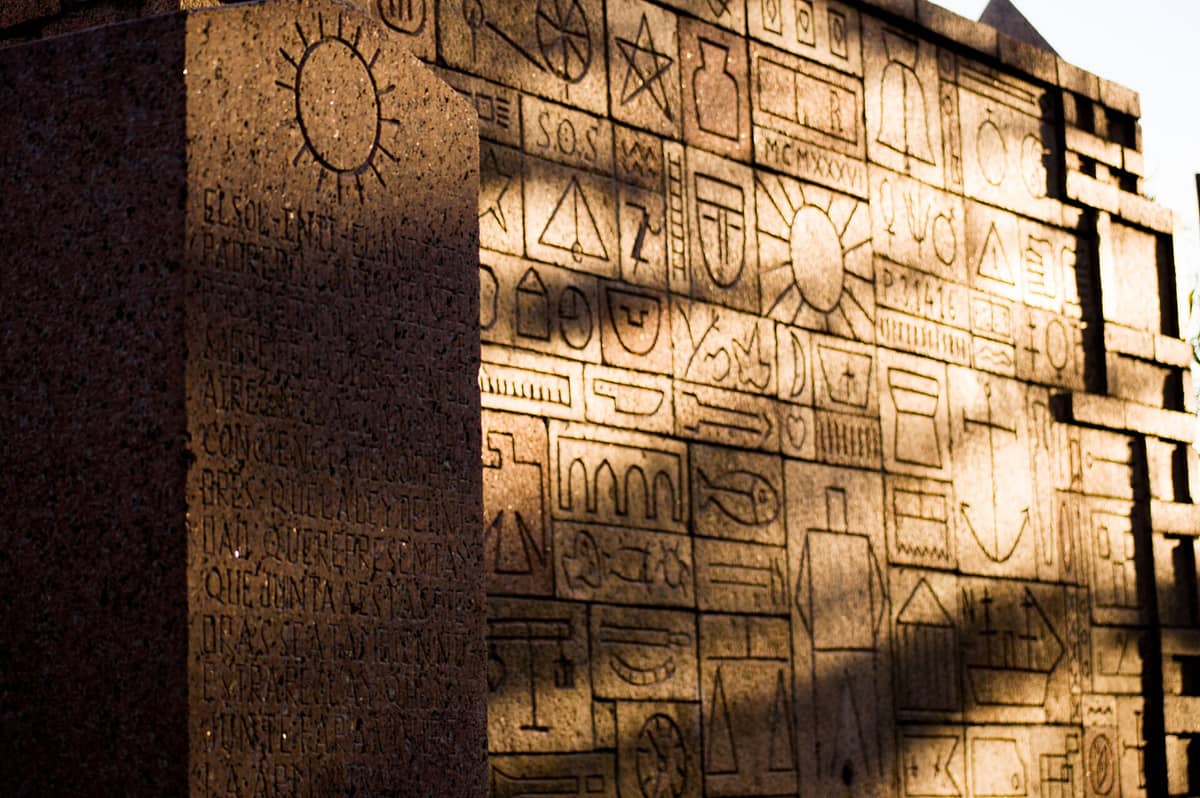
Museo Torres García: a dedicated museum showcasing the work of Joaquín Torres García, Uruguay's most internationally significant artist, housed in a restored building in Ciudad Vieja
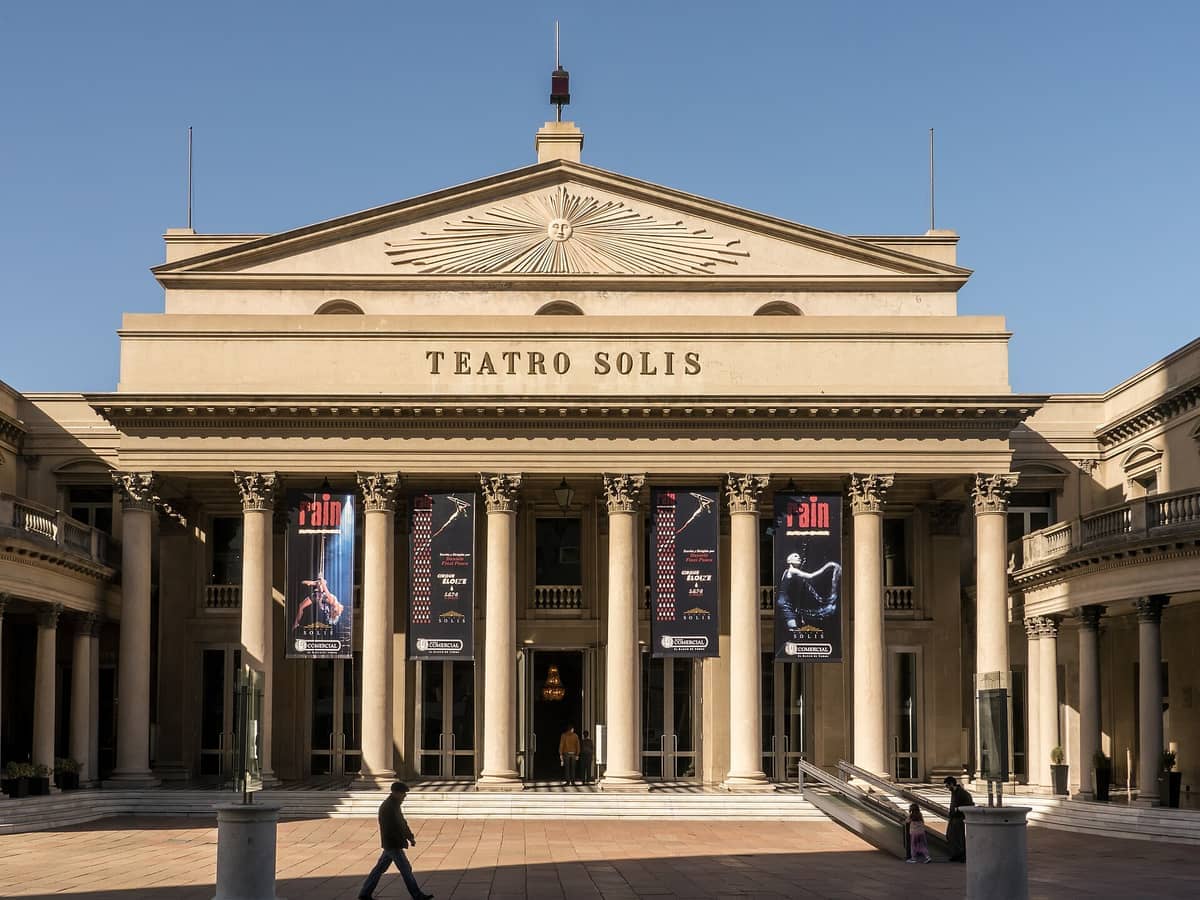
Teatro Solís: Montevideo's principal opera house, inaugurated in 1856, facing Plaza Independencia; tours of the interior run regularly
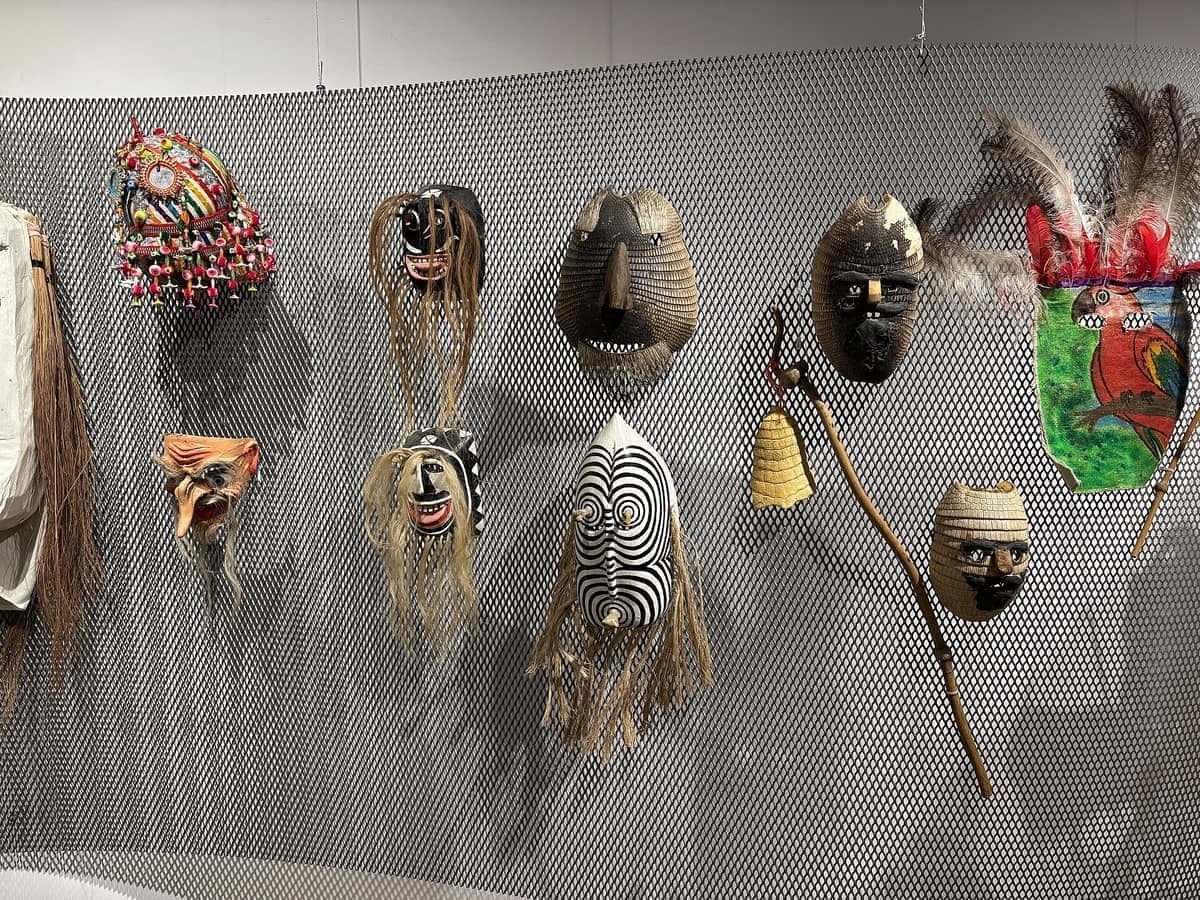
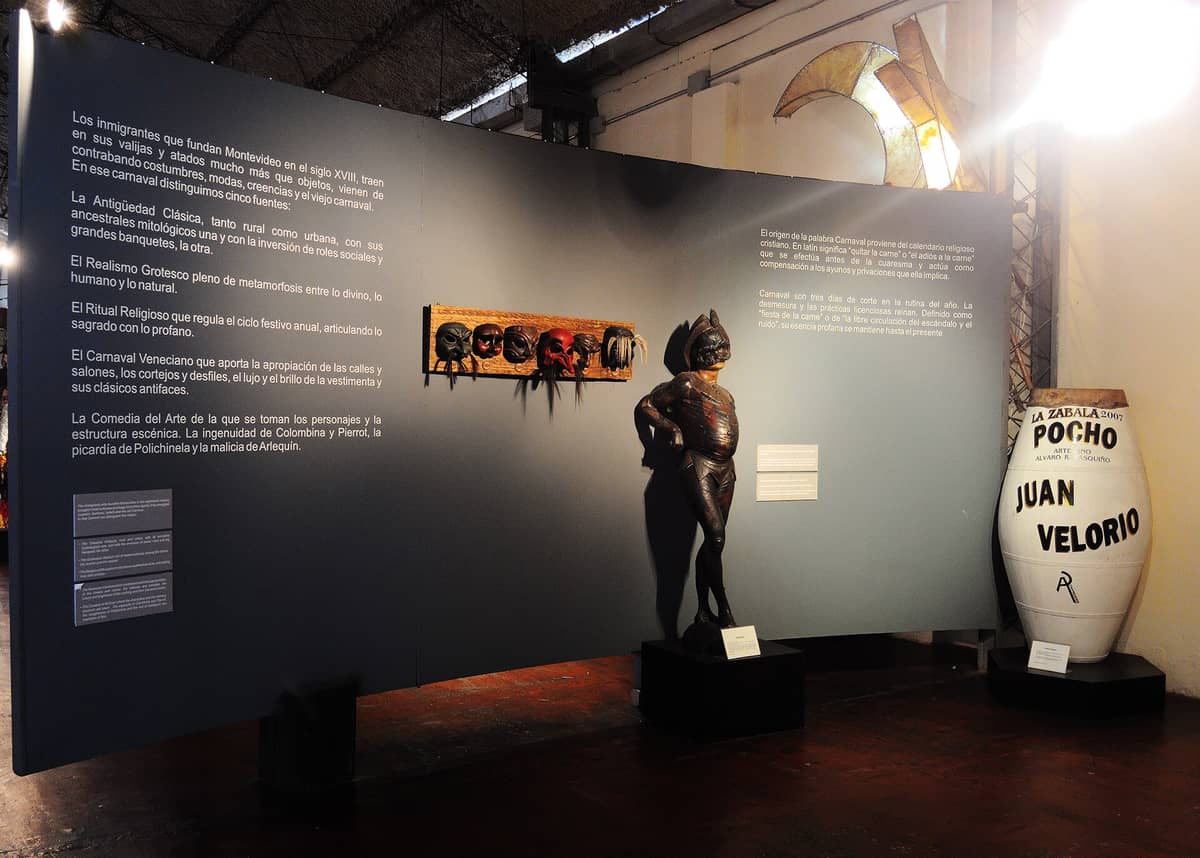
Museo del Carnaval: a focused institution documenting Montevideo's celebrated carnival tradition, including costume archives and audiovisual records
Museo del Gaucho y de la Moneda: covers the gaucho heritage of Uruguay alongside Uruguayan monetary history, located in a notable building on 18 de Julio near the Ciudad Vieja boundary
Palacio Piria: an ornate early-twentieth-century palace on Sarandí, now used for legal and institutional functions, but worth noting for its facade
The Rambla perimeter: walking the southern waterfront section of the Rambla along Ciudad Vieja gives coastal views of the Río de la Plata with the old city behind you
If you want a structured route through the neighbourhood, a walking tour of Ciudad Vieja covers the key plazas, buildings, and streets in a logical sequence. For the broader architectural context of what you are looking at, the Montevideo architecture guide explains the layers of colonial, eclectic, and art deco construction that define the streetscape here.
💡 Local tip
Many of Ciudad Vieja's museums are closed on Mondays. Plan museum visits for Tuesday through Sunday, and check current opening hours directly with each institution before arriving, as schedules do change.
Eating & Drinking
The most famous dining destination in the neighbourhood is Mercado del Puerto, where the traditional Uruguayan asado is available from multiple parrilla stalls under the cast-iron roof. Lunchtimes on weekends are the peak experience, with the smoke, the heat from the grills, and the sound of the city filtering in from the open arched sides. Prices here are higher than in local neighbourhood restaurants, reflecting the tourist footfall. For context on what to order and how the tradition works, the Montevideo asado guide is useful preparation.
Beyond Mercado del Puerto, Ciudad Vieja has a range of cafés and smaller restaurants spread across Sarandí and the parallel streets. The neighbourhood has several traditional Uruguayan cafés that serve cortado coffee and medialunas (croissant-style pastries) through the morning. These are working-person cafés, not tourist concepts, and the price reflects that. You can have a proper breakfast here for very little.
The food scene overall skews toward midday dining rather than late-night eating, which matches the neighbourhood's daily rhythm. Some bars along the streets off Sarandí stay open into the evening, particularly on weekends, but Ciudad Vieja is not where you come for Montevideo's nightlife. For that, areas like Palermo and Barrio Sur are better suited. See the Montevideo nightlife guide for where evenings genuinely come alive.
Street food options are available near the port area and on Sarandí, including choripán (chorizo sandwich) vendors on weekends. For a broader sense of what Montevideo eats at every level of formality and price, what to eat in Montevideo covers the full picture, from market snacks to chivito sandwiches to restaurant tasting menus.
Getting There & Around
Ciudad Vieja is the westernmost part of central Montevideo, and it is easily reached from the Centro district on foot. Walking west along Avenida 18 de Julio from the Tres Cruces area, or from the middle of Centro, takes roughly 15 to 20 minutes before you pass through Plaza Independencia and into the historic barrio. This is the most natural approach and gives you context for where Ciudad Vieja sits relative to the rest of the city.
City buses serve the neighbourhood well. Plaza Independencia is a major bus hub at the eastern edge of Ciudad Vieja, with multiple lines stopping here. Buses along 18 de Julio connect the neighbourhood to the rest of central Montevideo and to the coastal districts further east. If you are coming from Pocitos, Punta Carretas, or Parque Rodó, a bus along the Rambla or 18 de Julio corridor will bring you to the neighbourhood's edge.
International visitors arriving by ferry from Buenos Aires on the Buquebus service arrive directly at the port terminal on the northern edge of Ciudad Vieja, which means they step off the boat and are immediately inside the historic barrio. This is one of the more dramatic arrival experiences of any South American city: coming off the water and walking straight into 19th-century streets.
Ride-hailing services including Uber operate in Montevideo and can be used to reach or leave Ciudad Vieja easily. Taxis are also available. Once inside the neighbourhood, walking is the only practical way to explore, as Peatonal Sarandí is pedestrian-only and most of the street grid is compact enough that driving between sites makes no sense. For a complete overview of how to move around Montevideo, the getting around Montevideo guide covers buses, taxis, ride-hailing, and the coastal routes.
ℹ️ Good to know
Carrasco International Airport (MVD) is approximately 20 to 22 kilometres east of Ciudad Vieja by road. Taxis, remise services, and ride-hailing apps connect the airport to the neighbourhood. Public buses also make the journey but take longer. Confirm current fares with drivers or apps before travel, as tariffs are updated periodically.
Where to Stay
Staying in Ciudad Vieja makes sense for visitors whose primary interest is history, architecture, and cultural institutions. The neighbourhood puts you within walking distance of Montevideo's greatest concentration of museums, historic buildings, and the waterfront. It is also the most convenient base if you are arriving by ferry from Buenos Aires. For a full comparison of Montevideo's neighbourhoods as bases, the where to stay in Montevideo guide lays out the options clearly.
The accommodation offer in Ciudad Vieja ranges from boutique hotels in restored historic buildings to smaller guesthouses and some hostel options. The most atmospheric properties tend to be in the blocks around Sarandí and near Plaza Matriz, where the building fabric is at its most intact. Prices are generally moderate by international standards.
Travelers who want a lively coastal neighbourhood with cafés and restaurants open late, or who plan to spend significant time on Montevideo's beaches, may find the eastern neighbourhoods more convenient. Ciudad Vieja's relative quiet after dark is a feature for some and a drawback for others. It is not the right base for someone who wants to roll out of their hotel at midnight and find a neighbourhood in full swing. Families and couples interested in history and culture tend to find it extremely well-suited to their needs.
Practical Notes
If Ciudad Vieja is your first stop in Montevideo and you want a framework for the wider city before diving in, the guide to things to do in Montevideo gives a useful overview of what the city offers beyond the historic barrio. The neighbourhood is also fully covered in the standard two days in Montevideo itinerary, which uses Ciudad Vieja as the anchor for day one.
Many of Ciudad Vieja's museums are free or low-cost, making the neighbourhood a good focus for budget travellers. The free things to do in Montevideo guide lists the specific institutions with free or donation-entry policies. Several museums also have free admission on specific days of the week, which is worth checking in advance.
Uruguay's currency is the Uruguayan peso (UYU). Credit cards are accepted at most tourist-facing businesses in Ciudad Vieja, but smaller cafés and street vendors typically prefer cash. ATMs are available in the neighbourhood. English is spoken at the main tourism-oriented sites, but having basic Spanish phrases helps in smaller shops and local cafés.
TL;DR
Ciudad Vieja is the right choice for travellers whose priority is Montevideo's history, architecture, and cultural institutions: the city's greatest concentration of all three sits here within a walkable grid.
The neighbourhood is most rewarding during daylight hours, particularly on weekday mornings for local atmosphere and weekend lunchtimes for Mercado del Puerto.
Evening activity is limited compared to Palermo, Parque Rodó, or Pocitos; those wanting a lively neighbourhood after dark should base themselves elsewhere or plan to travel out in the evenings.
Ferry arrivals from Buenos Aires land directly at Ciudad Vieja's port edge, making it the most logical first stop for visitors crossing from Argentina.
Standard urban precautions apply at night, particularly on quiet streets away from Sarandí and Plaza Independencia; the neighbourhood is not uniquely risky but rewards attentiveness.
Forty-eight hours in Montevideo is enough to cover the historic old town, the waterfront Rambla, world-class museums, and some of South America's best grilled meat. This itinerary cuts the noise and tells you exactly what to do, when, and how to get there.
Montevideo has a stronger museum scene than many visitors expect. From a major collection of pre-Columbian art to a museum dedicated to Carnival as a living tradition, these are the best museums in Montevideo for first-time visitors and returning travelers alike.
Montevideo is a genuine year-round destination, but each season offers a different experience. This guide breaks down the weather, crowds, prices, and key events month by month so you can choose the timing that fits your trip.
Colonia del Sacramento is Uruguay's most visited colonial town, and it's reachable from Montevideo in under three hours by bus. This guide covers transport options, timing, what to prioritize once you arrive, and the common mistakes that turn a great day trip into a rushed one.
Montevideo sits at the centre of one of South America's most underrated travel regions. Within three hours by bus, you can reach a UNESCO colonial town, Uruguay's glamorous beach resort, and some of the Southern Cone's most interesting wineries. This guide covers every realistic option for day trips from Montevideo, with transport breakdowns, seasonal advice, and practical logistics.
Montevideo rewards travelers who know where to look. From always-free museums and colonial plazas to 22 kilometers of waterfront promenade, this guide covers the best free experiences in the Uruguayan capital, organized by neighborhood and type.
Montevideo runs on buses. No metro, no tram, no underground — just an extensive STM network covering the whole city, plus taxis, Uber, and a reliable airport bus from Carrasco. This guide breaks down every option with current fares, route logic, and straightforward advice on what actually works.
Montevideo is Uruguay's capital and its most-visited city, attracting about 876,000 foreign tourists in 2025 alone. But is it worth a detour on your South America trip? This guide breaks down what the city genuinely offers, who it suits, and what to skip.
Montevideo's skyline tells the story of a city that built ambitiously across several decades. From the Palacio Salvo's eclectic tower to the Neoclassical grandeur of Teatro Solís, this guide covers the key buildings, the best walking routes, and how to actually get inside them — with clear advice on tours, timing, and what to skip.
Uruguay takes its beef seriously, and nowhere is that more evident than in Montevideo's parrilla restaurants. This guide covers the culture behind asado, where to find the best grills across the city, what to expect on the menu, and honest pricing so you know what you're getting into before you sit down.
Montevideo has more than twenty named beaches stretching along the Río de la Plata, from lively Pocitos near the city center to the tranquil sands of Carrasco. This guide covers water quality, the best beaches for swimming versus walking, seasonal crowd patterns, and how to get there.
Candombe is Montevideo's most distinctive cultural practice: an Afro-Uruguayan drum tradition inscribed on UNESCO's Intangible Cultural Heritage list since 2009. This guide covers where to hear it, when to go, what to expect at the Desfile de Llamadas, and how to engage respectfully with a living community practice.
Montevideo hosts one of the longest Carnival seasons in the world, running from late January through early March. This guide covers the key events, ticket prices, neighborhood tablados, cultural context, and practical logistics to help you experience it properly.
Montevideo is one of South America's most livable capitals, with reliable infrastructure, a stable political climate, and a quality of life that few cities in the region can match. This guide covers everything remote workers need: Uruguay's digital nomad permit, the best neighborhoods to base yourself, coworking options, cost of living, and the practical details that most guides skip.
From the sprawling Sunday chaos of Tristán Narvaja to the relaxed crafts stalls of Villa Biarritz, Montevideo's flea markets and street fairs are some of the best in South America. This guide covers every major market, exact schedules, what to expect, and how to get the most out of each one.
Montevideo is one of South America's most football-obsessed cities, home to two of the continent's oldest clubs and a stadium that hosted the first World Cup final. This guide covers every major venue, how to buy tickets, what to expect at a clásico, and the practical details that make the difference between a great experience and a frustrating one.
Montevideo's nightlife runs on tango, candombe, and craft beer rather than superclubs. This guide breaks down the best neighborhoods, venues, and what to expect from the city's after-dark culture, with practical prices and timing.
Montevideo is more affordable than its reputation suggests. With free museum days, a reliable bus network costing around US$1.50 per ride, and a coastline that charges nothing for entry, the Uruguayan capital rewards travelers who plan smart. This guide breaks down exactly how to keep costs low without sacrificing the best the city has to offer.
Montevideo is one of South America's more livable capitals, but that doesn't mean it's risk-free. This guide breaks down the real safety picture — crime statistics, neighborhood-by-neighborhood risk levels, what official travel advisories say, and practical tips that actually make a difference on the ground.
Uruguay's flagship grape Tannat has put South American wine on the map, and Montevideo is your best base for exploring it. This guide covers the top wineries, urban tasting rooms, seasonal timing, and honest pricing so you can plan a wine experience that suits your budget and schedule.
Montevideo is one of South America's most relaxed capitals for family travel. From the boat-filled lake at Parque Rodó to the Rambla's long coastal path, the city offers low-cost, walkable experiences that work well across a wide range of ages. This guide covers the best activities, practical logistics, and practical advice for visiting Montevideo with kids.
A Punta del Este day trip from Montevideo is one of Uruguay's most popular excursions, and for good reason. With buses running every 20-60 minutes from Terminal Tres Cruces and a journey of around two hours each way, it's entirely doable as a same-day visit. This guide covers transport logistics, costs, what to do with limited time, and the honest trade-offs.
Montevideo rewards travelers who go beyond the surface. This guide covers the best things to do in Montevideo, Uruguay, from free rooftop viewpoints and major museums to asado markets, carnival culture, and a day trip to Colonia del Sacramento. Practical, specific, and clear about what's worth your time.
Ciudad Vieja is Montevideo's historic peninsula neighborhood, packed with colonial architecture, key museums, and some of the best food in the city. This guide covers the full self-guided walking tour route, stop by stop, with practical details on timing, costs, and what to skip.
Montevideo's food scene is built on beef, but it goes much further than that. This guide covers the essential dishes, best markets, honest price breakdowns, and where to eat well across every neighborhood, from the historic port to the coastal rambla.
Choosing where to stay in Montevideo makes a bigger difference than most travelers expect. This guide breaks down the city's key neighborhoods by character, price range, and who they suit best, so you can book with confidence.