Montevideo Carnival: The Complete Guide
Montevideo hosts one of the longest Carnival seasons in the world, running from late January through early March. This guide covers the key events, ticket prices, neighborhood tablados, cultural context, and practical logistics to help you experience it properly.
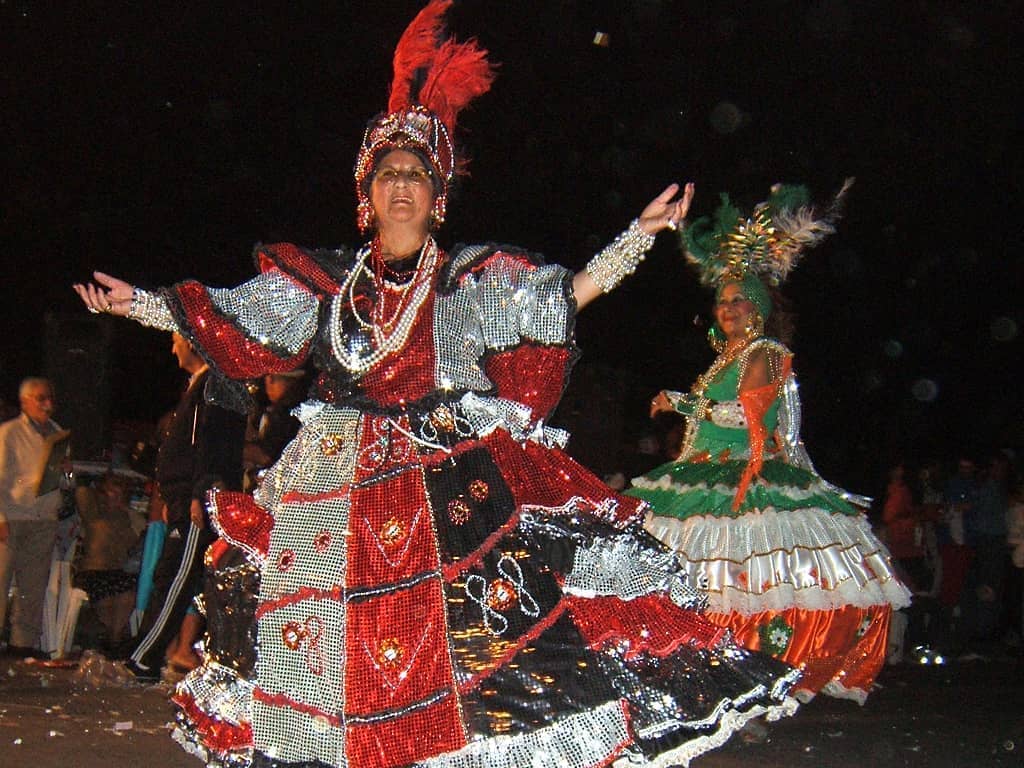
Tickets & tours
Live prices and dates from our booking partner. If you book, we may earn a commission at no extra cost to you.
TL;DR
- Montevideo Carnival events run from late January through February, making it one of the longest carnival seasons in the world.
- The Desfile de Llamadas is the centerpiece event: a candombe parade rooted in Afro-Uruguayan culture, not a Brazilian-style samba show. Learn more about the tradition in our Montevideo candombe guide.
- Tickets for major parades range from around UYU 180 to UYU 625, sold through Abitab outlets. Many neighborhood tablados in central districts are free.
- Major parades start around 19:00 and run late; the summer heat means evenings are warm but humid, so dress accordingly.
- Check the official Intendencia de Montevideo events portal each year for exact dates, routes, and free activities. For broader trip planning, see our guide on the best time to visit Montevideo.
Why Montevideo Carnival Is Different
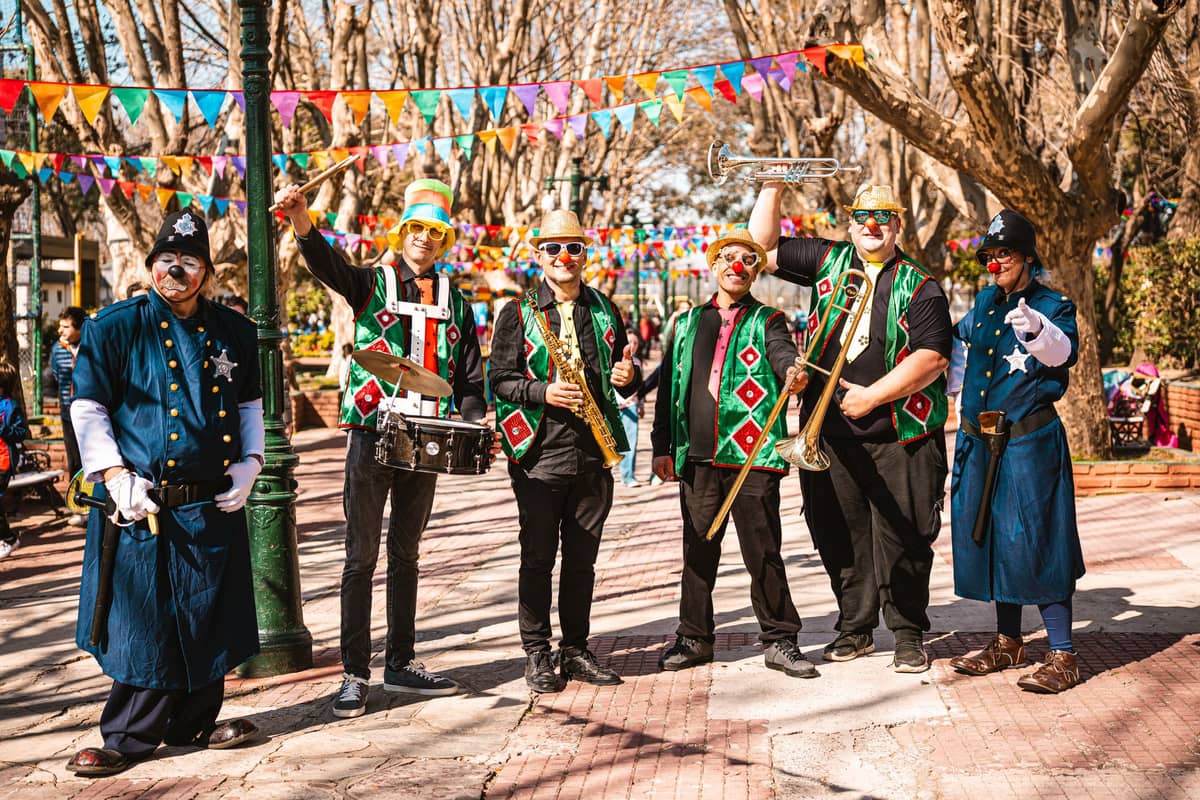
Most travelers assume Carnival means Rio de Janeiro. Montevideo's version operates on entirely different logic. Where Rio concentrates its energy into a few nights of stadium-scale spectacle, Montevideo spreads Carnival across several weeks of neighborhood stages, competitive shows, and street parades. The result is something more embedded in daily life: locals attend multiple events throughout the season, not just one climactic night.
The season is widely cited as one of the longest Carnival celebrations in the world. It typically opens in late January with the Desfile Inaugural on Avenida 18 de Julio and extends through February, with the official competition at the Teatro de Verano running in parallel. The Desfile de Llamadas, focused on candombe drumming and Afro-Uruguayan comparsas, generally falls in early February and is the event that draws the largest crowds.
ℹ️ Good to know
Carnival in Uruguay includes national holiday dates around the peak of the season, not just a cultural curiosity. Banks, government offices, and some businesses close or operate reduced hours on those specific days. Plan travel logistics accordingly.
The Key Events: What to See and When
The Carnival season has three main pillars that most visitors should understand before they arrive.
- Desfile Inaugural (Opening Parade) Held on Avenida 18 de Julio, the main commercial boulevard through Centro, this parade marks the official opening of Carnival. In 2025, tickets were priced from UYU 180 to UYU 530, sold through Abitab. It draws massive crowds, so arrive at least an hour early to secure a decent standing spot if you have not purchased seated tickets.
- Desfile de Llamadas The most culturally significant event of the season. Candombe comparsas parade through the streets of Barrio Sur and Palermo, along Calle Isla de Flores, from Zelmar Michelini to Minas. In 2026, it is scheduled for Friday 6 and Saturday 7 February, starting at 19:00. General tickets for 2025 ranged from roughly UYU 250 to UYU 590, with preferential sectors up to UYU 625. Children under 5 enter free but without a guaranteed seat.
- Concurso Oficial (Official Competition) Held nightly at the Teatro de Verano (open-air amphitheater in Parque Rodó), this is where groups compete in categories including murga (satirical musical theater), candombe, parodistas, and humoristas. The competition runs throughout February and into early March. This is where serious Carnival fans spend most of their time.
- Corsos Barriales and Tablados Neighborhood parades (corsos) and local stages (tablados) take place across the city's districts. Many are free, especially those organized by Municipio B in Barrio Sur, Ciudad Vieja, Cordón, and Palermo. These typically run from around 18:00 or 19:00 to 22:00.
For the Desfile de Llamadas, the route runs through Barrio Sur and Palermo, two neighborhoods that are the historic heartland of Afro-Uruguayan culture in Montevideo. If you are in the city before the main parade date, you will likely hear candombe drum ensembles rehearsing in the streets of these barrios on weekend evenings, which is itself worth seeking out.
Understanding Candombe: The Soul of Montevideo Carnival
The Desfile de Llamadas is sometimes miscategorized as a samba parade by visitors unfamiliar with the distinction. It is not. Candombe is a specifically Uruguayan musical and cultural tradition rooted in the practices of enslaved Africans brought to the Río de la Plata region. The drum ensembles, called cuerdas de candombe, use three types of drums: the chico (highest pitch), repique (mid-range), and piano (lowest, rhythmic foundation). The combination produces a polyrhythmic sound that is immediately recognizable and unlike anything in Brazilian Carnival.
UNESCO recognized candombe as Intangible Cultural Heritage in 2009. The Llamadas parade is its most public expression, but the tradition lives in the streets of Barrio Sur and Palermo year-round. Our candombe guide goes deeper into the history and where to hear it outside of Carnival season.
✨ Pro tip
If you want a better understanding of the Llamadas before attending, visit the Museo del Carnaval in Ciudad Vieja. It covers the history of Carnival categories, costumes, and candombe with genuine depth, and entry is inexpensive. It is open year-round, not just during Carnival.
Tickets, Prices, and Where to Buy
Ticket pricing for Montevideo Carnival events is tiered by event type and seating position. Here is a realistic breakdown based on 2025 figures, which will shift modestly year to year due to inflation in UYU.
- Desfile Inaugural on 18 de Julio: approximately UYU 180–530 depending on sector (2025 data).
- Desfile de Llamadas: approximately UYU 250–650 for general seats; preferential sectors up to around UYU 700; children under 5 free (no seat guarantee).
- Concurso Oficial at Teatro de Verano: ticket prices vary by night and seating; check official sources closer to the date.
- Municipal tablados in Municipio B (Barrio Sur, Ciudad Vieja, Cordón, Palermo): free of charge in 2026.
- Corsos barriales (neighborhood parades): typically free to watch from the street.
Tickets for paid events are sold through Abitab, a nationwide network of payment and ticketing kiosks with locations throughout Montevideo and across Uruguay. You can also purchase online through Abitab's platform. There is no single Carnival box office, so do not arrive expecting to buy tickets at the gate for major parades. Demand for the Llamadas in particular is high, and preferred-sector tickets sell out weeks in advance.
⚠️ What to skip
Prices listed here are based on 2025 data. UYU is subject to inflation and the exact figures change each year. Always verify current pricing through the official Intendencia de Montevideo events portal (eventos.montevideo.gub.uy) or la diaria and El País for up-to-date ticket announcements before purchasing.
Free Carnival: Tablados, Corsos, and Neighborhood Events
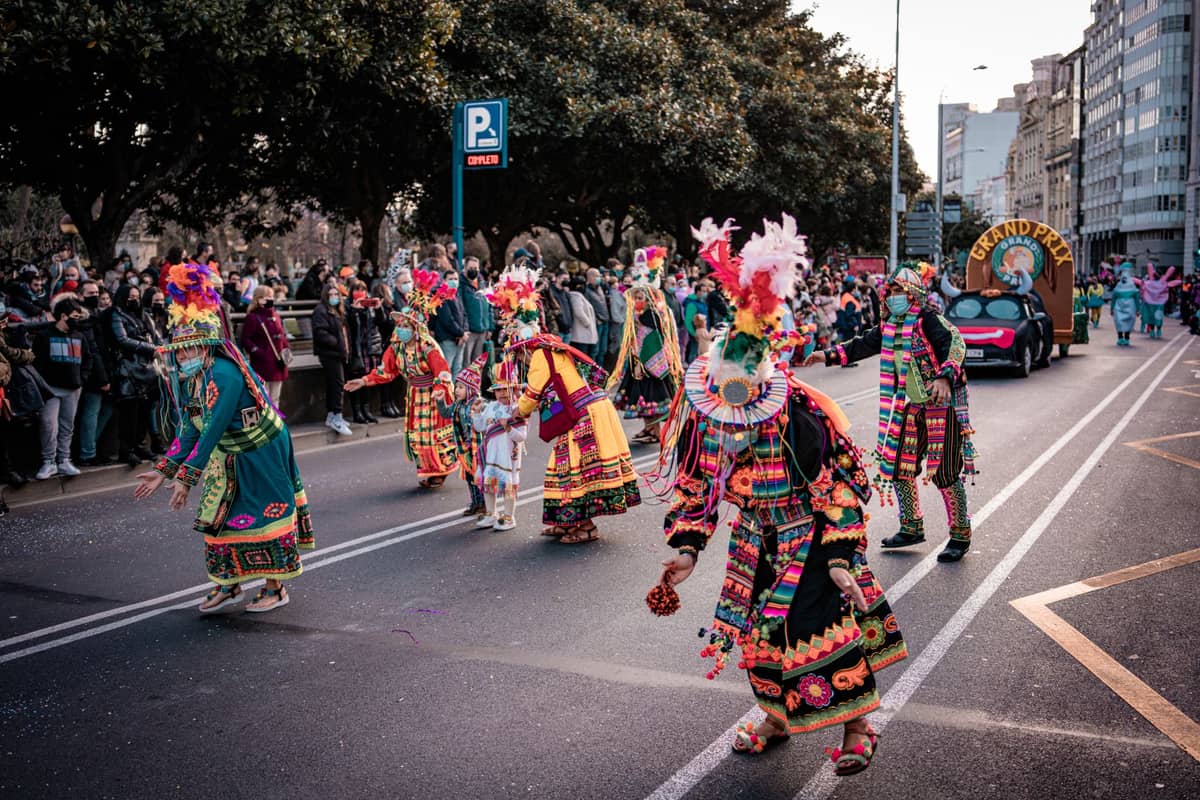
A significant portion of Montevideo Carnival is free, and this is where the experience feels most local. The Municipio B administration organizes tablados in Barrio Sur, Ciudad Vieja, Cordón, and Palermo that are open to anyone. In 2026, these were confirmed as free of charge, typically running from around 19:00 to 22:00 and often accompanied by small artisan and food fairs.
Corsos barriales (neighborhood street parades) happen across the city, from Pocitos to the Centro. They are smaller than the Desfile Inaugural but often more relaxed, with locals lining the streets and a genuinely festive atmosphere. Check the Intendencia portal or Municipio B's website for a neighborhood-by-neighborhood schedule. Ciudad Vieja is particularly atmospheric during Carnival, with the historic streets providing an excellent backdrop for smaller events.
For visitors on a tight budget, it is entirely possible to experience the core of Montevideo Carnival without spending much at all. Our guide to free things in Montevideo and the Montevideo on a budget guide have broader context on keeping costs down during your visit.
Practical Logistics: Getting There, Getting Around, What to Expect
Carnival events are spread across the city, but the major ones concentrate in a relatively compact area. The Llamadas route runs through Barrio Sur and Palermo, which are walkable from Centro. The Teatro de Verano is in Parque Rodó, accessible by bus from most central neighborhoods. The Desfile Inaugural on 18 de Julio is centrally located and easy to reach from anywhere in the city.
Montevideo's public bus network covers all the areas where Carnival events occur. Buses run late during the season, though frequency can drop after midnight. Ride-hailing apps including Uber also operate in the city and are useful for getting home after late-night events. For a full breakdown of transport options, see our guide to getting around Montevideo.
- Arrive at parade routes at least 60 minutes before the 19:00 start time if you want a front-row standing position.
- Bring cash for street food vendors; card acceptance is inconsistent at outdoor stalls.
- Summer evenings are warm and humid (typically 20–24°C); light clothing is standard but bring a layer for late nights.
- The Llamadas route gets extremely crowded; keep bags secure and be aware of your surroundings in dense crowds.
- If you have mobility limitations, contact the Intendencia in advance about accessible viewing areas for major parades.
- Accommodation fills up fast in Carnival weeks, particularly in Pocitos, Centro, and Ciudad Vieja. Book at least 4–6 weeks ahead.
If you are planning your trip around Carnival, pairing it with a visit to Mercado del Puerto for a proper asado lunch the day of the Llamadas is a classic Montevideo move. The market is in Ciudad Vieja, a short walk or bus ride from the parade route.
💡 Local tip
The Teatro de Verano is open-air. Check the weather forecast before attending the Concurso Oficial. Light rain rarely cancels events, but a heavy downpour can make an uncovered seat miserable. A small rain jacket takes up minimal bag space and covers you either way.
When to Visit for Carnival: Season Overview
Carnival falls in Uruguay's summer, meaning late January through early March brings hot and humid conditions. Daytime highs reach 26–28°C and evenings stay in the low-to-mid twenties (around 20–24°C). The heat adds to the energy of outdoor events but can feel oppressive if you are queuing or standing in dense crowds for extended periods.
If you want the most iconic event and do not want to spend the full multi-week season in Montevideo, the Desfile de Llamadas weekend is the priority. In 2026 that falls on 6 and 7 February. Being in the city for 4–5 days around that weekend gives you time to attend tablados, explore the city, and experience the Concurso Oficial at the Teatro de Verano. Arriving the week before gives you the Desfile Inaugural as well.
For context on how Carnival fits into the broader annual calendar and what else is worth considering, see our things to do in Montevideo guide and the where to stay in Montevideo guide for neighborhood recommendations during the busy season.
FAQ
When does Montevideo Carnival take place?
The season typically runs from late January through early March. The Desfile Inaugural usually opens the season in late January on Avenida 18 de Julio, the Desfile de Llamadas falls in early February (6–7 February in 2026), and the Concurso Oficial at Teatro de Verano runs throughout February. Check the official Intendencia de Montevideo events portal for exact dates each year.
How much do Carnival tickets cost in Montevideo?
Based on 2025 data: the Desfile Inaugural ranged from approximately UYU 180 to UYU 530 by sector. The Desfile de Llamadas ranged from around UYU 250 to around UYU 700 depending on the seating area, with children under 5 entering free. Many neighborhood tablados and corsos are free. Prices are set annually and shift with inflation, so always verify through Abitab or the official Intendencia portal before your visit.
Where can I buy Montevideo Carnival tickets?
Tickets for major paid events including the Desfile de Llamadas and the Concurso Oficial are sold through Abitab, a nationwide network of kiosks across Uruguay. You can also purchase through Abitab's online platform. There is no dedicated Carnival box office, and tickets for popular events sell out well in advance, so purchase as early as possible.
Is the Desfile de Llamadas the same as a samba parade?
No. The Llamadas is specifically a candombe parade, rooted in Afro-Uruguayan cultural traditions brought to the Río de la Plata by enslaved Africans. The drum ensembles use three types of drums and produce a polyrhythmic sound entirely distinct from Brazilian samba. UNESCO recognized candombe as Intangible Cultural Heritage in 2009. It is one of Uruguay's most significant cultural expressions, not an imitation of Brazilian Carnival.
Can I experience Carnival in Montevideo for free?
Yes. Neighborhood tablados organized by Municipio B in Barrio Sur, Ciudad Vieja, Cordón, and Palermo are free of charge (confirmed free in 2026) and run roughly 19:00–22:00. Corsos barriales (neighborhood street parades) across the city are also free to watch from the street. Even without buying a single ticket, you can experience a substantial amount of genuine Carnival activity.
Tickets & tours
Live prices and dates from our booking partner. If you book, we may earn a commission at no extra cost to you.
Planning a trip? Discover personalized activities with the Nomado app.