Free Things to Do in Montevideo: 20 Ways to Explore the City Without Spending a Peso
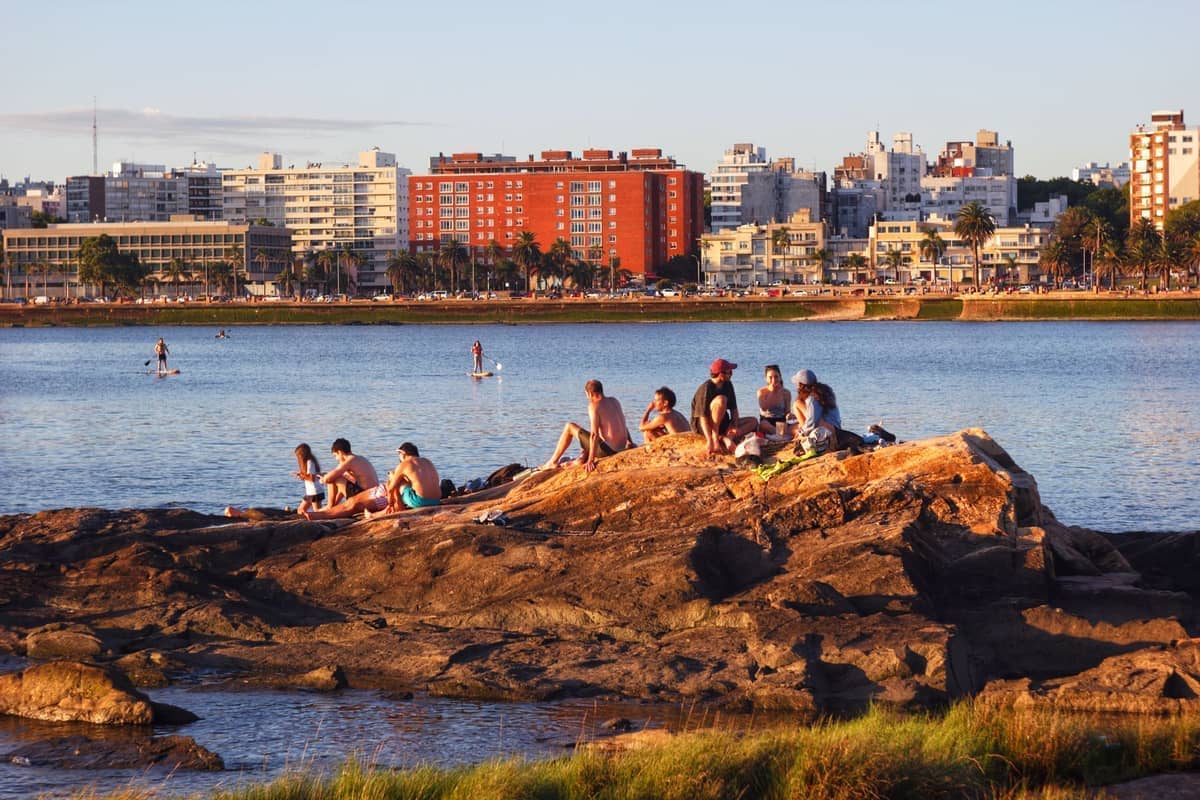
Montevideo rewards travelers who know where to look. From always-free museums and colonial plazas to 22 kilometers of waterfront promenade, this guide covers the best free experiences in the Uruguayan capital, organized by neighborhood and type.
Tickets & tours
Live prices and dates from our booking partner. If you book, we may earn a commission at no extra cost to you.
Montevideo is one of South America's most walkable capitals, and a surprising amount of its best experiences cost nothing at all. The historic Ciudad Vieja alone packs in free museums, colonial plazas, and landmark architecture within easy walking distance. Head east along the coastal rambla and you'll pass urban beaches, public parks, and neighborhood squares without reaching for your wallet. A few practical notes before you go: some museums listed here are free every day, others only on specific days (MAPI is free on Mondays, for example). Always verify opening hours before visiting, as schedules shift around public holidays. And remember that places like Mercado del Puerto are free to enter but not free to eat at.
💡 Local tip
The city's public bus network covers most attractions on this list. Use the Cómo ir app or website (comoir.montevideo.gub.uy) to plan routes. Keep small change in Uruguayan pesos for the fare.
Free Museums & Cultural Spaces
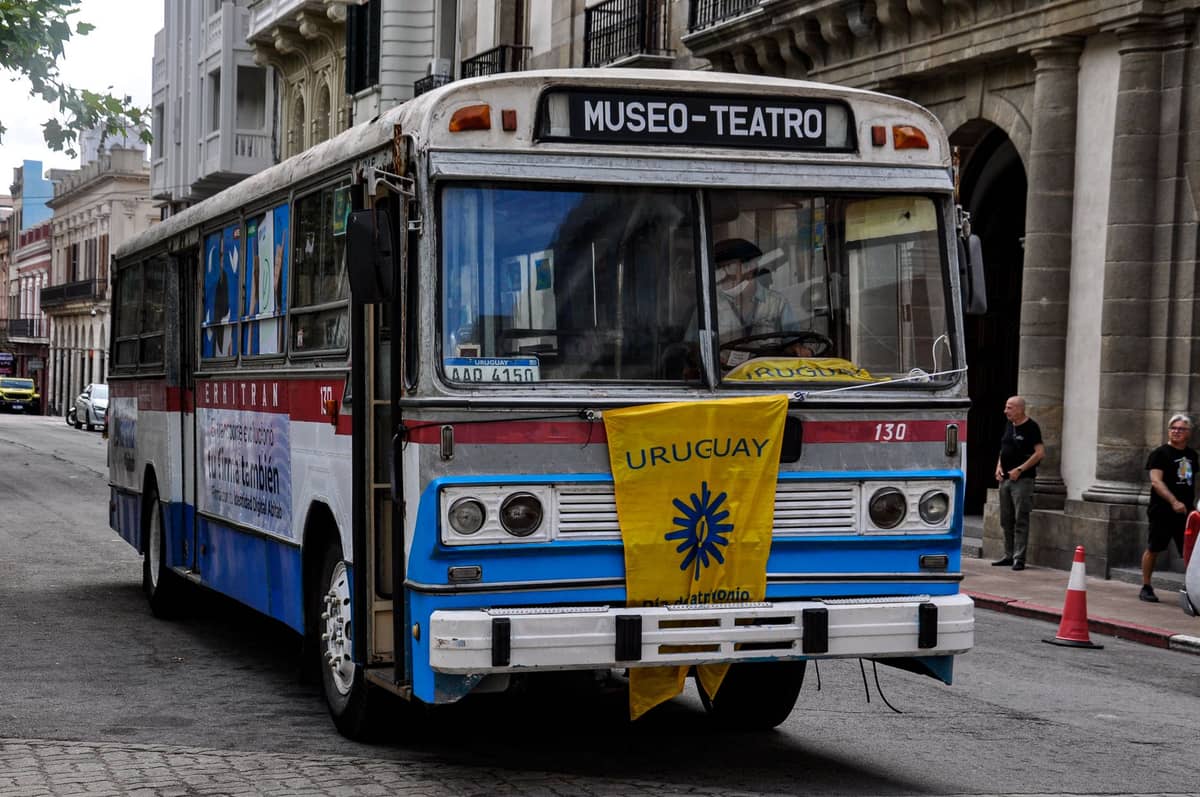
Montevideo has more free museum options than most visitors expect. The city's museum scene ranges from world-class art collections to niche historical archives, and many charge nothing at all. Always confirm hours on the venue's official website before visiting, particularly around national holidays.
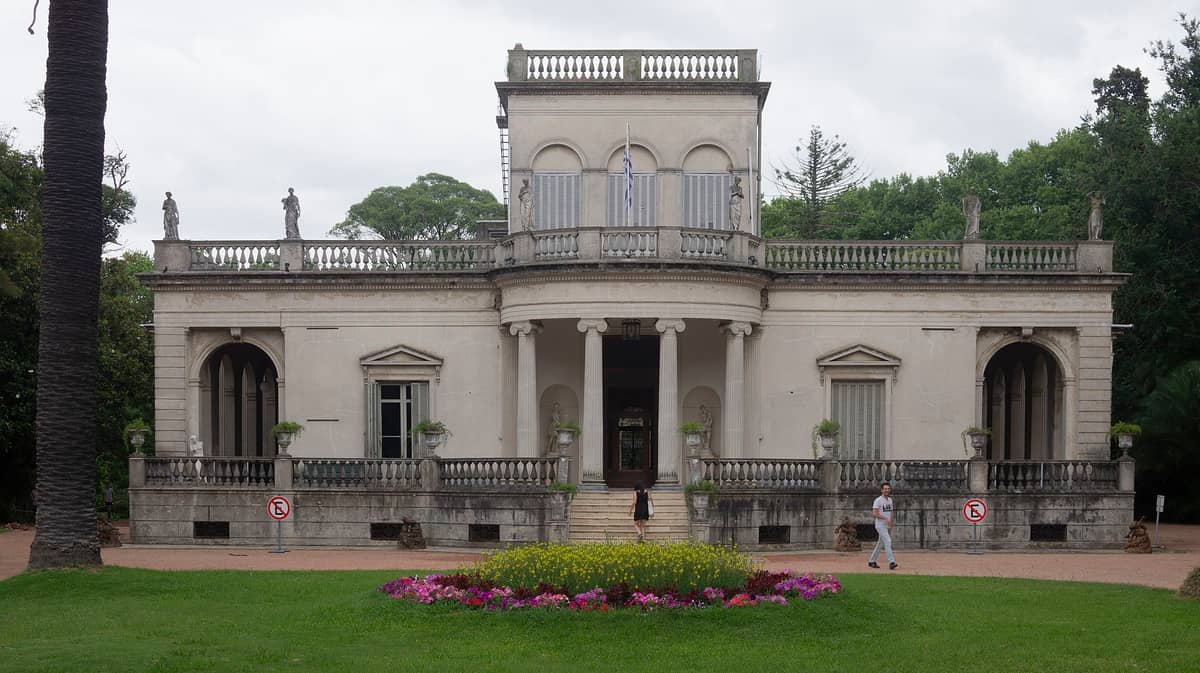
1. Spend a Free Afternoon at Montevideo's Best Art Museum
Housed in a Palladian villa in the Prado neighborhood, this municipal art museum holds 4,000+ works and charges no admission. Open Tuesday to Sunday, 12:00–18:00. The surrounding gardens add calm that central museums rarely offer.
Explore1. Spend a Free Afternoon at Montevideo's Best Art Museum
Housed in a Palladian villa in the Prado neighborhood, this municipal art museum holds 4,000+ works and charges no admission. Open Tuesday to Sunday, 12:00–18:00. The surrounding gardens add calm that central museums rarely offer.
Explore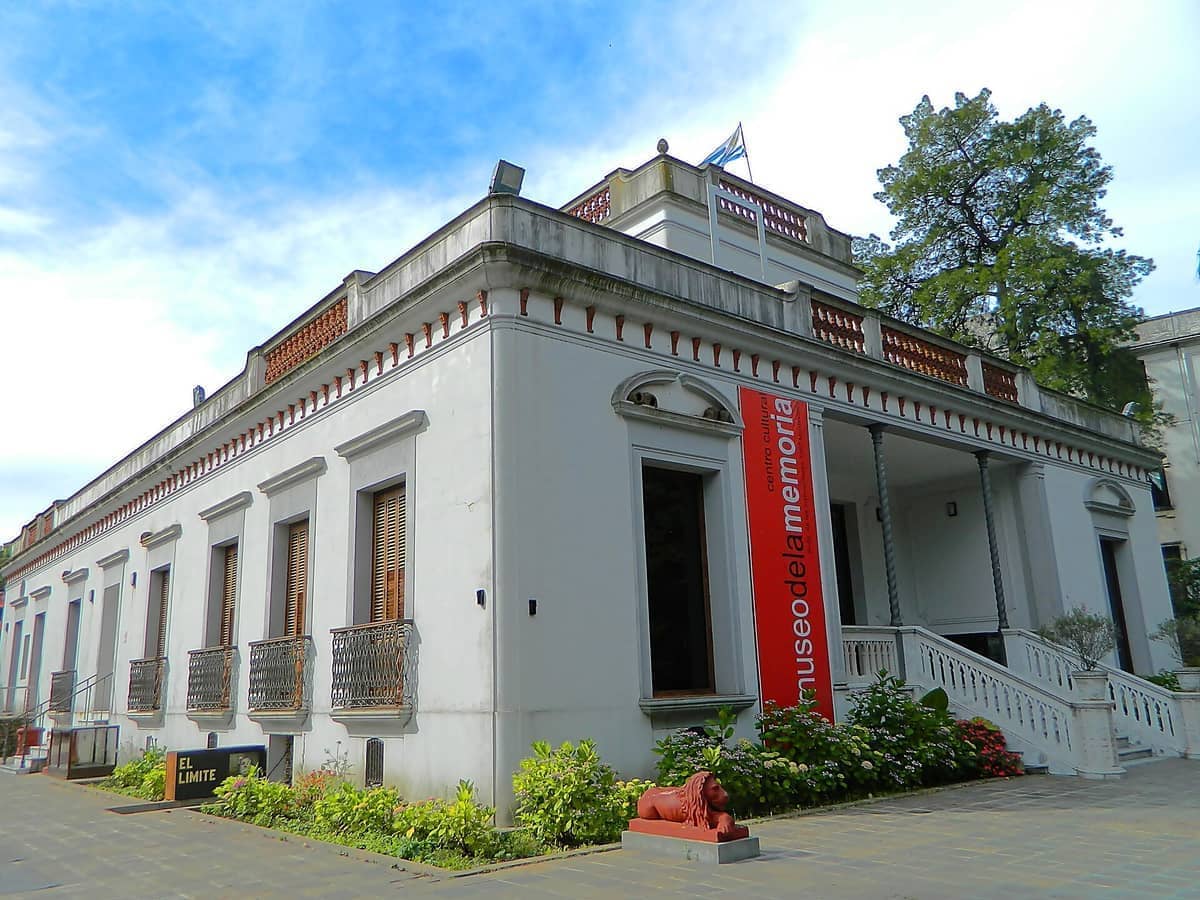
2. Confront Uruguay's Dictatorship History at MUME
Free to enter and housed in a 19th-century country estate, MUME documents the 1973–1985 dictatorship through artifacts, testimonies, and art. It's sobering and carefully curated, requiring about 90 minutes to absorb properly.
Explore2. Confront Uruguay's Dictatorship History at MUME
Free to enter and housed in a 19th-century country estate, MUME documents the 1973–1985 dictatorship through artifacts, testimonies, and art. It's sobering and carefully curated, requiring about 90 minutes to absorb properly.
Explore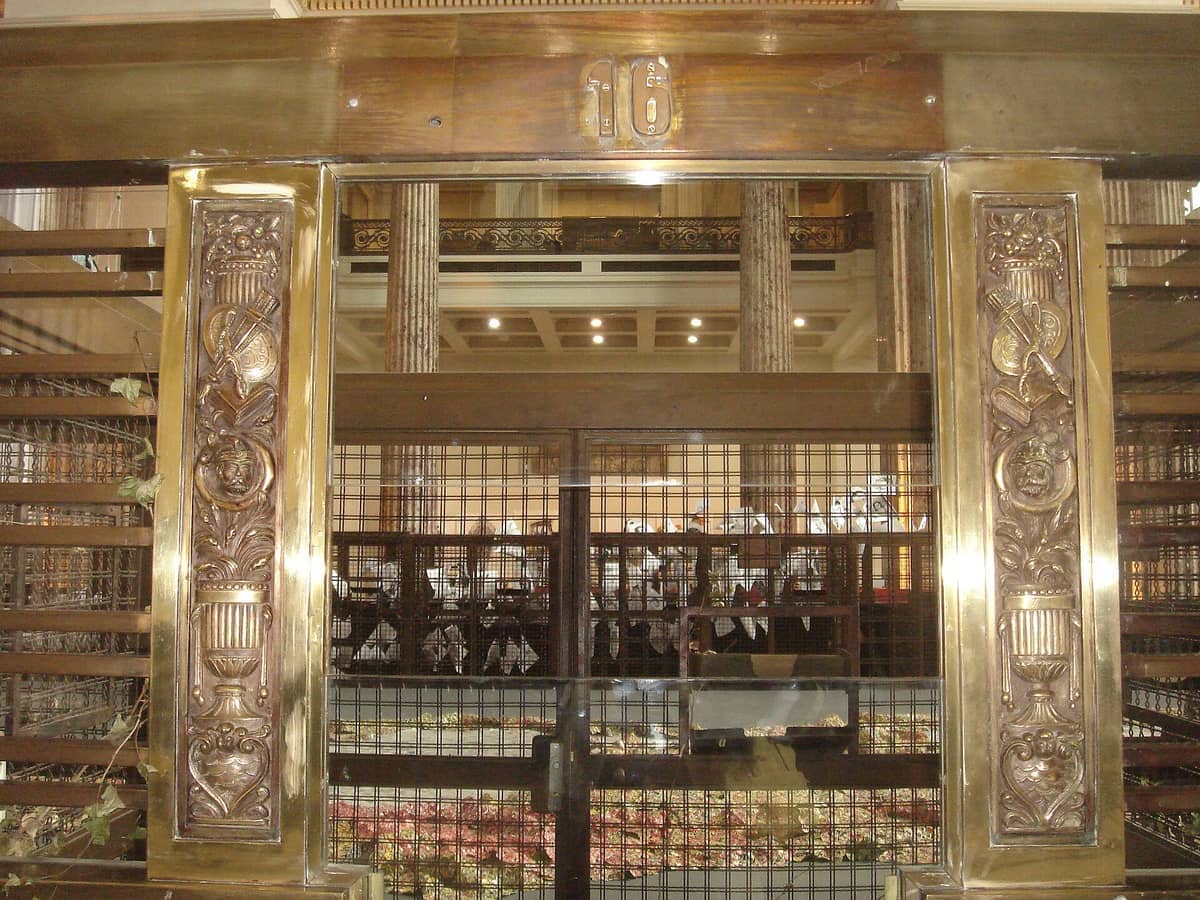
3. Explore Gaucho Culture for Free Inside the Banco República
Inside the grand Casa Central del Banco República in Ciudad Vieja, this free museum covers Uruguay's gaucho tradition and monetary history. The building alone is worth the detour, and the collections reward genuine curiosity.
Explore3. Explore Gaucho Culture for Free Inside the Banco República
Inside the grand Casa Central del Banco República in Ciudad Vieja, this free museum covers Uruguay's gaucho tradition and monetary history. The building alone is worth the detour, and the collections reward genuine curiosity.
Explore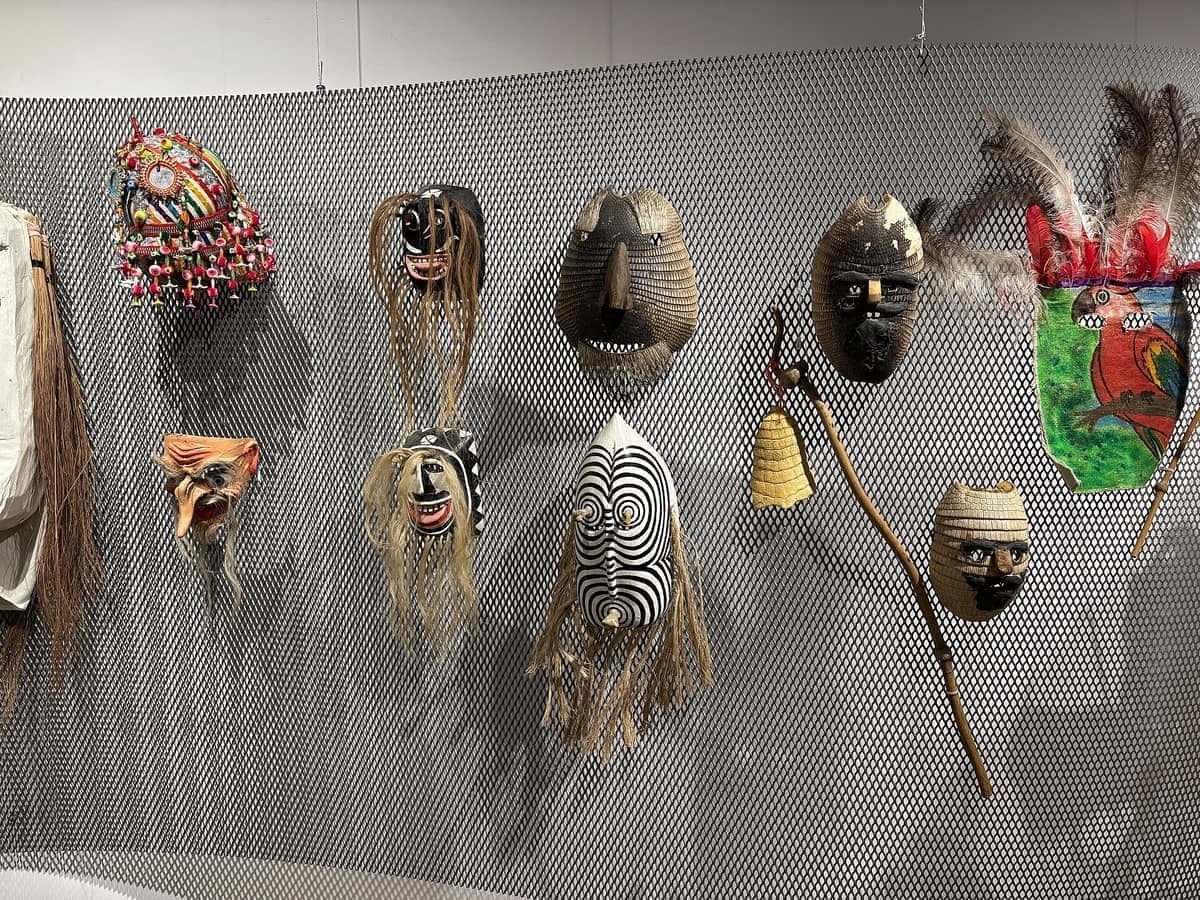
4. Visit MAPI Free on Monday Mornings
MAPI presents thousands of years of indigenous American art in a compact, well-curated Ciudad Vieja space. Admission is free on Mondays; open Monday to Saturday 10:30–18:00, last entry 17:30. Check the official site before visiting.
Explore4. Visit MAPI Free on Monday Mornings
MAPI presents thousands of years of indigenous American art in a compact, well-curated Ciudad Vieja space. Admission is free on Mondays; open Monday to Saturday 10:30–18:00, last entry 17:30. Check the official site before visiting.
Explore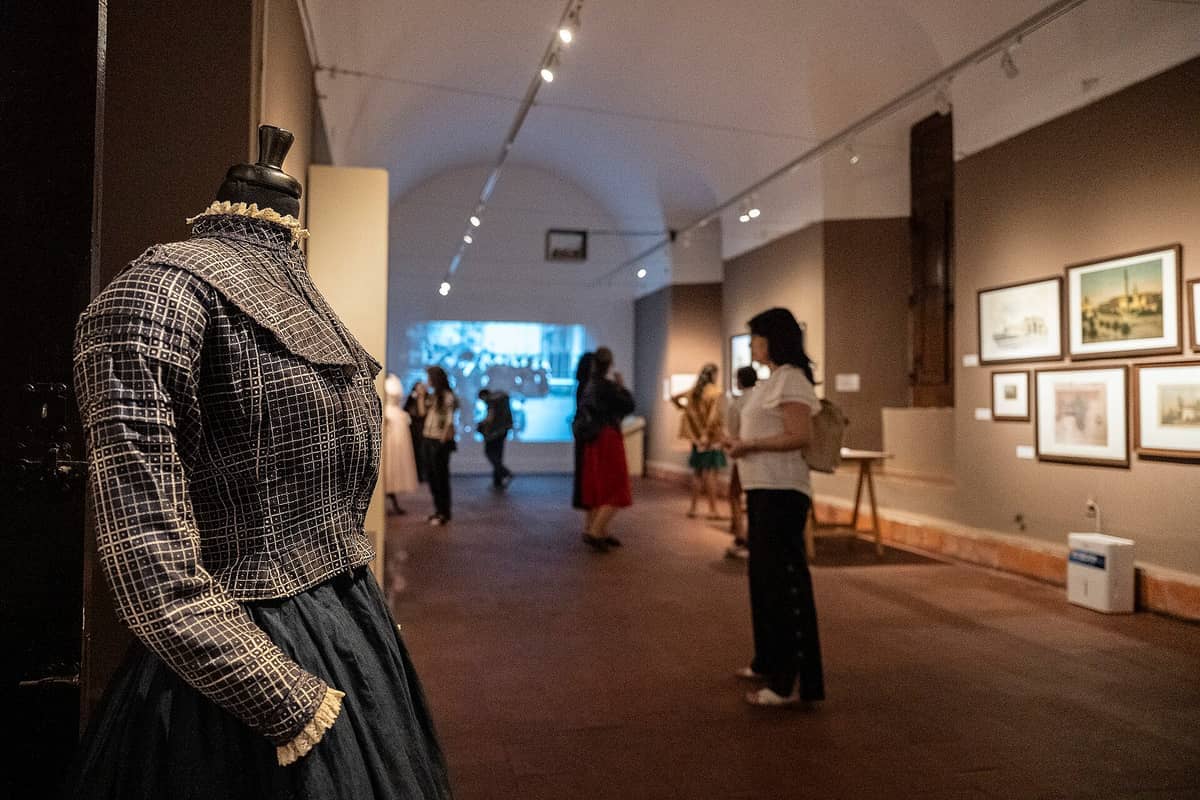
5. Step Inside Montevideo's Most Important Colonial Building
The Cabildo on Plaza Matriz is free to enter and holds a substantive collection on the city's founding and independence period. It's open Monday to Saturday within daytime hours. The building itself dates to the colonial era and frames the old town's best square.
Explore5. Step Inside Montevideo's Most Important Colonial Building
The Cabildo on Plaza Matriz is free to enter and holds a substantive collection on the city's founding and independence period. It's open Monday to Saturday within daytime hours. The building itself dates to the colonial era and frames the old town's best square.
Explore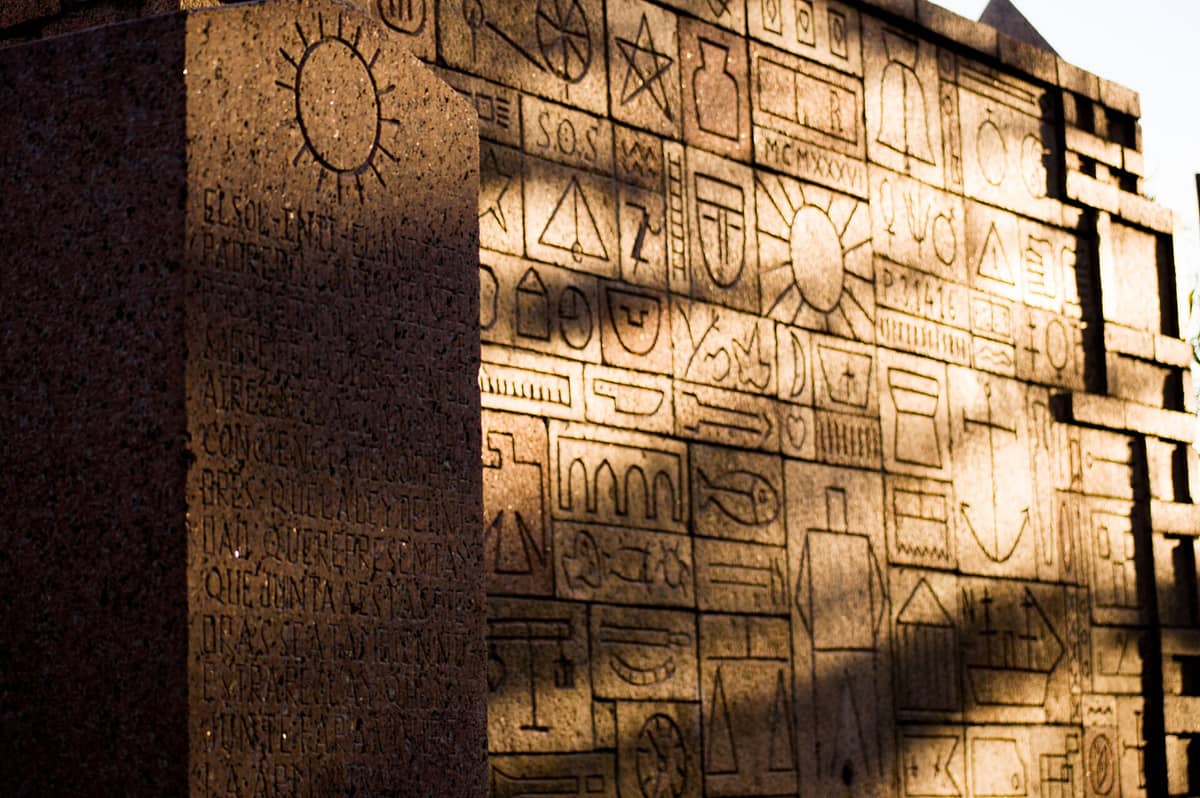
6. See Constructivist Masterworks on Peatonal Sarandí
The Museo Torres García on Ciudad Vieja's pedestrian street preserves the work of Uruguay's most internationally recognized artist. The space is small but dense with ideas. Check whether free-entry days apply when you visit — hours can vary seasonally.
Explore6. See Constructivist Masterworks on Peatonal Sarandí
The Museo Torres García on Ciudad Vieja's pedestrian street preserves the work of Uruguay's most internationally recognized artist. The space is small but dense with ideas. Check whether free-entry days apply when you visit — hours can vary seasonally.
Explore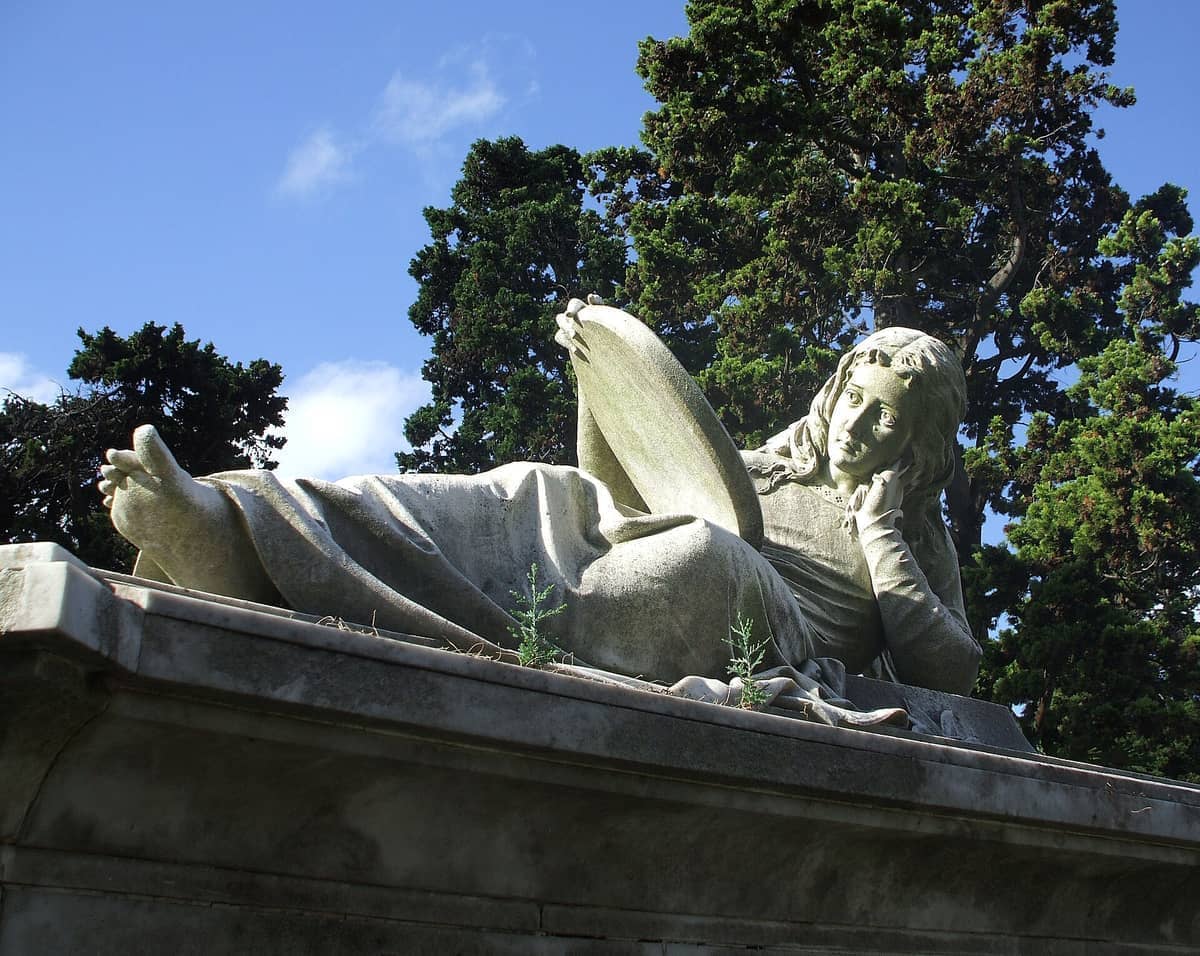
7. Walk Through an Open-Air Museum of Funerary Architecture
Montevideo's main cemetery is one of South America's most architecturally impressive, with Art Nouveau sculpture and elaborate mausoleums lining wide tree-lined avenues. Free to enter, it functions as a genuine open-air museum of Uruguayan history.
Explore7. Walk Through an Open-Air Museum of Funerary Architecture
Montevideo's main cemetery is one of South America's most architecturally impressive, with Art Nouveau sculpture and elaborate mausoleums lining wide tree-lined avenues. Free to enter, it functions as a genuine open-air museum of Uruguayan history.
ExploreHistoric Plazas & Architecture
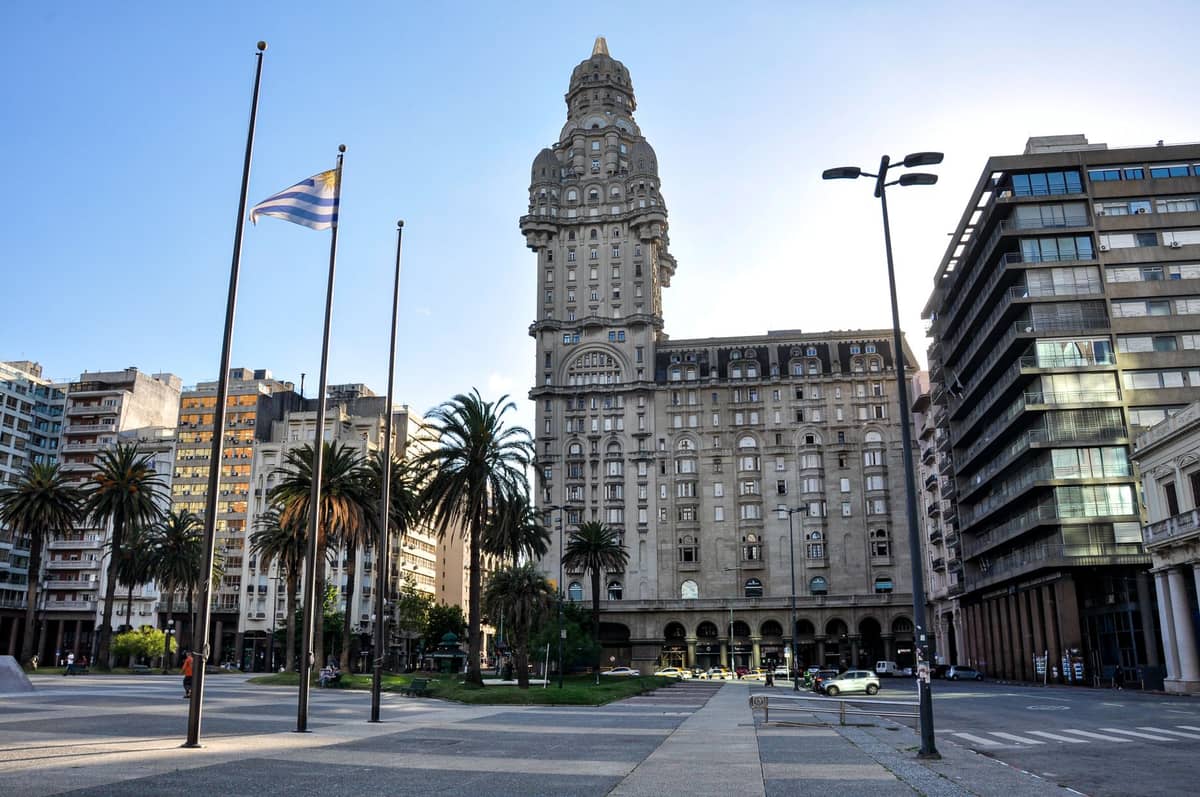
Ciudad Vieja and the Centro offer some of the most rewarding free architecture walks in the region. The architectural range spans colonial stone gates, Art Deco office towers, and neoclassical civic buildings, most of which you can admire from the street or enter at no cost. A self-guided walk linking these sites takes two to three hours at a relaxed pace.
8. Start Every Ciudad Vieja Visit at Plaza Independencia
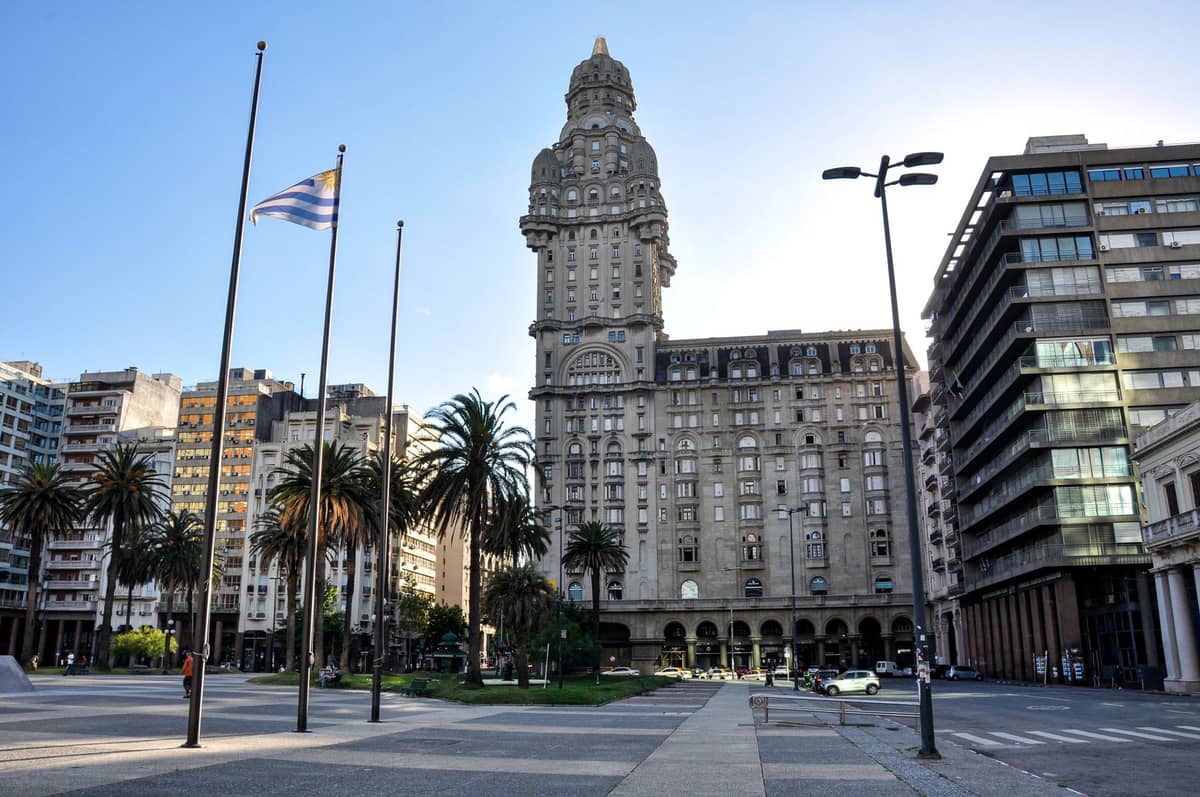
Montevideo's symbolic center is anchored by an equestrian statue of José Artigas above his underground mausoleum, flanked by Palacio Salvo and the Puerta de la Ciudadela. Free to visit at any hour, and the best starting point for exploring both the old town and Centro.
Explore8. Start Every Ciudad Vieja Visit at Plaza Independencia
Montevideo's symbolic center is anchored by an equestrian statue of José Artigas above his underground mausoleum, flanked by Palacio Salvo and the Puerta de la Ciudadela. Free to visit at any hour, and the best starting point for exploring both the old town and Centro.
Explore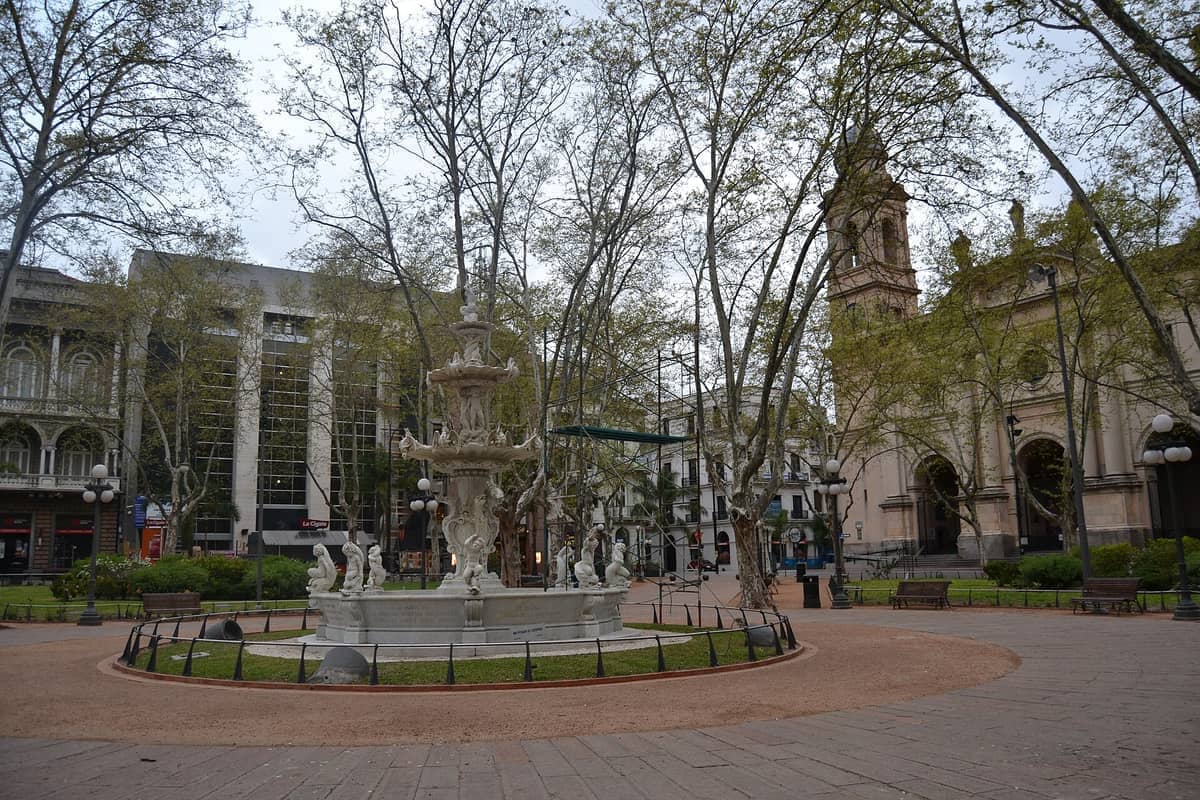
9. Linger in Ciudad Vieja's Oldest and Most Intimate Square
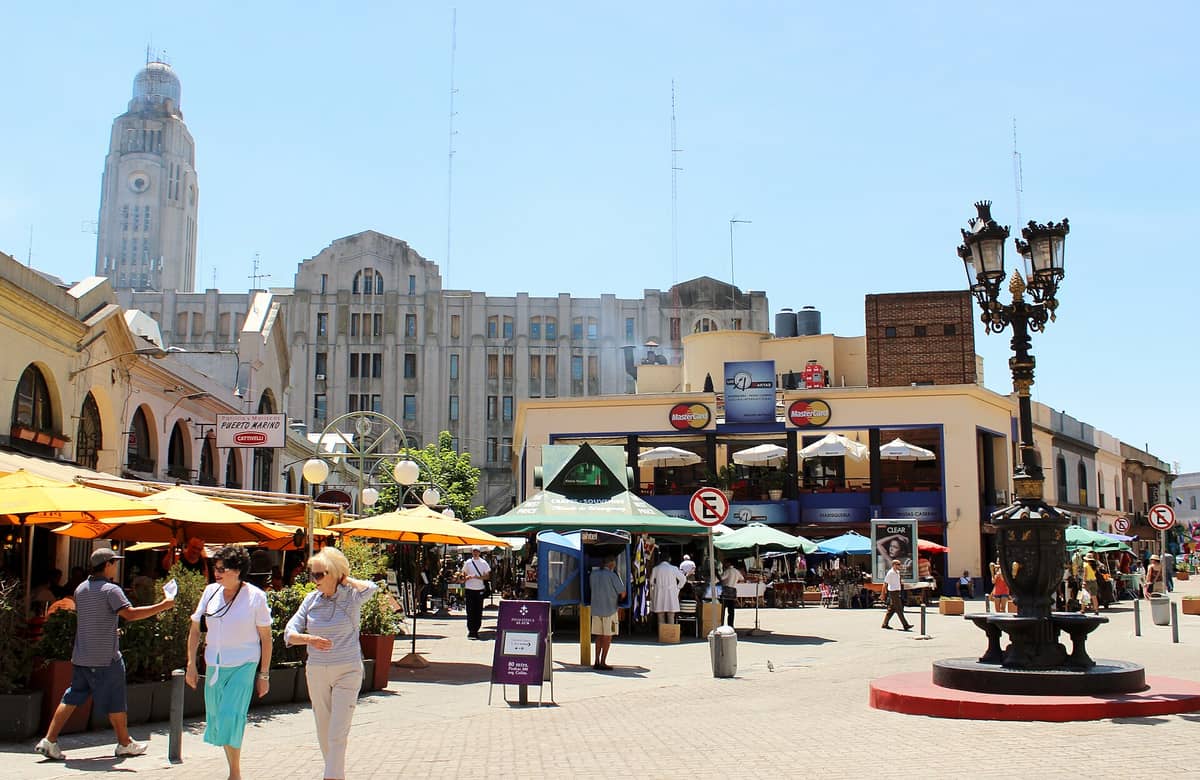
Plaza Constitución, known as Plaza Matriz, is surrounded by the Metropolitan Cathedral, the Cabildo, and colonial-era facades. Its central fountain has been a gathering point since the 18th century. Quieter than Plaza Independencia and more genuinely historic in feel.
Explore9. Linger in Ciudad Vieja's Oldest and Most Intimate Square
Plaza Constitución, known as Plaza Matriz, is surrounded by the Metropolitan Cathedral, the Cabildo, and colonial-era facades. Its central fountain has been a gathering point since the 18th century. Quieter than Plaza Independencia and more genuinely historic in feel.
Explore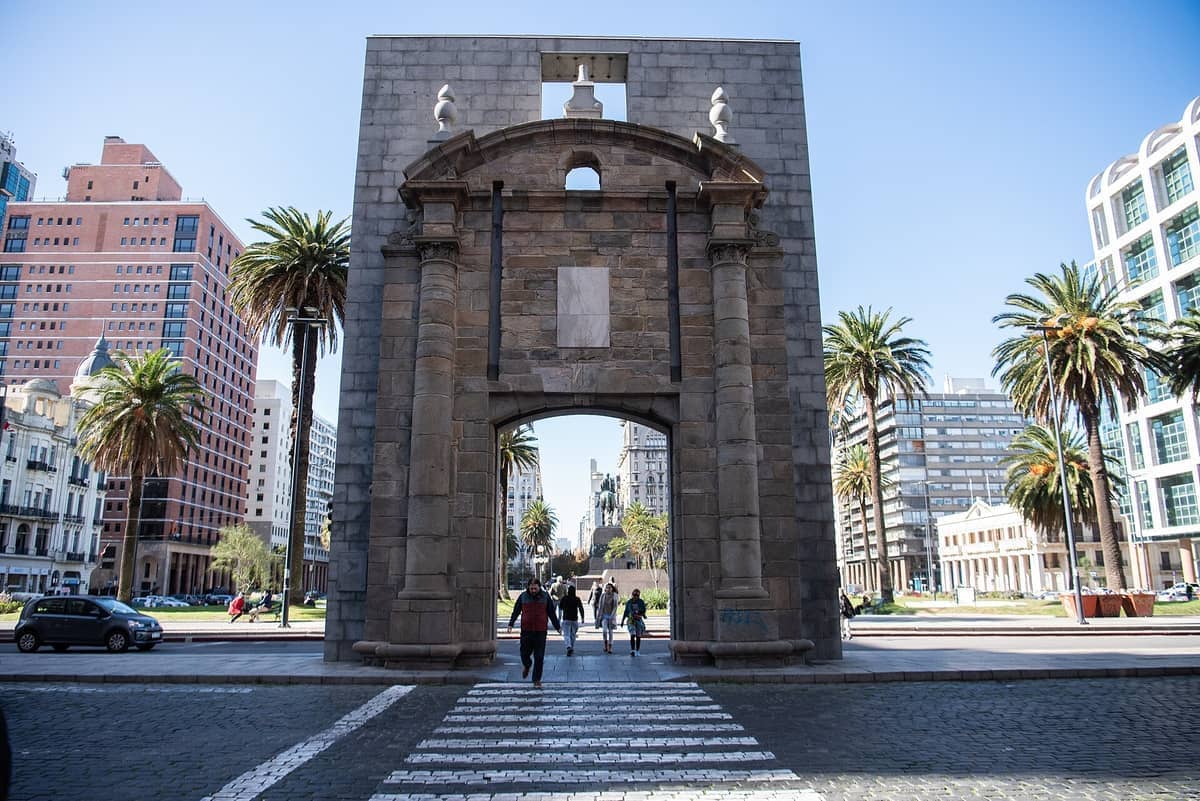
10. Pass Through the Last Surviving Gate of the Colonial Citadel
This 18th-century stone arch at the western entrance to Plaza Independencia is among Montevideo's oldest surviving structures. It costs nothing to walk through and photograph, and its significance as the last remnant of the city's original walls is easy to underestimate.
Explore10. Pass Through the Last Surviving Gate of the Colonial Citadel
This 18th-century stone arch at the western entrance to Plaza Independencia is among Montevideo's oldest surviving structures. It costs nothing to walk through and photograph, and its significance as the last remnant of the city's original walls is easy to underestimate.
Explore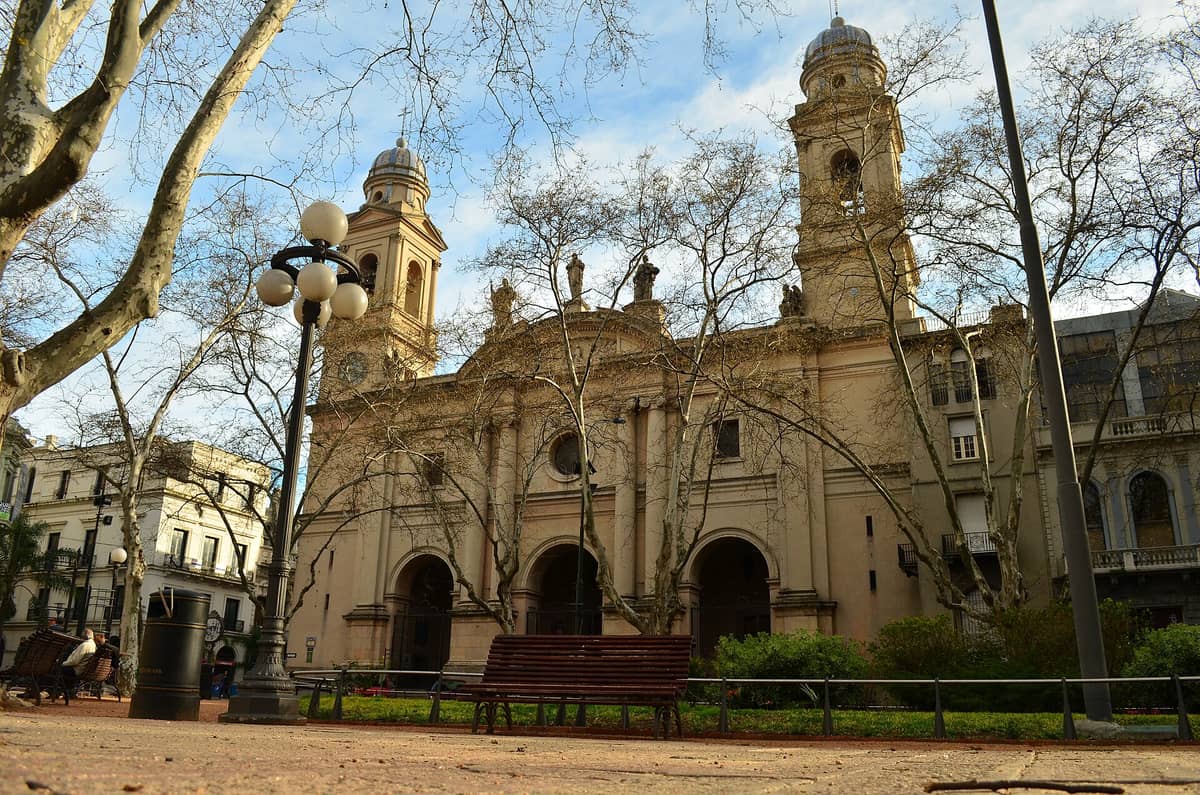
11. Enter the Neoclassical Cathedral on Plaza Matriz
The Catedral Metropolitana, also called Iglesia Matriz, is free to enter and stands as the spiritual anchor of the old town's oldest square. A neoclassical basilica with three naves, a transept, and a dome, it's worth stepping inside even briefly during a walking tour.
Explore11. Enter the Neoclassical Cathedral on Plaza Matriz
The Catedral Metropolitana, also called Iglesia Matriz, is free to enter and stands as the spiritual anchor of the old town's oldest square. A neoclassical basilica with three naves, a transept, and a dome, it's worth stepping inside even briefly during a walking tour.
Explore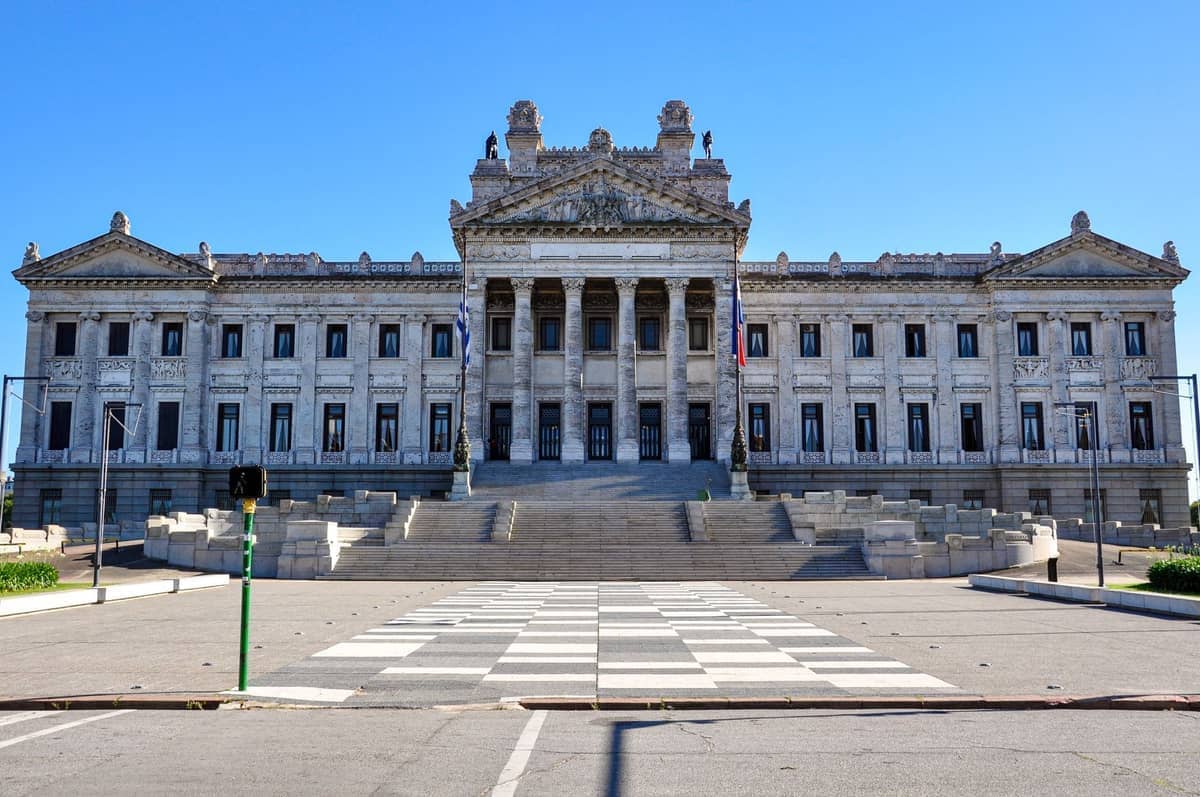
12. Tour Uruguay's Parliament Building at No Cost
The Palacio Legislativo offers free guided tours of its ornate neoclassical interior, including chambers and ceremonial halls that few visitors think to seek out. Book in advance through the official parliament website. Tours are conducted in Spanish; confirm English options when booking.
Explore12. Tour Uruguay's Parliament Building at No Cost
The Palacio Legislativo offers free guided tours of its ornate neoclassical interior, including chambers and ceremonial halls that few visitors think to seek out. Book in advance through the official parliament website. Tours are conducted in Spanish; confirm English options when booking.
Explore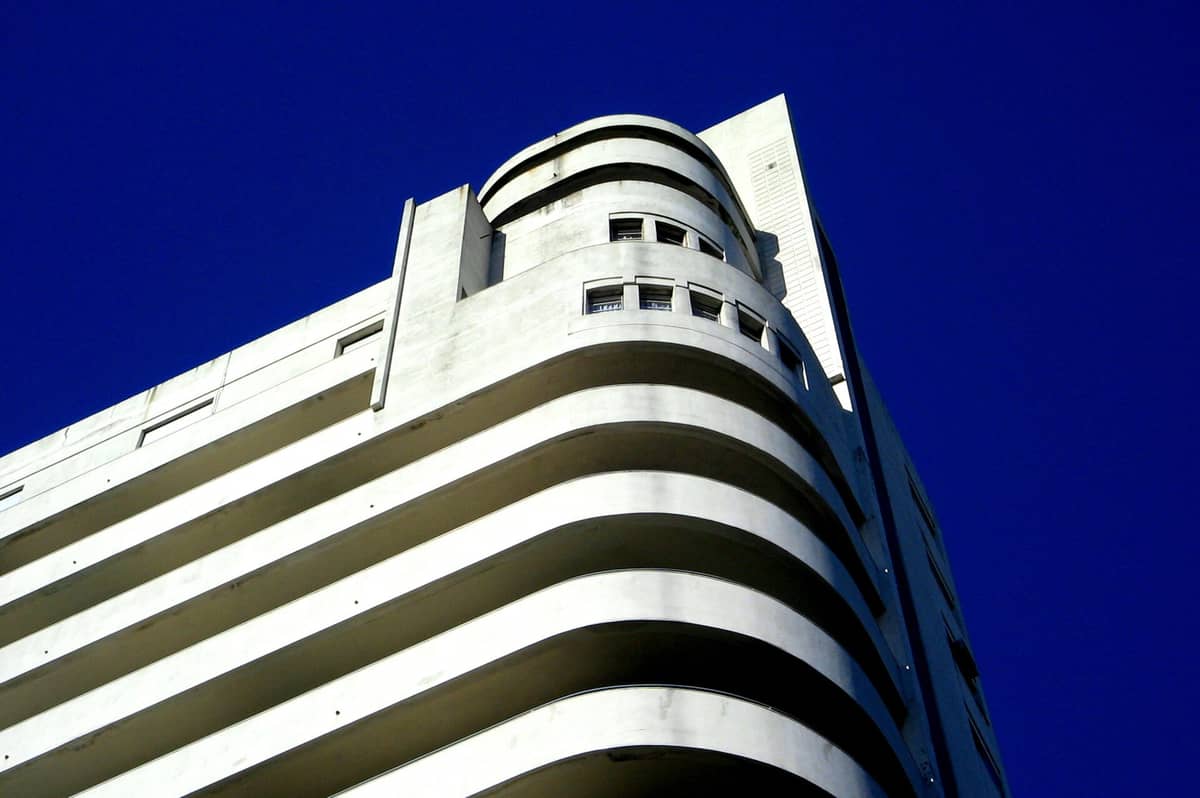
13. Admire One of the Centro's Most Distinctive Art Deco Facades
Completed in 1933 and declared a National Historic Monument, Palacio Lapido on Avenida 18 de Julio stands out for its curved balconies and expressive tower. No ticket is needed to appreciate the exterior on any walk through the city center.
Explore13. Admire One of the Centro's Most Distinctive Art Deco Facades
Completed in 1933 and declared a National Historic Monument, Palacio Lapido on Avenida 18 de Julio stands out for its curved balconies and expressive tower. No ticket is needed to appreciate the exterior on any walk through the city center.
ExploreThe Rambla, Beaches & Parks
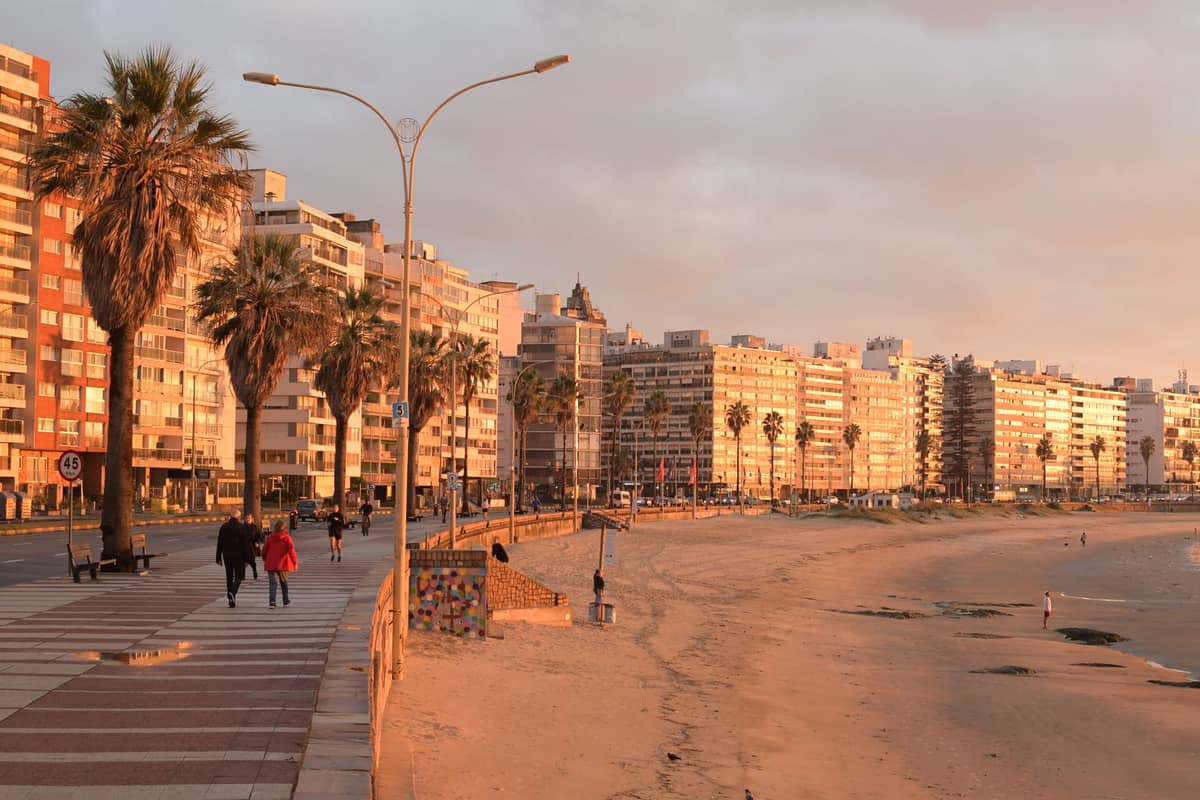
Montevideo's 22-kilometer waterfront promenade is the city's greatest free asset. Whether you walk, jog, or cycle, the Rambla connects neighborhoods in a way that no other public space in the city can match. For a deeper dive into beach options, the Montevideo beaches guide covers every stretch from Ramírez to Carrasco.
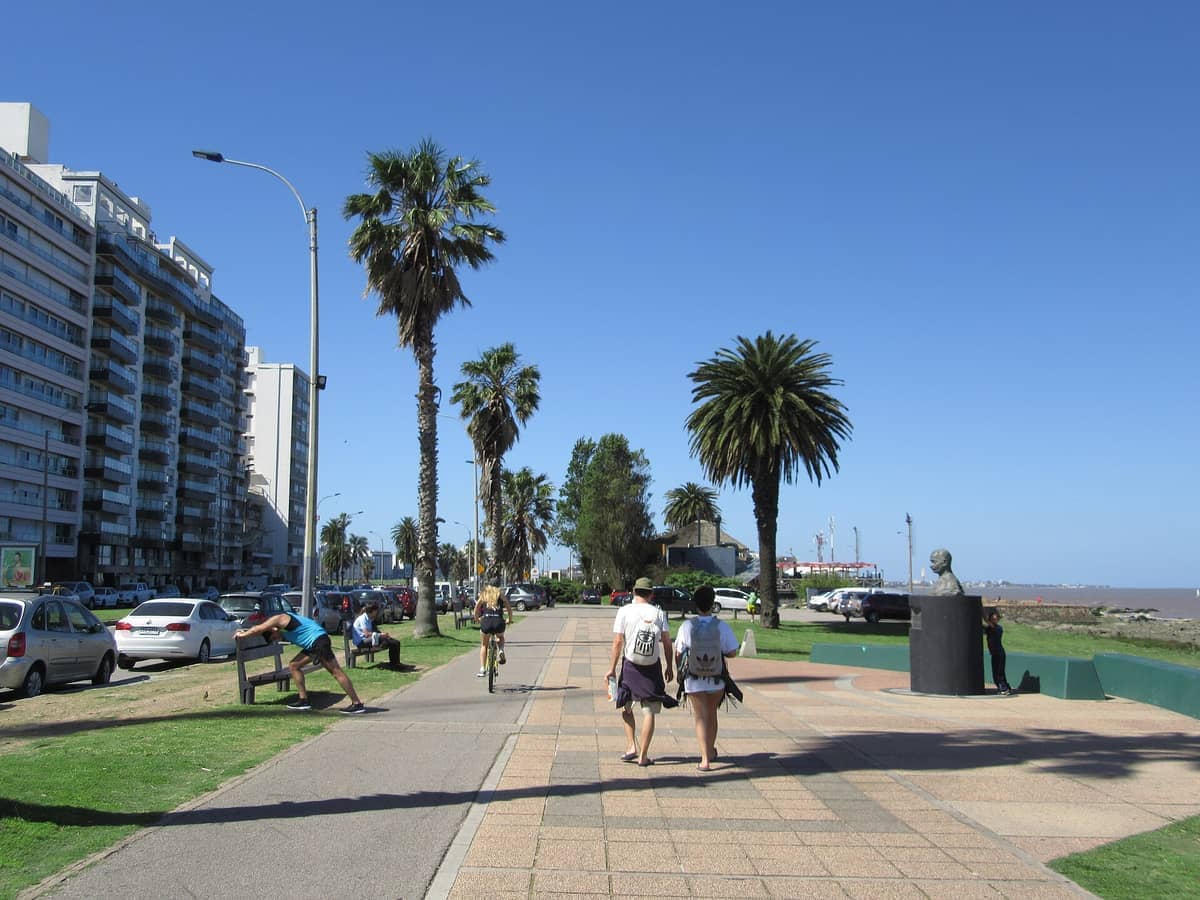
14. Walk or Cycle Montevideo's 22-Kilometer Waterfront Promenade
The Rambla is Montevideo's greatest public space: a continuous path along the Río de la Plata linking beaches, parks, and neighborhoods from Ciudad Vieja to Carrasco. At sunset, with locals sharing mate along the water, it's one of South America's best free urban experiences.
Explore14. Walk or Cycle Montevideo's 22-Kilometer Waterfront Promenade
The Rambla is Montevideo's greatest public space: a continuous path along the Río de la Plata linking beaches, parks, and neighborhoods from Ciudad Vieja to Carrasco. At sunset, with locals sharing mate along the water, it's one of South America's best free urban experiences.
Explore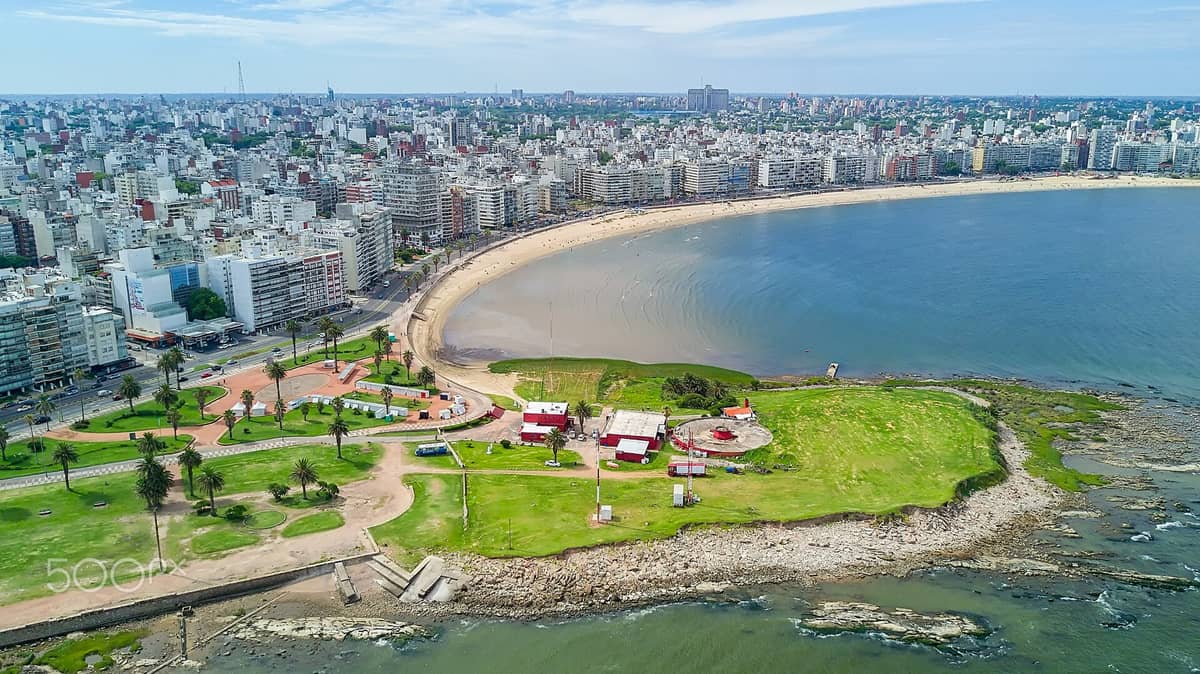
15. Join Locals at Montevideo's Most Popular Urban Beach
Pocitos is the city's most animated beach: a long crescent of sand backed by the Rambla, where locals swim, play volleyball, and share mate from early morning through sunset in summer. Free to access at all hours, it's also enjoyable as a walking destination year-round.
Explore15. Join Locals at Montevideo's Most Popular Urban Beach
Pocitos is the city's most animated beach: a long crescent of sand backed by the Rambla, where locals swim, play volleyball, and share mate from early morning through sunset in summer. Free to access at all hours, it's also enjoyable as a walking destination year-round.
Explore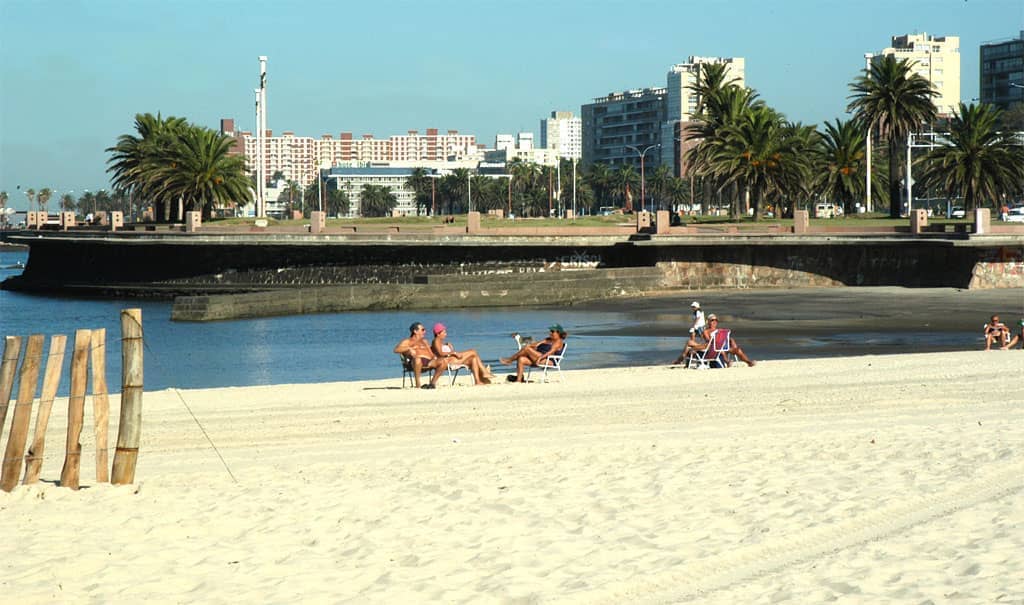
16. Hit the Beach Closest to Ciudad Vieja at Playa Ramírez
At the foot of Parque Rodó, Playa Ramírez is the most accessible beach for visitors staying in the Centro or Ciudad Vieja. Free to enter, with beach volleyball courts and easy access to the park's surrounding restaurants and green space.
Explore16. Hit the Beach Closest to Ciudad Vieja at Playa Ramírez
At the foot of Parque Rodó, Playa Ramírez is the most accessible beach for visitors staying in the Centro or Ciudad Vieja. Free to enter, with beach volleyball courts and easy access to the park's surrounding restaurants and green space.
Explore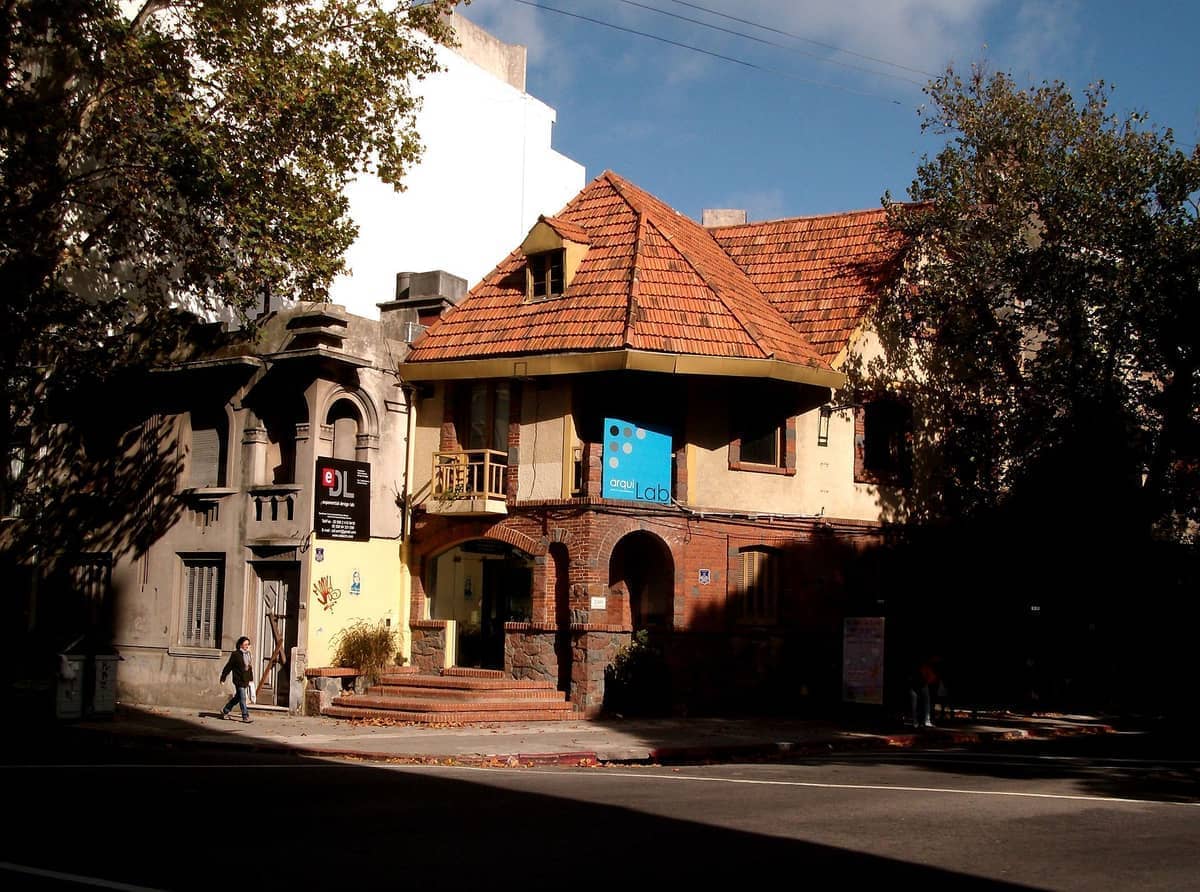
17. Spend a Free Afternoon in Parque Rodó
Parque Rodó draws a genuine cross-section of Montevideo life: families on weekends, students on weekday afternoons, and everyone else in between. A shaded lake, amusement area, and proximity to the water make it the city's most well-rounded free park for visitors.
Explore17. Spend a Free Afternoon in Parque Rodó
Parque Rodó draws a genuine cross-section of Montevideo life: families on weekends, students on weekday afternoons, and everyone else in between. A shaded lake, amusement area, and proximity to the water make it the city's most well-rounded free park for visitors.
Explore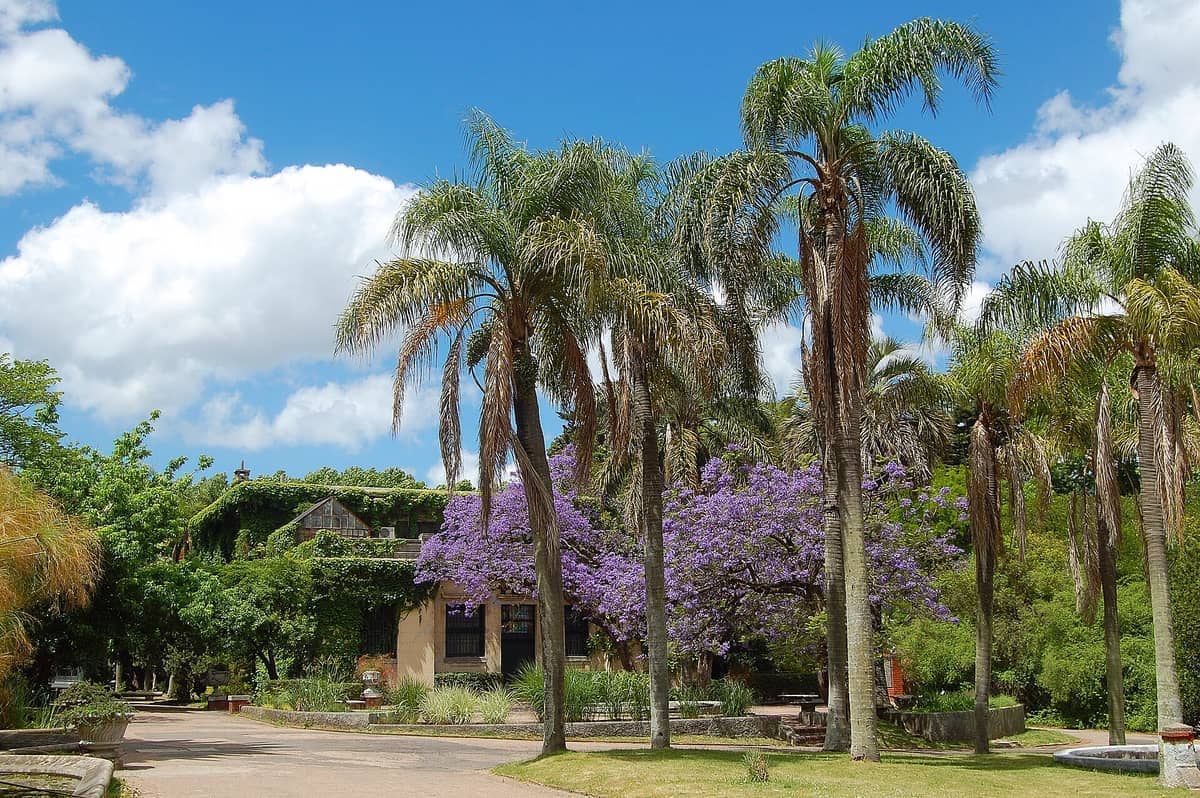
18. Find Unexpected Quiet in the Jardín Botánico
Montevideo's botanical garden in the Prado neighborhood is free to enter and open daily until 21:00. A small natural history museum sits on the grounds. Mornings are meditative; afternoons fill with families. Rarely visited by tourists, which is precisely the point.
Explore18. Find Unexpected Quiet in the Jardín Botánico
Montevideo's botanical garden in the Prado neighborhood is free to enter and open daily until 21:00. A small natural history museum sits on the grounds. Mornings are meditative; afternoons fill with families. Rarely visited by tourists, which is precisely the point.
Explore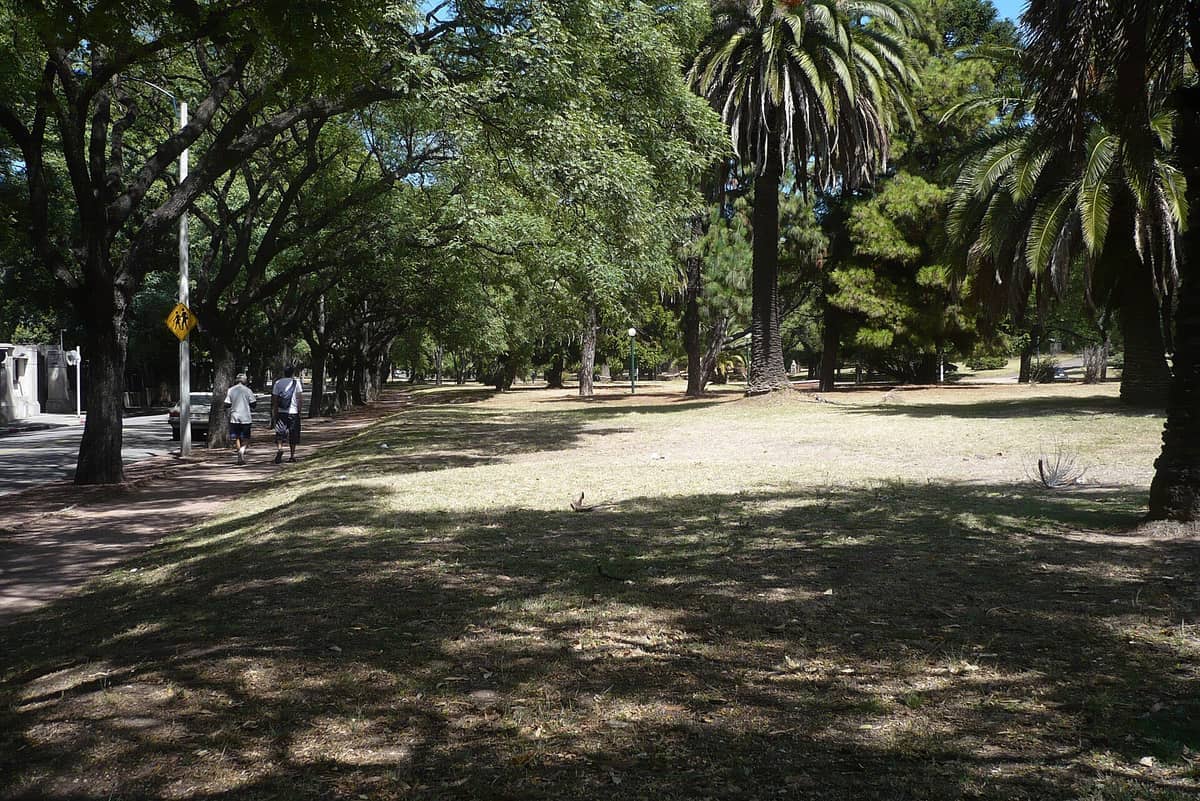
19. Explore the Park That Also Contains a World Cup Stadium
Parque Batlle is a large central park combining open green space, public sculpture, and sports facilities, plus the iconic Estadio Centenario. Free to enter and worth visiting at different times: weekend mornings bring out a very different crowd than weekday evenings.
Explore19. Explore the Park That Also Contains a World Cup Stadium
Parque Batlle is a large central park combining open green space, public sculpture, and sports facilities, plus the iconic Estadio Centenario. Free to enter and worth visiting at different times: weekend mornings bring out a very different crowd than weekday evenings.
Explore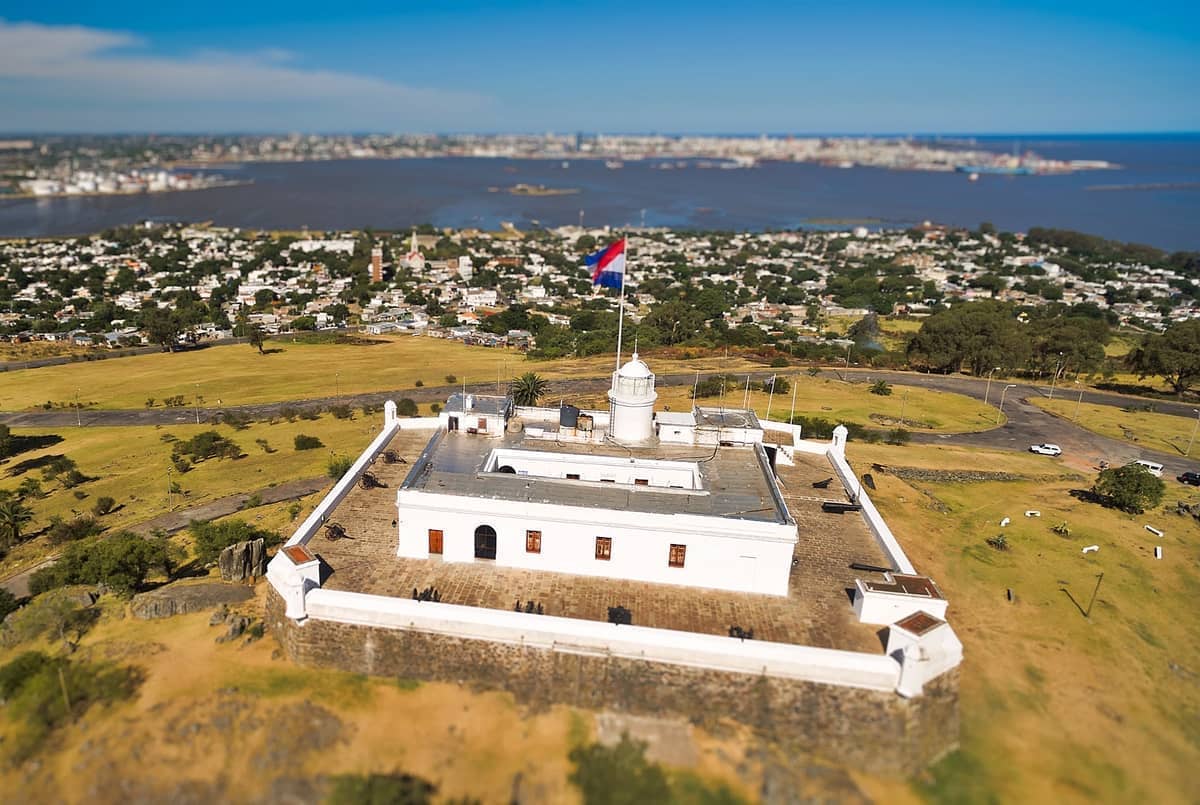
20. Climb the Hill That Gave the City Its Name
The 139-meter Cerro offers walking trails, a natural park, and panoramic views from the summit fort. Free to enter the hill and park; the Fortaleza del Cerro may charge a small admission fee. Take a bus from the city center and allow two to three hours for the round trip.
Explore20. Climb the Hill That Gave the City Its Name
The 139-meter Cerro offers walking trails, a natural park, and panoramic views from the summit fort. Free to enter the hill and park; the Fortaleza del Cerro may charge a small admission fee. Take a bus from the city center and allow two to three hours for the round trip.
ExploreFree Markets & Public Spaces
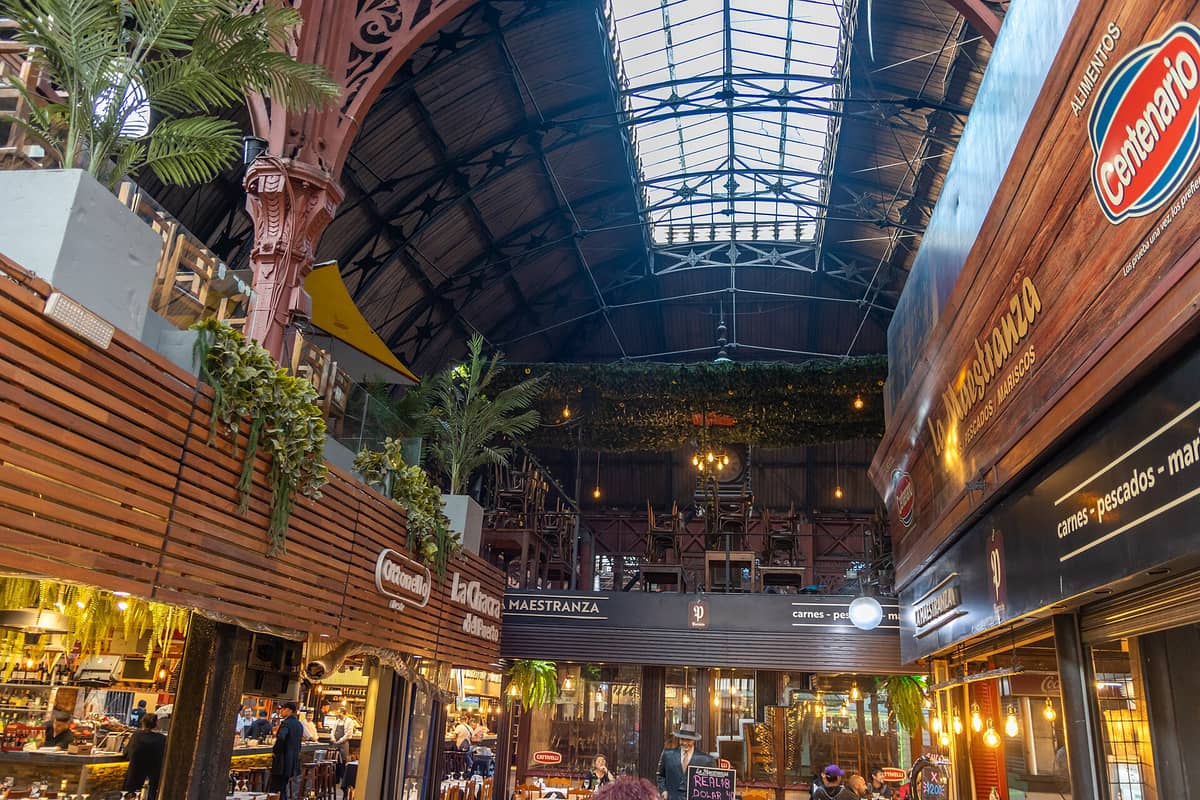
Two of Montevideo's most iconic indoor spaces, Mercado del Puerto and Mercado Agrícola, are free to enter and browse regardless of whether you spend anything inside. Both reward a slow, unhurried visit. For context on what to eat and where, the Montevideo food guide covers both markets in detail.
21. Browse the Smoke-Filled Heart of Uruguayan Asado Culture
Mercado del Puerto is free to enter and worth visiting even if you're not eating. The 19th-century iron-and-glass hall packs in traditional parrillas and real asado atmosphere. Go around midday on a Saturday for the full experience. Open daily; most action is at lunch.
Explore21. Browse the Smoke-Filled Heart of Uruguayan Asado Culture
Mercado del Puerto is free to enter and worth visiting even if you're not eating. The 19th-century iron-and-glass hall packs in traditional parrillas and real asado atmosphere. Go around midday on a Saturday for the full experience. Open daily; most action is at lunch.
Explore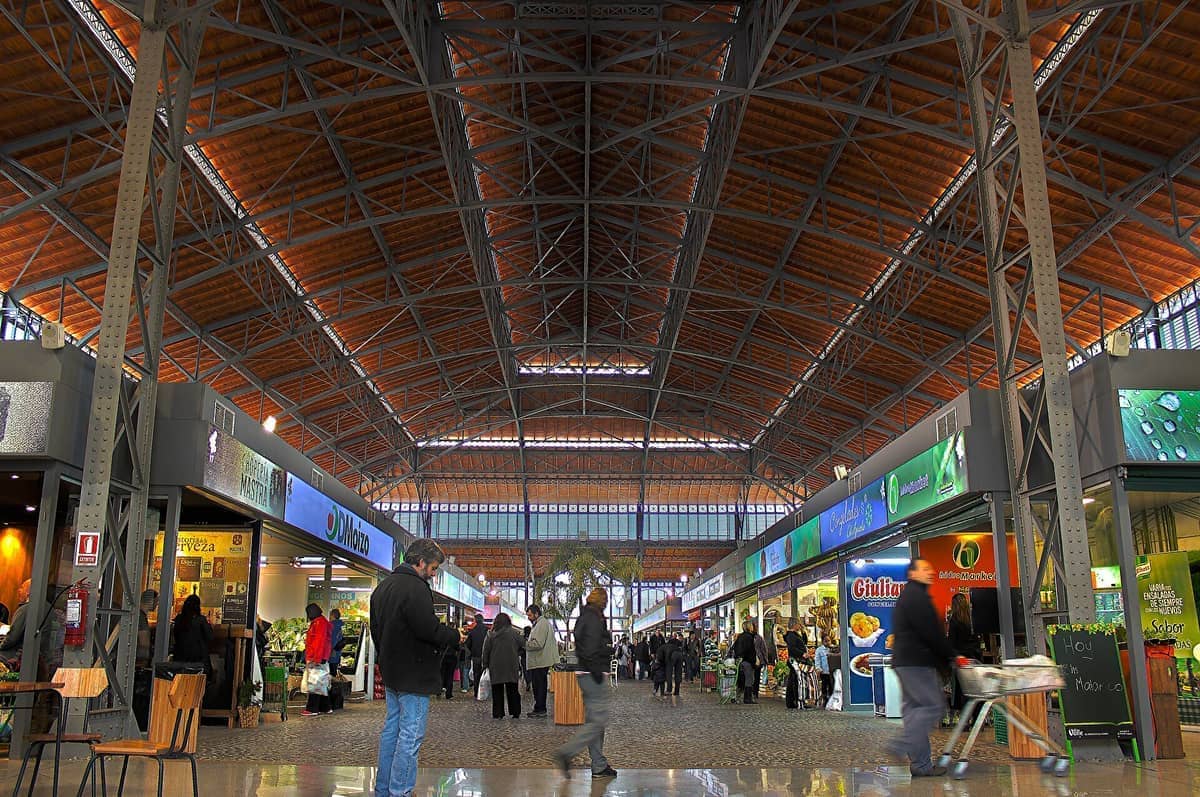
22. Walk Through a Restored Iron-and-Glass Market Hall
The Mercado Agrícola is free to enter and open seven days a week, 9:00–22:00. The restored early-20th-century market hall houses fresh produce vendors, specialty food stalls, and restaurants under a soaring iron roof. Browsing costs nothing; coffee or lunch is optional.
Explore22. Walk Through a Restored Iron-and-Glass Market Hall
The Mercado Agrícola is free to enter and open seven days a week, 9:00–22:00. The restored early-20th-century market hall houses fresh produce vendors, specialty food stalls, and restaurants under a soaring iron roof. Browsing costs nothing; coffee or lunch is optional.
Explore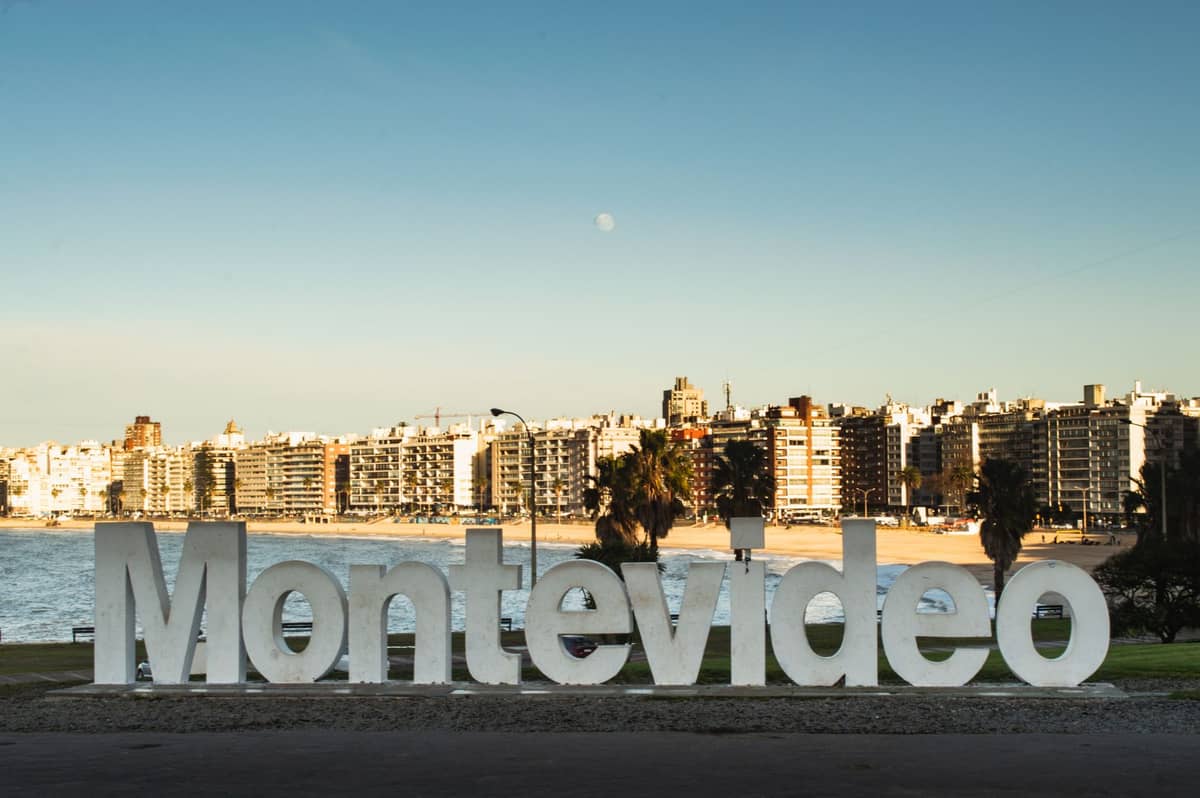
23. Photograph the City's Most Recognizable Landmark on the Rambla
The Letras de Montevideo sign on the Pocitos Rambla is permanently accessible and always free. It sits directly in front of Playa Pocitos with the Río de la Plata as a backdrop, making it the city's most straightforward photo stop. Best light is late afternoon.
Explore23. Photograph the City's Most Recognizable Landmark on the Rambla
The Letras de Montevideo sign on the Pocitos Rambla is permanently accessible and always free. It sits directly in front of Playa Pocitos with the Río de la Plata as a backdrop, making it the city's most straightforward photo stop. Best light is late afternoon.
ExploreFree Viewpoints
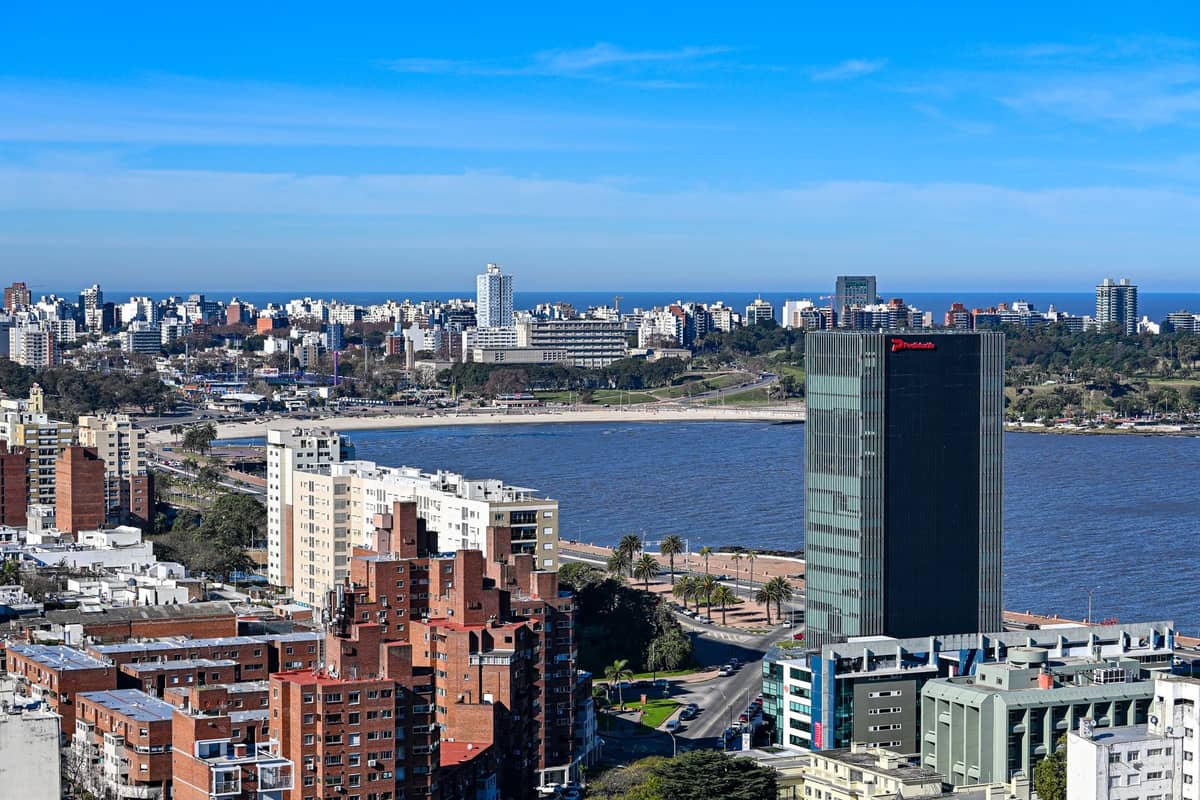
For a city built largely at sea level, Montevideo offers some surprisingly good vantage points. The best free one requires advance booking; the others simply reward showing up. If you're planning your time carefully, the 2-day Montevideo itinerary incorporates the Mirador and other viewpoints efficiently.
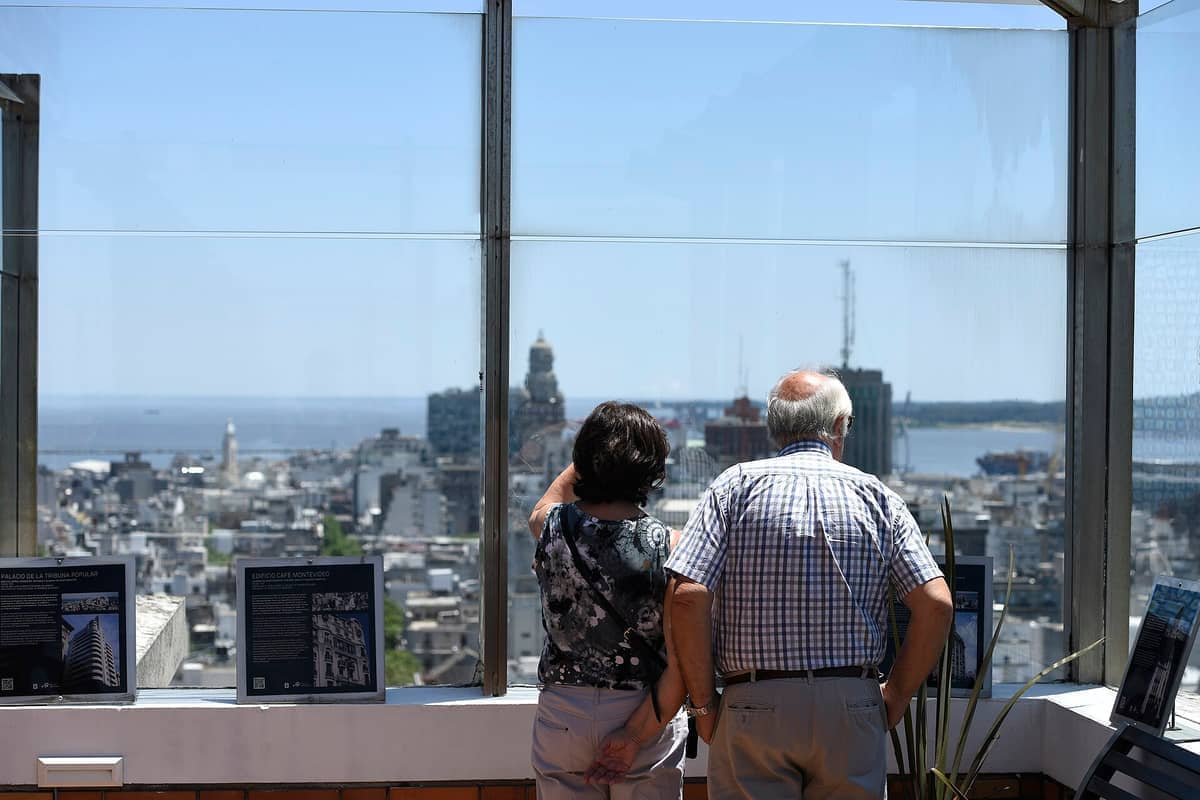
24. See the Whole City from the 22nd Floor for Free
The Mirador Panorámico atop the city's main municipal building offers 360-degree views over Montevideo and the Río de la Plata at no charge. Advance booking is required. This is the best free viewpoint in the city center — plan for it rather than treating it as a spontaneous stop.
Explore24. See the Whole City from the 22nd Floor for Free
The Mirador Panorámico atop the city's main municipal building offers 360-degree views over Montevideo and the Río de la Plata at no charge. Advance booking is required. This is the best free viewpoint in the city center — plan for it rather than treating it as a spontaneous stop.
Explore
25. Walk Montevideo's Oldest Public Park at Any Hour
Founded in 1873, Parque Prado spans over 100 hectares with historic tree-lined paths, a celebrated rose garden, and broad lawns. Free at all hours, it draws neighborhood residents rather than tourists, offering a genuine look at everyday Montevideo life outside the city center.
Explore25. Walk Montevideo's Oldest Public Park at Any Hour
Founded in 1873, Parque Prado spans over 100 hectares with historic tree-lined paths, a celebrated rose garden, and broad lawns. Free at all hours, it draws neighborhood residents rather than tourists, offering a genuine look at everyday Montevideo life outside the city center.
Explore✨ Pro tip
The Punta Carretas Shopping mall is built inside a 1910 prison with preserved cells, watchtowers, and original walls integrated into the architecture. Browsing it costs nothing and takes 30 minutes.
FAQ
Are there really free museums in Montevideo?
Yes. Museo Juan Manuel Blanes, Museo de la Memoria (MUME), Museo del Gaucho y de la Moneda, and Museo Histórico Cabildo are all free every day they are open. MAPI (Museo de Arte Precolombino e Indígena) is free on Mondays. Always verify current hours on official venue websites before visiting, as schedules change around public holidays.
Is the Rambla de Montevideo free to access?
Yes. Montevideo's 22-kilometer waterfront promenade is a public space, open at all hours, with no admission fee. You can walk, run, or cycle the entire length from Ciudad Vieja to Carrasco without paying anything.
Is it safe to walk around Montevideo as a tourist?
Montevideo is generally considered one of the safer capitals in South America for visitors. Ciudad Vieja and the Rambla are well-traveled during daylight and early evenings. Exercise standard urban awareness, especially at night and in quieter areas. Consult up-to-date travel advisories from your country's foreign affairs ministry before traveling.
Do I need to book the Mirador de la Intendencia in advance?
Yes. The panoramic viewpoint on the 22nd floor of the Intendencia building requires an advance reservation, which is made through the city's official tourism channels. Entry is free but slots fill up, particularly on weekends and during peak travel periods.
What is the best free thing to do in Montevideo on a rainy day?
Several free museums make ideal rainy-day options: Museo Juan Manuel Blanes, Museo de la Memoria, and Museo del Gaucho y de la Moneda are all fully indoors and charge no admission. Mercado Agrícola de Montevideo is another good option: the iron-and-glass market hall is free to enter and open until 22:00 every day.
Tickets & tours
Live prices and dates from our booking partner. If you book, we may earn a commission at no extra cost to you.
Planning a trip? Discover personalized activities with the Nomado app.