Playa Pocitos: Montevideo's Beloved Urban Beach
Playa de los Pocitos has been Montevideo's most visited beach for over a century. Stretching along the Rambla República del Perú in the Pocitos neighborhood, it draws swimmers, joggers, and weekend families in equal measure. Admission is free, the water is calm, and the surrounding streets offer plenty of reasons to linger after the sun goes down.
Quick Facts
- Location
- Rambla Rep. del Perú, between Bvar. España and Basilio Pereyra de La Luz, Pocitos, Montevideo
- Getting There
- Multiple city buses serve Rambla República del Perú. Uber and remise services are also widely available.
- Time Needed
- 1–3 hours for a beach visit; longer if you walk the Rambla or explore the Pocitos neighborhood
- Cost
- Free. No entry fee.
- Best for
- Families, joggers, sunbathers, casual afternoon walks
What Playa Pocitos Actually Is
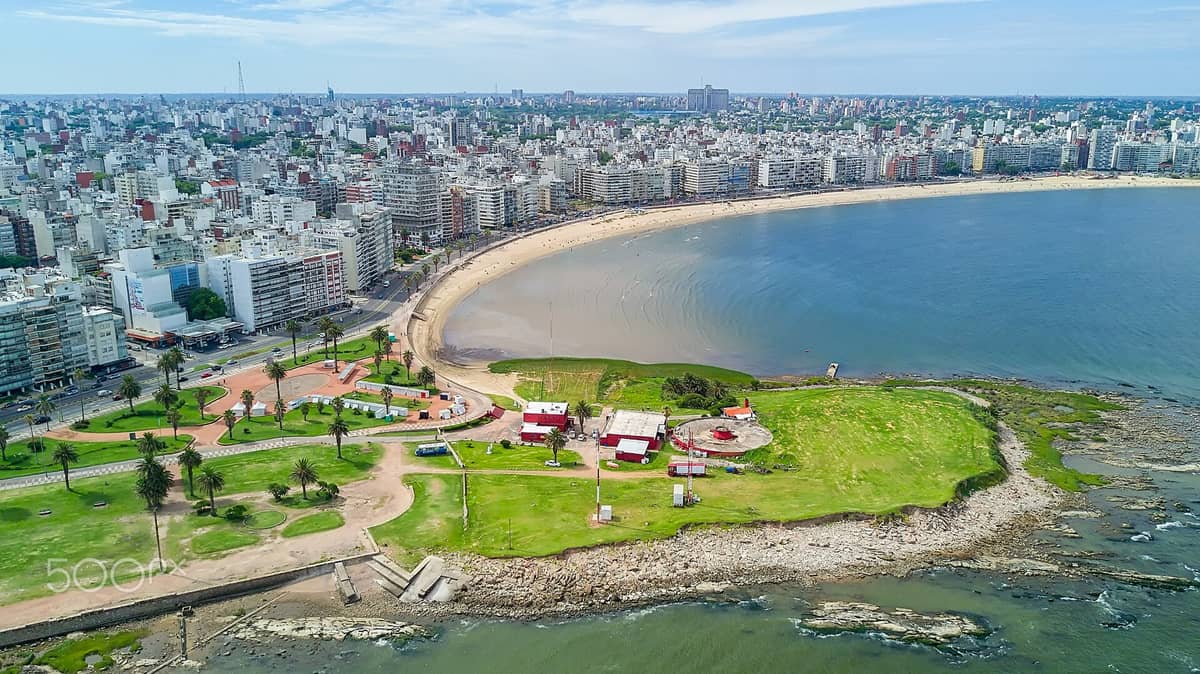
Playa de los Pocitos is not a destination beach in the resort sense. There are no towering cliffs, no turquoise coral water, and no cocktail bars on the sand. What it offers instead is something rarer in a capital city: a genuinely usable, genuinely loved stretch of urban coastline that locals treat as an extension of their daily lives rather than a weekend escape.
The beach sits along the Rambla República del Perú in the Pocitos neighborhood, on Montevideo's southeastern coast along the Río de la Plata estuary. According to the city government, it has been Montevideo's most visited beach for over 100 years. That longevity matters. It means the surrounding infrastructure, the coffee kiosks, the park benches, the shared barbecue areas, the volleyball nets, has all evolved to serve people who come here regularly, not tourists passing through.
The neighborhood itself reinforces this character. Pocitos is one of Montevideo's more residential coastal districts, lined with mid-century apartment towers and local businesses. It does not feel like a tourist zone, which is part of its appeal. For a broader sense of how the beach fits into the city's coastal identity, the Rambla de Montevideo provides context: the beach is simply one of the most frequented stops along this 22-kilometer waterfront promenade.
ℹ️ Good to know
The water at Playa Pocitos comes from the Río de la Plata estuary, not the open Atlantic. It is brackish and brown-tinged rather than clear blue — a fact that surprises first-time visitors expecting Caribbean-style water. This is normal and does not indicate pollution. Water quality is monitored regularly by Montevideo's municipal authorities.
The Beach Through the Day
Early mornings at Playa Pocitos belong to joggers and dog walkers. The Rambla here sees steady foot traffic from around 6am, with runners moving in both directions along the waterfront path that separates the beach from the road. The light at this hour is soft and flat, the estuary taking on a pewter colour that makes for interesting photographs without the harsh shadows of midday.
By mid-morning on warmer days, beach chairs and umbrellas begin appearing. Families with young children arrive early to claim the softer sand closer to the water's edge. The beach gradually fills through late morning, with the loudest, most social energy peaking around noon to 3pm in summer. Vendors move along the sand selling cold water and snacks. The smell of sunscreen mixes with the faint brine of the estuary. Conversations carry easily over the light surf.
Late afternoons bring a shift in tone. The most intense sun passes, and the beach takes on a more contemplative quality. Couples sit facing the water. Older residents walk slowly along the shoreline. The light turns golden around 6pm in summer, and this is arguably the most photogenic window of the day. Sunsets here are not dramatic mountain or ocean sunsets, but the wide sky over the estuary can produce genuinely striking colours.
Evenings in warmer months see the Rambla remain active well after dark. The path stays lit, and people continue to walk, sit on the low stone walls, and linger at the kiosks. The beach sand itself is less populated after dark, but the waterfront atmosphere persists. In winter, most of this social activity disappears by late afternoon, and the beach is largely empty by evening.
Tickets & tours
Live prices and dates from our booking partner. If you book, we may earn a commission at no extra cost to you.
Guided Tour with Wine Tasting Experience at Bouza Winery
From 68 €Instant confirmationFree cancellationAirport to Hotel or Hotel to Airport Transfer in Montevideo
From 47 €Instant confirmationFree cancellationTasting and Lunch at Bodega Pizzorno in Montevideo
From 115 €Instant confirmationFree cancellationPunta del Este full-day guided tour from Montevideo
From 47 €Instant confirmationFree cancellation
When to Visit and What Weather to Expect
Montevideo has a humid subtropical climate. Summers run from December through February, with average daytime highs around 27–28°C (81–82°F). This is peak beach season, and Playa Pocitos is at its most lively during these months. Weekends in January in particular see the beach at full capacity by 11am. If you want space, arrive before 9am or visit on a weekday.
Spring (September to November) and autumn (March to May) offer milder conditions, typically 13–22°C, with fewer crowds and more comfortable temperatures for walking the Rambla. Swimming is possible on warmer days in these shoulder seasons, though locals tend to reserve the water for the heart of summer.
Winter months (June to August) see average highs around 14–15°C. The beach is mostly empty of swimmers, but the Rambla still draws walkers on clear days. There is a particular, underappreciated quality to Playa Pocitos in winter: the light is clear and cool, the atmosphere is quiet, and the estuary takes on a deeper grey-green. Bring a wind layer regardless of season, as the coastal breeze can be sharp even when the air temperature suggests otherwise.
⚠️ What to skip
Wind can significantly change the feel of the beach. The Río de la Plata coast is exposed to the sudestada, a weather pattern bringing sustained south-easterly winds that can make the waterfront feel cold and rough even in summer. Check local forecasts before planning a beach day.
For a detailed seasonal breakdown to help plan your trip, see the guide to the best time to visit Montevideo.
Getting to Playa Pocitos
The beach is well-served by Montevideo's urban bus network. Multiple lines run along or near the Rambla República del Perú and through the Pocitos neighborhood. Bus routes and stops can be confirmed through the city's transit information or apps before travel, as route numbers and stops are subject to operational changes.
Ride-hailing services including Uber operate in Montevideo and offer a straightforward way to reach Pocitos from other neighborhoods. Remise (private car) services are also widely available. From the Ciudad Vieja or Centro areas, the journey by car takes roughly 15–20 minutes depending on traffic.
Walking is a genuine option if you are already on the Rambla. The waterfront promenade connects much of the city's coastal strip, and reaching Pocitos on foot from the Playa Ramírez area is a pleasant 30–40 minute walk that passes through several distinct coastal zones. The path is flat, well-maintained, and popular with cyclists as well.
Practical Details for Your Visit
Playa Pocitos is a public beach with no entry fee. It is accessible around the clock as an open outdoor space, with no official opening or closing hours. Facilities including toilets and changing areas are available seasonally; their exact availability and condition can vary, so it is worth arriving prepared.
The beach is reported to be wheelchair accessible, with paved walkways along the Rambla providing good access to the waterfront. The path between the road and the sand itself involves a gradual slope in most areas, though the sand presents the usual challenges for wheelchairs and pushchairs at the water's edge.
In terms of what to bring: sunscreen and a hat are important in summer, as the beach offers little natural shade. The wind means a light layer is useful even on sunny days. Vendors operate along the beach in season, but bringing water is always sensible. Valuables left unattended on the sand attract the same risks as any urban beach anywhere in the world.
For general guidance on staying safe and aware in Montevideo, the Montevideo safety guide covers the practical considerations worth knowing before you visit.
The Pocitos Neighborhood: Worth Exploring Beyond the Sand
One of Playa Pocitos' quiet advantages is the neighborhood behind it. Pocitos is a predominantly residential area with a comfortable mix of cafes, bakeries, restaurants, and local shops within walking distance of the beach. Unlike areas immediately adjacent to tourist attractions in many cities, the streets here feel oriented toward the people who live in them.
After a morning on the beach, the streets one or two blocks back from the Rambla offer good options for lunch or coffee without the markup of tourist-facing venues. The neighborhood has a relaxed, unhurried pace that contrasts usefully with the busier energy of Centro or Ciudad Vieja.
If you are spending a full day in this part of the city, the nearby Pocitos neighborhood has enough to occupy an afternoon, and Punta Carretas, the next neighborhood along the coast to the south, adds further dining and the landmark Punta Carretas Shopping centre, housed in a converted prison building.
Honest Assessment: What Playa Pocitos Is Not
Travelers who arrive expecting the kind of beach experience associated with Brazil's coast, or even Punta del Este two hours east, will need to recalibrate. The water is not clear. The sand, while reasonably clean, is not fine white powder. There are no dramatic natural features. What makes Playa Pocitos worthwhile is not spectacle but atmosphere, the sense of a city genuinely at ease with itself.
If a beach with more natural drama is your priority, consider a day trip to Punta del Este instead. The guide to a Punta del Este day trip from Montevideo covers how to make that journey and what to expect when you get there.
Visitors who skip Playa Pocitos because it is 'just' a city beach miss the point. It is worth visiting precisely because it is a city beach: a place that shows how Montevideo actually lives, not how it presents itself to tourists.
Insider Tips
- Weekday mornings between 8am and 10am in summer offer the best balance of warm weather and manageable crowds. Weekend afternoons in January are the most congested, with limited space on the sand by midday.
- The kiosks and small cafes along the Rambla are significantly cheaper than the restaurants one block inland that face the beach. For coffee or a snack, walk back one block from the water.
- Photographers should note that the widest and most dramatic sky views come from the water's edge looking west toward the estuary, particularly at dusk. The apartment towers behind you create a visual anchor that gives the shots an unmistakably urban quality.
- The Rambla path along Pocitos is used by cyclists going in both directions. If you are walking with children or moving slowly, stay to the right and check before stepping off the paved walkway onto the grass strip or sand.
- Water quality at Montevideo's beaches is monitored regularly by municipal authorities. A flag system indicates current conditions: green means swimming is permitted, red means it is not. Check the flag before entering the water, especially after heavy rain.
Who Is Playa Pocitos For?
- Families with young children looking for a relaxed, free outdoor activity
- Joggers and cyclists wanting a scenic urban waterfront route
- Travelers who want to observe local daily life rather than curated tourist experiences
- Anyone spending multiple days in Montevideo who wants a morning or afternoon away from the city centre
- Digital nomads and long-stay visitors wanting a reliable outdoor space within walking distance of Pocitos accommodation
Nearby Attractions
Other things to see while in Pocitos:
- Montevideo Sign (Letreiro MONTEVIDEO)
Installed on the Rambla in the Pocitos neighborhood in 2012, the Montevideo Sign — known locally as the Letras de Montevideo — has become one of the city's most recognizable photo spots. It's free, permanently accessible, and sits directly in front of Playa Pocitos with the Río de la Plata as its backdrop.
- Playa Buceo
Playa Buceo sits along the Rambla República de Chile in the Buceo neighborhood, offering a sandy bay between Puerto del Buceo and the Malvín coast. Free to enter, calm by local standards, and loaded with more history than most city beaches can claim.
Planning a trip? Discover personalized activities with the Nomado app.