Is Montevideo Safe? What Travelers Need to Know in 2026
Montevideo is one of South America's more livable capitals, but that doesn't mean it's risk-free. This guide breaks down the real safety picture — crime statistics, neighborhood-by-neighborhood risk levels, what official travel advisories say, and practical tips that actually make a difference on the ground.
Tickets & tours
Live prices and dates from our booking partner. If you book, we may earn a commission at no extra cost to you.
TL;DR
- Montevideo is a moderate-risk destination. The U.S. State Department advises travelers to "exercise increased caution due to crime" — not avoid it, but stay alert.
- The biggest risks are opportunistic theft and armed robbery, not violence against tourists specifically. Carjackings and bag snatching happen, especially after dark.
- Safer neighborhoods for visitors include Pocitos, Carrasco, and Punta Carretas. Ciudad Vieja requires extra vigilance at night.
- Montevideo scores 38/100 on the Travel Risk Index (moderate), with crime as the highest-rated risk category and terrorism rated low for official U.S. government interests.
- Standard urban precautions — don't flash expensive gear, use STM card transport, stay aware at night — dramatically reduce your personal risk.
The Real Safety Picture: What the Data Shows
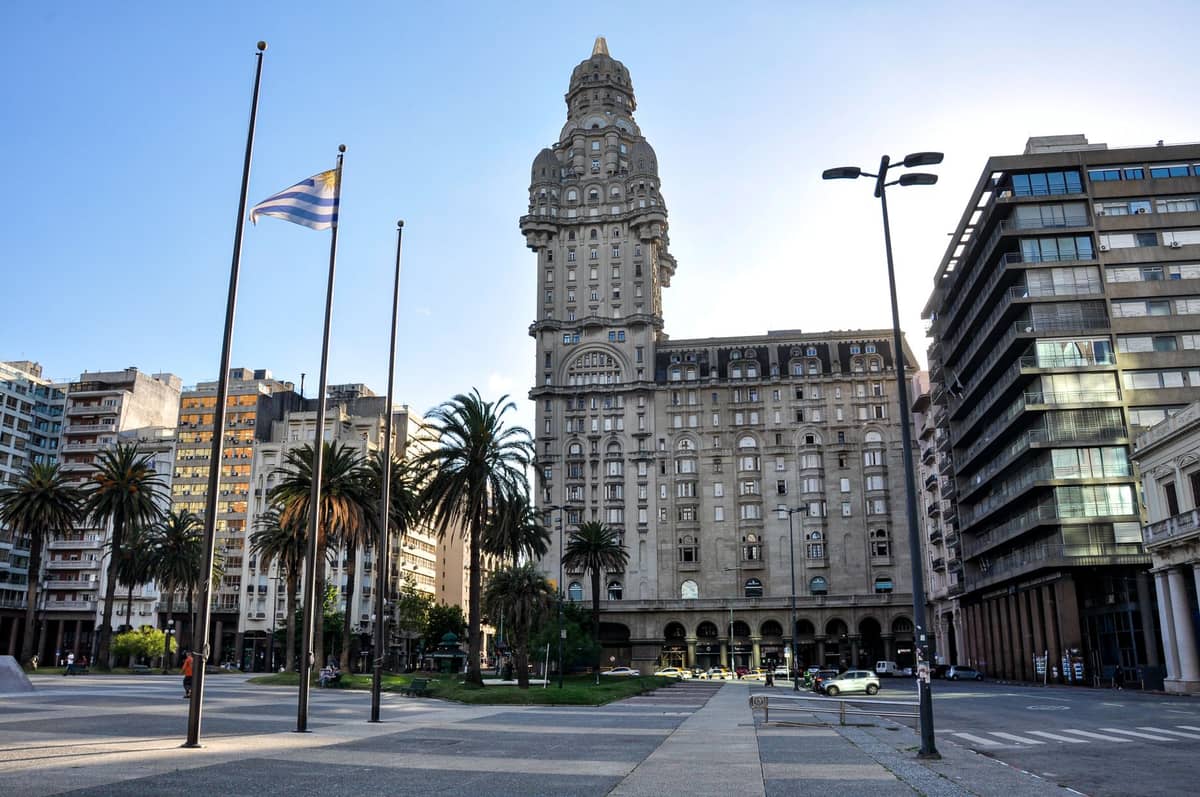
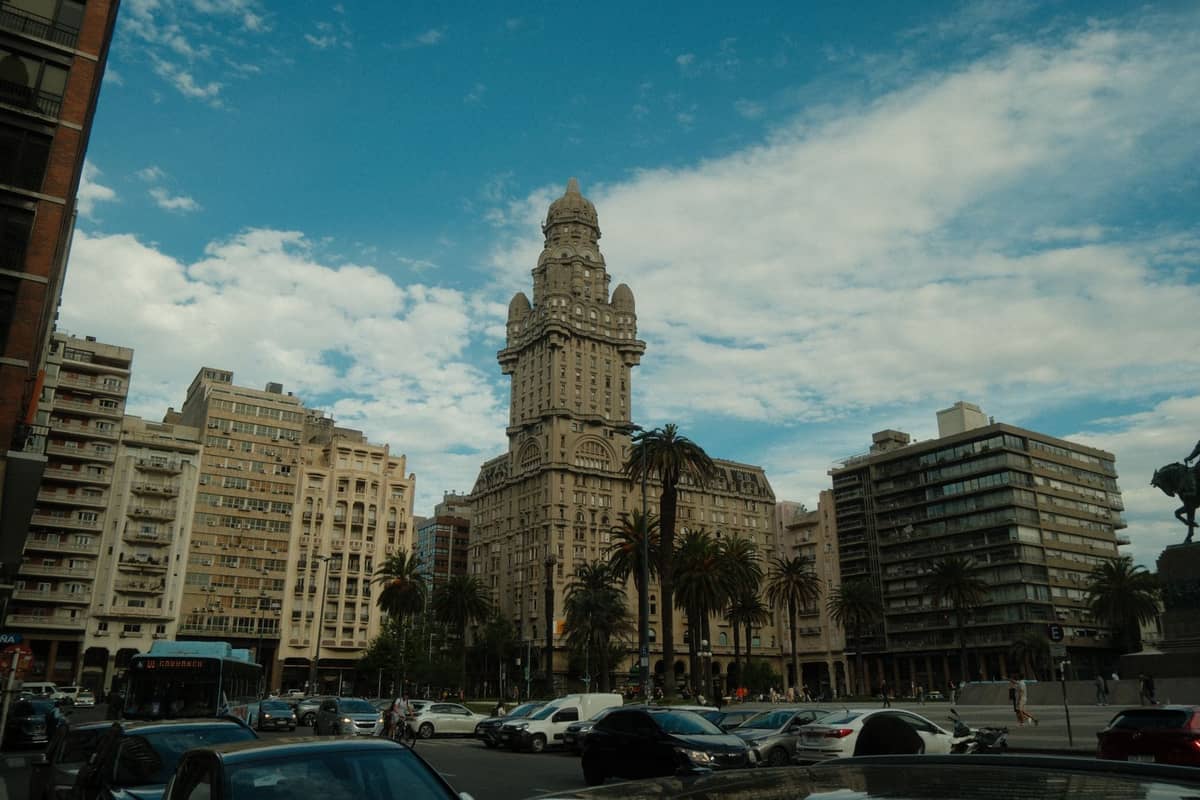
Is Montevideo safe? The honest answer is: safer than much of Latin America, but not as safe as Western Europe or the more sanitized picture some travel blogs paint. Uruguay consistently ranks as one of the more stable, politically predictable countries in South America, and that stability does extend to visitor experience. But Montevideo is still a capital city of 1.3 million people, and crime is a documented, ongoing concern.
In 2023, Uruguay recorded 382 homicides nationally, with roughly 55% concentrated in Montevideo. That translates to an approximate homicide rate of 15.4 per 100,000 for Montevideo based on the 2022–2023 average — high by European standards, lower than many Latin American capitals. The U.S. Overseas Security Advisory Council (OSAC) classifies Montevideo as a critical-threat location for crime affecting official U.S. government interests, while simultaneously rating it low-threat for terrorism. That distinction matters: the risks here are criminal, not political.
The Travel Risk Calculator scores Montevideo at 38 out of 100 — moderate risk overall, with crime as the dominant factor in that score. The risk is real but manageable with informed behavior.
ℹ️ Good to know
The U.S. State Department's Uruguay travel advisory is Level 2: "Exercise Increased Caution due to crime." Crime is most common in Montevideo, Canelones, Maldonado, and Rivera departments — a prompt to stay aware, not a directive to avoid travel.
Neighborhood Safety Breakdown
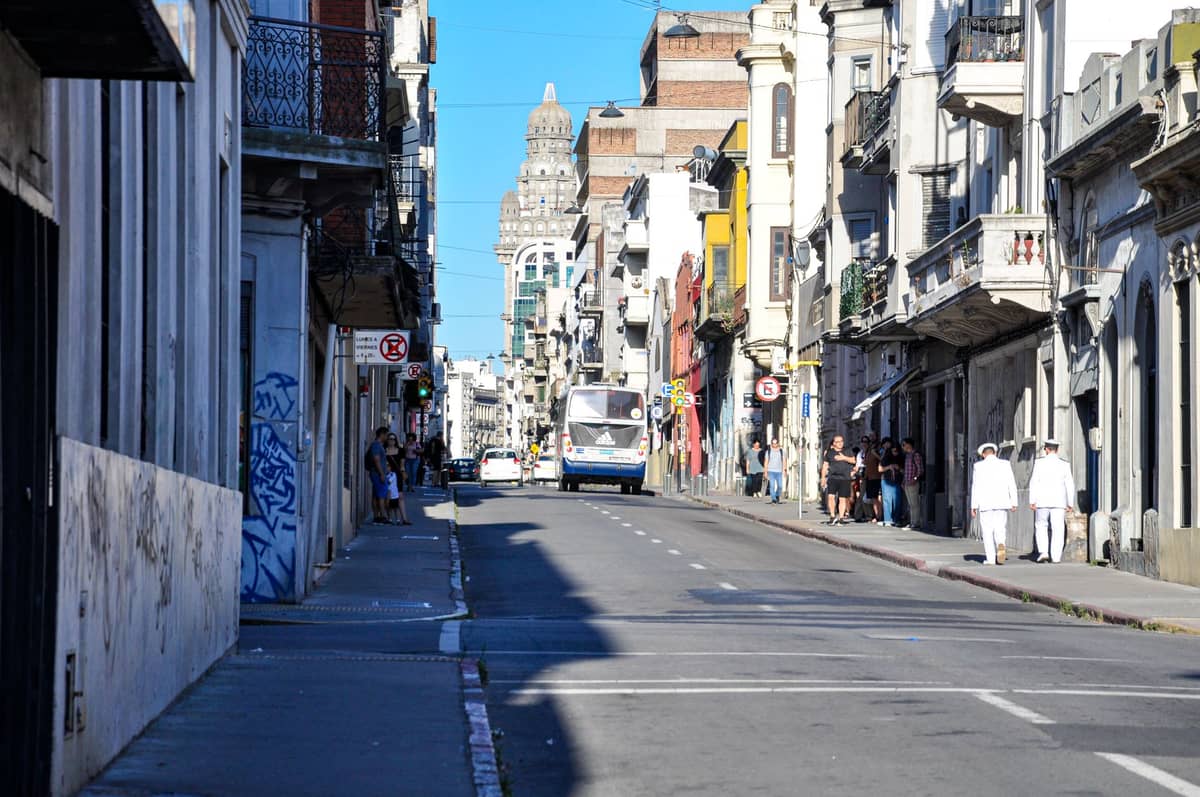
Montevideo's neighborhoods vary considerably in risk level, and knowing which areas demand extra caution is one of the most practical things you can do before arriving. The Ciudad Vieja (Old City) is the historic heart of Montevideo and home to major sights like the Plaza Independencia and Mercado del Puerto. It's fine during the day with normal urban awareness, but it empties out after business hours and becomes significantly more risky after dark. Stick to well-lit main streets if you're there in the evening.
- Pocitos and Punta Carretas The safest areas for most visitors. Residential, well-lit, with constant foot traffic along the Rambla. Good restaurant and bar scene, lower theft risk compared to the center.
- Carrasco The most upscale residential neighborhood, located near the international airport. Very low crime relative to the city average. Less nightlife, more suburban feel.
- Centro and Cordón Busier and more urban than Pocitos. Fine during the day; exercise more caution at night, especially around bus terminals and quieter side streets.
- Ciudad Vieja High pedestrian traffic during business hours; requires genuine caution after dark. Pickpocketing and opportunistic theft are the main risks. Don't walk alone late at night here.
- Cerro, Casavalle, and peripheral neighborhoods These areas have significantly higher crime rates and are not typical tourist destinations. There's no compelling reason for most visitors to spend time here.
⚠️ What to skip
A common misconception is that crime is limited to specific "bad neighborhoods." The U.S. State Department explicitly notes that violent and property crimes occur throughout Uruguay, including in popular urban areas. Don't assume tourist zones are automatically safe.
The Most Common Crimes Against Tourists
Understanding the type of crime you're most likely to encounter shapes how you prepare. For tourists in Montevideo, the dominant risks break down into three categories: opportunistic theft (pickpocketing, bag snatching), armed robbery, and carjacking. The German Foreign Office specifically advises travelers to walk in groups when possible, exercise particular caution around hostels at night, and not resist during robberies — noting a low threshold for escalation to violence. That last point is important. Compliance during a robbery is the recommended approach across multiple official advisories.
Carjackings are a documented concern, particularly relevant if you're renting a car. Avoid stopping in unfamiliar areas after dark, keep doors locked while driving, and be cautious at traffic lights in quieter parts of the city. Phone and laptop theft is common at outdoor cafes and in crowded markets — keeping devices in bags rather than on tables is a habit worth developing from day one.
During summer months (December through February), the Rambla and beach areas attract larger crowds, which also attracts more opportunistic theft. The concentration of tourists with phones, cameras, and beach bags makes these areas a focus for petty crime in peak season. This doesn't mean you shouldn't go — the Rambla is one of Montevideo's best features — but it does mean staying alert in ways you might not at a beach in, say, Portugal.
Practical Safety Tips That Actually Help
Most advice about travel safety is either obvious to the point of uselessness or so paranoid it makes travel miserable. What follows is practical guidance calibrated to the actual risk level in Montevideo.
- Use the STM card for buses rather than paying cash — it reduces fumbling with money in public and is slightly cheaper per trip. Urban bus fares (2025-2026) run around UYU 50-64 for a one-hour ticket depending on the scale in effect; check the Intendencia de Montevideo's official tariff page before your trip as these are updated periodically.
- Don't carry your passport as your daily document. Leave it secured at your accommodation and carry a photo copy or digital scan for routine interactions.
- Withdraw cash from ATMs inside banks or shopping centers during business hours, not from street-facing machines late at night.
- Uber operates in Montevideo and is generally considered safer and more predictable than hailing street taxis, particularly late at night.
- If you're staying in Ciudad Vieja, plan to be back at your accommodation before midnight or use a ride-hailing app rather than walking back.
- Dress and behave in ways that reduce your profile as a tourist: put your phone away when not using it, use a cross-body bag rather than a backpack in crowded areas, and avoid wearing expensive jewelry in street markets.
- In the event of a robbery: comply, don't resist, and report to police as soon as safely possible. The emergency number in Uruguay is 911.
✨ Pro tip
The Rambla de Montevideo is one of the city's great pleasures — a 22-kilometer coastal promenade connecting neighborhoods from Ciudad Vieja to Carrasco. Running or cycling it during daylight hours is perfectly safe and one of the best ways to understand the city's geography. Avoid the more isolated stretches alone after dark.
Getting Around Safely
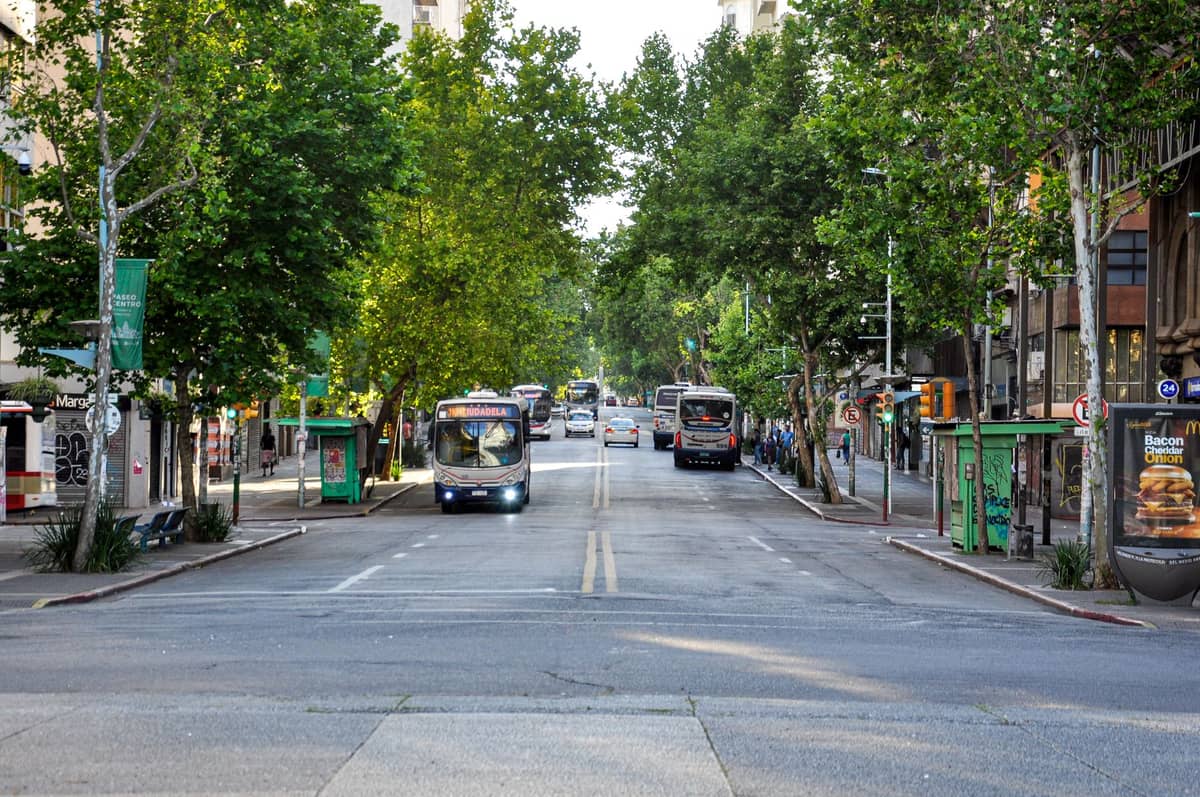
Montevideo has no metro system. Transport relies on an extensive urban bus network, ride-hailing apps, and taxis. For most visitors, the practical choice between buses and Uber comes down to cost versus convenience. Buses are significantly cheaper — the STM card system covers the entire city — and getting around Montevideo by bus is straightforward once you have the card. Uber and similar apps cost more but offer door-to-door service in any weather, which matters when you're navigating an unfamiliar city at night.
From Carrasco International Airport (IATA: MVD), located roughly 18-20 km from central Montevideo in Ciudad de la Costa, your options are airport taxis on fixed or metered tariffs, private remise (car service) booked at the terminal, or public buses that stop outside the terminal. Specific fares change with fuel costs and tariff revisions, so verify current costs on arrival or through the airport's official information desks. The public bus is the cheapest option but less practical with heavy luggage.
If you're planning day trips from the city, both Colonia del Sacramento and Punta del Este are accessible by bus from the Tres Cruces terminal. These routes are well-established and generally trouble-free.
Staying Safe While Enjoying the City

The safety concerns around Montevideo should be context, not deterrent. The city has a rich cultural scene, excellent food, and some genuinely interesting history — none of which requires you to take unusual risks. Most of what makes Montevideo worth visiting is accessible during daylight hours and in well-trafficked areas. The Rambla, the Mercado del Puerto, the Palacio Salvo, and the city's museums are all low-risk environments during normal visiting hours.
Montevideo's nightlife concentrates in Pocitos, Punta Carretas, and parts of Cordón. These areas have enough ambient activity late into the evening that they're manageable with normal caution. The nightlife scene can run very late by European standards — restaurants often don't fill until 9 or 10pm, and clubs start later still. Plan transport home before you go out rather than improvising at 3am.
💡 Local tip
Register with your country's embassy or foreign ministry before traveling. The U.S. State Department's STEP program, the UK's FCDO travel registration, and equivalent services from other countries provide updated safety alerts and emergency contact assistance if something goes wrong. It takes five minutes and costs nothing.
FAQ
Is Montevideo safe for solo travelers?
Solo travel in Montevideo is manageable with reasonable precautions, but it does require more vigilance than traveling with others. The German Foreign Office specifically recommends walking in groups when possible in Montevideo. Solo travelers should be especially careful in Ciudad Vieja at night, avoid isolated stretches of the Rambla after dark, and use ride-hailing apps rather than walking home alone from bars or restaurants. Solo female travelers report generally positive experiences in the tourist-frequented areas of Pocitos, Punta Carretas, and the Rambla during daylight hours.
What areas of Montevideo should tourists avoid?
The peripheral neighborhoods of Cerro, Casavalle, and some parts of the outer city have significantly higher crime rates and offer little for tourists. Ciudad Vieja is fine during the day but requires caution after dark. The U.S. State Department notes that crime occurs throughout the city, not just in specific zones, so situational awareness matters everywhere.
Is Montevideo safer than Buenos Aires?
Both cities carry similar moderate-risk ratings by most travel safety indices. Uruguay as a country has historically been considered more stable and less crime-prone than Argentina overall, but Montevideo specifically has elevated crime rates that put it in a comparable bracket to Buenos Aires for practical travel purposes. Neither city is particularly dangerous for informed tourists; both require standard urban caution.
Is it safe to walk around Montevideo at night?
It depends heavily on where and when. The Rambla in Pocitos, the main streets of Punta Carretas, and areas around popular restaurants are generally fine with normal awareness. Quieter streets in Centro, Ciudad Vieja, and areas around the Tres Cruces bus terminal are higher risk after dark. The practical rule: stick to well-lit, populated streets, use Uber or taxis for longer night journeys, and avoid displaying expensive phones or cameras.
What is the emergency number in Montevideo?
Uruguay uses 911 as its unified emergency number for police, fire, and ambulance services. Uruguay's country calling code is +598 if you need to contact services from an international number. For non-emergency police matters, having your country's embassy contact saved in your phone is also advisable before you travel.
Tickets & tours
Live prices and dates from our booking partner. If you book, we may earn a commission at no extra cost to you.
Planning a trip? Discover personalized activities with the Nomado app.